
Hawaii-Style Spam Fried Rice
Diced Spam fried until the edges crisp with ginger, onion and carrots, then tossed with rice, Shaoxing wine, soy and fish sauce, egg, peas and scallions, the local-style fried rice of Hawaii.
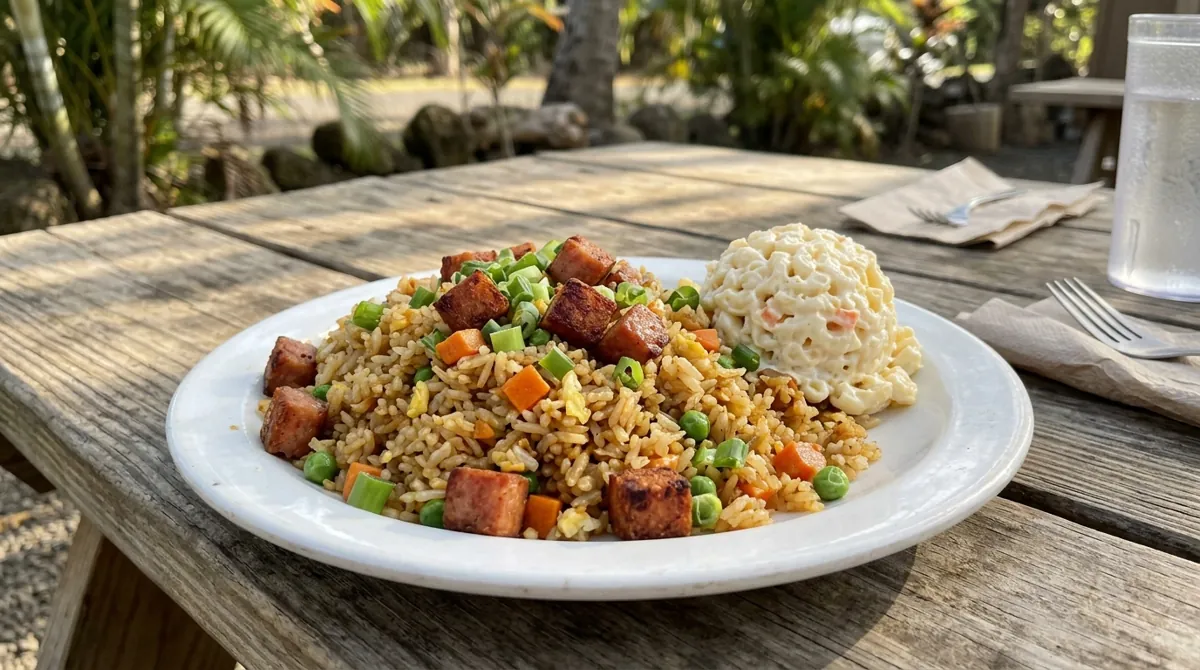
Hormel introduced Spam on July 5, 1937, and Wikipedia says that during World War II and the occupations that followed it reached Guam, Hawaii, Okinawa, the Philippines and other Pacific islands). Hawaii never let go: the same article says the state has the highest per capita consumption in the US, about 7 million cans a year, and holds an annual Spam Jam in Waikiki. Wikipedia's fried rice page describes the islands' usual fried rice as egg, green onions, peas and carrots with Portuguese sausage or Spam.
Just don't call it Hawaiian. Kathy YL Chan of Onolicious Hawaii writes that Spam fried rice is a local dish that every Hawaii local will recognize and that calling it Hawaiian makes locals cringe. That is why this hub calls it Hawaii-style. The recipe comes from The Woks of Life, whose Kaitlin got the idea on a family trip to Maui; it fries the Spam first so it crisps, then builds the rice in the rendered fat.
Why it works the kitchen science
Spam first
Frying the cubes alone browns them and renders their fat, which then seasons the onion, carrots and rice.
Egg drizzled over spread-out rice
Pouring the egg over a thin layer of hot rice coats the grains in fine egg instead of making big scrambled lumps.
Step by step
- Step 1
Heat the oil in a wok over medium-high heat. Add the ginger and fry gently 1 minute.
- Step 2
Add the Spam and cook 3 to 4 minutes, stirring now and then, until the edges are lightly crisp.
- Step 3
Add the onion and carrots and cook 3 to 4 minutes, until tender.
- Step 4
Turn the heat to high. Add the rice, break up the clumps and spread it in a single layer; let it sit about 2 minutes to heat and crisp lightly.
- Step 5
Add the Shaoxing wine, soy sauce and fish sauce and stir to combine.
- Step 6
Spread the rice out again and drizzle the eggs over it. Stir-fry quickly, let it sit about 15 seconds, then stir-fry 1 to 2 minutes more, until the egg is cooked and evenly spread through the rice.
- Step 7
Add the peas and scallions and stir-fry 1 to 2 minutes, until the peas are hot and the rice is steaming hot (165°F). Serve right away with hot sauce.
Hawaii-Style Spam Fried Rice
Serves 6 · 6 plates · 25 min total
- 6 cups cooked rice, refrigerated overnight or cooked 20 to 30 minutes ahead
- 3 tbsp vegetable oil
- 2 large slices fresh ginger
- 8 oz (225 g) Spam, diced
- 1 onion, diced (about 1 cup)
- 2 carrots, diced (about 1 cup)
- 2 tbsp Shaoxing wine
- 1 to 2 tbsp soy sauce, to taste
- 1 tbsp fish sauce
- 4 large eggs, beaten
- 1 cup frozen peas
- 3 scallions, chopped
- Hot sauce, to serve
Method
- Heat the oil in a wok over medium-high heat. Add the ginger and fry gently 1 minute.
- Add the Spam and cook 3 to 4 minutes, stirring now and then, until the edges are lightly crisp.
- Add the onion and carrots and cook 3 to 4 minutes, until tender.
- Turn the heat to high. Add the rice, break up the clumps and spread it in a single layer; let it sit about 2 minutes to heat and crisp lightly.
- Add the Shaoxing wine, soy sauce and fish sauce and stir to combine.
- Spread the rice out again and drizzle the eggs over it. Stir-fry quickly, let it sit about 15 seconds, then stir-fry 1 to 2 minutes more, until the egg is cooked and evenly spread through the rice.
- Add the peas and scallions and stir-fry 1 to 2 minutes, until the peas are hot and the rice is steaming hot (165°F). Serve right away with hot sauce.
Adapted from The Woks of Life, "Spam Fried Rice" (serves 6). We follow its amounts (6 cups cooked rice, 3 tbsp oil, 2 slices ginger, 8 oz Spam, 1 onion, 2 carrots, 2 tbsp Shaoxing wine, 1 to 2 tbsp soy sauce, 1 tbsp fish sauce, 4 eggs, 1 cup frozen peas, 3 scallions), its 1 minute ginger fry and its 15 second egg rest. The page gives descriptions instead of minutes for the Spam, vegetables and rice; those times and the 165°F check are ours. The Woks of Life. Ingredient list follows the source; the method is in our own words.
Tips
- Kathy YL Chan's local tips: use cold leftover rice, let the rice sit until the bottom turns golden and crisp, and only half-scramble the egg.
- Wikipedia says Portuguese sausage is the other usual meat in Hawaii's fried rice.
- Spam is salty; start with 1 tbsp soy sauce and taste before adding more.
- The Woks of Life serves it with hot sauce and macaroni salad.
The rules people argue about
What the sources agree on, what they don't, and what is just a good story.
- It is "Hawaiian" fried rice. Disputed as a name: Wikipedia calls it Hawaiian fried rice; Onolicious Hawaii says it is a local dish, not a Hawaiian one.
- Hawaii eats more Spam than any other state. Documented: Wikipedia (7 million cans a year).
- Spam came to the islands with World War II. Documented as Wikipedia's account.
- Hawaii's fried rice is cooked in sesame oil. Disputed: Wikipedia says it normally is; The Woks of Life and Onolicious Hawaii use vegetable oil.
Every other fried rice
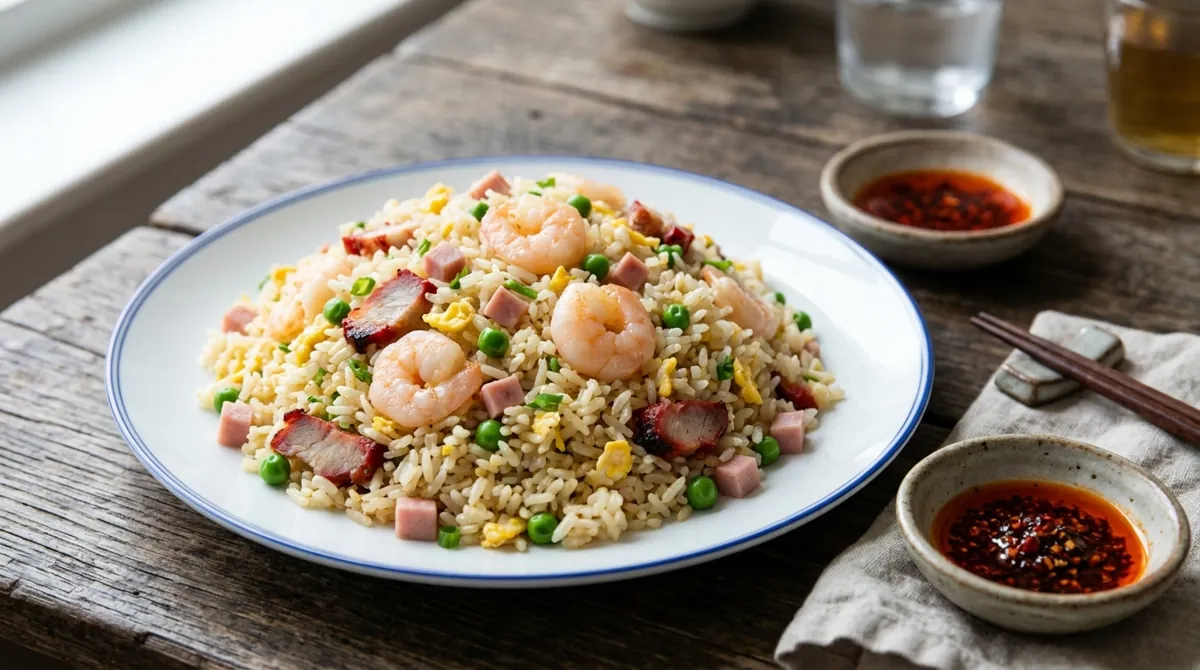
Yangzhou Fried Rice (Young Chow Fried Rice)
China's most famous fried rice: day-old rice stir-fried with egg, shrimp, ham, roast pork, onion and peas, seasoned with salt, a pinch of sugar and Shaoxing wine instead of soy sauce, and finished with crisp lettuce and scallions.
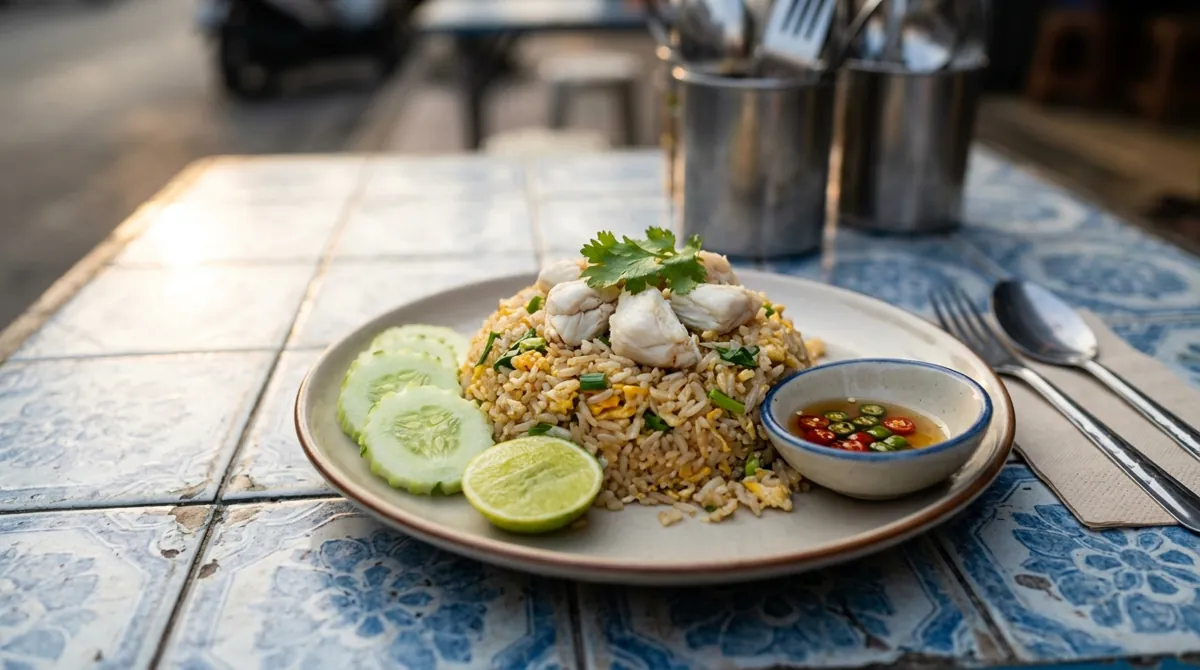
Thai Crab Fried Rice (Khao Pad Pu)
Jasmine rice stir-fried with golden garlic and marbled egg, seasoned with fish sauce, soy and a little sugar, toasted in the wok, topped with sweet lump crab and served with cucumber, lime and chili fish sauce.
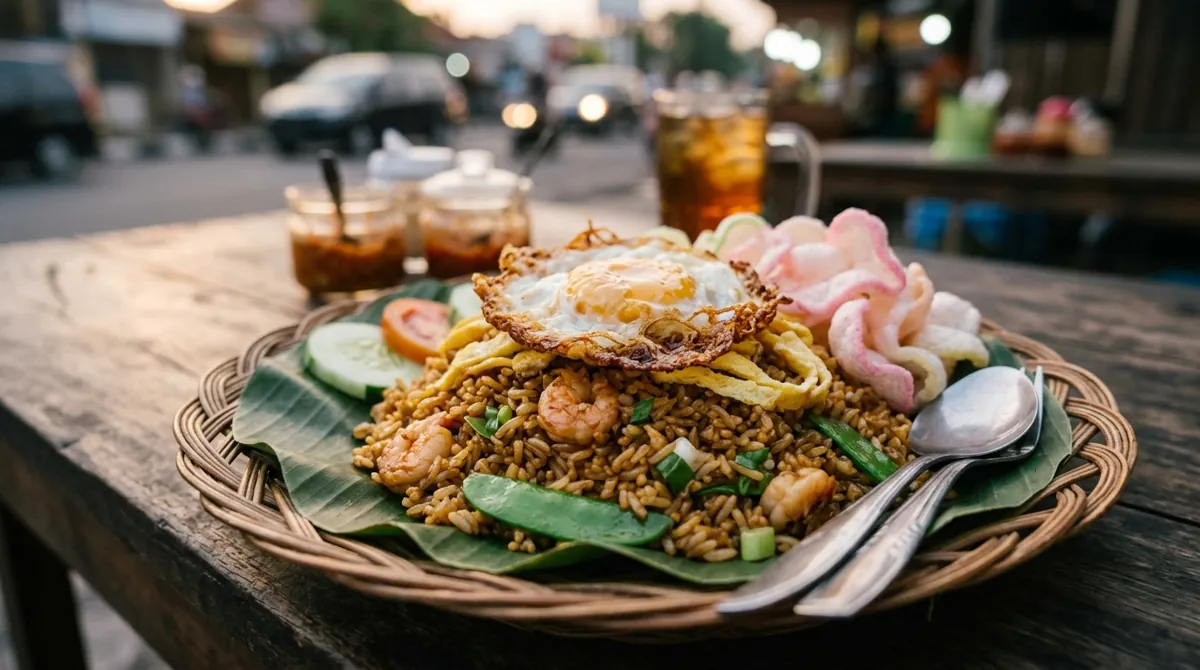
Nasi Goreng (Indonesian Fried Rice with Shrimp and a Fried Egg)
Cold rice fried with shallots, garlic, shrimp paste, coriander and cumin, shrimp, snow peas and bean sprouts, darkened and sweetened with kecap manis and sambal, then topped with omelet strips and a fried egg.
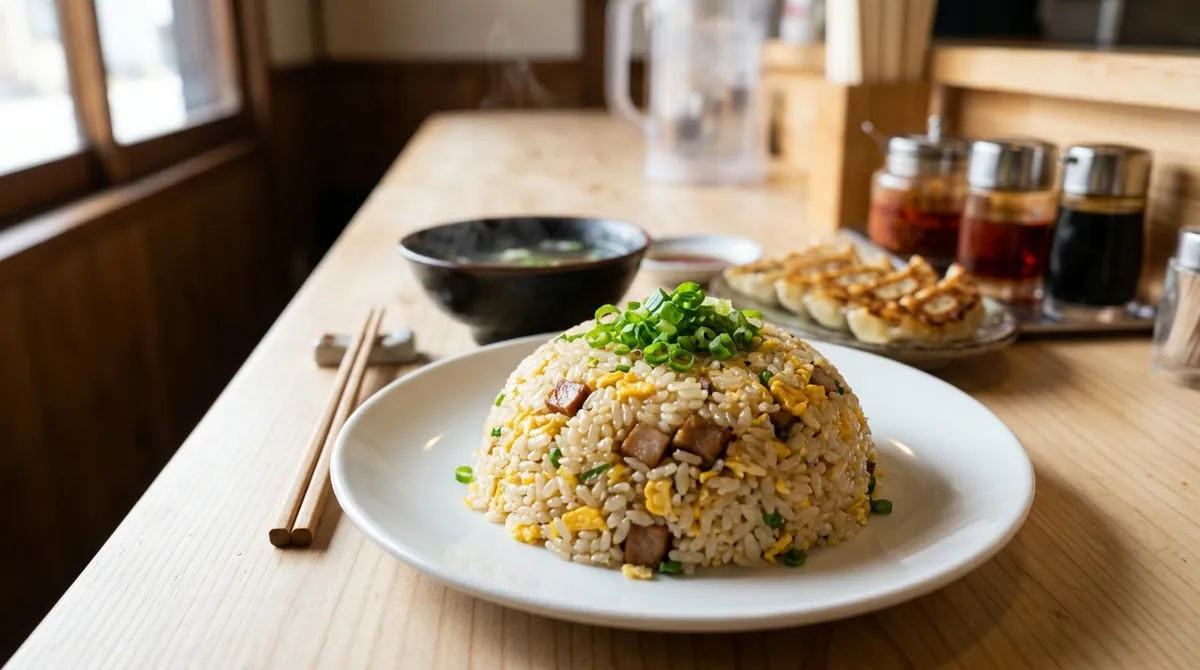
Chahan (Japanese Fried Rice with Chashu Pork)
Japanese short-grain rice stir-fried with fluffy egg, diced chashu pork belly and green onion, seasoned with soy sauce, white pepper and sesame oil, then packed into a rice bowl and turned out as a neat dome.
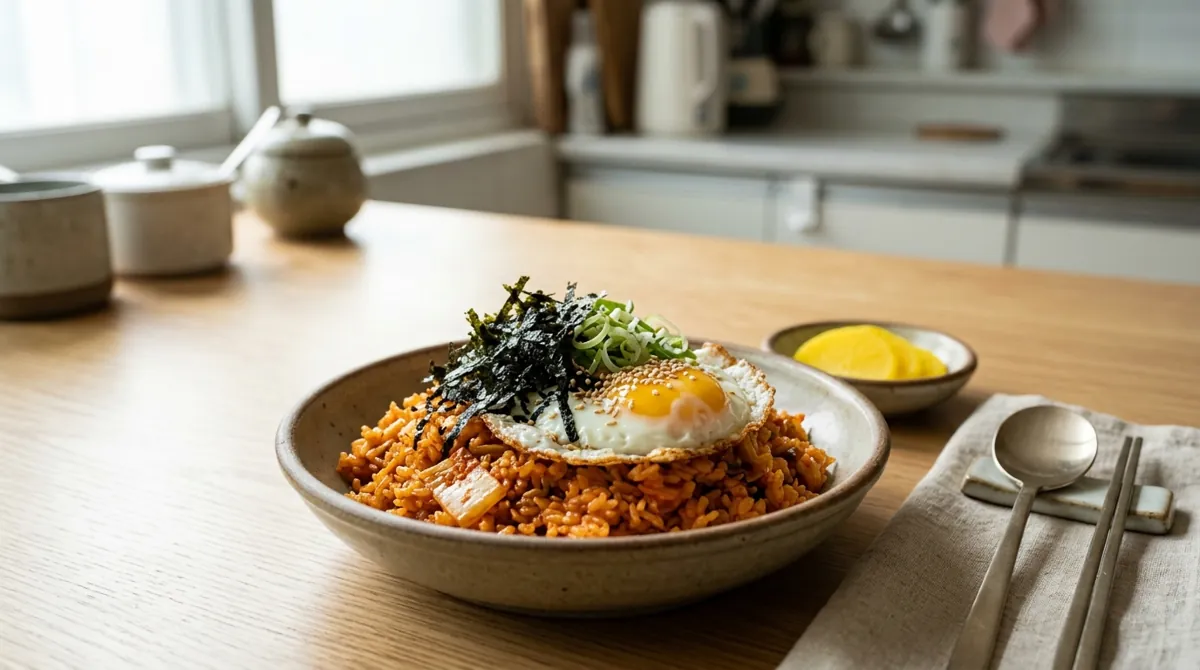
Kimchi Bokkeumbap (Korean Kimchi Fried Rice)
Steamed rice stir-fried with sour, well-fermented kimchi, its red brine and gochujang, finished with toasted sesame oil and topped with green onion, shredded gim, sesame seeds and a fried egg.
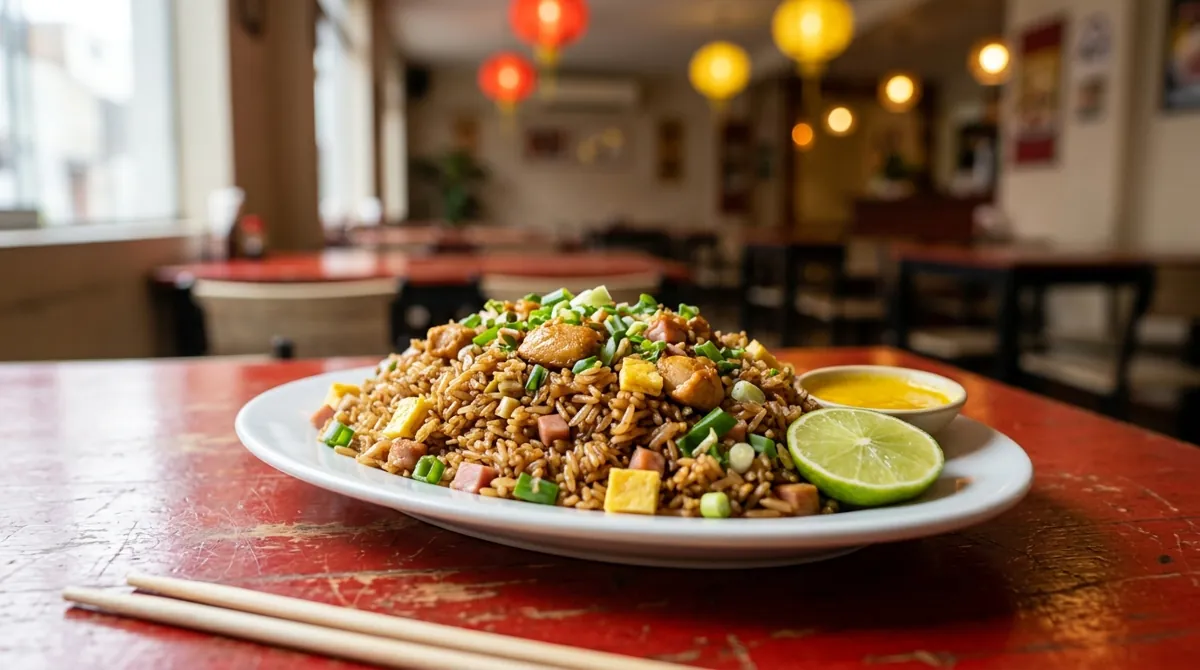
Arroz Chaufa (Peruvian Chinese Fried Rice)
The fried rice of Peru's chifa restaurants: chilled rice stir-fried with garlic and ginger-marinated chicken, ham, squares of thin omelet and green onions, seasoned with soy sauce and served with lime and ají.
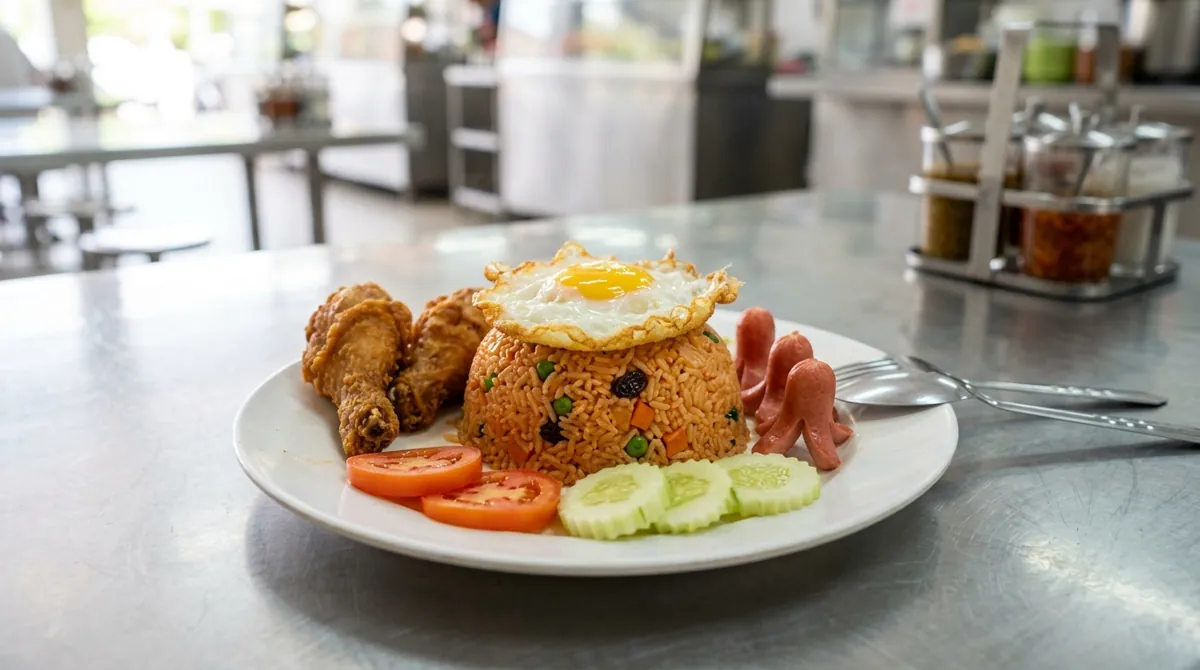
Thai American Fried Rice (Khao Pad American)
Thailand's idea of an American plate: ketchup fried rice with carrots, peas, corn and raisins, molded into a dome and crowned with a sunny-side-up egg, with crisp fried chicken drumsticks, blooming hot dogs, tomato and cucumber around it.
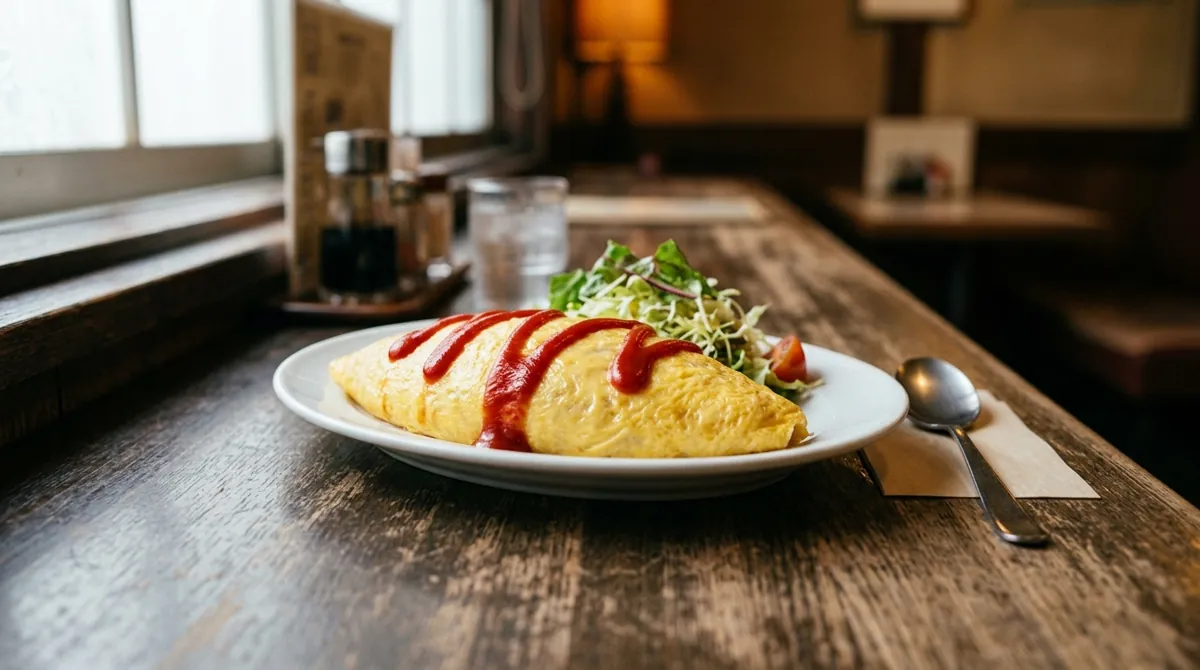
Omurice (Japanese Omelet Rice)
Ketchup chicken rice with onion and peas, wrapped in a soft, custardy butter omelet, turned out seam side down into a neat football shape and finished with a zigzag of ketchup.
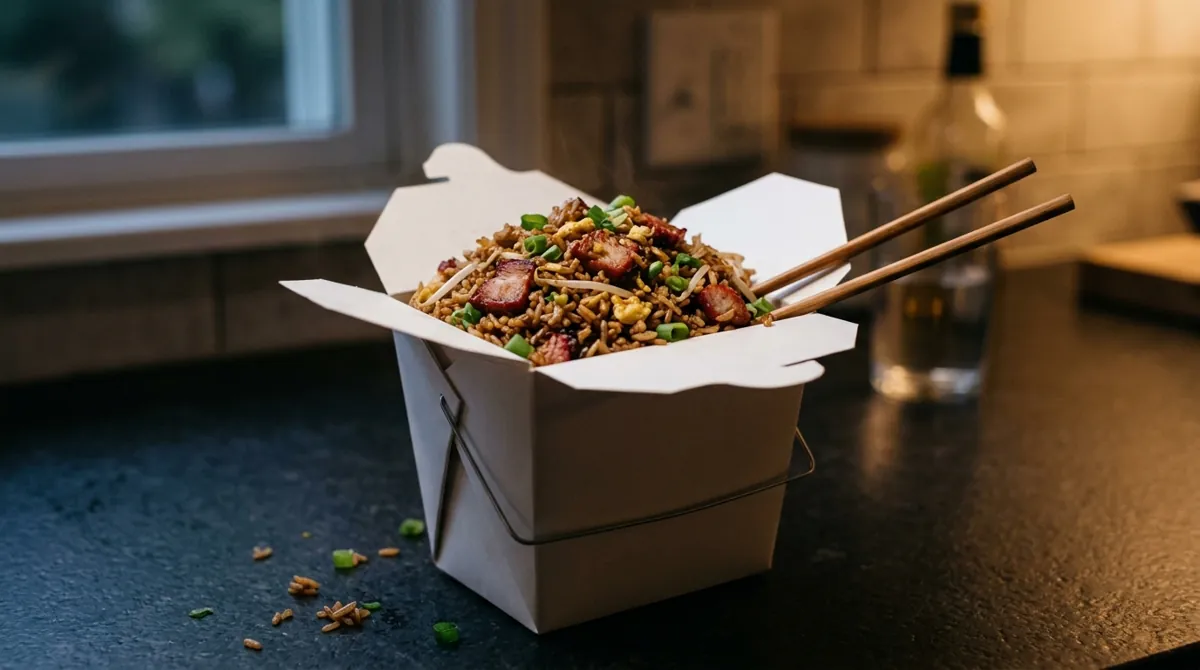
Chinese-American Pork Fried Rice
The takeout classic: jasmine rice darkened with soy and dark soy sauce, honey, sesame oil and Shaoxing wine, tossed with a full pound of red-edged char siu, onion, bean sprouts, scrambled egg and scallions.
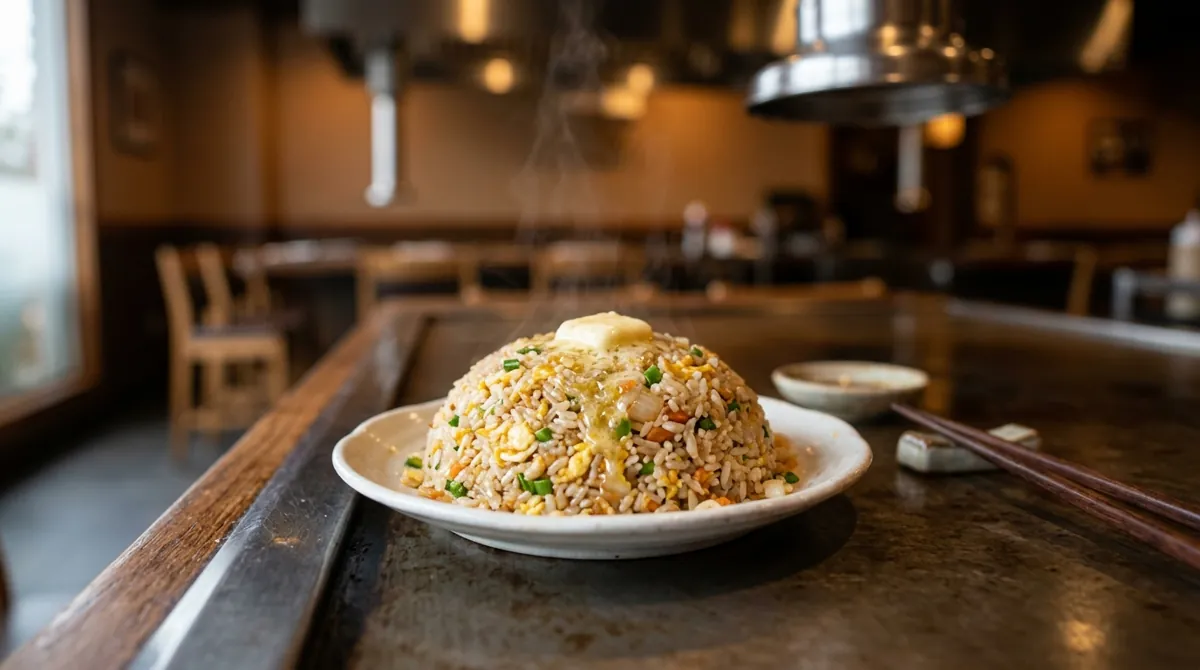
Hibachi Fried Rice (Japanese Steakhouse Garlic Butter Fried Rice)
The flat-top fried rice of America's Japanese steakhouses: freshly boiled long-grain rice fried until it sizzles and pops with soft egg and scallions, glazed with soy sauce and mirin and finished with garlic butter.
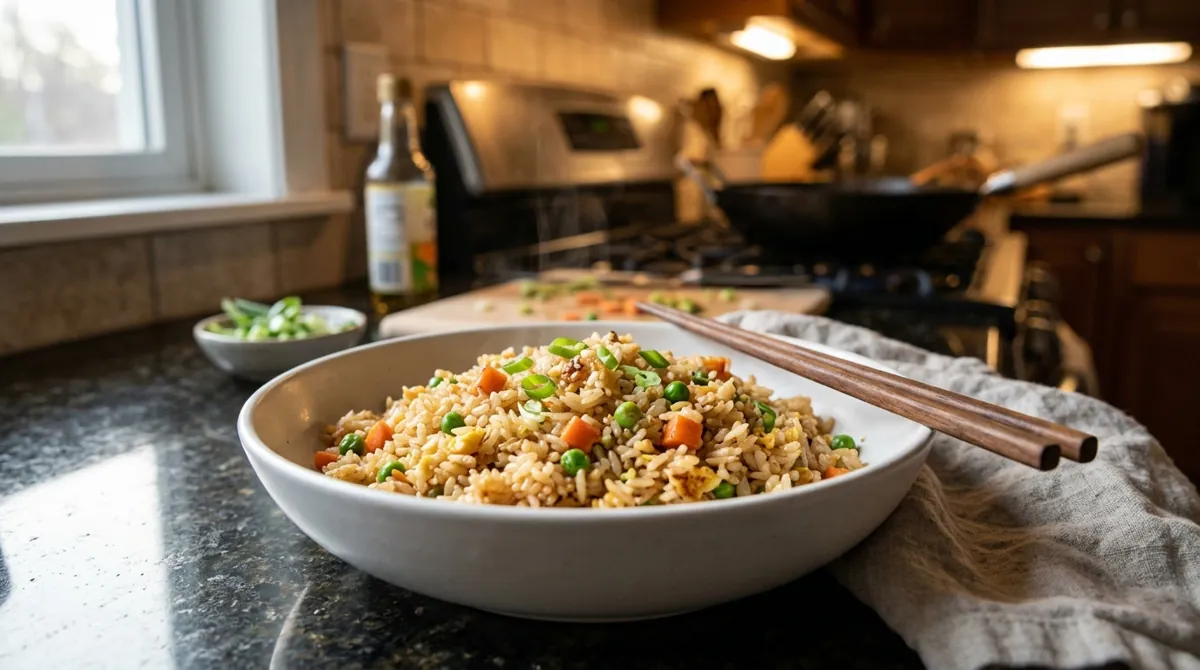
20-Minute Leftover Fried Rice
The weeknight method: leftover rice toasted in two batches in a smoking-hot wok, then tossed with onion, carrot, garlic and scallions, a little soy and sesame oil, one egg and a handful of frozen peas.
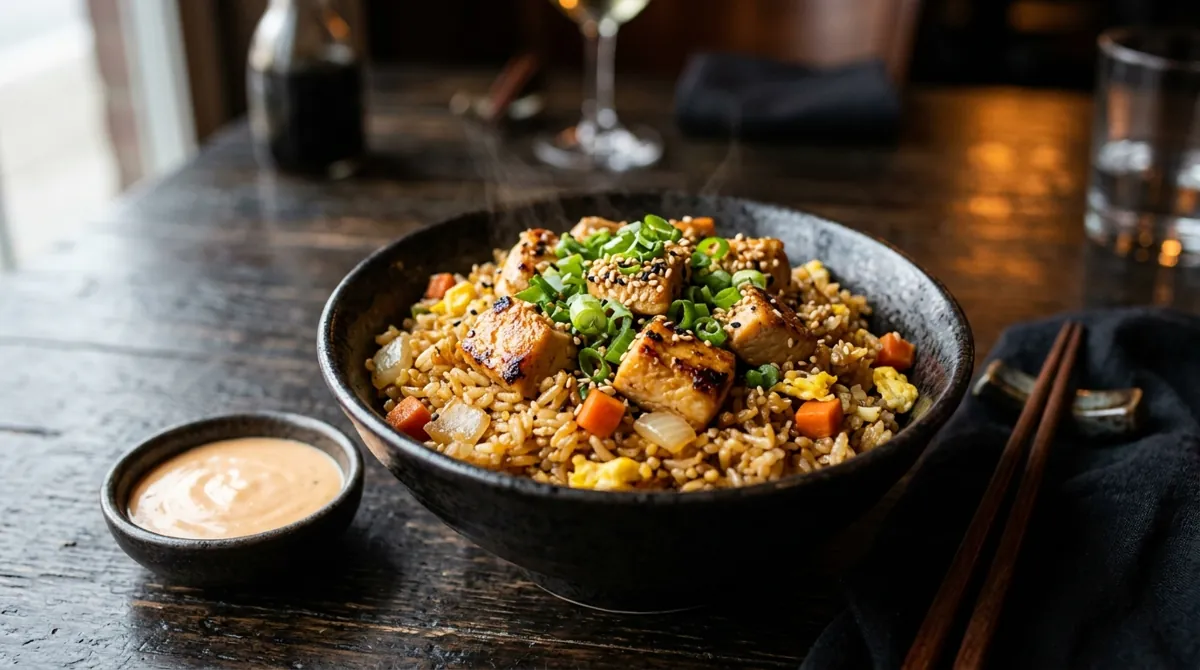
Hibachi Chicken Fried Rice, Inspired by Benihana
Inspired by, not official: jasmine rice fried with browned chicken, carrot, onion, garlic and soy sauce, crisped in a well of melting butter, then finished with scrambled egg, sesame seeds and scallions, the way the steakhouse chicken rice tastes.
Meatballs of the World

Italian-American Meatballs
Big, tender meatballs braised for an hour in red sauce over spaghetti. The one most Americans grew up with.

Pallottine (Abruzzo Meatballs)
Tiny meatballs, smaller than a marble, tossed right through square spaghetti alla chitarra. No bread at all.

Swedish Meatballs (Köttbullar)
Small, soft meatballs browned in butter, in a cream sauce made from the same pan, with lingonberry jam on the plate.

Danish Frikadeller
Pork meatballs shaped with a spoon and fried slowly in butter, crusty outside and soft in the middle.

Königsberger Klopse
German meatballs that are never fried: poached, then served in a creamy white sauce with capers.

Spanish Albóndigas in Almond Saffron Sauce
The tapas bar classic: small meatballs in a golden sauce thickened with fried almonds and bread.

Mexican Albóndigas with Chipotle and Mint
Soft meatballs with rice and fresh mint inside, simmered in a smoky tomato and chipotle broth.

Izgara Köfte (Turkish Grilled Meatballs)
Small, flat meatballs kneaded hard, rested cold, and charred on a hot grill pan.

Lion's Head Meatballs
Big, soft pork meatballs, stirred into a sticky paste, fried to set, then braised in a savory sauce.

Chicken Tsukune
Japan's chicken meatball: kneaded sticky, grilled on skewers, glazed with sweet soy tare, dipped in egg yolk.