
Japanese Chicken Karaage
Bite-size pieces of skin-on chicken thigh marinated in soy, sake, ginger and garlic, coated in flour and potato starch, and fried twice in under three minutes.
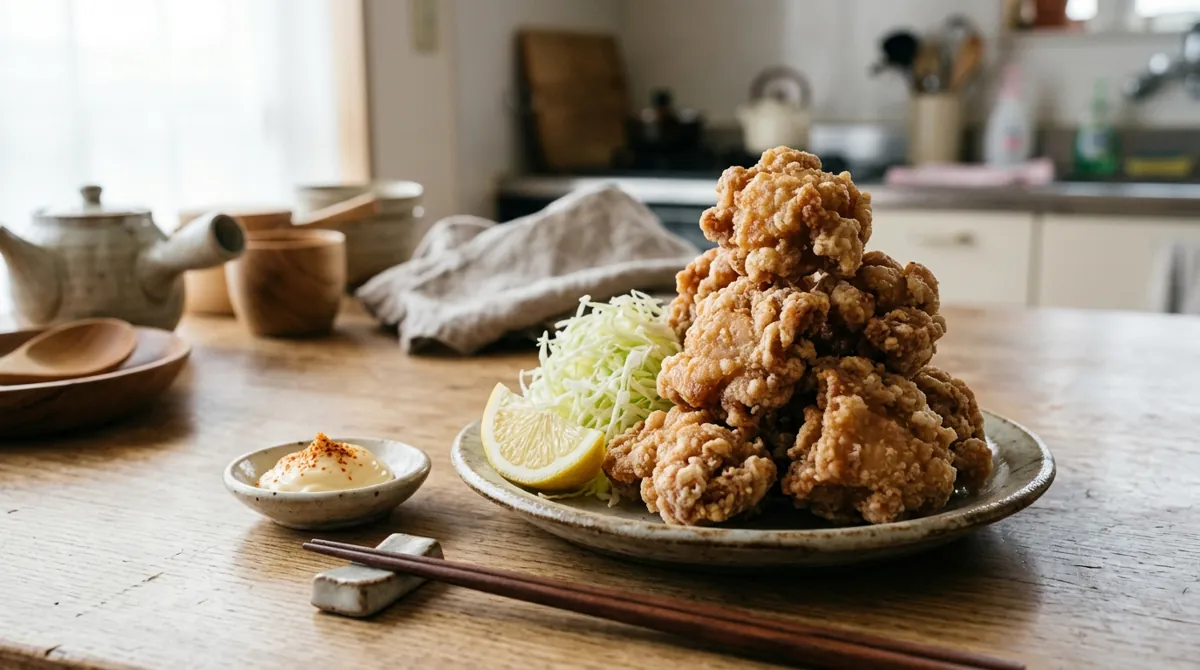
Karaage means a style of frying in which food is coated, usually with starch, and fried; for chicken, it is Japan's everyday fried chicken. Wikipedia says the word turns up in the late 1600s and that chicken karaage became popular as a "Chinese-style" restaurant dish in the 1930s. The Tokyo restaurant Mikasa Kaikan says its struggling Ginza branch, opened in 1932, added a deep-fried chicken dish suggested by a chef, and the Japan Karaage Association recognizes it as the first karaage to appear on a restaurant menu (Jiji Press, September 10, 2023, reposted by the Tokyo Metropolitan Government:). Oita Prefecture tells a second story: Wikipedia says karaage's post-war rise began in the neighboring cities of Usa and Nakatsu, where more than 60 shops now take part in a karaage festival. Which place started it is DISPUTED (see Rules).
Why it works the kitchen science
Rest between fries
The short first fry sets the crust, and the heat stored in the pieces finishes the inside while they rest, so the meat stays juicy instead of overcooking.
Flour then starch
The thin flour layer helps the coating grip the marinated meat, and potato starch on the outside fries up light, crisp and pale gold.
Step by step
- Step 1
Cut the thighs into 2-inch pieces and season with the salt and pepper.
- Step 2
Whisk the ginger, garlic, soy sauce, sake and sesame oil in a bowl. Add the chicken, mix well with your hands, cover and refrigerate 30 minutes.
- Step 3
Pour 1 to 1 1/2 inches of oil into a heavy pot and heat it to 325°F.
- Step 4
Coat each piece lightly in flour and shake off the excess, then coat it in potato starch and shake again.
- Step 5
First fry: fry 3 to 5 pieces at a time at 325°F for 90 seconds, until light golden. Drain on a wire rack and skim out crumbs between batches. Let the pieces rest on the rack while you fry the rest; they keep cooking inside.
- Step 6
Second fry: raise the oil to 350°F and fry the rested pieces again for 45 seconds, until golden brown and crisp. Drain on the rack. Check the thickest piece: it should read 165°F; if not, give the batch another 30 seconds.
- Step 7
Serve hot with lemon wedges, mayonnaise and shichimi togarashi if you like.
Japanese Chicken Karaage
Serves 4 · about 24 pieces · 1 hr 5 min total
Chicken
- 1 1/2 lb boneless, skin-on chicken thighs (4 to 6 pieces)
- 1/2 tsp Diamond Crystal kosher salt
- 1/8 tsp black pepper
Marinade
- 1/2 tsp grated fresh ginger, with its juice
- 1 clove garlic, minced
- 1/2 to 1 tbsp soy sauce
- 1/2 tbsp sake (or dry sherry, or leave it out)
- 1/2 tsp toasted sesame oil
Coating and frying
- 2 tbsp all-purpose flour, plus more as needed
- 2 tbsp potato starch or cornstarch, plus more as needed
- 3 to 4 cups neutral oil
To serve
- Lemon wedges, Japanese mayonnaise and shichimi togarashi (optional)
Method
- Cut the thighs into 2-inch pieces and season with the salt and pepper.
- Whisk the ginger, garlic, soy sauce, sake and sesame oil in a bowl. Add the chicken, mix well with your hands, cover and refrigerate 30 minutes.
- Pour 1 to 1 1/2 inches of oil into a heavy pot and heat it to 325°F.
- Coat each piece lightly in flour and shake off the excess, then coat it in potato starch and shake again.
- First fry: fry 3 to 5 pieces at a time at 325°F for 90 seconds, until light golden. Drain on a wire rack and skim out crumbs between batches. Let the pieces rest on the rack while you fry the rest; they keep cooking inside.
- Second fry: raise the oil to 350°F and fry the rested pieces again for 45 seconds, until golden brown and crisp. Drain on the rack. Check the thickest piece: it should read 165°F; if not, give the batch another 30 seconds.
- Serve hot with lemon wedges, mayonnaise and shichimi togarashi if you like.
Adapted from Just One Cookbook, "Chicken Karaage" by Namiko Hirasawa Chen (first published October 10, 2012, republished April 25, 2025), as written for 4. The 165°F check is from USDA FSIS and is our addition. Just One Cookbook. Ingredient list follows the source; the method is in our own words.
Tips
- Thighs, not breasts: thigh meat stays juicy through two fries.
- Don't over-marinate: 30 minutes is enough; longer makes the soy flavor salty.
- Karaage is a lunchbox classic and is good at room temperature.
The rules people argue about
What the sources agree on, what they don't, and what is just a good story.
- Karaage started in Ginza in 1932. Disputed: the Japan Karaage Association recognizes Mikasa Kaikan's 1932 dish as the first on a restaurant menu (Jiji Press); Oita's Usa and Nakatsu are credited with karaage's post-war boom and with early karaage specialty shops (Wikipedia).
- Karaage and tatsuta-age are the same thing. Disputed: Wikipedia says tatsuta-age is a name for the chicken version and that some people treat them as distinct dishes.
- Use potato starch. Folklore as a rule: Just One Cookbook allows cornstarch.
- Fry it twice. Documented for Just One Cookbook's method; not every karaage recipe does.
Every other fried chicken
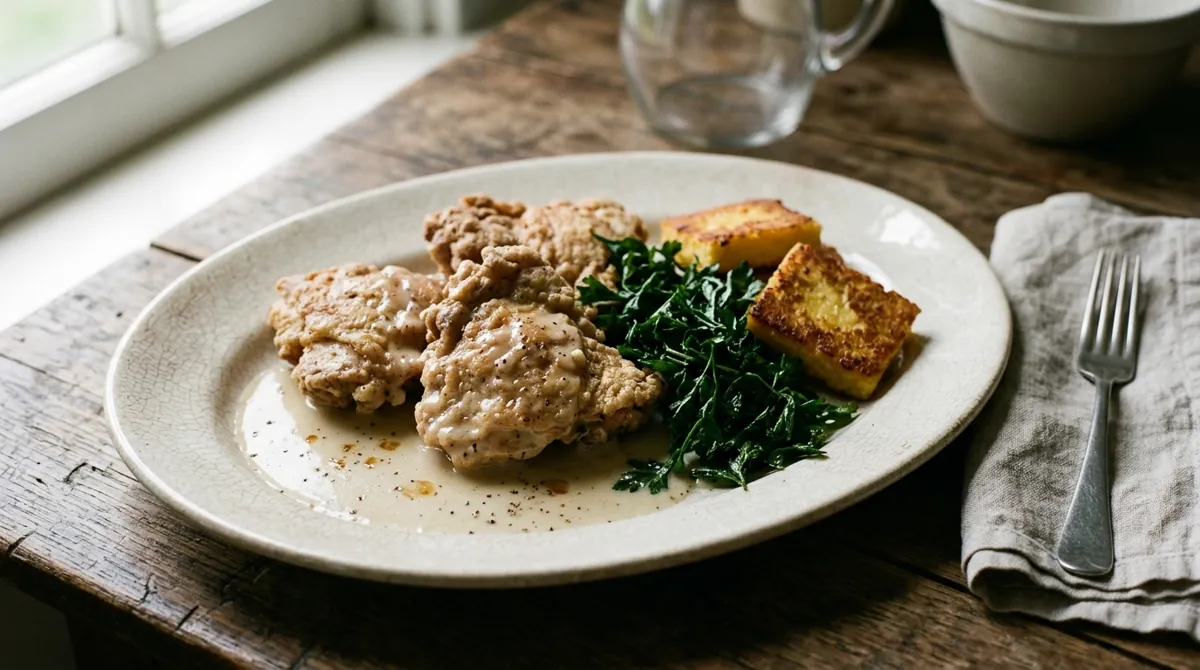
1824 Virginia Fried Chicken with Milk Gravy (Mary Randolph)
The oldest American printed fried chicken recipe we found: chicken dredged in flour and salt, fried light brown in lard, with fried parsley and a simple butter and milk gravy poured over the top.
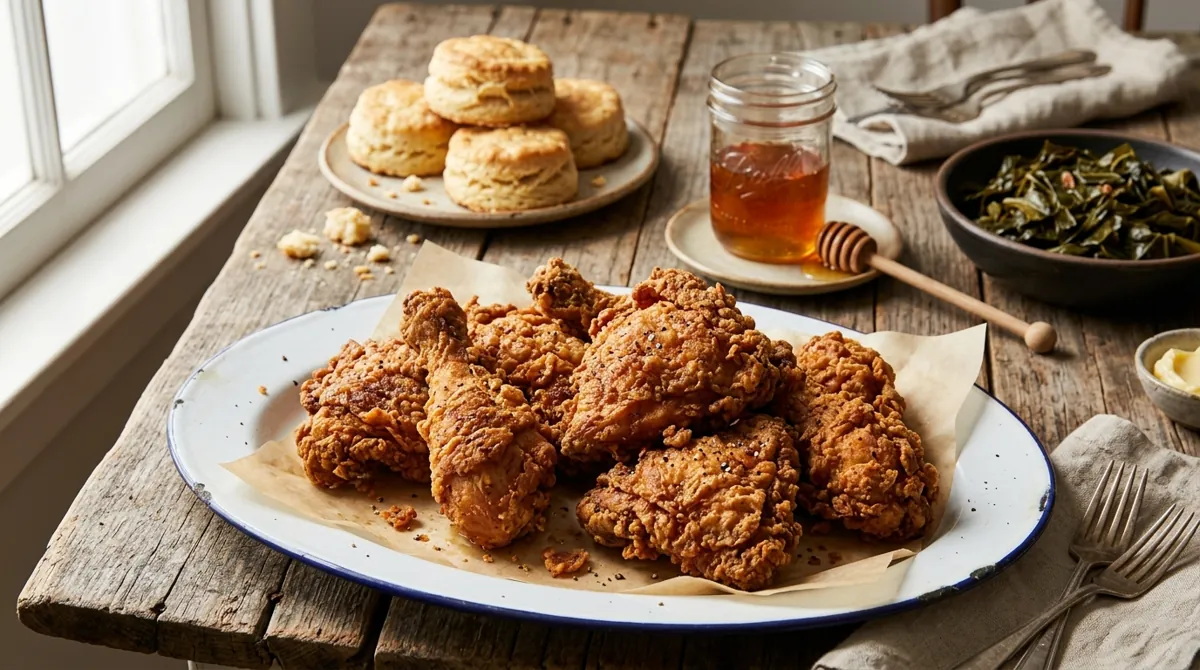
Southern Pan-Fried Buttermilk Chicken
Chicken brined in salt water, soaked overnight in buttermilk, dredged in flour and cornstarch, and pan-fried in a skillet of lard and butter flavored with country ham, the Edna Lewis way.
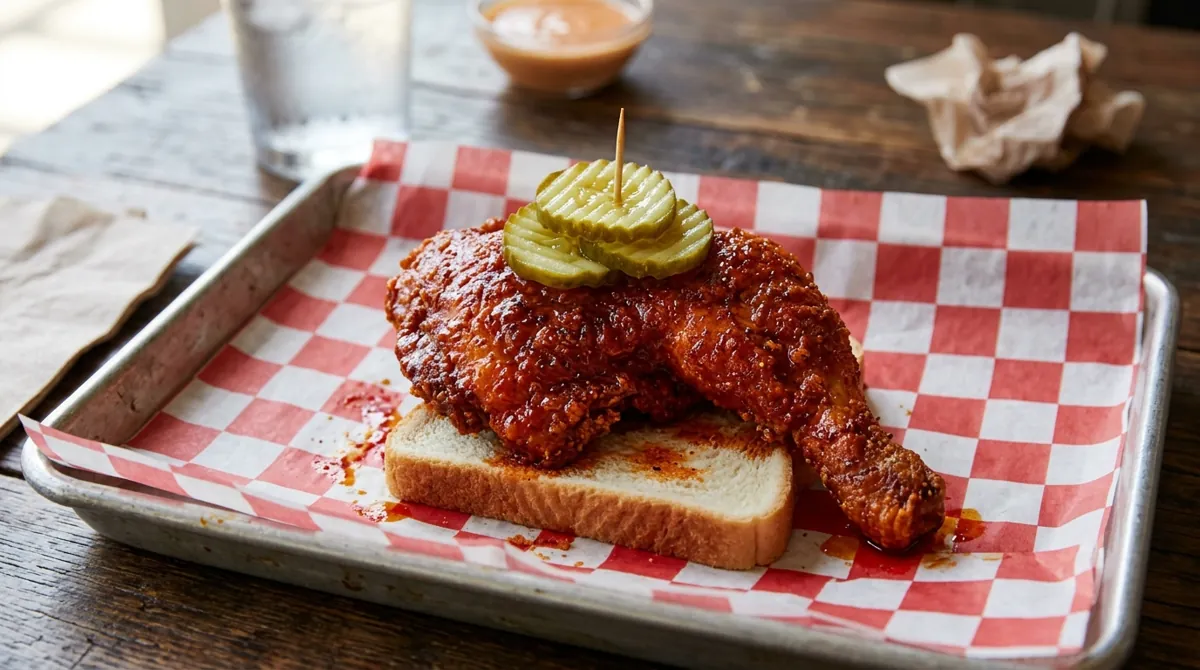
Nashville Hot Chicken
Brined, double-dredged fried chicken brushed with a fiery cayenne oil and served the Nashville way, on slices of white bread with pickle chips.
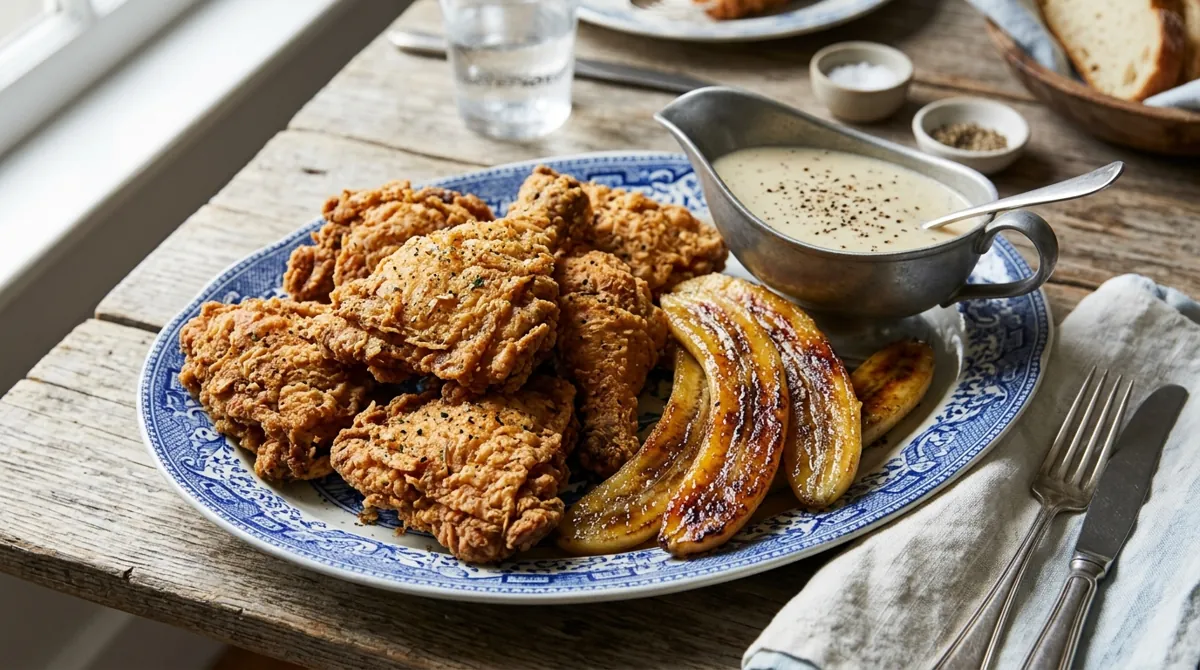
Maryland Fried Chicken with Cream Gravy
Chicken seasoned with dry mustard and garlic, dredged, browned in a covered pot so it steams as it fries, finished with Old Bay and served with a peppery cream gravy made from the drippings.
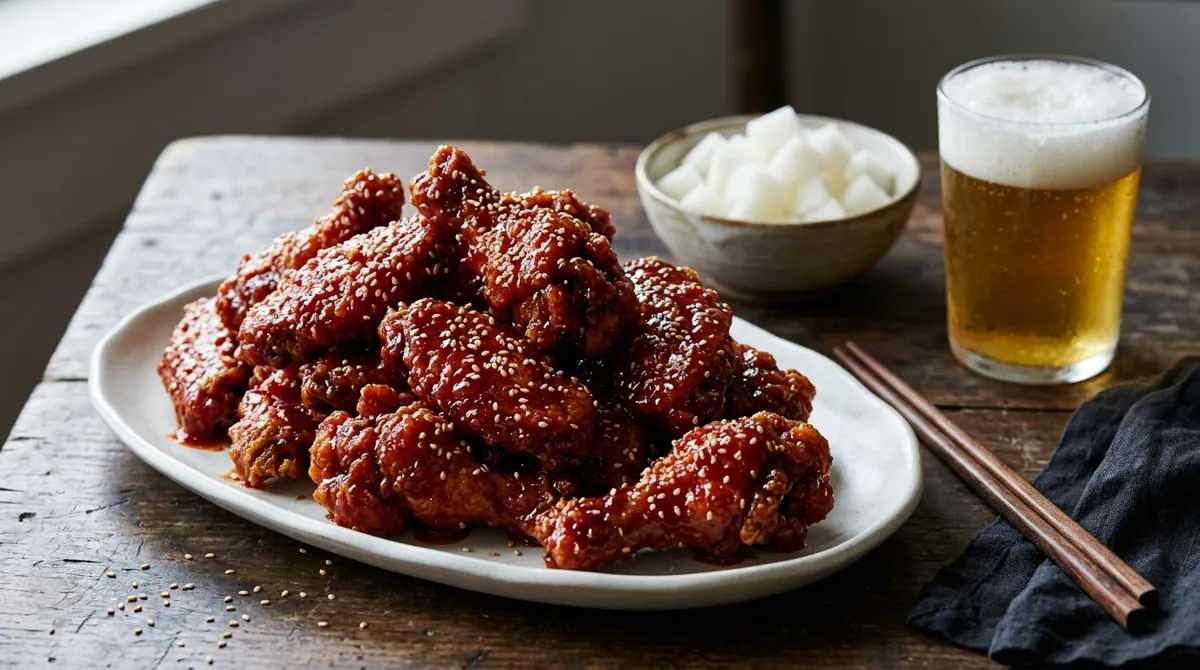
Korean Yangnyeom Chicken (Double-Fried Sweet and Spicy Wings)
Chicken wings in a light potato starch and egg batter, fried twice for a shatter-crisp crust, then tossed in a glossy sauce of gochujang, ketchup, syrup and garlic and showered with sesame seeds.
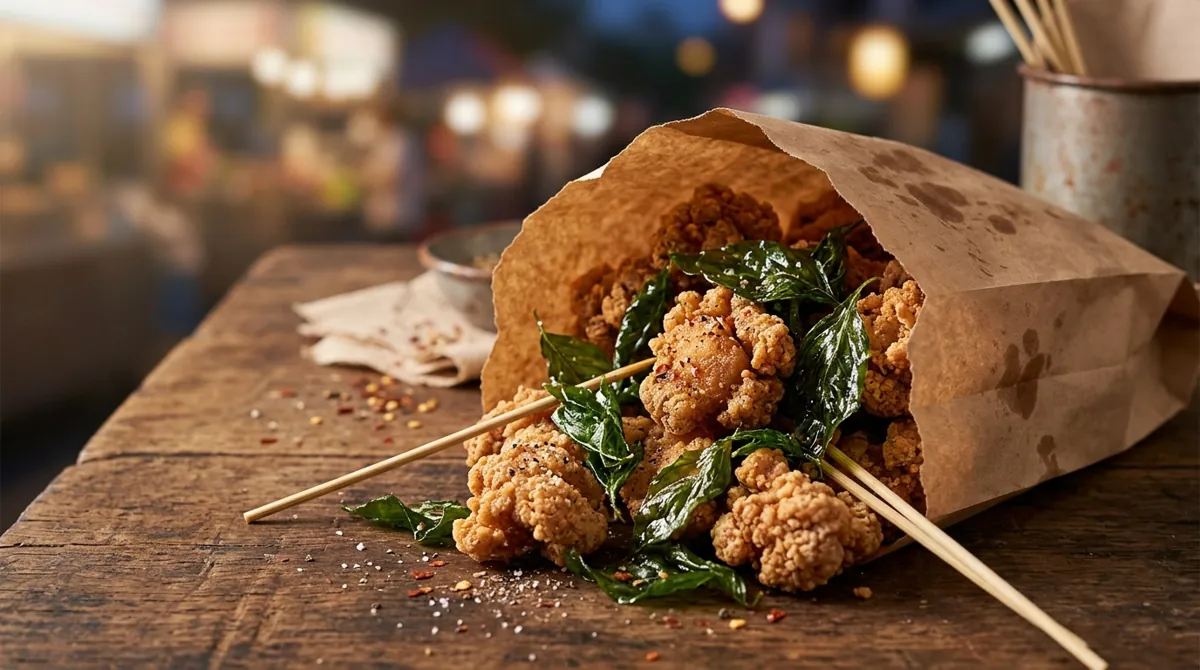
Taiwanese Popcorn Chicken (Yan Su Ji)
Bite-size chicken thigh marinated with garlic, ginger, soy and five-spice, coated in coarse sweet potato starch, fried crisp and tossed with fried basil and five-spice salt.
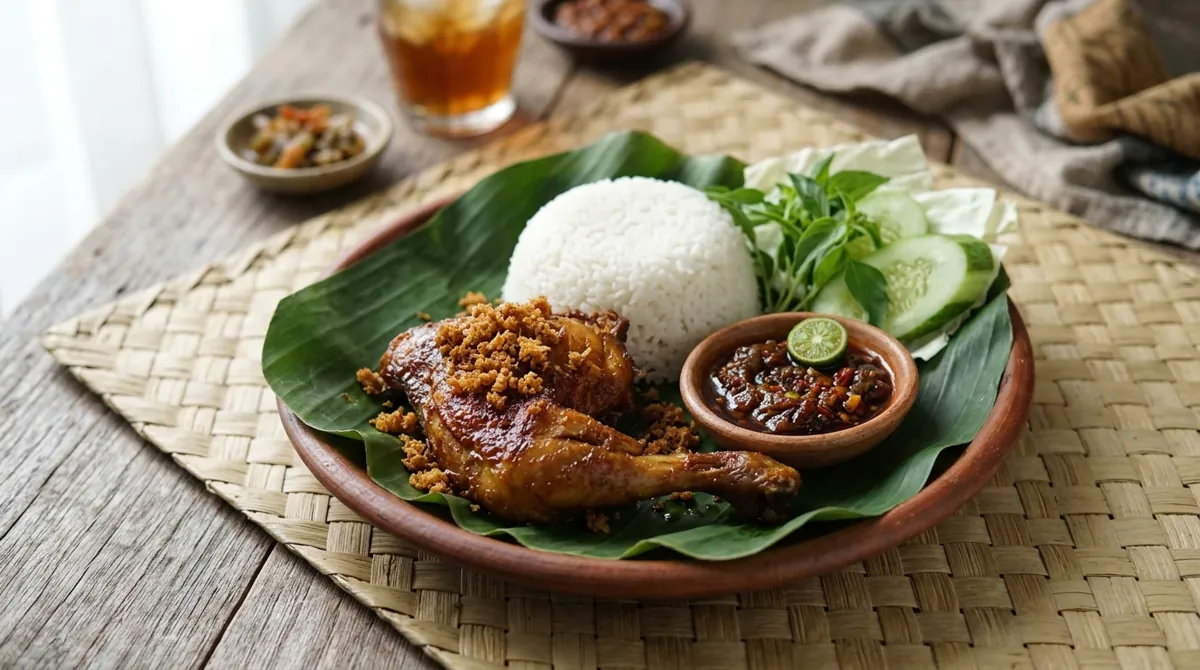
Indonesian Ayam Goreng Kalasan
No batter at all: chicken braised in garlic, coriander, palm sugar and coconut water until the liquid cooks away, then fried briefly until the sweet-savory skin turns deep golden.
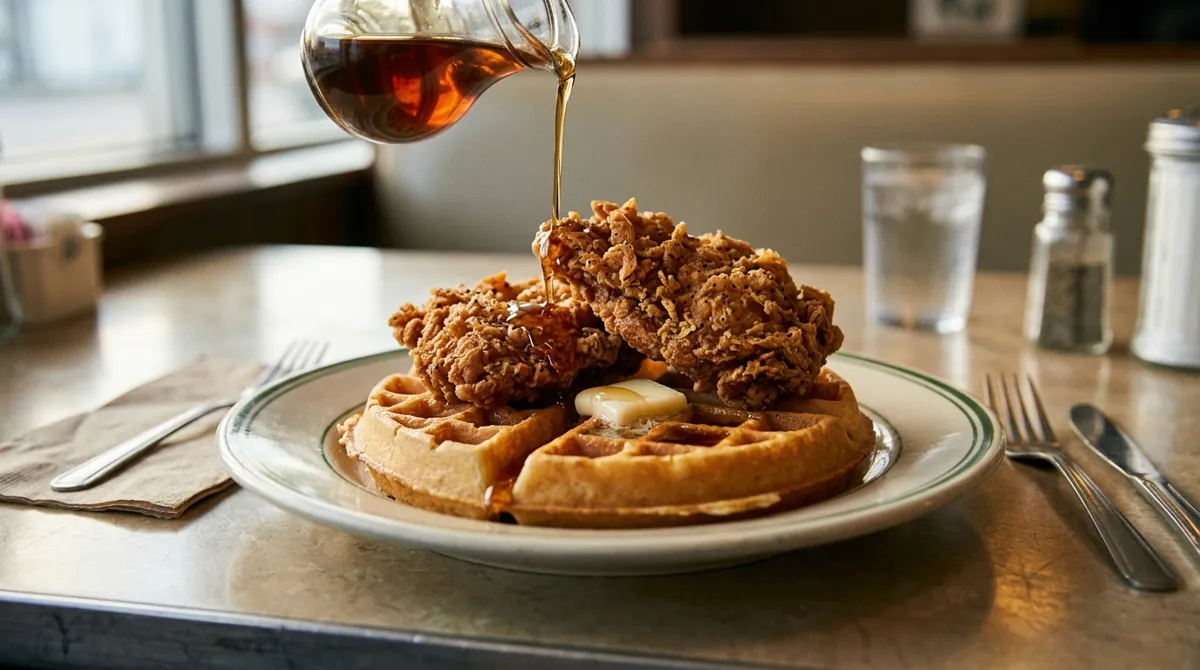
Chicken and Waffles
Herb-and-paprika fried chicken, double-dipped for a crunchy crust, served on light, crisp waffles made with whipped egg whites and finished with butter and maple syrup.
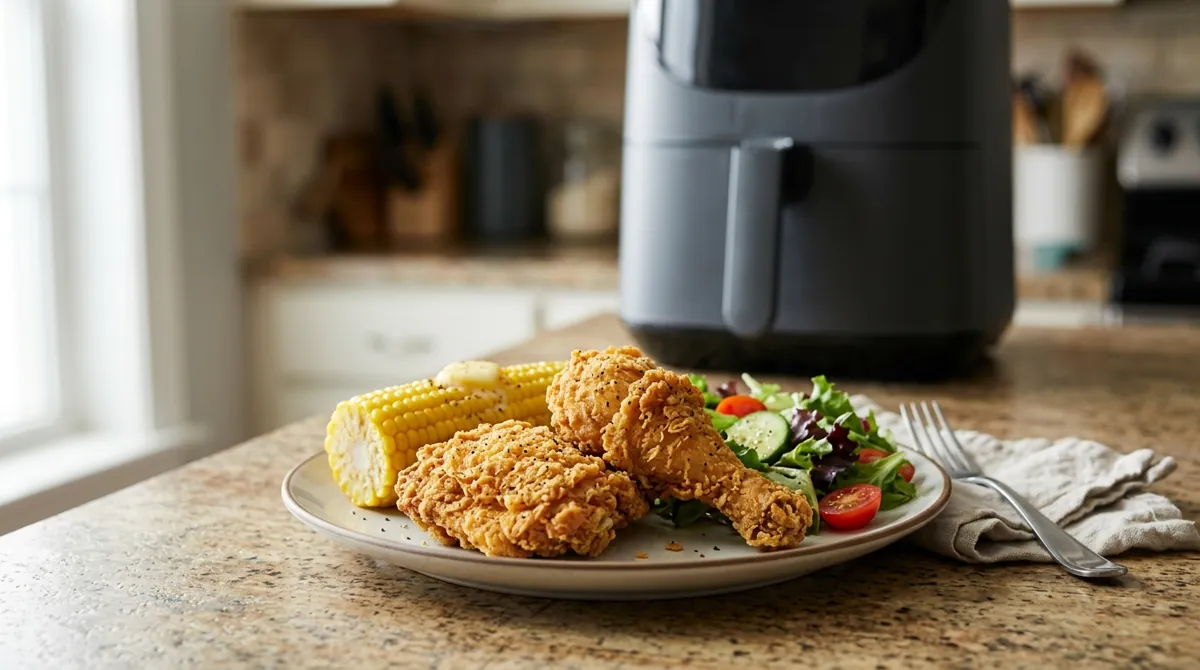
Air-Fryer Fried Chicken
Skinless bone-in chicken breasts in a buttermilk and crushed cornflake coat, seasoned with poultry seasoning, paprika and cayenne, air-fried crisp with just a spray of oil.
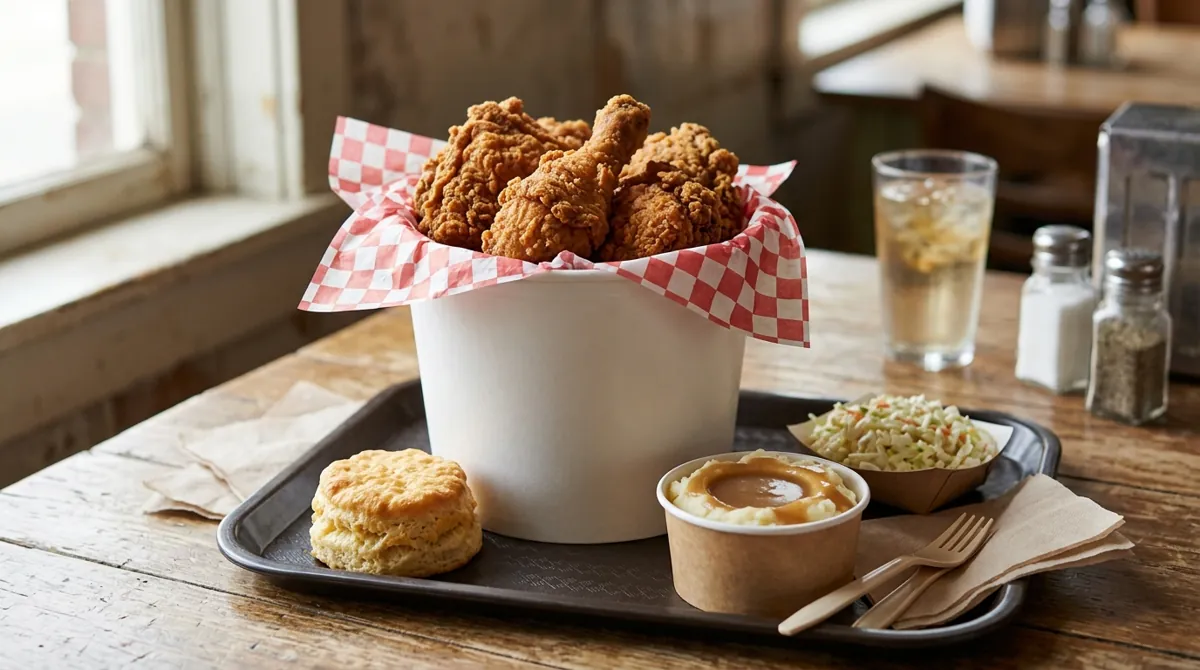
Kentucky-Style Fried Chicken, Inspired by KFC
Buttermilk-brined chicken in a peppery coating of flour, white pepper, celery salt, garlic, ginger and herbs, fried in one covered batch to mimic a pressure fryer. Inspired by, not official.
Meatballs of the World

Italian-American Meatballs
Big, tender meatballs braised for an hour in red sauce over spaghetti. The one most Americans grew up with.

Pallottine (Abruzzo Meatballs)
Tiny meatballs, smaller than a marble, tossed right through square spaghetti alla chitarra. No bread at all.

Swedish Meatballs (Köttbullar)
Small, soft meatballs browned in butter, in a cream sauce made from the same pan, with lingonberry jam on the plate.

Danish Frikadeller
Pork meatballs shaped with a spoon and fried slowly in butter, crusty outside and soft in the middle.

Königsberger Klopse
German meatballs that are never fried: poached, then served in a creamy white sauce with capers.

Spanish Albóndigas in Almond Saffron Sauce
The tapas bar classic: small meatballs in a golden sauce thickened with fried almonds and bread.

Mexican Albóndigas with Chipotle and Mint
Soft meatballs with rice and fresh mint inside, simmered in a smoky tomato and chipotle broth.

Izgara Köfte (Turkish Grilled Meatballs)
Small, flat meatballs kneaded hard, rested cold, and charred on a hot grill pan.

Lion's Head Meatballs
Big, soft pork meatballs, stirred into a sticky paste, fried to set, then braised in a savory sauce.

Chicken Tsukune
Japan's chicken meatball: kneaded sticky, grilled on skewers, glazed with sweet soy tare, dipped in egg yolk.