
Nuremberg Elisenlebkuchen
Nuremberg's soft spice cakes: whipped egg whites, sugar and honey folded with ground hazelnuts, almonds, candied peel and Lebkuchen spice, spread on wafers, dried overnight and glazed with chocolate or sugar.
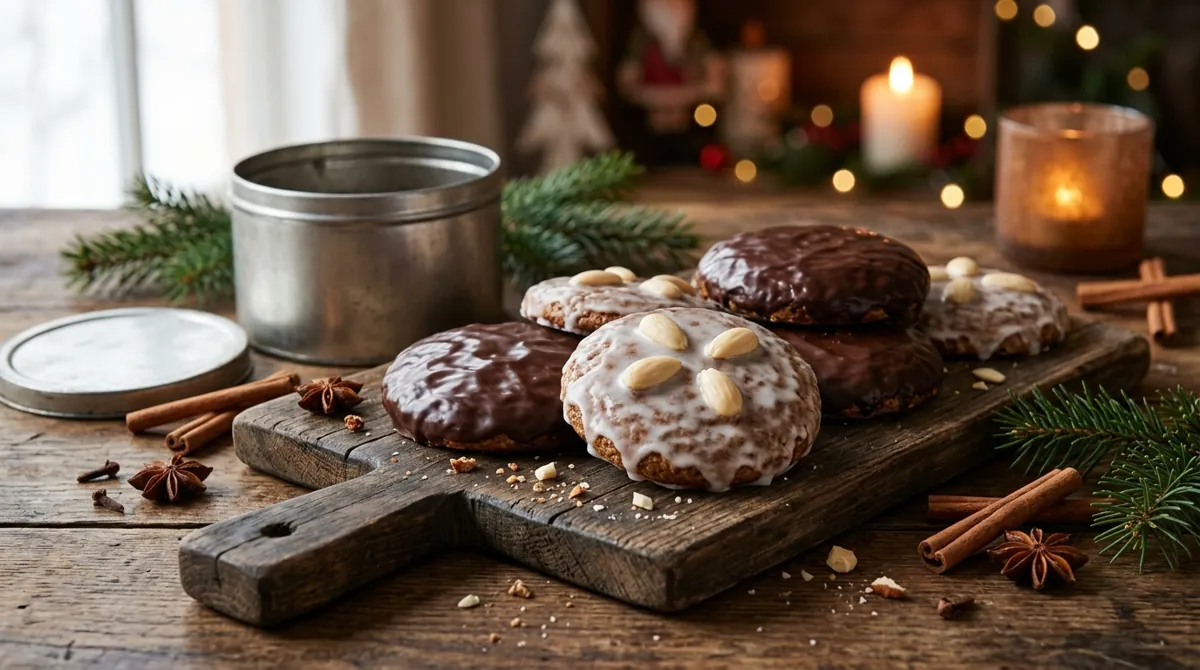
The City of Nuremberg says Lebkuchen bakers (Lebküchner) were working in the city by the end of the 12th century, helped by its place on the spice-trade routes and honey from the surrounding imperial forest; in 1643 the first sworn Lebküchner guild was registered with 14 members, and the recipe was so secret that the city council forbade the bakers to leave town (Nürnberg Heute no. 97:). The spices it names: cinnamon above all, plus anise, ginger, cardamom, coriander, mace, cloves and allspice. Since July 2, 1996, "Nürnberger Lebkuchen" has carried the EU protected geographical indication and must be made in the city; under a quality rule in force since 1978, Elisenlebkuchen must contain at least 25 percent almonds, hazelnuts or walnuts and no more than 10 percent flour, and many bakers use none (same source). Wikipedia says flourless Nuremberg Lebkuchen have been called Elisenlebkuchen since 1808, and that nobody knows whether Elise was a baker's daughter or a margrave's wife.
🇩🇪 The original
Nuremberg's soft spice cakes: whipped egg whites, sugar and honey folded with ground hazelnuts, almonds, candied peel and Lebkuchen spice, spread on wafers, dried overnight and glazed with chocolate or sugar.
🇺🇸 The American version
America's signature cookie is a soft-centered butter and brown sugar drop cookie loaded with chocolate chips, first printed by Ruth Wakefield of the Toll House Inn in 1938. See the Toll House Chocolate Chip Cookies recipe.
📖 Origin story: What Is Lebkuchen? Nuremberg's Christmas Spice Cake, Explained →
Why it works the kitchen science
Overnight drying
The skin that forms on the surface protects the soft nut mixture in the very hot oven, so the tops stay smooth and the insides stay moist. Nuremberg baker Bernd Woitinek tells the city magazine that the raw cakes rest overnight for exactly this reason.
Nuts instead of flour
With flour kept under 10 percent, the ground hazelnuts and almonds give the cakes their tender, almost macaroon-like crumb and long keeping life.
Step by step
- Step 1
Beat the egg whites, sugar, honey and salt with a mixer to stiff, glossy peaks, about 8 minutes.
- Step 2
Mash the candied peel and marzipan together into a paste and stir it into the whipped whites.
- Step 3
Sift the baker's ammonia with the flour, then toss with the hazelnuts, toasted almonds and spice until evenly mixed. Fold this into the egg white mixture by hand.
- Step 4
Line two baking sheets with parchment. With a wet knife, spread a thick mound of the mixture onto each wafer, smoothing it to the edge. Press on almond halves and set them on the sheets.
- Step 5
Leave them uncovered in a warm, dry place about 8 hours, until a dry skin forms on top.
- Step 6
Heat the oven to 410°F (210°C). Bake one sheet at a time about 10 minutes, until lightly colored and set outside but still soft inside. Slide the parchment off the sheet so they cool quickly.
- Step 7
While they are still hot, whisk the 2 egg whites with the confectioners' sugar into a thin, smooth glaze and brush half the Lebkuchen very thinly with it.
- Step 8
Melt the chocolate in a metal bowl set over a pot of just-boiled water (off the heat), stirring now and then, about 10 minutes. Coat the rest of the Lebkuchen and let everything dry before layering them in tins.
Nuremberg Elisenlebkuchen
Serves 40 (1 Lebkuchen each) · about 40 Lebkuchen, 2 3/4 inches across · 1 hr 20 min total
Dough
- About 250 g egg whites (8 extra-large or 9 large US eggs)
- 2 1/4 cups (450 g) sugar
- 2 1/2 tbsp (50 g) honey
- A pinch of salt
- 1 tsp (5 g) baker's ammonia (Hirschhornsalz), sifted (or 2 tsp baking powder)
- 1 cup (150 g) very finely chopped candied orange and lemon peel
- 1 3/4 oz (50 g) marzipan
- 3 1/2 cups (350 g) finely ground hazelnuts
- 1 cup (125 g) coarsely ground almonds, lightly toasted
- 1 cup (125 g) all-purpose or spelt flour
- 3 tbsp (20 g) Lebkuchen spice (see Tips)
- About 40 round baking wafers (Oblaten), 70 mm (2 3/4 inches) across
- Blanched almond halves, to decorate
Glazes
- 2 egg whites (about 50 g)
- 1 cup (120 g) sifted confectioners' sugar
- 7 to 10 oz (200 to 300 g) good semisweet or dark chocolate
Method
- Beat the egg whites, sugar, honey and salt with a mixer to stiff, glossy peaks, about 8 minutes.
- Mash the candied peel and marzipan together into a paste and stir it into the whipped whites.
- Sift the baker's ammonia with the flour, then toss with the hazelnuts, toasted almonds and spice until evenly mixed. Fold this into the egg white mixture by hand.
- Line two baking sheets with parchment. With a wet knife, spread a thick mound of the mixture onto each wafer, smoothing it to the edge. Press on almond halves and set them on the sheets.
- Leave them uncovered in a warm, dry place about 8 hours, until a dry skin forms on top.
- Heat the oven to 410°F (210°C). Bake one sheet at a time about 10 minutes, until lightly colored and set outside but still soft inside. Slide the parchment off the sheet so they cool quickly.
- While they are still hot, whisk the 2 egg whites with the confectioners' sugar into a thin, smooth glaze and brush half the Lebkuchen very thinly with it.
- Melt the chocolate in a metal bowl set over a pot of just-boiled water (off the heat), stirring now and then, about 10 minutes. Coat the rest of the Lebkuchen and let everything dry before layering them in tins.
Adapted from "Elisenlebkuchen," a recipe by Arnd Erbel (Freibäcker) published by Bavaria's official tourism site, erlebe.bayern, as written for about 40, converted to US amounts. His 210°C is converted to 410°F. The card calls for 20 g of ready-mixed Lebkuchen spice; the home blend in Tips is ours, built from the spices the City of Nuremberg names. The baking powder swap for baker's ammonia is ours. The card lists both a chocolate coating and a sugar glaze; the photo shows some of each, which is how we read it. erlebe.bayern. Ingredient list follows the source; the method is in our own words.
All sources (3)
Tips
- Our home Lebkuchen spice for this batch (about 20 g): 4 tsp cinnamon, 1 tsp each ground cloves, allspice, ginger, cardamom and coriander, and 1/2 tsp each ground mace (or nutmeg) and anise.
- Baking wafers (Oblaten) are sold at German delis and online. Without them, spread the mixture in rounds on parchment; the bottoms will be stickier.
- Store in a tin with a slice of apple to keep them soft; replace the apple every few days.
The rules people argue about
What the sources agree on, what they don't, and what is just a good story.
- Nuremberg's Lebkuchen bakers date to 1395. Disputed: Wikipedia gives Nuremberg 1395 (and Ulm 1296); the City of Nuremberg says there were Lebküchner in the city by the end of the 12th century.
- Elisenlebkuchen are named after a baker's daughter. Disputed: Wikipedia says it is uncertain whether Elise was a baker's daughter or a margrave's wife.
- No more than 10 percent flour. Documented (City of Nuremberg, the 1978 quality rule).
- Only Lebkuchen baked in Nuremberg may be called Nürnberger Lebkuchen. Documented (City of Nuremberg, EU PGI since July 2, 1996). Wikipedia says 1996 and calls it a protected designation of origin; the city says protected geographical indication, which is correct.
- Monks invented the wafer base so the dough would not stick. Folklore: Wikipedia and Lebkuchen-Schmidt tell it; no primary source given.
Every other cookie
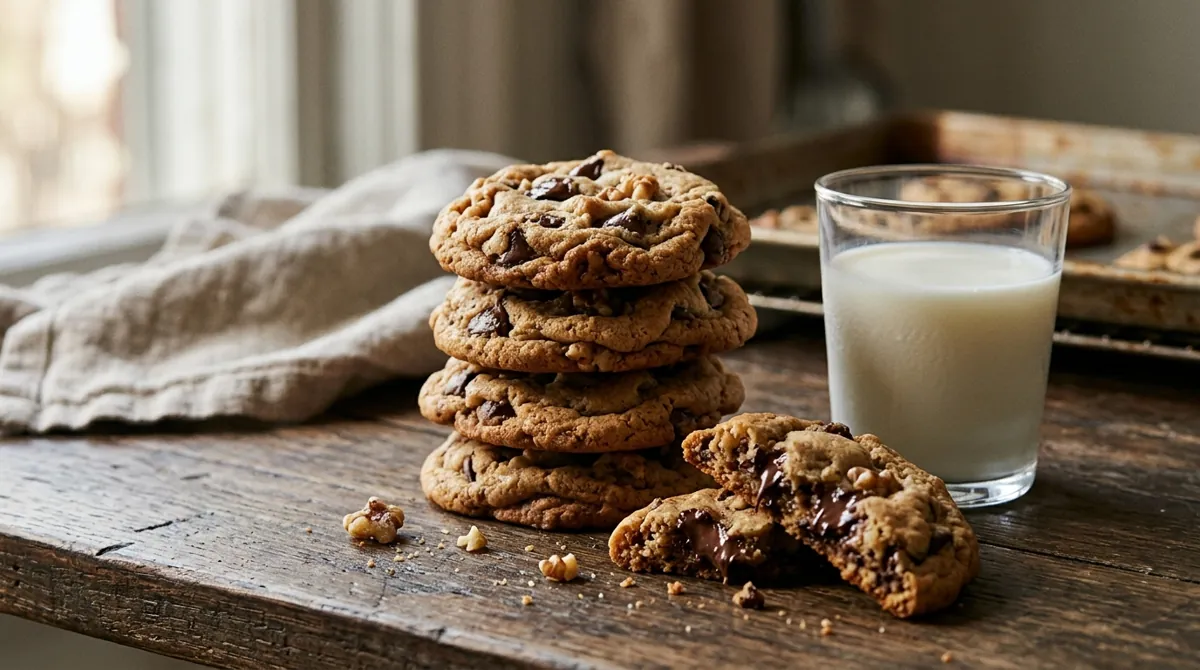
Toll House Chocolate Chip Cookies
The recipe that started it all: a butter, white sugar and brown sugar drop cookie loaded with semisweet chips and walnuts, baked hot and fast until just golden.
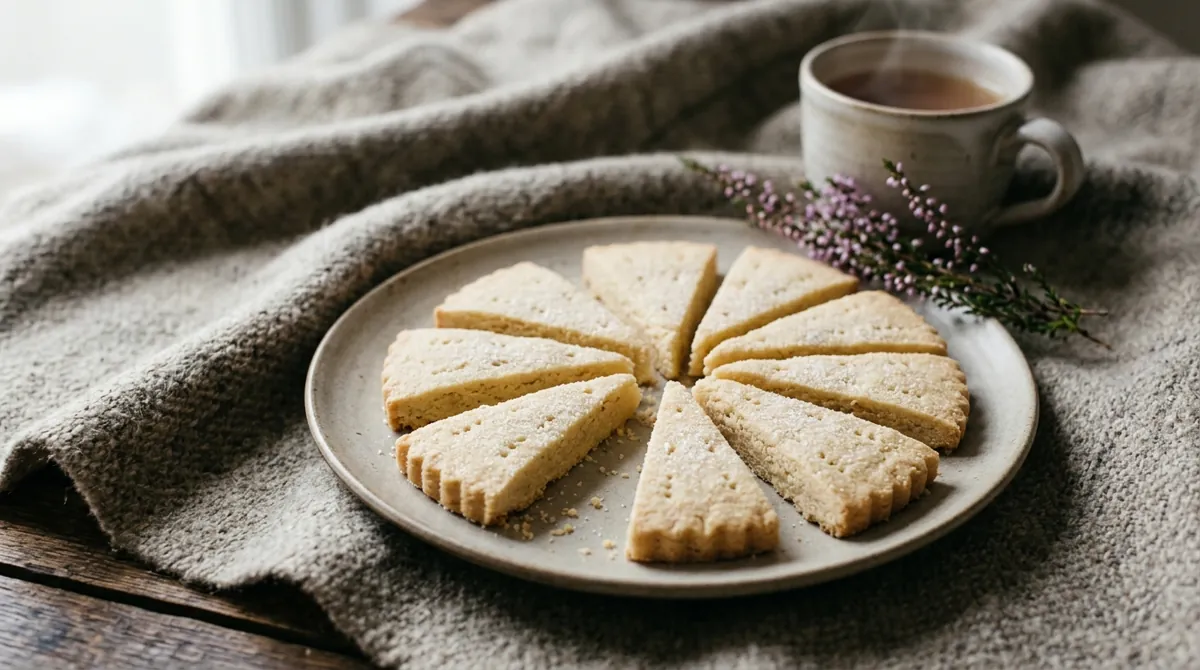
Scottish Shortbread (Petticoat Tails)
Butter, sugar, flour and a little rice flour rubbed together cold, pressed into a round, scored into 16 wedges and baked low and slow to a pale biscuit color.
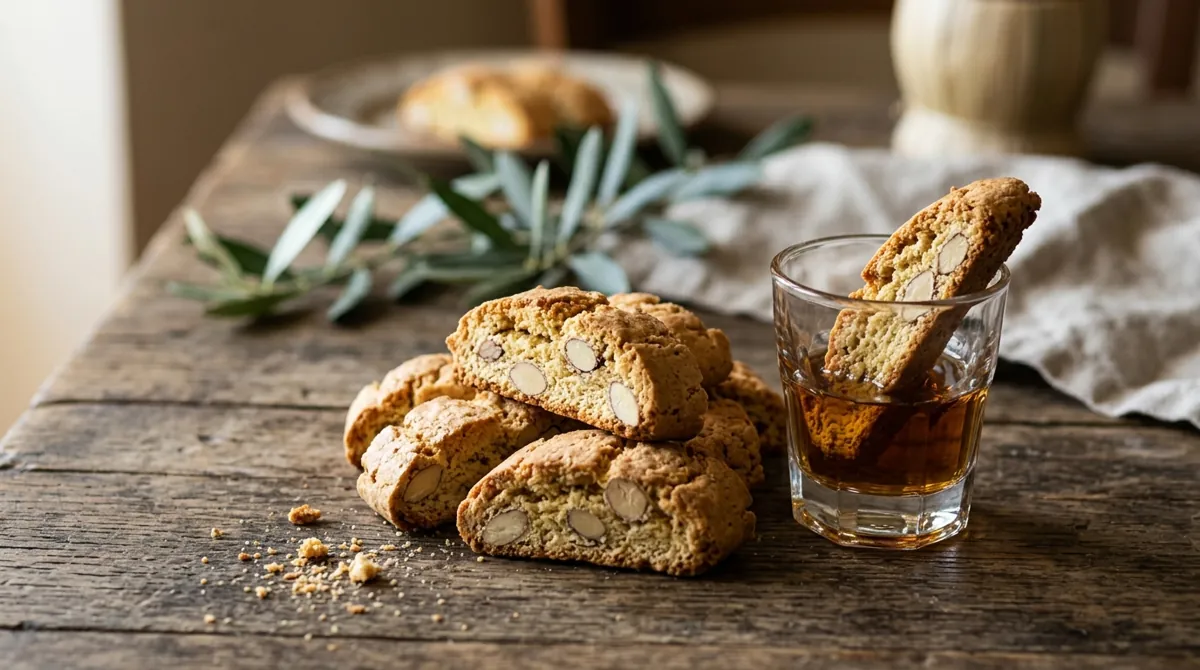
Cantucci (Biscotti di Prato)
Tuscany's twice-baked almond cookies: a lightly sweet egg dough packed with whole unpeeled almonds and a hint of orange, baked as logs, sliced on the diagonal and baked again until crisp.
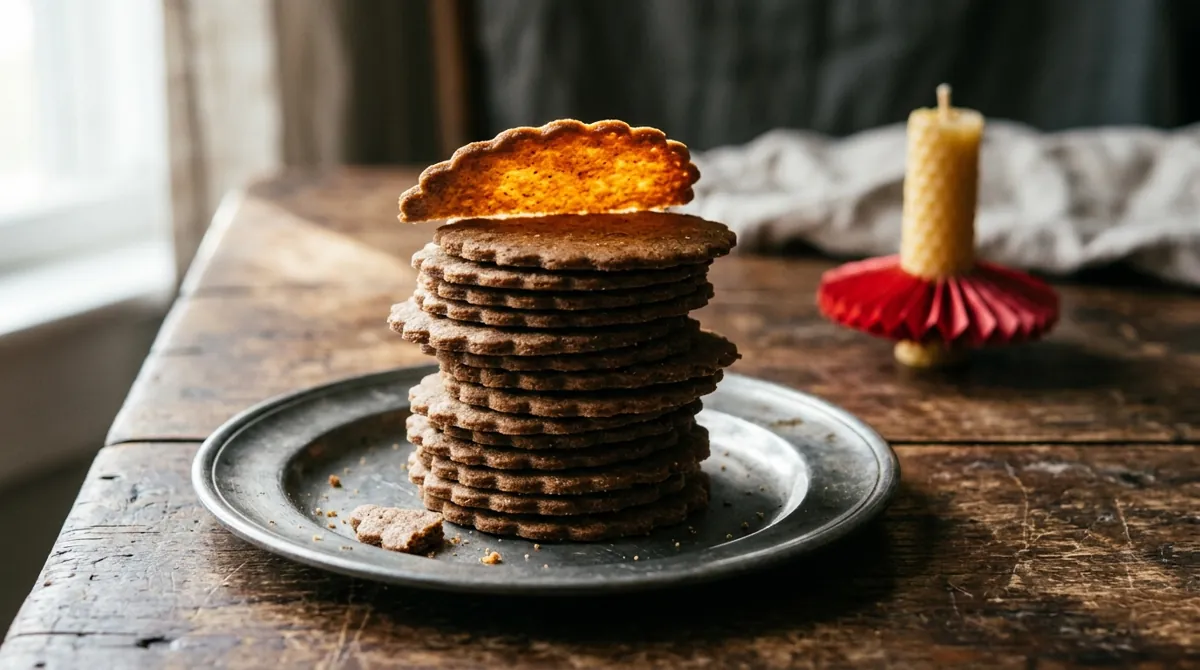
Moravian Spice Cookies
North Carolina's paper-thin holiday cookies: a molasses, brown sugar and shortening dough with cloves, ginger and cinnamon, chilled overnight, rolled as thin as you dare and baked in minutes.
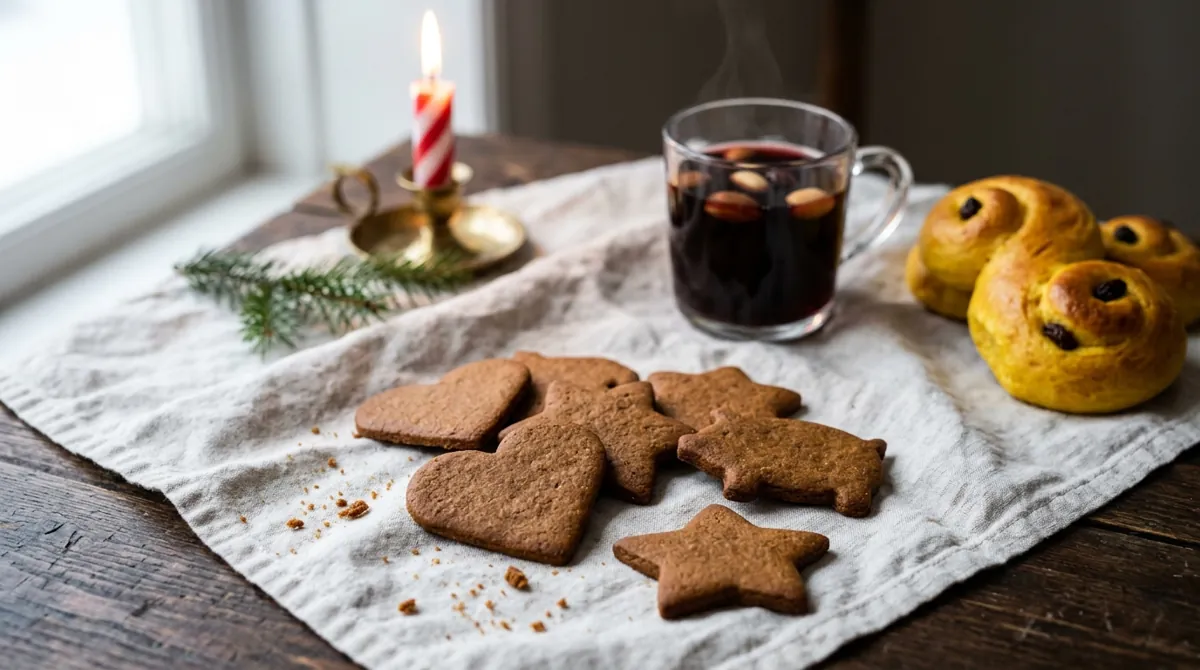
Swedish Pepparkakor
Sweden's thin, snappy Christmas gingersnaps: butter, dark syrup and sugar melted with ginger, cinnamon, cloves and cardamom, rested a full day, rolled thin and baked for 5 minutes.
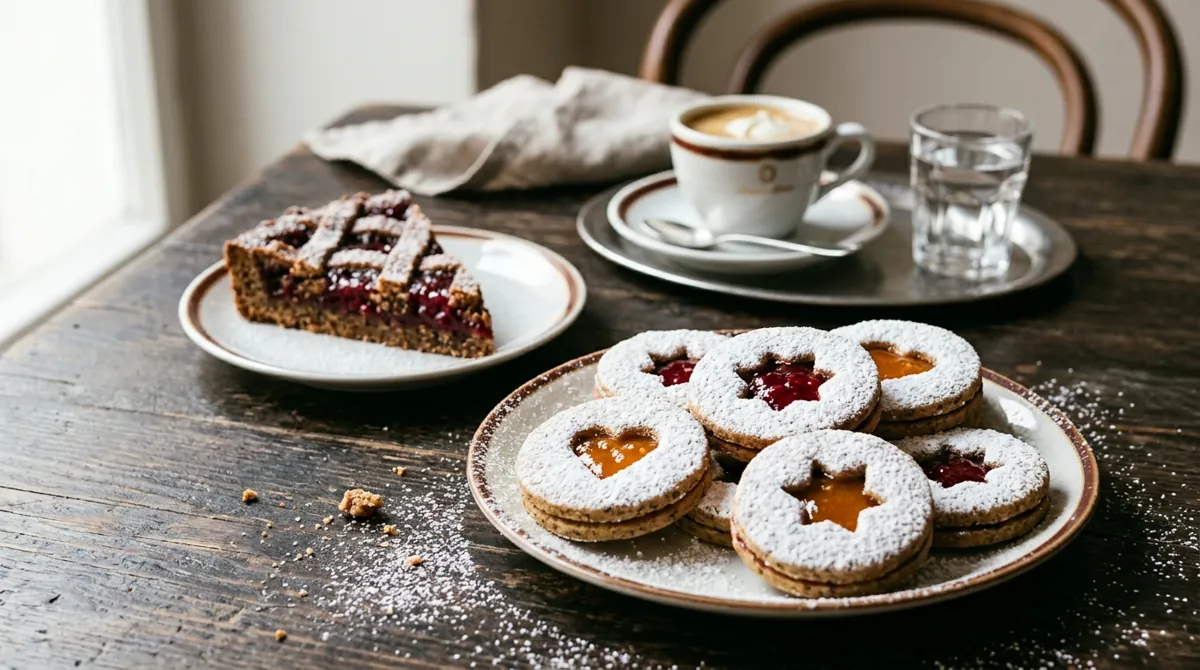
Linzer Augen (Linzer Cookies)
Upper Austria's favorite Christmas cookie: a short almond and lemon dough cut into rounds, half of them with peepholes, sandwiched with apricot or red currant jam and dusted with sugar.
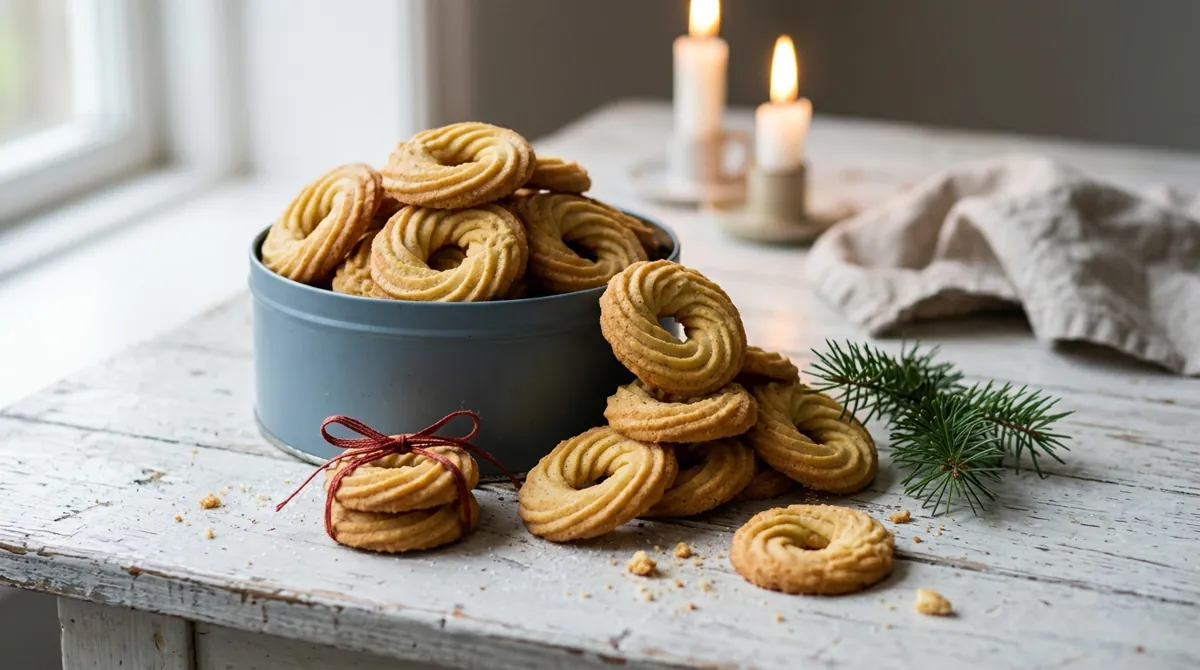
Danish Vaniljekranse (Vanilla Wreaths)
The Danish Christmas cookie behind the famous blue tin: a rich butter dough with ground almonds and a whole vanilla bean, piped through a star tip into little rings and baked crisp and golden.
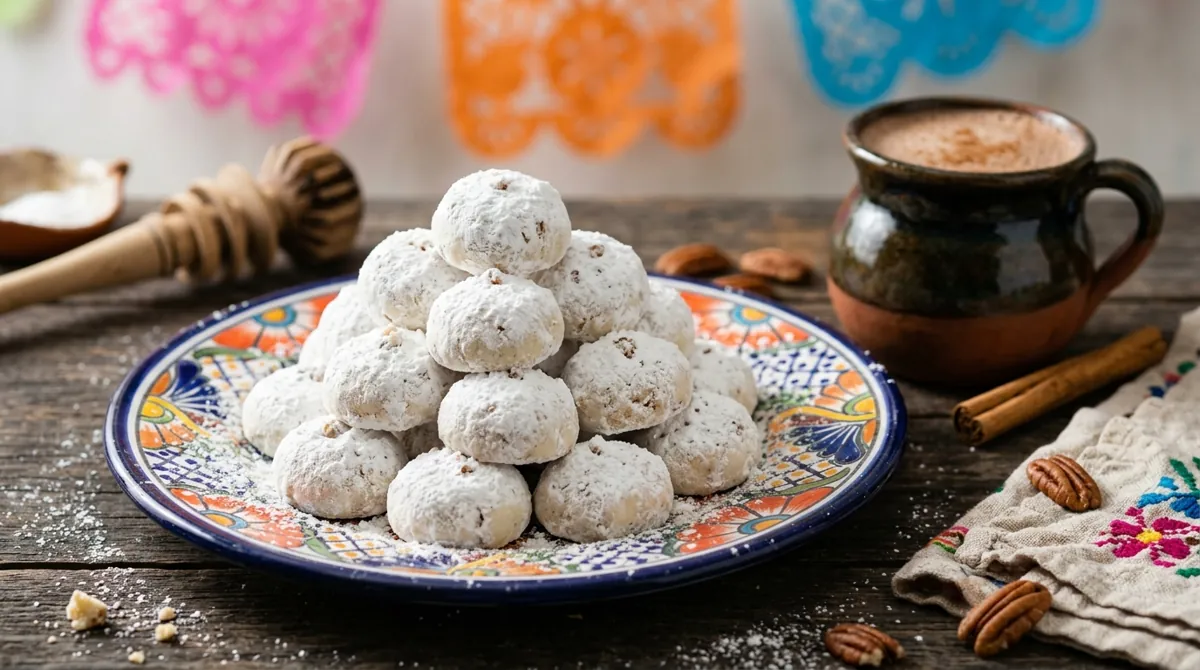
Mexican Polvorones (Mexican Wedding Cookies)
Crumbly pecan snowballs: butter, shortening, ground pecans and powdered sugar pulsed into a short dough, rolled into balls, baked golden and buried in more powdered sugar.
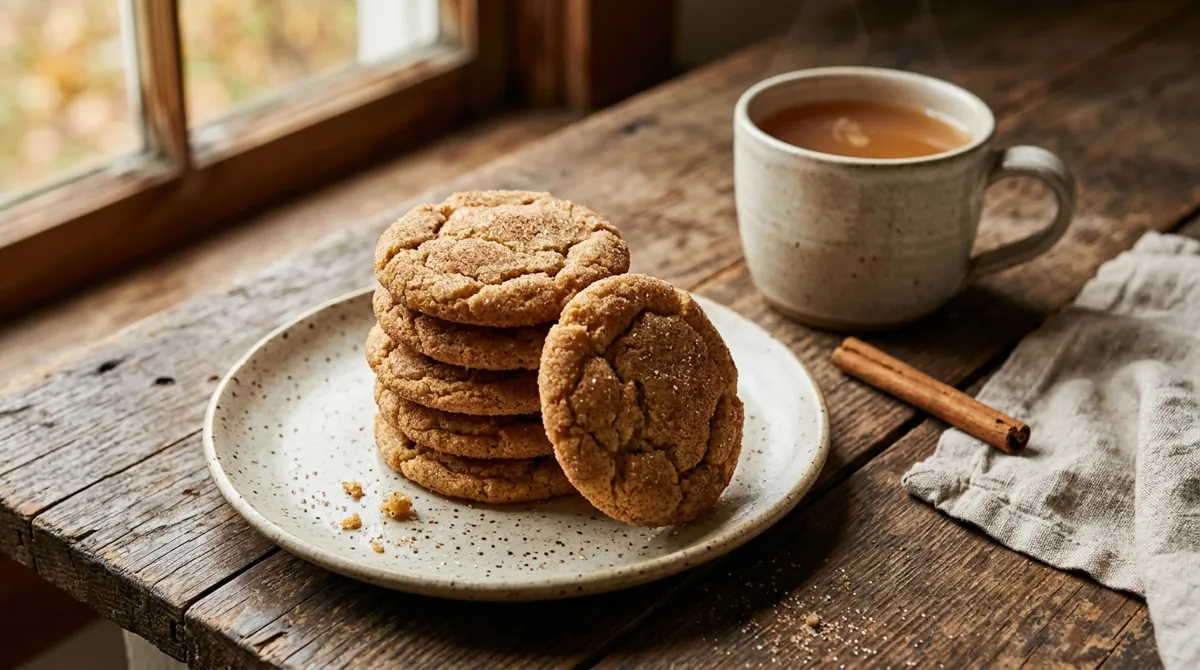
Snickerdoodles
Soft, slightly cakey sugar cookies made tangy with cream of tartar, rolled in cinnamon sugar and baked hot until they crackle on top.
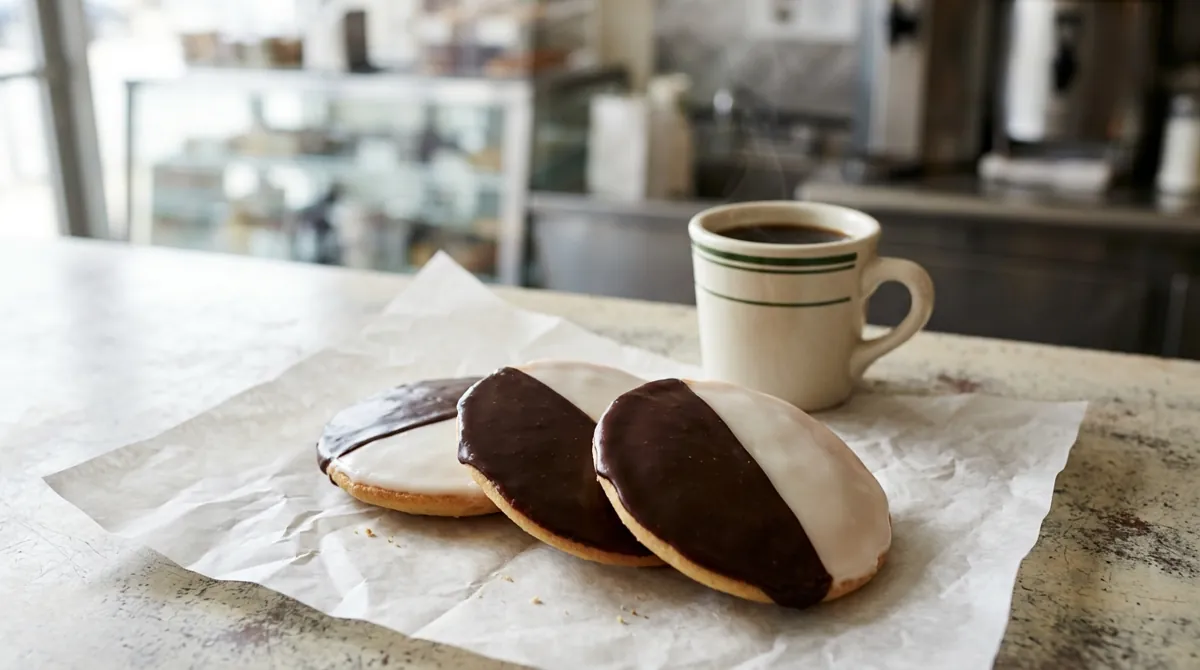
New York Black and White Cookies
Big, soft, cakey 4-inch cookies with a hint of lemon, iced half in vanilla and half in chocolate, the New York deli classic.
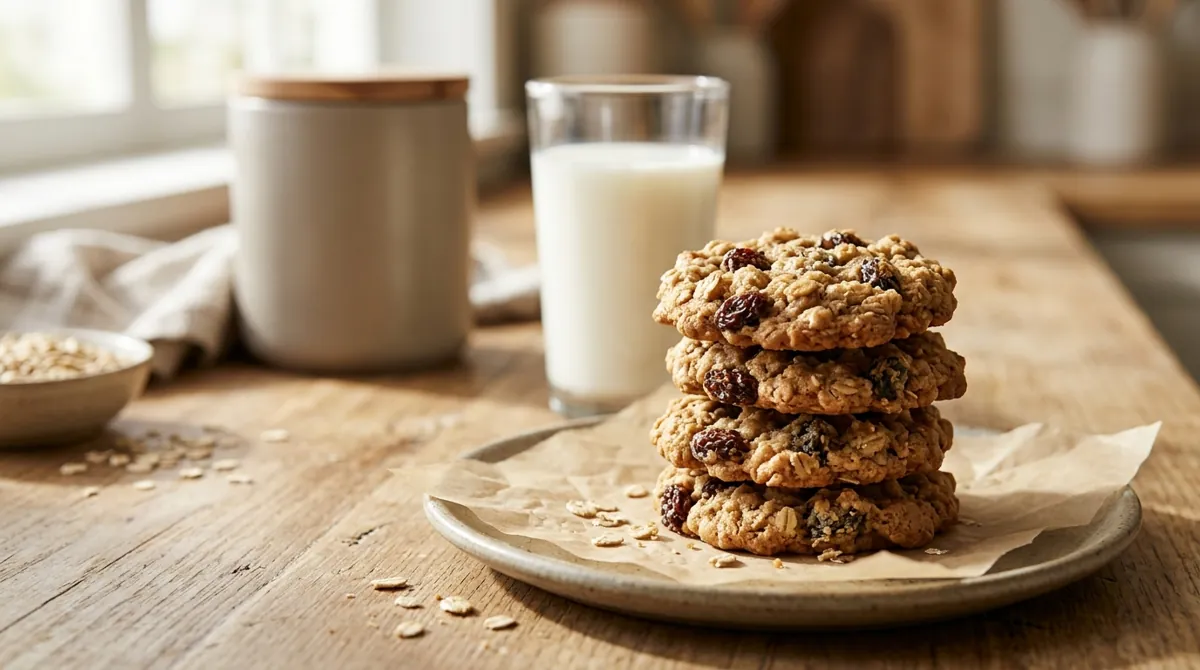
Old-Fashioned Oatmeal Raisin Cookies
The oat-box classic: butter, brown sugar and cinnamon with three cups of rolled oats and a cup of raisins, baked just until light golden for chewy middles.
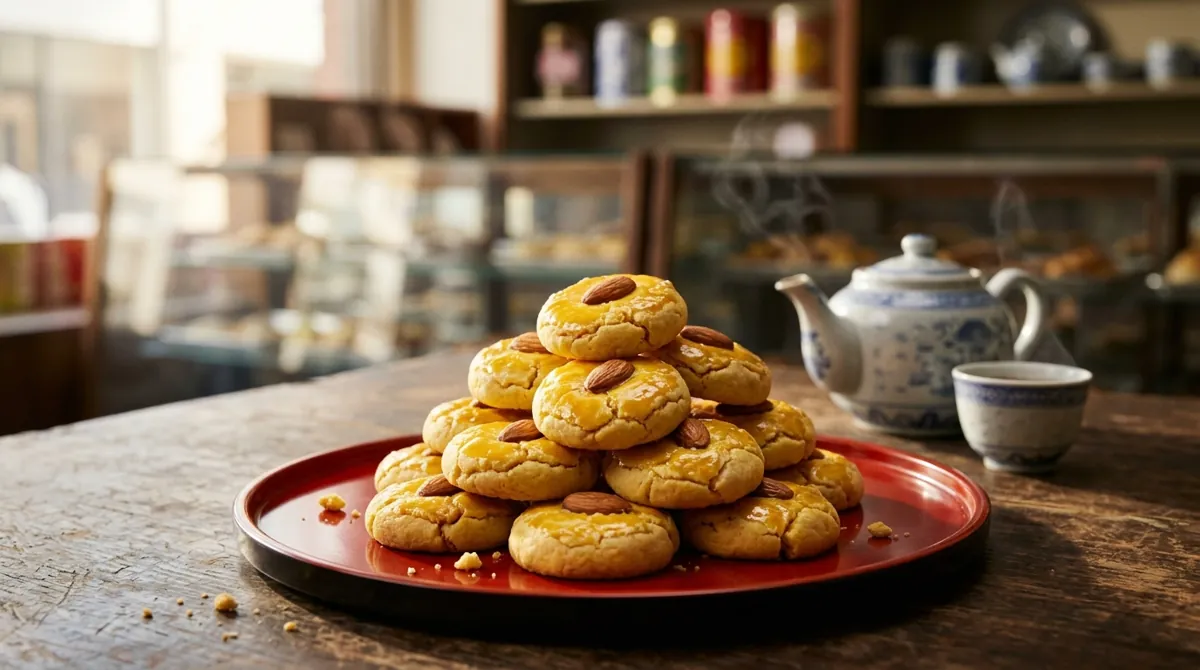
Chinese Almond Cookies
Crumbly, lightly sweet bakery cookies made with lard, butter and toasted almond flour, crowned with a whole almond and brushed with egg for a shiny golden top.
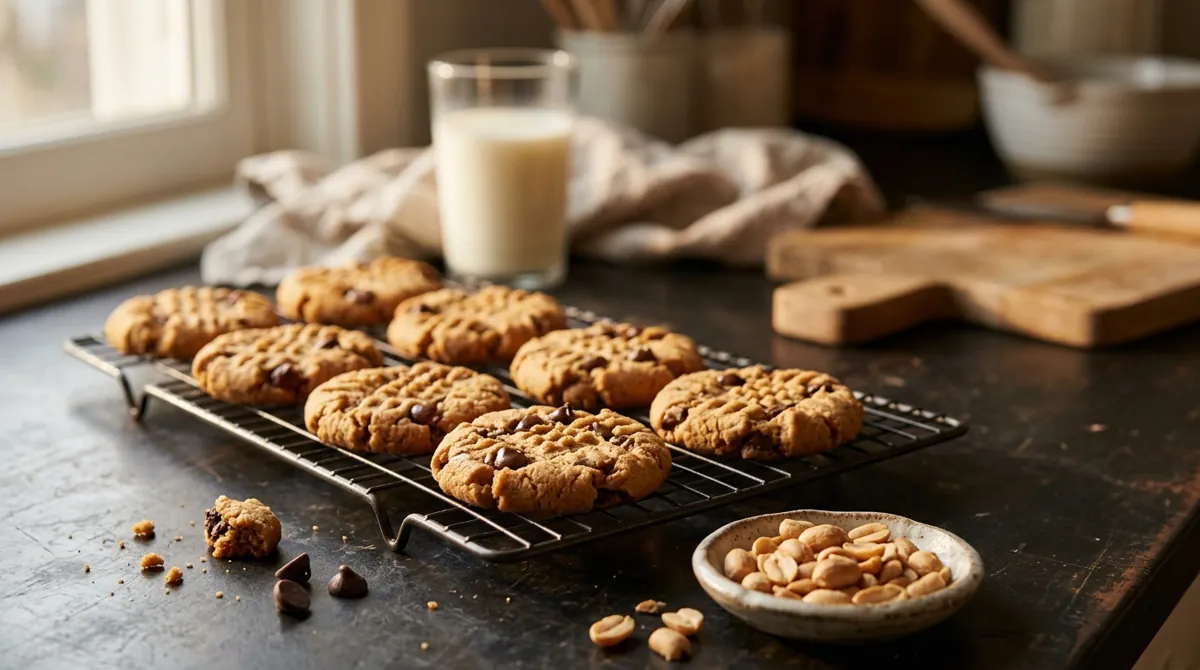
Flourless Peanut Butter Cookies
One bowl, no flour, about 30 minutes: peanut butter, brown sugar and an egg with a few chocolate chips, flattened, baked 8 to 10 minutes and pulled while the tops just crinkle.
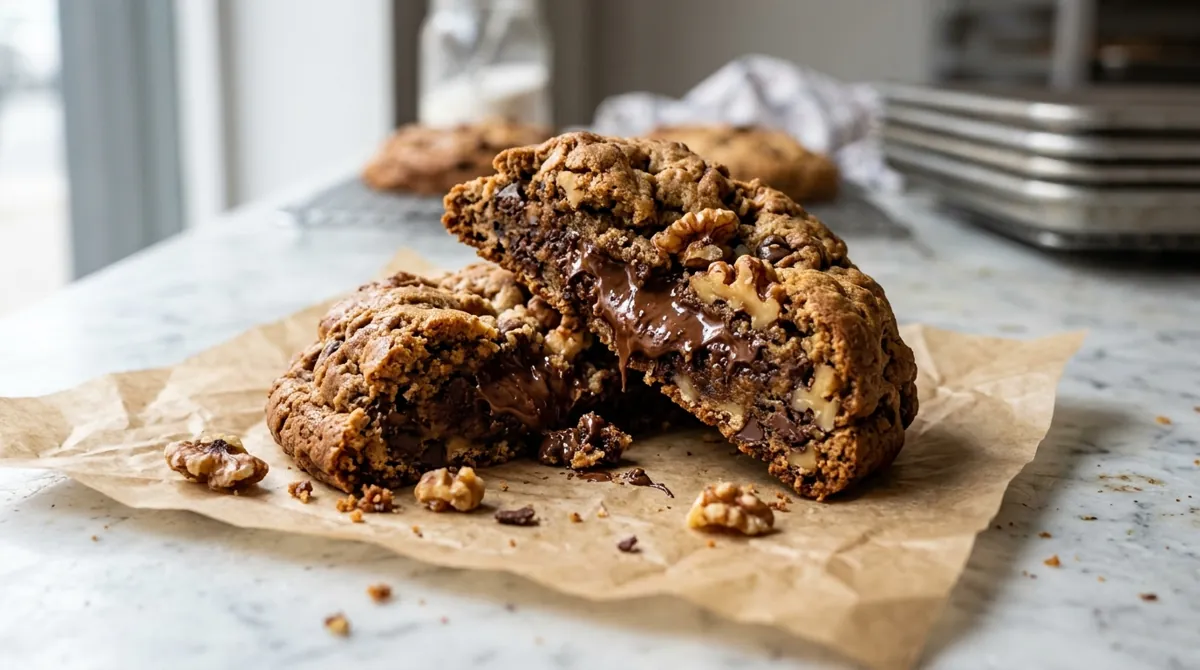
Levain-Style Chocolate Chip Walnut Cookies, Inspired by Levain Bakery
Six-ounce mounds of brown-butter dough loaded with semisweet chips and toasted walnuts, chilled overnight and baked cold so they stay tall, crusty outside and molten inside. Inspired by, not official.
Meatballs of the World

Italian-American Meatballs
Big, tender meatballs braised for an hour in red sauce over spaghetti. The one most Americans grew up with.

Pallottine (Abruzzo Meatballs)
Tiny meatballs, smaller than a marble, tossed right through square spaghetti alla chitarra. No bread at all.

Swedish Meatballs (Köttbullar)
Small, soft meatballs browned in butter, in a cream sauce made from the same pan, with lingonberry jam on the plate.

Danish Frikadeller
Pork meatballs shaped with a spoon and fried slowly in butter, crusty outside and soft in the middle.

Königsberger Klopse
German meatballs that are never fried: poached, then served in a creamy white sauce with capers.

Spanish Albóndigas in Almond Saffron Sauce
The tapas bar classic: small meatballs in a golden sauce thickened with fried almonds and bread.

Mexican Albóndigas with Chipotle and Mint
Soft meatballs with rice and fresh mint inside, simmered in a smoky tomato and chipotle broth.

Izgara Köfte (Turkish Grilled Meatballs)
Small, flat meatballs kneaded hard, rested cold, and charred on a hot grill pan.

Lion's Head Meatballs
Big, soft pork meatballs, stirred into a sticky paste, fried to set, then braised in a savory sauce.

Chicken Tsukune
Japan's chicken meatball: kneaded sticky, grilled on skewers, glazed with sweet soy tare, dipped in egg yolk.