
Texas Bowl of Red (San Antonio Chili con Carne)
Big cubes of beef chuck braised for three hours in a purée of toasted whole dried chiles, with no beans and no tomatoes.
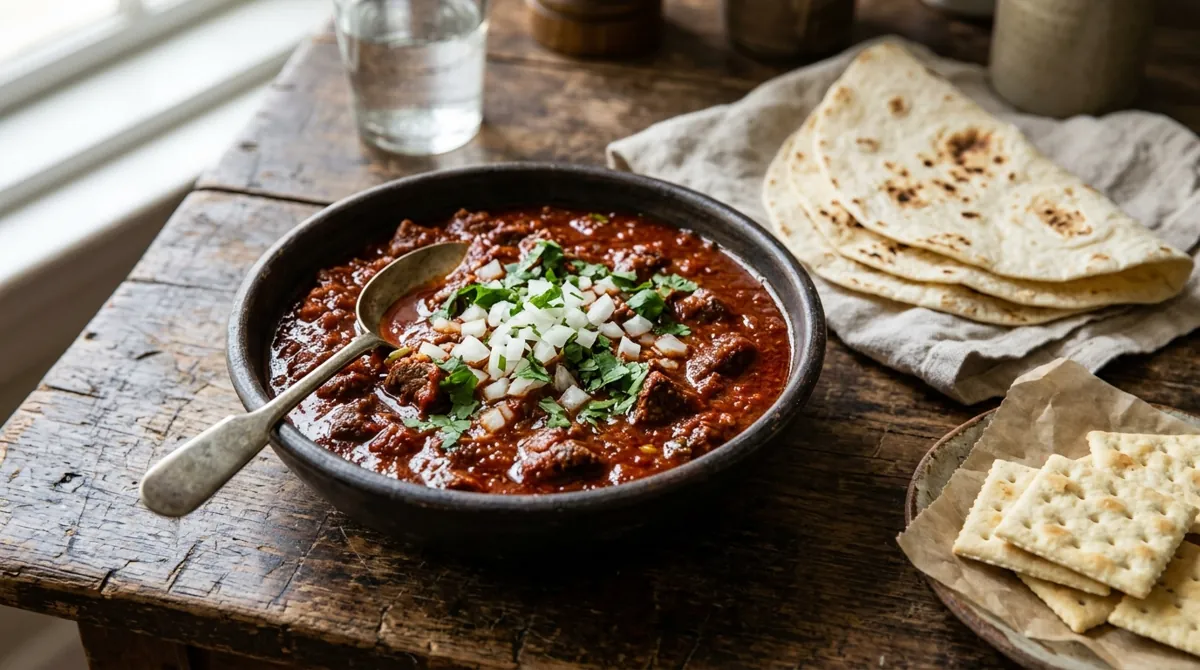
In the late 1800s, women known as the chili queens, most of them Mexican American, sold chili con carne from tables on San Antonio's plazas at night. A San Antonio columnist, Alexander Sweet, described the chile con carne stands on Military Plaza in 1885 (quoted at barrypopik.com). Historian Frank W. Jennings writes that diners found them on Military Plaza until City Hall was built there in 1889, and later on Haymarket Plaza and Milam Park, and that Stephen Crane described the stands in 1895. When the stands began and ended is DISPUTED (see Rules). When the 65th Texas Legislature made chili the state dish in 1977 (House Concurrent Resolution 18, signed May 11, 1977), the text credited a tradition "begun in San Antonio" and declared that the only real "bowl of red" is made by Texans (text reprinted by the Chili Appreciation Society International). UTSA professor Lilliana Saldaña notes the resolution never mentioned the chili queens.
🇺🇸 The original
Big cubes of beef chuck braised for three hours in a purée of toasted whole dried chiles, with no beans and no tomatoes.
🇺🇸 The American version
Home cooks across America added ground beef, tomatoes and beans, and turned it into a weeknight pot. See the Chili con Carne with Beans recipe.
Why it works the kitchen science
Whole chiles, not powder
Toasting and blending sweet, hot, fruity and smoky chiles gives a deeper, more layered red than a jar of chili powder (Serious Eats).
Brown one side only
Searing half the beef on a single side builds browned flavor without drying out the cubes, which still have 3 hours to braise (Serious Eats).
Step by step
- Step 1
Toast the dried chiles in a large Dutch oven over medium-high heat, stirring, 2 to 5 minutes, until a shade darker and fragrant. Don't let them smoke. Move them to a heatproof bowl.
- Step 2
Heat 1 cup of the broth to a simmer, pour it over the chiles, add the chipotle and adobo and soak 5 minutes. Blend until completely smooth, about 1 minute, holding the blender lid down with a towel.
- Step 3
Season the beef well with salt and pepper. Heat the oil in the Dutch oven over high heat until it just smokes. Add half the cubes in one layer and brown them on one side only, about 3 minutes, then set them aside with the unbrowned half.
- Step 4
Lower the heat to medium-high. Cook the onion 2 minutes, until translucent, then add the garlic and any optional spices and stir 1 minute, until fragrant.
- Step 5
Return all the beef and its juices, add the chile purée and the remaining 1 cup broth and bring to a boil. Lower to a gentle simmer, set the lid barely ajar and cook about 3 hours, stirring now and then, until the beef is completely tender. Add 1/4 cup water whenever the sauce gets too thick. (Or braise in a 225°F oven.)
- Step 6
Whisk the masa harina with 3 tbsp water, stir it in and simmer 10 minutes, until the sauce thickens and turns glossy. Stir in the fish sauce and vinegar and season with salt and hot sauce.
- Step 7
For the best flavor, cool the chili, refrigerate it overnight (up to 5 days) and reheat to a simmer (165°F) the next day. Serve with the garnishes on the side.
Texas Bowl of Red (San Antonio Chili con Carne)
Serves 4 (about 1 1/4 cups each) · about 5 cups · 3 hr 40 min total
Chile purée
- 2 sweet dried chiles, such as New Mexico, costeño or choricero, stems and seeds removed (about 1/3 oz)
- 1 small hot dried chile, such as árbol, stem and seeds removed
- 2 rich, fruity dried chiles, such as ancho, mulato or pasilla, stems and seeds removed (about 2/3 oz)
- 2 cups low-sodium chicken broth, divided
- 1 canned chipotle chile in adobo plus 1 tbsp of the adobo sauce, stem and seeds removed
Chili
- 2 lb boneless beef chuck, trimmed of gristle and excess fat, cut into 2-inch cubes
- Kosher salt and black pepper
- 1 tbsp vegetable oil
- 1/2 medium onion (about 4 oz), finely diced
- 2 cloves garlic, minced
- Optional spices: 1 1/2 tsp ground cumin, 1 tsp dried oregano, 1/8 tsp ground cinnamon, a pinch of ground allspice
- 1 1/2 tbsp masa harina
- 1 tbsp fish sauce (optional)
- 1 tbsp cider vinegar, or to taste
- Hot sauce, to taste
To serve
- Chopped white onion, cilantro, sliced scallions, grated cheese and warm tortillas, as you like
Method
- Toast the dried chiles in a large Dutch oven over medium-high heat, stirring, 2 to 5 minutes, until a shade darker and fragrant. Don't let them smoke. Move them to a heatproof bowl.
- Heat 1 cup of the broth to a simmer, pour it over the chiles, add the chipotle and adobo and soak 5 minutes. Blend until completely smooth, about 1 minute, holding the blender lid down with a towel.
- Season the beef well with salt and pepper. Heat the oil in the Dutch oven over high heat until it just smokes. Add half the cubes in one layer and brown them on one side only, about 3 minutes, then set them aside with the unbrowned half.
- Lower the heat to medium-high. Cook the onion 2 minutes, until translucent, then add the garlic and any optional spices and stir 1 minute, until fragrant.
- Return all the beef and its juices, add the chile purée and the remaining 1 cup broth and bring to a boil. Lower to a gentle simmer, set the lid barely ajar and cook about 3 hours, stirring now and then, until the beef is completely tender. Add 1/4 cup water whenever the sauce gets too thick. (Or braise in a 225°F oven.)
- Whisk the masa harina with 3 tbsp water, stir it in and simmer 10 minutes, until the sauce thickens and turns glossy. Stir in the fish sauce and vinegar and season with salt and hot sauce.
- For the best flavor, cool the chili, refrigerate it overnight (up to 5 days) and reheat to a simmer (165°F) the next day. Serve with the garnishes on the side.
Adapted from Serious Eats, "Original Texas Chili Con Carne" by J. Kenji López-Alt (2011, cross-tested 2023), halved from 6 to 8 servings to 4. Kenji's card divides the broth without saying where the second half goes, and lists masa harina without a step; adding the rest of the broth with the purée and stirring the masa in as a slurry at the end are our choices. No-beans rules are from the CASI rules and the International Chili Society rules. Serious Eats. Ingredient list follows the source; the method is in our own words.
Tips
- Heat control: Kenji's note says to add or leave out the hot chile and the chipotle to make it milder or hotter.
- Big cubes hold together over a long braise; ground beef turns grainy here.
- Masa harina is sold next to the flour in most supermarkets. In a pinch, crush a few corn tortilla chips very fine.
The rules people argue about
What the sources agree on, what they don't, and what is just a good story.
- No beans. Documented for competition: CASI's rules say beans, macaroni, rice and hominy are "not permitted", and the ICS defines Traditional Red Chili with beans "not allowed". Outside a cook-off it is Disputed: a chili recipe with beans was printed as early as 1906 (Boston Cooking-School Magazine, cited at Wikipedia).
- No tomatoes. Disputed: Kenji says old-school Texas chili has no tomato; Wick Fowler, who cooked against H. Allen Smith at the first Terlingua cook-off in 1967 (UPI), added tomato sauce (Wikipedia, citing Frank X. Tolbert's book "A Bowl of Red"), and America's Test Kitchen's "Texas Red" uses canned tomatoes.
- Cubed beef, never ground. Folklore: the ICS says no preference is given to cut, ground, shredded or cubed meat.
- Commercial chili powder is cheating. Folklore: CASI's rules allow commercial chili powder and ban only complete "just add meat" mixes.
- Chili tastes better the next day. Folklore with expert support: Kenji recommends an overnight rest, and Wikipedia says Wick Fowler believed the same.
- The chili queens invented chili. Disputed: Texas tradition credits San Antonio, but carne con chile was already eaten in Mexico (see Chile Colorado), and a chili history quoted by Barry Popik says most historians do not find the queens selling chili much before 1880.
- When the chili queens worked. Disputed: Jennings says from the 1860s until the late 1930s; Saldaña says city leaders forced them out of the downtown plazas in 1902.
- "The only real bowl of red is made by Texans." Documented as the wording of HCR 18 (CASI's reprint). It is a resolution, not a history finding.
Every other chili
Chile Colorado (Northern Mexican Red Chile Beef)
Beef and potatoes stewed in a smooth guajillo chile sauce thickened with a little flour, the Chihuahua way, and spooned into warm flour tortillas.
Chili con Carne with Beans
The American home classic: ground beef, kidney beans and tomatoes simmered two hours with chili powder, cumin and a little heat.
Cincinnati Chili (Three-Way to Five-Way)
A thin, cinnamon-and-allspice-scented meat sauce ladled over buttered spaghetti and built up in "ways" with beans, onion and a mound of finely shredded cheddar.
New Mexico Green Chile Stew
Pork, potatoes and plenty of roasted New Mexico green chile simmered in broth, the comfort-food bowl behind New Mexico's official question, "Red or green?".
Chile Verde with Pork
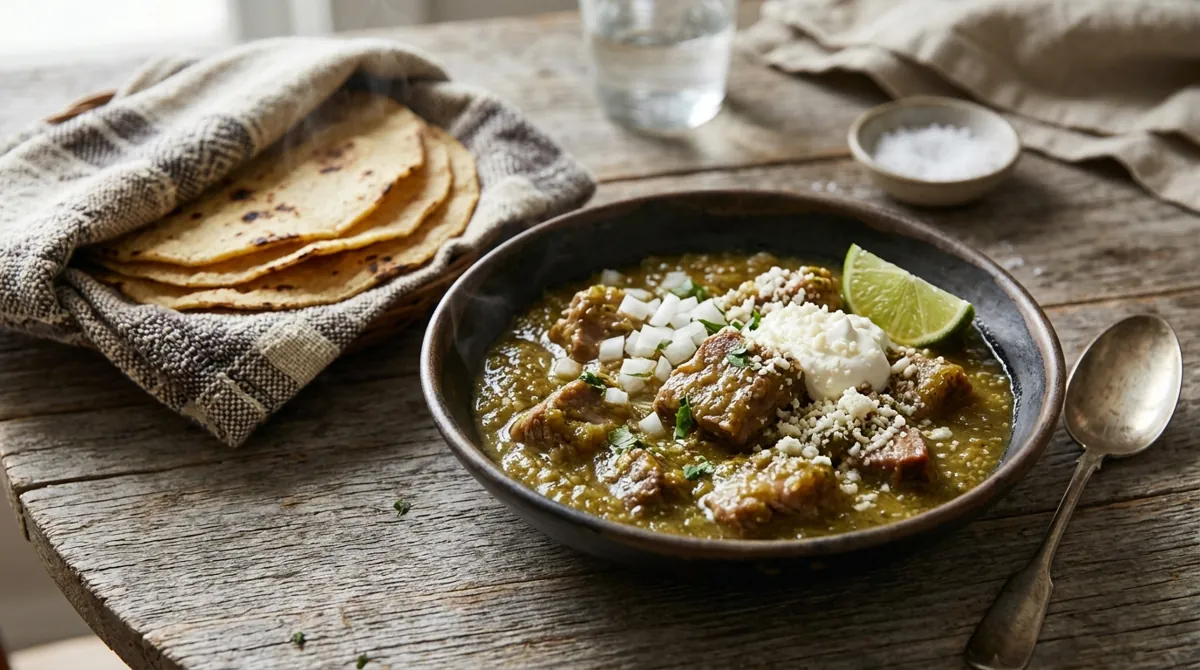
Pork shoulder braised for hours in a chunky purée of charred poblanos, tomatillos, garlic and jalapeño until it falls apart.
White Chicken Chili
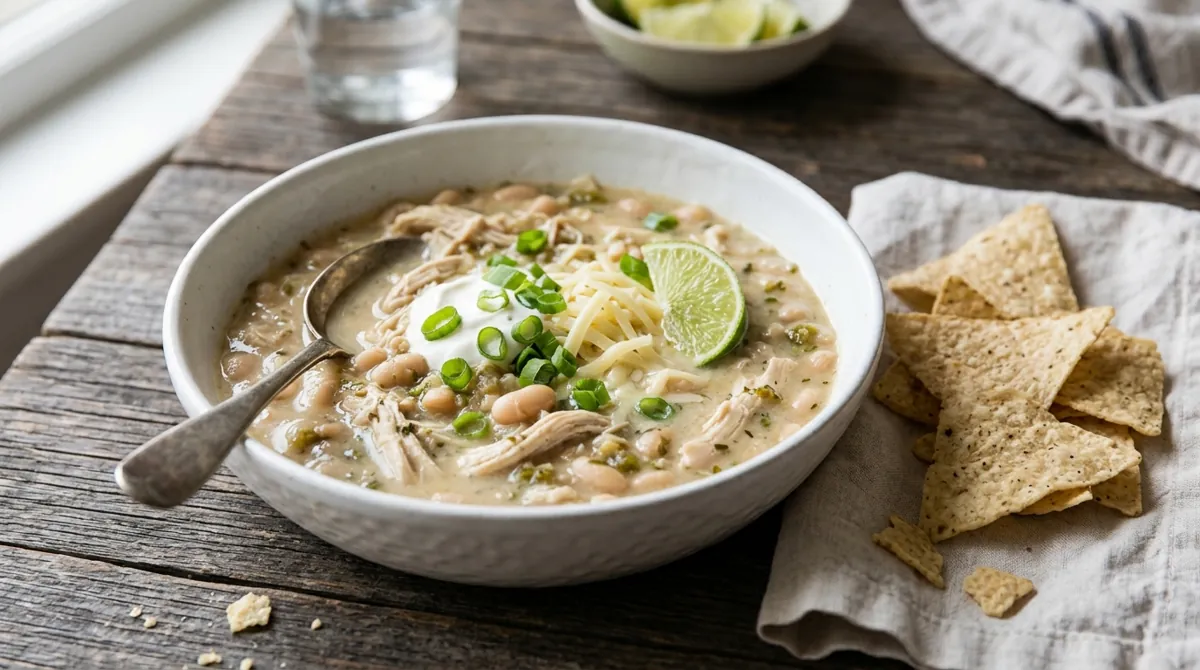
Shredded chicken and creamy white beans in a light, green-chile broth of poblano, Anaheim and jalapeño, finished with lime, cilantro and scallions.
Frito Pie
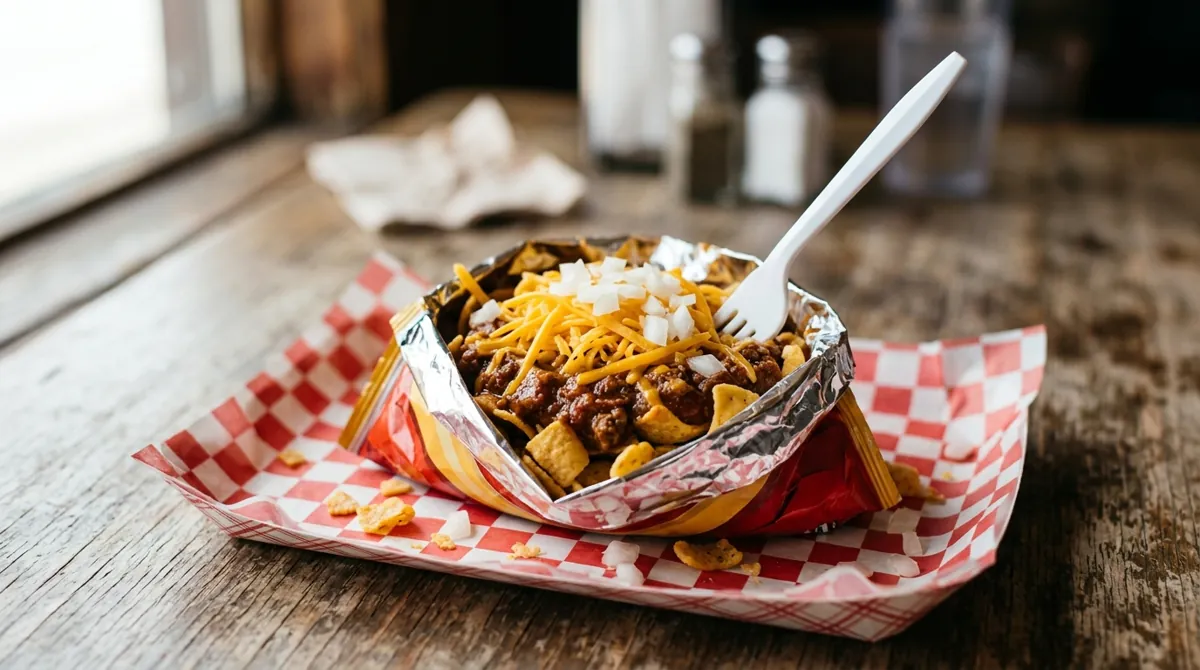
Homemade beef chili ladled straight into a split-open bag of corn chips and topped with cheddar and chopped onion; eat it with a fork, right out of the bag.
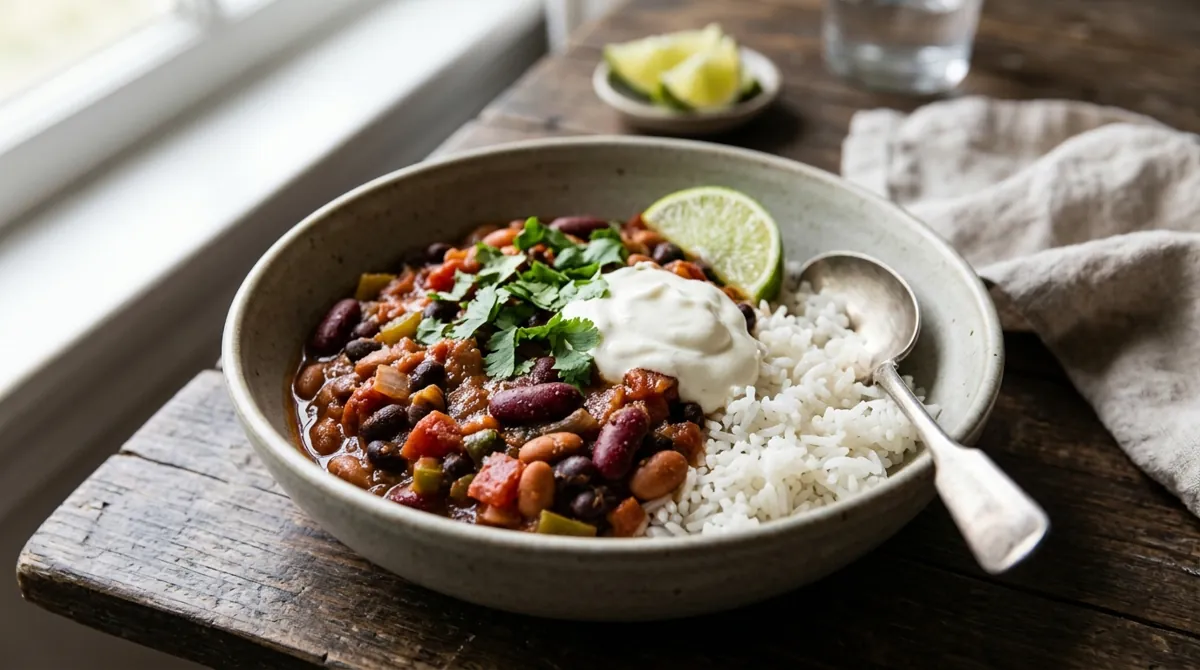
Three-Bean Vegetarian Chili
Pinto, black and kidney beans simmered with crushed tomatoes, toasted cumin seeds, red pepper and corn, finished with lime and cilantro.
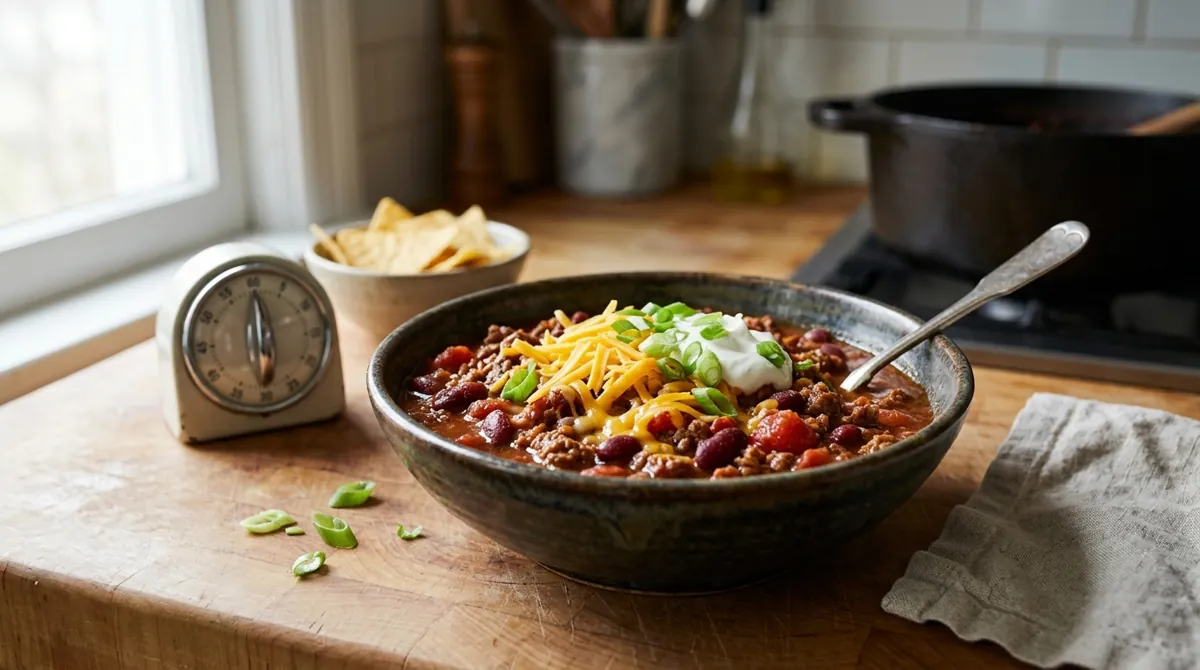
30-Minute Weeknight Beef and Bean Chili
Ground beef, kidney beans and lightly blitzed tomatoes with chili powder, cumin and a little chipotle, on the table in about 30 minutes.
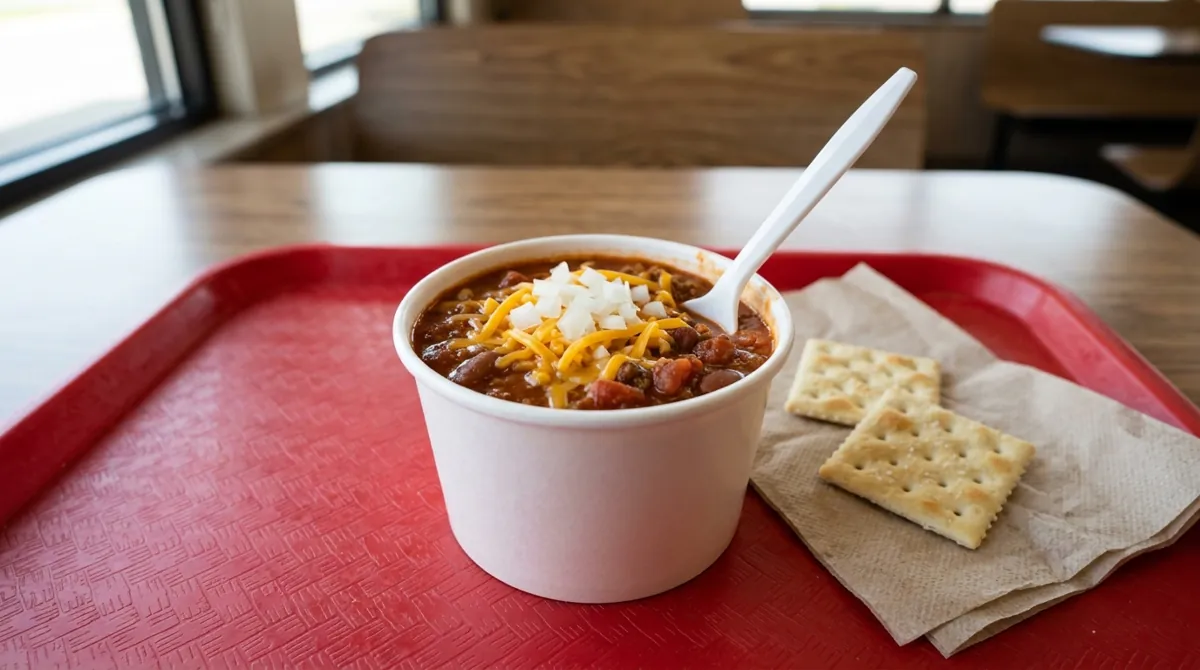
Fast-Food Style Chili, Inspired by Wendy's
A mild, beefy, tomato-heavy chili with kidney and pinto beans, onion, celery and green pepper, simmered low and slow like the drive-thru favorite. Inspired by, not official.
Meatballs of the World

Italian-American Meatballs
Big, tender meatballs braised for an hour in red sauce over spaghetti. The one most Americans grew up with.

Pallottine (Abruzzo Meatballs)
Tiny meatballs, smaller than a marble, tossed right through square spaghetti alla chitarra. No bread at all.

Swedish Meatballs (Köttbullar)
Small, soft meatballs browned in butter, in a cream sauce made from the same pan, with lingonberry jam on the plate.

Danish Frikadeller
Pork meatballs shaped with a spoon and fried slowly in butter, crusty outside and soft in the middle.

Königsberger Klopse
German meatballs that are never fried: poached, then served in a creamy white sauce with capers.

Spanish Albóndigas in Almond Saffron Sauce
The tapas bar classic: small meatballs in a golden sauce thickened with fried almonds and bread.

Mexican Albóndigas with Chipotle and Mint
Soft meatballs with rice and fresh mint inside, simmered in a smoky tomato and chipotle broth.

Izgara Köfte (Turkish Grilled Meatballs)
Small, flat meatballs kneaded hard, rested cold, and charred on a hot grill pan.

Lion's Head Meatballs
Big, soft pork meatballs, stirred into a sticky paste, fried to set, then braised in a savory sauce.

Chicken Tsukune
Japan's chicken meatball: kneaded sticky, grilled on skewers, glazed with sweet soy tare, dipped in egg yolk.