
📋 Mise en Place · Lesson 5 of 5
How to Measure Ingredients: Weight vs Volume
Why a cup of flour can weigh 120 or 160 grams, how to measure it right, and when a kitchen scale beats a measuring cup.
🎬 Watch the lesson
Why it matters
A measuring cup measures space, not food. Flour packs down, so a cup scooped straight from the bag can hold a third more than the recipe means, and that is the difference between a tender cookie and a dry one. A scale and a few habits fix it.
A cup of flour is not one amount
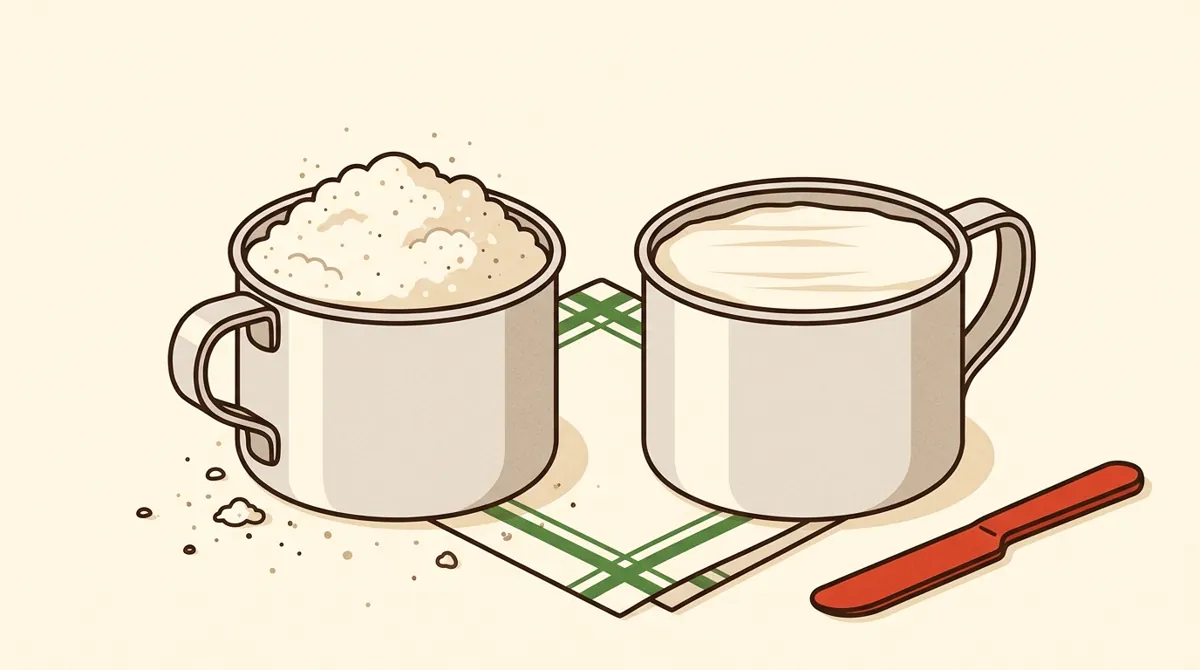
Spooned in loosely and leveled, a cup of all-purpose flour weighs about 120 grams. Scooped straight from the bag and packed, the same cup can hold up to 160 grams. The cup did not change. The flour did.
Weigh it if you can
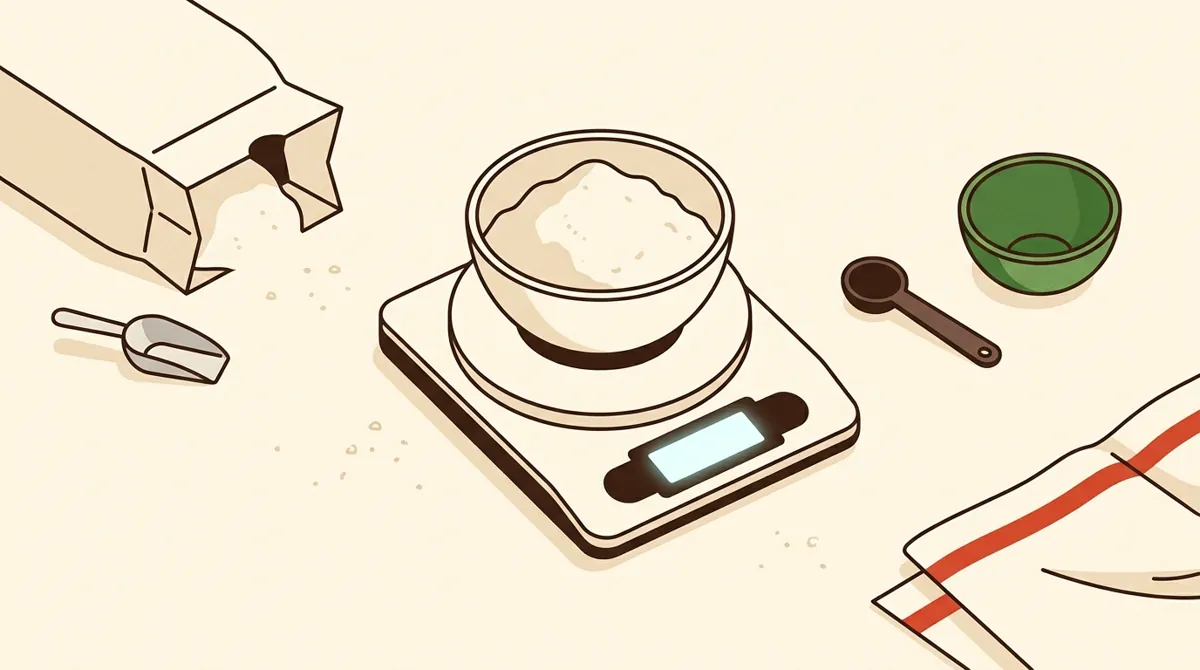
A scale removes the guesswork. Set the bowl on it, press tare to zero it, and add flour until you reach the weight, about 120 grams per cup. Landing within about 5 grams of the amount is fine for most recipes.
No scale? Fluff, spoon and level
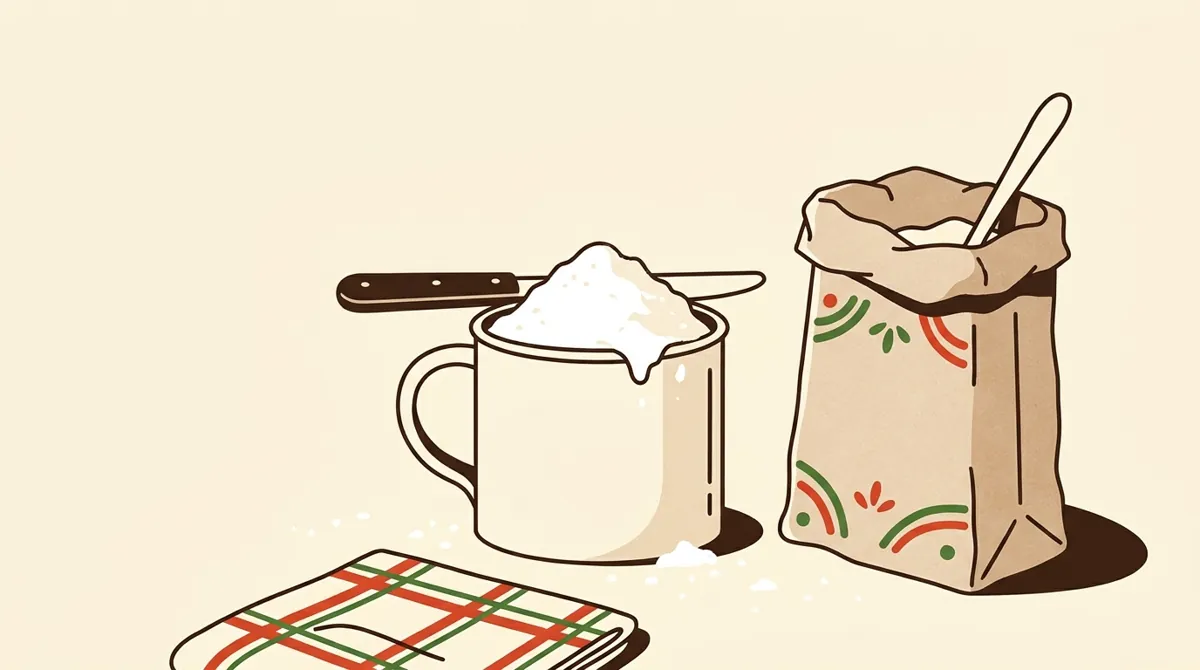
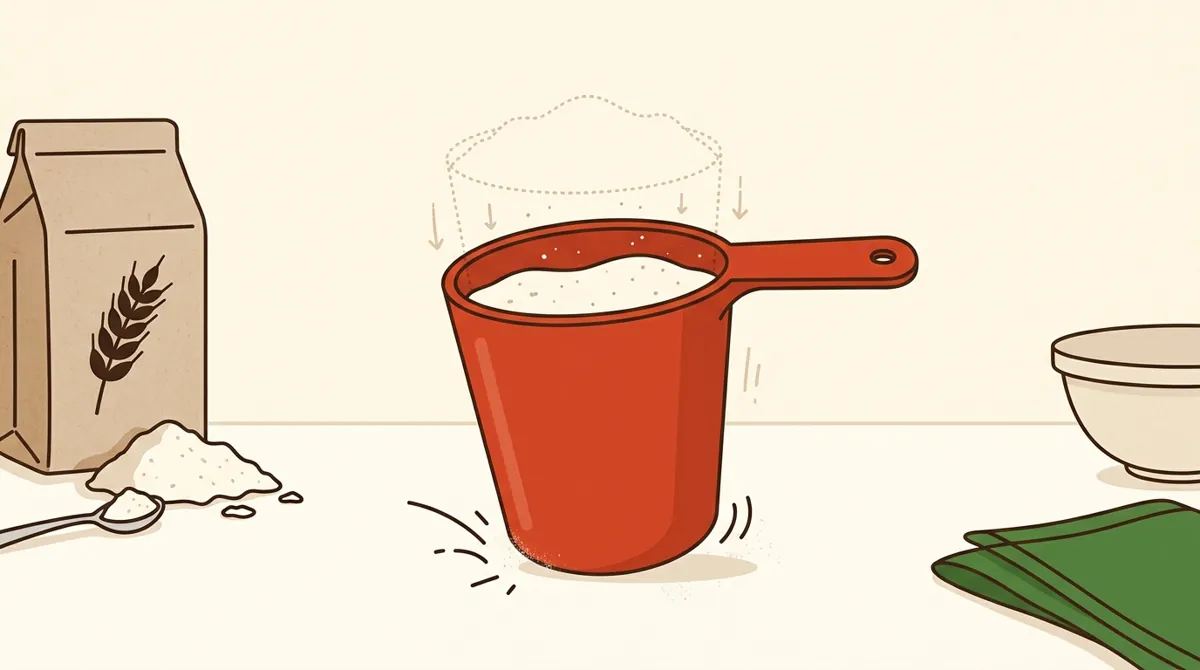
Stir the flour in its bag to loosen it, spoon it into the cup until it overflows, and sweep the top flat with the back of a knife. Do not tap or press the cup.
Dry cups and liquid cups are different tools
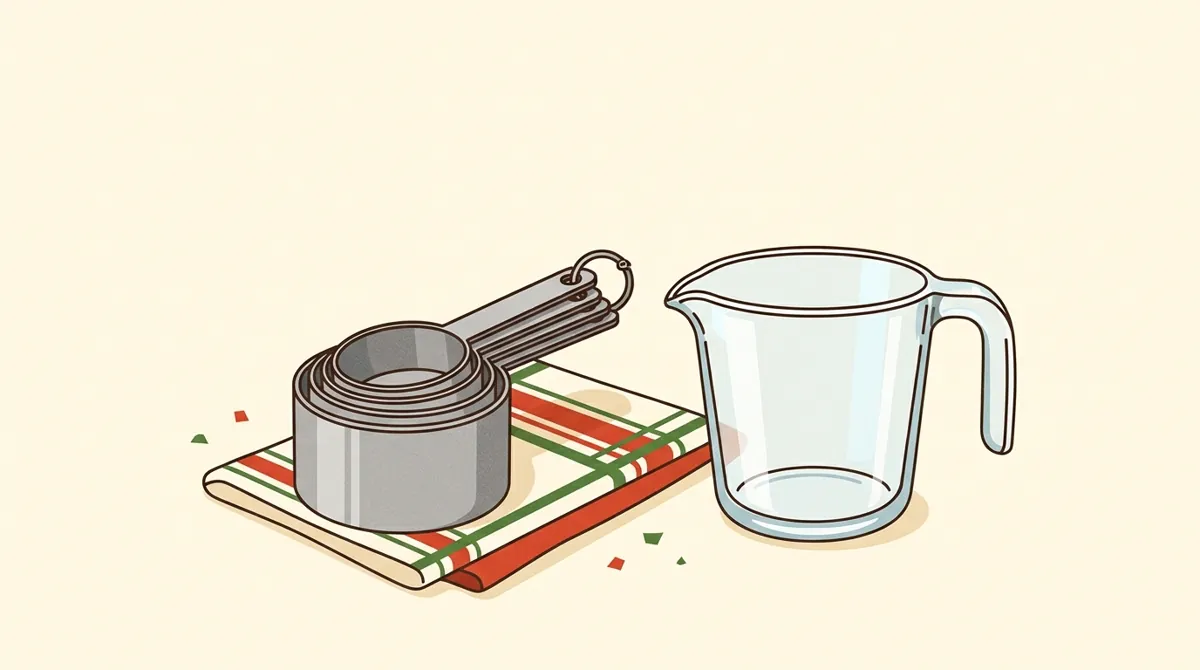
Dry cups are made to be filled to the brim and leveled. Liquid cups have a spout and lines below the rim. Set a liquid cup on the counter, let it settle and read it at eye level.
Step by step
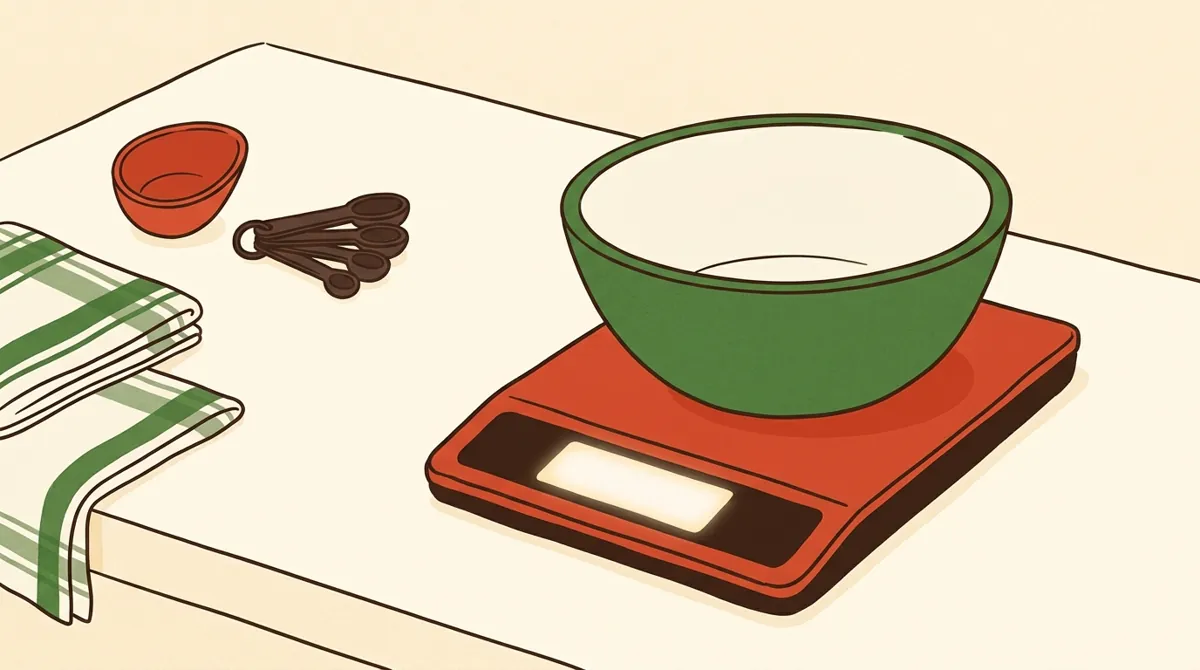
Set a bowl on the scale and press tare so it reads zero.
Add flour until it reaches the weight in the recipe, about 120 grams per cup of all-purpose flour.
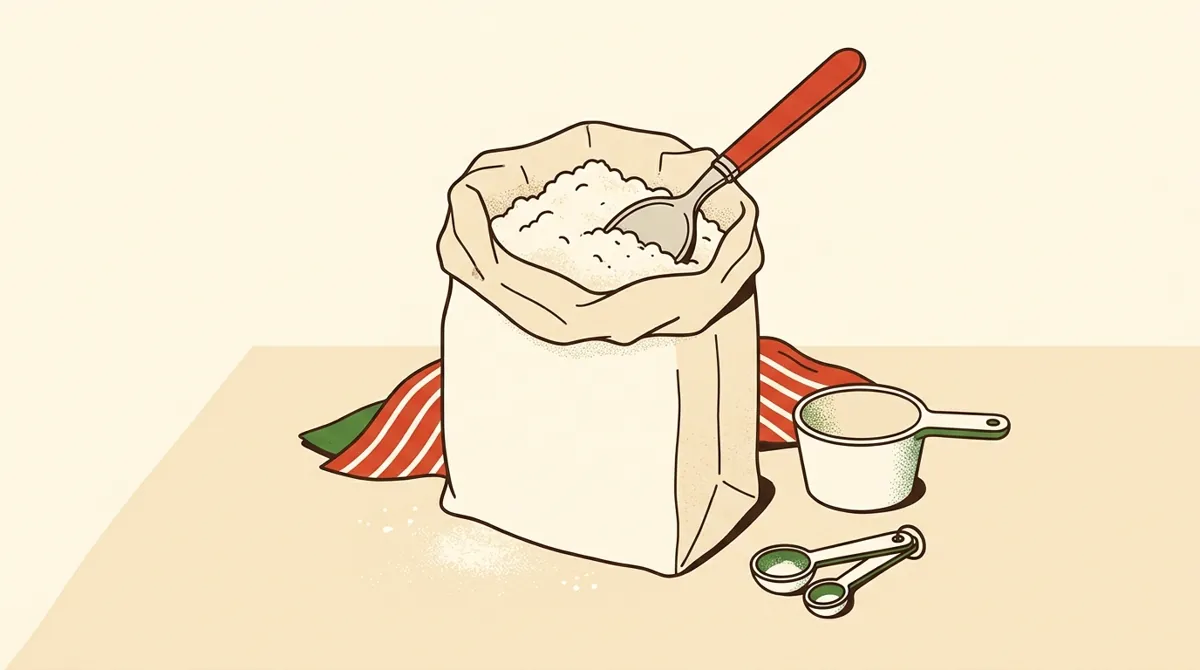
No scale: stir the flour in its bag to fluff it up.
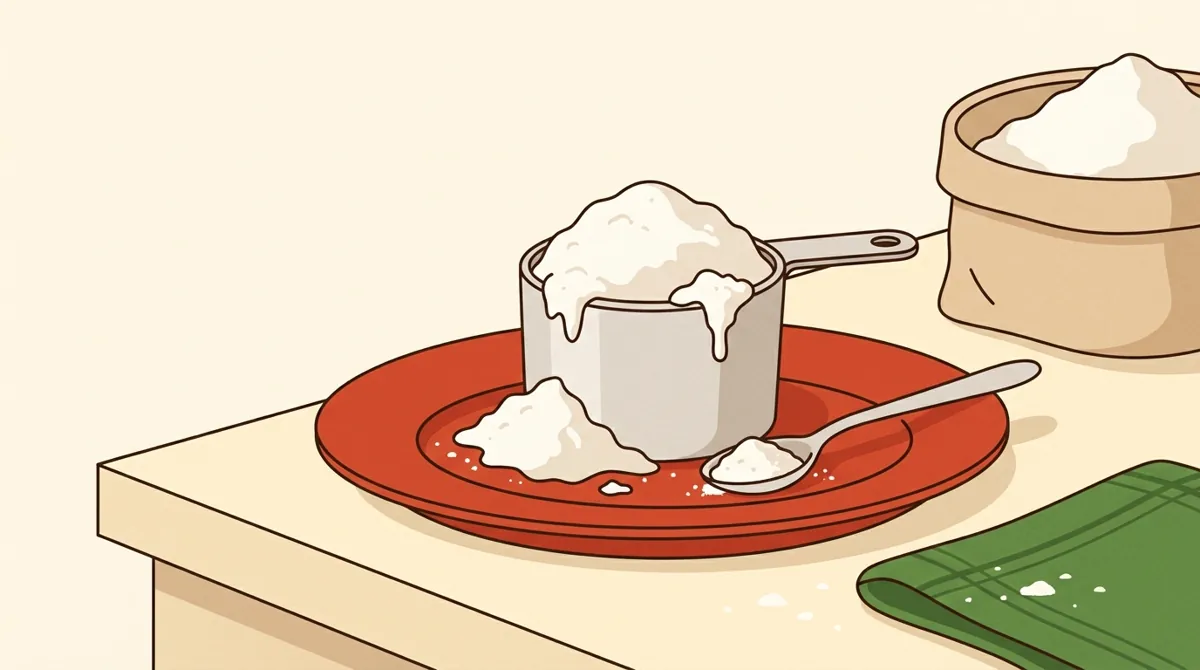
Spoon it into a dry measuring cup until it overflows.
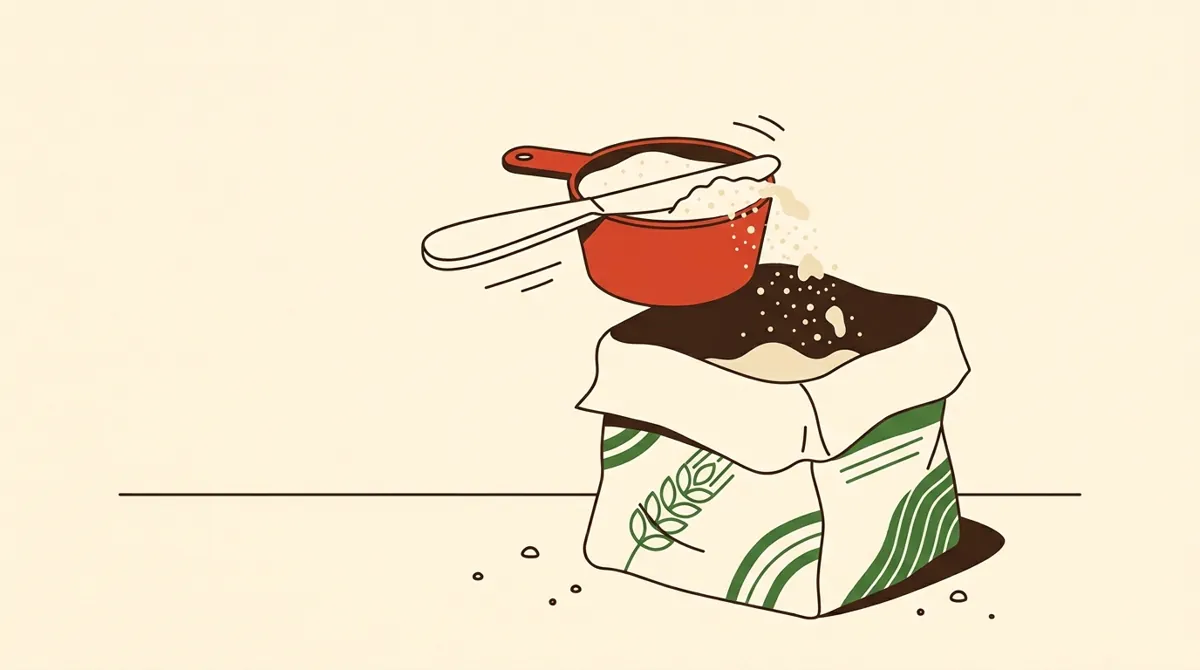
Level the top with the back of a knife, without tapping or pressing.
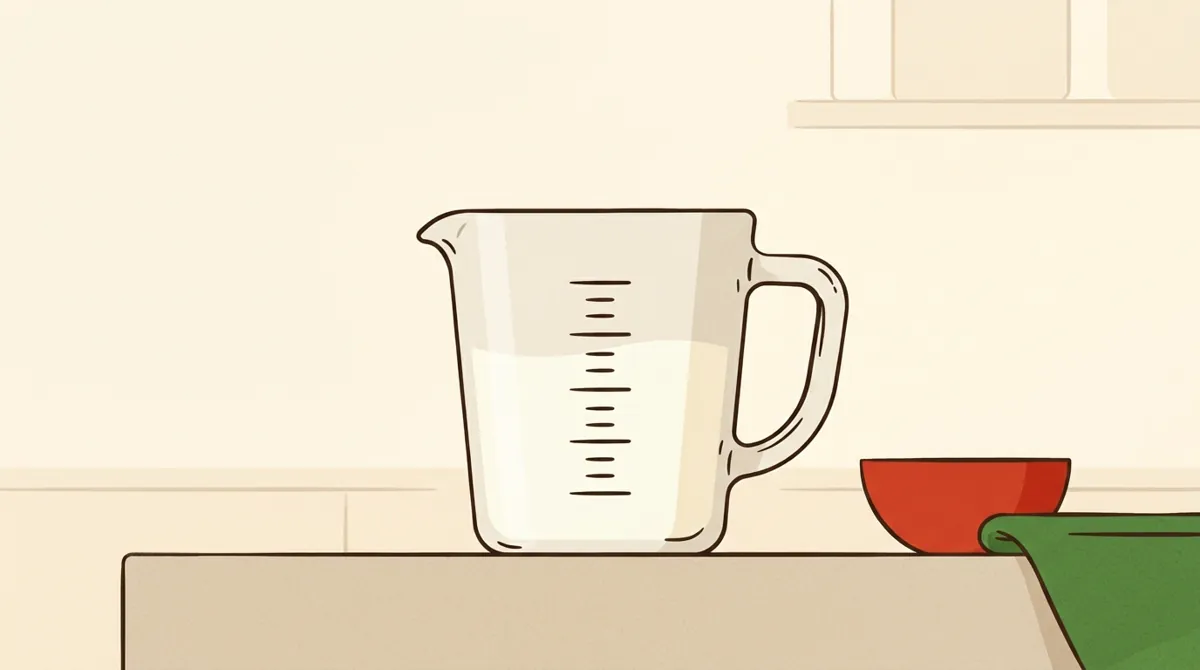
For liquids, set the liquid cup on the counter, let it settle and read it at eye level.
Common mistakes
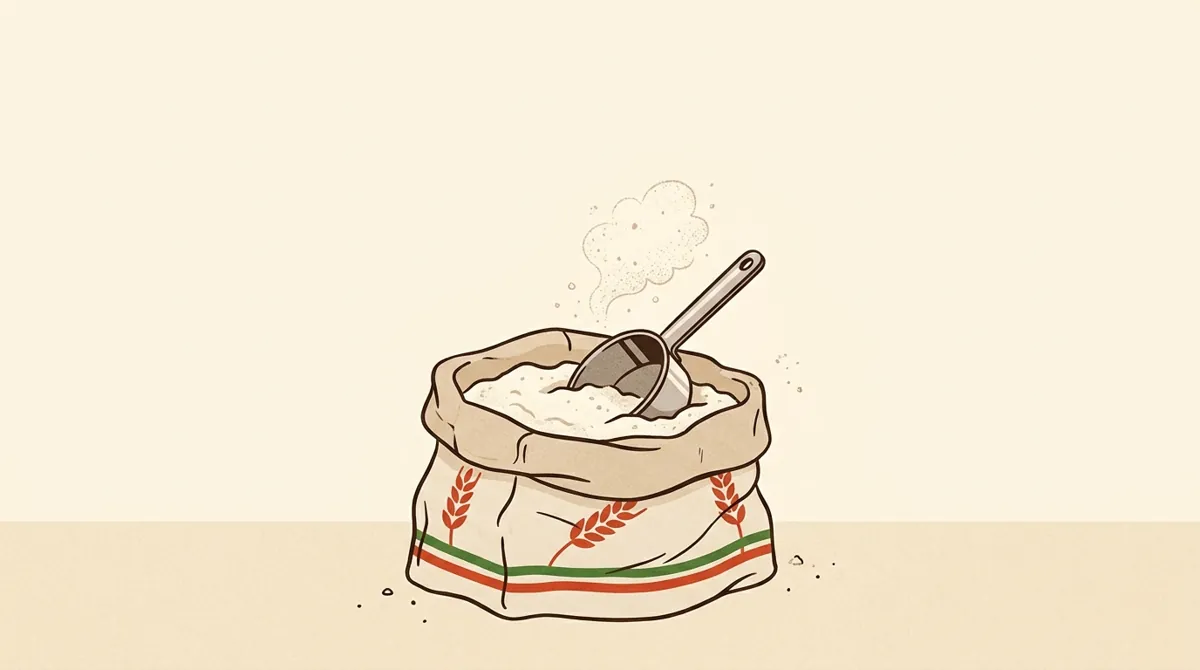
- Scooping the cup straight into the bag: it packs the flour, up to 160 grams a cup, so spoon it in instead.
- Tapping the cup to settle the flour: that packs it too, so just level the top.
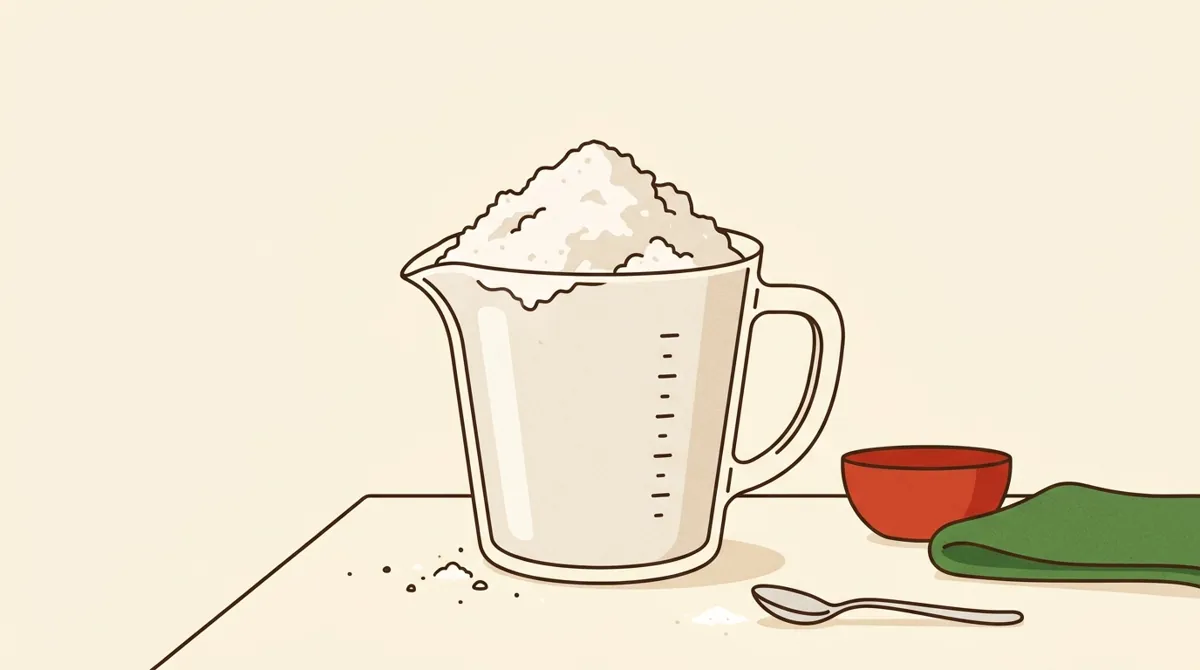
- Measuring flour in a liquid cup: you cannot level it, so use the dry cups for dry ingredients.
- Reading a liquid cup from above: the amount looks wrong from that angle, so get down to eye level.
- Forgetting to tare: the bowl's weight ends up in the recipe, so zero the scale with the bowl already on it.
🏋️ Try it tonight
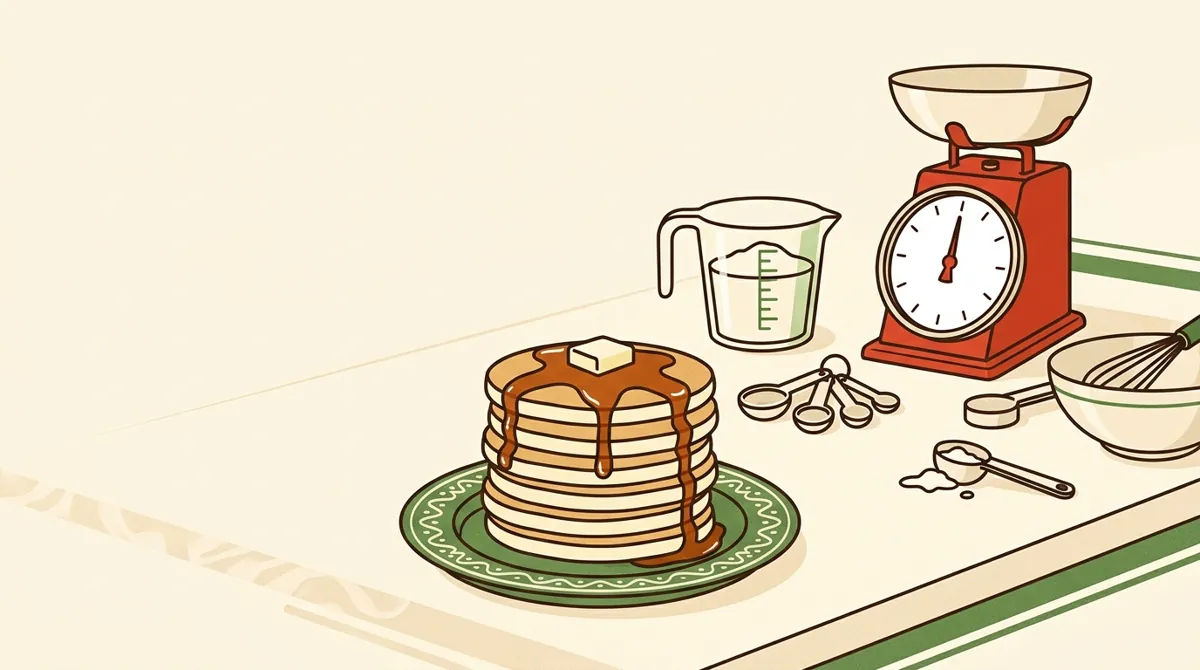
Take a 1-cup measure and a kitchen scale. Scoop a cup straight from the flour bag, level it and weigh it. Then fluff the flour, spoon a second cup in, level it and weigh that. Compare both numbers with the 120 grams the cup is meant to hold, then use the flour for a batch of pancakes.
💡 Did you know?
A cup of all-purpose flour should weigh about 120 grams, but scooped and packed it can hold up to 160 grams: a third more flour from the very same cup.
Use it tonight
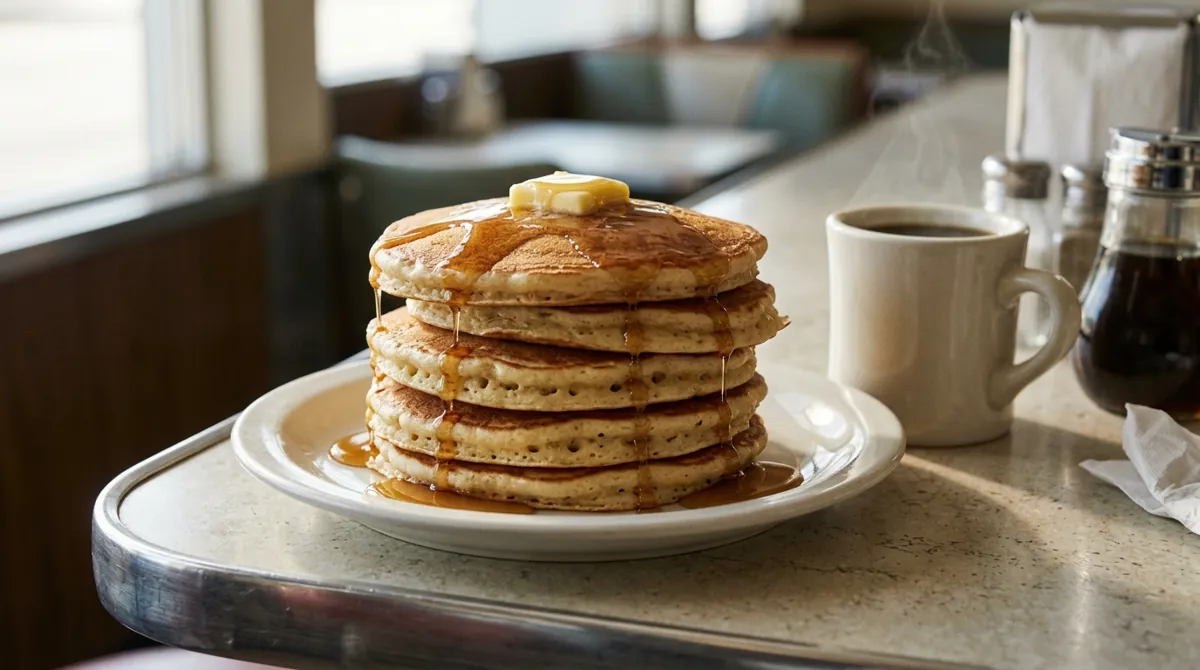
American Buttermilk Pancakes (The Diner Stack)
Fluffy, tangy buttermilk pancakes leavened with baking powder and baking soda, rested so the batter thickens, griddled at 350°F and stacked high with butter and maple syrup.
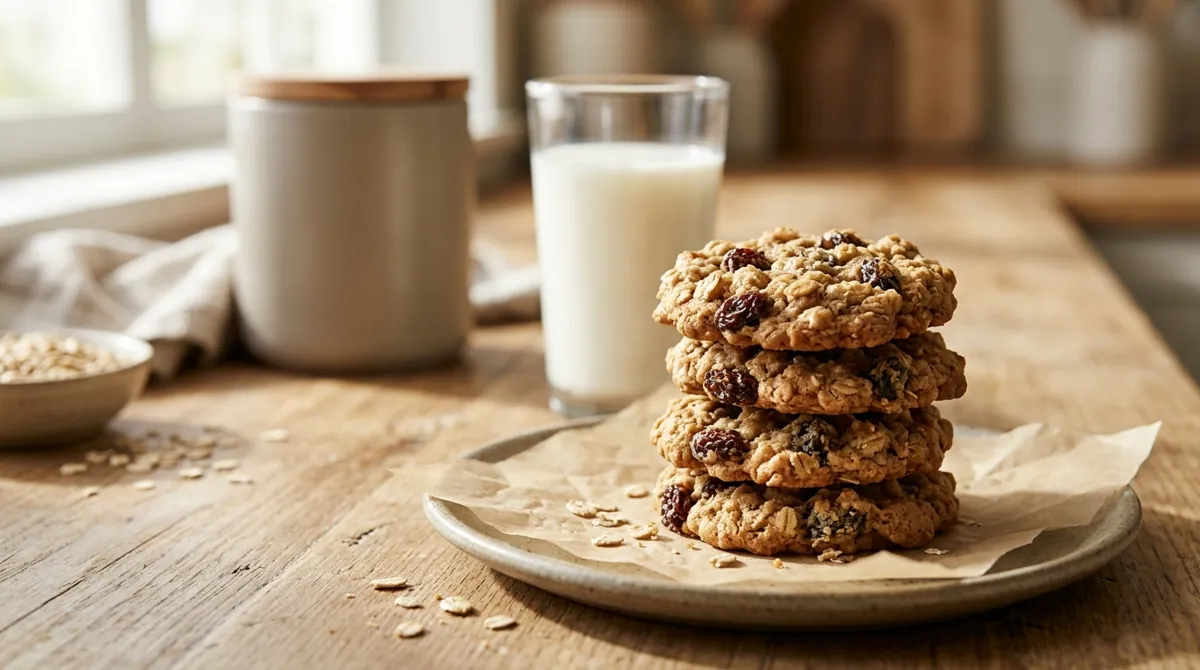
Old-Fashioned Oatmeal Raisin Cookies
The oat-box classic: butter, brown sugar and cinnamon with three cups of rolled oats and a cup of raisins, baked just until light golden for chewy middles.
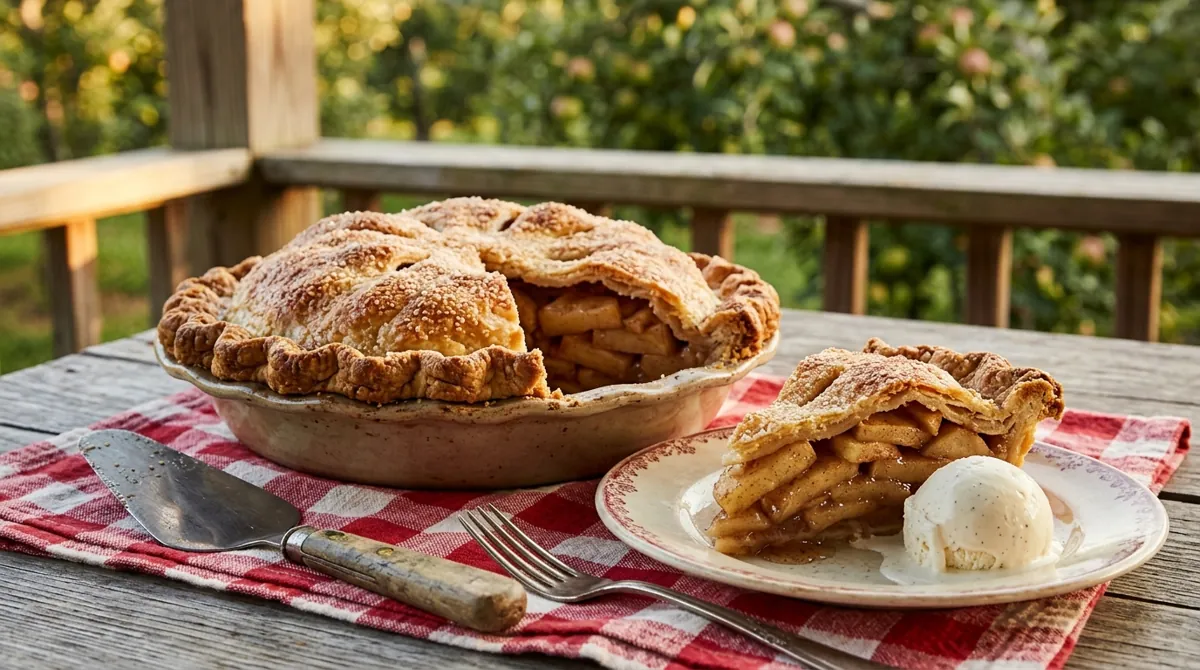
Classic American Apple Pie (Double Crust)
Eight cups of thin-sliced apples tossed with sugar, cinnamon, nutmeg and allspice, thickened with flour and cornstarch and dotted with butter, sealed between two flaky butter and shortening crusts, baked at 425°F and then 375°F until the filling bubbles hard through the vents.