
🔥 Heat and Cooking Methods · Lesson 1 of 5
Dry Heat vs. Moist Heat: The Two Families of Cooking
Every cooking method uses dry heat or moist heat. Knowing which one tells you whether food will brown or turn tender.
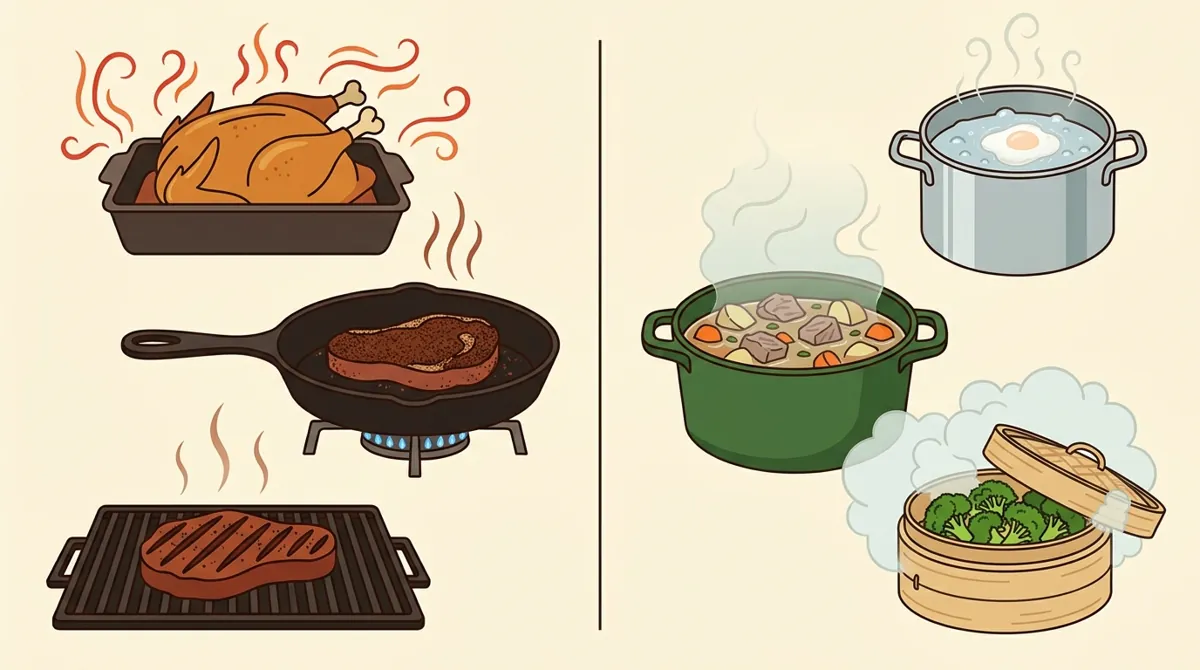
- Dry heat: roast, bake, grill, broil, sear
- Hot fat: saute and fry
- Moist heat: poach, simmer, boil, steam, stew
- Braise: brown first, then simmer covered
Why it matters
Every recipe verb, from roast to braise, belongs to one of two families: dry heat or moist heat. The family decides the result. Water holds food at or below its boiling point, so a pot of simmering beef never browns, and a lean steak gains nothing from a long braise.
Dry heat: hot air, hot metal or fire
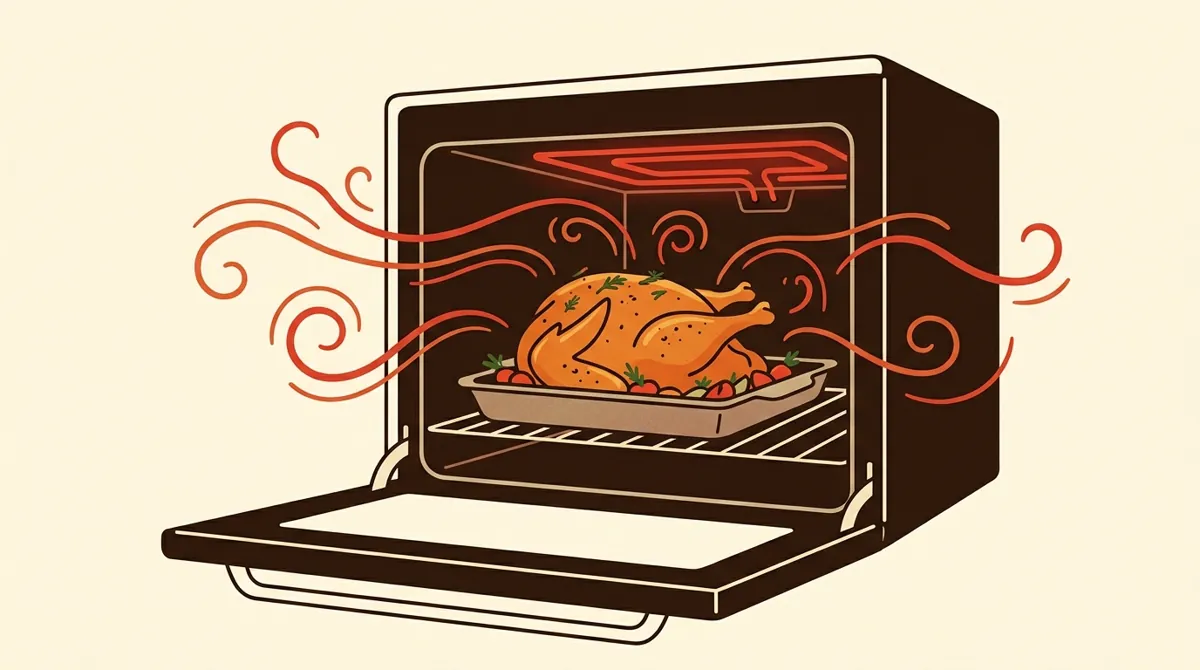
Roasting, baking, grilling, broiling and searing cook with no added liquid. Roasting surrounds food with hot air of at least 300°F, so the surface dries out and browns. These methods suit tender cuts like strip loin, tenderloin, sirloin and rib.
Frying sits in its own corner
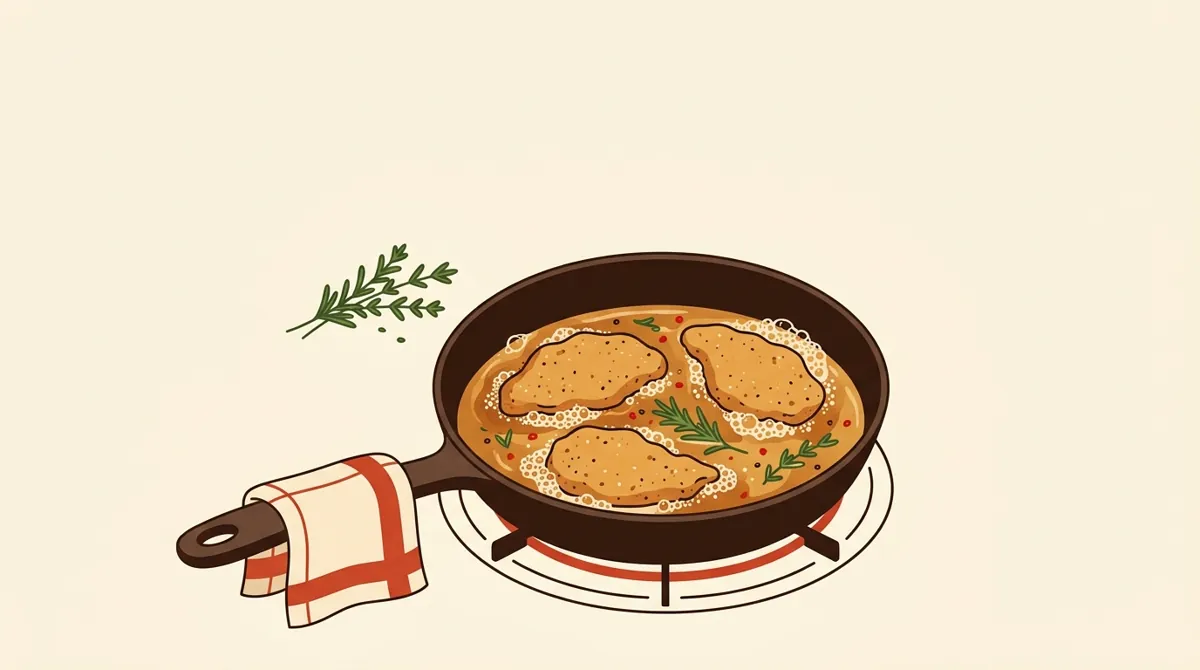
Sauteing, pan frying, stir frying and deep frying cook in hot fat instead of water. Many cooks file them under dry heat, while Wikipedia's chart of cooking techniques gives fat-based methods their own group. Either way there is no water to cap the temperature: frying oil runs roughly 302 to 392°F, so fried food browns.
Moist heat: water, stock or steam
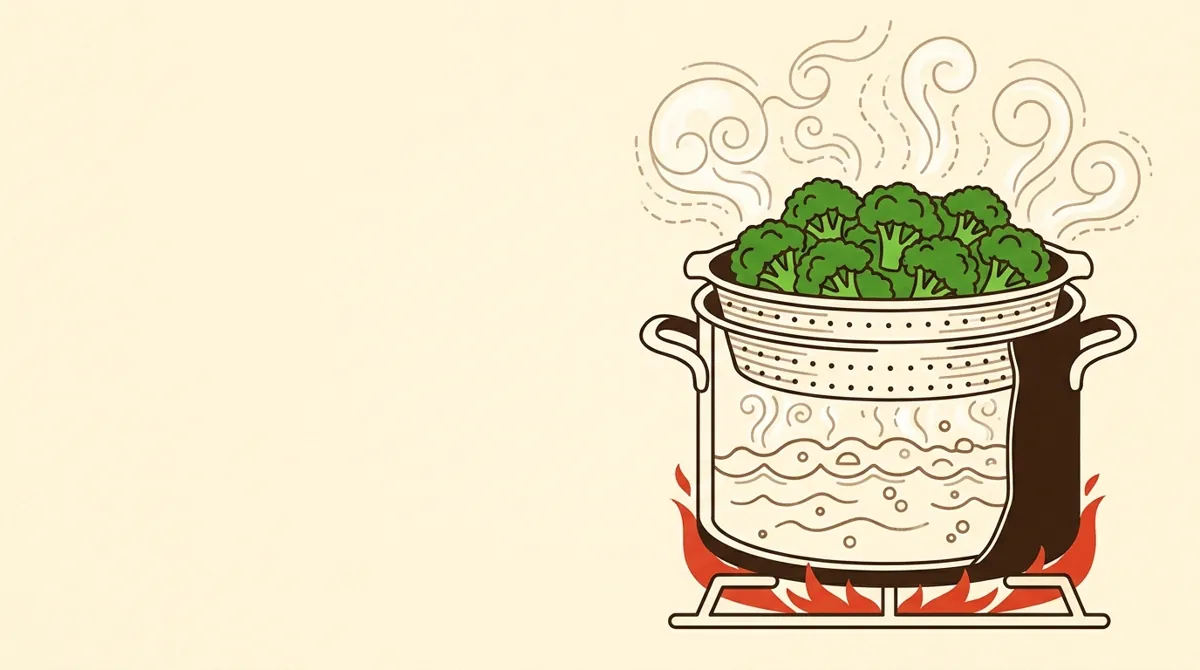
Poaching, simmering, boiling, steaming and stewing cook food in liquid or the steam rising off it. At sea level water boils at 212°F, and that is as hot as an open pot of water gets. The result is gentle, even cooking, but no crust.
Browning needs dry heat
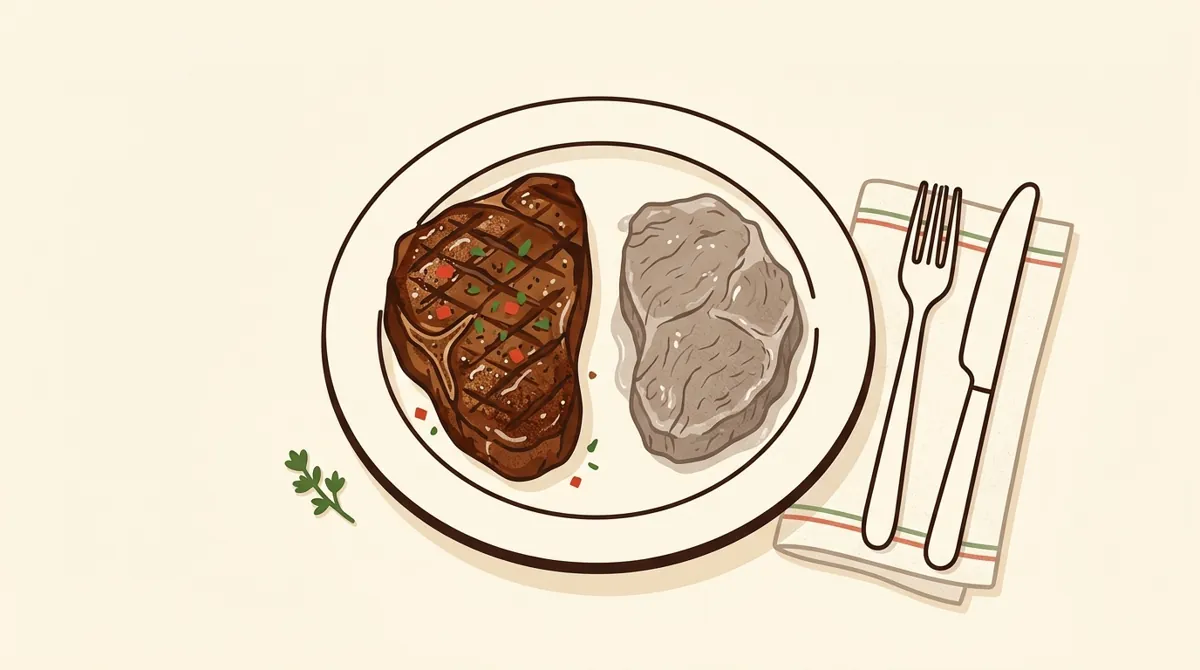
The Maillard reaction, the browning behind a seared steak or a bread crust, runs quickly at about 280 to 330°F. That is well above 212°F, which is why boiled meat comes out gray and roasted meat comes out brown.
Tough cuts want moist heat, and braising uses both
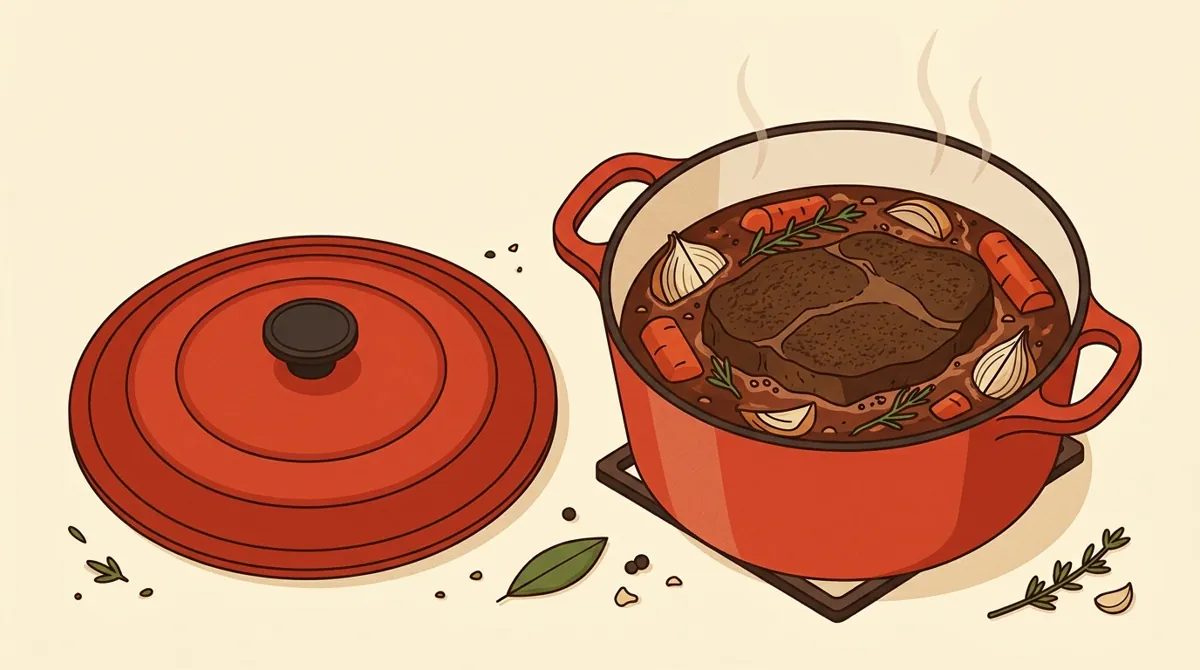
Collagen, the connective tissue in pot roast, pork shoulder, shanks and brisket, starts turning to gelatin above 140°F and breaks down best in a moist environment around 200°F. Braising combines the two families: brown the meat with dry heat, then cook it slowly, covered, in a little liquid. Lean, tender steaks don't benefit from braising, so cook them fast with dry heat.
Step by step
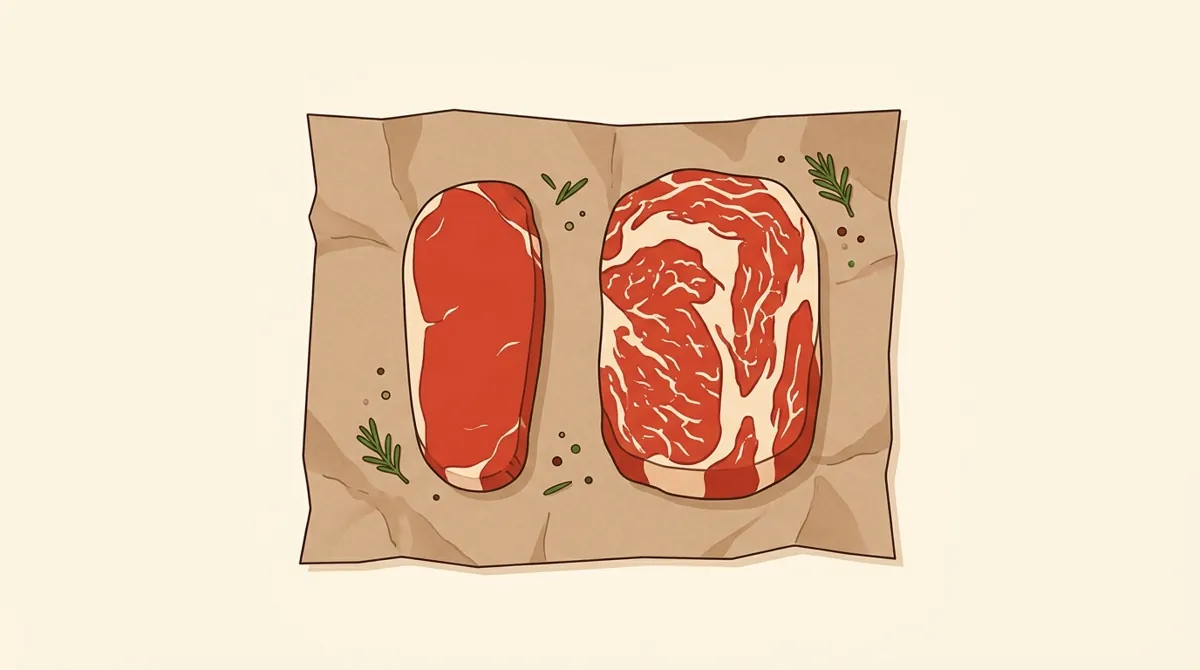
Look at the cut: tender and lean (steaks, chops, chicken breast) or tough with connective tissue (chuck, shoulder, shank, brisket).
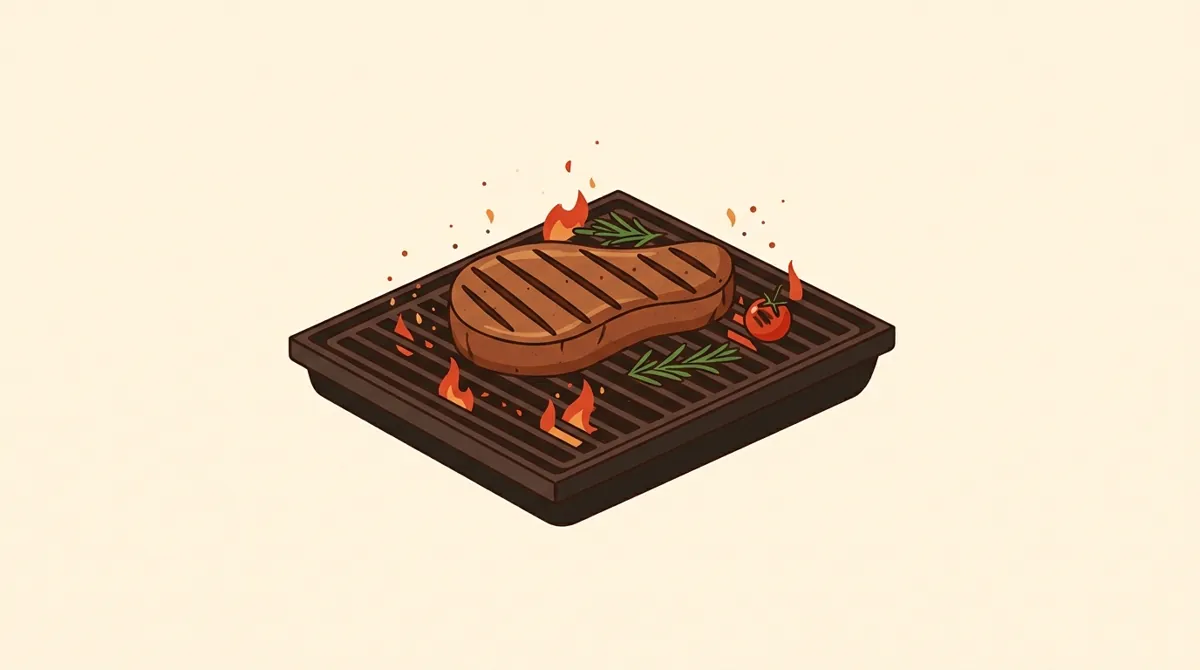
For a tender cut, choose dry heat: sear, roast, grill or broil it.
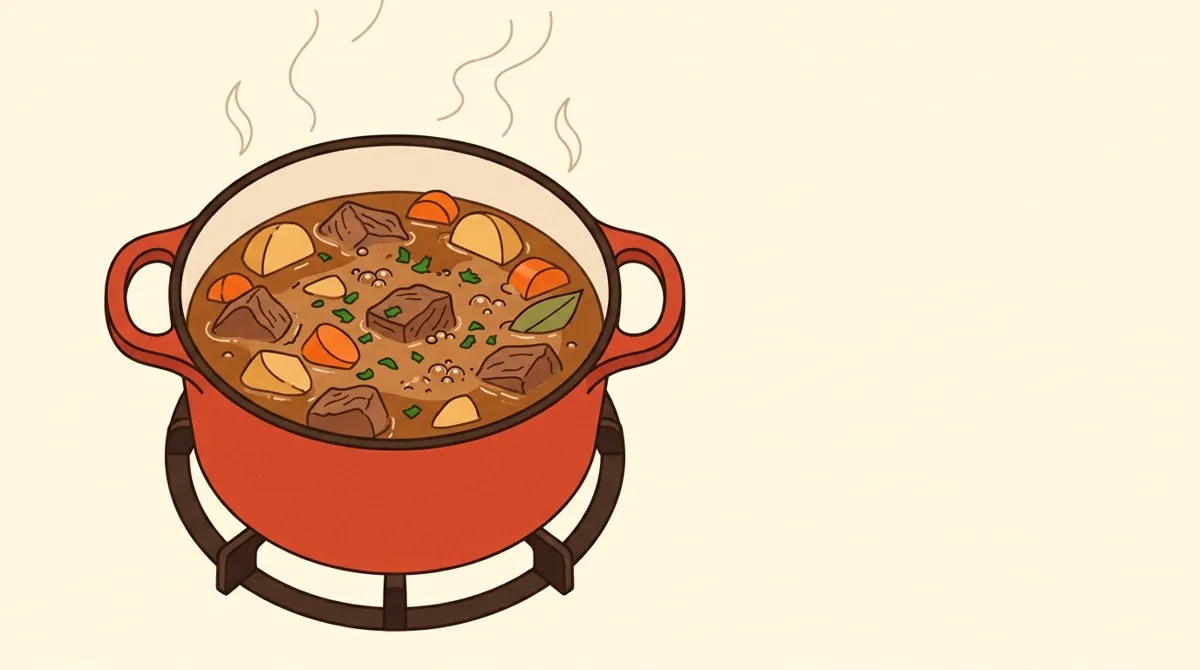
For a tough cut, choose moist heat: stew or braise it slowly until it is fork tender.
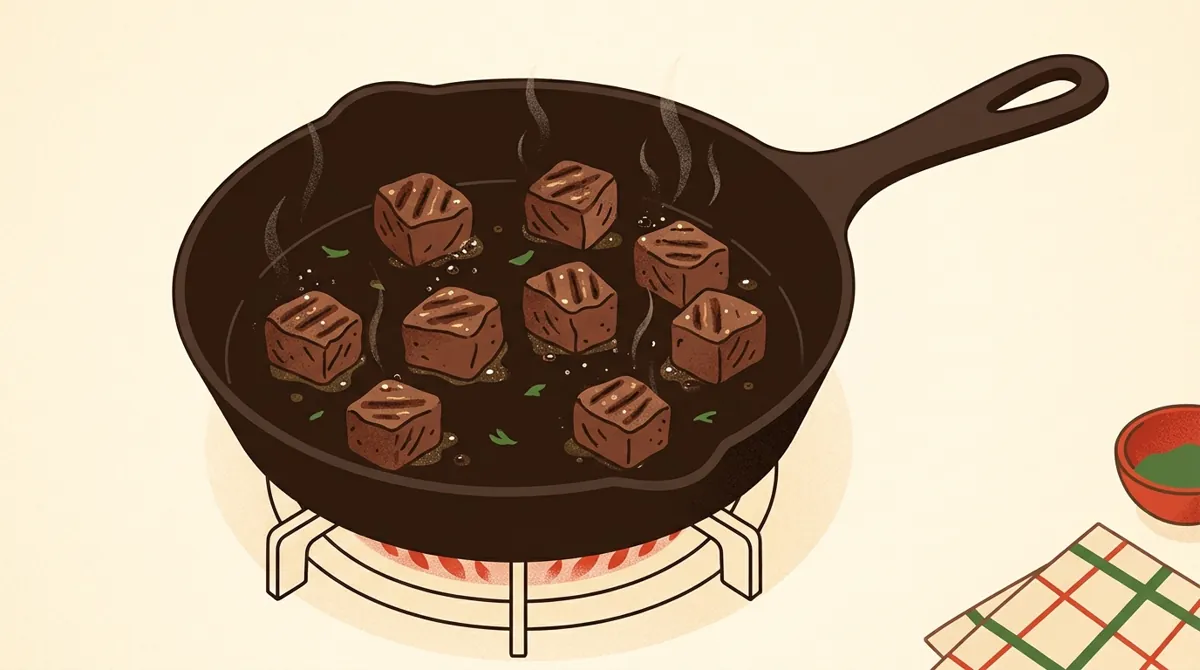
If you want browned flavor in a braise or stew, brown the meat first in a hot pan with a little fat.
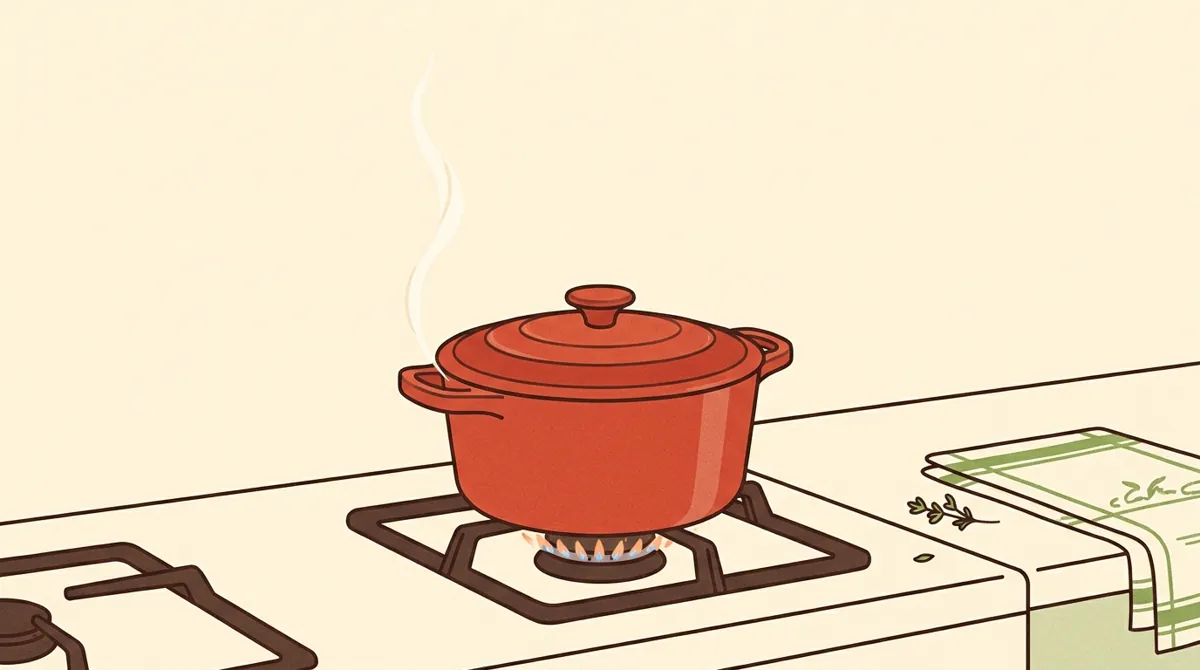
Then add the liquid, cover the pot and hold it at a gentle simmer.
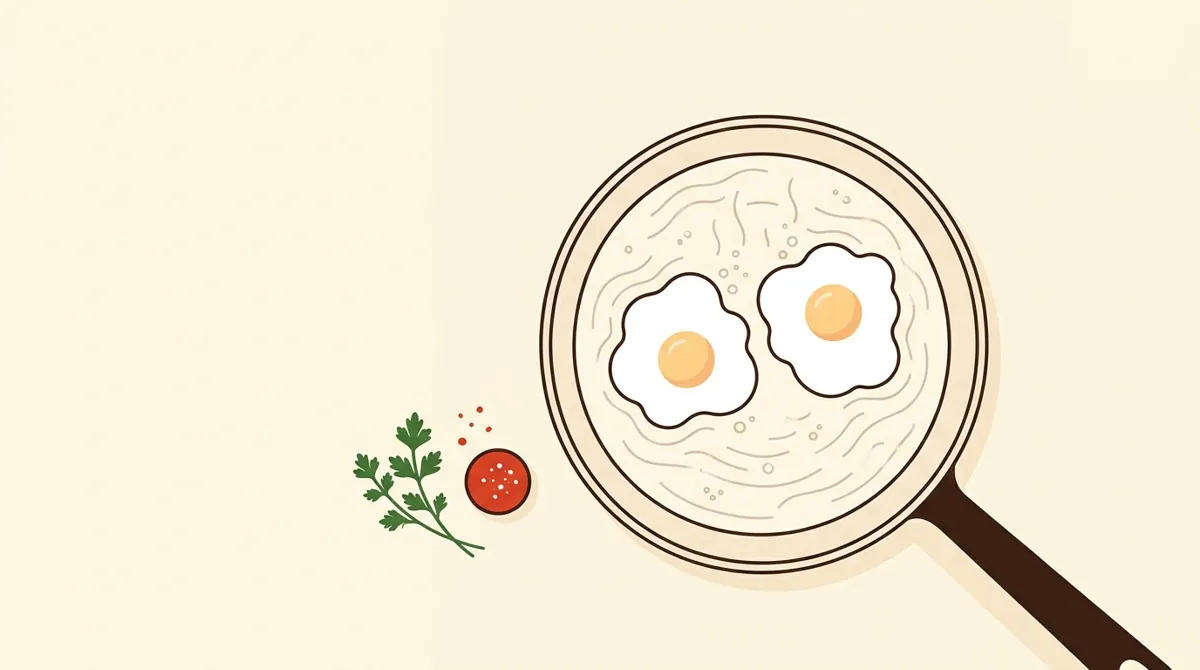
For delicate food like eggs or fish in liquid, use the gentlest moist heat: a poach.
Common mistakes
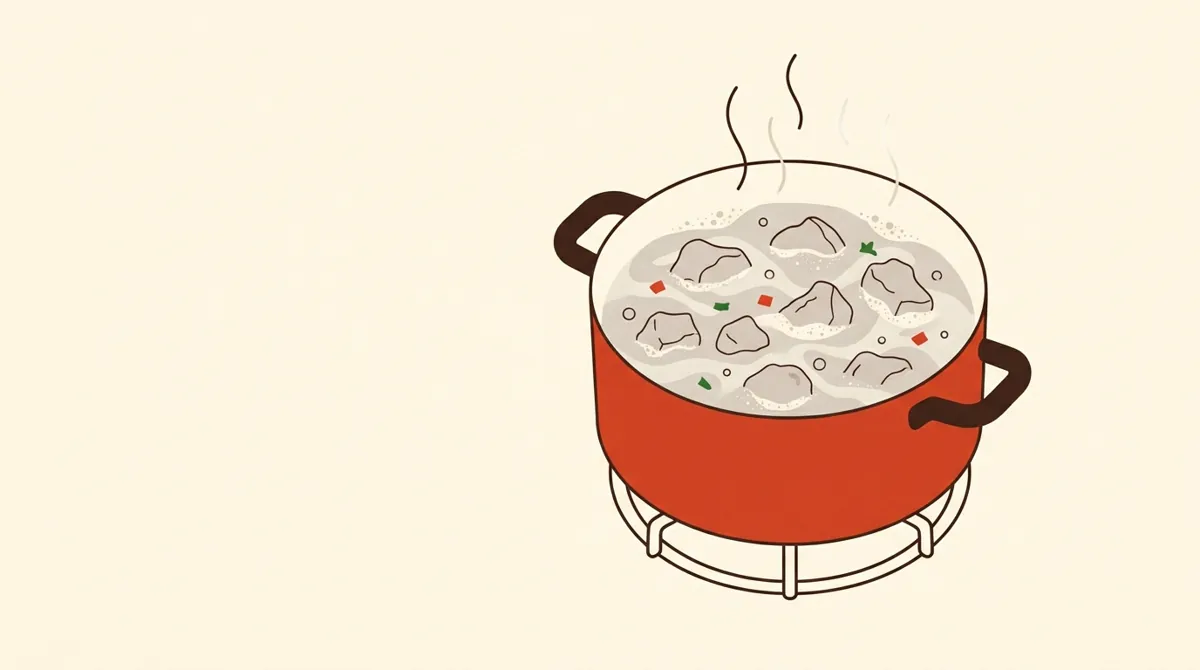
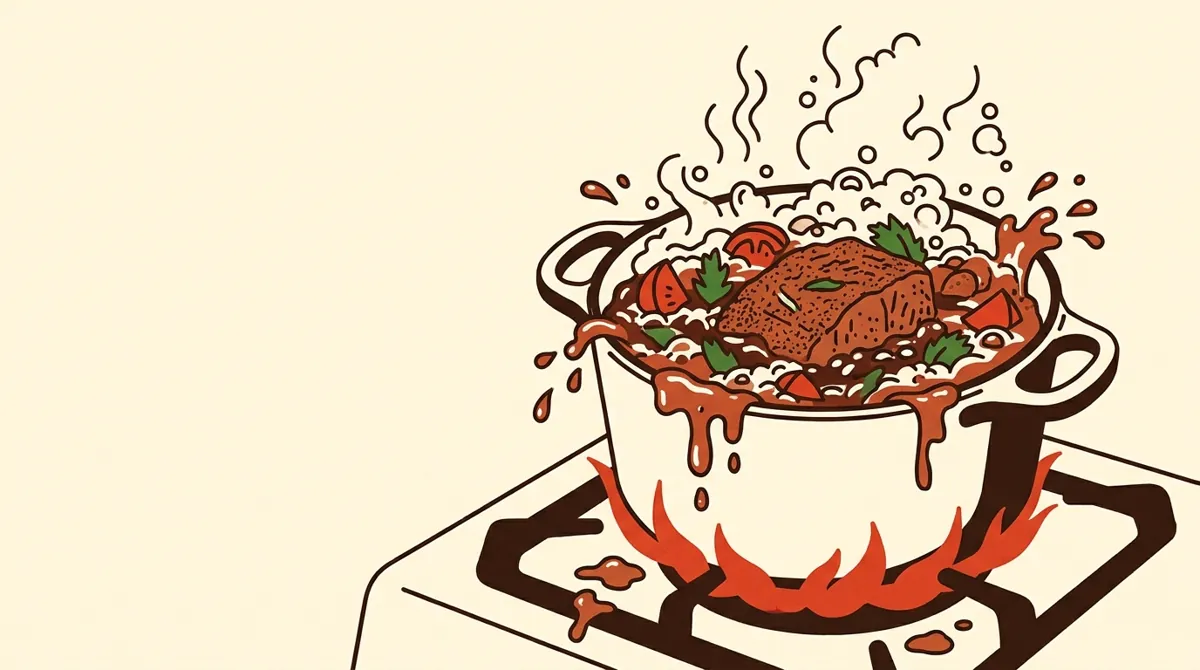
- Expecting a crust from a covered pot: water holds the temperature near 212°F, so brown the meat in an open pan before any liquid goes in.
- Braising a lean steak: tender cuts gain nothing from a long braise, so sear or grill them instead.
- Boiling a pot roast hard: collagen breaks down best around 200°F, so keep it at a gentle simmer.
- Putting wet meat in a hot pan: the surface water has to boil off before browning can start, so pat it dry first.
🏋️ Try it tonight
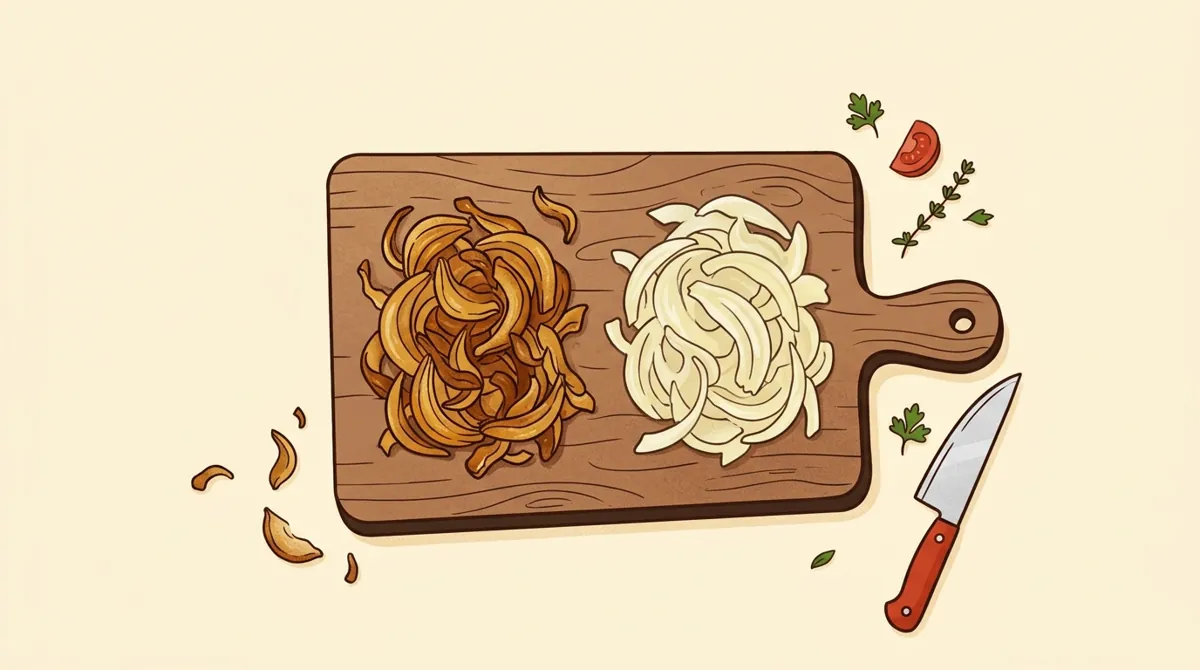
Slice one onion. Put half in a hot skillet with a spoonful of oil and the other half in a small pot of simmering water. Cook both for 8 minutes, then taste them side by side. The browned onion shows you what dry heat adds; the soft, pale one shows you what water holds back.
💡 Did you know?
Tough connective tissue melts into gelatin most efficiently in moist heat at around 200°F, just under the boiling point of water, which is why a pot roast belongs at a simmer rather than a hard boil.
Use it tonight
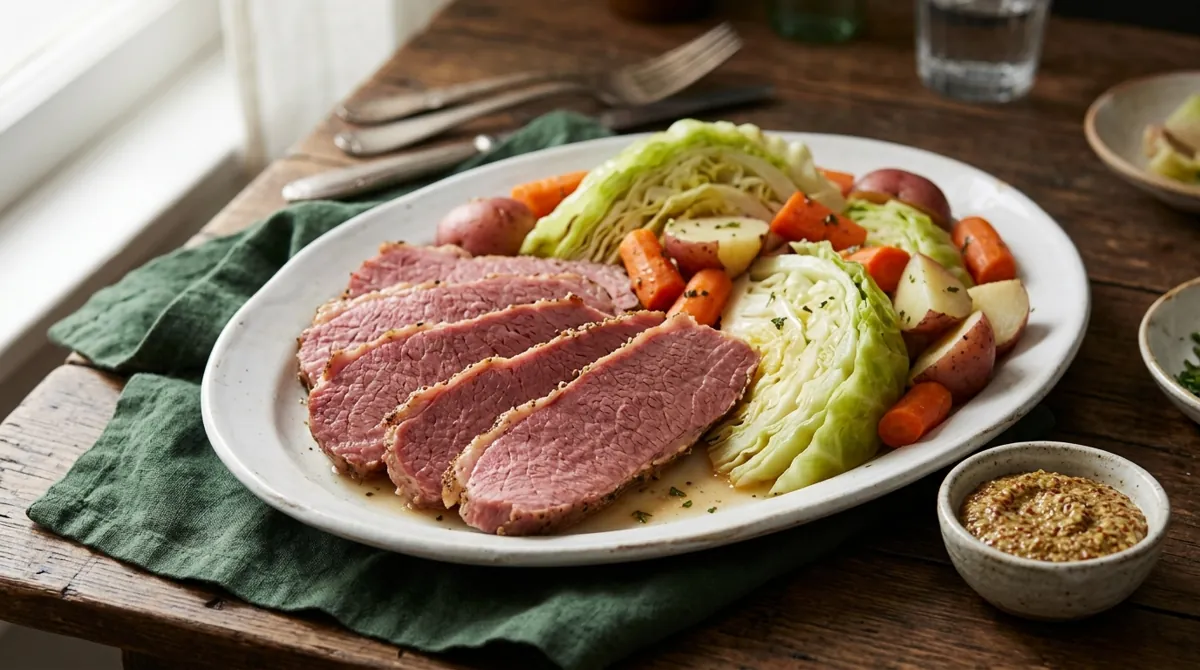
Corned Beef and Cabbage
The Irish-American St. Patrick's Day dinner: flat-cut corned beef braised low and slow in the oven, then cabbage wedges, carrots and red potatoes simmered in the strained, buttered cooking liquid.
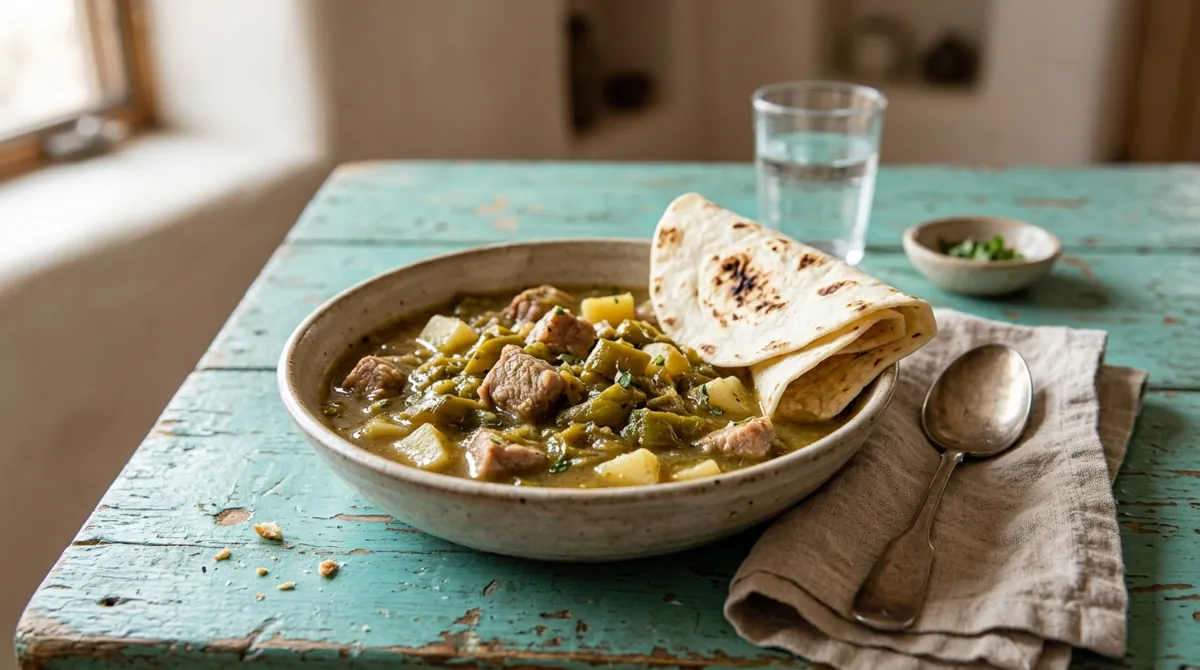
New Mexico Green Chile Stew
Pork, potatoes and plenty of roasted New Mexico green chile simmered in broth, the comfort-food bowl behind New Mexico's official question, "Red or green?".
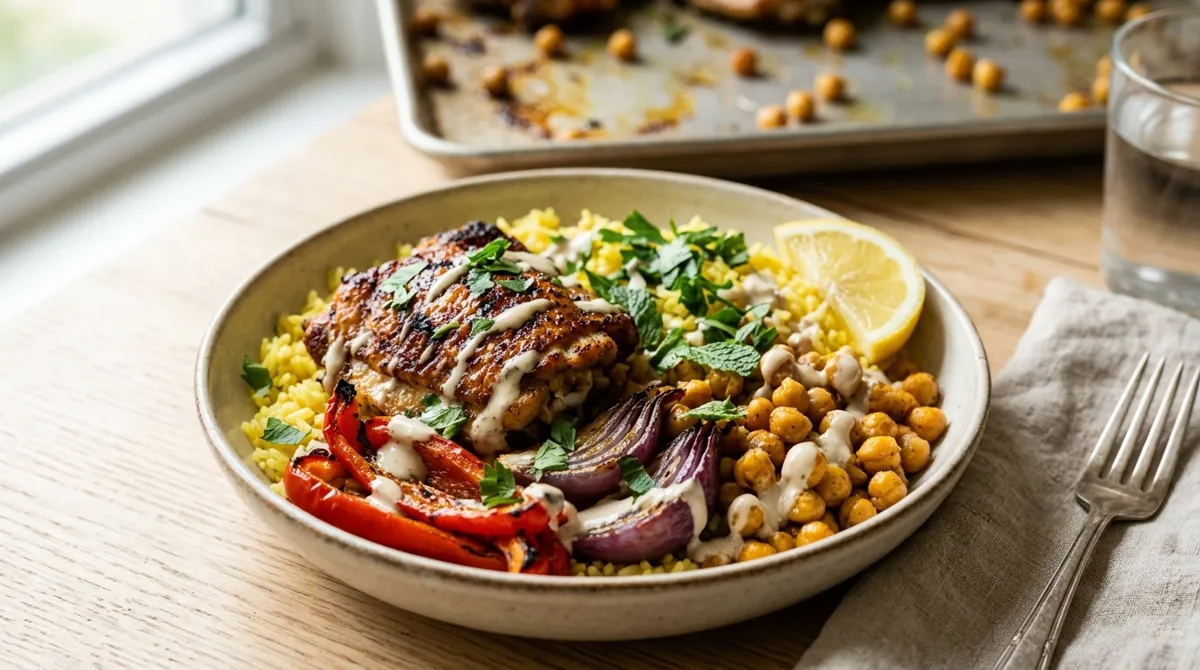
Sheet-Pan Chicken Shawarma (with Chickpeas, Peppers and Tahini-Yogurt Sauce)
Bone-in chicken thighs rubbed with a shawarma-style spice mix, lemon and garlic and roasted at 475°F on one sheet pan with red onion, chickpeas that turn crunchy and red peppers added late, then spooned over rice with a lemony tahini-yogurt sauce and herbs.
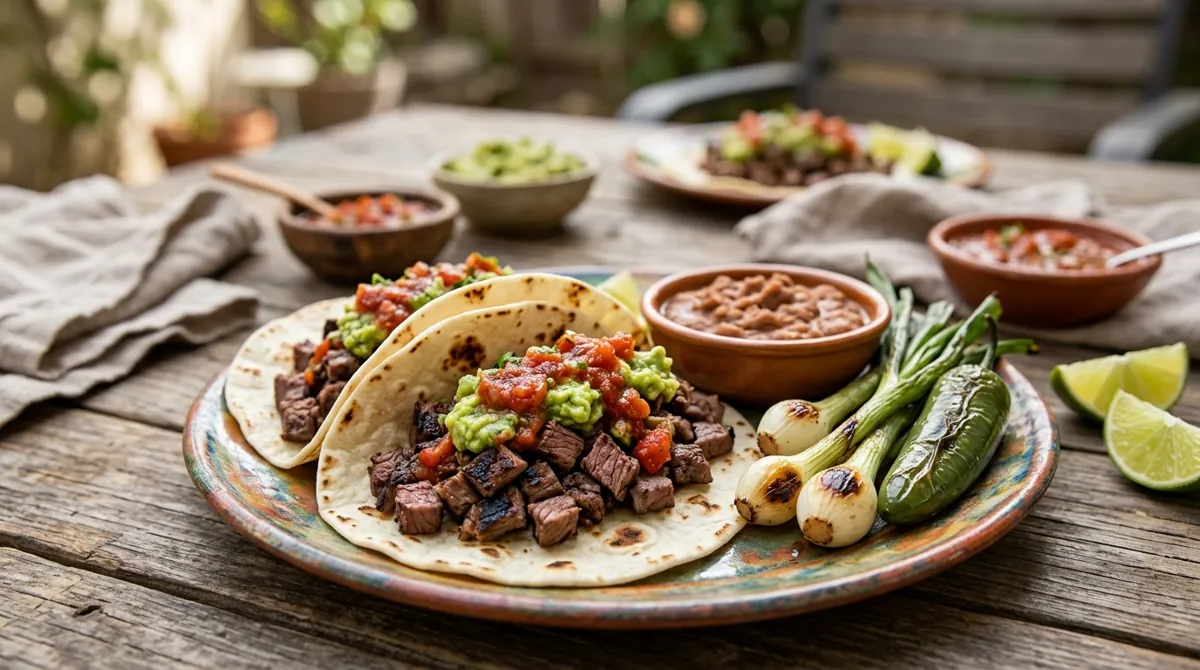
Sonora-Style Carne Asada Tacos
Half-inch beef steaks seasoned with nothing but salt, seared over a hot fire, chopped and piled into warm flour tortillas with refried beans, salsa and guacamole.