
📋 Mise en Place · Lesson 2 of 5
How to Read a Recipe: Read It Twice Before You Cook
Read every recipe twice before you start. What to look for: hidden wait times, prep words and the comma that changes an amount.
🎬 Watch the lesson
Why it matters
Most kitchen surprises are printed right in the recipe: the dough that has to chill, the butter that should already be soft, the oven that should already be hot. Reading the whole recipe twice before you start turns those surprises into a plan.
Read it twice
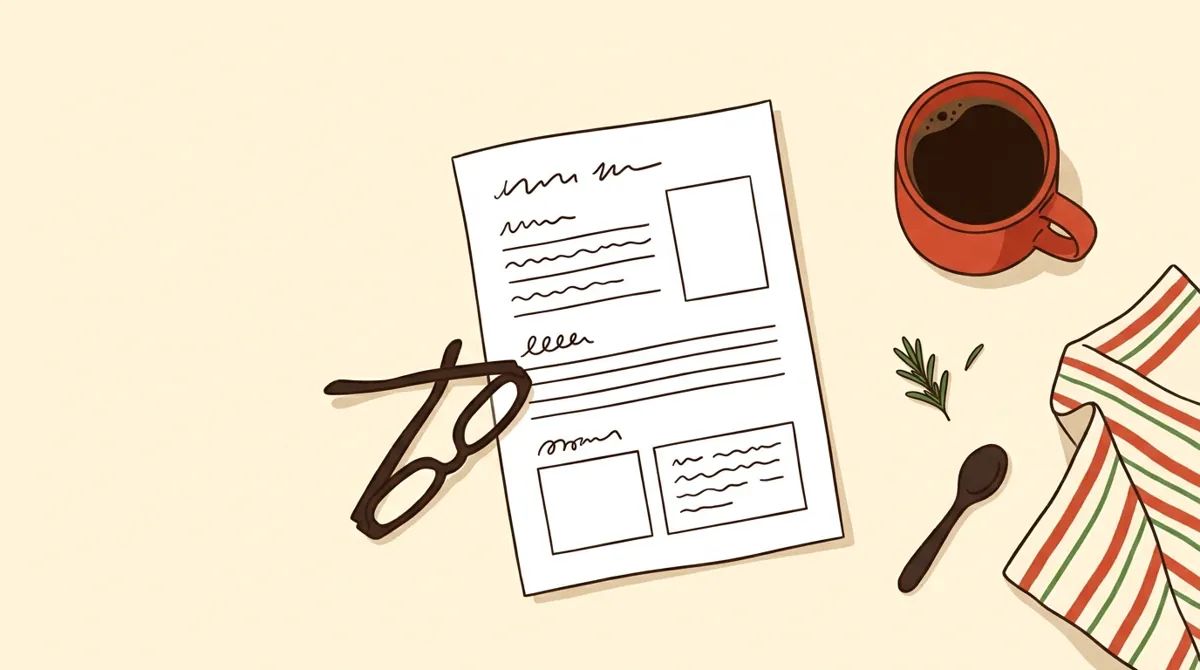
Read once for the big picture: what you are making, how it is cooked and how long it takes. Read again slowly, with a pencil, for the details: equipment, temperatures and every ingredient that needs work before it goes in.
Find the waiting time
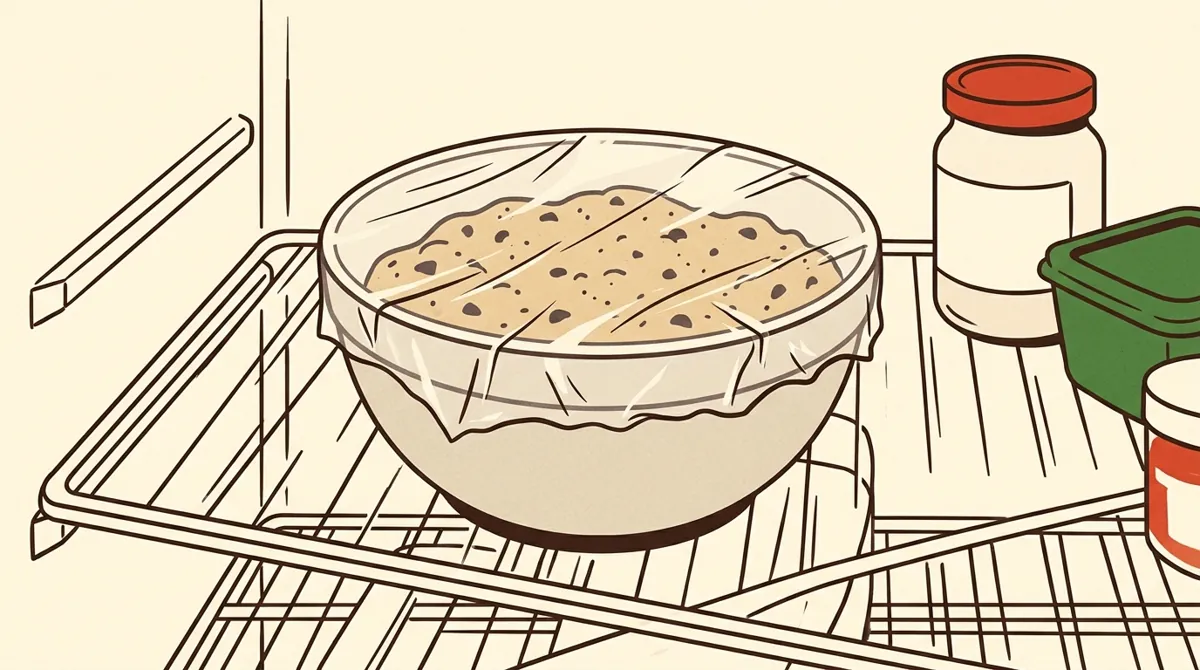
Chilling, marinating, rising, soaking and preheating can take longer than the cooking itself. Look for words like chill, rest, overnight and preheat, and add that time to the clock before you decide when to start.
Prep words are hiding in the ingredient list
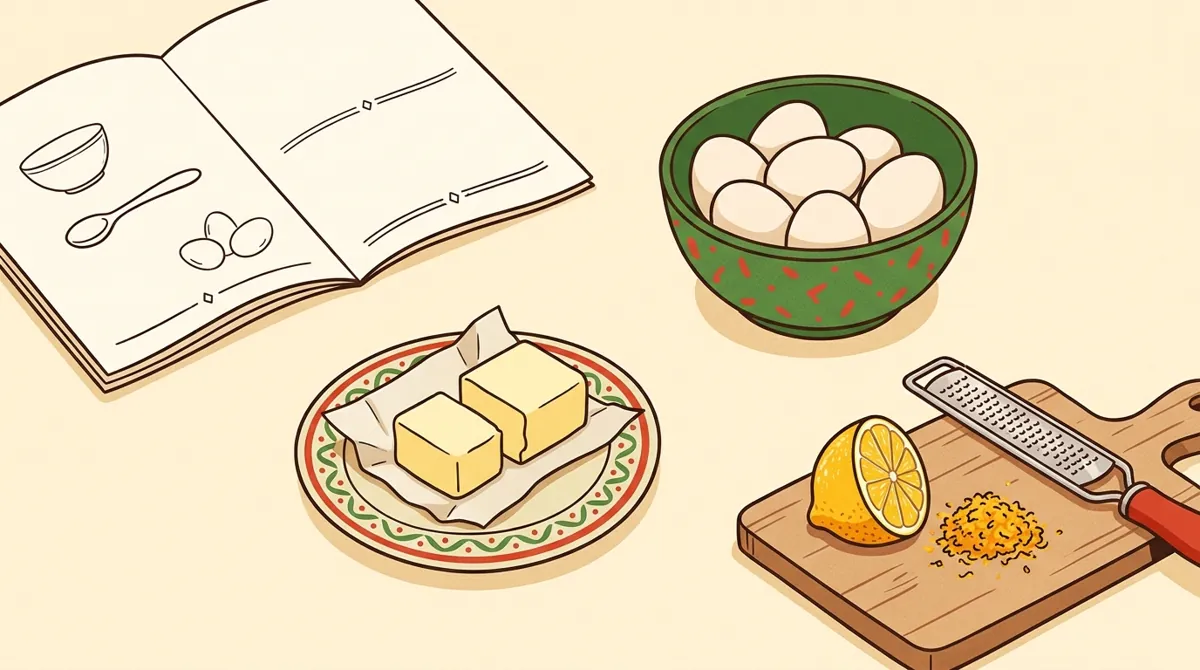
Minced, diced, softened, melted, room temperature, zested: each one is a job to do before the cooking starts. Underline them and they become your prep list.
The comma changes the amount
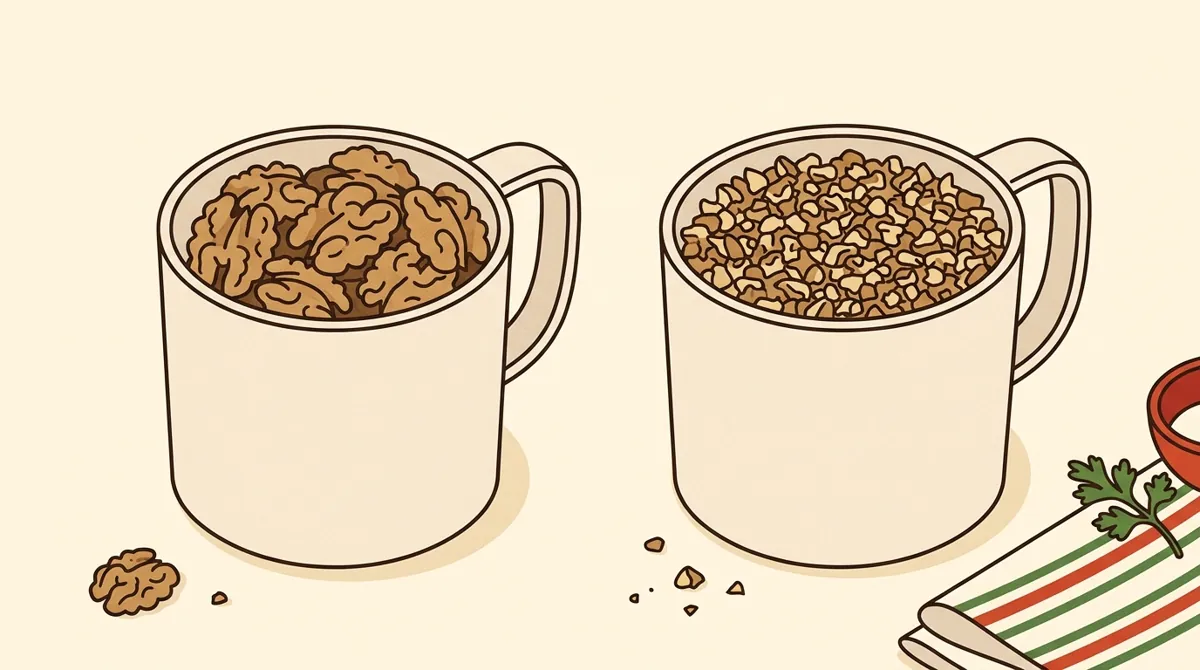
1 cup walnuts, chopped means measure a cup of whole walnuts, then chop them. 1 cup chopped walnuts means chop first, then measure. Chopped nuts pack tighter, so the second one is more nuts.
Make it as written the first time
Swap ingredients or skip steps on the first try and you never learn how the recipe was meant to turn out. Cook it as written once, then make it your own.
Step by step
Read the recipe all the way through once, for the big picture.
Note the total time, including chilling, resting and preheating.
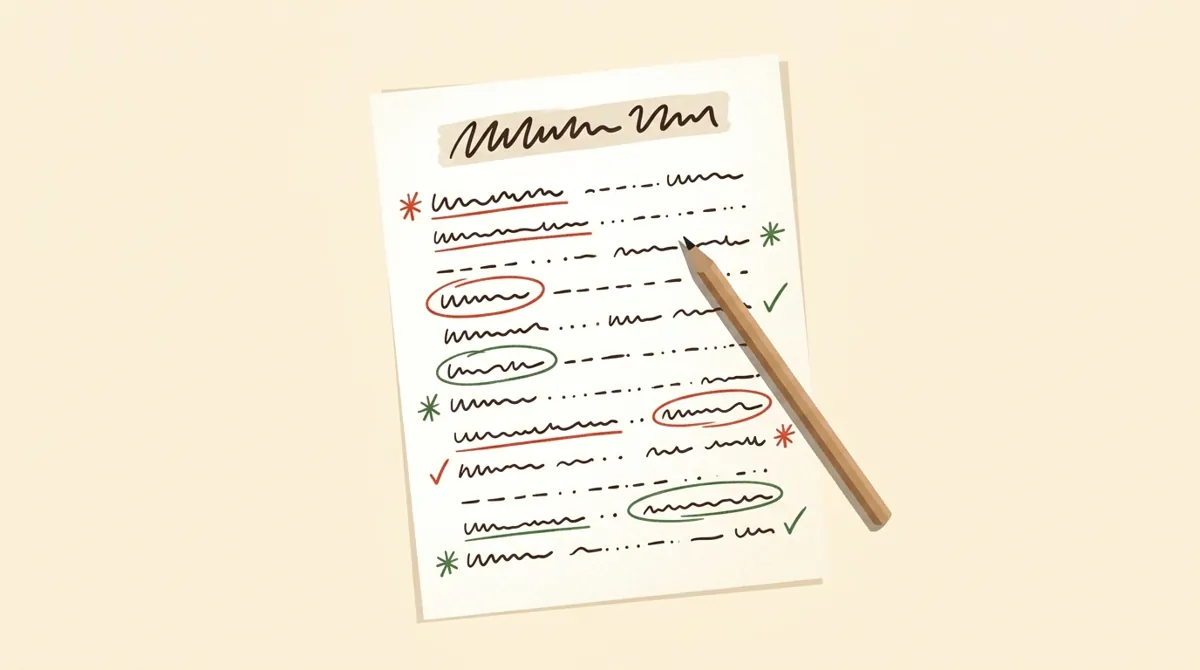
Read it a second time and underline every prep word in the ingredient list.
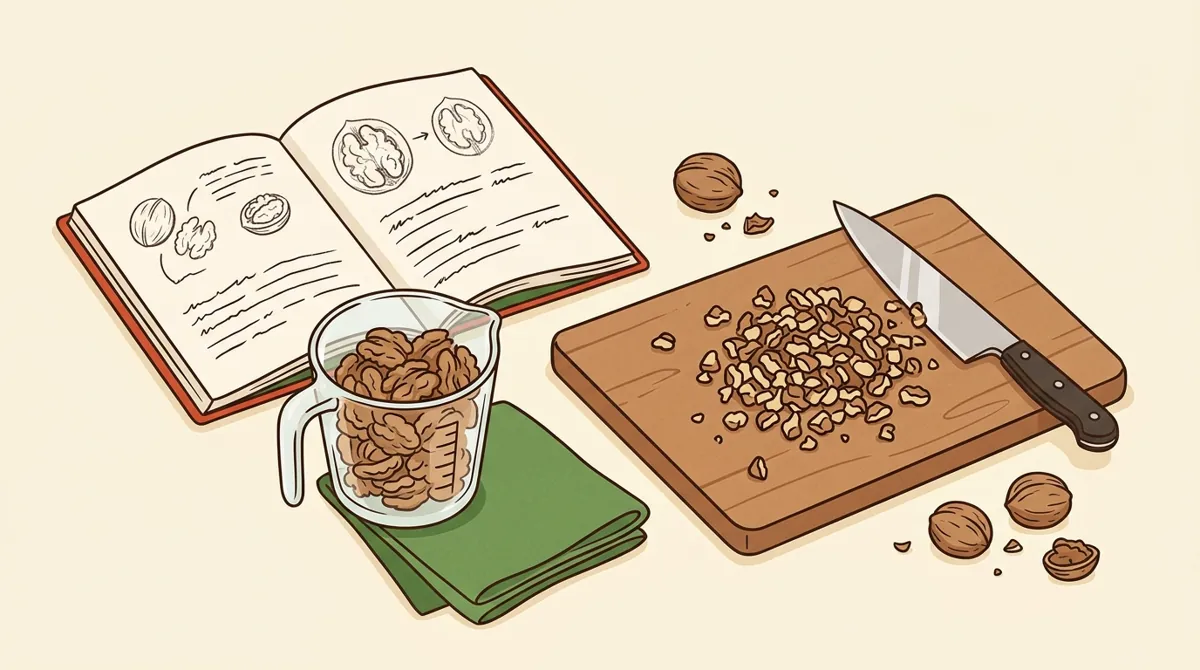
Check each comma: if the prep word comes after the comma, measure first and cut second.
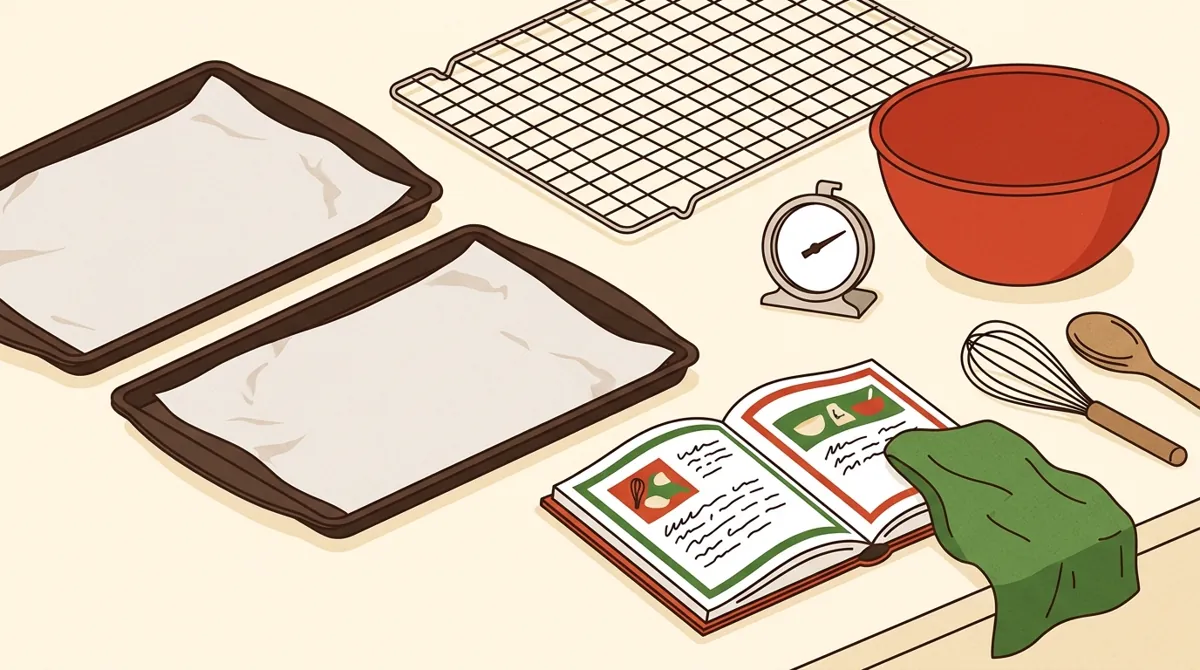
List the equipment: pans and their sizes, a thermometer, a rack.
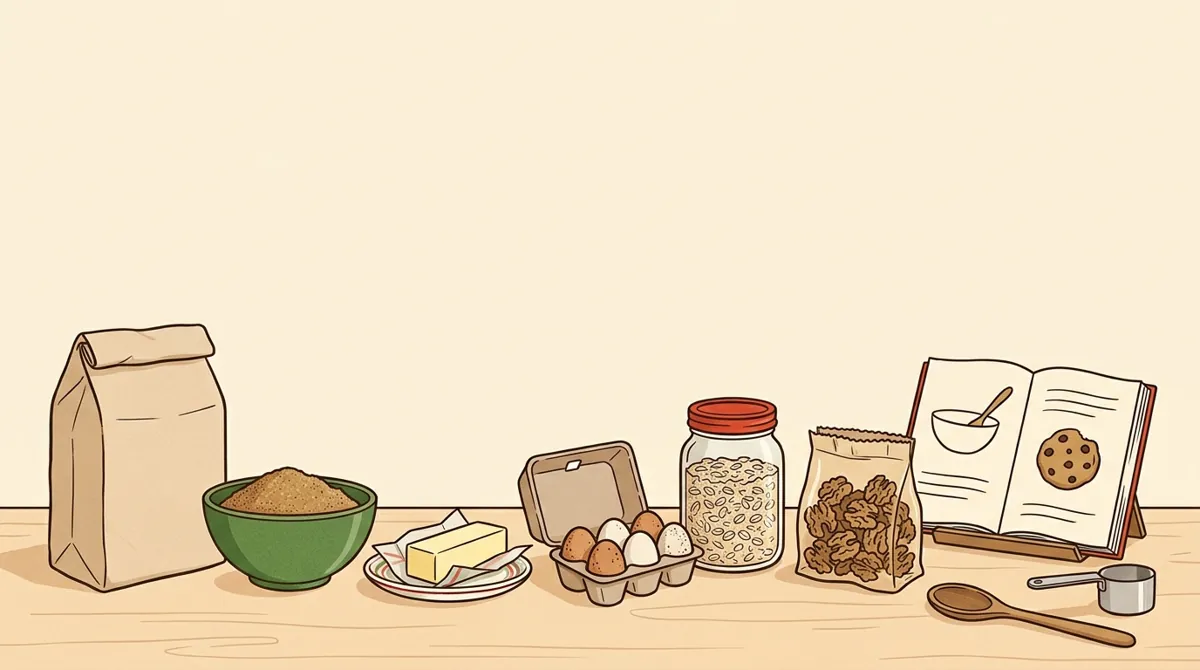
Check that you have every ingredient before you start.
Common mistakes
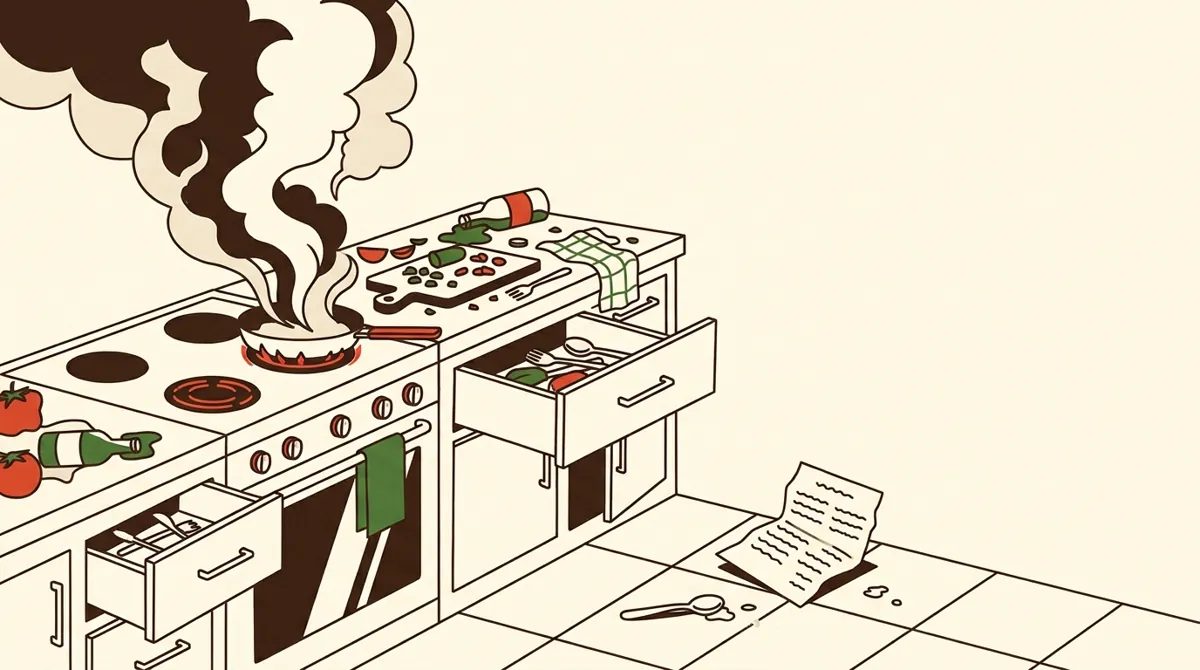
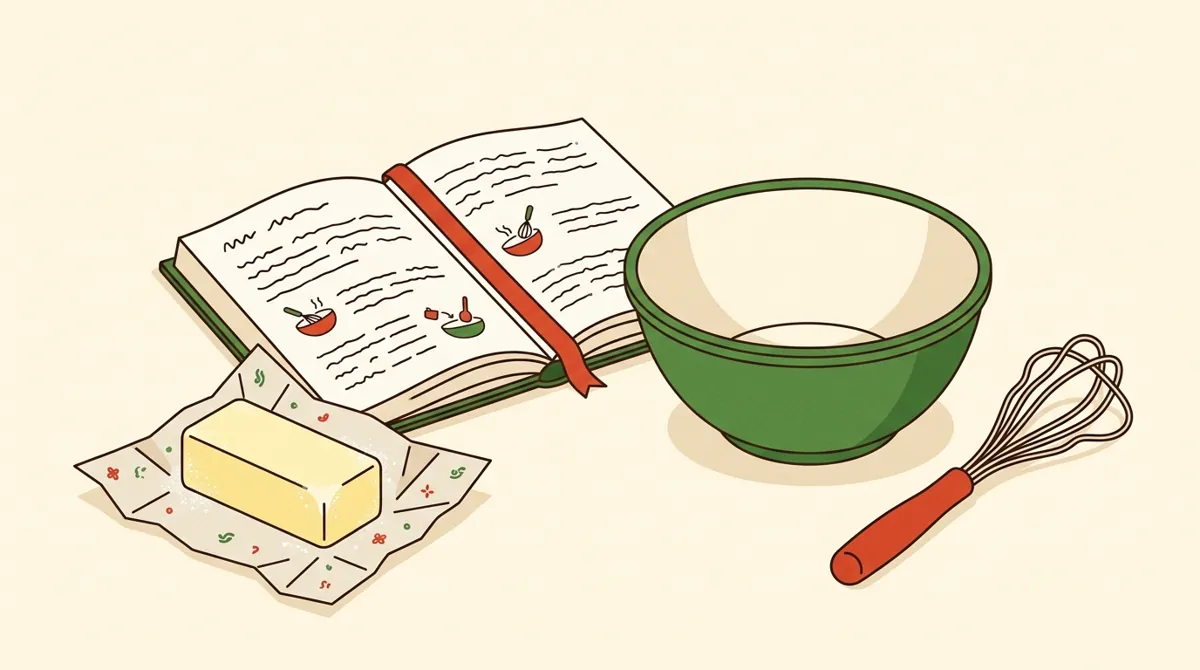
- Reading as you cook: the next step arrives before you have read it, so read everything before you begin.
- Missing a chill or rest time: dinner runs an hour late, so look for those words first.
- Ignoring the comma: the amount comes out wrong, so measure before or after cutting exactly as written.
- Substituting on the first try: you never taste the recipe as intended, so make it as written once.
- Skipping the equipment: a missing pan or thermometer stops you halfway, so list the tools up front.
🏋️ Try it tonight
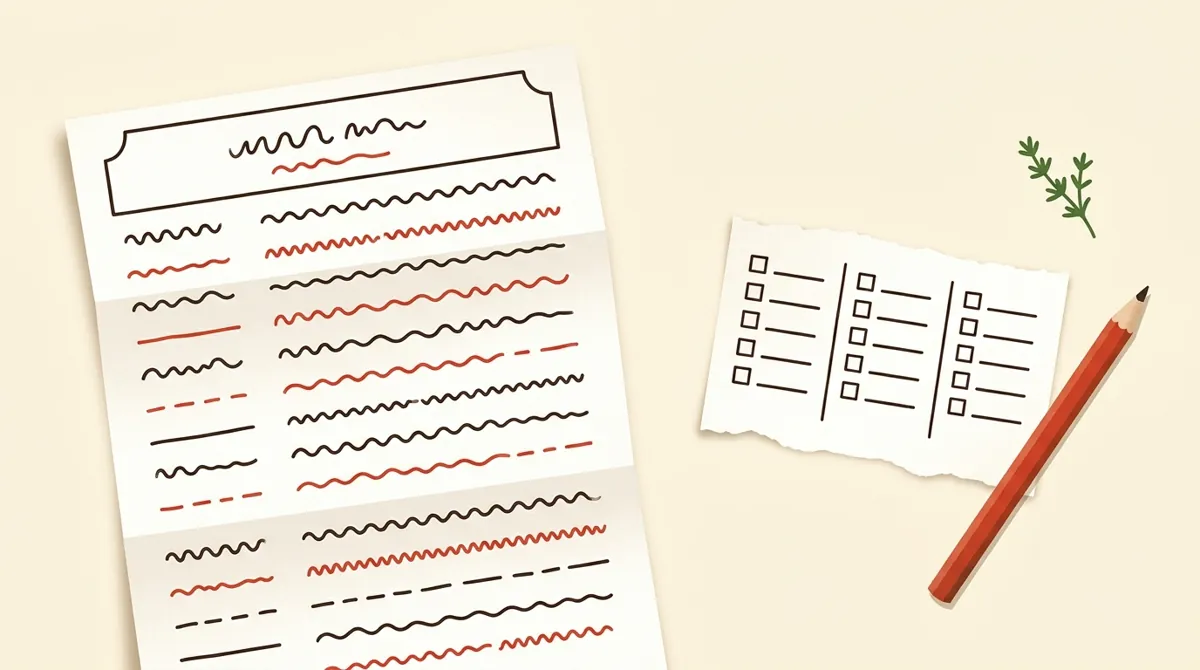
Pick a recipe you have never made. Read it once without stopping. Then read it again with a pencil and write three short lists on a scrap of paper: the waiting times, the prep jobs and the equipment. Cook it this week from your lists and see how few times you need to look back at the recipe.
💡 Did you know?
1 cup walnuts, chopped and 1 cup chopped walnuts are different amounts. Chopped pieces pack together more tightly, so a cup of already chopped nuts holds more nut than a cup of whole ones.
Use it tonight
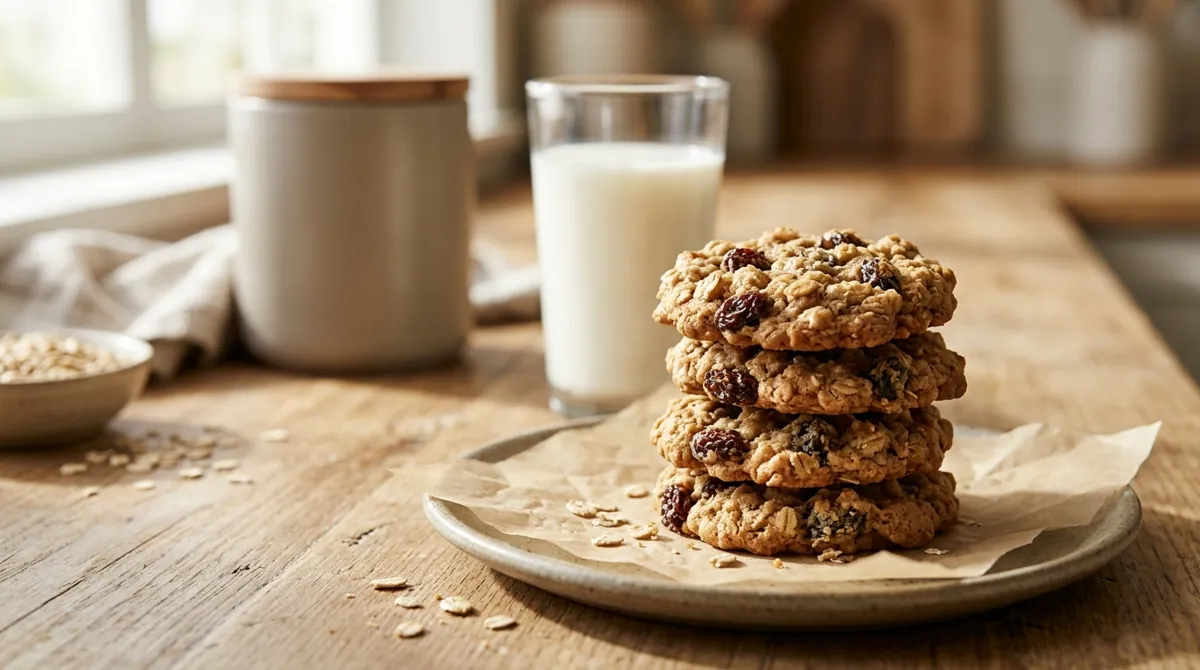
Old-Fashioned Oatmeal Raisin Cookies
The oat-box classic: butter, brown sugar and cinnamon with three cups of rolled oats and a cup of raisins, baked just until light golden for chewy middles.
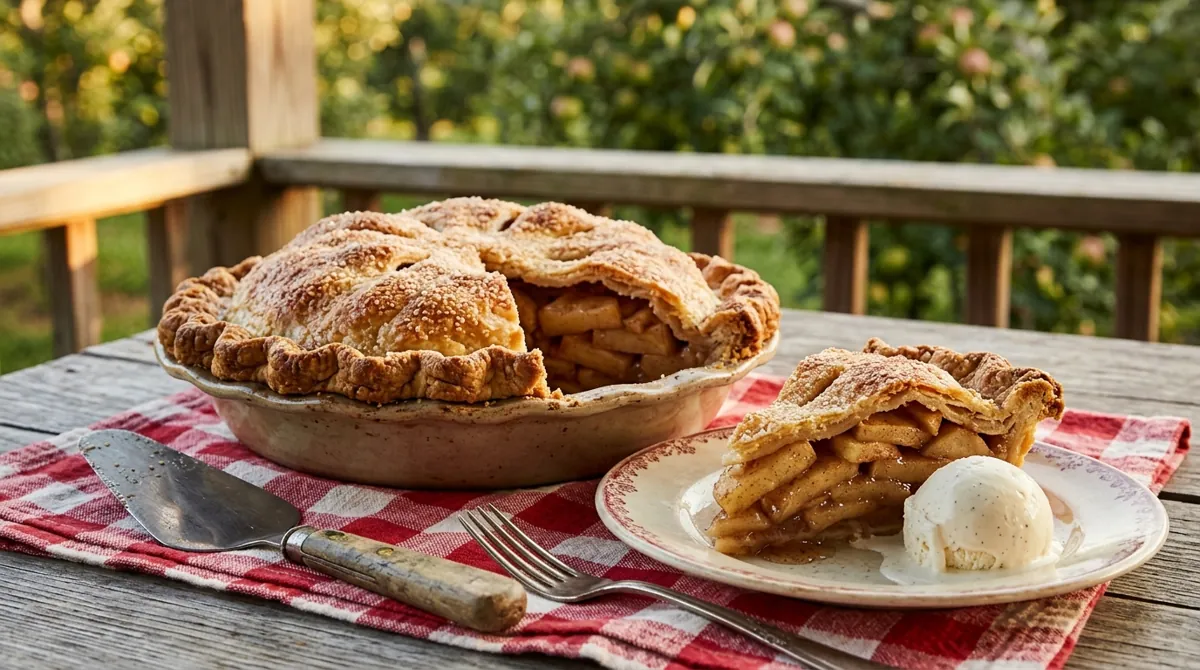
Classic American Apple Pie (Double Crust)
Eight cups of thin-sliced apples tossed with sugar, cinnamon, nutmeg and allspice, thickened with flour and cornstarch and dotted with butter, sealed between two flaky butter and shortening crusts, baked at 425°F and then 375°F until the filling bubbles hard through the vents.
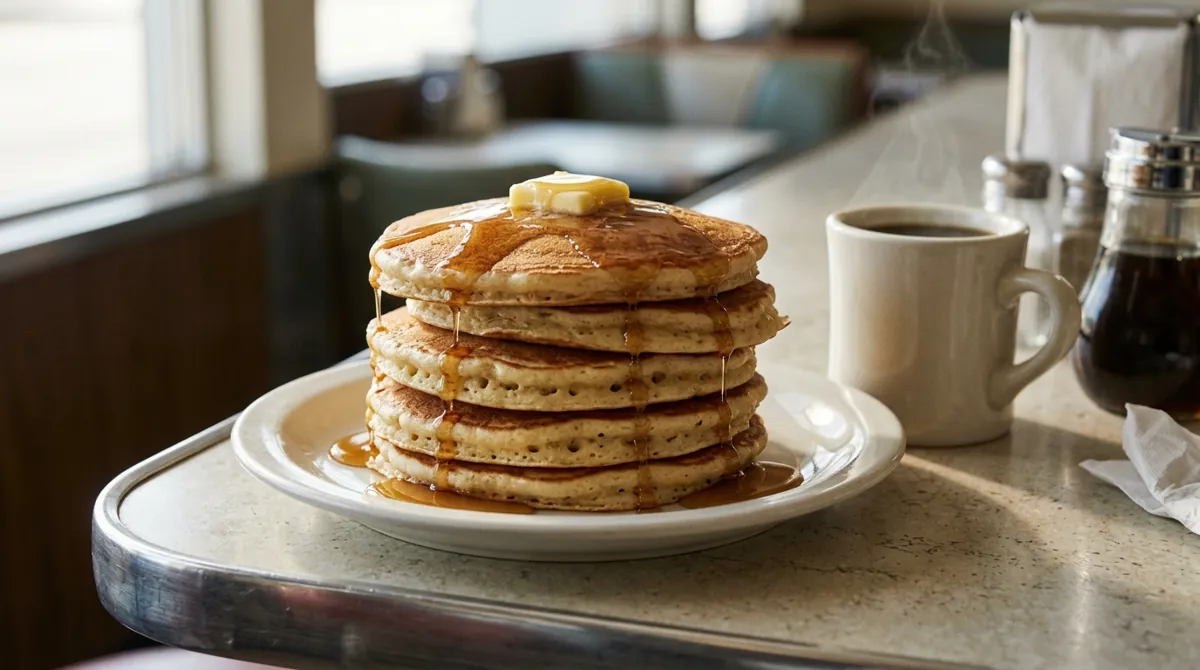
American Buttermilk Pancakes (The Diner Stack)
Fluffy, tangy buttermilk pancakes leavened with baking powder and baking soda, rested so the batter thickens, griddled at 350°F and stacked high with butter and maple syrup.