
Adana Kebab (Hand-Kneaded Ground Lamb Skewers)
Ground lamb kneaded with salt, cumin, sumac and Urfa pepper until sticky, pressed flat around wide metal skewers and grilled hard over charcoal, then served on warm lavash with sumac onions, parsley, tomatoes and pickled peppers.
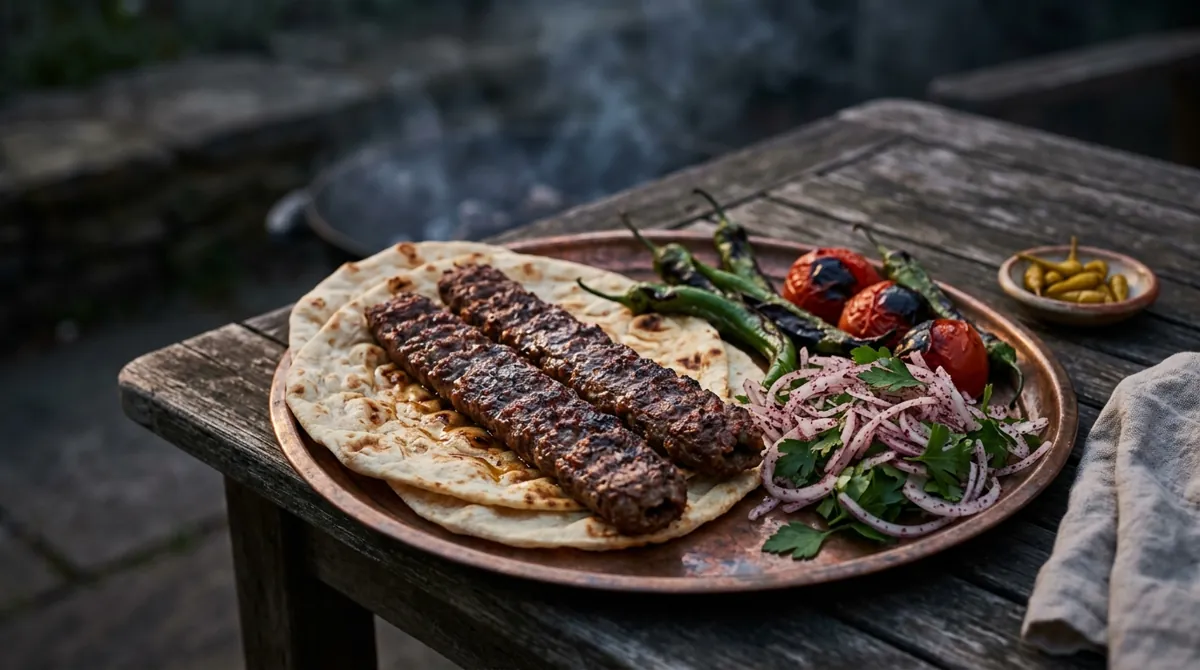
Adana is the city most Turks name when they say kebab, and it guards the name. Wikipedia says the Adana kebabı is a long strip of hand-minced meat grilled on a wide iron skewer over charcoal, originally called kıyma kebabı. The meat is lamb from a male lamb younger than a year, chopped by hand with a crescent-shaped iron cleaver called a zırh, with tail fat at about one part to five and only sweet red pepper and salt as standard seasoning. In February 2005 the dish received a controlled designation of origin, and only a maker who passes an on-the-spot inspection by the Adana Chamber of Commerce may make the "original." The skewers are about 3 cm wide and up to 120 cm long.
Outside Adana, nobody has the zırh, the lamb or the inspector, and Serious Eats' J. Kenji López-Alt says so: after a trip to Istanbul he worked out a home version with supermarket ground lamb, salt at 1.5 percent of the meat's weight, Urfa pepper and sumac, kneaded like sausage so it clings to the skewer. Who first made the dish is argued too; Wikipedia says many authors call it a fusion of Turkish and Arab cooking and that Birecik is said to be its creator.
Why it works the kitchen science
Salt, then knead
Salt dissolves the meat protein myosin, and kneading links it into a sticky web, so the meat grips a flat skewer and stays juicy instead of crumbling, the way a sausage does.
Ice water
A little cold water keeps the fat firm while you knead and adds moisture that turns to steam on the grill.
Step by step
- Step 1
Put the lamb, salt, 1 tsp cumin, 2 tsp sumac and 1 tbsp Urfa pepper in a bowl. Knead by hand, or with the paddle of a stand mixer, until the meat turns tacky and sticks to the side of the bowl, about 3 minutes. Add the ice water and knead until it disappears. Refrigerate 30 minutes.
- Step 2
Meanwhile, mix the sprinkle spices in a small bowl. Toss the onion with 2 tsp sumac and a pinch of salt.
- Step 3
With wet hands, divide the meat into 12 balls and press each one into a long, flat kebab around a flat metal skewer, pinching the ends so they grip.
- Step 4
Light a chimney of charcoal; when the coals are covered in gray ash, bank them on one side, set the grate on, cover and preheat 5 minutes (or heat half the burners of a gas grill on high, covered, 10 minutes). Clean and oil the grate.
- Step 5
Grill the kebabs over the hot side, covered, turning every few minutes and sprinkling with the spice mix, until well charred on both sides and 160°F in the thickest part, about 12 minutes.
- Step 6
For the last couple of minutes, lay the bread right on top of the kebabs to warm it in the smoke and drippings.
- Step 7
Slide the kebabs onto the warm bread and serve with the sumac onions, parsley, tomatoes and pickled peppers.
Adana Kebab (Hand-Kneaded Ground Lamb Skewers)
Serves 6 · 12 kebabs · 1 hr 15 min total
Kebabs
- 1 lb 2 oz (500 g) ground lamb, about 20% fat
- 2 tsp (7.5 g) kosher salt
- 1 tsp ground cumin
- 2 tsp ground sumac
- 1 tbsp Urfa pepper flakes
- 2 tbsp ice-cold water
Spice sprinkle
- 1 tsp ground cumin
- 2 tsp ground sumac
- 1 tbsp Urfa pepper flakes
- 2 tsp kosher salt
To serve
- 1 red onion, thinly sliced
- 2 tsp ground sumac
- 6 pieces lavash or pita
- 1 cup picked parsley leaves
- 2 medium tomatoes, thinly sliced
- Pickled peppers (pepperoncini or sport peppers)
Method
- Put the lamb, salt, 1 tsp cumin, 2 tsp sumac and 1 tbsp Urfa pepper in a bowl. Knead by hand, or with the paddle of a stand mixer, until the meat turns tacky and sticks to the side of the bowl, about 3 minutes. Add the ice water and knead until it disappears. Refrigerate 30 minutes.
- Meanwhile, mix the sprinkle spices in a small bowl. Toss the onion with 2 tsp sumac and a pinch of salt.
- With wet hands, divide the meat into 12 balls and press each one into a long, flat kebab around a flat metal skewer, pinching the ends so they grip.
- Light a chimney of charcoal; when the coals are covered in gray ash, bank them on one side, set the grate on, cover and preheat 5 minutes (or heat half the burners of a gas grill on high, covered, 10 minutes). Clean and oil the grate.
- Grill the kebabs over the hot side, covered, turning every few minutes and sprinkling with the spice mix, until well charred on both sides and 160°F in the thickest part, about 12 minutes.
- For the last couple of minutes, lay the bread right on top of the kebabs to warm it in the smoke and drippings.
- Slide the kebabs onto the warm bread and serve with the sumac onions, parsley, tomatoes and pickled peppers.
Adapted from J. Kenji López-Alt, "Adana Kebabs (Ground Lamb Kebabs)", Serious Eats (published August 4, 2014; updated June 10, 2026), serves 6. We follow it as written: 500 g ground lamb with 7.5 g kosher salt, half the cumin, sumac and Urfa pepper kneaded in until tacky, 2 tablespoons ice-cold water, 12 flat kebabs, a two-zone fire with the kebabs over the hot side for about 12 minutes, the rest of the spices sprinkled on while they cook, and bread warmed on top of the kebabs. The 30-minute chill (Kenji says "chill well"), the 160°F check and the amount of pickled peppers are ours. Serious Eats. Ingredient list follows the source; the method is in our own words.
All sources (2)
Tips
- Kenji says there is no real substitute for sumac's lemony tartness (lemon is not the answer); buy sumac and Urfa pepper online if you have to.
- Ground lamb with a mix of ground beef also works, as long as the fat is about 20 percent.
- Wet your hands between kebabs so the meat spreads instead of sticking to you.
- Wrap a kebab, onions and parsley in lavash for a dürüm, the rolled version Wikipedia describes.
The rules people argue about
What the sources agree on, what they don't, and what is just a good story.
- Real Adana kebab is hand-chopped with a zırh, never ground. Documented as the protected-designation rule (Wikipedia); a home version with ground lamb is an imitation and should be called "Adana-style" when it matters.
- Adana kebab is protected. Documented: a controlled designation of origin in February 2005, with Chamber of Commerce inspections (Wikipedia).
- Adana kebab was born in Adana. Disputed: Wikipedia says Birecik is said to be its creator and that many authors call it a fusion of Turkish and Arab cultures.
- Adana uses dried Urfa pepper. Disputed: Kenji says reports claim Istanbul makers use fresh green capsicum, though what he tasted was closest to Urfa; Wikipedia's standard is sweet red pepper and salt, with hot green pepper allowed in some cases.
- Adana is spicy, Urfa is not. Folklore: widely repeated; not in our sources beyond Wikipedia's pepper rules.
Every other kebab
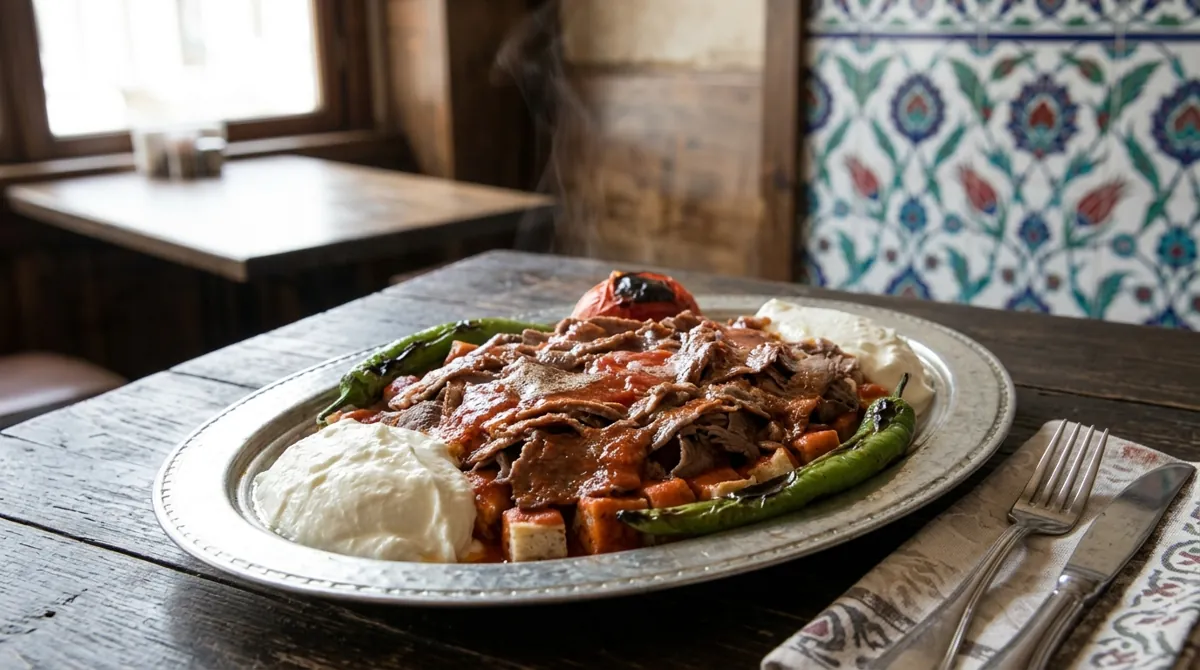
İskender Kebab (Bursa Döner over Pide with Tomato Butter and Yogurt)
Rib-eye marinated in milk, garlic, red pepper and thyme, rolled into a log, frozen and shaved paper-thin like döner, then piled on cubes of pide under a hot butter and tomato sauce with thick yogurt and blistered peppers on the side.
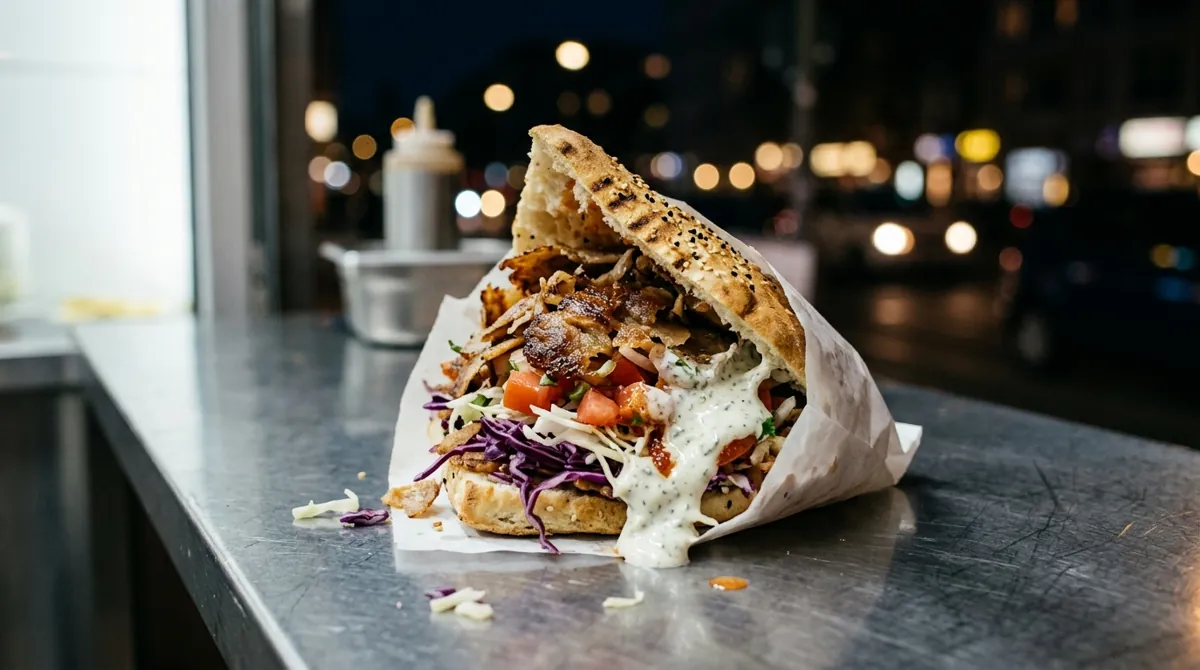
Berlin Döner (German Döner Kebab in Flatbread with Cabbage and Döner Sauce)
A log of ground beef and lamb seasoned with onion, garlic, yogurt, paprika and pul biber, frozen and shaved thin into a hot pan, then stuffed into toasted Turkish flatbread with white and red cabbage, lettuce, tomato, onion, cucumber and a garlicky yogurt and mayonnaise döner sauce.
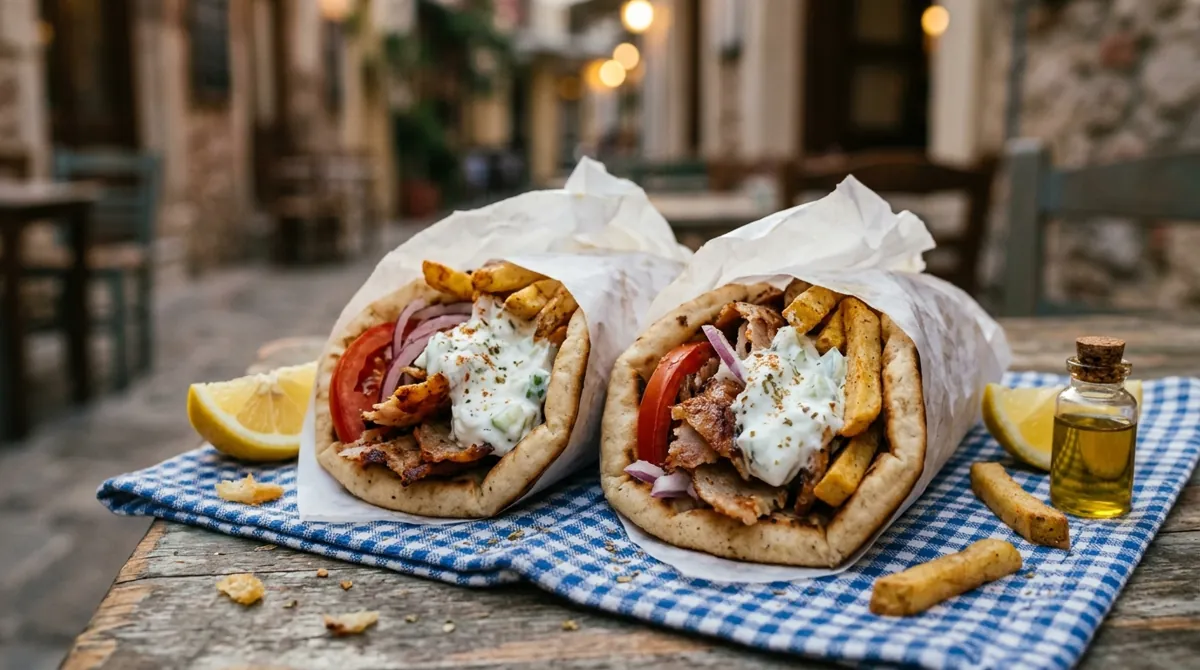
Greek Pork Gyros Pita (Gyros Souvlaki with Tzatziki and Fries)
Strips of pork tenderloin marinated in olive oil, red wine vinegar, onion, garlic, oregano, thyme, rosemary and honey, seared crisp in a very hot pan and wrapped in an oiled, baked pita with tzatziki, tomato, red onion and fries.
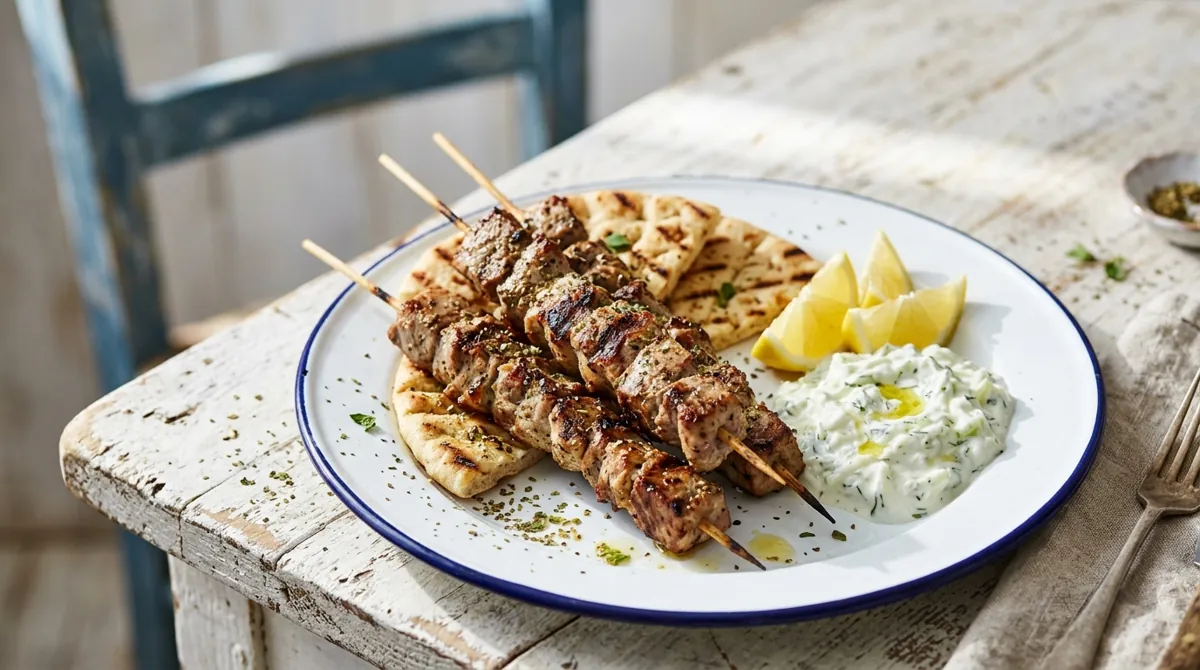
Pork Souvlaki (Greek Lemon-Oregano Pork Skewers with Tzatziki)
Cubes of pork loin marinated in olive oil, red onion, garlic, lemon, red wine vinegar and Greek oregano, grilled hot on skewers and served on grilled pita with a thick, garlicky cucumber tzatziki.
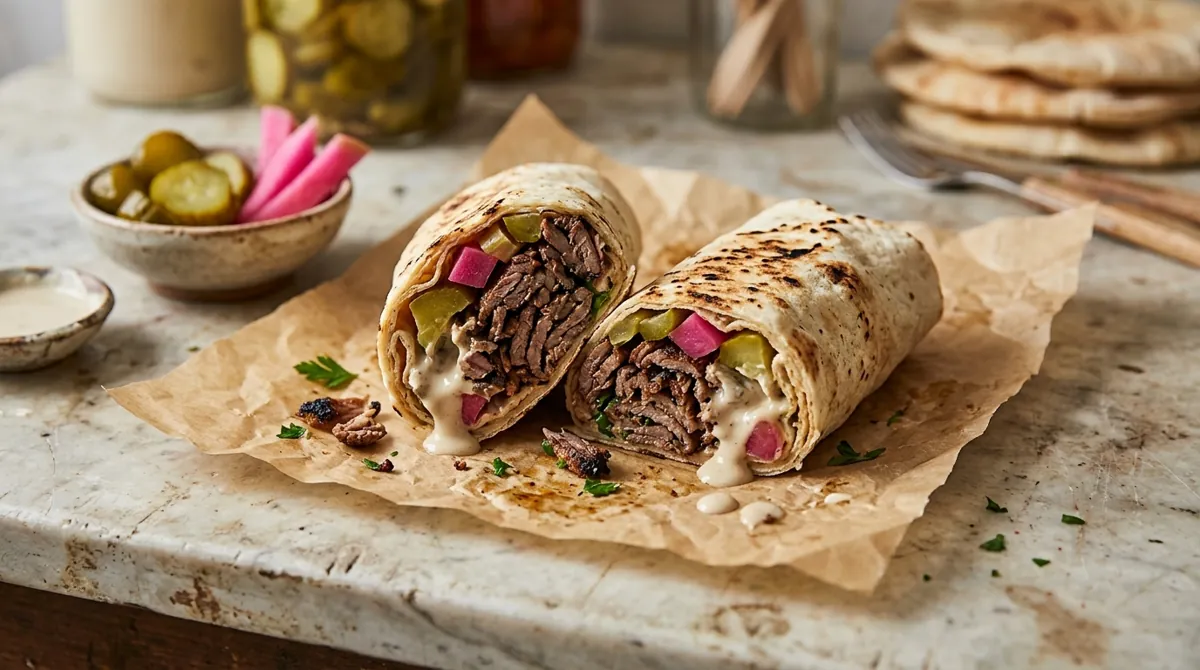
Levantine Beef Shawarma (with Tahini Sauce and Pickles)
Paper-thin flank steak marinated in onion juice, yogurt, vinegar, lime, garlic and a toasted shawarma spice blend, seared hard in lamb fat with tomato, onion and parsley, and wrapped in warm bread with tahini sauce and pickles.
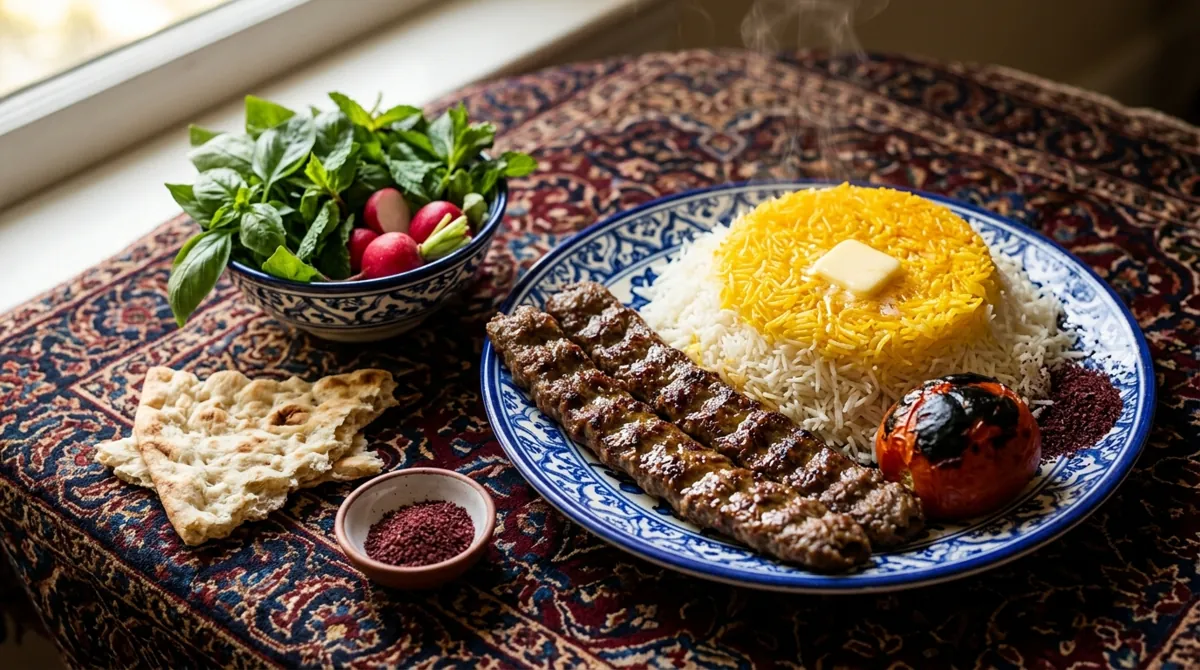
Kabab Koobideh (Persian Ground Lamb and Beef Kebabs)
Ground lamb and beef kneaded with grated, squeezed onion, salt, pepper and saffron until it turns to paste, molded in long ridged kebabs on wide skewers and grilled fast over hot coals with whole tomatoes, served with lavash, rice and herbs.
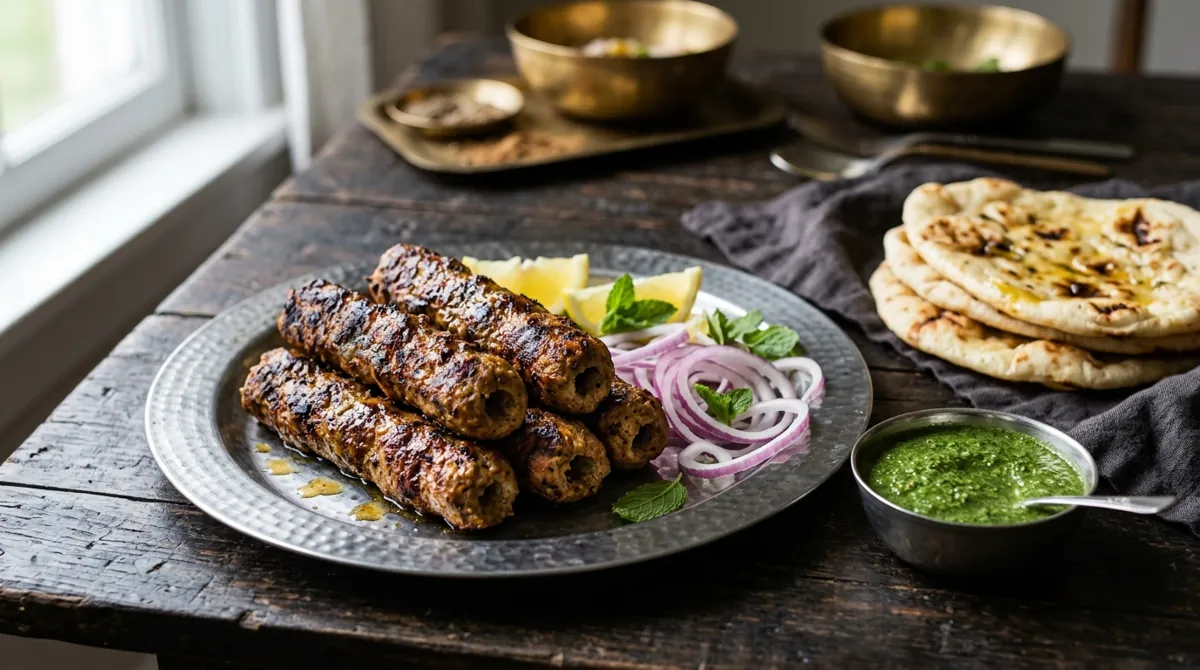
Seekh Kebab (Spiced Lamb Skewers with Mint Chutney)
Ground lamb and lamb fat ground smooth with onion, green chiles and cilantro, seasoned with garlic, ginger, roasted cumin, garam masala and Kashmiri chili, pressed onto skewers, roasted in a very hot oven with butter and finished with chaat masala, lemon and mint chutney.
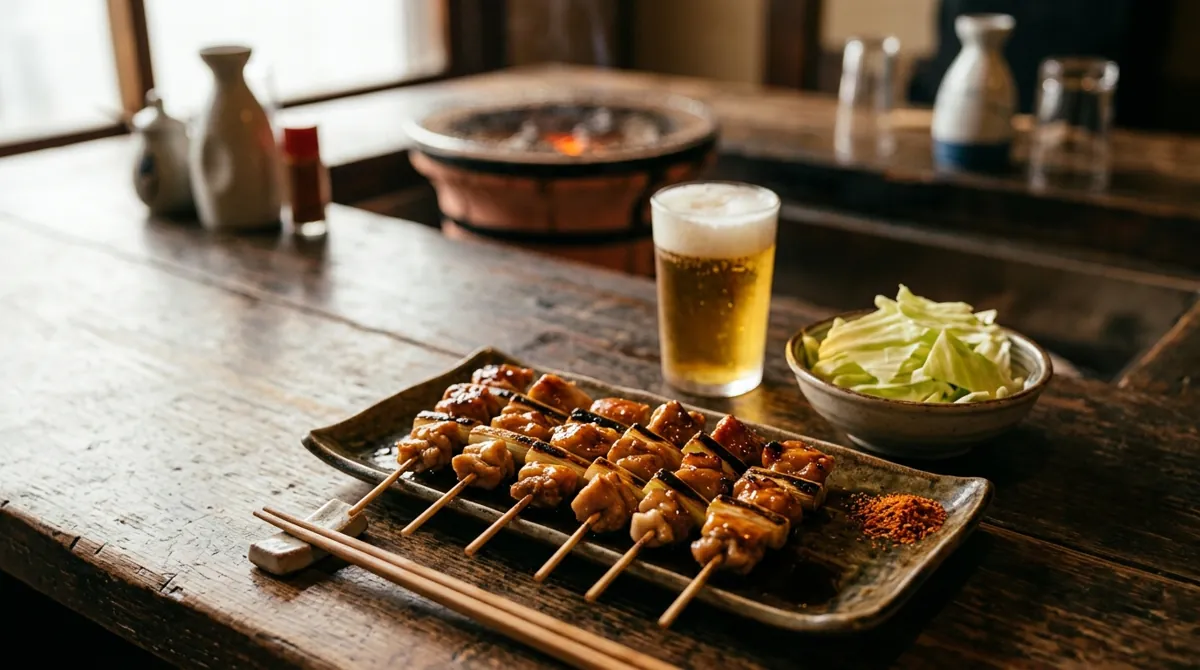
Yakitori (Japanese Chicken and Scallion Skewers with Tare)
Bite-size chicken thigh threaded with pieces of Tokyo negi on small skewers, broiled hot and brushed three times with a homemade tare of soy sauce, mirin, sake and brown sugar reduced to a glossy glaze.
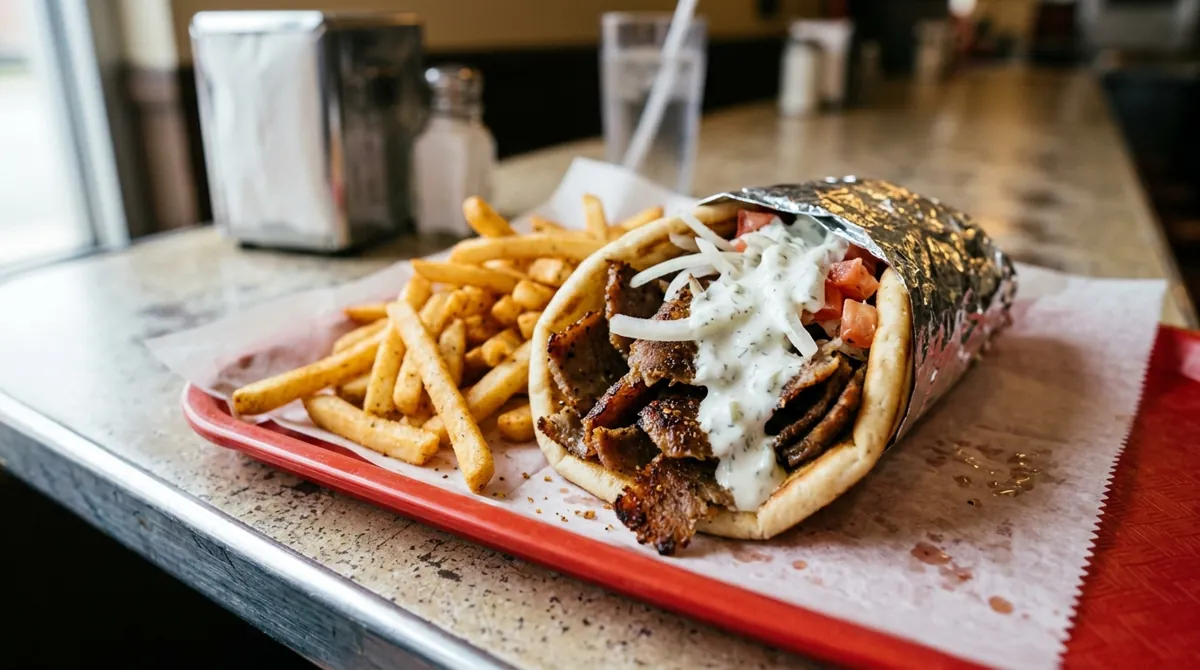
Chicago-Style Gyro (Home Oven Beef and Lamb Gyro Loaf)
Ground lamb and beef salted ahead, puréed with onion, garlic, oregano and bacon into a springy sausage-like loaf, baked low, sliced thin and broiled crisp, then piled into soft pita with a yogurt, mayonnaise and garlic sauce, tomato, onion and cucumber.
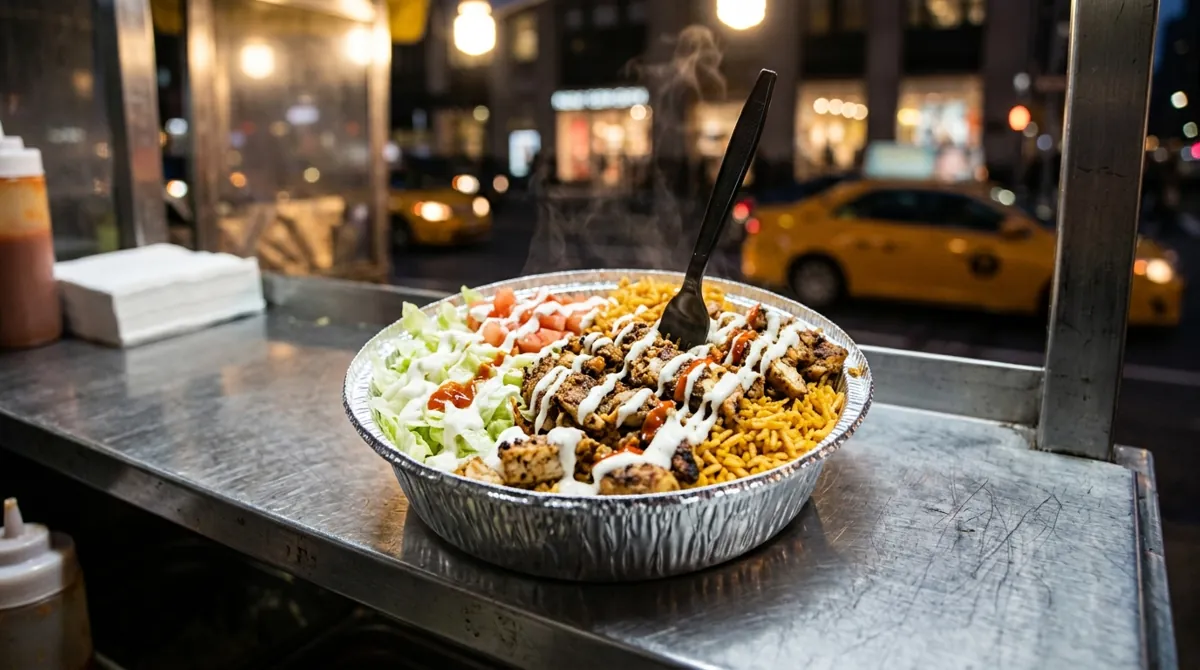
New York Halal Cart Chicken and Rice (with White Sauce)
Chicken thighs marinated in lemon, oregano, coriander and garlic, seared and chopped, piled on turmeric and cumin rice with shredded iceberg, tomato and buttered pita, and drowned in a tangy white sauce of mayonnaise, yogurt, vinegar and black pepper, with hot sauce on top.
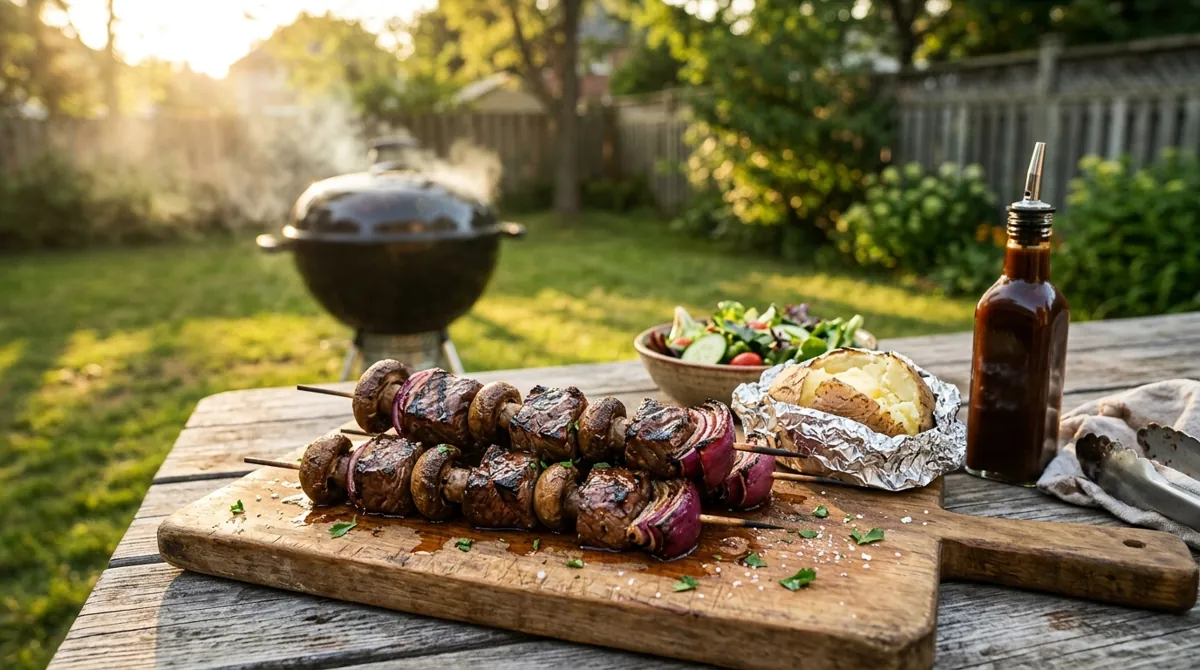
Backyard Beef Kebabs (Steakhouse-Style Sirloin, Mushroom and Onion Skewers)
Cubes of sirloin tip and cremini mushrooms marinated in olive oil, Worcestershire, soy sauce, lemon, Dijon, garlic, brown sugar and black pepper, threaded with chunks of red onion and seared hard over a hot charcoal fire.
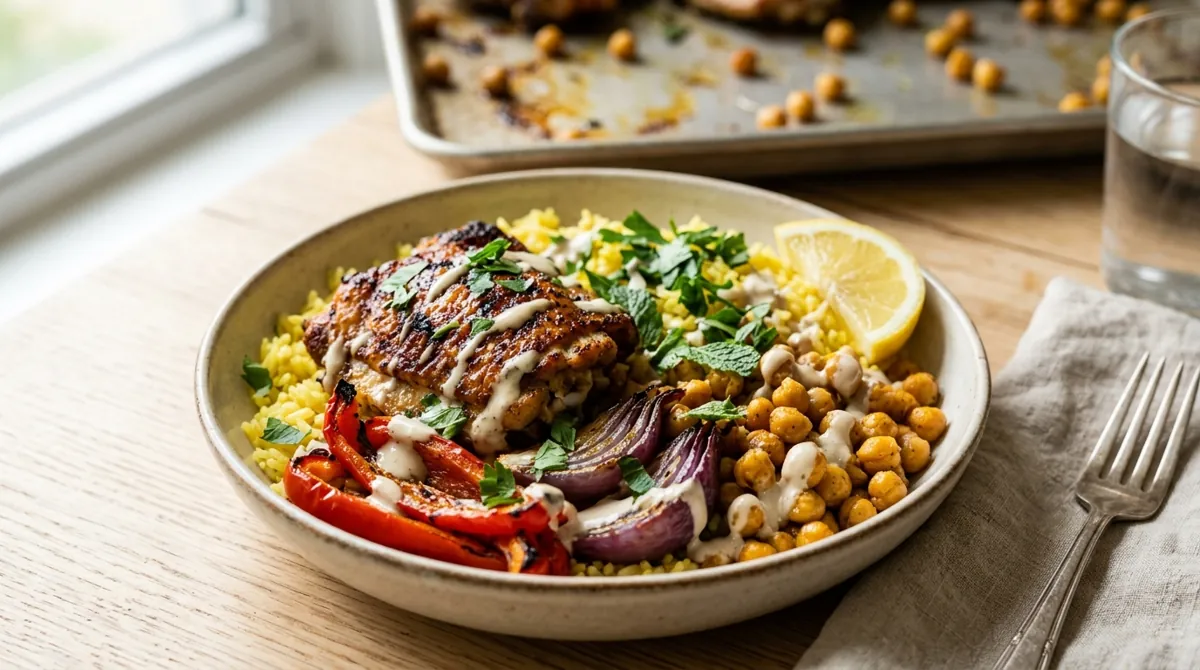
Sheet-Pan Chicken Shawarma (with Chickpeas, Peppers and Tahini-Yogurt Sauce)
Bone-in chicken thighs rubbed with a shawarma-style spice mix, lemon and garlic and roasted at 475°F on one sheet pan with red onion, chickpeas that turn crunchy and red peppers added late, then spooned over rice with a lemony tahini-yogurt sauce and herbs.
Meatballs of the World

Italian-American Meatballs
Big, tender meatballs braised for an hour in red sauce over spaghetti. The one most Americans grew up with.

Pallottine (Abruzzo Meatballs)
Tiny meatballs, smaller than a marble, tossed right through square spaghetti alla chitarra. No bread at all.

Swedish Meatballs (Köttbullar)
Small, soft meatballs browned in butter, in a cream sauce made from the same pan, with lingonberry jam on the plate.

Danish Frikadeller
Pork meatballs shaped with a spoon and fried slowly in butter, crusty outside and soft in the middle.

Königsberger Klopse
German meatballs that are never fried: poached, then served in a creamy white sauce with capers.

Spanish Albóndigas in Almond Saffron Sauce
The tapas bar classic: small meatballs in a golden sauce thickened with fried almonds and bread.

Mexican Albóndigas with Chipotle and Mint
Soft meatballs with rice and fresh mint inside, simmered in a smoky tomato and chipotle broth.

Izgara Köfte (Turkish Grilled Meatballs)
Small, flat meatballs kneaded hard, rested cold, and charred on a hot grill pan.

Lion's Head Meatballs
Big, soft pork meatballs, stirred into a sticky paste, fried to set, then braised in a savory sauce.

Chicken Tsukune
Japan's chicken meatball: kneaded sticky, grilled on skewers, glazed with sweet soy tare, dipped in egg yolk.