
Basque Burnt Cheesecake (San Sebastián Style)
No crust and no water bath: cream cheese, eggs, sugar, a spoonful of flour and cream stirred together by hand, poured into a crumpled parchment-lined pan and baked hot at 410°F until the top is nearly black and the center still trembles.
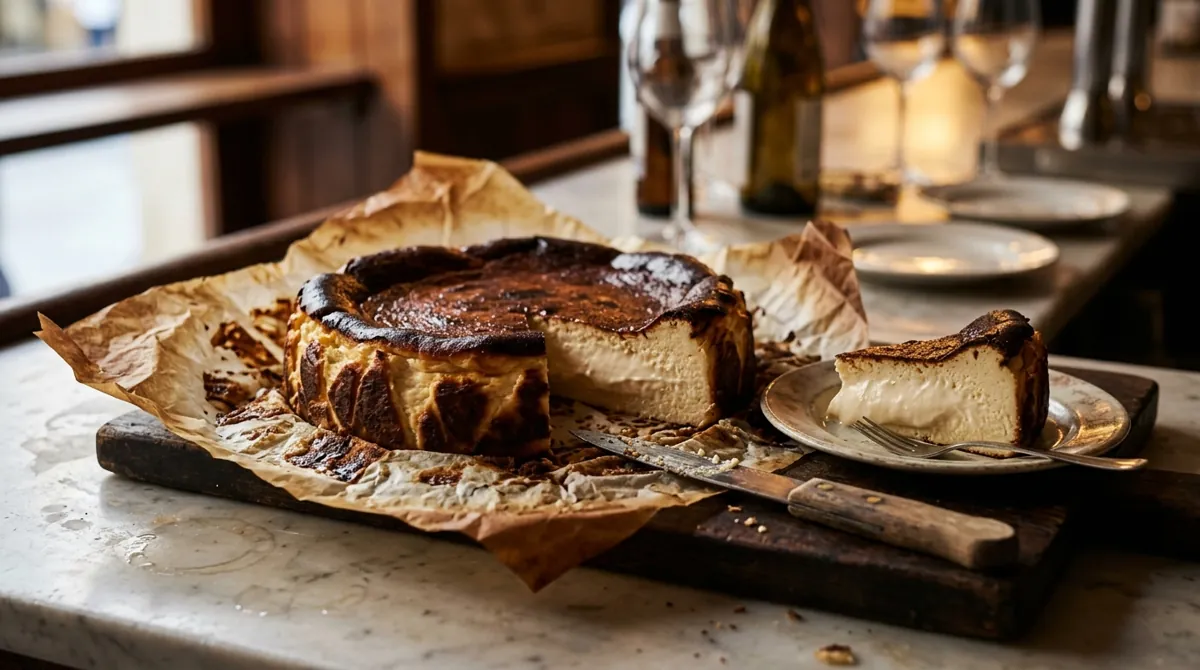
The burnt cheesecake comes from La Viña, a small pintxos bar on calle 31 de Agosto in the old town of San Sebastián. Directo al Paladar, the Spanish food site, says the bar was opened in October 1959 by the parents and uncles of today's owner, Santiago Rivera, and that Rivera worked through a lot of tests and mixtures until he reached the texture he wanted. Wikipedia dates the cake to 1990 and describes it as burnt custard with no crust. San Sebastián's own tourism office says it is known around the world as "San Sebastian cheesecake," in New York, Japan, Australia and Istanbul.
Then it went everywhere. Wikipedia credits a Nigella Lawson recipe with part of its online fame and says it became "ubiquitous" in the UK by 2021. In December 2020, Directo al Paladar reports, Kim Severson of the New York Times named La Viña's cheesecake the flavor of 2021. It is the anti-New York cheesecake: no crust, no water bath, no slow oven, and a top that is burnt on purpose.
🗳️ New York or Basque burnt? Vote: New York vs Basque burnt →
Why it works the kitchen science
A hot oven and no water bath
The high heat caramelizes the sugar and cream on top until it is dark and bitter-edged, while the inside, protected by its own bulk, stays soft and creamy.
Crumpled wet parchment
Damp paper molds itself into the pan, holds the loose batter in, and gives the cake its rough, ruffled sides.
Step by step
- Step 1
Heat the oven to 410°F (210°C) with a rack in the middle. Wet a large sheet of parchment, crumple it, squeeze out the water and press it into the springform so it covers the bottom and sides and stands about 2 inches above the rim. Set the pan on a sheet pan.
- Step 2
In a large bowl, stir the ingredients together slowly and gently by hand in this order: the cream cheese until smooth, then the eggs one at a time (don't beat them first), then the sugar, the flour and finally the cream. Mix until smooth.
- Step 3
Pour the batter into the lined pan.
- Step 4
Bake about 40 minutes, until the top is very dark brown to nearly black, the sides have puffed and set, and a wide circle in the center (about 4 to 5 inches) still wobbles loosely when you nudge the pan.
- Step 5
Check the center with an instant-read thermometer: it should read 150°F to 155°F. If it doesn't, bake 5 minutes more and check again.
- Step 6
Cool the cake in the pan on a rack; it will sink as it cools. After 2 hours, refrigerate it and let it rest at least 2 hours more.
- Step 7
Unmold it when completely cold, peel back the parchment and slice. It should weigh about 4 1/2 pounds (2 kg).
Basque Burnt Cheesecake (San Sebastián Style)
Serves 12 · one 10-inch cake (about 4 1/2 lb) · 1 hr total
- 1 kg (2 lb 3 oz) cream cheese, softened
- 7 large eggs
- 2 cups (400 g) sugar
- 1 1/2 tbsp all-purpose flour
- 2 cups plus 2 tbsp (500 ml) heavy cream
For the pan
- A 10-inch springform pan with sides at least 3 inches high
- A large sheet of parchment paper
Method
- Heat the oven to 410°F (210°C) with a rack in the middle. Wet a large sheet of parchment, crumple it, squeeze out the water and press it into the springform so it covers the bottom and sides and stands about 2 inches above the rim. Set the pan on a sheet pan.
- In a large bowl, stir the ingredients together slowly and gently by hand in this order: the cream cheese until smooth, then the eggs one at a time (don't beat them first), then the sugar, the flour and finally the cream. Mix until smooth.
- Pour the batter into the lined pan.
- Bake about 40 minutes, until the top is very dark brown to nearly black, the sides have puffed and set, and a wide circle in the center (about 4 to 5 inches) still wobbles loosely when you nudge the pan.
- Check the center with an instant-read thermometer: it should read 150°F to 155°F. If it doesn't, bake 5 minutes more and check again.
- Cool the cake in the pan on a rack; it will sink as it cools. After 2 hours, refrigerate it and let it rest at least 2 hours more.
- Unmold it when completely cold, peel back the parchment and slice. It should weigh about 4 1/2 pounds (2 kg).
Adapted from Donostia San Sebastián Turismoa (San Sebastián's official tourism office), "Por qué la 'San Sebastian cheesecake' conquista el mundo" (blog post by Donostik-tak, undated), recipe for 10 to 12 people, in Spanish. We follow it as written: 1 kg cream cheese, 7 eggs, 400 g sugar, 1 1/2 tbsp flour and 500 ml cream, mixed slowly by hand in that order without beating the eggs first; a removable-bottom pan lined with dampened parchment and no crust; about 40 minutes at 210°C; cooled and rested at least 4 hours and unmolded cold, at about 2 kg. The 10-inch pan size, the sheet pan underneath, the 410°F rounding, the 150°F to 155°F check and refrigerating the cake after 2 hours are ours. sansebastianturismoa.eus. Ingredient list follows the source; the method is in our own words.
Tips
- Directo al Paladar gives a gentler home version: 180°C (355°F) for about 40 minutes. Use it if your oven runs hot and blackens the top before the center is ready.
- Every oven is different; the tourism office's 40 minutes is a starting point, so trust the color, the wobble and the thermometer.
- Mix by hand or on low speed; whipping air into the batter makes it puff and crack more.
- Serve it plain: no crust, no fruit, no sauce.
The rules people argue about
What the sources agree on, what they don't, and what is just a good story.
- La Viña's Santiago Rivera invented it. Documented as Wikipedia's account and the San Sebastián tourism office's.
- It was invented in 1990. Disputed: Wikipedia says 1990; Directo al Paladar wrote in October 2022 that Rivera began testing "about 25 years ago"; the undated tourism post says it has been served "almost thirty years."
- The center should be runny. Disputed: the La Viña style is prized for a very soft, creamy center (Directo al Paladar); the FDA says egg dishes should reach 160°F, and King Arthur pulls creamy cheesecakes at 150°F to 155°F. We bake to 150°F to 155°F.
- Bake it at 210°C. Disputed: the tourism office says 210°C (410°F); Directo al Paladar's home version says 180°C (355°F).
- The New York Times named it the flavor of the year. Documented as Directo al Paladar's report: Kim Severson, December 2020, for 2021.
- The top is burnt. Documented as the style: Wikipedia calls it burnt custard.
Every other cheesecake
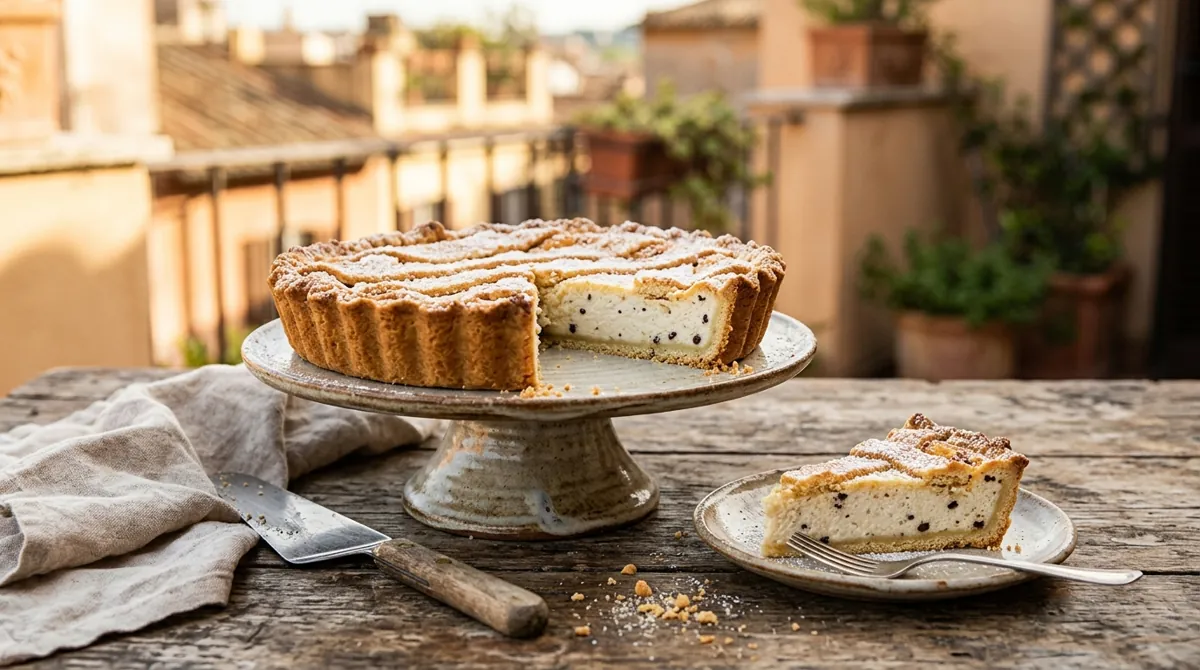
Crostata di Ricotta (Italian Ricotta Cheesecake Tart)
A lemon-scented shortcrust shell filled with drained whole-milk ricotta, sugar, egg yolks, orange zest, a pinch of cinnamon and dark chocolate chips, closed with a second sheet of pastry and baked low on the rack at 350°F for 70 minutes until deep golden.
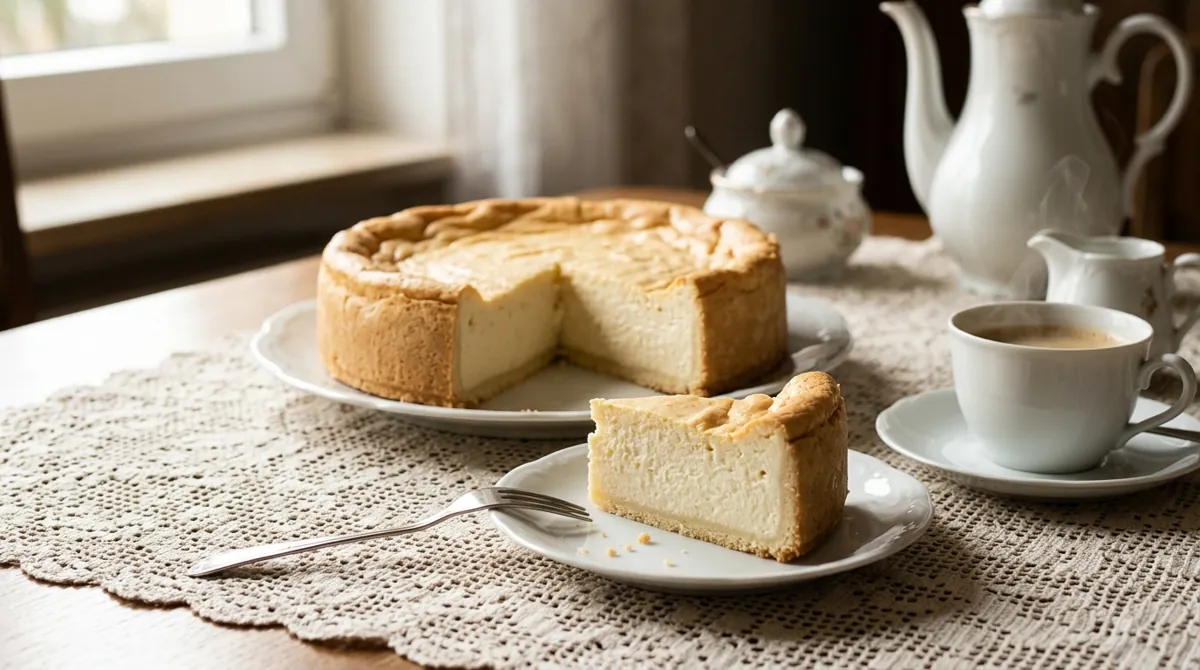
Käsekuchen (German Quark Cheesecake)
A buttery shortcrust base and rim filled with low-fat quark, lemon juice and cornstarch, lightened with whipped egg whites and whipped cream, baked low and long at 320°F and cooled in the turned-off oven so it stays tall, pale and tangy.
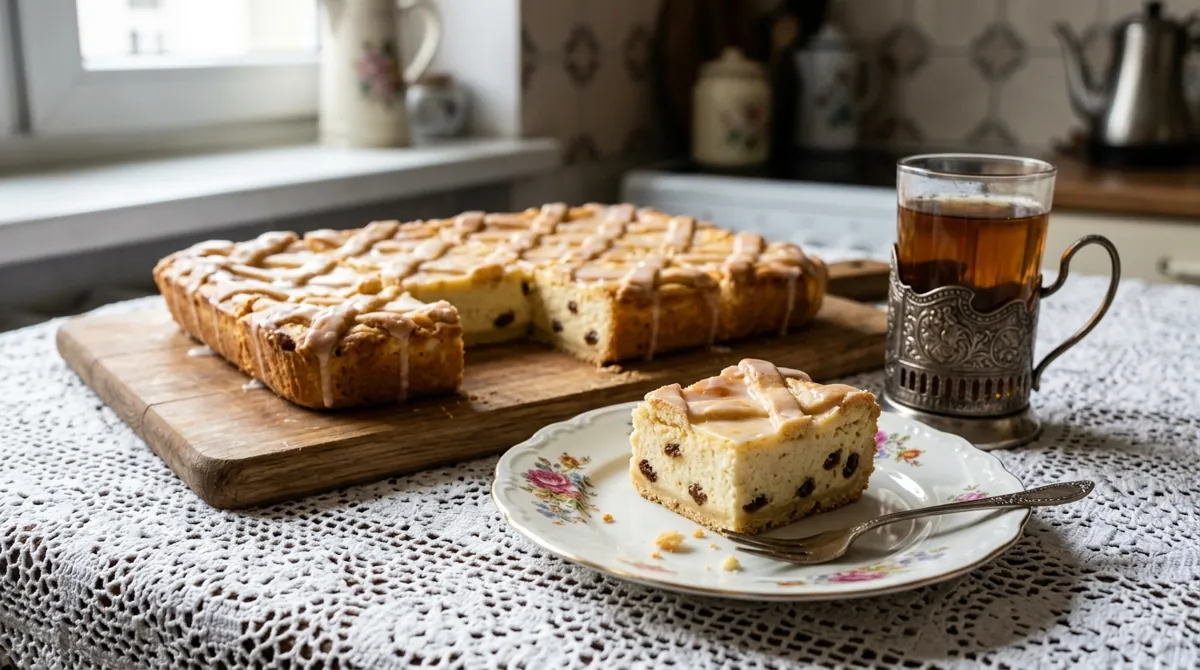
Sernik Krakowski (Polish Lattice-Top Cheesecake)
A rich filling of triple-ground full-fat twaróg, butter, powdered sugar, egg yolks and orange zest with raisins and candied orange peel, lightened with beaten whites, baked in a sweet shortcrust under a pastry lattice at 350°F and finished with a lemon glaze.
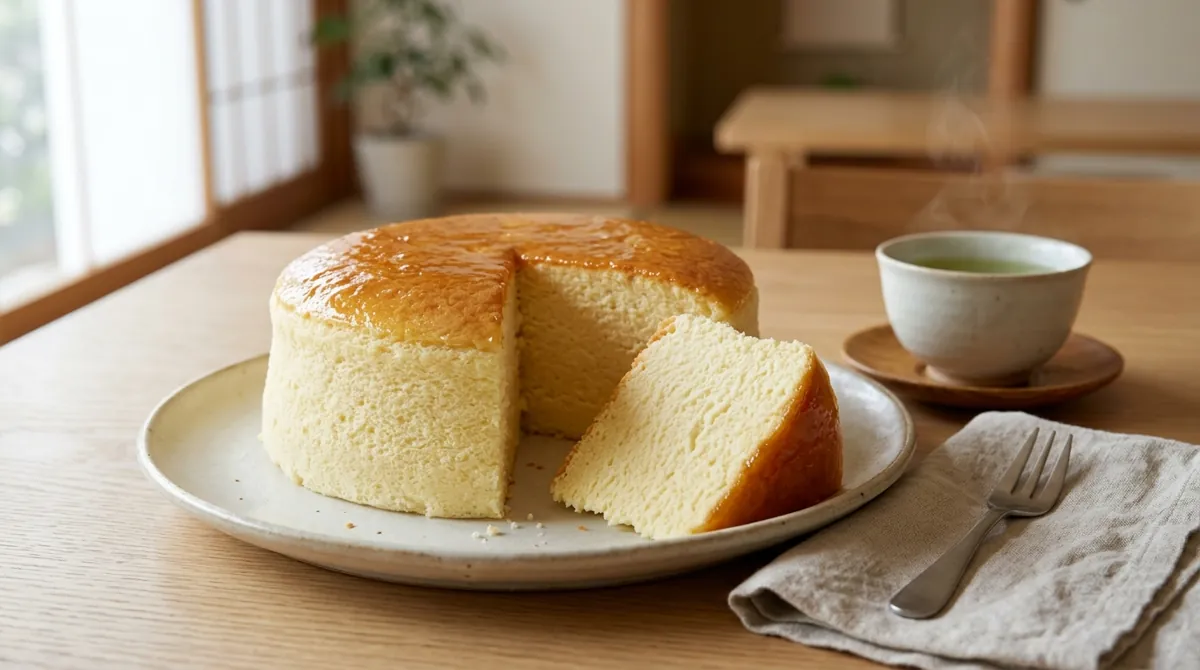
Japanese Soufflé Cheesecake (Cotton Cheesecake)
Cream cheese, butter and cream melted together, enriched with yolks and cake flour, folded into a firm meringue and baked slowly in a water bath at 320°F, then cooled in the oven so the tall, wobbly, cottony cake doesn't crack, with an apricot glaze.
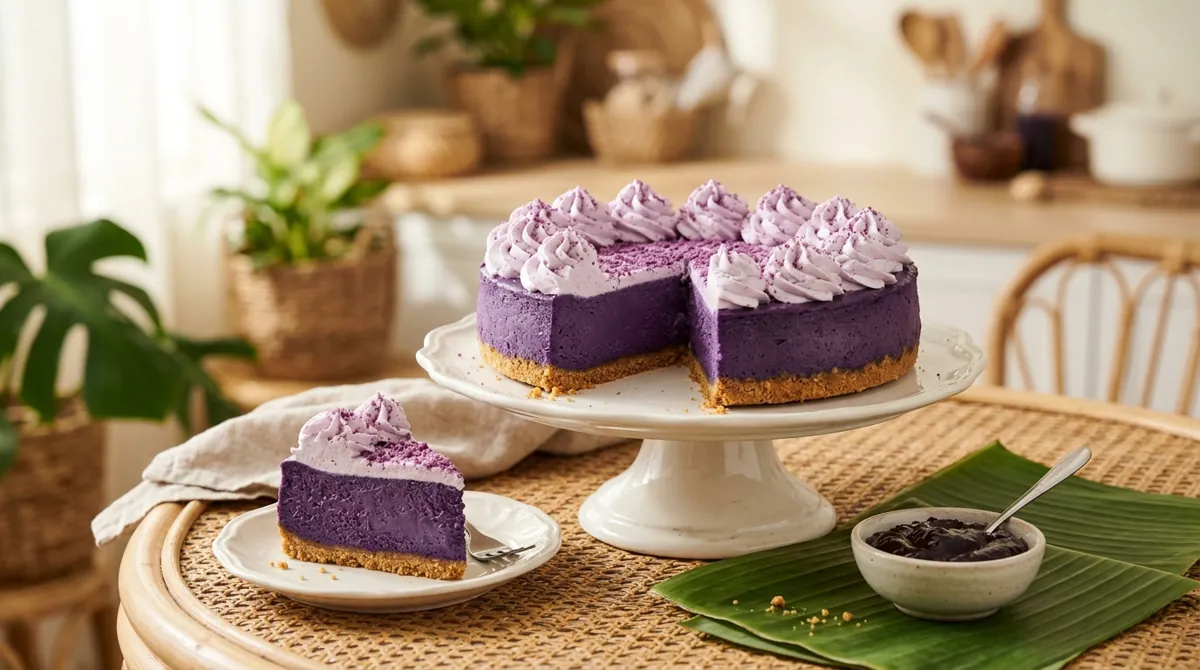
Ube Cheesecake (Filipino Purple Yam Cheesecake)
Cream cheese beaten with sour cream, ube halaya (purple yam jam) and ube extract on a graham cracker crust, baked in a water bath at 350°F until the center is just set, cooled in the oven and topped with lavender ube whipped cream.
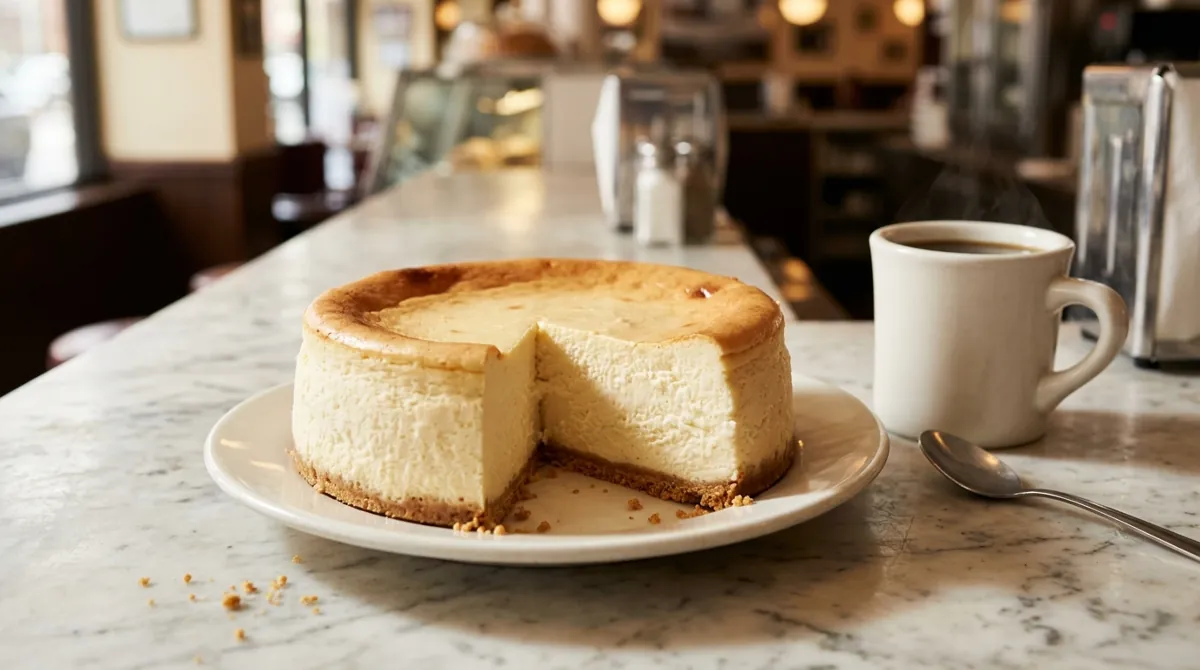
New York Cheesecake (Lindy's-Style, Graham Crust)
Two and a half pounds of cream cheese beaten with sugar, sour cream, lemon, vanilla and eight eggs over a graham cracker crust, blasted at 500°F for 10 minutes, then baked low at 200°F until the center reads 150°F for a tall, dense, creamy cake.
Brooklyn Sponge-Crust Cheesecake (Junior's Style)
A thin, golden sponge cake baked in the springform as the crust, covered with two pounds of cream cheese beaten with sugar, cornstarch, vanilla, eggs and heavy cream, and baked in a water bath at 350°F until the top is lightly tanned and the center still jiggles.
No-Bake Icebox Cheesecake
No eggs and no oven: cream cheese beaten with sugar, lemon juice, sour cream and vanilla bean, lightened with whipped cream, spread into a brown sugar graham crust and chilled overnight, then finished with whipped cream and fresh berries.
Mini Cheesecakes (Muffin-Pan Cheesecakes)
Twelve little cheesecakes in a muffin pan: a pressed graham crust under a smooth cream cheese, sour cream and lemon batter, baked at 325°F for 15 to 18 minutes, 30 minutes of hands-on work and about an hour start to oven-off, then chilled at least 3 hours and topped with berries or jam.
Original-Style Restaurant Cheesecake (Inspired by The Cheesecake Factory, Not Official)
Inspired by The Cheesecake Factory's Original, not its official recipe: a thick graham crust up the sides, a filling of a full pound of sour cream with two pounds of cream cheese baked in a water bath at 325°F, and a sweet sour cream layer baked on top for a clean white finish.
Meatballs of the World

Italian-American Meatballs
Big, tender meatballs braised for an hour in red sauce over spaghetti. The one most Americans grew up with.

Pallottine (Abruzzo Meatballs)
Tiny meatballs, smaller than a marble, tossed right through square spaghetti alla chitarra. No bread at all.

Swedish Meatballs (Köttbullar)
Small, soft meatballs browned in butter, in a cream sauce made from the same pan, with lingonberry jam on the plate.

Danish Frikadeller
Pork meatballs shaped with a spoon and fried slowly in butter, crusty outside and soft in the middle.

Königsberger Klopse
German meatballs that are never fried: poached, then served in a creamy white sauce with capers.

Spanish Albóndigas in Almond Saffron Sauce
The tapas bar classic: small meatballs in a golden sauce thickened with fried almonds and bread.

Mexican Albóndigas with Chipotle and Mint
Soft meatballs with rice and fresh mint inside, simmered in a smoky tomato and chipotle broth.

Izgara Köfte (Turkish Grilled Meatballs)
Small, flat meatballs kneaded hard, rested cold, and charred on a hot grill pan.

Lion's Head Meatballs
Big, soft pork meatballs, stirred into a sticky paste, fried to set, then braised in a savory sauce.

Chicken Tsukune
Japan's chicken meatball: kneaded sticky, grilled on skewers, glazed with sweet soy tare, dipped in egg yolk.