
Ube Cheesecake (Filipino Purple Yam Cheesecake)
Cream cheese beaten with sour cream, ube halaya (purple yam jam) and ube extract on a graham cracker crust, baked in a water bath at 350°F until the center is just set, cooled in the oven and topped with lavender ube whipped cream.
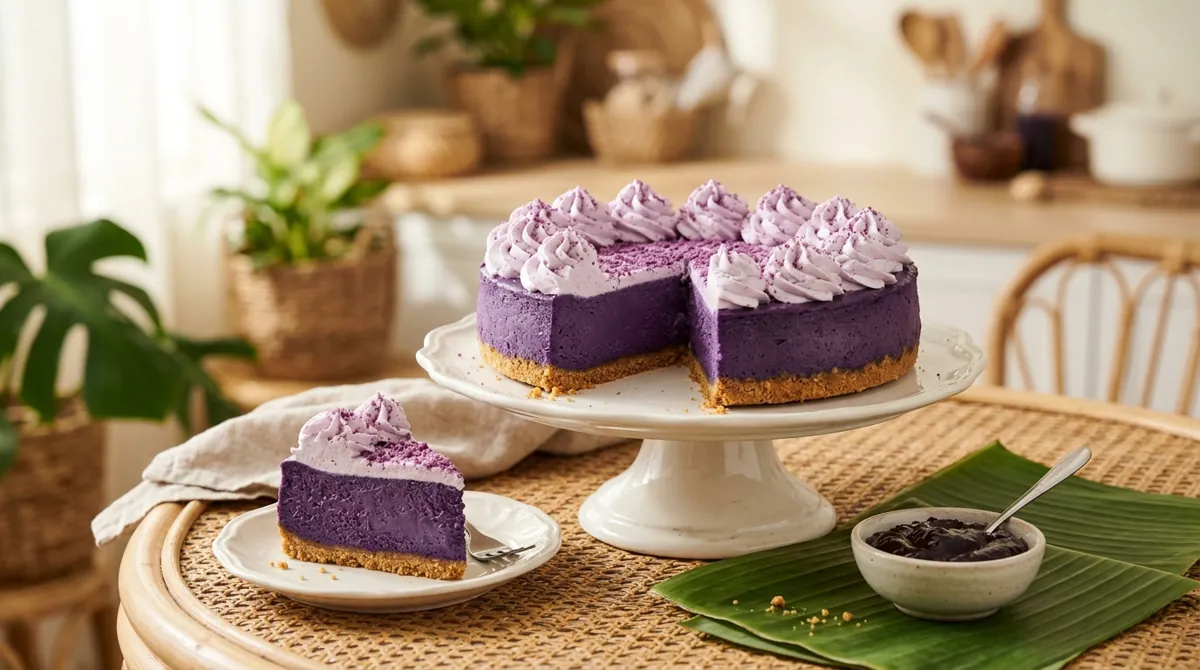
Ube is a purple yam (Dioscorea alata), and ube halaya is the jam the Philippines makes from it. Wikipedia says ube halaya is boiled and mashed purple yam stirred over heat with condensed milk (originally sweetened coconut milk) and butter until thick, and that its name comes from the Spanish jalea, "jelly". It is the base of ube pastries and ube ice cream, and it can go into halo-halo.
Wikipedia lists ube cheesecake as a Filipino dessert of its own: a graham cracker base under a thick layer of ube halaya mixed with cream cheese and vanilla, sometimes condensed milk, baked with eggs or simply chilled. It is also made as cupcakes or bars, and some cooks swap the cream cheese for queso de bola. This baked version is from Taste of Home's Test Kitchen in Milwaukee, which uses store-bought ube jam and ube extract, the shortcut most American home bakers take. It is the one cheesecake in the hub you can identify by color alone.
Why it works the kitchen science
Ube jam, not raw yam
The halaya is already cooked, sweet and smooth, so it beats straight into the cream cheese for color and flavor without adding water or graininess.
Eggs last, on low
Taste of Home warns that beating air into the eggs causes pitting on the surface and changes the texture, so they go in last and slowly.
Step by step
- Step 1
Heat the oven to 350°F. Set a greased 9-inch springform pan on a double layer of heavy-duty foil about 18 inches square and wrap the foil tightly up the sides. Mix the crumbs and sugar, stir in the melted butter, and press it over the bottom and about 1 inch up the sides. Set the pan on a baking sheet and bake 8 to 10 minutes, until lightly browned. Cool on a rack.
- Step 2
Beat the cream cheese on medium speed until smooth, 4 to 5 minutes. Beat in the sugar, sour cream, ube jam and both extracts until smooth and fluffy. Add the eggs and beat on low just until blended.
- Step 3
Pour the filling into the crust. Set the springform in a larger pan and pour in hot water 1 inch deep.
- Step 4
Bake 50 to 55 minutes, until the top looks dull, the edges are set, a 3- to 4-inch circle in the center still jiggles when you nudge the pan, and the center reads 150°F to 155°F.
- Step 5
Turn off the oven, open the door and leave the cheesecake inside 30 minutes.
- Step 6
Lift the springform out of the water bath onto a rack, cool 10 minutes, run a knife around the edge and remove the foil. Cool 1 hour more, then refrigerate at least 3 hours or overnight, covering it once it is cold.
- Step 7
Whip the cream until it starts to thicken, add the confectioners' sugar and both extracts and whip to soft peaks. Remove the pan ring and spread or pipe the cream over the cheesecake.
Ube Cheesecake (Filipino Purple Yam Cheesecake)
Serves 12 · one 9-inch cheesecake · 2 hr 10 min total
Crust
- 2 cups graham cracker crumbs
- 3 tbsp sugar
- 6 tbsp butter, melted
Filling
- 3 packages (8 oz each) cream cheese, softened
- 1 cup sugar
- 1 cup sour cream
- 1 cup ube jam (ube halaya)
- 2 tsp ube extract
- 1 tsp vanilla extract
- 3 large eggs, at room temperature
Ube whipped cream
- 1 1/2 cups heavy whipping cream
- 6 tbsp confectioners' (powdered) sugar
- 1 tsp vanilla extract
- 1 tsp ube extract
Method
- Heat the oven to 350°F. Set a greased 9-inch springform pan on a double layer of heavy-duty foil about 18 inches square and wrap the foil tightly up the sides. Mix the crumbs and sugar, stir in the melted butter, and press it over the bottom and about 1 inch up the sides. Set the pan on a baking sheet and bake 8 to 10 minutes, until lightly browned. Cool on a rack.
- Beat the cream cheese on medium speed until smooth, 4 to 5 minutes. Beat in the sugar, sour cream, ube jam and both extracts until smooth and fluffy. Add the eggs and beat on low just until blended.
- Pour the filling into the crust. Set the springform in a larger pan and pour in hot water 1 inch deep.
- Bake 50 to 55 minutes, until the top looks dull, the edges are set, a 3- to 4-inch circle in the center still jiggles when you nudge the pan, and the center reads 150°F to 155°F.
- Turn off the oven, open the door and leave the cheesecake inside 30 minutes.
- Lift the springform out of the water bath onto a rack, cool 10 minutes, run a knife around the edge and remove the foil. Cool 1 hour more, then refrigerate at least 3 hours or overnight, covering it once it is cold.
- Whip the cream until it starts to thicken, add the confectioners' sugar and both extracts and whip to soft peaks. Remove the pan ring and spread or pipe the cream over the cheesecake.
Adapted from Fred Decker, "Ube Cheesecake", Taste of Home (recipe by the Taste of Home Test Kitchen; published October 23, 2024). We follow it as written: a crust of 2 cups graham cracker crumbs, 3 tbsp sugar and 6 tbsp melted butter pressed 1 inch up a greased, foil-wrapped 9-inch springform and baked 8 to 10 minutes at 350°F; a filling of three 8-oz packages cream cheese, 1 cup sugar, 1 cup sour cream, 1 cup ube jam, 2 tsp ube extract, 1 tsp vanilla and 3 eggs beaten in on low; a 1-inch hot water bath; 50 to 55 minutes until the center is just set and the top looks dull; 30 minutes in the turned-off oven with the door open; and a topping of 1 1/2 cups cream whipped with 6 tbsp confectioners' sugar, vanilla and ube extract. Taste of Home gives no servings or temperature check; the 12 servings and the 150°F to 155°F check are ours. Background from Wikipedia, "Ube cheesecake" and "Ube halaya". Taste of Home. Ingredient list follows the source; the method is in our own words.
All sources (3)
Tips
- Taste of Home says to run a dull knife around the edge as soon as the cake comes out; a cheesecake stuck to the pan cracks as it shrinks.
- Look for ube jam and ube extract in Filipino and Asian groceries; the extract deepens the purple.
- Wikipedia notes ube cheesecake is also made as bars or cupcakes; the Mini Cheesecakes method works with this filling (our suggestion, untested).
- For an unbaked version, as Wikipedia describes, see the No-Bake Icebox Cheesecake and beat the ube jam into its filling (our suggestion, untested).
The rules people argue about
What the sources agree on, what they don't, and what is just a good story.
- Ube is taro. Documented as false: Wikipedia identifies ube as purple yam, Dioscorea alata, a different plant.
- Ube halaya was first made with coconut milk. Documented as Wikipedia's account: condensed milk replaced the original sweetened coconut milk.
- Ube cheesecake must be baked. Documented as false: Wikipedia says it is made baked (with eggs) or unbaked, and both are chilled.
- Ube cheesecake is a Filipino invention, not a Filipino American one. Folklore: Wikipedia lists the Philippines as its origin but gives no history of when or where it began.
Every other cheesecake
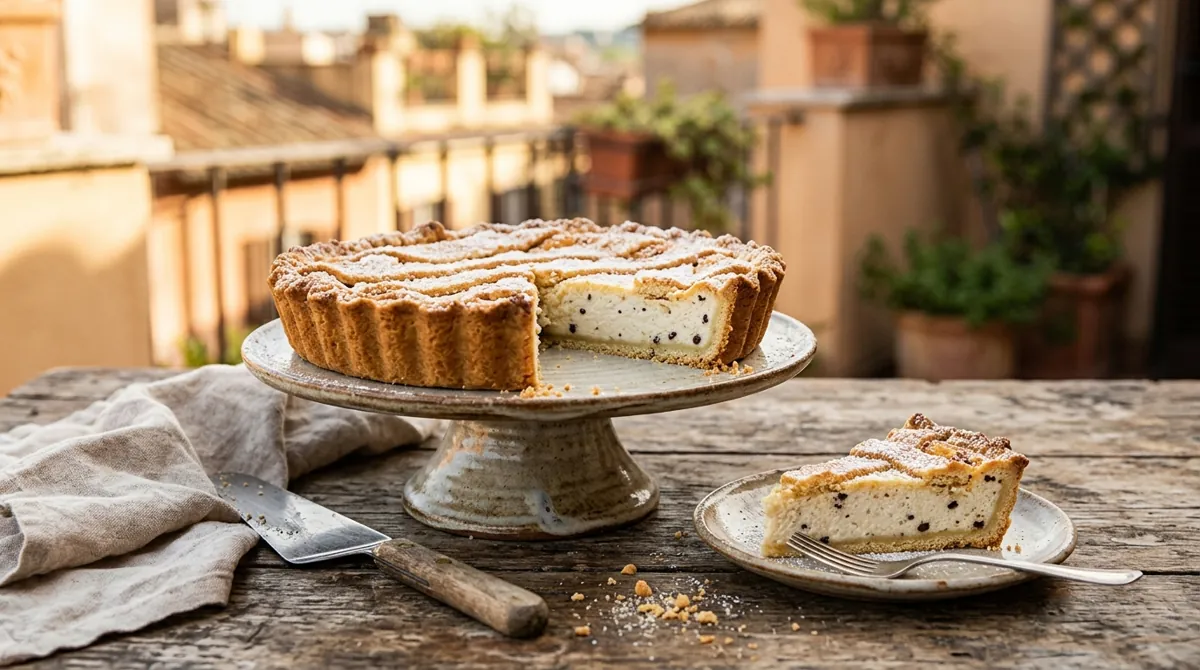
Crostata di Ricotta (Italian Ricotta Cheesecake Tart)
A lemon-scented shortcrust shell filled with drained whole-milk ricotta, sugar, egg yolks, orange zest, a pinch of cinnamon and dark chocolate chips, closed with a second sheet of pastry and baked low on the rack at 350°F for 70 minutes until deep golden.
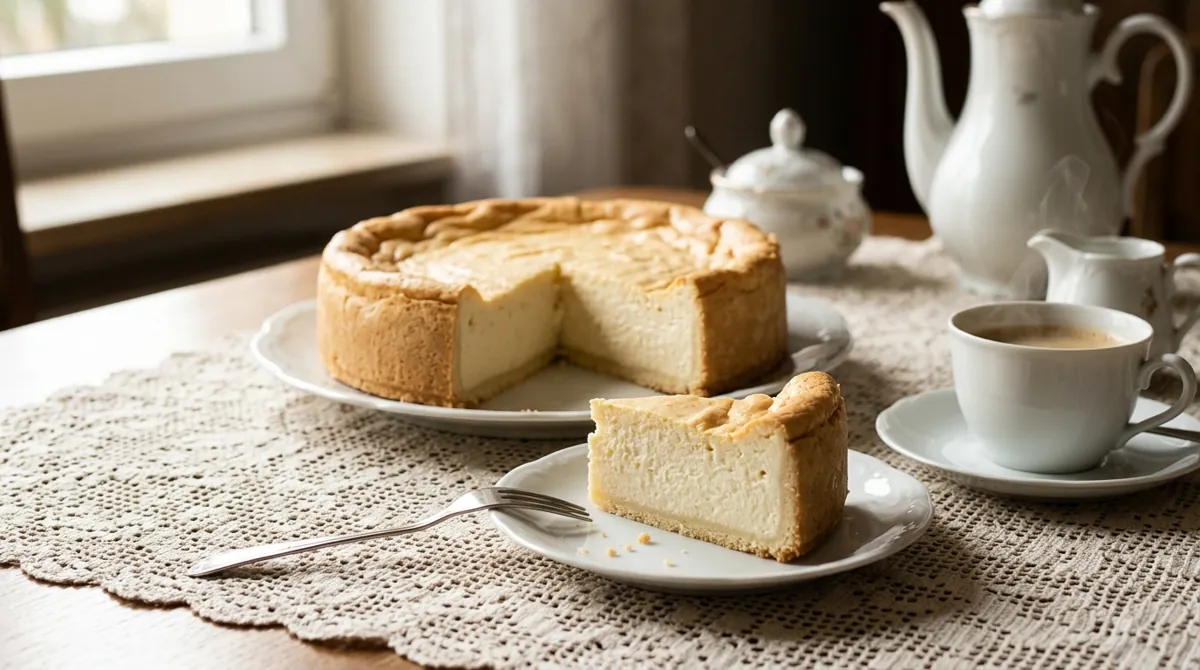
Käsekuchen (German Quark Cheesecake)
A buttery shortcrust base and rim filled with low-fat quark, lemon juice and cornstarch, lightened with whipped egg whites and whipped cream, baked low and long at 320°F and cooled in the turned-off oven so it stays tall, pale and tangy.
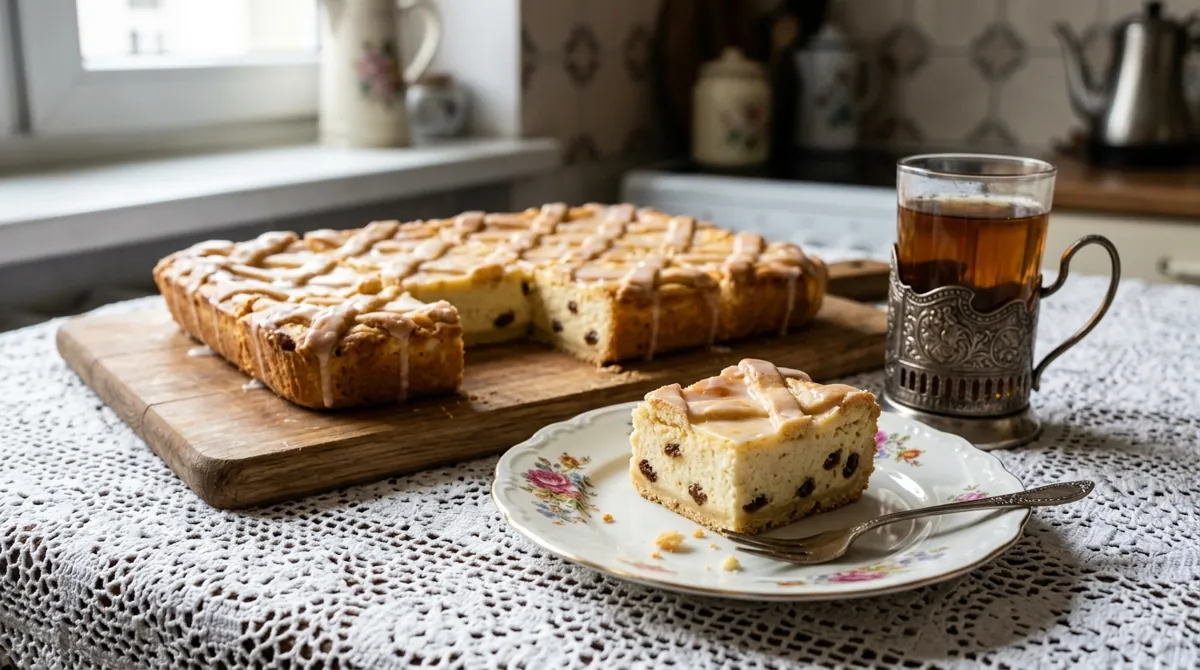
Sernik Krakowski (Polish Lattice-Top Cheesecake)
A rich filling of triple-ground full-fat twaróg, butter, powdered sugar, egg yolks and orange zest with raisins and candied orange peel, lightened with beaten whites, baked in a sweet shortcrust under a pastry lattice at 350°F and finished with a lemon glaze.
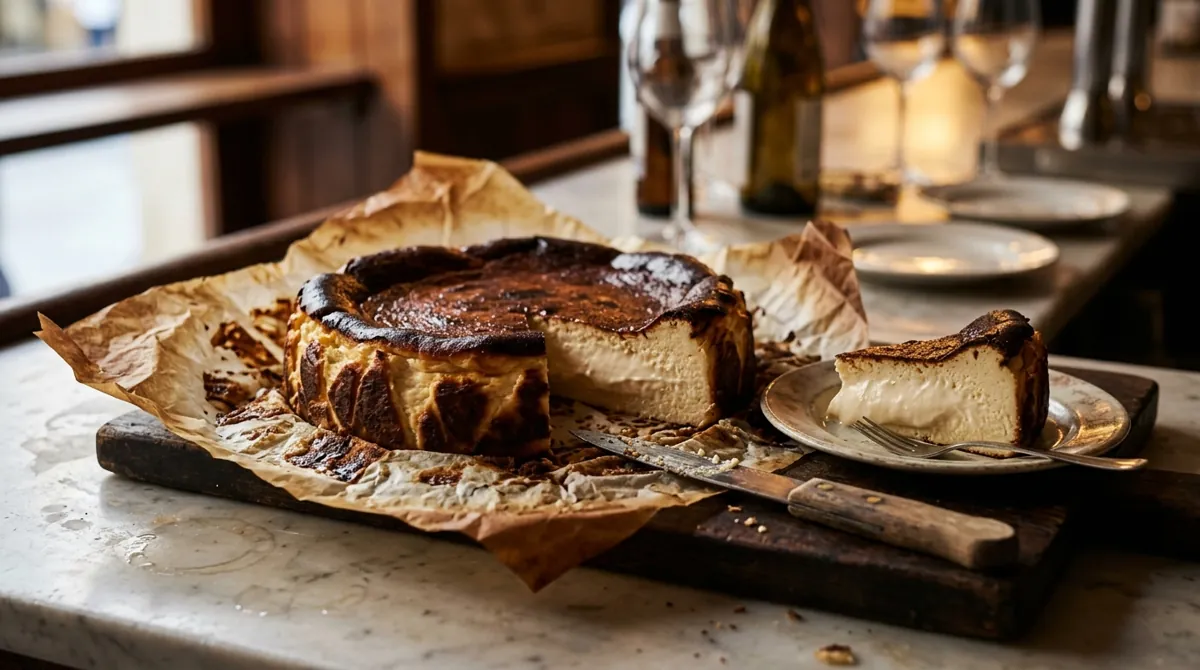
Basque Burnt Cheesecake (San Sebastián Style)
No crust and no water bath: cream cheese, eggs, sugar, a spoonful of flour and cream stirred together by hand, poured into a crumpled parchment-lined pan and baked hot at 410°F until the top is nearly black and the center still trembles.
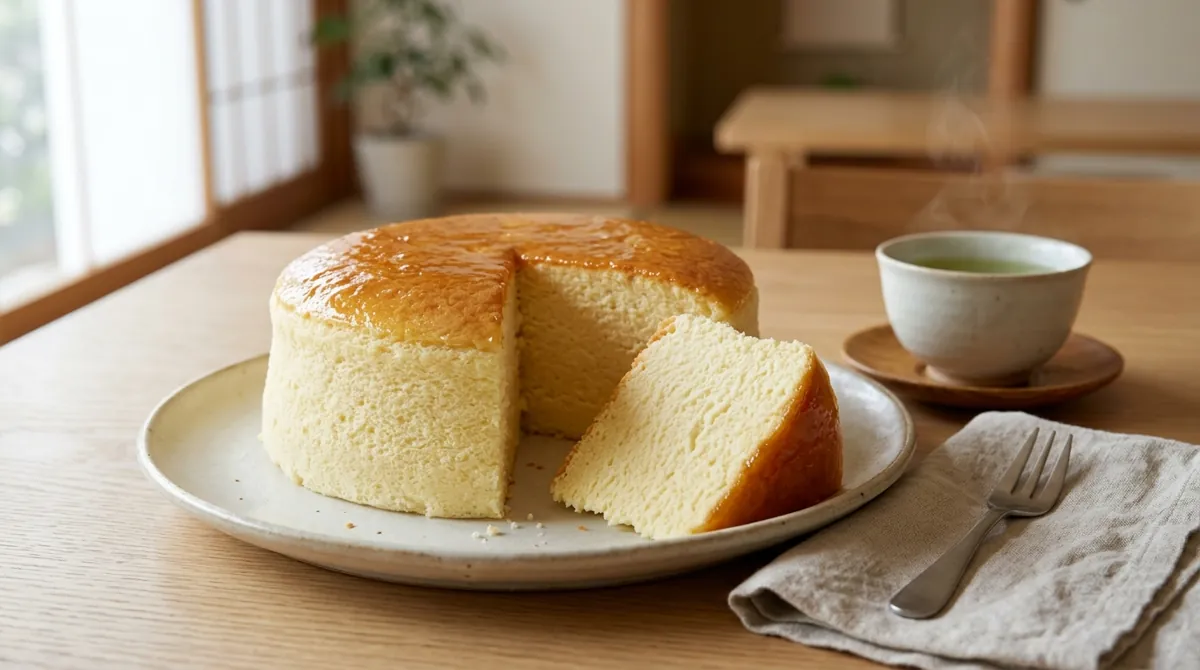
Japanese Soufflé Cheesecake (Cotton Cheesecake)
Cream cheese, butter and cream melted together, enriched with yolks and cake flour, folded into a firm meringue and baked slowly in a water bath at 320°F, then cooled in the oven so the tall, wobbly, cottony cake doesn't crack, with an apricot glaze.
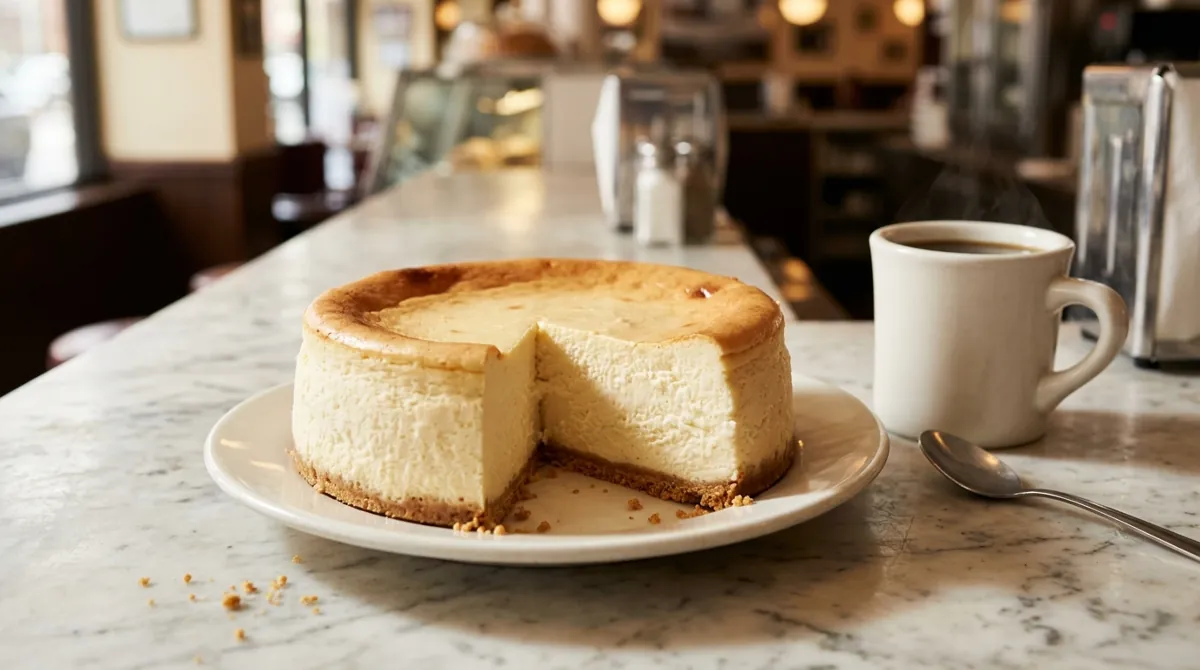
New York Cheesecake (Lindy's-Style, Graham Crust)
Two and a half pounds of cream cheese beaten with sugar, sour cream, lemon, vanilla and eight eggs over a graham cracker crust, blasted at 500°F for 10 minutes, then baked low at 200°F until the center reads 150°F for a tall, dense, creamy cake.
Brooklyn Sponge-Crust Cheesecake (Junior's Style)
A thin, golden sponge cake baked in the springform as the crust, covered with two pounds of cream cheese beaten with sugar, cornstarch, vanilla, eggs and heavy cream, and baked in a water bath at 350°F until the top is lightly tanned and the center still jiggles.
No-Bake Icebox Cheesecake
No eggs and no oven: cream cheese beaten with sugar, lemon juice, sour cream and vanilla bean, lightened with whipped cream, spread into a brown sugar graham crust and chilled overnight, then finished with whipped cream and fresh berries.
Mini Cheesecakes (Muffin-Pan Cheesecakes)
Twelve little cheesecakes in a muffin pan: a pressed graham crust under a smooth cream cheese, sour cream and lemon batter, baked at 325°F for 15 to 18 minutes, 30 minutes of hands-on work and about an hour start to oven-off, then chilled at least 3 hours and topped with berries or jam.
Original-Style Restaurant Cheesecake (Inspired by The Cheesecake Factory, Not Official)
Inspired by The Cheesecake Factory's Original, not its official recipe: a thick graham crust up the sides, a filling of a full pound of sour cream with two pounds of cream cheese baked in a water bath at 325°F, and a sweet sour cream layer baked on top for a clean white finish.
Meatballs of the World

Italian-American Meatballs
Big, tender meatballs braised for an hour in red sauce over spaghetti. The one most Americans grew up with.

Pallottine (Abruzzo Meatballs)
Tiny meatballs, smaller than a marble, tossed right through square spaghetti alla chitarra. No bread at all.

Swedish Meatballs (Köttbullar)
Small, soft meatballs browned in butter, in a cream sauce made from the same pan, with lingonberry jam on the plate.

Danish Frikadeller
Pork meatballs shaped with a spoon and fried slowly in butter, crusty outside and soft in the middle.

Königsberger Klopse
German meatballs that are never fried: poached, then served in a creamy white sauce with capers.

Spanish Albóndigas in Almond Saffron Sauce
The tapas bar classic: small meatballs in a golden sauce thickened with fried almonds and bread.

Mexican Albóndigas with Chipotle and Mint
Soft meatballs with rice and fresh mint inside, simmered in a smoky tomato and chipotle broth.

Izgara Köfte (Turkish Grilled Meatballs)
Small, flat meatballs kneaded hard, rested cold, and charred on a hot grill pan.

Lion's Head Meatballs
Big, soft pork meatballs, stirred into a sticky paste, fried to set, then braised in a savory sauce.

Chicken Tsukune
Japan's chicken meatball: kneaded sticky, grilled on skewers, glazed with sweet soy tare, dipped in egg yolk.