
Colombian Chocolate Santafereño (Hot Chocolate with Cheese)
Cinnamon-scented hot chocolate frothed with a molinillo and poured over cubes of soft fresh cheese, which melt in the cup and are fished out with a spoon. Bogotá's breakfast and afternoon "onces".
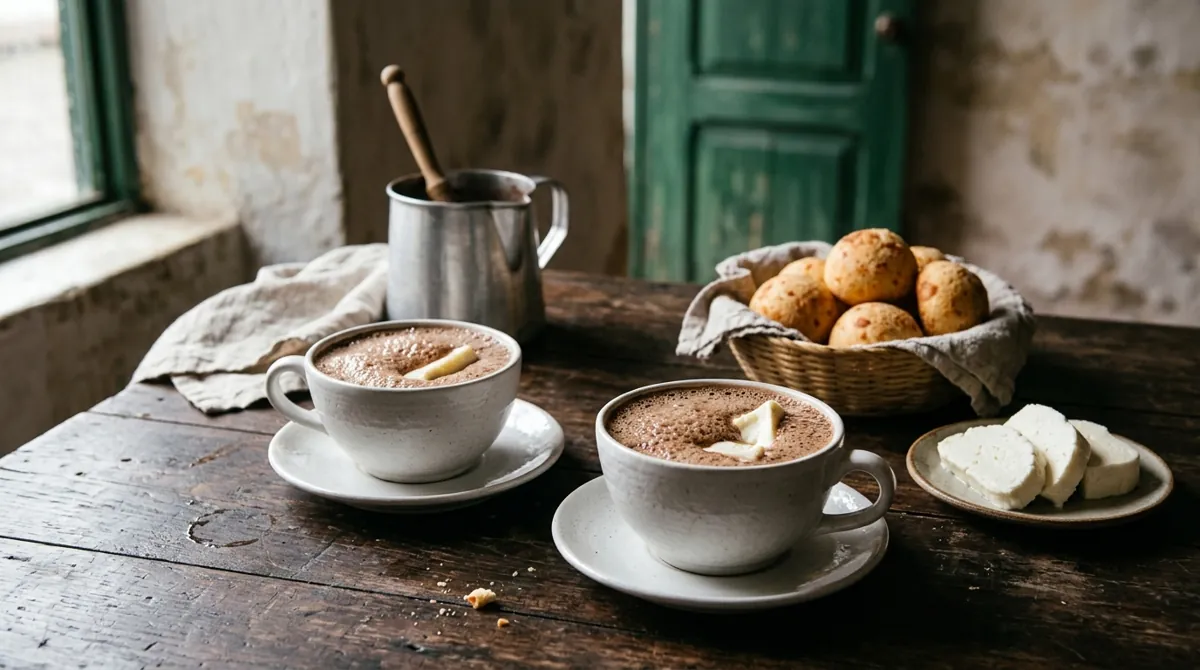
In Bogotá, hot chocolate comes with cheese. The city government's portal, interviewing cooks at the Plaza La Concordia market for the city's 484th birthday in 2022, lists chocolate santafereño alongside ajiaco and puchero as the most loved traditional dishes; cook María Pinzón says the secret is to beat it at least three times so it foams and releases its aroma, and that it is drunk in the morning, at afternoon onces and at dinner, especially on cold, rainy days. It is served with cheese, almojábana and bread. The Bogotá newspaper El Tiempo explains the ritual: pieces of cheese go into the chocolate until they melt and soak up the flavor, and then you eat them with a spoon. Wikipedia notes that Colombian hot chocolate is made in a chocolatera with a molinillo and is often topped with cheese, as it is in Ecuador.
📖 Where is it from?: Why Do Colombians Put Cheese in Hot Chocolate? →
Why it works the kitchen science
A soft, mild fresh cheese
It does not melt into the drink; it turns warm and stretchy and soaks up chocolate, so you get salty, milky bites between sweet sips.
Frothing in rounds
Beating, resting over heat and beating again builds a stable foam, which is how Bogotá cooks know it is ready.
Step by step
- Step 1
Heat the milk and cinnamon in a saucepan (a tall chocolatera if you have one) over medium heat until just below a simmer, with tiny bubbles at the edge, about 185°F, 7 to 8 minutes.
- Step 2
Add the chocolate and stir until melted, about 2 minutes. Stir in the sugar.
- Step 3
Froth it: stand a molinillo in the pot and roll it fast between your palms for 30 seconds, letting the foam rise. Do this three times, warming it 1 minute over low heat between rounds. Or blend about 20 seconds in a blender no more than half full, lid vented and covered with a towel.
- Step 4
If it cooled while frothing, reheat gently to steaming, about 170°F. Do not boil.
- Step 5
Put a few cubes of cheese in the bottom of each cup and pour the hot chocolate over them, foam and all.
- Step 6
Serve right away with a spoon. After a minute or two the cheese softens and turns stringy; eat it with the spoon, and dunk the bread.
Colombian Chocolate Santafereño (Hot Chocolate with Cheese)
Serves 4 (1 cup each plus cheese) · about 5 cups · 25 min total
Chocolate
- 4 1/2 cups whole milk
- 1/4 tsp ground cinnamon (or 1 cinnamon stick)
- 5 oz bittersweet chocolate, chopped (or 4 Colombian chocolate tablets)
- 2 1/2 tbsp sugar, or to taste
To serve
- 4 oz queso doble crema, queso campesino or fresh mozzarella, cut into 3/4-inch cubes
- Almojábanas, pandebono or buttered bread (optional)
Method
- Heat the milk and cinnamon in a saucepan (a tall chocolatera if you have one) over medium heat until just below a simmer, with tiny bubbles at the edge, about 185°F, 7 to 8 minutes.
- Add the chocolate and stir until melted, about 2 minutes. Stir in the sugar.
- Froth it: stand a molinillo in the pot and roll it fast between your palms for 30 seconds, letting the foam rise. Do this three times, warming it 1 minute over low heat between rounds. Or blend about 20 seconds in a blender no more than half full, lid vented and covered with a towel.
- If it cooled while frothing, reheat gently to steaming, about 170°F. Do not boil.
- Put a few cubes of cheese in the bottom of each cup and pour the hot chocolate over them, foam and all.
- Serve right away with a spoon. After a minute or two the cheese softens and turns stringy; eat it with the spoon, and dunk the bread.
Adapted from Erica Dinho, "Colombian-Style Hot Chocolate" on My Colombian Recipes, for 4: for the drink, and from El Tiempo's "Chocolate santafereño, una receta de tradición" (David Leonardo Díaz Duarte, March 6, 2023) for the cheese, the molinillo and the serving. El Tiempo uses 4 cups of milk, 1 tbsp ground cinnamon and 4 Colombian chocolate tablets with cloves and cinnamon; Dinho's recipe gives exact weights (4 1/2 cups milk, 5 oz bittersweet chocolate, 2 1/2 tbsp sugar, 1/4 tsp cinnamon), so we follow Dinho's amounts. The cheese amount (1 oz per cup) is ours. The "beat it three times" froth is from María Pinzón (bogota.gov.co). Temperatures are ours; Dinho says "just below simmering". mycolombianrecipes.com. Ingredient list follows the source; the method is in our own words.
Tips
- No queso doble crema? Fresh mozzarella or queso blanco from a Latin market are close.
- El Tiempo uses 1 tbsp ground cinnamon for 4 cups, much more than Dinho's 1/4 tsp. Start low and add to taste.
- Colombian chocolate tablets often contain sugar and spices already; if you use them, leave out the sugar until you taste.
The rules people argue about
What the sources agree on, what they don't, and what is just a good story.
- Cheese in hot chocolate is only a Bogotá thing. Disputed: Bogotá's own portal and El Tiempo call it a Bogotá tradition; Wikipedia says hot chocolate is often topped with cheese in Ecuador too.
- It must be beaten at least three times. Documented as cook María Pinzón's rule (bogota.gov.co); it is a cook's rule, not a fixed recipe.
- La Puerta Falsa, near the Plaza de Bolívar, has served it since 1816. Folklore: repeated in tourism and tour listings seen only through search results; we did not confirm the date.
- Water or milk. Documented that both are used (bogota.gov.co); El Tiempo and Dinho use milk.
Every other hot chocolate
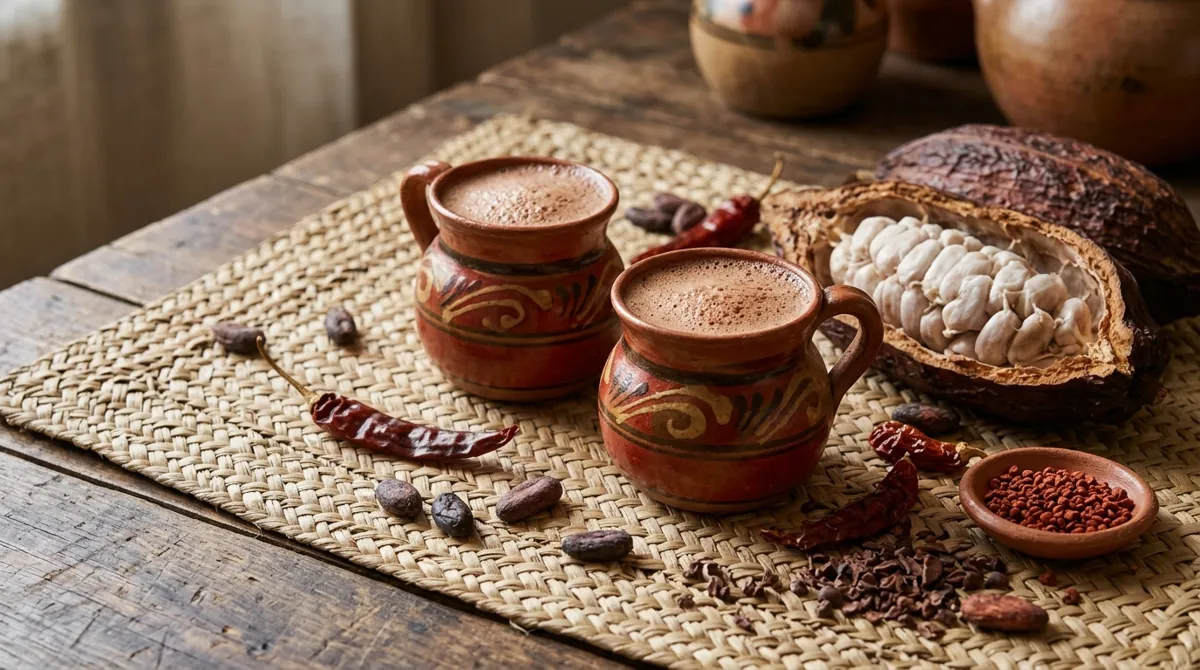
Mesoamerican-Style Cacao Drink with Chile and Annatto
Unsweetened chocolate melted into hot water with red annatto, ground chile, vanilla and a little honey, then poured from cup to cup until it wears a tall head of foam. A modern home version of the drink the Maya and Aztecs prized, not a reconstruction.
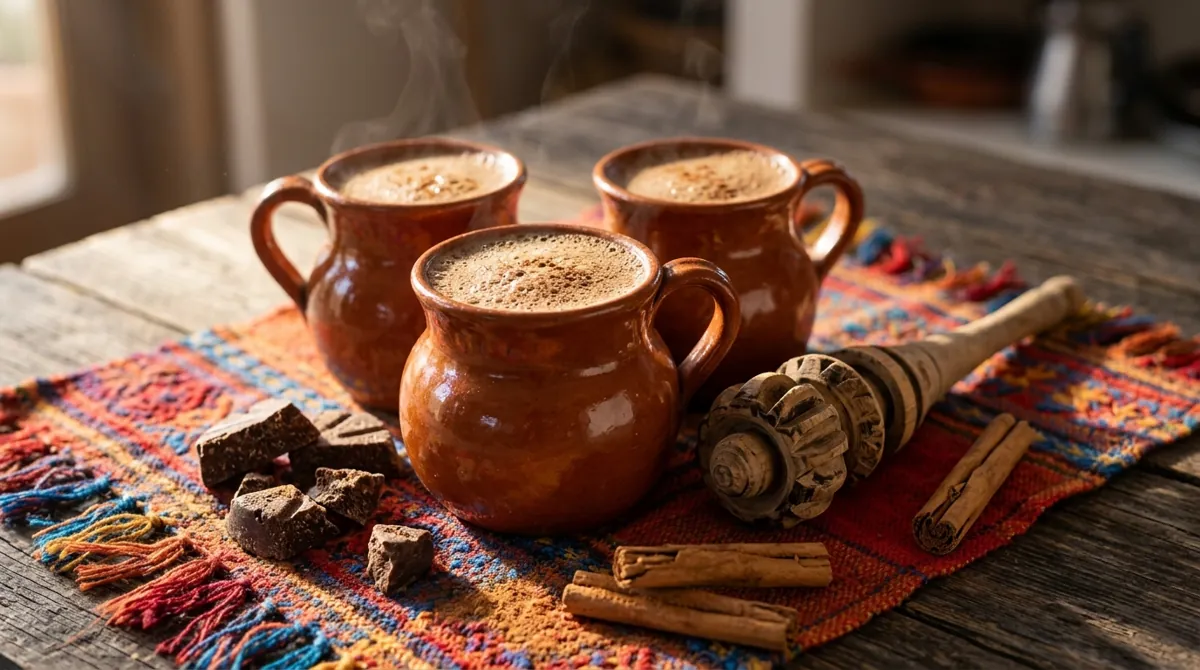
Mexican Hot Chocolate (Chocolate Mexicano)
Mexican tablet chocolate, already sweetened and spiced with cinnamon, melted into hot milk and beaten with a wooden molinillo until it foams.
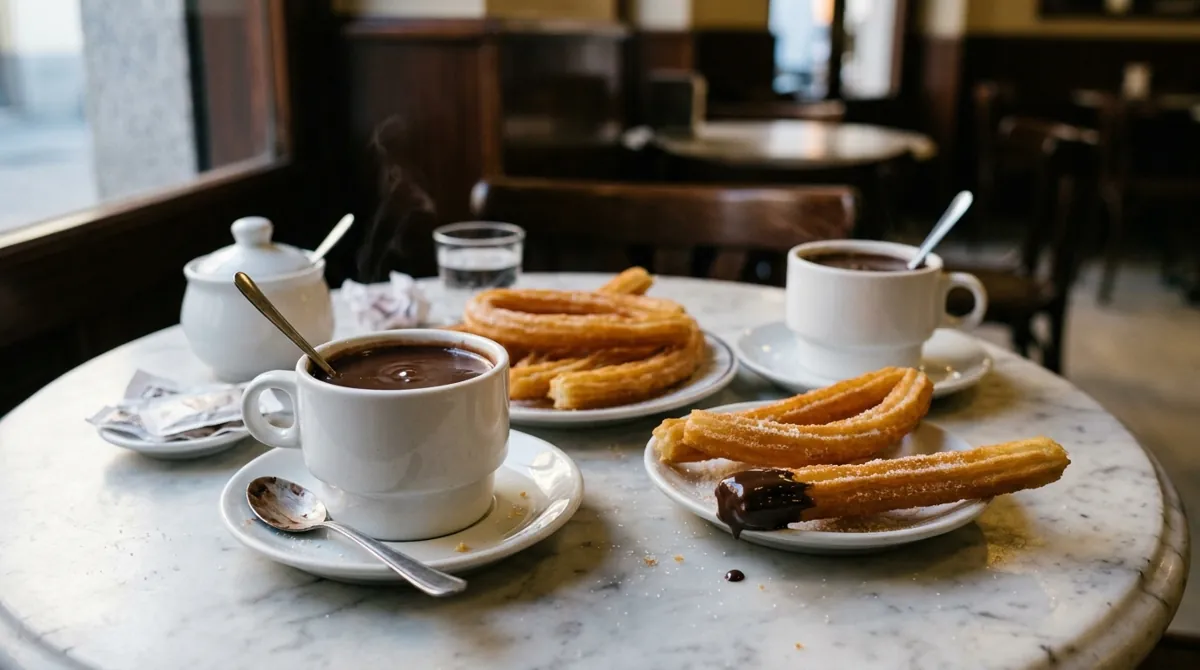
Spanish Chocolate a la Taza (for Churros)
Dark chocolate melted into nearly boiling milk with a little cocoa, sugar and cornstarch, then stirred over low heat until it is thick enough to coat a churro. The Madrid way to start the day or end the night.
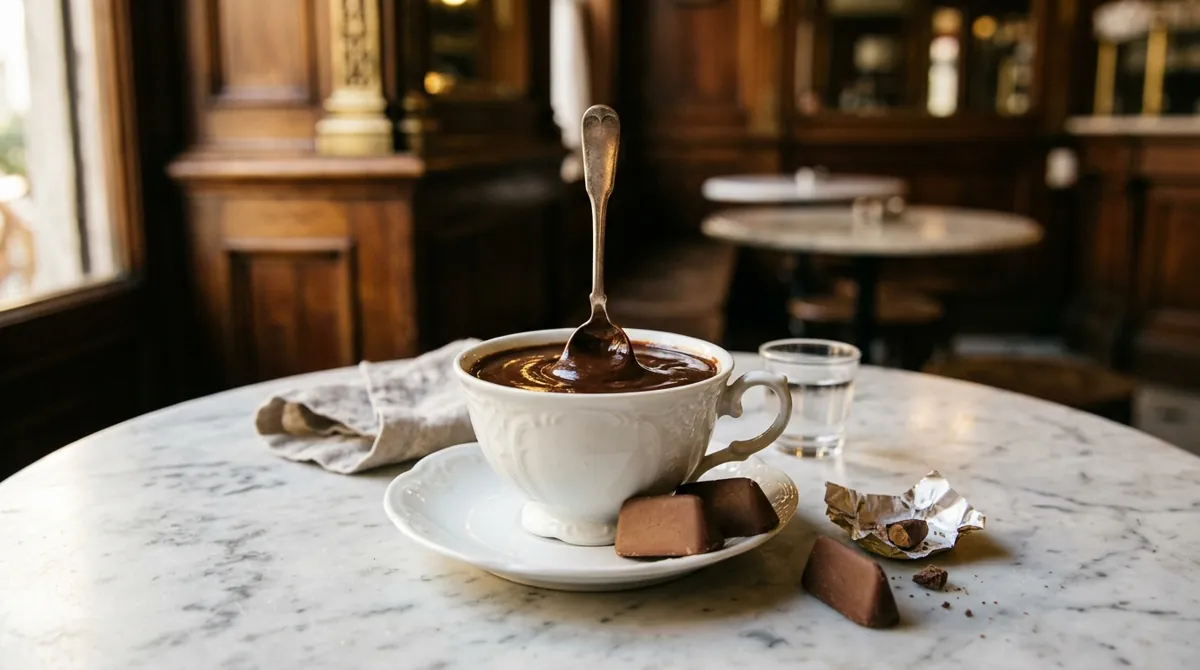
Italian Cioccolata Calda Densa
Milk whisked with cocoa and plenty of cornstarch, brought just to a simmer, then finished with melted dark chocolate until it is as thick as a loose pudding. You eat the last of it with a spoon.
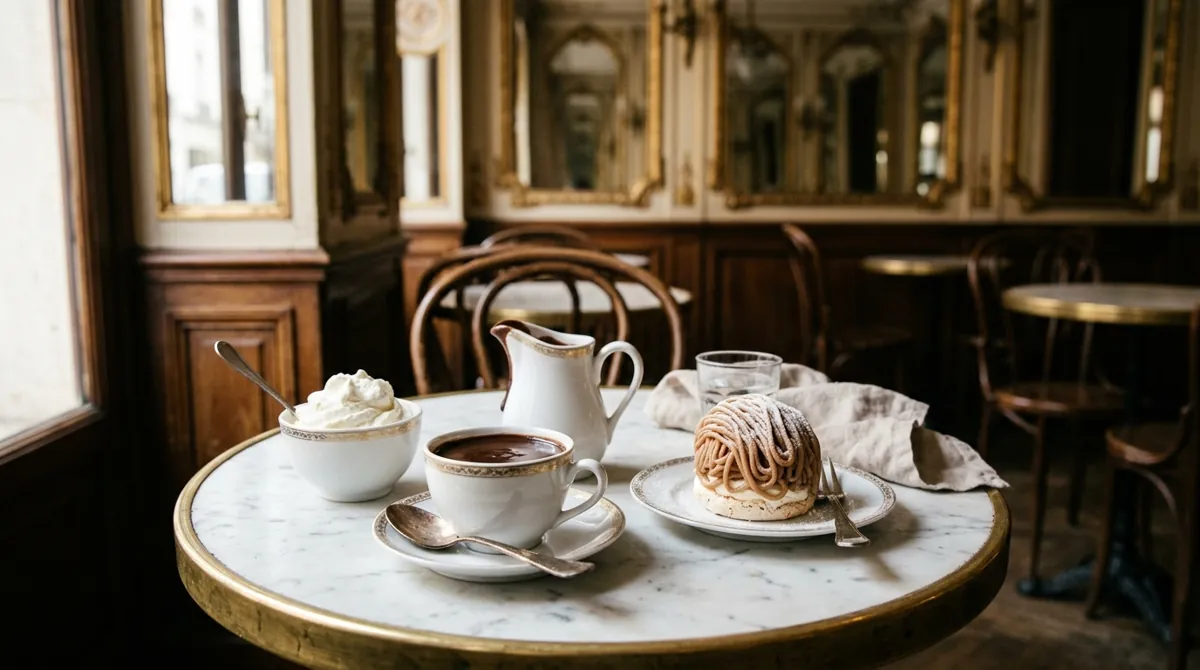
Parisian Chocolat Chaud
Whole milk and very good bittersweet chocolate, nothing else but an optional spoon of brown sugar, simmered until thick and served in tiny cups the Paris café way. Inspired by the famous thick chocolate at Angelina; not Angelina's recipe.
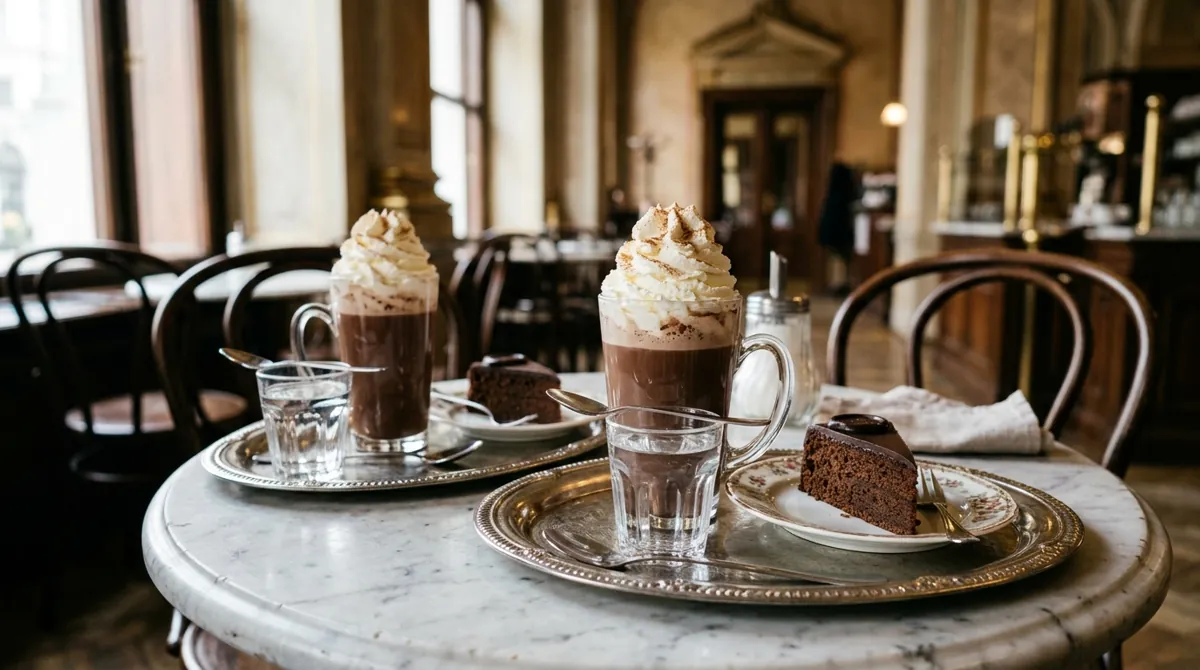
Viennese-Style Hot Chocolate with Whipped Cream (Heiße Schokolade Wiener Art)
Dark chocolate melted into hot milk with a little honey and cinnamon, poured into cups and capped with a big spoon of stiffly whipped cream, the way Austrian and German cafés serve it.
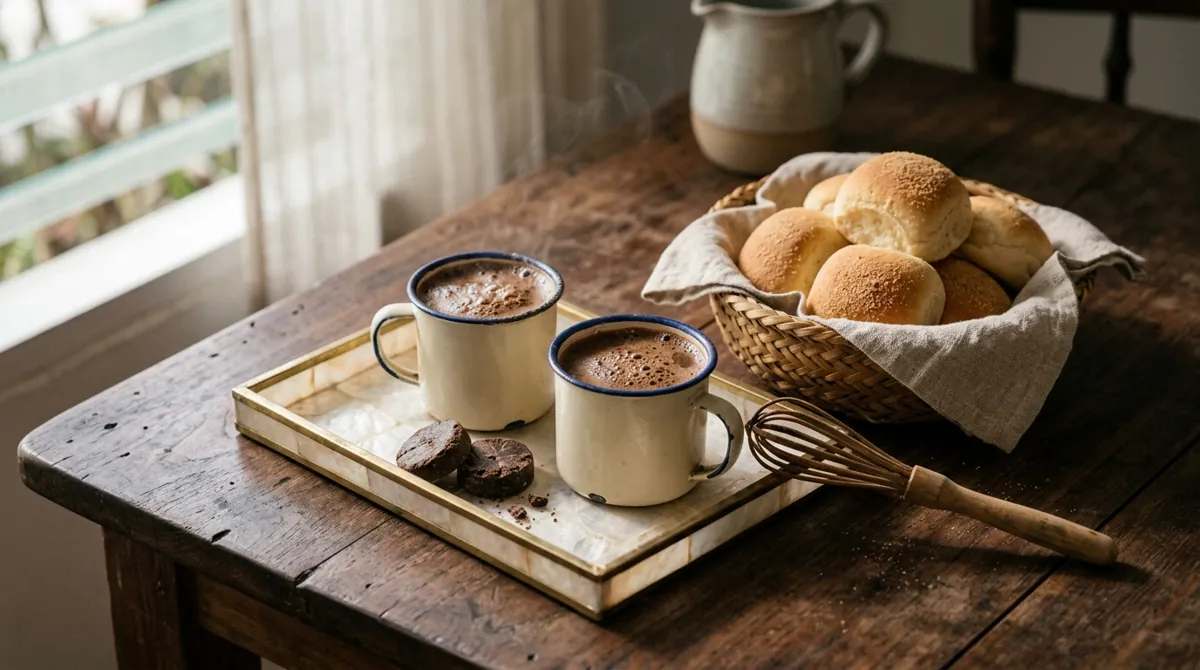
Filipino Tsokolate (Tablea Hot Chocolate)
Pure roasted cacao tablets (tablea) dissolved in boiling water, simmered slowly with milk, sweetened with muscovado sugar and frothed with a wooden batirol. Thick, grainy and deeply chocolatey.
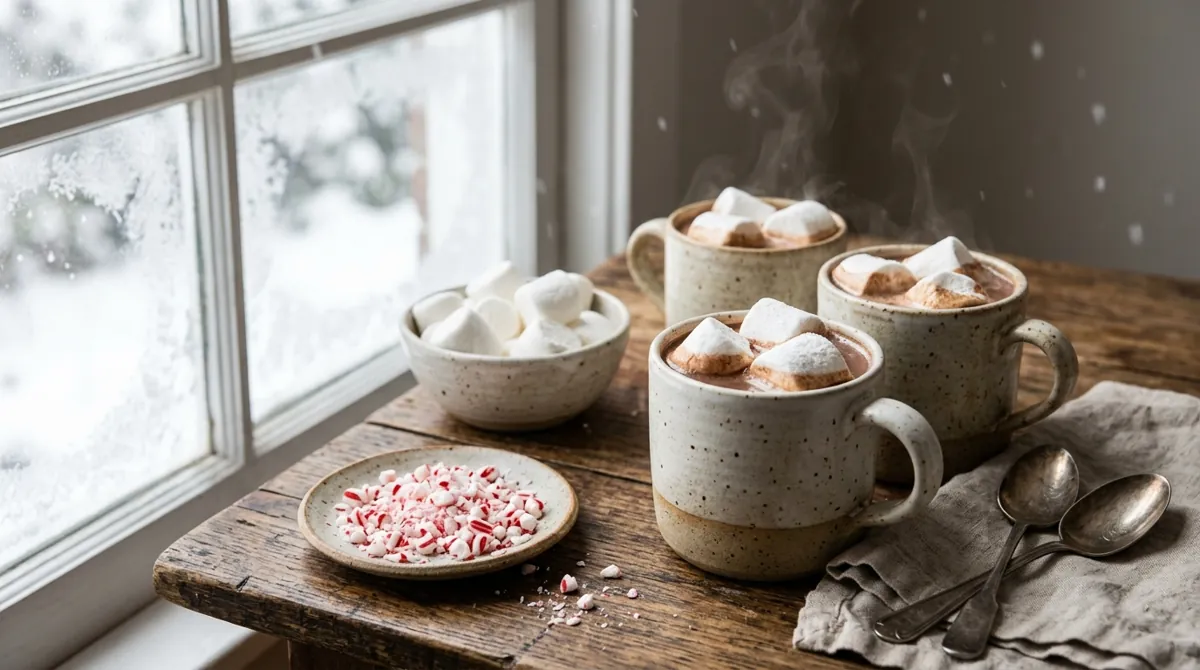
Classic American Hot Cocoa (the Recipe on the Can)
Cocoa powder, sugar and a pinch of salt boiled into a quick syrup, then stretched with a quart of hot milk and a little vanilla and whisked until foamy. Hershey's classic, made for six mugs and a bag of marshmallows.
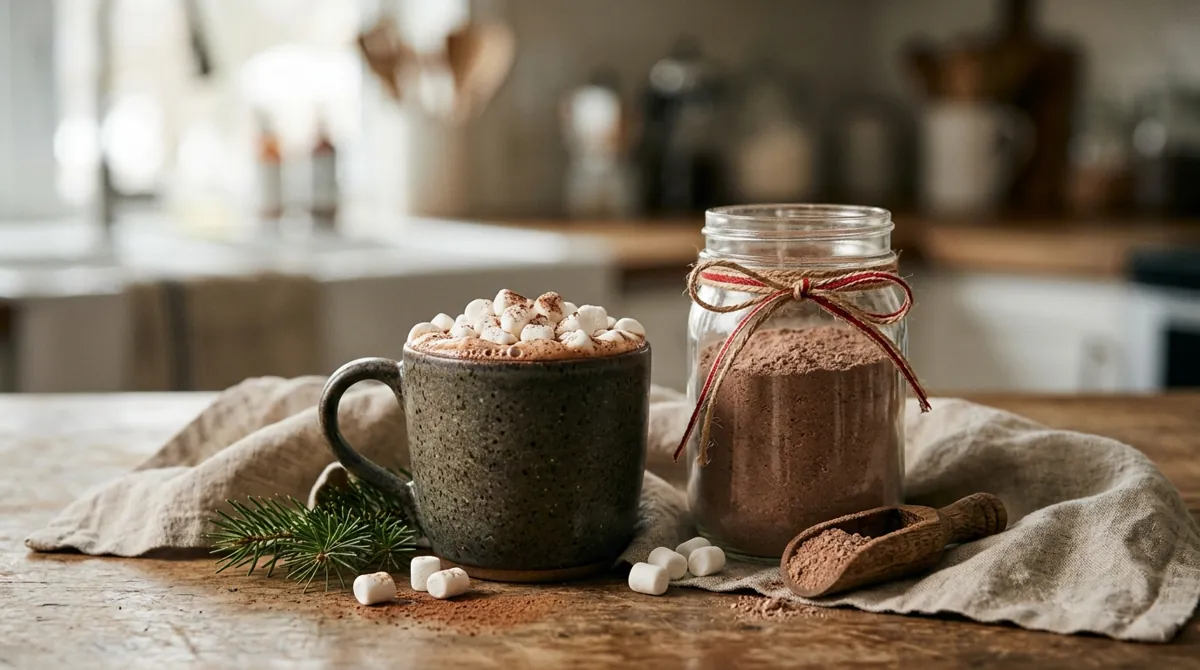
Homemade Hot Cocoa Mix
Nonfat dry milk, powdered sugar, Dutch-process cocoa and ground white chocolate, blitzed into a mix that keeps for months. One scoop in a mug of hot milk tastes like the packet you grew up with, only better.
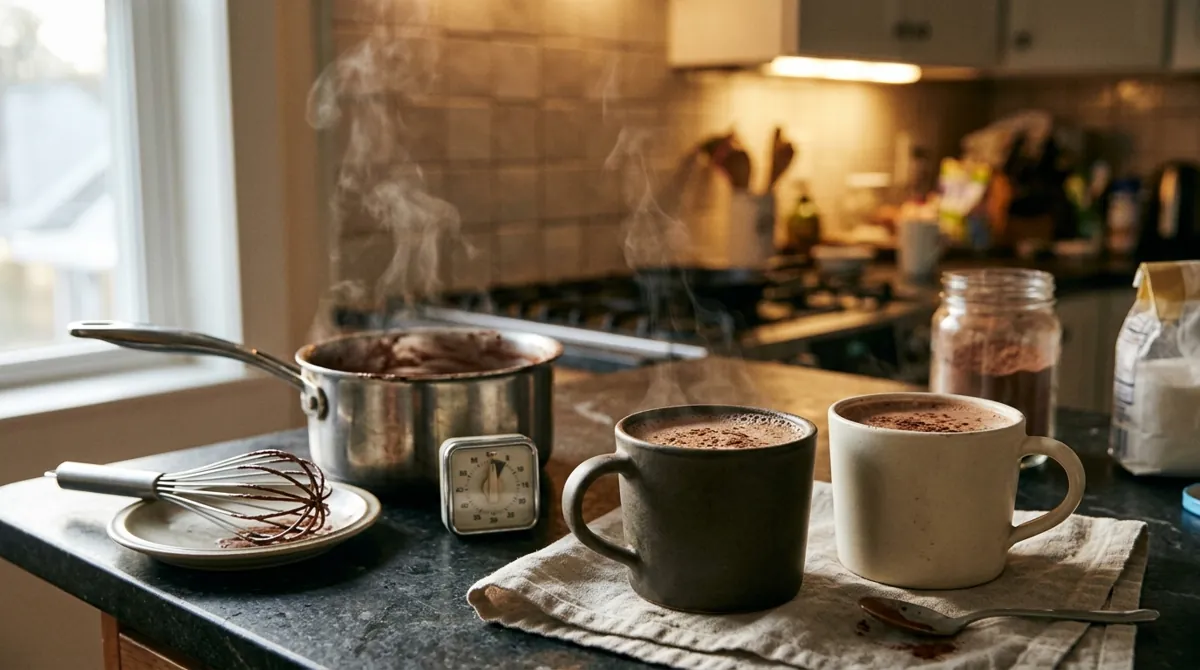
5-Minute Stovetop Cocoa for Two
Dutch-process cocoa and sugar whisked into a little water for one minute, then whole milk heated through on medium-high until steaming. Two real mugs of cocoa in the time it takes to find the packet.
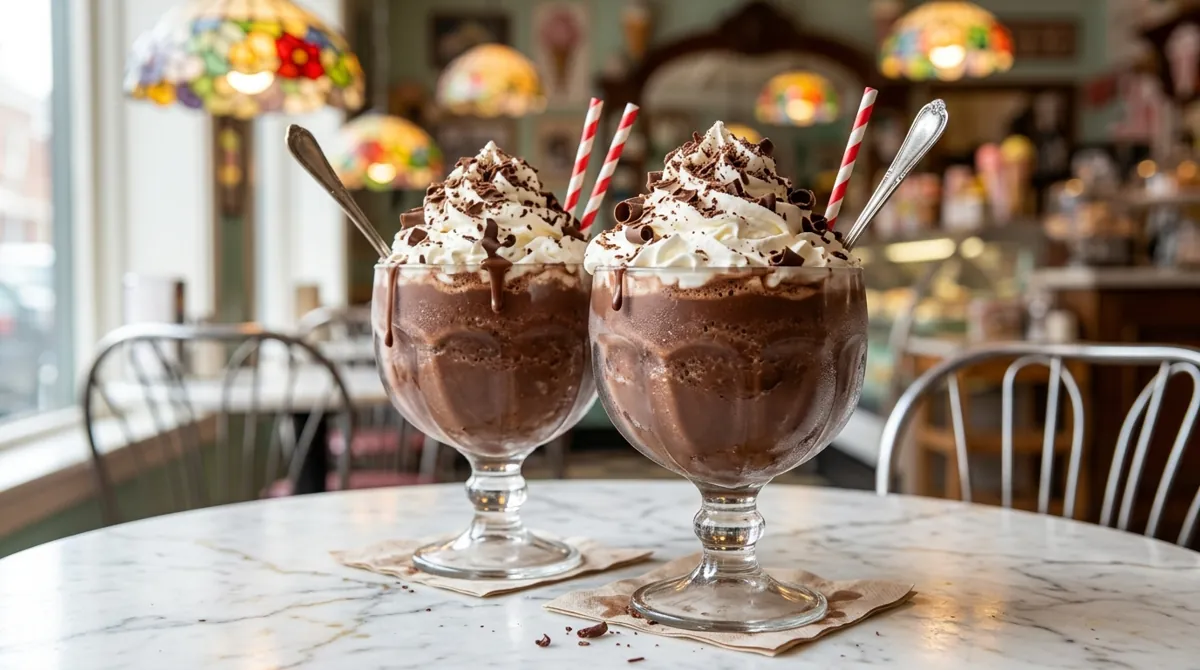
Frozen Hot Chocolate, Inspired by Serendipity 3
Melted chocolate stirred with hot cocoa mix, sugar and milk, cooled, then blended with ice until it is thick like a frozen daiquiri and piled into a goblet under whipped cream and chocolate shavings. Inspired by, not official.
Meatballs of the World

Italian-American Meatballs
Big, tender meatballs braised for an hour in red sauce over spaghetti. The one most Americans grew up with.

Pallottine (Abruzzo Meatballs)
Tiny meatballs, smaller than a marble, tossed right through square spaghetti alla chitarra. No bread at all.

Swedish Meatballs (Köttbullar)
Small, soft meatballs browned in butter, in a cream sauce made from the same pan, with lingonberry jam on the plate.

Danish Frikadeller
Pork meatballs shaped with a spoon and fried slowly in butter, crusty outside and soft in the middle.

Königsberger Klopse
German meatballs that are never fried: poached, then served in a creamy white sauce with capers.

Spanish Albóndigas in Almond Saffron Sauce
The tapas bar classic: small meatballs in a golden sauce thickened with fried almonds and bread.

Mexican Albóndigas with Chipotle and Mint
Soft meatballs with rice and fresh mint inside, simmered in a smoky tomato and chipotle broth.

Izgara Köfte (Turkish Grilled Meatballs)
Small, flat meatballs kneaded hard, rested cold, and charred on a hot grill pan.

Lion's Head Meatballs
Big, soft pork meatballs, stirred into a sticky paste, fried to set, then braised in a savory sauce.

Chicken Tsukune
Japan's chicken meatball: kneaded sticky, grilled on skewers, glazed with sweet soy tare, dipped in egg yolk.