
Filipino Tsokolate (Tablea Hot Chocolate)
Pure roasted cacao tablets (tablea) dissolved in boiling water, simmered slowly with milk, sweetened with muscovado sugar and frothed with a wooden batirol. Thick, grainy and deeply chocolatey.
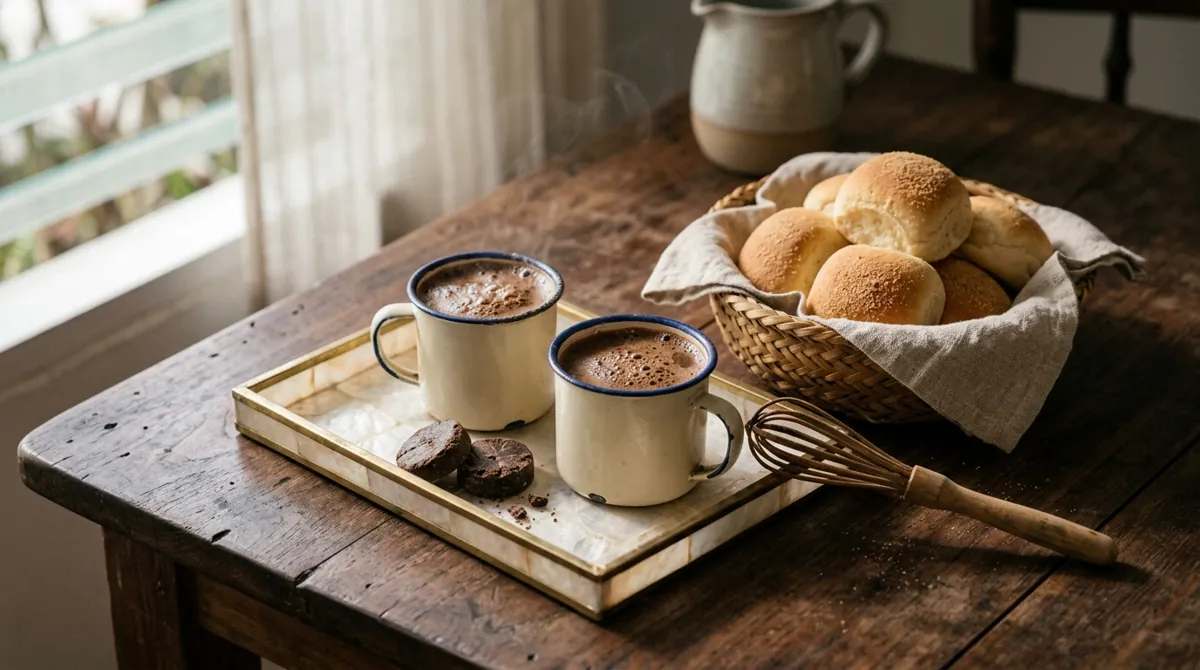
Cacao crossed the Pacific on Spain's Manila galleons. SBS Filipino (Australia's public broadcaster) says that, according to some historical accounts, cacao reached the Philippines from Acapulco in 1670, that the first trees were Criollo, and that Filipinos grew it in Laguna, Cebu and Bohol under Spanish rule and soon made their own hot chocolate from tablea, a Spanish word for tablets. Wikipedia describes tsokolate as a thick, grainy drink of tablea (roasted, ground cacao pressed into discs or balls) dissolved in water and milk, sweetened with muscovado and whisked with a wooden batirol or batidor, served at breakfast or merienda and especially at Christmas. In José Rizal's novel "Noli Me Tangere" (1887), a character claims a priest signals his servant with "eh" for thick chocolate (espeso) for important guests and "ah" for watered-down chocolate (aguado) for everyone else, and some cafés still use the names "chocolate eh" and "chocolate ah".
📖 Where is it from?: Why Do Colombians Put Cheese in Hot Chocolate? →
Why it works the kitchen science
Water first
Tablea is pure ground cacao with all its cocoa butter; boiling water melts the fat and loosens the solids before the milk goes in, so the milk does not need to boil.
The long, slow simmer
30 minutes lets the coarse cacao particles soften and swell, which thickens the drink and makes it smoother, though it always keeps a little grain.
Step by step
- Step 1
Bring the water to a boil in a small, heavy saucepan over high heat, about 2 minutes.
- Step 2
Turn the heat to medium-low, drop in the tablea and mash it with a batirol or wooden spoon as it softens, 3 to 4 minutes, until it is a loose dark paste in the water.
- Step 3
Pour in the milk and bring it back to a gentle simmer, just a few lazy bubbles (about 190°F to 200°F).
- Step 4
Simmer at least 30 minutes, uncovered, stirring every 5 minutes and scraping the bottom so bits of tablea do not stick and scorch. It slowly turns thick and smooth.
- Step 5
Stir in the sugar and the salt, if using, and taste. Add more sugar or another tablet if you want it sweeter or thicker.
- Step 6
Froth it: stand the batirol in the pot and roll it fast between your palms for 1 minute, or whisk hard, until foamy.
- Step 7
Pour into cups and serve warm.
Filipino Tsokolate (Tablea Hot Chocolate)
Serves 2 (about 1 cup each) · about 2 cups · 45 min total
- 1 cup water
- 1 oz (30 g) unsweetened tablea (2 large or 3 small tablets), plus more for a thicker cup
- 1 cup whole milk
- 1 tbsp muscovado or dark brown sugar, or to taste
- Pinch of salt (optional)
Method
- Bring the water to a boil in a small, heavy saucepan over high heat, about 2 minutes.
- Turn the heat to medium-low, drop in the tablea and mash it with a batirol or wooden spoon as it softens, 3 to 4 minutes, until it is a loose dark paste in the water.
- Pour in the milk and bring it back to a gentle simmer, just a few lazy bubbles (about 190°F to 200°F).
- Simmer at least 30 minutes, uncovered, stirring every 5 minutes and scraping the bottom so bits of tablea do not stick and scorch. It slowly turns thick and smooth.
- Stir in the sugar and the salt, if using, and taste. Add more sugar or another tablet if you want it sweeter or thicker.
- Froth it: stand the batirol in the pot and roll it fast between your palms for 1 minute, or whisk hard, until foamy.
- Pour into cups and serve warm.
Adapted from SBS Filipino, "Pinoy favourites: Tsokolate" by Claudette Centeno-Calixto (July 27, 2018, updated December 5, 2018). SBS gives no serving count; its 1 cup water and 1 cup milk make about 2 cups, so we call it 2. SBS calls for "2 blocks" of tablea; blocks vary by brand (store listings seen through search results imply roughly 12 to 18 g each), so we give 1 oz (30 g). Pepper.ph's guide (Jica Simpas) suggests 2 to 3 tablets per cup for thickness. Muscovado follows Wikipedia; SBS just says sugar. Temperatures are ours; SBS says light to medium heat and a gentle simmer of at least 30 minutes. sbs.com.au. Ingredient list follows the source; the method is in our own words.
All sources (3)
Tips
- Pepper.ph says 2 to 3 tablets per cup of liquid, depending on how thick you want it, and that evaporated milk, low-fat milk or oat milk all work.
- Some tablea is already sweetened; taste before adding sugar.
- Serve with pandesal or ensaymada for dunking. Leftover tablea makes champorado, chocolate rice porridge.
The rules people argue about
What the sources agree on, what they don't, and what is just a good story.
- Cacao arrived in the Philippines in 1670. Disputed: SBS attributes 1670 to "some historical accounts" and a Vera Files article repeats it; a Calbayog writer, seen through search results, argues friars may have brought it by the end of the 16th century.
- "Chocolate eh" and "chocolate ah" come from Rizal. Documented as an anecdote in "Noli Me Tangere" (1887) per Wikipedia, which notes the narrator himself doubts the story; other origins suggested online were not verified.
- Never use cocoa powder. Folklore: Wikipedia says substituting cocoa powder is "strongly frowned upon"; it is a strong preference, not a rule.
Every other hot chocolate
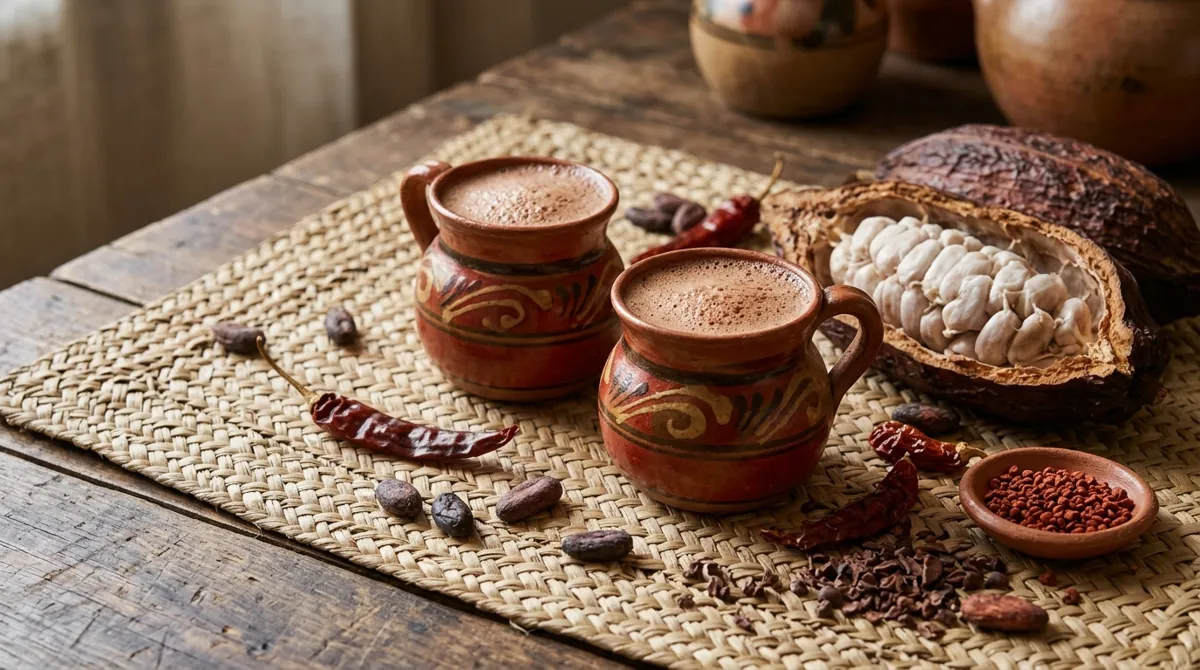
Mesoamerican-Style Cacao Drink with Chile and Annatto
Unsweetened chocolate melted into hot water with red annatto, ground chile, vanilla and a little honey, then poured from cup to cup until it wears a tall head of foam. A modern home version of the drink the Maya and Aztecs prized, not a reconstruction.
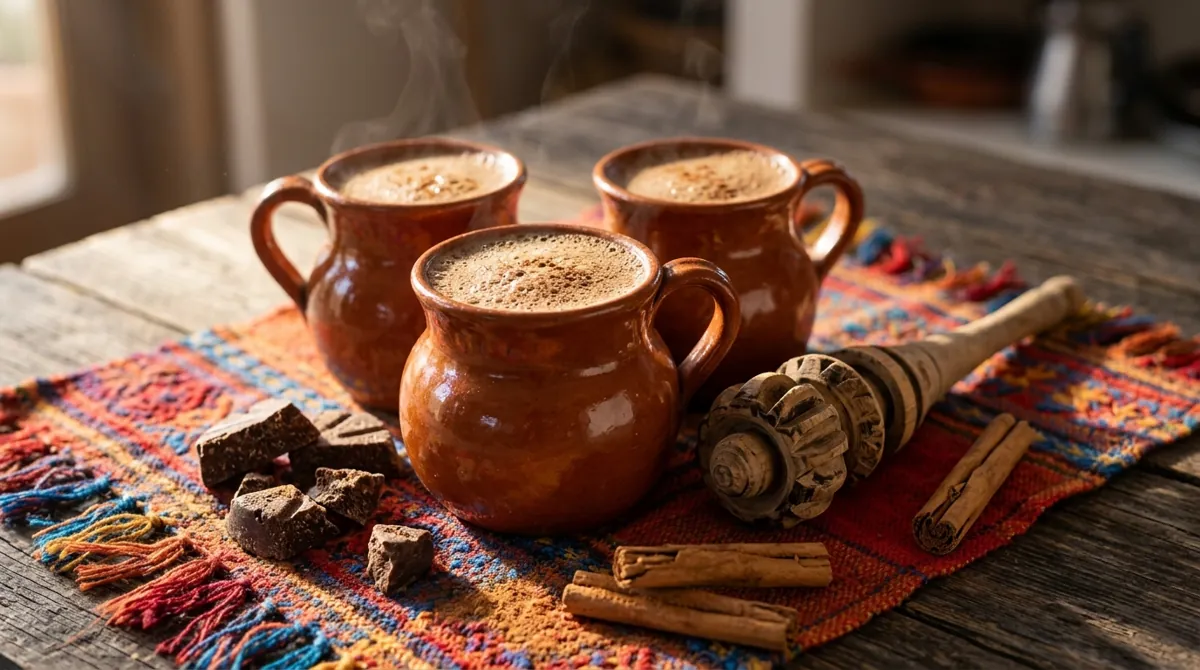
Mexican Hot Chocolate (Chocolate Mexicano)
Mexican tablet chocolate, already sweetened and spiced with cinnamon, melted into hot milk and beaten with a wooden molinillo until it foams.
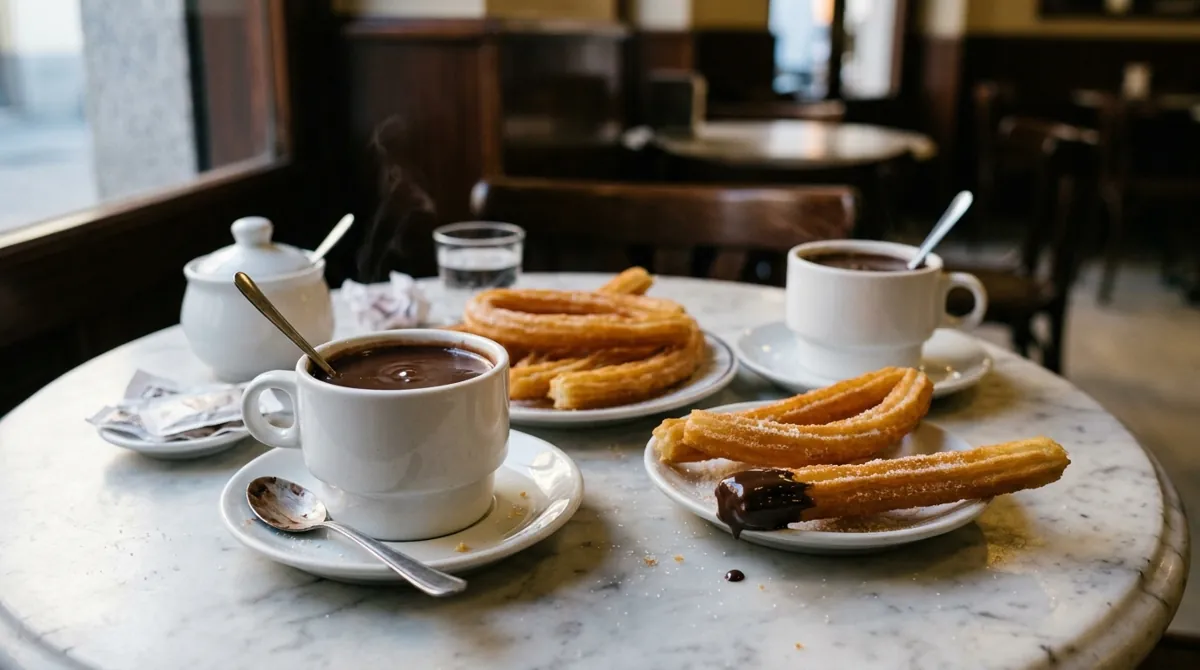
Spanish Chocolate a la Taza (for Churros)
Dark chocolate melted into nearly boiling milk with a little cocoa, sugar and cornstarch, then stirred over low heat until it is thick enough to coat a churro. The Madrid way to start the day or end the night.
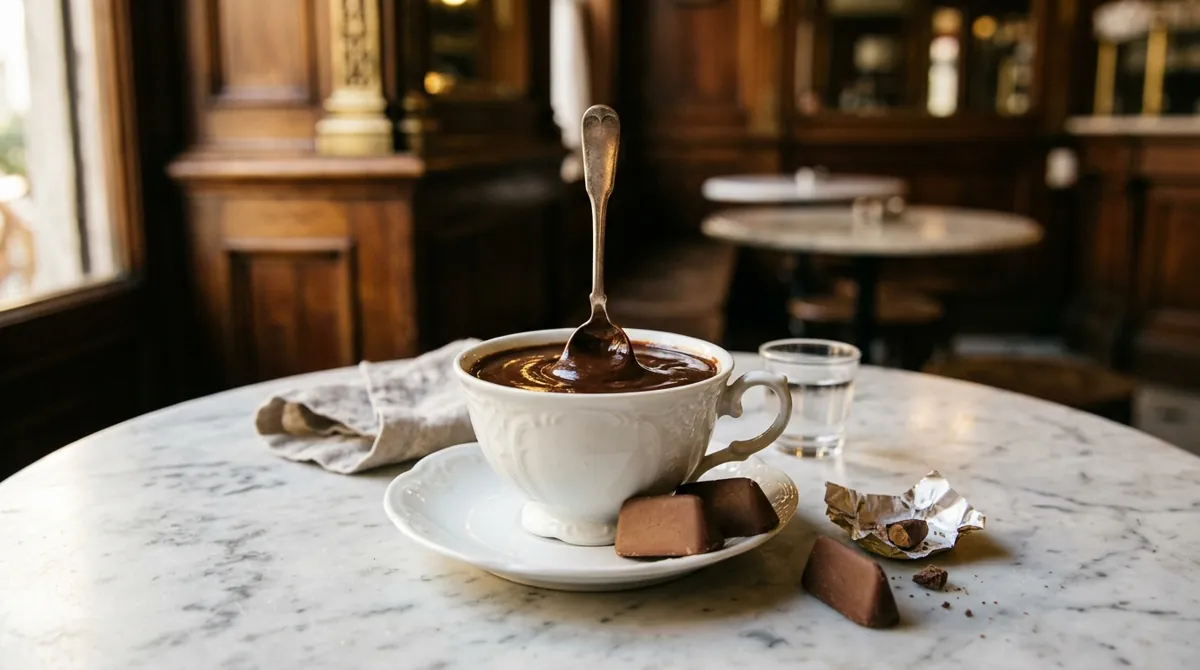
Italian Cioccolata Calda Densa
Milk whisked with cocoa and plenty of cornstarch, brought just to a simmer, then finished with melted dark chocolate until it is as thick as a loose pudding. You eat the last of it with a spoon.
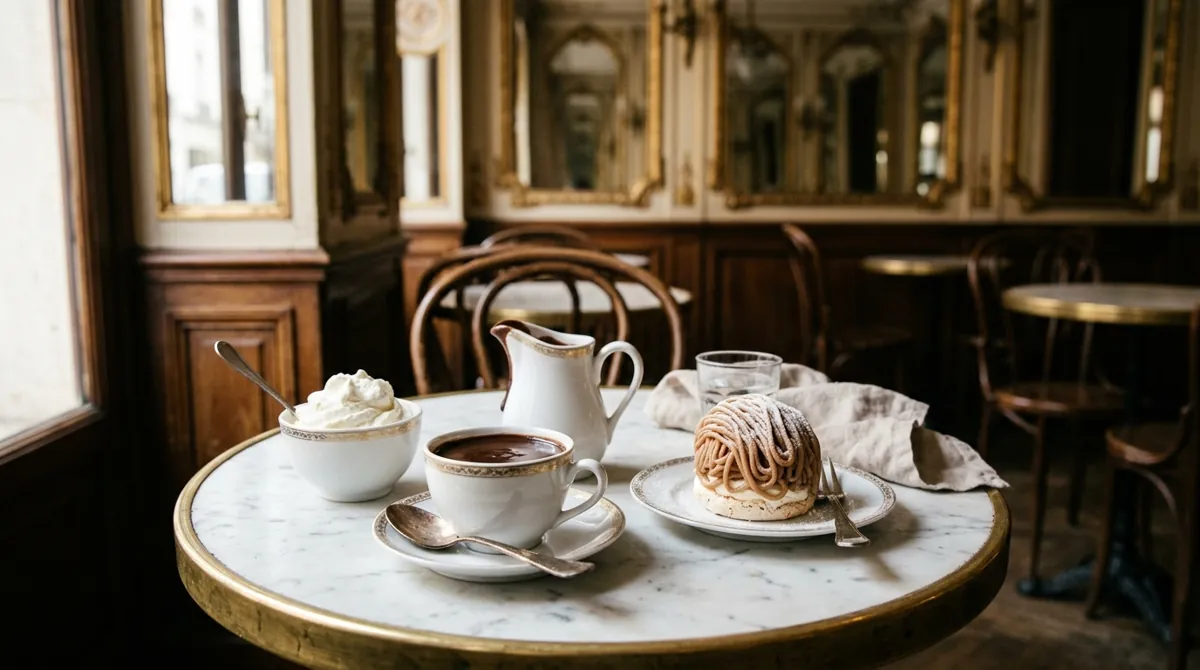
Parisian Chocolat Chaud
Whole milk and very good bittersweet chocolate, nothing else but an optional spoon of brown sugar, simmered until thick and served in tiny cups the Paris café way. Inspired by the famous thick chocolate at Angelina; not Angelina's recipe.
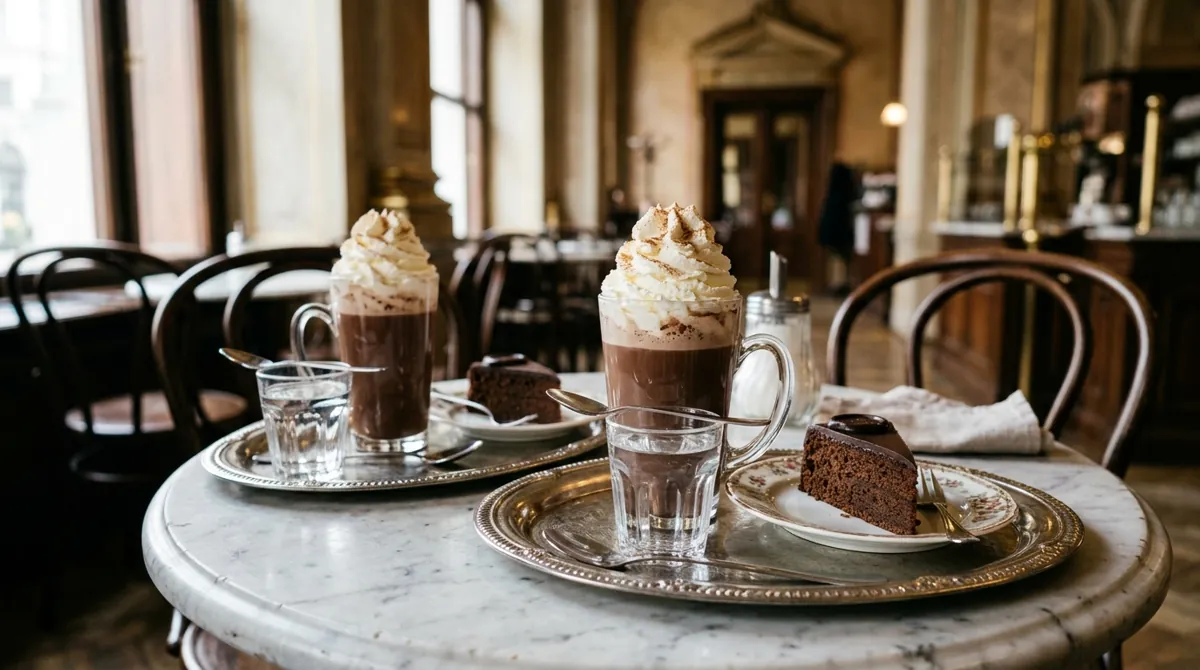
Viennese-Style Hot Chocolate with Whipped Cream (Heiße Schokolade Wiener Art)
Dark chocolate melted into hot milk with a little honey and cinnamon, poured into cups and capped with a big spoon of stiffly whipped cream, the way Austrian and German cafés serve it.
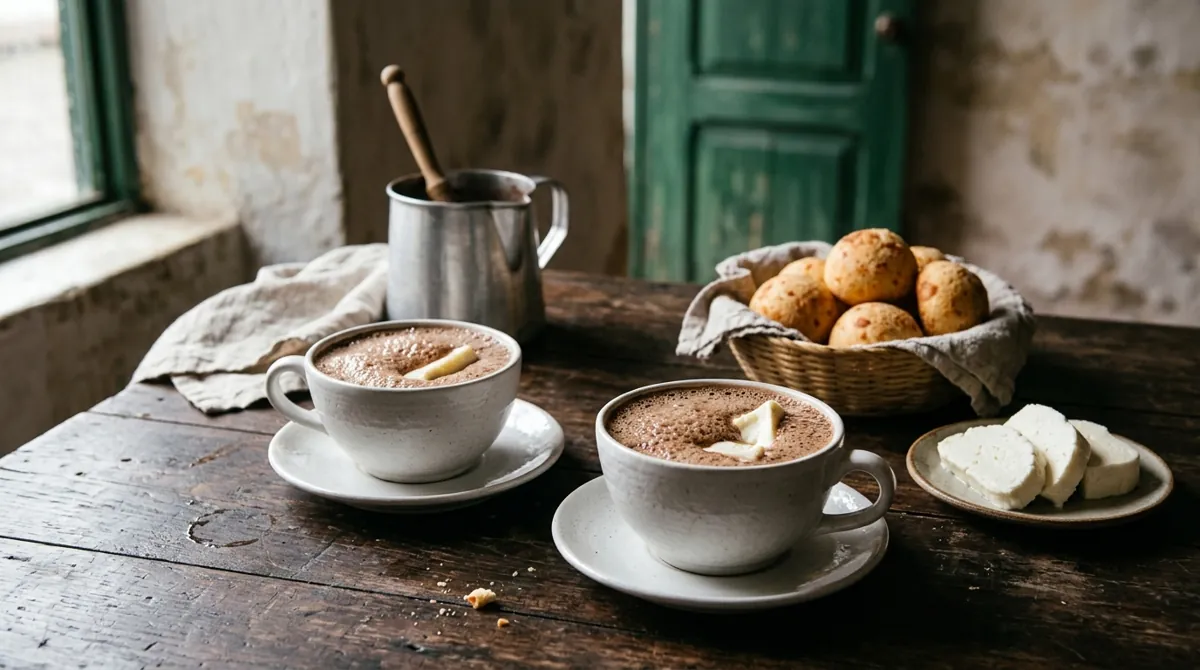
Colombian Chocolate Santafereño (Hot Chocolate with Cheese)
Cinnamon-scented hot chocolate frothed with a molinillo and poured over cubes of soft fresh cheese, which melt in the cup and are fished out with a spoon. Bogotá's breakfast and afternoon "onces".
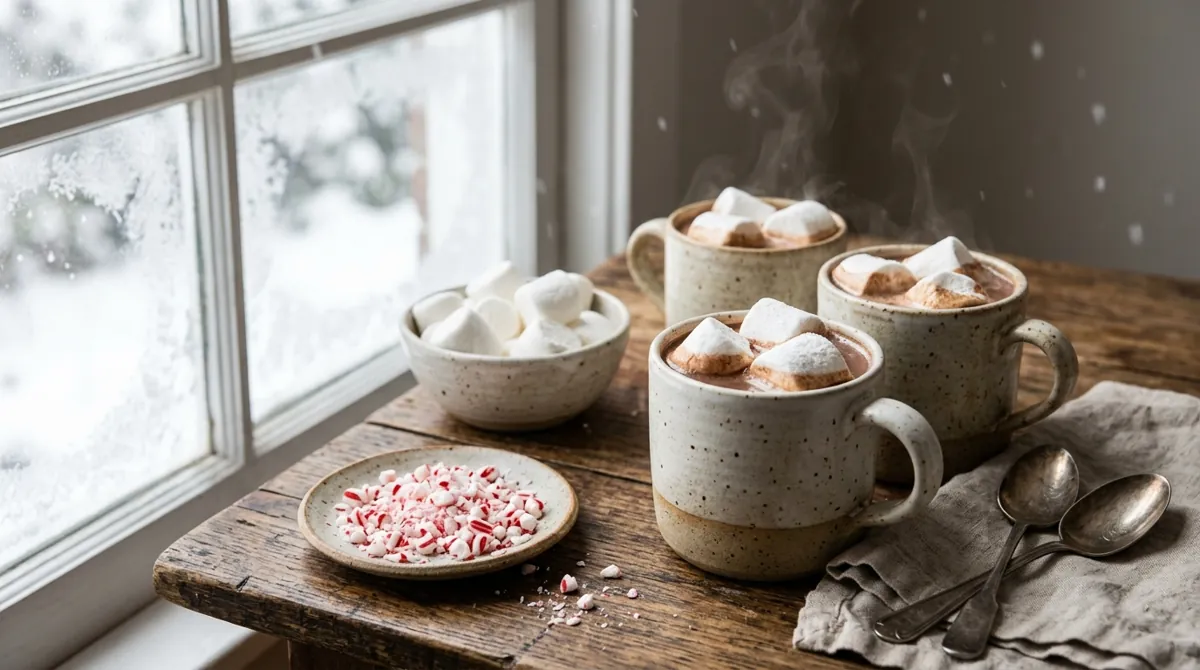
Classic American Hot Cocoa (the Recipe on the Can)
Cocoa powder, sugar and a pinch of salt boiled into a quick syrup, then stretched with a quart of hot milk and a little vanilla and whisked until foamy. Hershey's classic, made for six mugs and a bag of marshmallows.
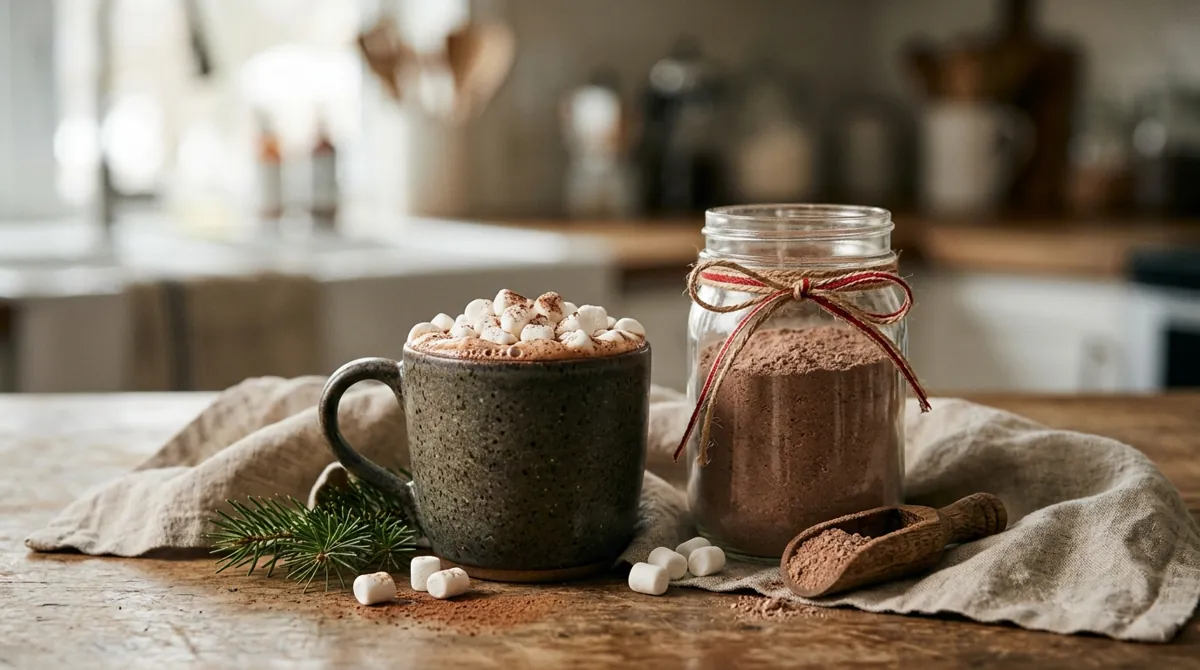
Homemade Hot Cocoa Mix
Nonfat dry milk, powdered sugar, Dutch-process cocoa and ground white chocolate, blitzed into a mix that keeps for months. One scoop in a mug of hot milk tastes like the packet you grew up with, only better.
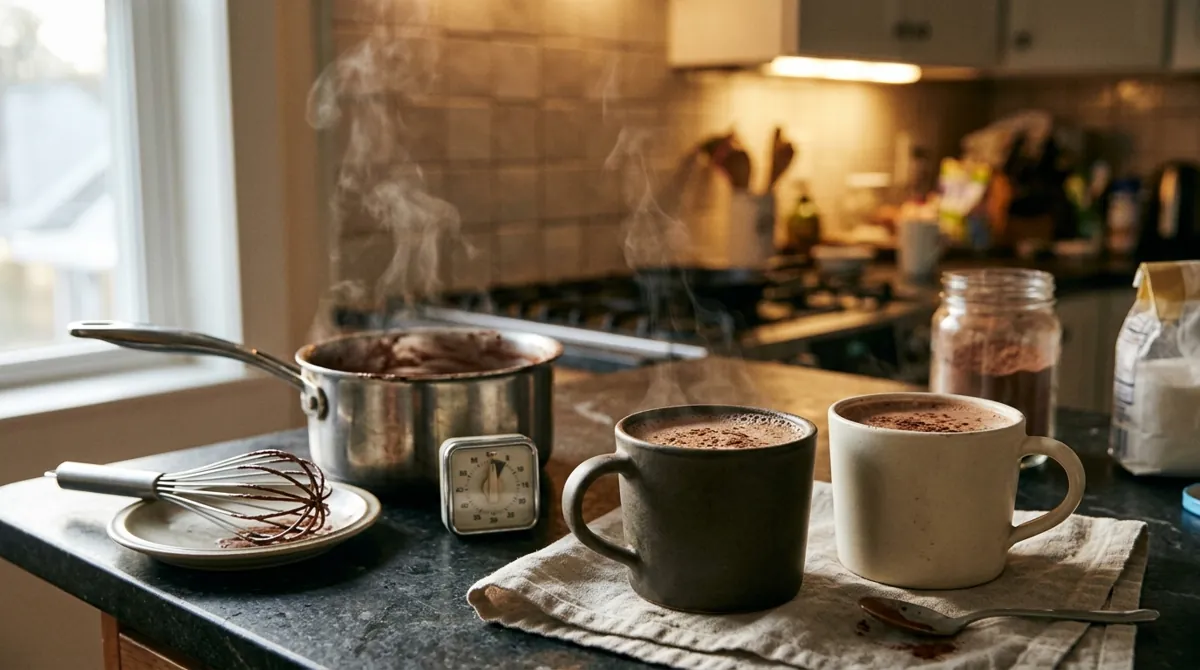
5-Minute Stovetop Cocoa for Two
Dutch-process cocoa and sugar whisked into a little water for one minute, then whole milk heated through on medium-high until steaming. Two real mugs of cocoa in the time it takes to find the packet.
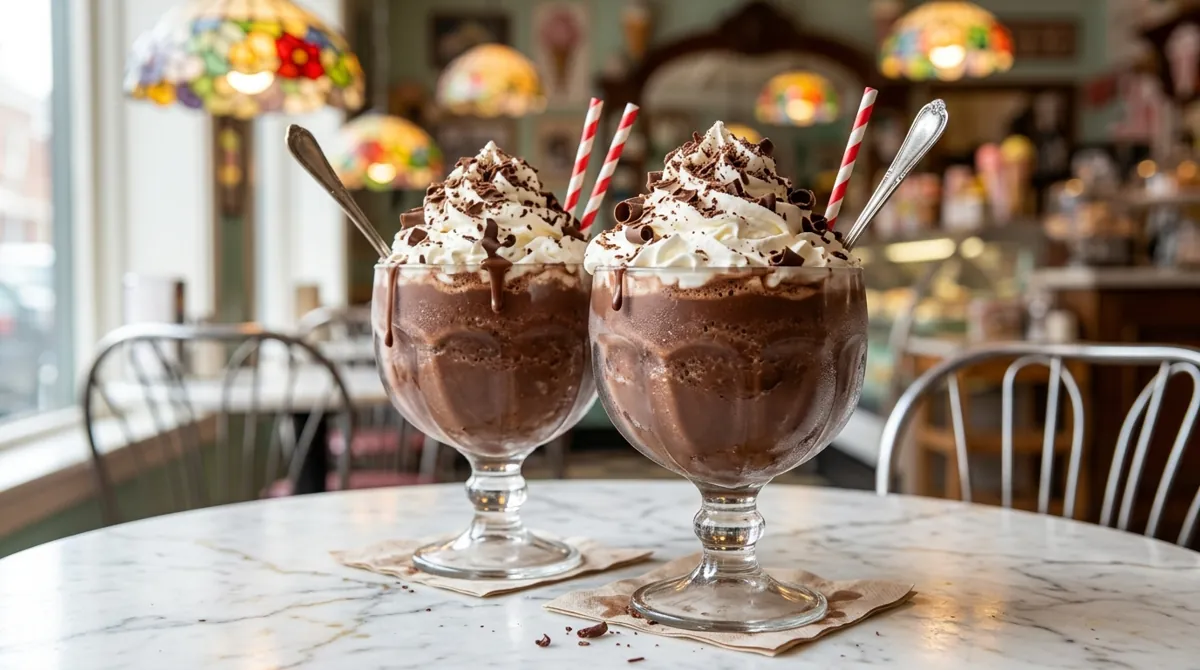
Frozen Hot Chocolate, Inspired by Serendipity 3
Melted chocolate stirred with hot cocoa mix, sugar and milk, cooled, then blended with ice until it is thick like a frozen daiquiri and piled into a goblet under whipped cream and chocolate shavings. Inspired by, not official.
Meatballs of the World

Italian-American Meatballs
Big, tender meatballs braised for an hour in red sauce over spaghetti. The one most Americans grew up with.

Pallottine (Abruzzo Meatballs)
Tiny meatballs, smaller than a marble, tossed right through square spaghetti alla chitarra. No bread at all.

Swedish Meatballs (Köttbullar)
Small, soft meatballs browned in butter, in a cream sauce made from the same pan, with lingonberry jam on the plate.

Danish Frikadeller
Pork meatballs shaped with a spoon and fried slowly in butter, crusty outside and soft in the middle.

Königsberger Klopse
German meatballs that are never fried: poached, then served in a creamy white sauce with capers.

Spanish Albóndigas in Almond Saffron Sauce
The tapas bar classic: small meatballs in a golden sauce thickened with fried almonds and bread.

Mexican Albóndigas with Chipotle and Mint
Soft meatballs with rice and fresh mint inside, simmered in a smoky tomato and chipotle broth.

Izgara Köfte (Turkish Grilled Meatballs)
Small, flat meatballs kneaded hard, rested cold, and charred on a hot grill pan.

Lion's Head Meatballs
Big, soft pork meatballs, stirred into a sticky paste, fried to set, then braised in a savory sauce.

Chicken Tsukune
Japan's chicken meatball: kneaded sticky, grilled on skewers, glazed with sweet soy tare, dipped in egg yolk.