
Oatmeal Meat Loaf (The Stretch-the-Meat Classic)
A seven-ingredient loaf that stretches a pound and a half of lean beef with rolled oats and tomato juice, pressed into a loaf pan and baked an hour: the thrifty American meatloaf at its simplest.
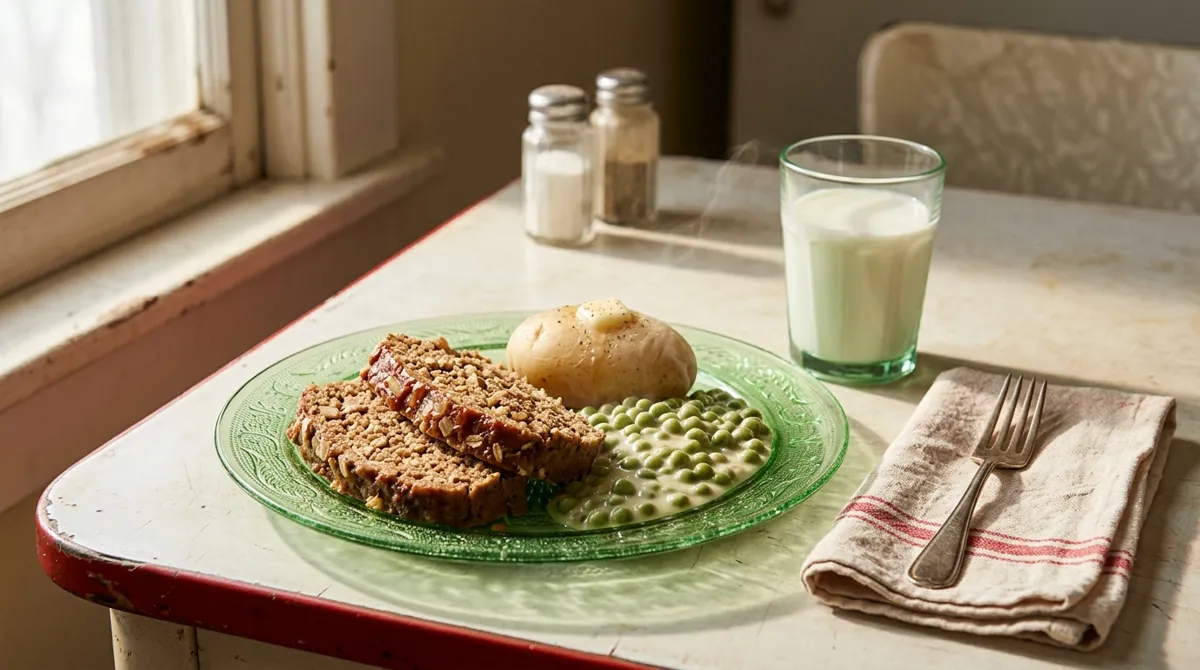
Stretching meat is the oldest American meatloaf idea. In 1918, "Foods That Will Win the War and How to Cook Them" told home cooks cutting back on meat to serve dishes "that extend the meat flavor", naming meat loaf among the dishes in which meat is combined with bread crumbs, potato or rice (Project Gutenberg:). English Wikipedia says that in the Great Depression families added cereal grains, bread or saltine crackers to stretch inexpensive meat.
The cereal that won was oats. Quaker's "Prize-Winning Meatloaf" is still on its website: lean beef, tomato juice, oats, egg, onion, salt and pepper. The Daily Meal reported in 2013 that the recipe was developed in the Quaker kitchens in the '50s and remains one of the company's most requested, so this exact loaf is postwar, while the idea behind it goes back at least to 1918.
Why it works the kitchen science
Oats as a sponge
Raw rolled oats soak up the tomato juice and the meat juices as the loaf bakes, so even lean beef stays moist, and they stretch the meat without tasting of cereal.
A loaf pan
The pan holds a soft, wet mixture in shape and keeps the sides from drying out; draining the juices at the end keeps the slices from going soggy.
Step by step
- Step 1
Heat the oven to 350°F with a rack in the middle.
- Step 2
Put the beef, tomato juice, oats, egg, onion, salt and pepper in a large bowl.
- Step 3
Mix lightly but thoroughly with your hands or a fork, just until the oats and onion are evenly spread through the meat, about 1 minute.
- Step 4
Press the mixture evenly into an 8-by-4-inch loaf pan, smoothing the top.
- Step 5
Bake about 1 hour, until the center reads 160°F and the juices show no pink.
- Step 6
Let it stand 5 minutes, carefully pour off the juices in the pan, then turn out or slice in the pan and serve.
Oatmeal Meat Loaf (The Stretch-the-Meat Classic)
Serves 8 · 1 loaf, 8 by 4 inches (8 slices) · 1 hr 15 min total
Loaf
- 1 1/2 lb lean ground beef (90% lean)
- 1 cup tomato juice (or tomato sauce)
- 3/4 cup rolled oats, quick or old-fashioned, uncooked
- 1 large egg (or 2 egg whites), lightly beaten
- 1/4 cup chopped onion
- 1/2 tsp salt (optional)
- 1/4 tsp black pepper
Method
- Heat the oven to 350°F with a rack in the middle.
- Put the beef, tomato juice, oats, egg, onion, salt and pepper in a large bowl.
- Mix lightly but thoroughly with your hands or a fork, just until the oats and onion are evenly spread through the meat, about 1 minute.
- Press the mixture evenly into an 8-by-4-inch loaf pan, smoothing the top.
- Bake about 1 hour, until the center reads 160°F and the juices show no pink.
- Let it stand 5 minutes, carefully pour off the juices in the pan, then turn out or slice in the pan and serve.
Adapted from Quaker Oats, "Prize-Winning Meatloaf" (no date shown), as written for 8. Quaker gives 350°F, an 8-by-4-inch pan, 1 hour to 160°F, a 5-minute stand and draining the juices. Quaker says "lean ground beef"; 90% lean is our choice. The add-in ideas in Tips are Quaker's. quakeroats.com. Ingredient list follows the source; the method is in our own words.
All sources (4)
Tips
- Quaker's add-ins (pick one): 1/2 cup corn, 1/2 cup chopped bell pepper, a small jar of sliced mushrooms, 1/3 cup Parmesan or 2 tbsp chopped parsley or cilantro.
- Quaker's cheese finish: sprinkle 1 cup shredded cheese over the baked loaf and return it to the oven 3 minutes.
- Spoon warm spaghetti sauce, pizza sauce, barbecue sauce or salsa over the slices (Quaker).
The rules people argue about
What the sources agree on, what they don't, and what is just a good story.
- Oatmeal meatloaf is a Depression recipe. Disputed: Wikipedia says Depression cooks stretched meat with cereal; Quaker's own recipe was developed in the 1950s, per The Daily Meal.
- Quaker once dropped the recipe from the box and brought it back after complaints. Folklore: a reader's memory in a 2003 Tampa Bay Times column, seen only in search results.
- Fillers mean cheap meatloaf. Documented as the original purpose: the 1918 war cookbook and Wikipedia both describe fillers as a way to extend meat.
- Drain the fat. Documented in Quaker's recipe (drain off the juices before slicing).
Every other meatloaf
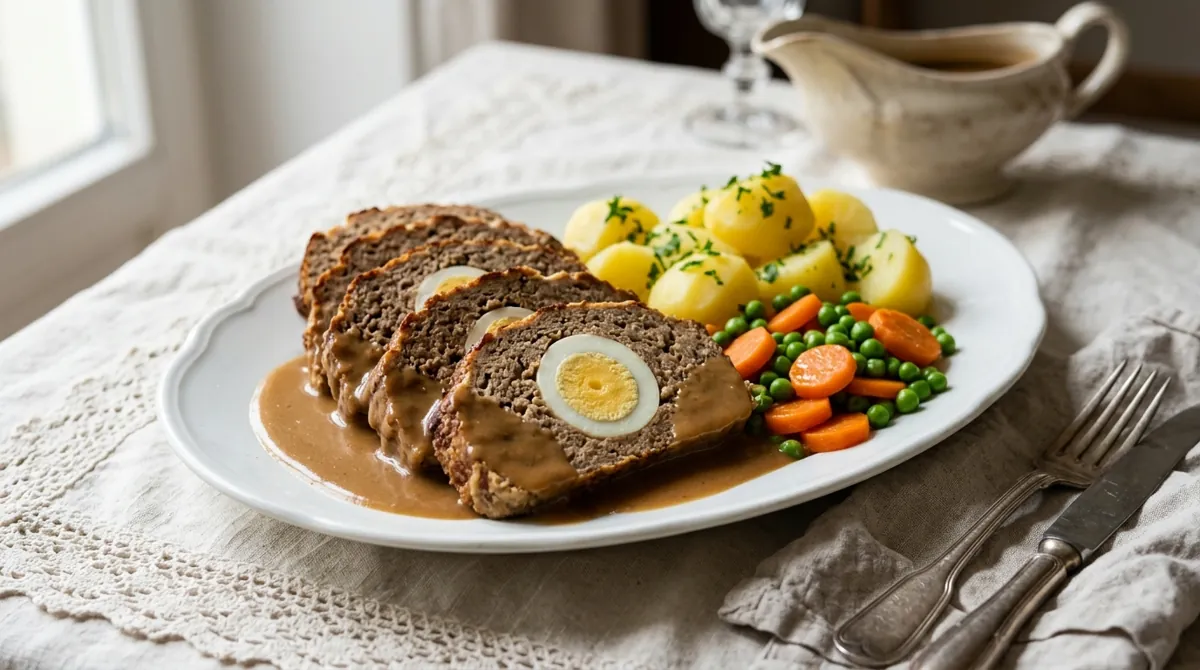
Falscher Hase (German Mock Hare Meatloaf with Eggs)
Germany's "mock hare": a beef and pork loaf bound with soaked rolls, wrapped around three whole hard-boiled eggs, topped with bacon and served with a sour cream pan gravy.
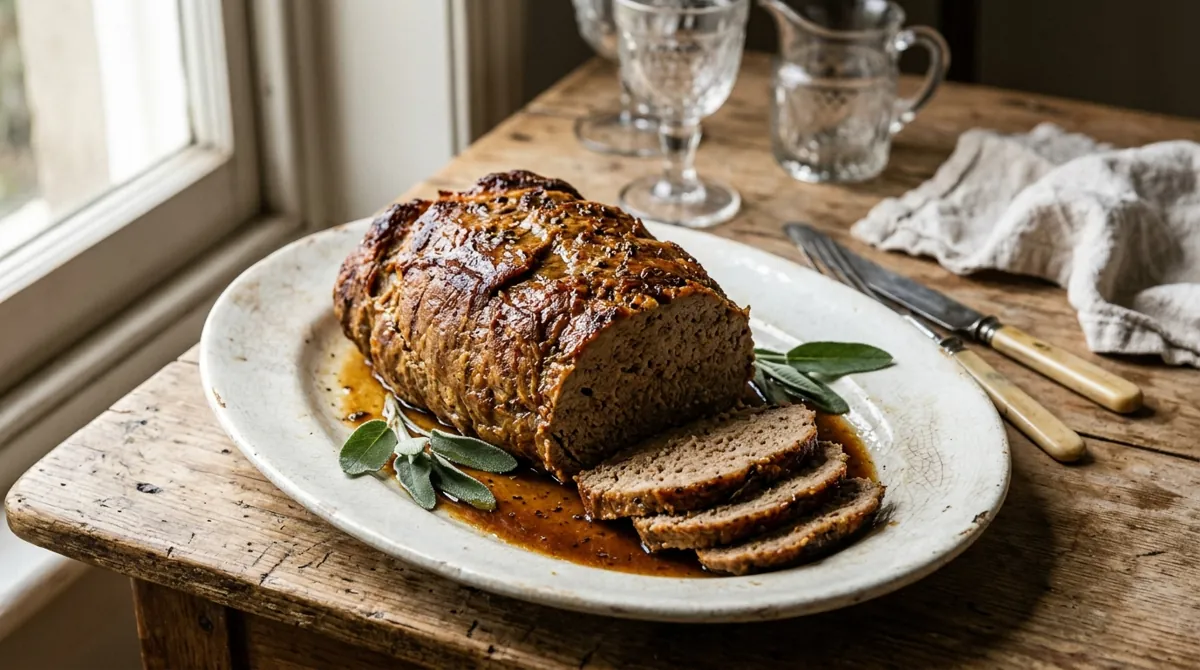
1887 Veal Loaf (The White House Cook Book)
One of the oldest American meat loaves in print: ground veal mixed with eggs, cream, crushed crackers, pepper and sage, shaped by hand and basted with butter as it bakes. No ketchup in sight.
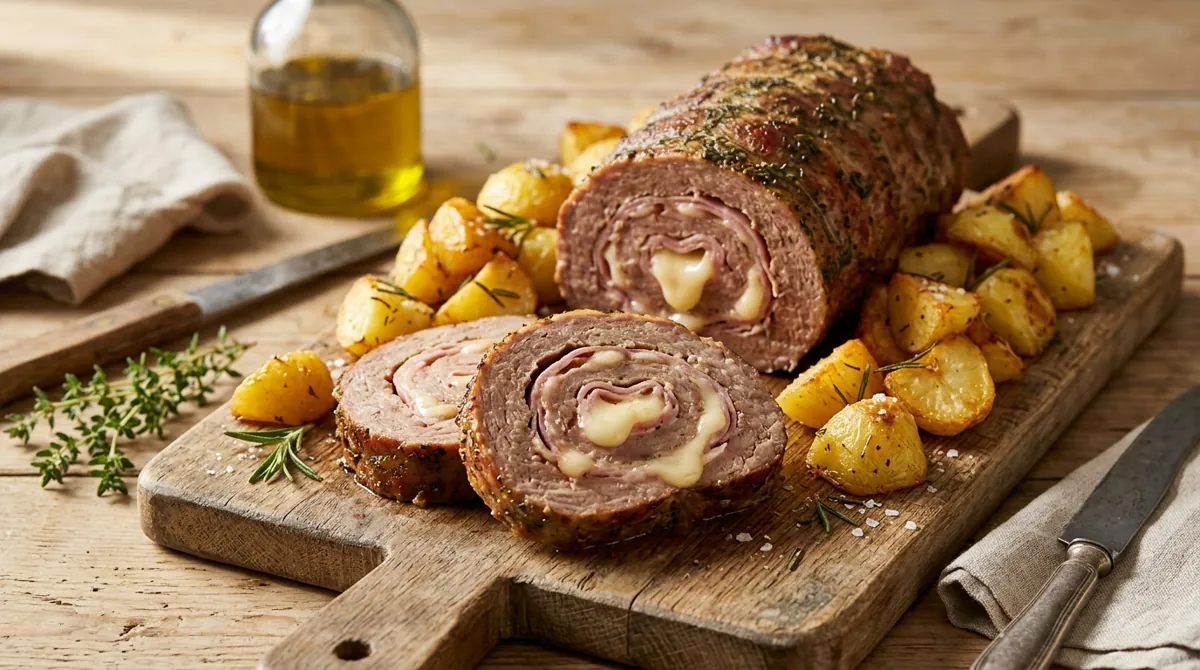
Polpettone Ripieno (Italian Meatloaf with Ham and Provolone)
An Italian beef and pork loaf made with Grana Padano and no bread at all, rolled around sliced ham and provolone, wrapped in parchment and roasted on a bed of rosemary potatoes.
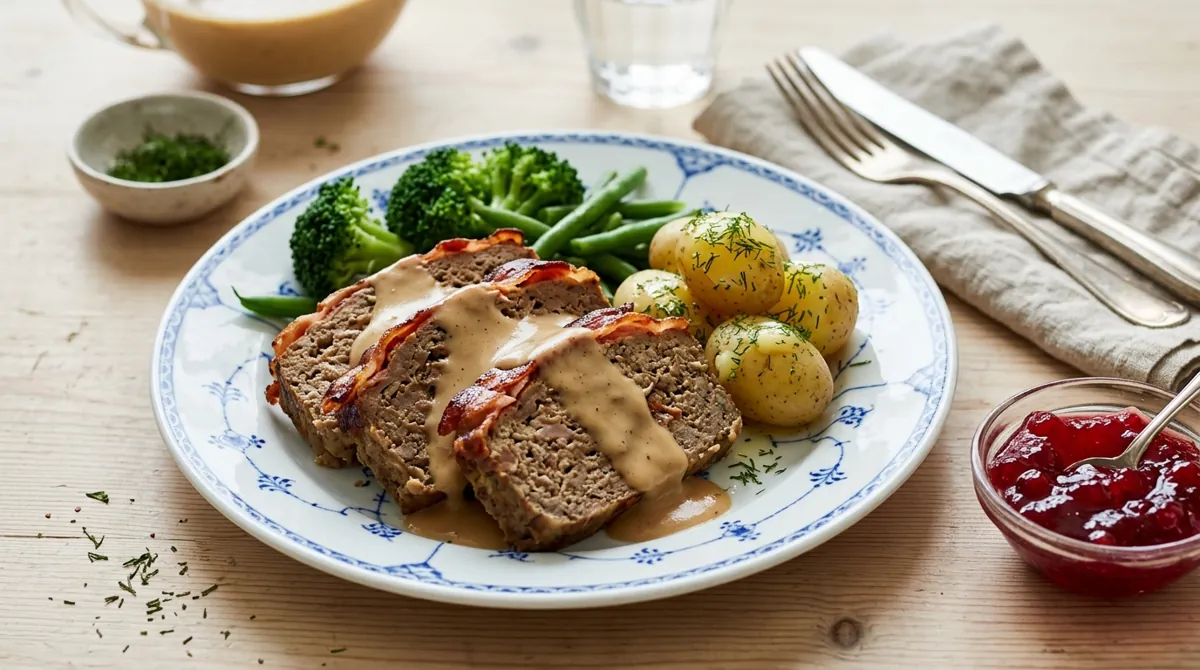
Forloren Hare (Danish Mock Hare)
Denmark's mock hare: a pork and veal loaf bound with oats, covered in bacon, baked in milk, and served with a creamy sauce made from that milk and a spoonful of redcurrant jelly.
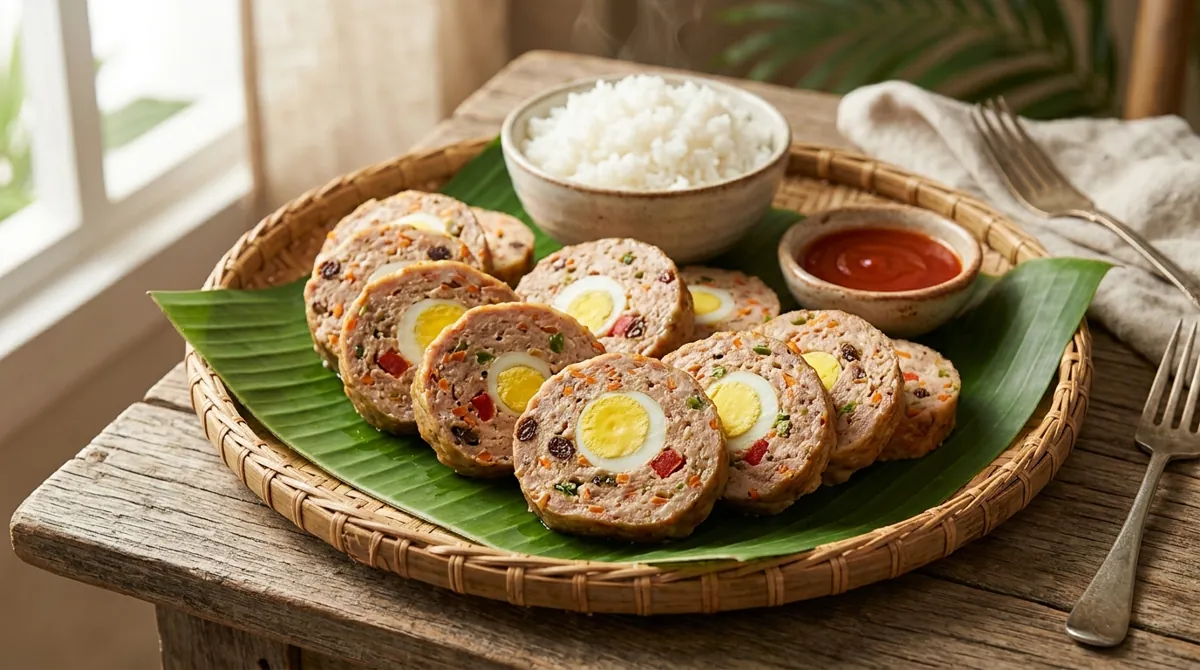
Embutido (Filipino Steamed Meatloaf)
Two foil-wrapped logs of beef, pork, ham, carrots and golden raisins, each built around a row of hard-boiled eggs and pimientos, steamed instead of baked and sliced into colorful rounds.
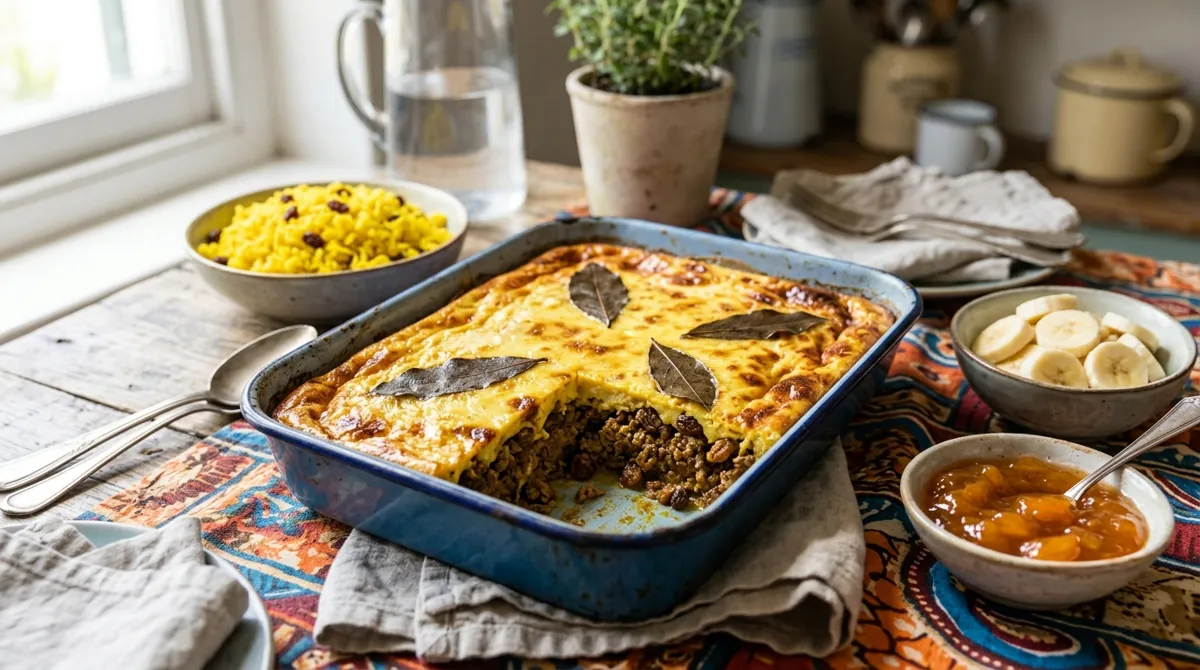
Bobotie (South African Curried Mince with Egg Custard)
Gently curried ground beef sweetened with apricot chutney and raisins, bound with milk-soaked bread and baked under a golden egg custard with bay leaves on top.
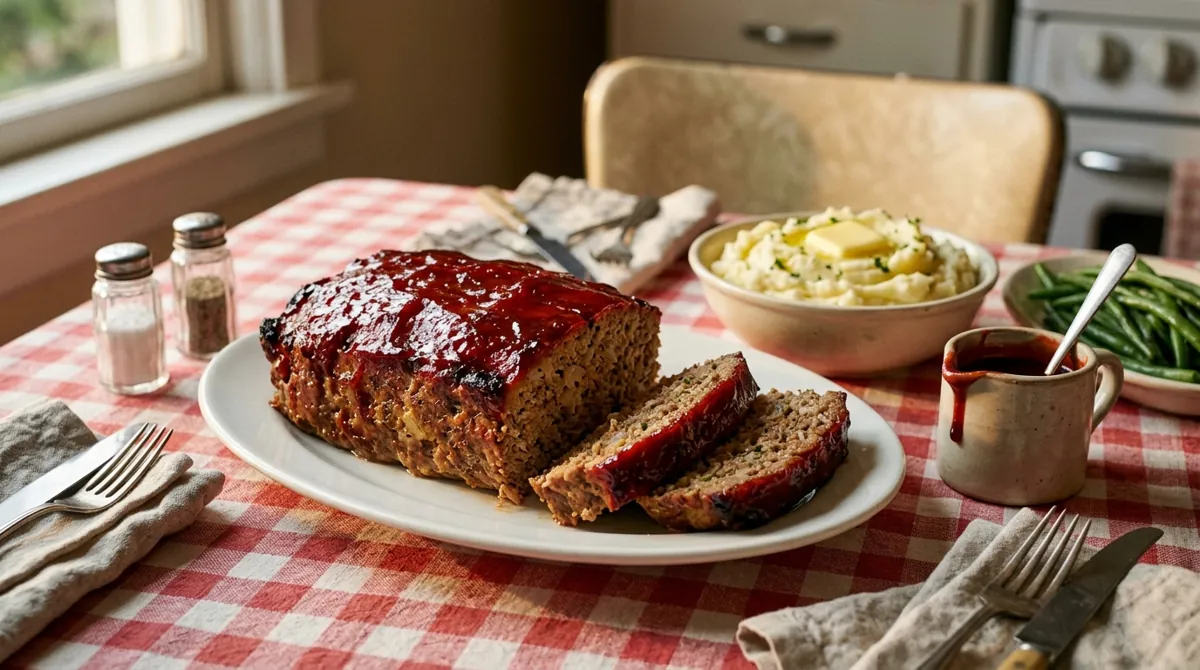
Classic Glazed American Meatloaf
The American classic: beef and pork bound with a milk and saltine paste, browned under the broiler, then painted twice with a tangy brown sugar and ketchup glaze and baked to a glossy finish.
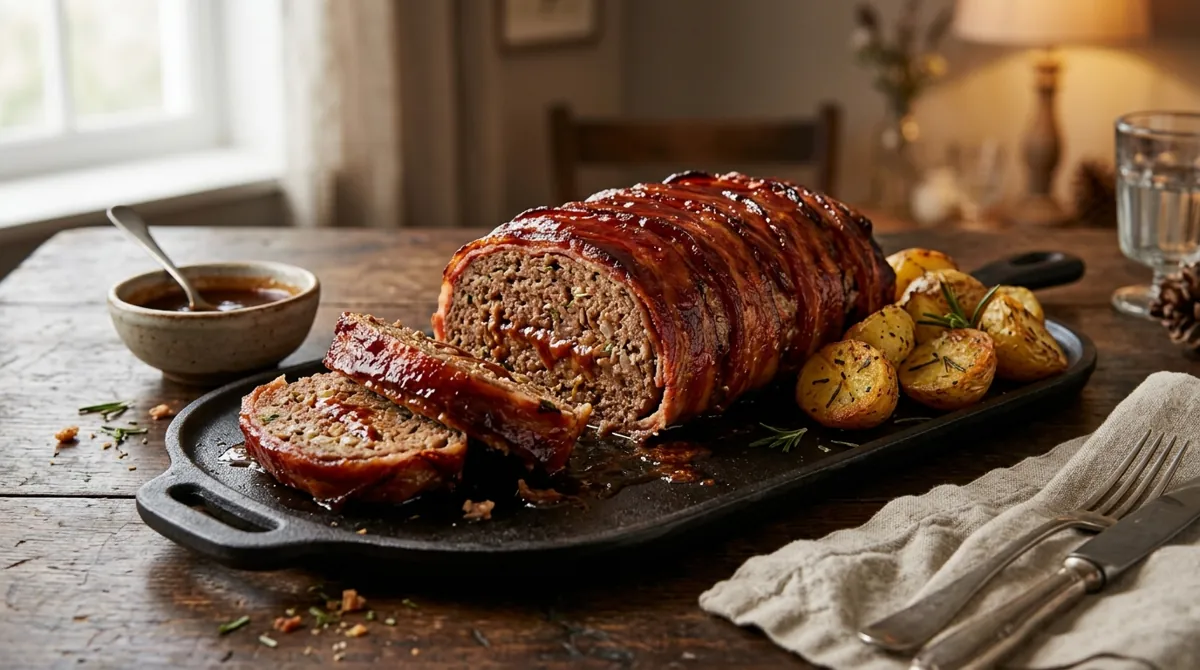
Bacon-Wrapped Meatloaf
A beef, pork and veal loaf brushed with brown sugar and ketchup glaze and covered with overlapping strips of bacon that baste the meat and bake up crisp.
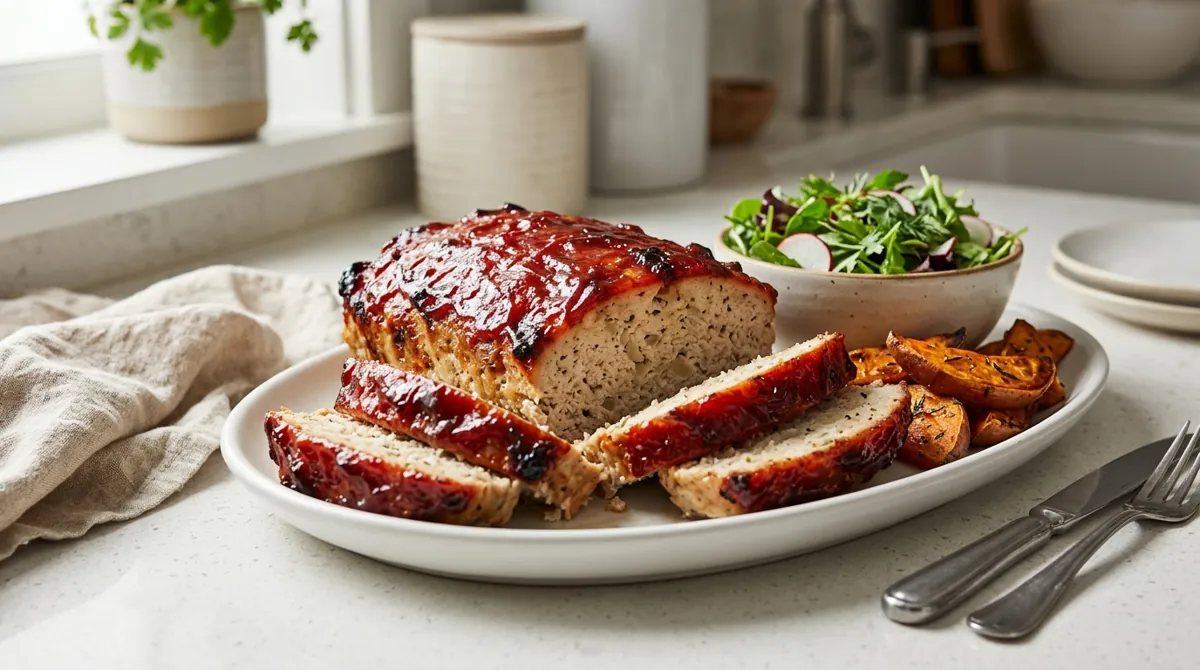
Turkey Meatloaf with Ketchup and Brown Sugar Glaze
A ground turkey loaf kept juicy with butter, Parmesan, quick oats and cornstarch, glazed twice and baked on a rack until it reaches 165°F.
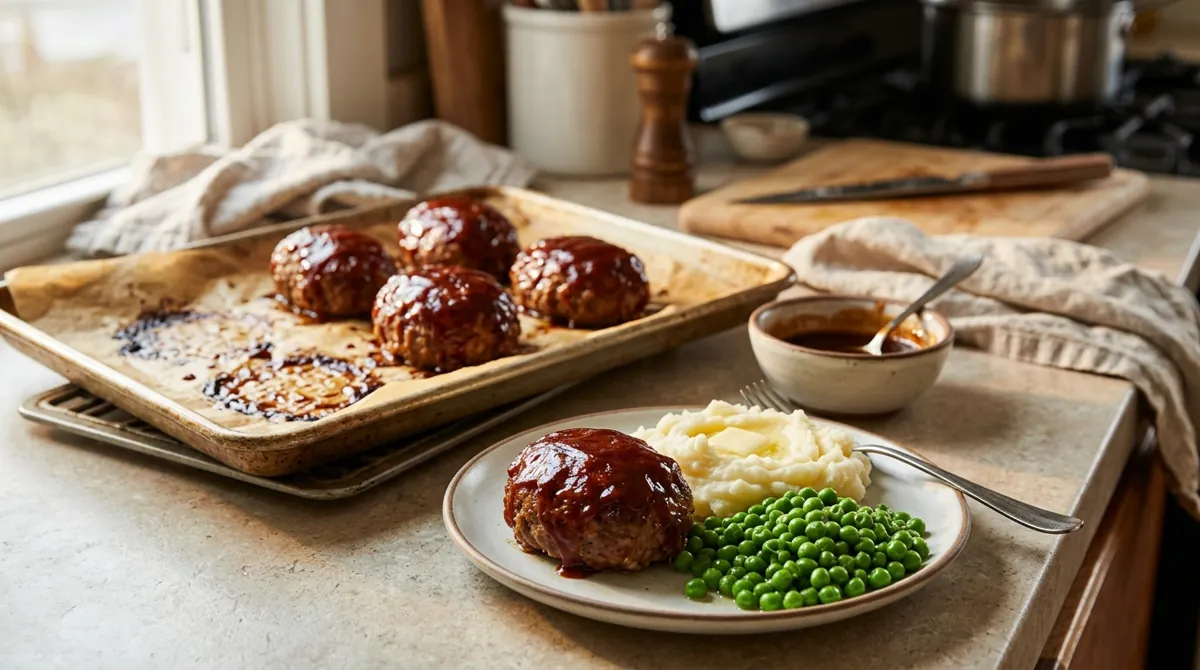
30-Minute Mini Meat Loaves
Four small, tightly packed meat loaves seared in a skillet for a crust, spooned with brown sugar and ketchup glaze and finished in a 500°F oven in under 10 minutes.
Country-Store Meatloaf (Inspired by Cracker Barrel, Not Official)
A cheesy, tender beef meatloaf made with buttery crackers, onion, green pepper and cheddar, finished with a sweet ketchup, brown sugar and mustard glaze. Inspired by the Southern roadside chain; not its recipe.
Meatballs of the World

Italian-American Meatballs
Big, tender meatballs braised for an hour in red sauce over spaghetti. The one most Americans grew up with.

Pallottine (Abruzzo Meatballs)
Tiny meatballs, smaller than a marble, tossed right through square spaghetti alla chitarra. No bread at all.

Swedish Meatballs (Köttbullar)
Small, soft meatballs browned in butter, in a cream sauce made from the same pan, with lingonberry jam on the plate.

Danish Frikadeller
Pork meatballs shaped with a spoon and fried slowly in butter, crusty outside and soft in the middle.

Königsberger Klopse
German meatballs that are never fried: poached, then served in a creamy white sauce with capers.

Spanish Albóndigas in Almond Saffron Sauce
The tapas bar classic: small meatballs in a golden sauce thickened with fried almonds and bread.

Mexican Albóndigas with Chipotle and Mint
Soft meatballs with rice and fresh mint inside, simmered in a smoky tomato and chipotle broth.

Izgara Köfte (Turkish Grilled Meatballs)
Small, flat meatballs kneaded hard, rested cold, and charred on a hot grill pan.

Lion's Head Meatballs
Big, soft pork meatballs, stirred into a sticky paste, fried to set, then braised in a savory sauce.

Chicken Tsukune
Japan's chicken meatball: kneaded sticky, grilled on skewers, glazed with sweet soy tare, dipped in egg yolk.