
Pho Ga (Vietnamese Chicken Noodle Soup)
A clear broth from a whole chicken and extra backs, perfumed with charred onion and ginger, toasted coriander seed, cloves and cilantro, ladled boiling hot over flat rice noodles, sliced poached chicken, paper-thin onion and herbs, with bean sprouts, basil, chiles and lime at the table.
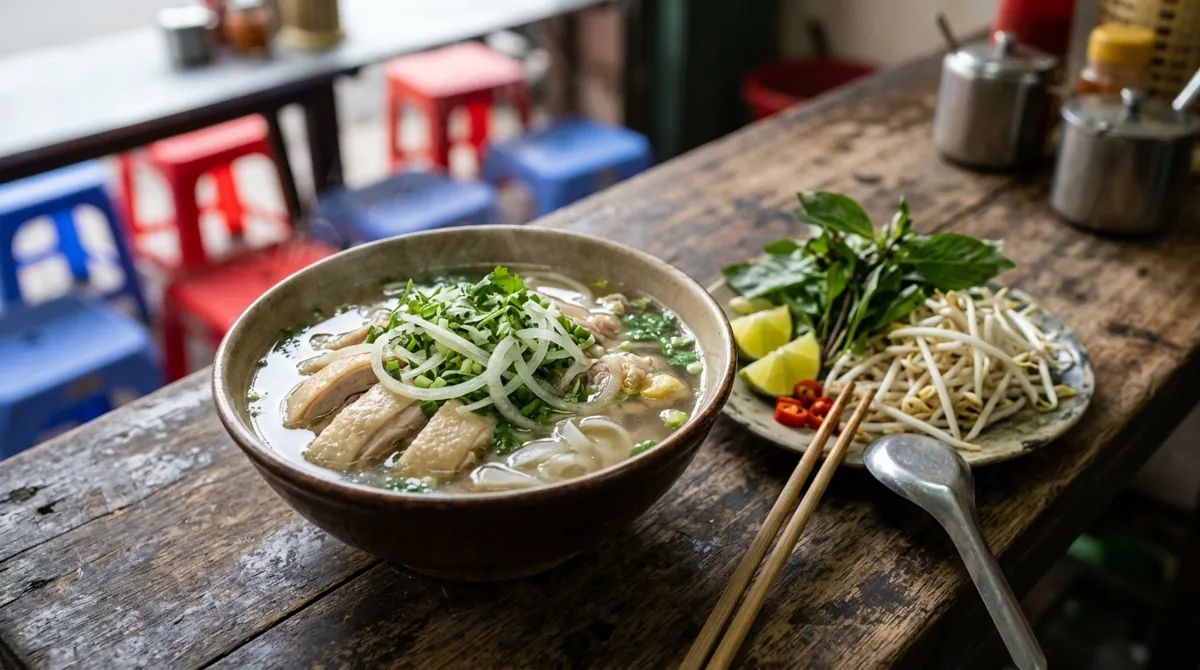
Pho was born in northern Vietnam in the first years of the 20th century. Wikipedia dates its modern form to between 1900 and 1907 in Nam Định Province, southeast of Hanoi, says Hanoi had fixed pho stands before 1918, and that a 1931 dictionary was the first to define phở as a soup. Chicken pho came later: Wikipedia says it appeared in 1939, and suggests this may be because beef was not sold at the markets on Mondays and Fridays. After the 1954 partition, more than a million people moved from the North to the South and pho took off there, picking up the bean sprouts, lime, basil, hoisin and chili sauce of Southern bowls. Refugees after the Vietnam War carried it abroad; the first of hundreds of pho shops in Orange County's Little Saigon opened in 1980.
This is Andrea Nguyen's family recipe, first printed in her book Into the Vietnamese Kitchen (Ten Speed Press, 2006). Her family flavors chicken pho with coriander seed and cilantro rather than the star anise and cinnamon of beef pho, so the two taste different, and she writes that Vietnamese American restaurants have been reviving pho ga with free-range "jogging chicken."
Why it works the kitchen science
Charring the aromatics
Blistering the onion and ginger over an open flame softens them and brings out their sweetness, which gives the broth its deep, slightly smoky backbone.
Parboil, then simmer gently
A hard 2 to 3 minute boil drives the blood and scum out of the cracked bones, and a gentle simmer afterward keeps the fat from emulsifying, which is how the broth stays clear.
Step by step
- Step 1
Char the onions and ginger directly over a medium gas flame, on a hot electric burner or on a grill, turning with tongs, until blackened in spots, softened and fragrant, about 15 minutes. Cool, rub off the burnt skin under warm water, trim the ends, peel the ginger, halve it and bruise it with the side of a knife.
- Step 2
Cut the wings off the chicken and add them to the bony parts. Whack the bony parts with a heavy cleaver every 1 to 2 inches to crack them. Put the parts in a 12-quart stockpot with cold water to cover, boil hard over high heat 2 to 3 minutes, then drain in a clean sink and rinse the parts and the pot of the gray foam. Clean the sink afterward.
- Step 3
Return the bony parts to the pot, nestle the whole chicken in breast side up and add the 5 quarts water. Bring to a boil over high heat, lower to a gentle simmer and skim. Add the onions, ginger, salt, fish sauce, rock sugar, coriander seeds, cloves and cilantro and simmer uncovered 25 minutes, until the thickest part of the breast reads 165°F.
- Step 4
Lift out the chicken, flush it with cold water and let it rest 15 to 20 minutes. Cut off the breast halves and whole legs, refrigerate them, and return the carcass to the pot. Keep the broth at a gentle simmer (never a hard boil, or it clouds) 1 1/2 hours more.
- Step 5
Strain the broth into a clean pot (you should have about 16 cups) and skim off as much fat as you like. Taste and adjust with salt, fish sauce and rock sugar.
- Step 6
Soak the noodles in hot tap water 15 to 20 minutes, until pliable and opaque, and drain. Slice the chicken about 1/4 inch thick. Bring the broth to a simmer, and bring a separate large pot of water to a rolling boil.
- Step 7
For each bowl, dunk a portion of noodles in the boiling water in a strainer 10 to 20 seconds, until they collapse, and tip them into the bowl. Top with chicken, a mound of sliced onion, scallion, cilantro and pepper.
- Step 8
Bring the broth to a rolling boil, ladle about 2 cups over each bowl and serve right away with the bean sprouts, herbs, chiles and lime.
Pho Ga (Vietnamese Chicken Noodle Soup)
Serves 8 · about 16 cups broth · 3 hr 15 min total
Broth
- 2 yellow onions (about 1 lb total), unpeeled
- 1 chubby 4-inch piece fresh ginger, unpeeled
- 1 whole chicken (4 lb), excess fat and tail removed
- 3 lb chicken backs, necks or other bony parts
- 5 quarts water
- 1 1/2 tbsp salt
- 3 tbsp fish sauce
- 1 oz yellow rock sugar (a 1-inch chunk)
- 2 tbsp coriander seeds, toasted in a dry skillet about 1 minute
- 4 whole cloves
- 1 small bunch cilantro
Bowls
- 1 3/4 lb dried small flat rice noodles (bánh phở)
- The cooked chicken, at room temperature
- 1 yellow onion, sliced paper-thin, soaked in cold water 30 minutes and drained
- 4 scallions, green parts only, thinly sliced
- 1/3 cup chopped cilantro leaves
- Black pepper
At the table
- 1/2 lb bean sprouts
- 10 to 12 sprigs Thai basil or mint
- 12 to 15 culantro leaves (ngò gai), optional
- 2 or 3 Thai or serrano chiles, thinly sliced
- 2 limes, cut into wedges
Method
- Char the onions and ginger directly over a medium gas flame, on a hot electric burner or on a grill, turning with tongs, until blackened in spots, softened and fragrant, about 15 minutes. Cool, rub off the burnt skin under warm water, trim the ends, peel the ginger, halve it and bruise it with the side of a knife.
- Cut the wings off the chicken and add them to the bony parts. Whack the bony parts with a heavy cleaver every 1 to 2 inches to crack them. Put the parts in a 12-quart stockpot with cold water to cover, boil hard over high heat 2 to 3 minutes, then drain in a clean sink and rinse the parts and the pot of the gray foam. Clean the sink afterward.
- Return the bony parts to the pot, nestle the whole chicken in breast side up and add the 5 quarts water. Bring to a boil over high heat, lower to a gentle simmer and skim. Add the onions, ginger, salt, fish sauce, rock sugar, coriander seeds, cloves and cilantro and simmer uncovered 25 minutes, until the thickest part of the breast reads 165°F.
- Lift out the chicken, flush it with cold water and let it rest 15 to 20 minutes. Cut off the breast halves and whole legs, refrigerate them, and return the carcass to the pot. Keep the broth at a gentle simmer (never a hard boil, or it clouds) 1 1/2 hours more.
- Strain the broth into a clean pot (you should have about 16 cups) and skim off as much fat as you like. Taste and adjust with salt, fish sauce and rock sugar.
- Soak the noodles in hot tap water 15 to 20 minutes, until pliable and opaque, and drain. Slice the chicken about 1/4 inch thick. Bring the broth to a simmer, and bring a separate large pot of water to a rolling boil.
- For each bowl, dunk a portion of noodles in the boiling water in a strainer 10 to 20 seconds, until they collapse, and tip them into the bowl. Top with chicken, a mound of sliced onion, scallion, cilantro and pepper.
- Bring the broth to a rolling boil, ladle about 2 cups over each bowl and serve right away with the bean sprouts, herbs, chiles and lime.
Adapted from Andrea Nguyen, "Chicken Pho Noodle Soup Recipe (Pho Ga)", Viet World Kitchen (published June 15, 2007; modified July 8, 2026), from her book Into the Vietnamese Kitchen, serves 8. We follow it as written: 2 onions and a 4-inch piece of ginger charred about 15 minutes; a 4-lb chicken plus 3 lb backs and necks, the bones cracked, parboiled 2 to 3 minutes and drained; 5 quarts water, 1 1/2 tbsp salt, 3 tbsp fish sauce, 1 oz rock sugar, 2 tbsp toasted coriander seeds, 4 cloves and a bunch of cilantro; the chicken pulled after 25 minutes and the broth simmered 1 1/2 hours more; about 4 quarts strained broth; dried noodles soaked 15 to 20 minutes and dunked 10 to 20 seconds; about 2 cups of boiling broth per bowl. We pat the chicken dry instead of rinsing it (USDA FSIS), and the 165°F check on the chicken and the 1 3/4 lb of noodles (from her 1 1/2 to 2 lb) are ours. Viet World Kitchen. Ingredient list follows the source; the method is in our own words.
All sources (2)
Tips
- Nguyen says the broth is easier to degrease if you chill it overnight and lift off the hardened fat, then reheat it to a rolling boil before serving.
- Pull the chicken at 25 minutes and finish the broth with the carcass alone; the breast stays juicy.
- Blanch the bean sprouts 30 seconds in the noodle water if you like them slightly wilted.
- Cool leftover broth in shallow containers and refrigerate within 2 hours; it keeps 3 to 4 days (USDA FSIS).
The rules people argue about
What the sources agree on, what they don't, and what is just a good story.
- Pho came from French pot-au-feu. Disputed: Wikipedia says a 1937 writer equated it with pot-au-feu and Western sources often follow, but several scholars dispute it and others point to the beef noodles sold by Chinese immigrants in Hanoi.
- Chicken pho exists because of meatless market days. Disputed: Wikipedia dates chicken pho to 1939 and only suggests it "may" be because beef was not sold on Mondays and Fridays.
- Chicken pho uses the same spices as beef pho. Disputed: Nguyen's comments say some cooks do; her family uses coriander seed and cilantro to tell the two apart.
- Herbs, lime, bean sprouts and hoisin are part of real pho. Disputed: Wikipedia says the Hanoi style is light on garnishes and that these appear to be Southern additions.
- Never boil pho broth. Folklore in part: Nguyen's recipe says to avoid a hard boil or the broth turns cloudy; whether cloudiness matters is the subject of a separate Viet World Kitchen post ("Pho Myths and Truths") that we did not read.
Every other chicken soup
Chicken Soup with Matzo Balls
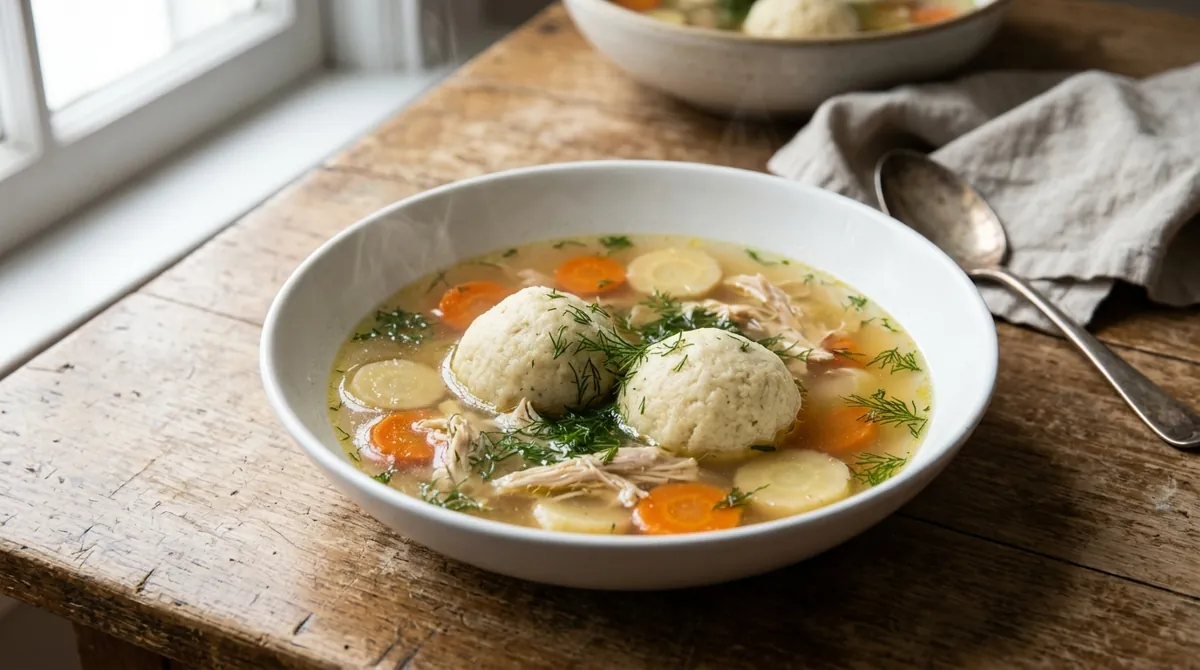
A golden broth simmered from a whole chicken with carrots, celery, dill and an unpeeled onion, with light schmaltz-and-seltzer matzo balls poached in salted water, then finished in the broth with carrot, parsnip, shredded chicken and fresh dill.
Caldo de Pollo (Mexican Chicken Soup)
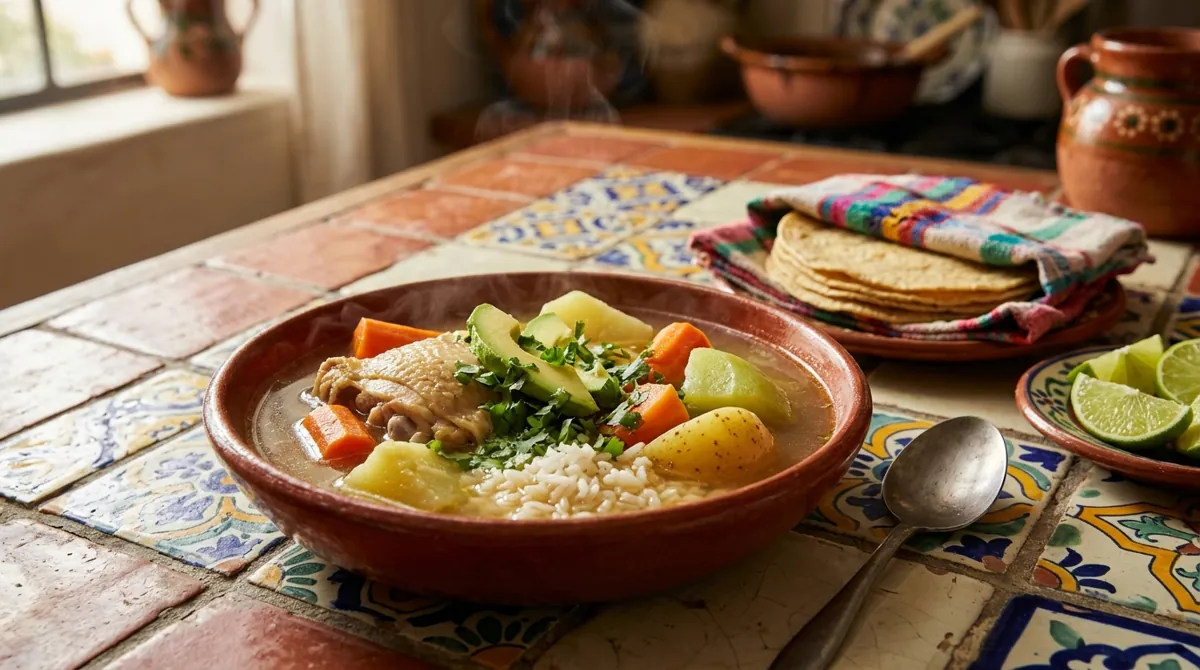
A whole chicken simmered gently with onion, garlic, celery and cilantro, then carrots, potatoes and chayote, served in big bowls over white rice with avocado, chopped onion, cilantro, serrano and lime, and warm corn tortillas on the side.
Avgolemono (Greek Lemon-Egg Chicken Soup)
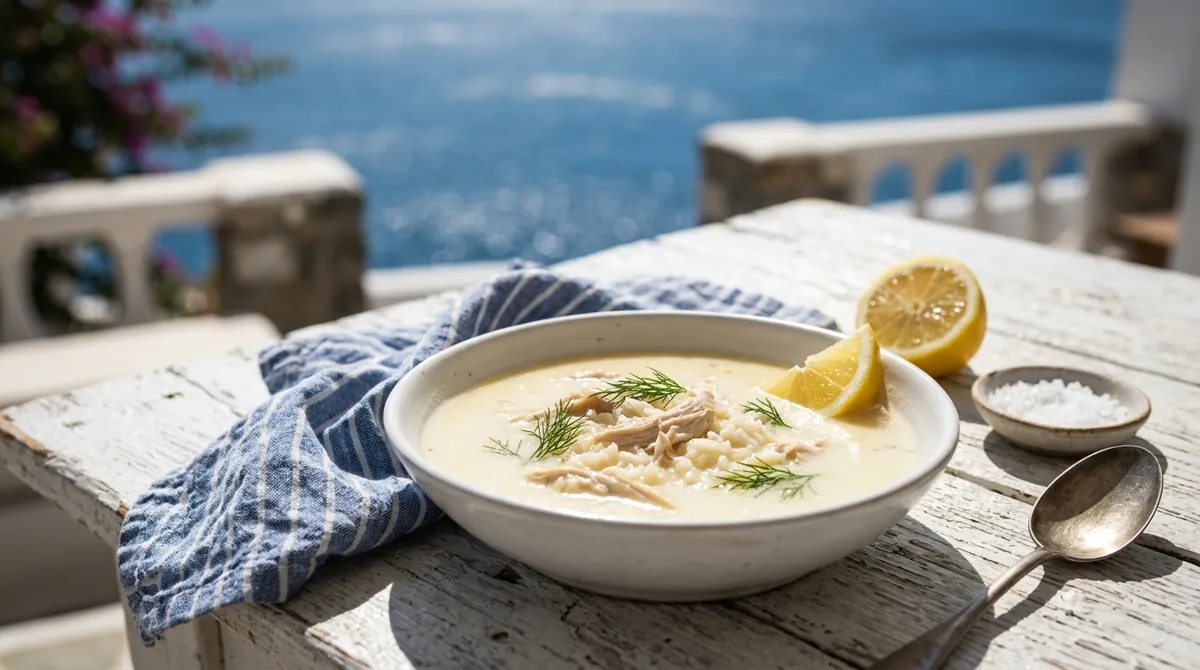
Chicken breasts poached in stock, rice or orzo cooked in the same pot, and five eggs tempered with hot broth until the soup turns silky and pale gold, then sharpened with lemon juice to taste and finished with the chicken and fresh dill.
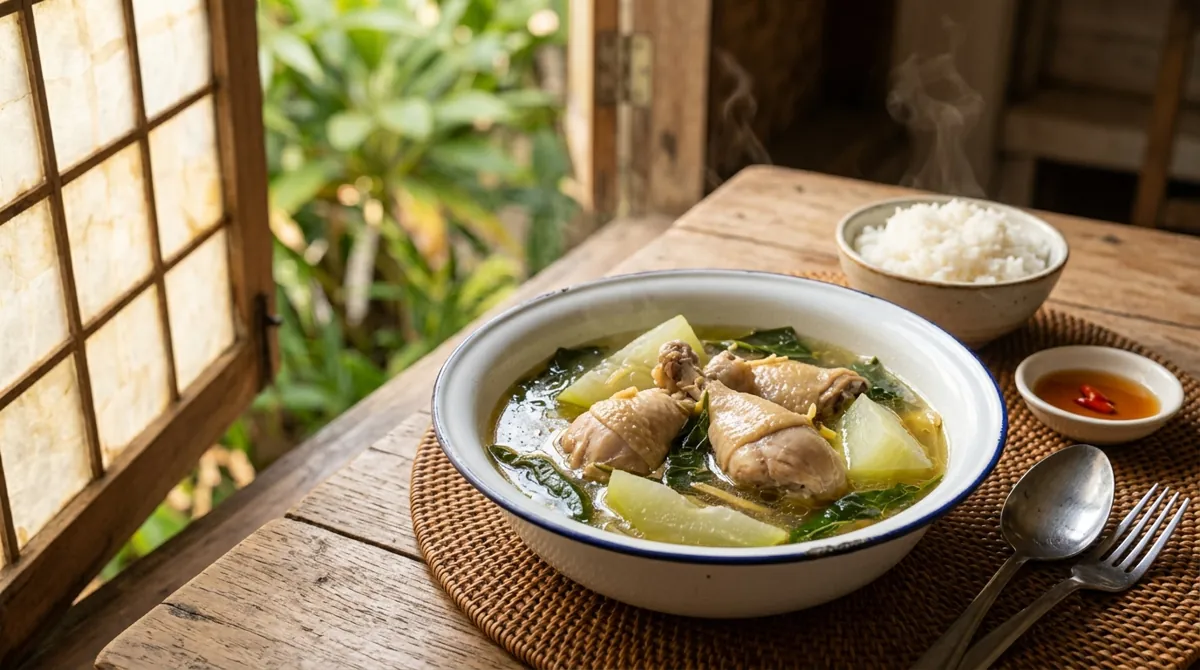
Tinola (Filipino Ginger Chicken Soup with Green Papaya)
Bone-in chicken browned with onion, lots of ginger and garlic, seasoned with fish sauce and simmered in water until tender, then finished with wedges of green papaya and a bunch of spinach (or chili leaves or malunggay), served hot with steamed rice.
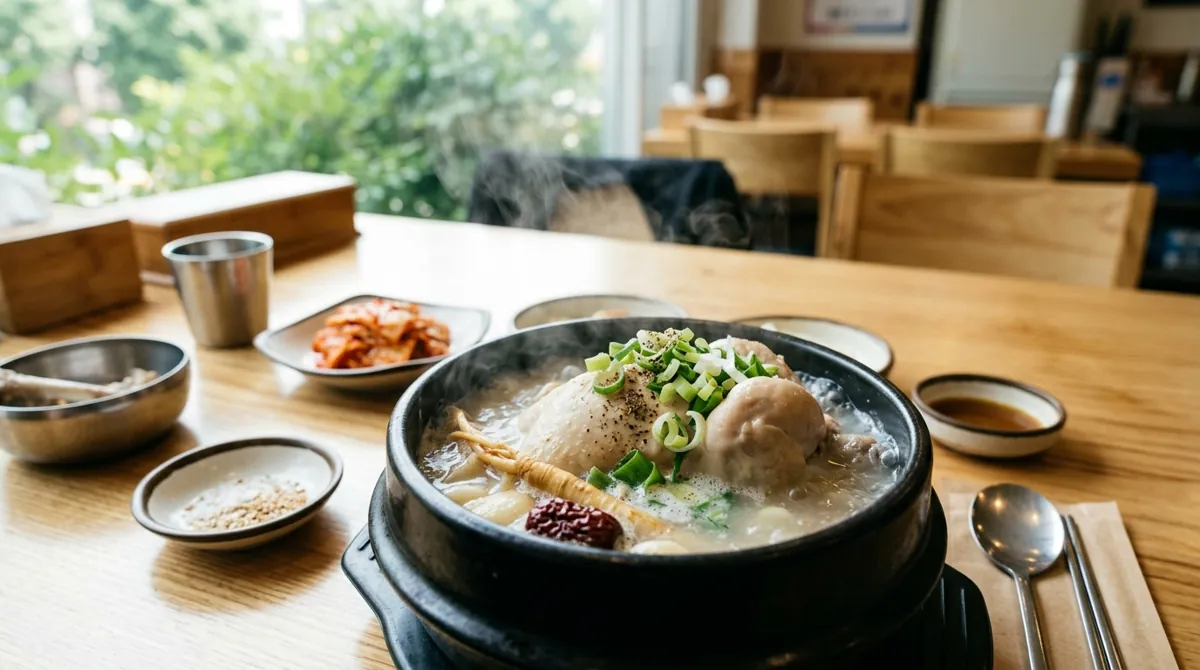
Samgyetang (Korean Ginseng Chicken Soup)
Two Cornish hens stuffed with soaked short-grain rice, fresh ginseng, a jujube and eight garlic cloves each, simmered whole for over an hour until the rice is soft and the broth milky, served one hen per bowl with green onion, black pepper, kimchi and two dipping sauces.
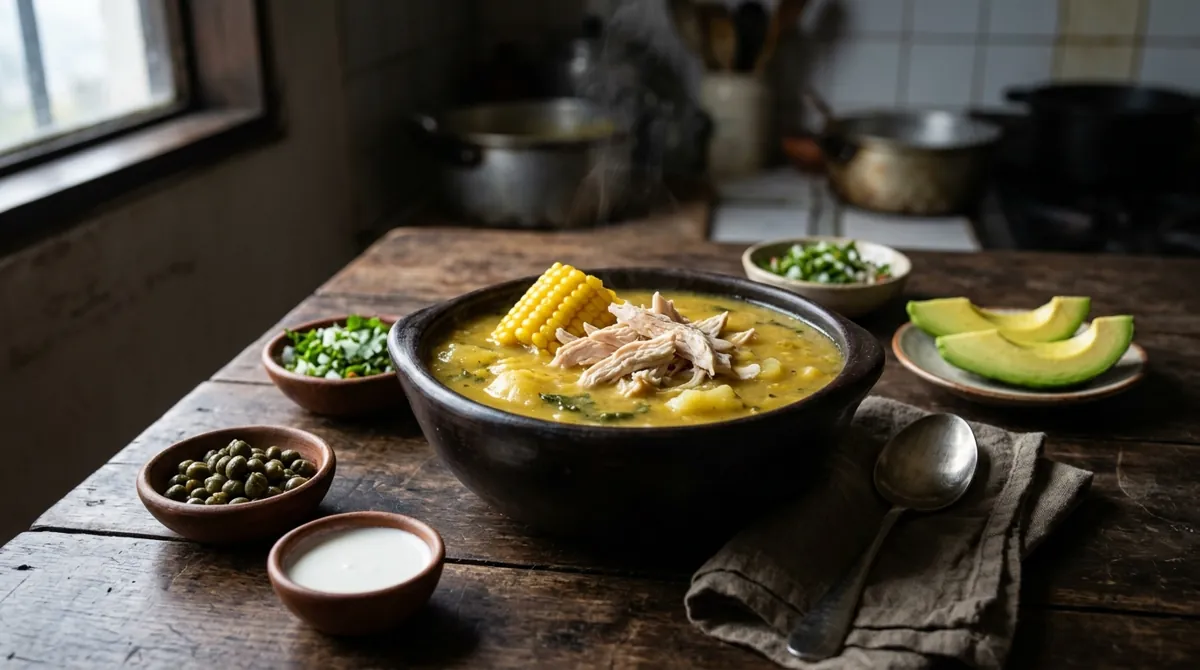
Ajiaco (Bogotá Chicken and Three-Potato Soup)
Chicken breast, three kinds of potato and the herb guascas simmered in stock until the starchy potatoes fall apart and thicken the soup, with chunks of corn on the cob, served with shredded chicken, capers, thinned sour cream, avocado and a fresh onion and cilantro ají.
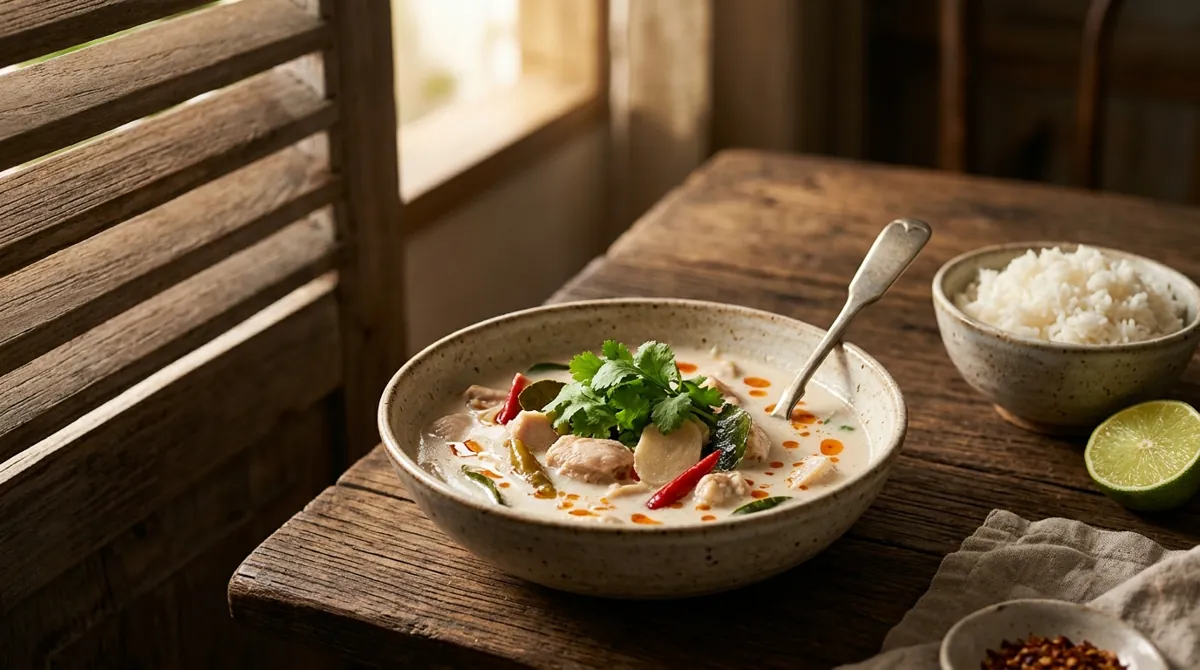
Tom Kha Gai (Thai Chicken Soup with Coconut and Galangal)
Boneless chicken thighs simmered in stock with sliced galangal, lemongrass, shallots and fish sauce, then a pounded galangal infusion, makrut lime leaves, Thai chiles and coconut cream stirred in off the heat, seasoned with equal parts fish sauce and lime juice.
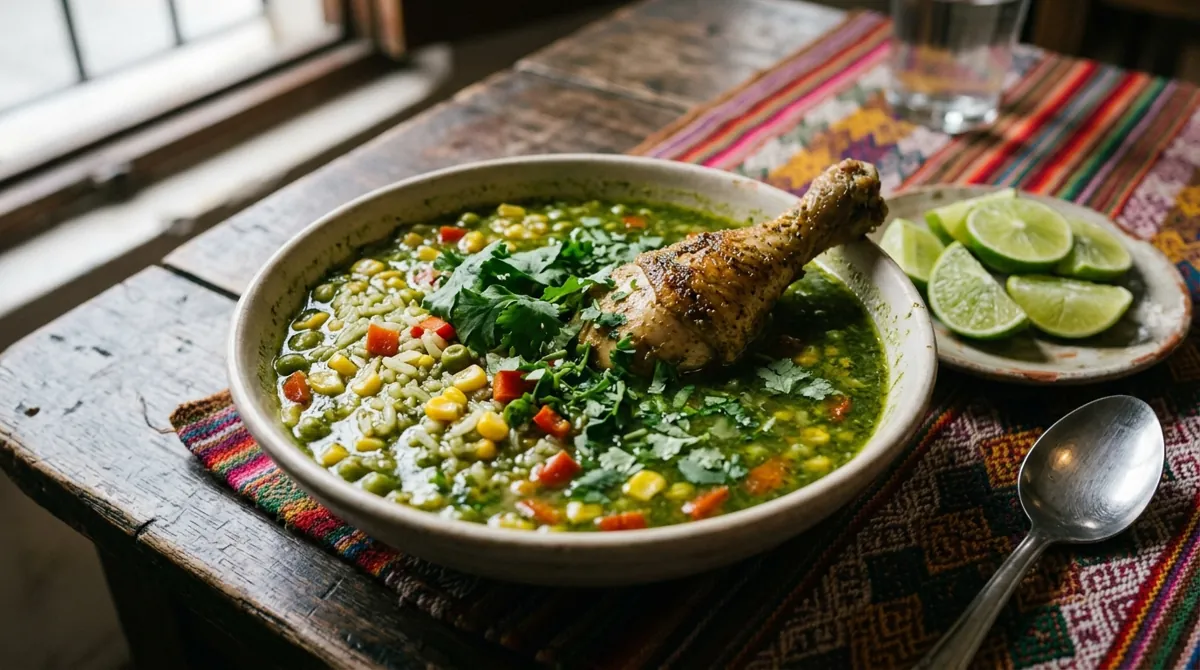
Aguadito de Pollo (Peruvian Cilantro Chicken and Rice Soup)
Browned bone-in chicken thighs and drumsticks simmered with onion, red bell pepper, cumin and rice in broth blended with cilantro, serrano and garlic, then brightened with a second fresh cilantro puree, sweet corn and lots of lime.
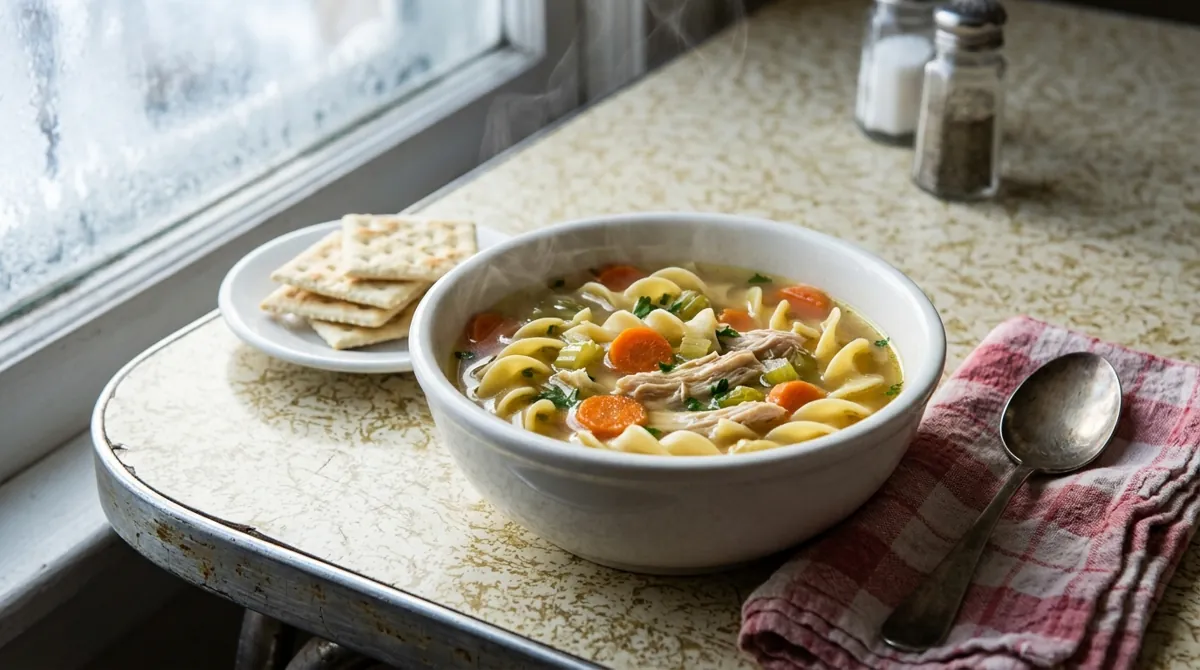
Classic American Chicken Noodle Soup
A rich homemade broth from browned chicken thighs with onion and bay, chicken breasts poached in it and shredded, then onion, carrot, celery and thyme simmered in the strained broth with wide egg noodles and finished with parsley.
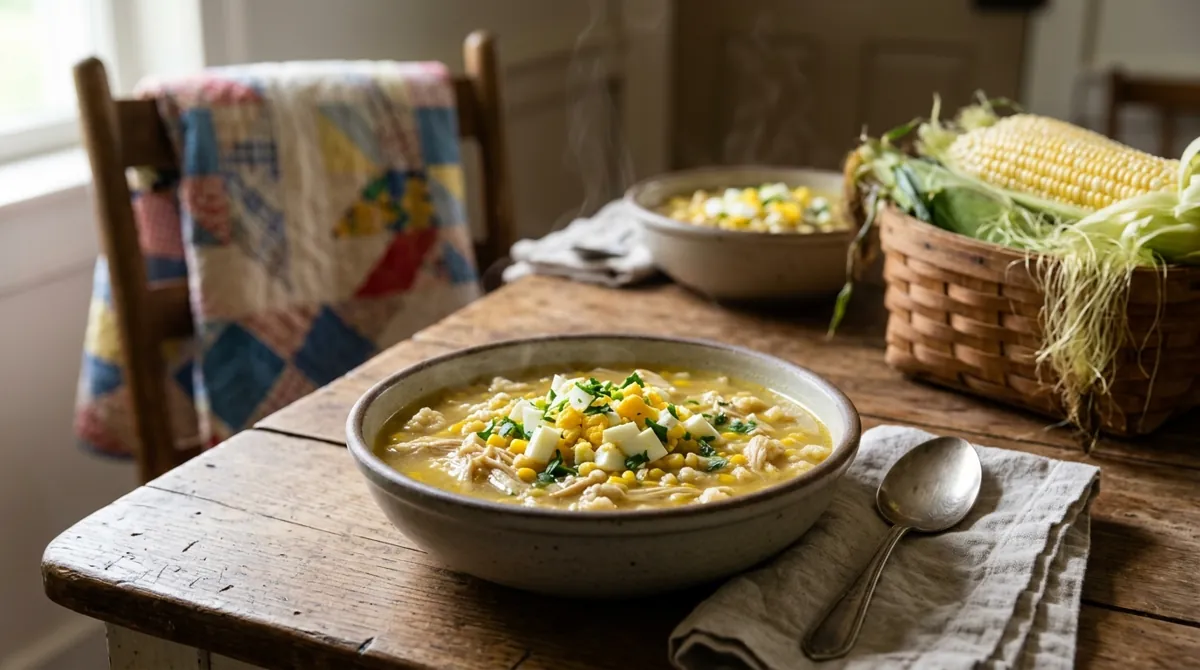
Pennsylvania Dutch Chicken Corn Soup with Rivels
Chicken thighs and breast poached in broth with the stripped corn cobs, then pea-size egg-and-flour rivels and fresh corn, half cut and half grated, simmered until tender, finished with shredded chicken and parsley and topped with chopped hard-cooked egg.
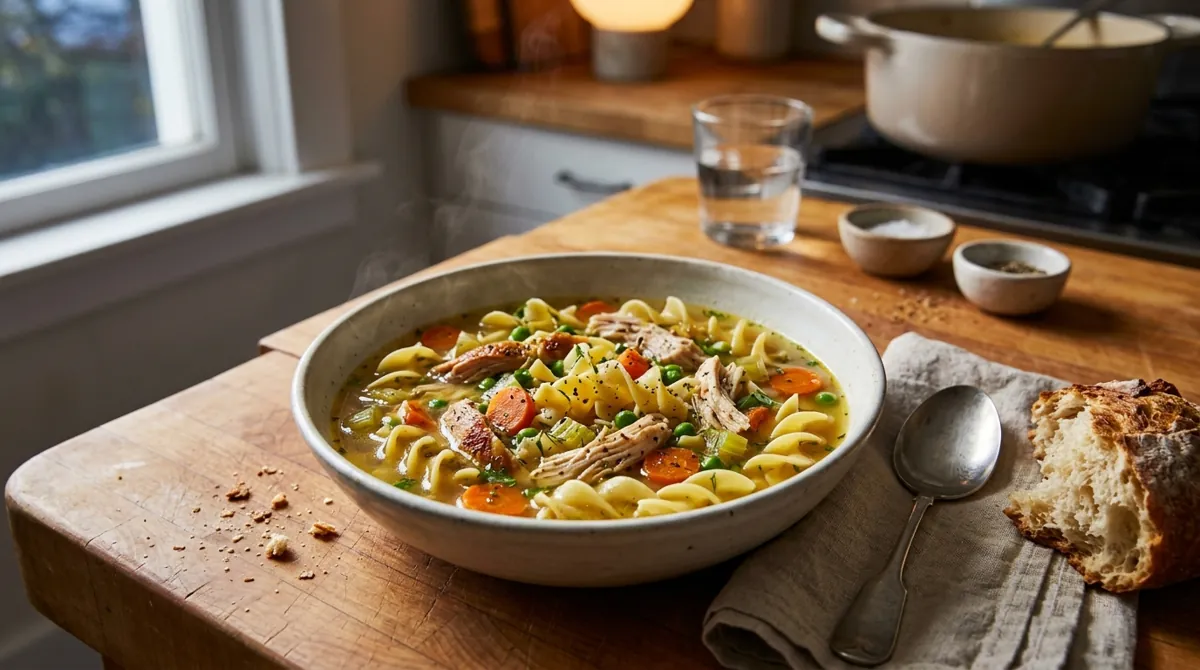
30-Minute Rotisserie Chicken Noodle Soup
Onion, celery, carrots and thyme browned in butter, simmered in store-bought broth, then egg noodles cooked right in the pot, with the shredded meat of a supermarket rotisserie chicken and frozen peas stirred in at the end, in 30 minutes.
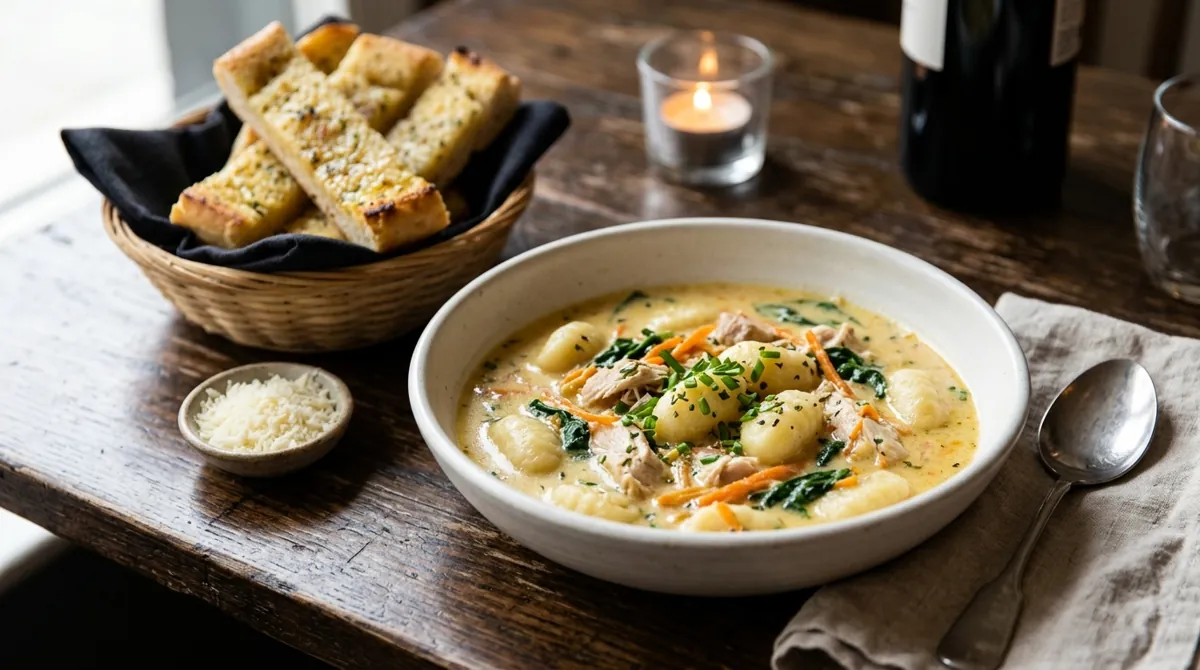
Creamy Chicken and Gnocchi Soup, Inspired by Olive Garden
Inspired by, not official: celery, shredded carrot, onion and garlic softened in butter, thickened with flour and chicken broth, then store-bought potato gnocchi, cooked chicken, baby spinach, heavy cream and thyme, in one pot in 40 minutes.
Meatballs of the World

Italian-American Meatballs
Big, tender meatballs braised for an hour in red sauce over spaghetti. The one most Americans grew up with.

Pallottine (Abruzzo Meatballs)
Tiny meatballs, smaller than a marble, tossed right through square spaghetti alla chitarra. No bread at all.

Swedish Meatballs (Köttbullar)
Small, soft meatballs browned in butter, in a cream sauce made from the same pan, with lingonberry jam on the plate.

Danish Frikadeller
Pork meatballs shaped with a spoon and fried slowly in butter, crusty outside and soft in the middle.

Königsberger Klopse
German meatballs that are never fried: poached, then served in a creamy white sauce with capers.

Spanish Albóndigas in Almond Saffron Sauce
The tapas bar classic: small meatballs in a golden sauce thickened with fried almonds and bread.

Mexican Albóndigas with Chipotle and Mint
Soft meatballs with rice and fresh mint inside, simmered in a smoky tomato and chipotle broth.

Izgara Köfte (Turkish Grilled Meatballs)
Small, flat meatballs kneaded hard, rested cold, and charred on a hot grill pan.

Lion's Head Meatballs
Big, soft pork meatballs, stirred into a sticky paste, fried to set, then braised in a savory sauce.

Chicken Tsukune
Japan's chicken meatball: kneaded sticky, grilled on skewers, glazed with sweet soy tare, dipped in egg yolk.