
Samgyetang (Korean Ginseng Chicken Soup)
Two Cornish hens stuffed with soaked short-grain rice, fresh ginseng, a jujube and eight garlic cloves each, simmered whole for over an hour until the rice is soft and the broth milky, served one hen per bowl with green onion, black pepper, kimchi and two dipping sauces.
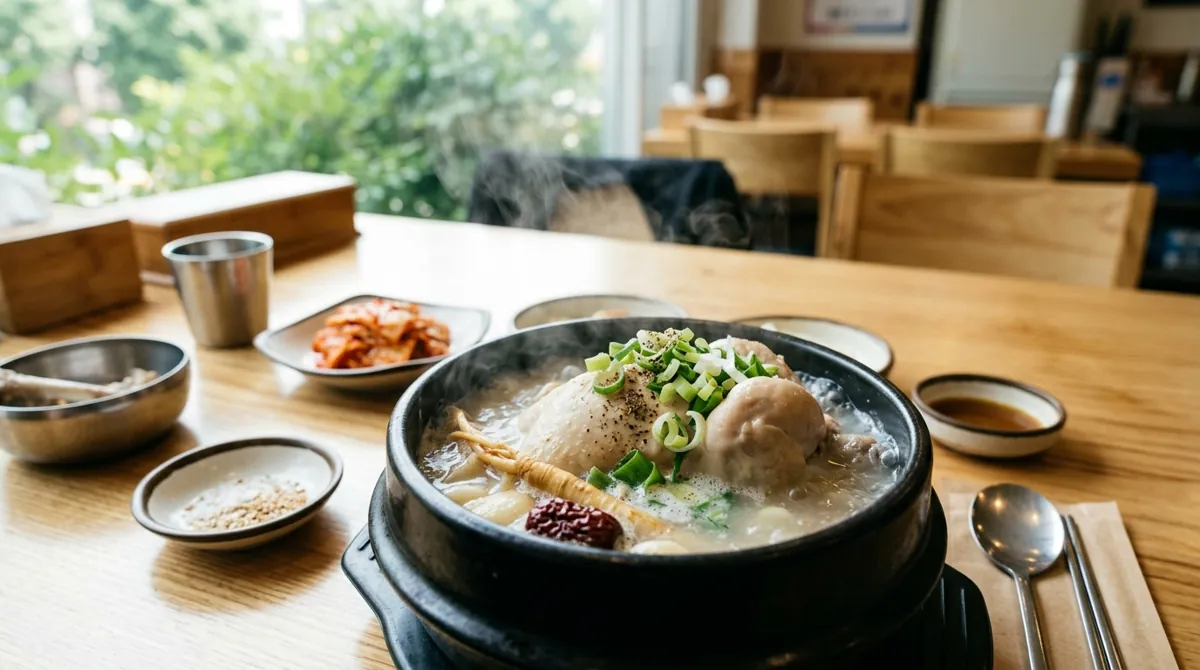
Samgyetang is a whole small chicken stuffed with rice, ginseng, garlic and jujube, and you are expected to eat the whole bird yourself. Maangchi writes that Koreans eat it on the hottest days of summer to keep up their energy, following the saying yi yeol chi yeol, "fight fire with fire," and that the three hottest days, called sambok (chobok, jungbok and malbok), usually fall in July and August, when well-known samgyetang restaurants have lines outside. Wikipedia calls it "a representative summer health food" and says some specialty restaurants serve nothing else.
The modern bowl is younger than it looks. Wikipedia says similar chicken soups were eaten in the Joseon period, that a 1917 cookbook by Bang Sin-yeong describes a chicken stuffed with glutinous rice and ginseng powder, that restaurants started selling it in the 1940s, that it was sold as gyesam-tang ("chicken ginseng soup") in the 1950s, and that refrigerators in the 1960s let cooks use whole fresh ginseng, which gave the dish its modern form. The name was flipped to samgye-tang to put the ginseng first.
Why it works the kitchen science
Stuffing the bird
The rice cooks inside the hen in the chicken's own juices and comes out soft and savory, so each bowl is a whole meal, and the starch that escapes gives the broth body.
A long covered simmer
70 minutes with the lid on breaks down a small, young bird until the meat pulls apart with a spoon, and basting the exposed top keeps it from drying out.
Step by step
- Step 1
Make the dipping sauces: mix the salt, sesame seeds, pepper and sesame oil in one small bowl, and the soy sauce, vinegar and honey in another, then add the onion and jalapeño to the soy sauce.
- Step 2
Drain the soaked rice. Pat the hens dry with paper towels, trim the extra fat around the cavities with kitchen scissors and cut off the wing tips if you like. Wash your hands, board and scissors.
- Step 3
Stuff each hen with half the rice, 1 ginseng root, 1 jujube and 8 garlic cloves. Put any rice that doesn't fit into the pot.
- Step 4
Set the hens in a heavy pot, add the 8 cups cold water, cover and cook over medium-high heat 30 minutes.
- Step 5
Turn the heat to medium and cook 40 minutes more, until the chicken, ginseng and rice are soft. Every so often, ladle broth from the bottom over the hens, and add water if the broth gets low. The thigh and the center of the rice stuffing should read 165°F.
- Step 6
Set each hen in a bowl with plenty of broth, sprinkle with green onion and black pepper, and serve hot with kimchi, both dipping sauces and a little dish of salt for seasoning at the table.
Samgyetang (Korean Ginseng Chicken Soup)
Serves 2 · 2 whole hens with broth · 2 hr 25 min total
Hens
- 1/2 cup short-grain rice (or glutinous rice), rinsed and soaked in cold water 1 hour
- 2 Cornish hens (about 1 1/2 lb each), giblets removed
- 2 fresh ginseng roots, scrubbed
- 2 large dried jujubes, washed
- 16 garlic cloves, tips trimmed
- 8 cups cold water
- 2 to 3 green onions, chopped
- Kosher salt and ground black pepper
Sesame dipping sauce
- 1 to 2 tsp kosher salt
- 1 tsp toasted sesame seeds
- A pinch of ground black pepper
- 1 to 2 tbsp toasted sesame oil
Sweet and sour soy dipping sauce
- 3 tbsp soy sauce
- 2 tbsp white vinegar
- 1 tsp honey (or sugar)
- 1/2 medium onion, cut into chunks
- 1 jalapeño (or green chile), chopped
To serve
- Kimchi
Method
- Make the dipping sauces: mix the salt, sesame seeds, pepper and sesame oil in one small bowl, and the soy sauce, vinegar and honey in another, then add the onion and jalapeño to the soy sauce.
- Drain the soaked rice. Pat the hens dry with paper towels, trim the extra fat around the cavities with kitchen scissors and cut off the wing tips if you like. Wash your hands, board and scissors.
- Stuff each hen with half the rice, 1 ginseng root, 1 jujube and 8 garlic cloves. Put any rice that doesn't fit into the pot.
- Set the hens in a heavy pot, add the 8 cups cold water, cover and cook over medium-high heat 30 minutes.
- Turn the heat to medium and cook 40 minutes more, until the chicken, ginseng and rice are soft. Every so often, ladle broth from the bottom over the hens, and add water if the broth gets low. The thigh and the center of the rice stuffing should read 165°F.
- Set each hen in a bowl with plenty of broth, sprinkle with green onion and black pepper, and serve hot with kimchi, both dipping sauces and a little dish of salt for seasoning at the table.
Adapted from Maangchi, "Ginseng chicken soup (Samgyetang)", Maangchi.com (posted October 14, 2007; updated July 9, 2025), 2 servings. We follow it as written: two 1 1/2-lb Cornish hens; 1/2 cup short-grain or glutinous rice soaked 1 hour; each hen stuffed with rice, 1 ginseng root, 1 jujube and 8 garlic cloves; 8 cups cold water, covered, 30 minutes over medium-high heat and 40 minutes over medium, basting with broth; a sesame oil and salt dip and a soy, vinegar and honey dip with onion and jalapeño. Maangchi rubs the hens with salt and rinses them; we pat them dry instead (USDA FSIS advises against rinsing raw poultry). The 165°F checks on the thigh and the rice stuffing are ours. Maangchi. Ingredient list follows the source; the method is in our own words.
All sources (2)
Tips
- Maangchi serves it in earthenware pots: warm each pot with about 2 tbsp water, add the hen and broth, and heat until it sizzles.
- She finishes the meal with cold watermelon after the hot soup.
- Fresh ginseng is sold in Korean markets; Maangchi's readers who can't find it use dried, cut ginseng.
- Leftover hens and broth go into the refrigerator within 2 hours (USDA FSIS); take the stuffing out first so it cools quickly.
The rules people argue about
What the sources agree on, what they don't, and what is just a good story.
- Eat hot soup on the hottest days. Documented as custom: Maangchi and Wikipedia both describe sambok days and "fight fire with fire."
- Samgyetang is an ancient royal dish. Disputed: Wikipedia says similar soups existed in the Joseon period and a stuffed ginseng chicken was printed in 1917, but the modern form with whole ginseng dates to the 1960s.
- Glutinous rice, not regular. Disputed: Wikipedia lists glutinous rice as common; Maangchi uses short-grain rice or glutinous rice.
- Samgyetang restores what you sweat out. Folklore: Wikipedia reports the belief that it replenishes nutrients lost through sweating; no source we read tests it.
Every other chicken soup
Chicken Soup with Matzo Balls
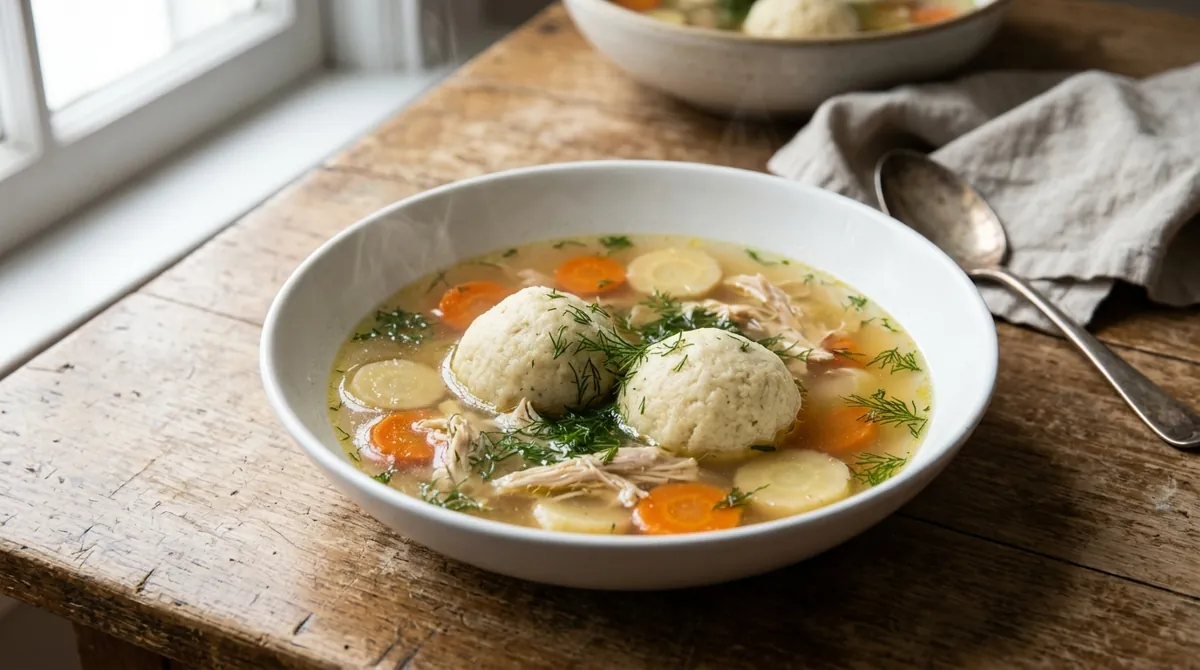
A golden broth simmered from a whole chicken with carrots, celery, dill and an unpeeled onion, with light schmaltz-and-seltzer matzo balls poached in salted water, then finished in the broth with carrot, parsnip, shredded chicken and fresh dill.
Pho Ga (Vietnamese Chicken Noodle Soup)
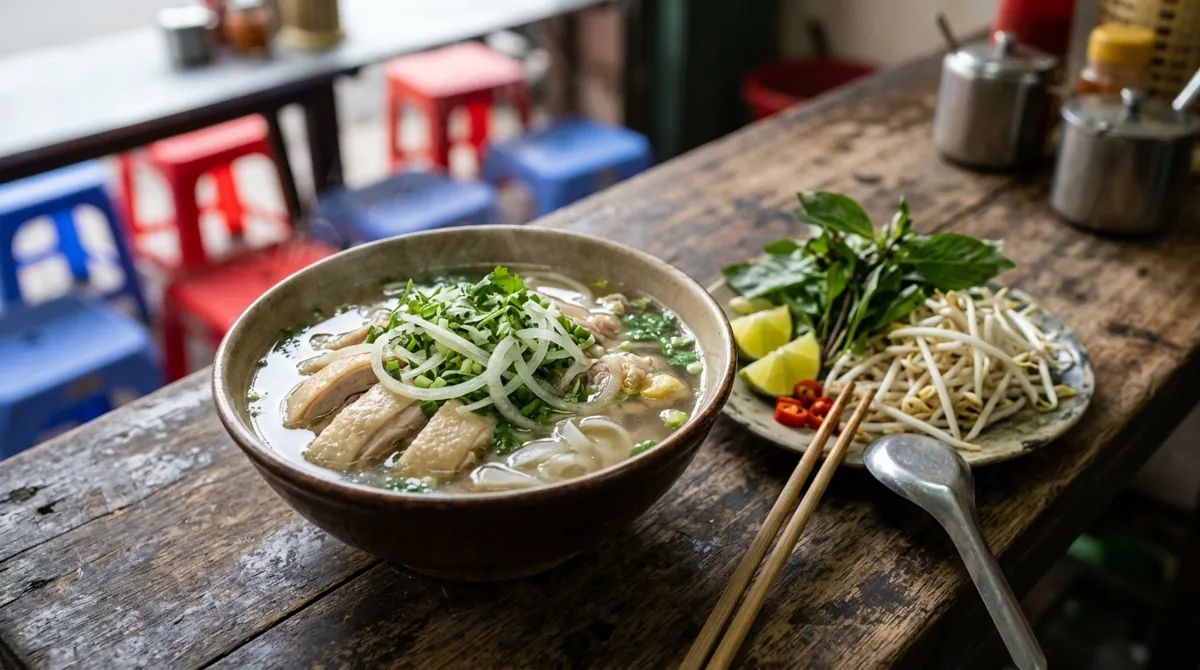
A clear broth from a whole chicken and extra backs, perfumed with charred onion and ginger, toasted coriander seed, cloves and cilantro, ladled boiling hot over flat rice noodles, sliced poached chicken, paper-thin onion and herbs, with bean sprouts, basil, chiles and lime at the table.
Caldo de Pollo (Mexican Chicken Soup)
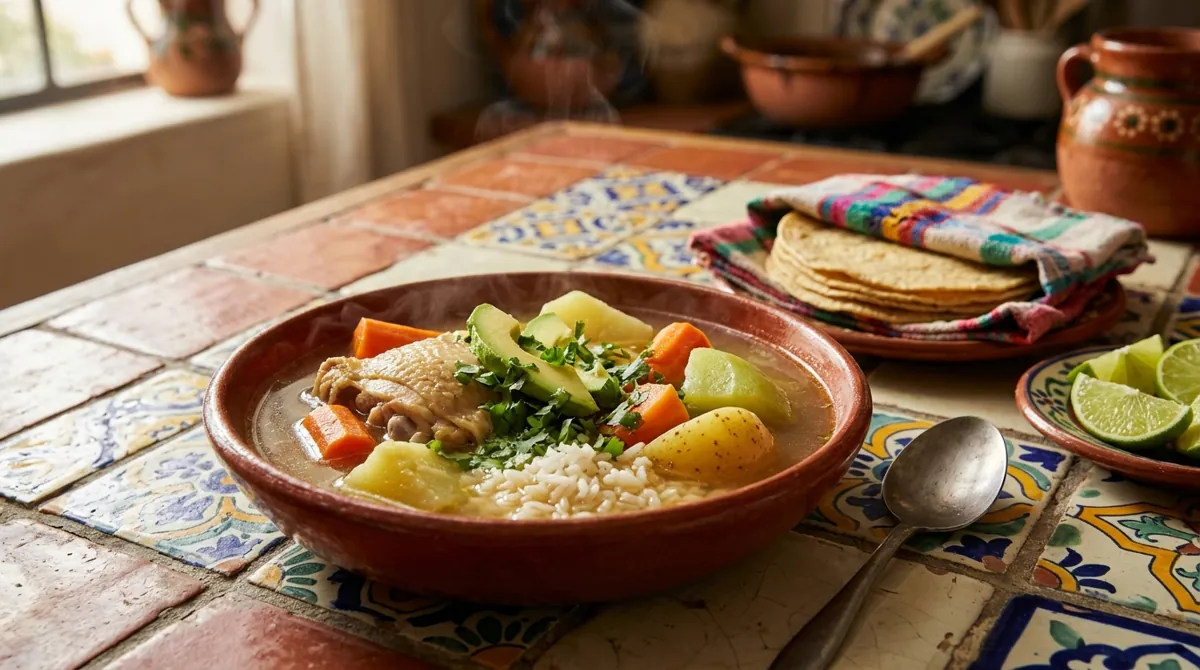
A whole chicken simmered gently with onion, garlic, celery and cilantro, then carrots, potatoes and chayote, served in big bowls over white rice with avocado, chopped onion, cilantro, serrano and lime, and warm corn tortillas on the side.
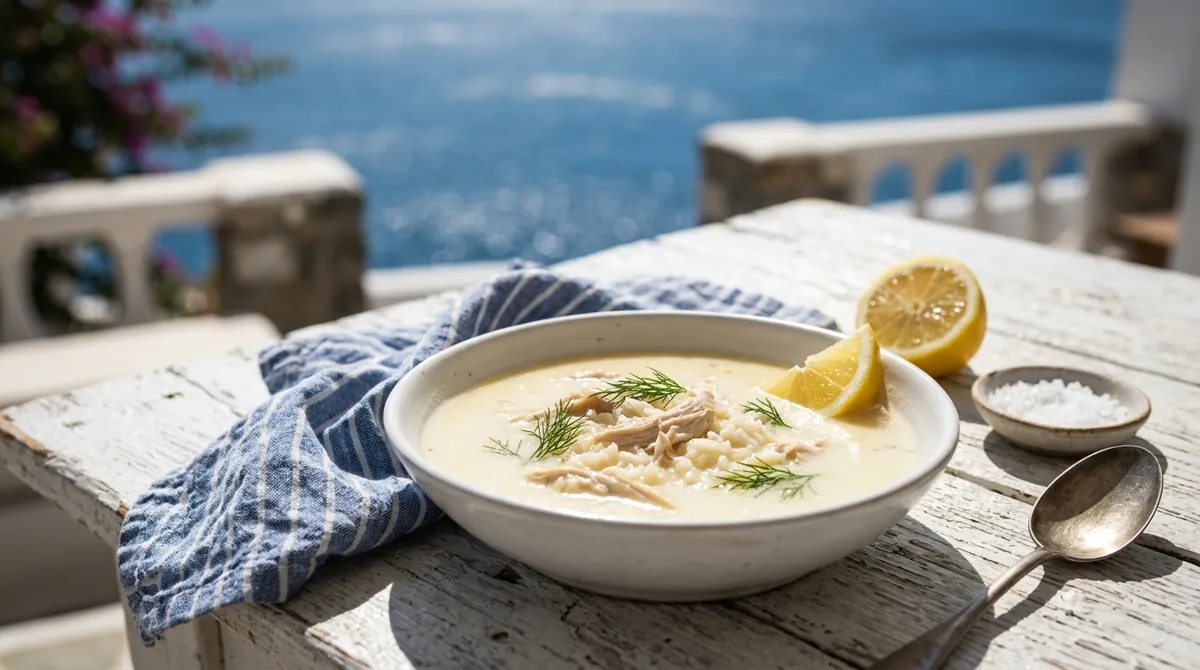
Avgolemono (Greek Lemon-Egg Chicken Soup)
Chicken breasts poached in stock, rice or orzo cooked in the same pot, and five eggs tempered with hot broth until the soup turns silky and pale gold, then sharpened with lemon juice to taste and finished with the chicken and fresh dill.
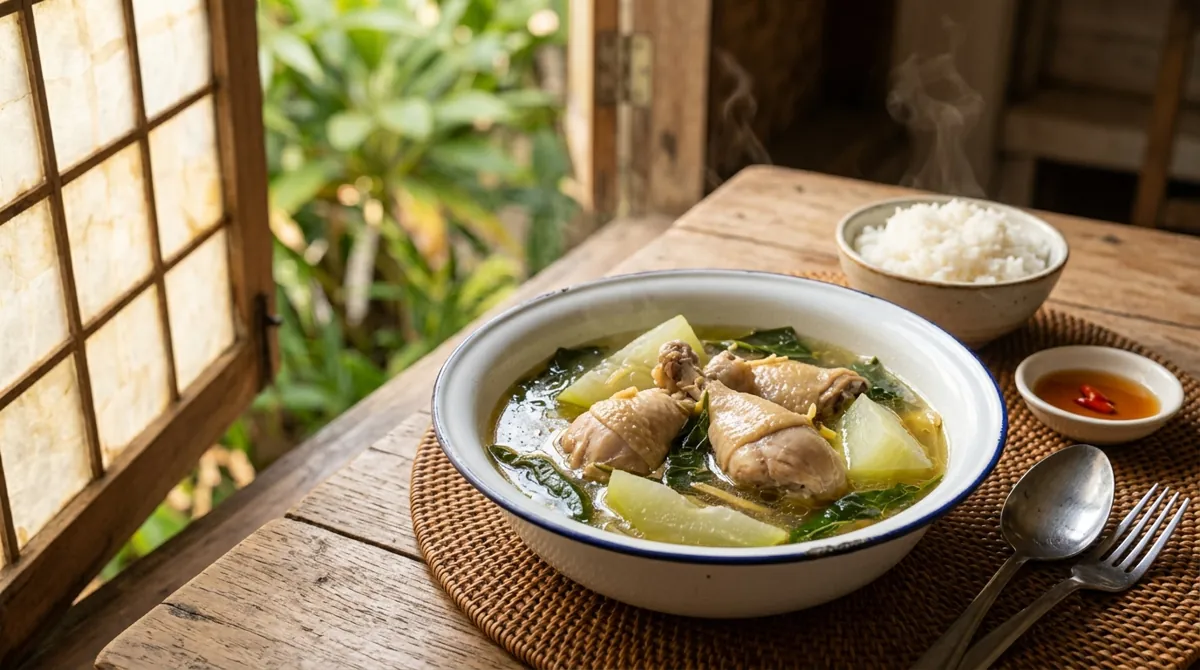
Tinola (Filipino Ginger Chicken Soup with Green Papaya)
Bone-in chicken browned with onion, lots of ginger and garlic, seasoned with fish sauce and simmered in water until tender, then finished with wedges of green papaya and a bunch of spinach (or chili leaves or malunggay), served hot with steamed rice.
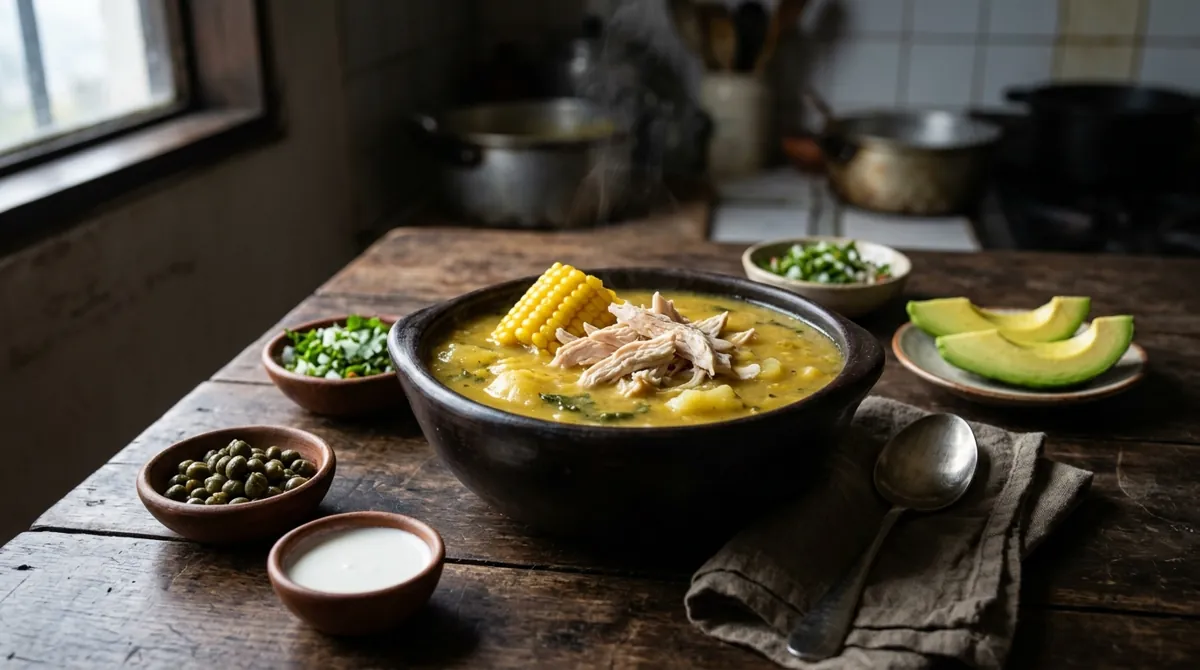
Ajiaco (Bogotá Chicken and Three-Potato Soup)
Chicken breast, three kinds of potato and the herb guascas simmered in stock until the starchy potatoes fall apart and thicken the soup, with chunks of corn on the cob, served with shredded chicken, capers, thinned sour cream, avocado and a fresh onion and cilantro ají.
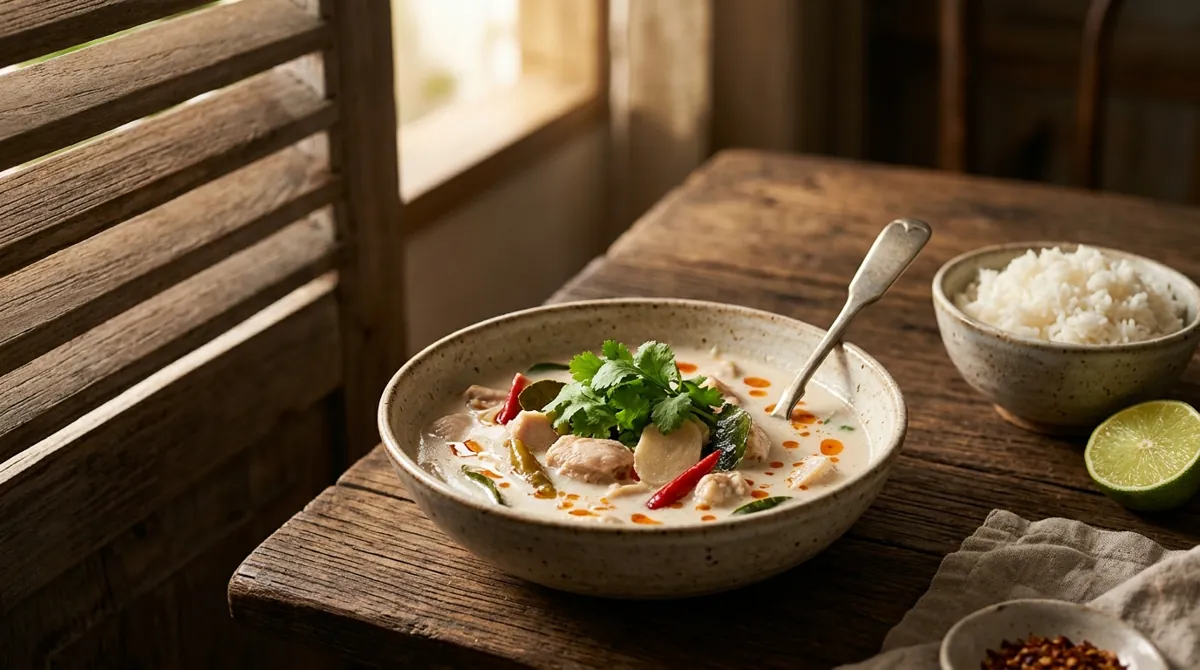
Tom Kha Gai (Thai Chicken Soup with Coconut and Galangal)
Boneless chicken thighs simmered in stock with sliced galangal, lemongrass, shallots and fish sauce, then a pounded galangal infusion, makrut lime leaves, Thai chiles and coconut cream stirred in off the heat, seasoned with equal parts fish sauce and lime juice.
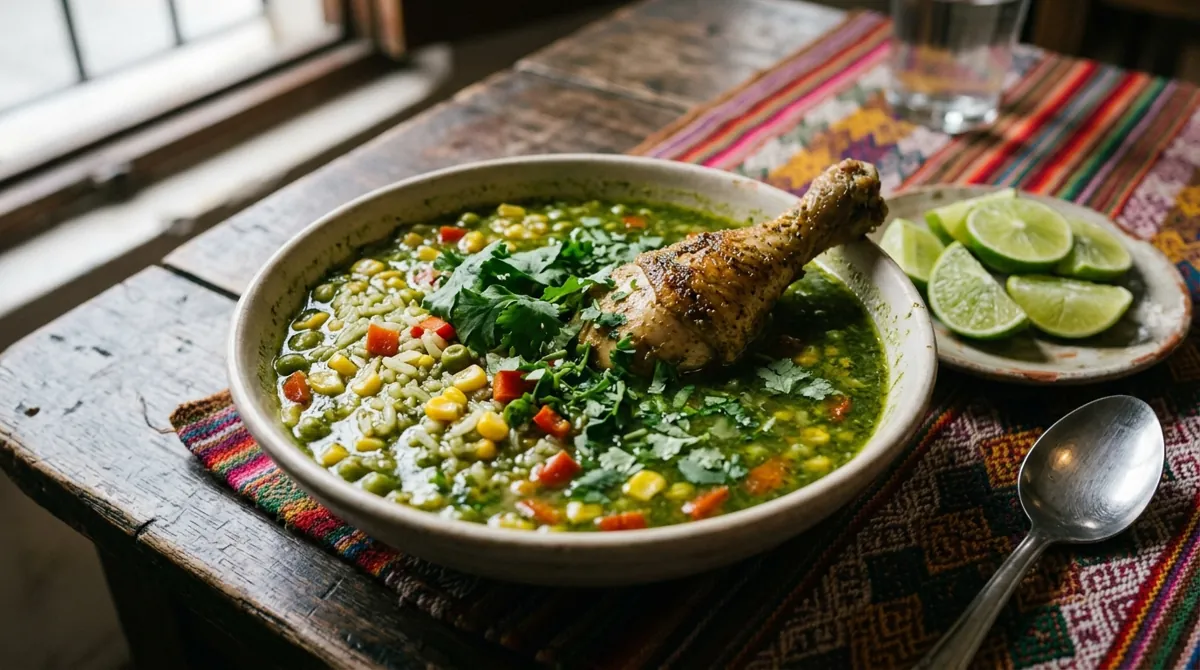
Aguadito de Pollo (Peruvian Cilantro Chicken and Rice Soup)
Browned bone-in chicken thighs and drumsticks simmered with onion, red bell pepper, cumin and rice in broth blended with cilantro, serrano and garlic, then brightened with a second fresh cilantro puree, sweet corn and lots of lime.
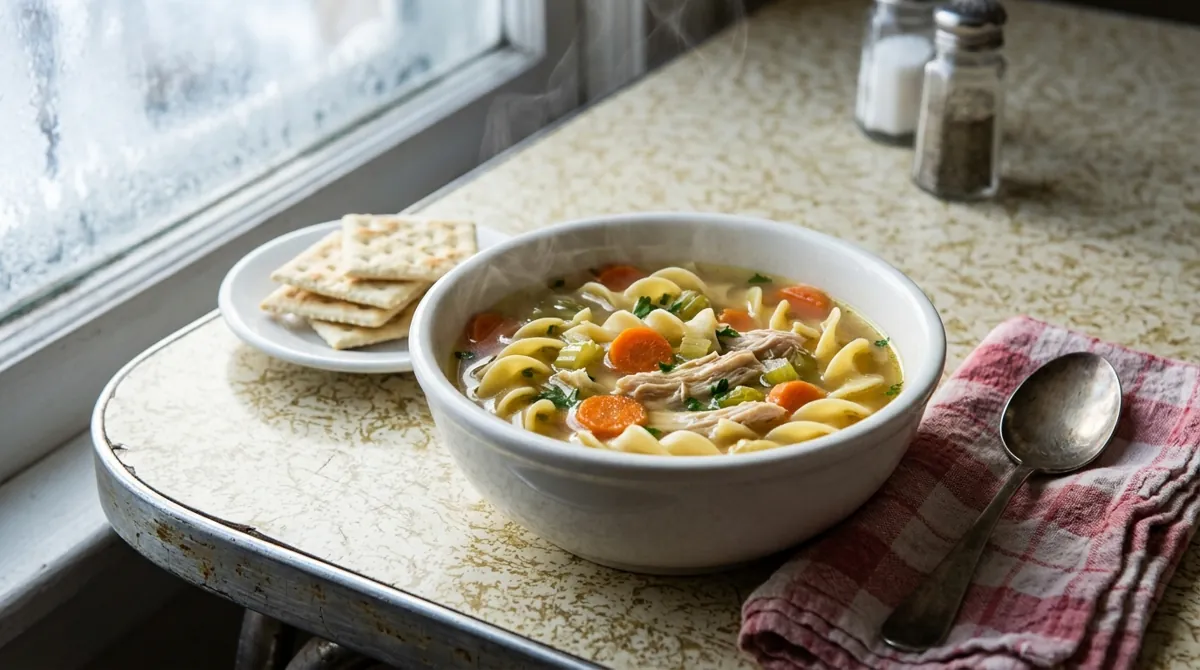
Classic American Chicken Noodle Soup
A rich homemade broth from browned chicken thighs with onion and bay, chicken breasts poached in it and shredded, then onion, carrot, celery and thyme simmered in the strained broth with wide egg noodles and finished with parsley.
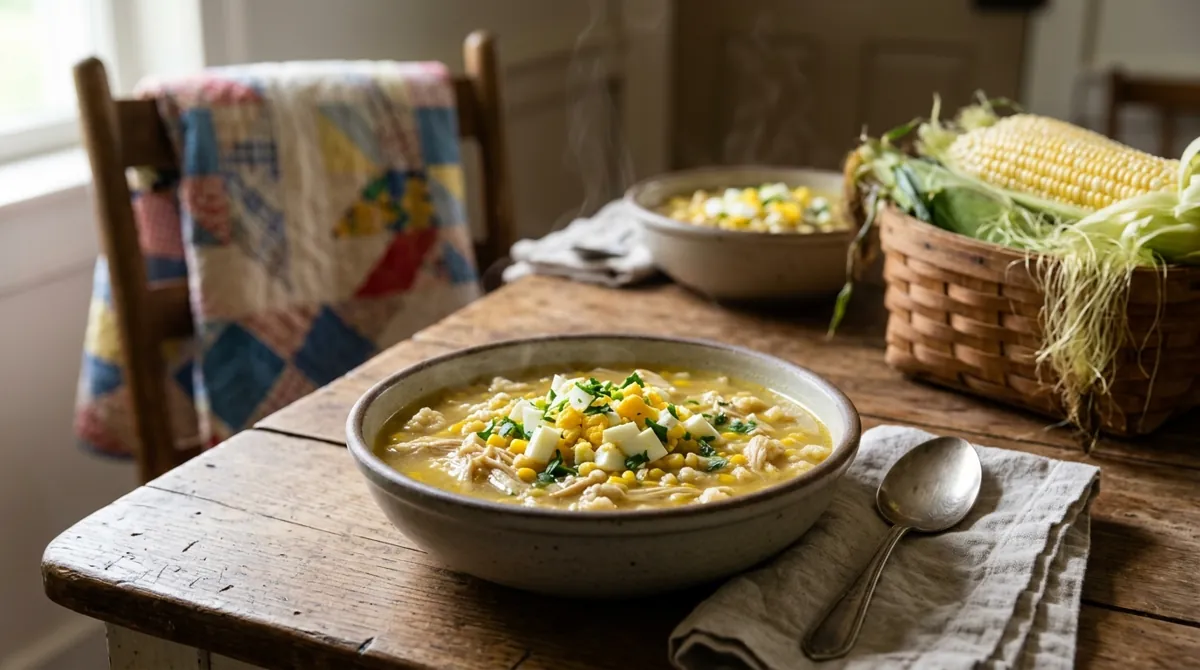
Pennsylvania Dutch Chicken Corn Soup with Rivels
Chicken thighs and breast poached in broth with the stripped corn cobs, then pea-size egg-and-flour rivels and fresh corn, half cut and half grated, simmered until tender, finished with shredded chicken and parsley and topped with chopped hard-cooked egg.
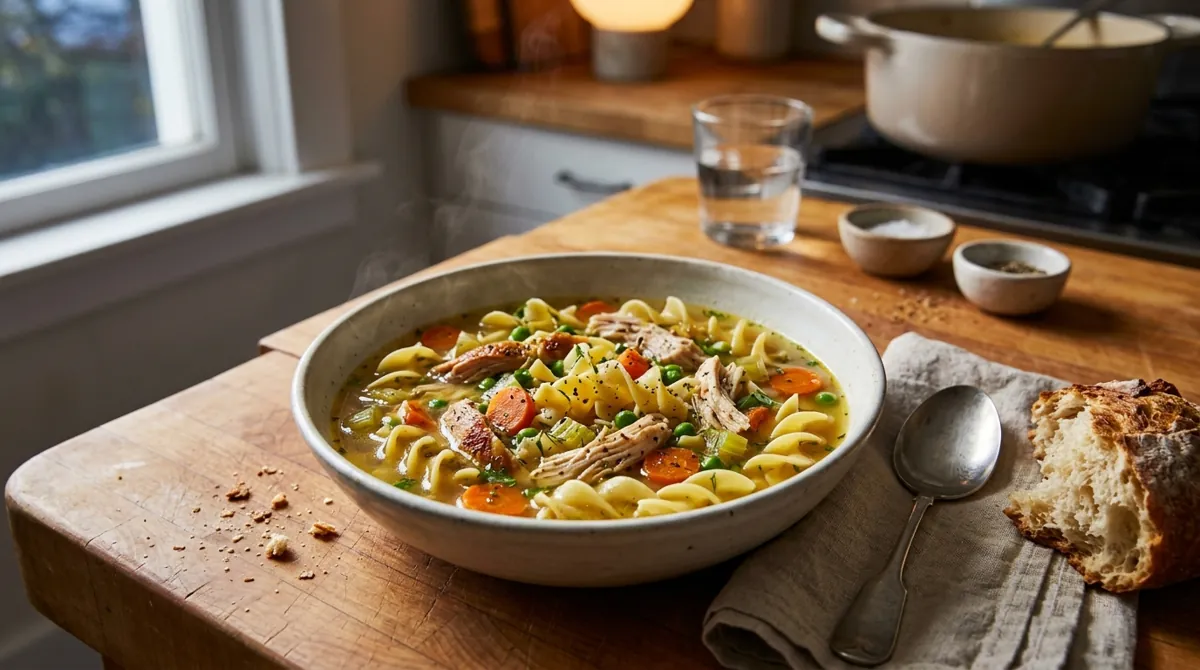
30-Minute Rotisserie Chicken Noodle Soup
Onion, celery, carrots and thyme browned in butter, simmered in store-bought broth, then egg noodles cooked right in the pot, with the shredded meat of a supermarket rotisserie chicken and frozen peas stirred in at the end, in 30 minutes.
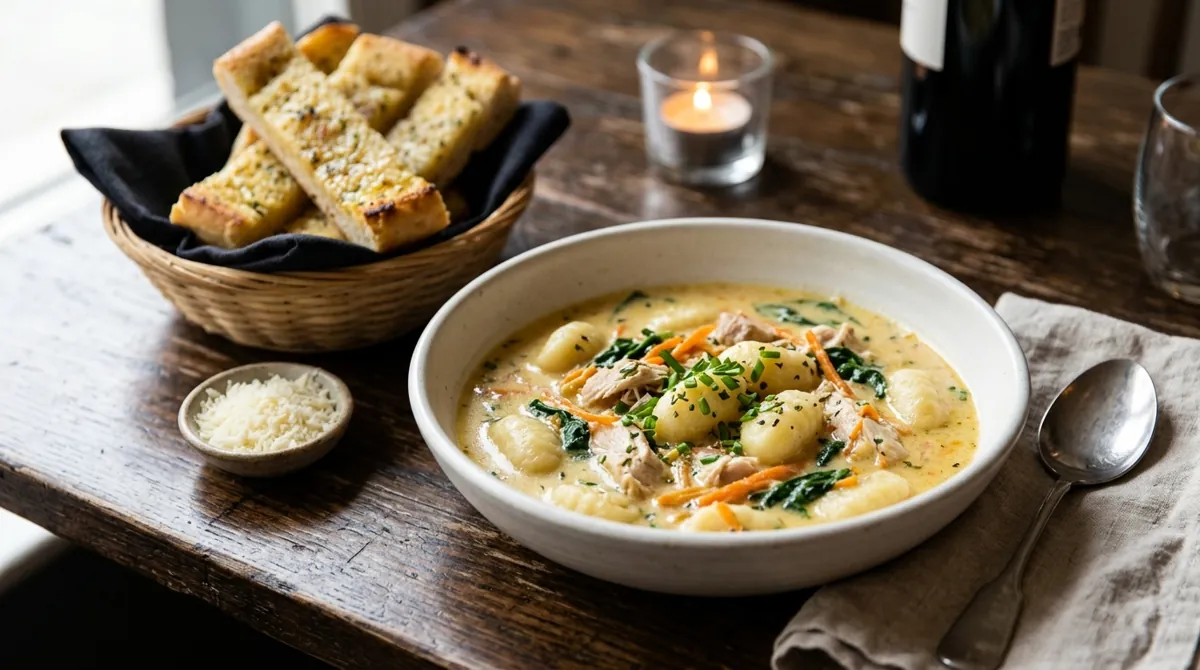
Creamy Chicken and Gnocchi Soup, Inspired by Olive Garden
Inspired by, not official: celery, shredded carrot, onion and garlic softened in butter, thickened with flour and chicken broth, then store-bought potato gnocchi, cooked chicken, baby spinach, heavy cream and thyme, in one pot in 40 minutes.
Meatballs of the World

Italian-American Meatballs
Big, tender meatballs braised for an hour in red sauce over spaghetti. The one most Americans grew up with.

Pallottine (Abruzzo Meatballs)
Tiny meatballs, smaller than a marble, tossed right through square spaghetti alla chitarra. No bread at all.

Swedish Meatballs (Köttbullar)
Small, soft meatballs browned in butter, in a cream sauce made from the same pan, with lingonberry jam on the plate.

Danish Frikadeller
Pork meatballs shaped with a spoon and fried slowly in butter, crusty outside and soft in the middle.

Königsberger Klopse
German meatballs that are never fried: poached, then served in a creamy white sauce with capers.

Spanish Albóndigas in Almond Saffron Sauce
The tapas bar classic: small meatballs in a golden sauce thickened with fried almonds and bread.

Mexican Albóndigas with Chipotle and Mint
Soft meatballs with rice and fresh mint inside, simmered in a smoky tomato and chipotle broth.

Izgara Köfte (Turkish Grilled Meatballs)
Small, flat meatballs kneaded hard, rested cold, and charred on a hot grill pan.

Lion's Head Meatballs
Big, soft pork meatballs, stirred into a sticky paste, fried to set, then braised in a savory sauce.

Chicken Tsukune
Japan's chicken meatball: kneaded sticky, grilled on skewers, glazed with sweet soy tare, dipped in egg yolk.