
Sharlotka (Russian Apple Sponge Cake)
Four eggs and a cup of sugar beaten until thick and airy, a cup of flour folded in with diced apples, baked in one pan at 350°F for 35 to 40 minutes, then topped while hot with sour cream stirred with orange marmalade.
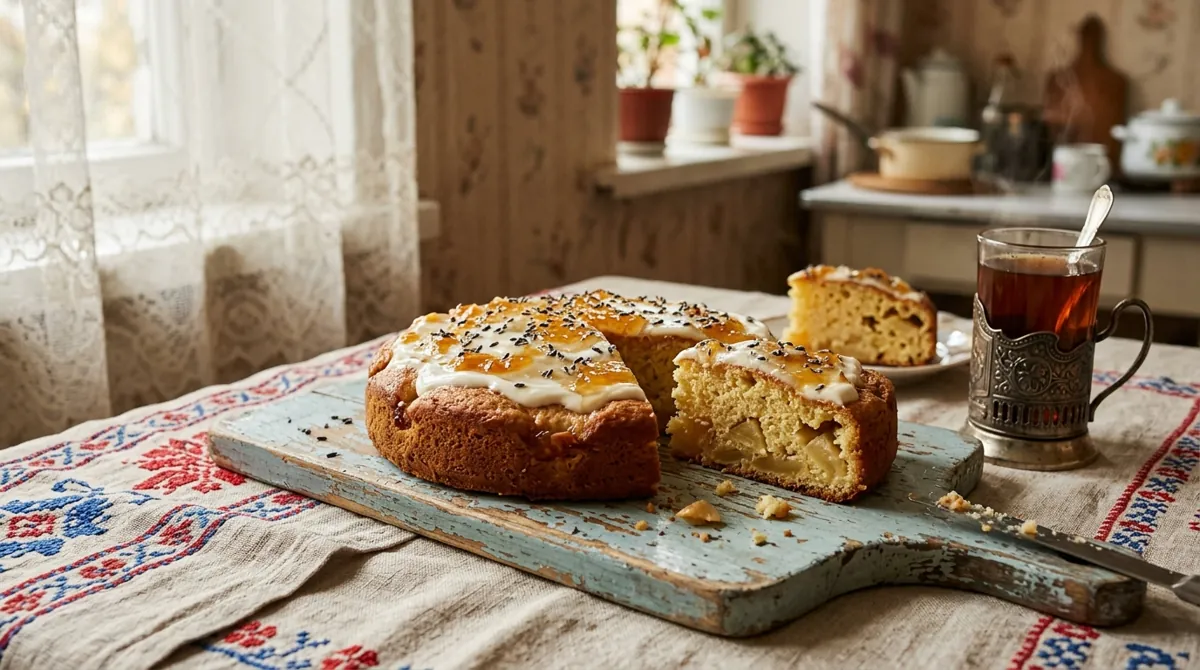
Sharlotka shares a name with one of the grandest desserts in Europe and almost nothing else. Russian Life magazine (Vera Loginova, "French Treat", March 1, 2019) tells it this way: Antonin Carême, the great French chef, was invited to Russia in 1819 to cook for Emperor Alexander I, found the tsar away and left without cooking for him. Carême reworked the English "charlotte", a pudding of bread layered with fruit, into the charlotte russe of ladyfingers and Bavarian cream. In New York it later became a sponge cake with whipped cream sold in paper cups.
The Russian sharlotka is something else. Russian Life says it became an apple-filled cake, light like an angel food cake, in the early 20th century, and it was a Soviet staple because it needed only four ingredients and less than an hour, and because apples wrapped in newspaper kept in a cool place for much of the year. There is no butter in the batter: the beaten eggs do all the work. The magazine's version adds a modern touch, a topping of sour cream and orange jam spread on while the cake is hot.
Why it works the kitchen science
Eggs beaten for a long time
Whipping the eggs and sugar traps air that the oven expands, so a cake with no butter or oil rises light and tender around the apples.
Fold, don't stir
Folding the flour and apples in gently keeps that air in the batter; stirring hard would knock it out and bake a dense cake.
Watch it in 60 seconds
Step by step
- Step 1
Heat the oven to 350°F (180°C). Line the bottom of a 9-inch springform with parchment and butter the sides.
- Step 2
Peel, core and dice the apples into about 1/2-inch pieces.
- Step 3
Beat the eggs and sugar with a mixer on high speed until very thick, pale and about tripled, 8 to 10 minutes. The longer you beat, the airier the cake.
- Step 4
Sprinkle in the baking powder and spices and fold gently, then fold in the flour just until no streaks remain. Fold in the apples.
- Step 5
Pour the batter into the pan and bake 35 to 40 minutes, checking at 30, until the top is golden and springs back and a toothpick in the center comes out clean.
- Step 6
While it bakes, stir the sour cream and marmalade together. Spread it over the cake as soon as it comes out of the oven, scatter the lavender and peppercorns if using, and let the cake cool before cutting. Refrigerate leftovers.
Sharlotka (Russian Apple Sponge Cake)
Serves 8 · one 9-inch round cake · 55 min total
Cake
- 4 large eggs
- 1 cup (200 g) sugar
- 1 tsp baking powder
- 1/2 tsp ground cinnamon and a pinch of ground cardamom (optional)
- 1 cup (120 g) all-purpose flour
- 2 to 3 medium apples, peeled, cored and diced (about 2 cups)
- Butter for the pan
Topping
- 1/2 to 3/4 cup sour cream
- About 3 tbsp orange marmalade or orange jam
- Dried lavender and crushed red peppercorns, for garnish (optional)
Method
- Heat the oven to 350°F (180°C). Line the bottom of a 9-inch springform with parchment and butter the sides.
- Peel, core and dice the apples into about 1/2-inch pieces.
- Beat the eggs and sugar with a mixer on high speed until very thick, pale and about tripled, 8 to 10 minutes. The longer you beat, the airier the cake.
- Sprinkle in the baking powder and spices and fold gently, then fold in the flour just until no streaks remain. Fold in the apples.
- Pour the batter into the pan and bake 35 to 40 minutes, checking at 30, until the top is golden and springs back and a toothpick in the center comes out clean.
- While it bakes, stir the sour cream and marmalade together. Spread it over the cake as soon as it comes out of the oven, scatter the lavender and peppercorns if using, and let the cake cool before cutting. Refrigerate leftovers.
Adapted from Russian Life, "French Treat" by Vera Loginova (March 1, 2019), with its recipe "Sharlotka". We follow it as written: 1 cup flour, 1 cup sugar, 4 eggs, 1 tsp baking powder and 2 to 3 medium apples, cored, peeled and diced (about 2 cups), with optional ground cinnamon and cardamom; the eggs and sugar beaten well (the longer, the airier); baking powder and spices, then flour, mixed in gently; apples folded in; a parchment-lined tin; 35 to 40 minutes at 350°F (180°C), checking at 30, until a toothpick comes out clean; a topping of 1/2 to 3/4 cup sour cream and several spoonfuls of orange jam or marmalade spread on right out of the oven, with optional dried lavender and red peppercorns; the topped cake kept in the refrigerator. The 9-inch springform, the 8 servings, the 3 tbsp of marmalade and the beating time are ours. russianlife.com. Ingredient list follows the source; the method is in our own words.
All sources (1)
Tips
- Russian Life says the amount of apple is up to you; more apple means a moister, heavier cake.
- Unfrosted, the cake keeps in a sealed container at room temperature; topped with sour cream, it goes in the refrigerator (Russian Life).
- Without the topping, a dusting of powdered sugar is the plain version (our suggestion).
- Tart apples, such as Granny Smith, keep their shape and contrast with the sweet sponge (our suggestion).
The rules people argue about
What the sources agree on, what they don't, and what is just a good story.
- Sharlotka comes from Carême's charlotte russe. Disputed: the names match, and Russian Life tells Carême's Russian connection; but it also says the two have very little in common except the name.
- Carême cooked for Alexander I. Documented as false in Russian Life's account: the tsar was away, and Carême left without cooking for him.
- Sharlotka is a Soviet cake. Documented as Russian Life's account: an early 20th-century apple cake that became a staple because it needs four ingredients and under an hour.
- Real sharlotka has no butter. Documented: Russian Life's batter is only flour, sugar, eggs and baking powder.
Every other apple pie
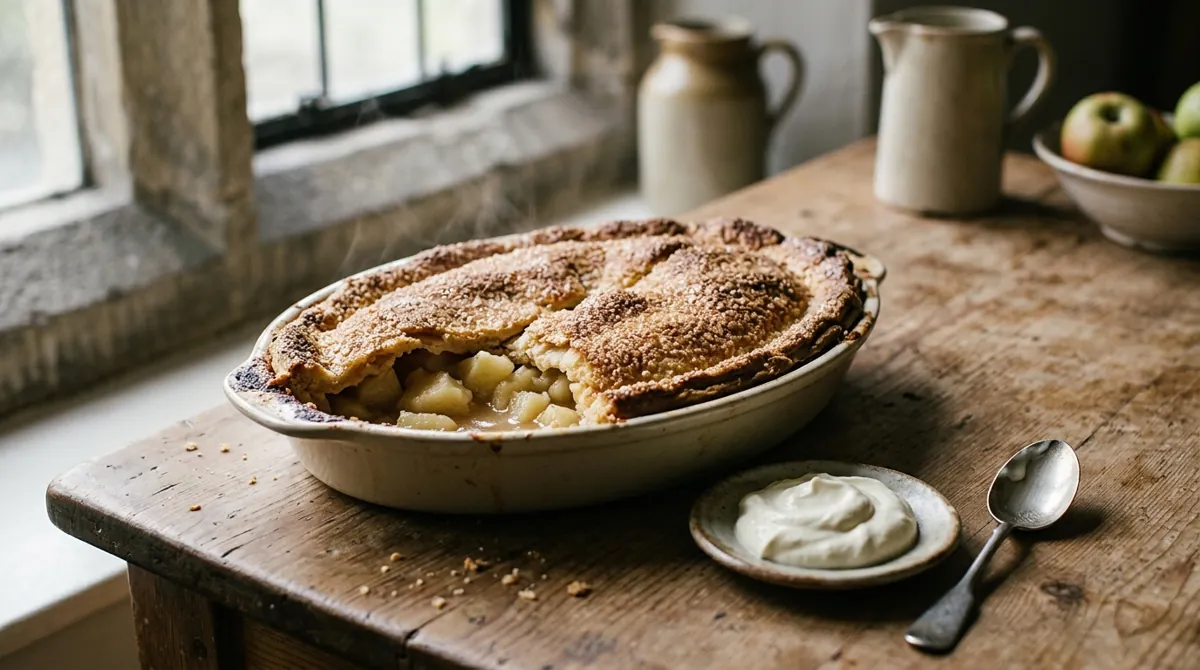
English Apple Pie (Cooking Apples Under a Pastry Lid)
Chunks of tart cooking apples with honey, cinnamon and mixed spice piled into a deep pie dish under a single lid of butter shortcrust, glazed with egg and baked hot at 400°F until golden and bubbling.
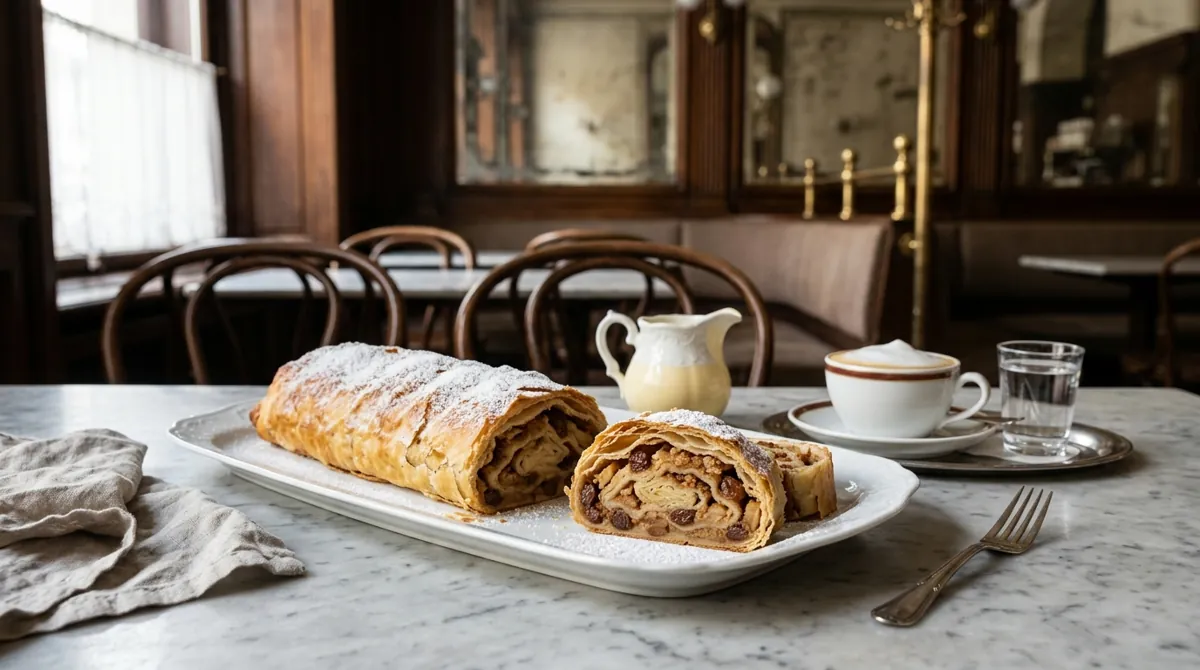
Wiener Apfelstrudel (Viennese Apple Strudel)
A soft egg and oil dough stretched over a floured tablecloth until it's paper thin, brushed with butter, layered with hazelnut breadcrumbs fried in butter, sliced apples, rum-soaked raisins, cinnamon and cloves, rolled up and baked at 350°F until golden.
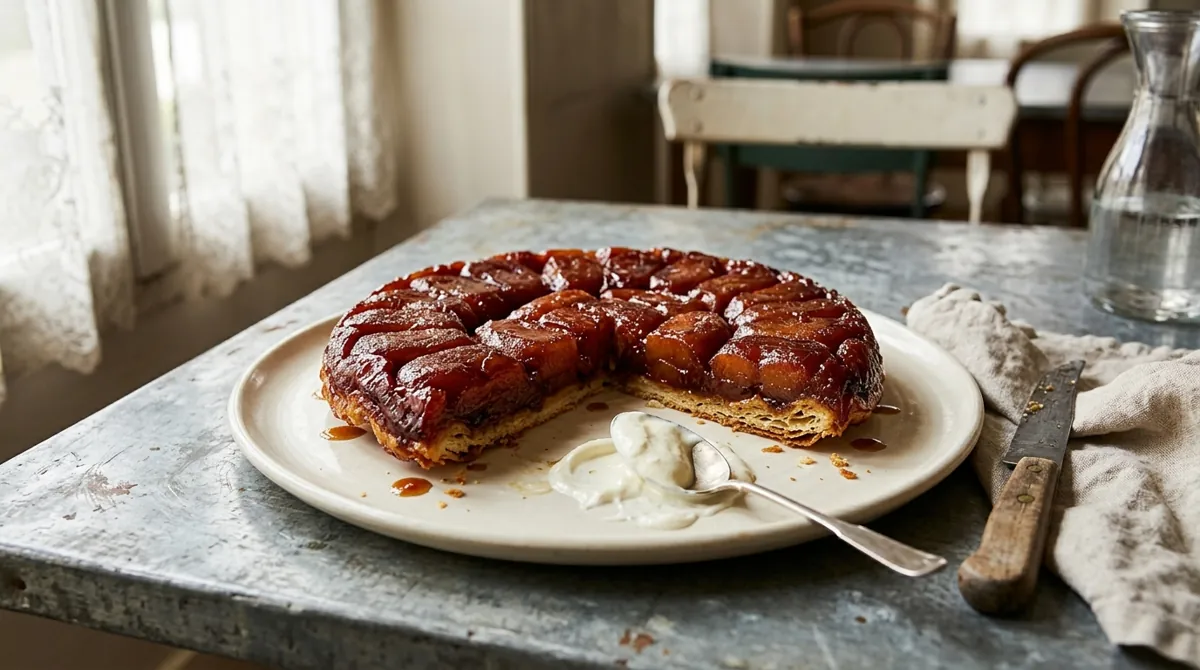
Tarte Tatin (French Upside-Down Apple Tart)
Apple quarters packed in a skillet and softened in butter, covered with a light amber caramel cooked to 355°F, topped with a chilled disk of butter pastry, baked at 350°F until the edges bubble thick and syrupy, then flipped onto a platter.
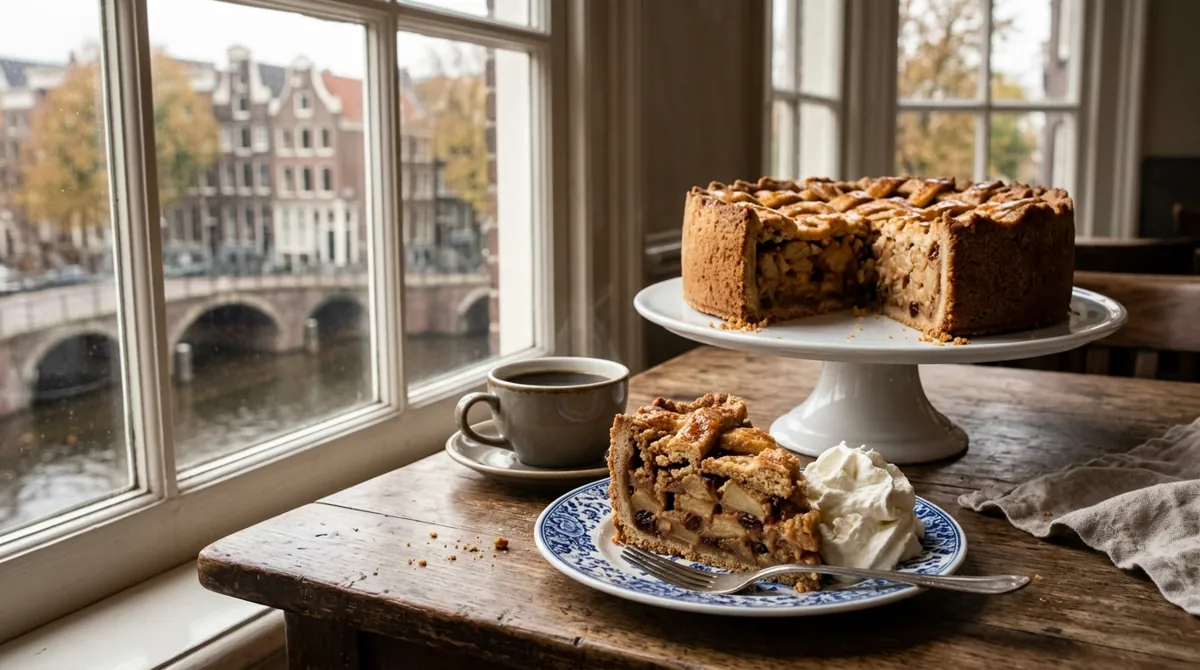
Appeltaart (Dutch Apple Pie)
A tall springform pie with a cookie-like brown sugar crust pressed in by hand, packed with precooked Golden Delicious apples, golden raisins and speculaas-style spices, topped with a crisscross of dough strips and baked at 375°F for about 75 minutes. Served "met slagroom", with whipped cream.
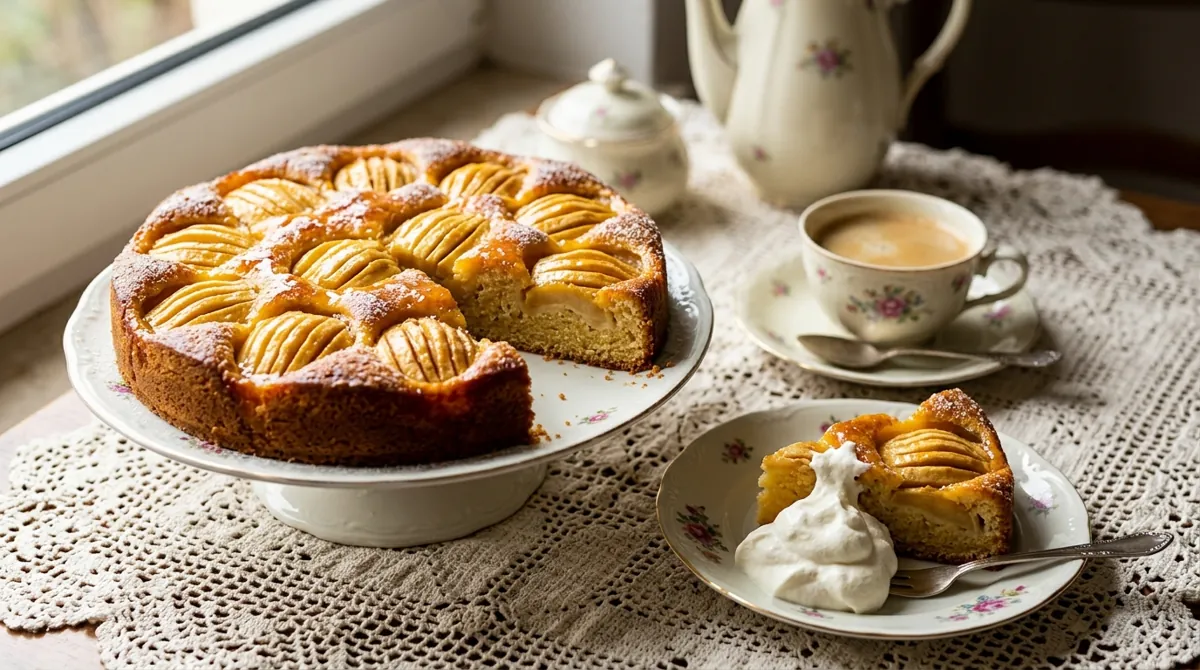
Versunkener Apfelkuchen (German Sunken Apple Cake)
A buttery vanilla and lemon batter spread in a springform, topped with a ring of peeled apple quarters scored on top so they fan open and sink as the cake rises around them, baked at 350°F for about 45 minutes and brushed hot with apricot jam.
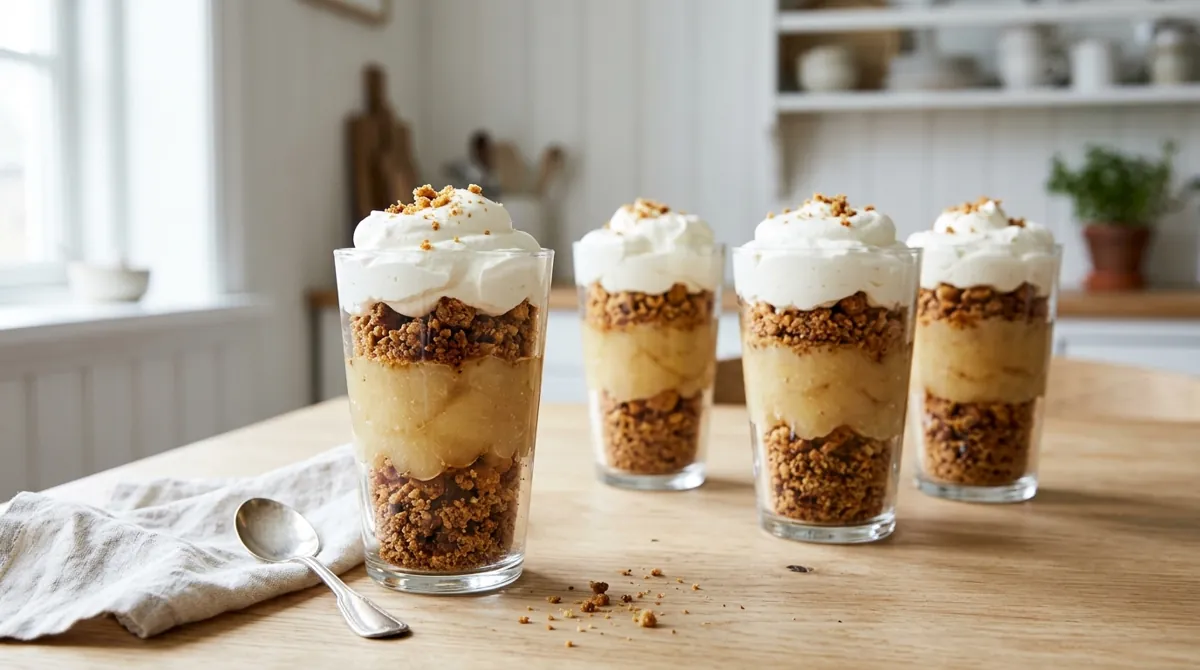
Gammeldags Æblekage (Danish Old-Fashioned Apple Cake)
Not a cake at all: tart apples cooked with vanilla and lemon into a chunky sauce and chilled, breadcrumbs toasted golden in butter and sugar, and lightly whipped cream, layered in glasses just before serving.
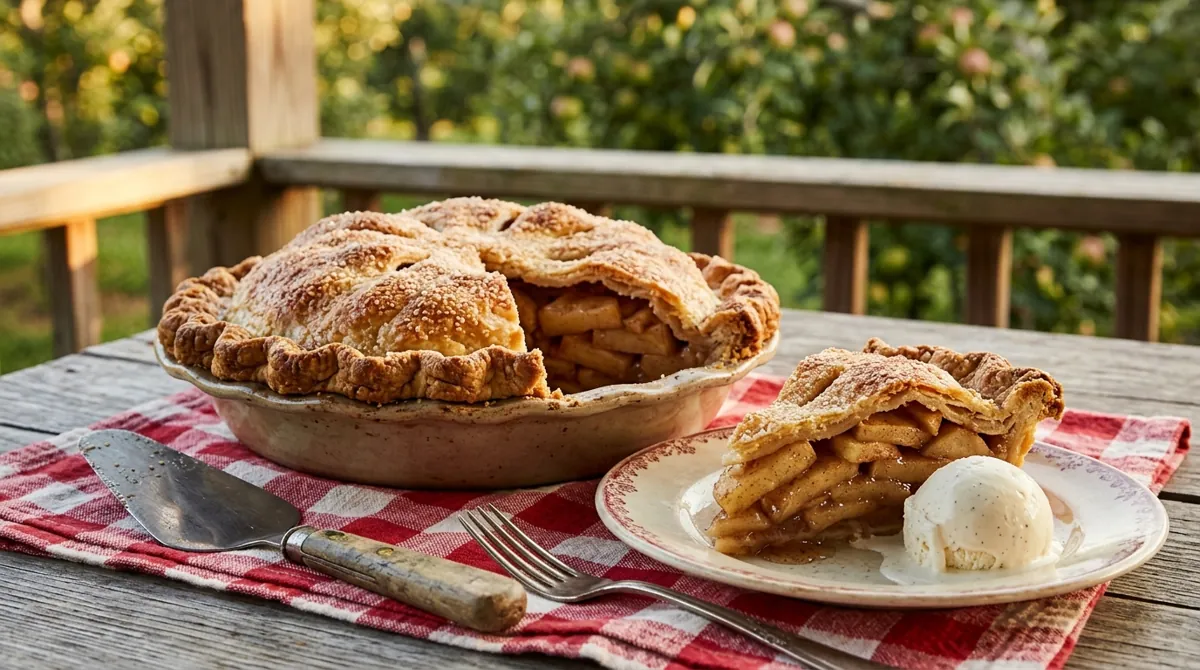
Classic American Apple Pie (Double Crust)
Eight cups of thin-sliced apples tossed with sugar, cinnamon, nutmeg and allspice, thickened with flour and cornstarch and dotted with butter, sealed between two flaky butter and shortening crusts, baked at 425°F and then 375°F until the filling bubbles hard through the vents.
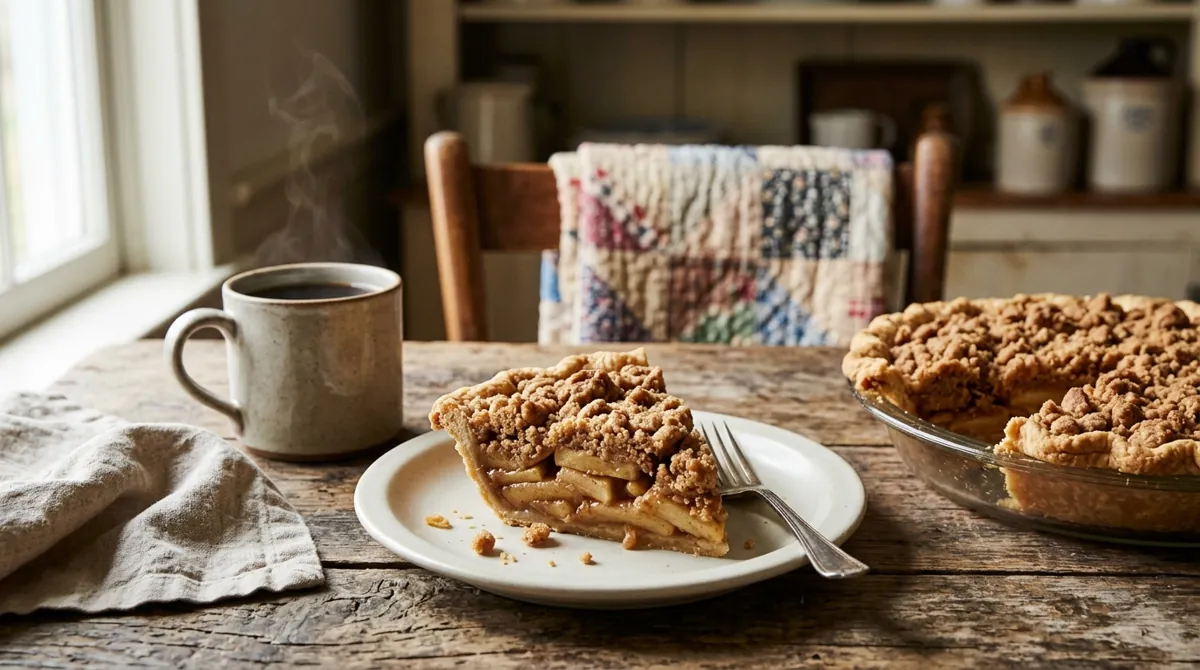
Pennsylvania Dutch Apple Pie (Crumb Top)
One flaky shortening crust filled with 2 pounds of apples tossed with sugar, flour, cinnamon and nutmeg, covered with a lumpy brown sugar and butter streusel instead of a top crust, baked at 425°F and then 350°F.
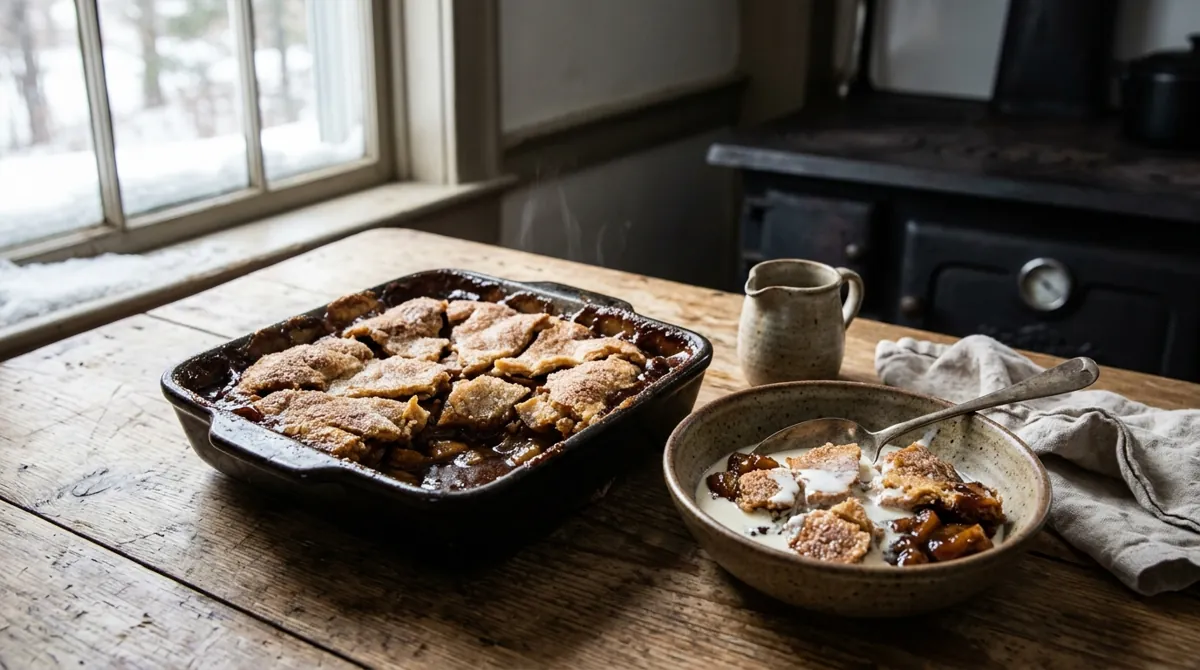
Apple Pandowdy (Old New England Pan Dowdy)
Apples with sugar, cinnamon and nutmeg, molasses and butter baked between two crusts in a square pan at 425°F, then the top crust is slashed and pushed down into the juices in rough chunks, "dowdied", so it turns half crisp, half pudding.
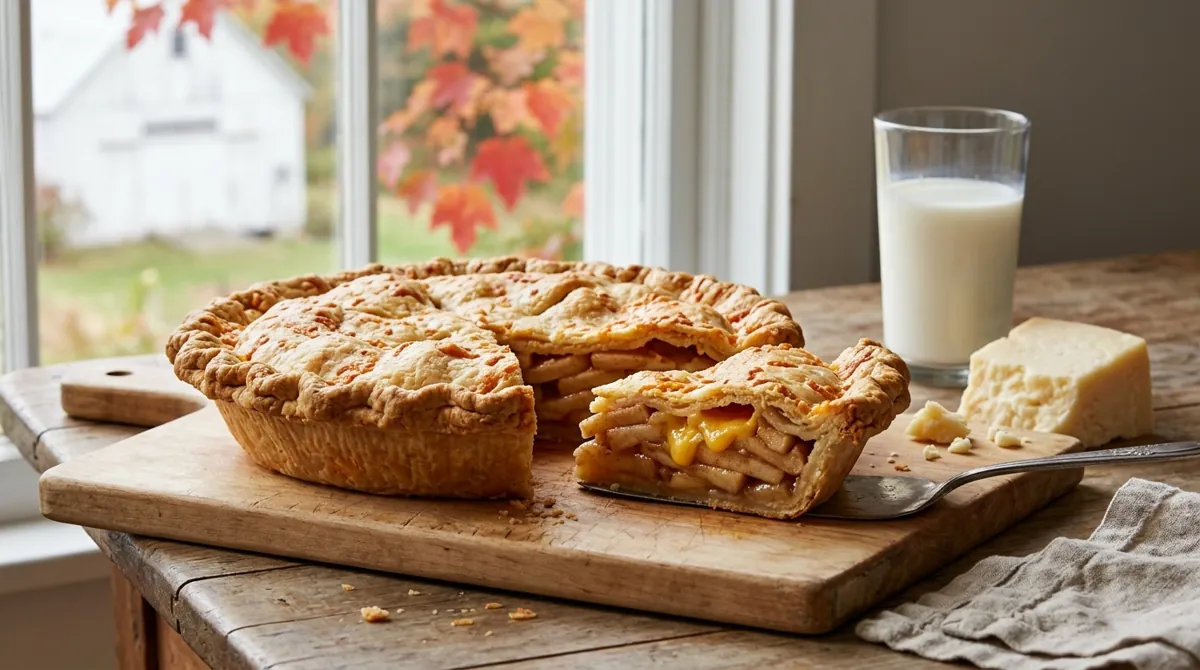
Vermont Apple Pie with Cheddar Crust
A butter crust with grated sharp Vermont cheddar folded in, filled with sliced apples, sugar, maple syrup and apple pie spice, layered with thin slices of more cheddar under the top crust and baked at 375°F until browned. Vermont's 1999 state pie law names cheddar as one way to serve it.
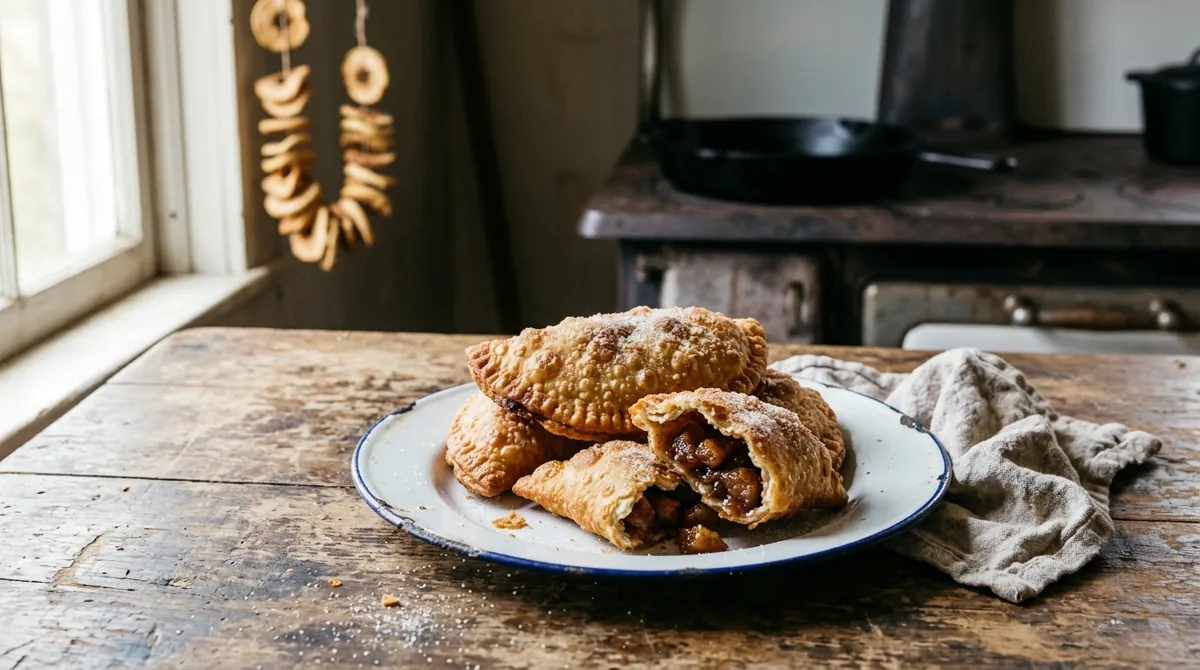
Southern Fried Apple Pies (Dried-Apple Hand Pies)
Dried apples simmered soft and mashed with sugar and cinnamon, spooned onto 5-inch rounds of lard pastry, folded into half-moons, crimped with a fork and fried in lard at 350°F until blistered and lightly browned.
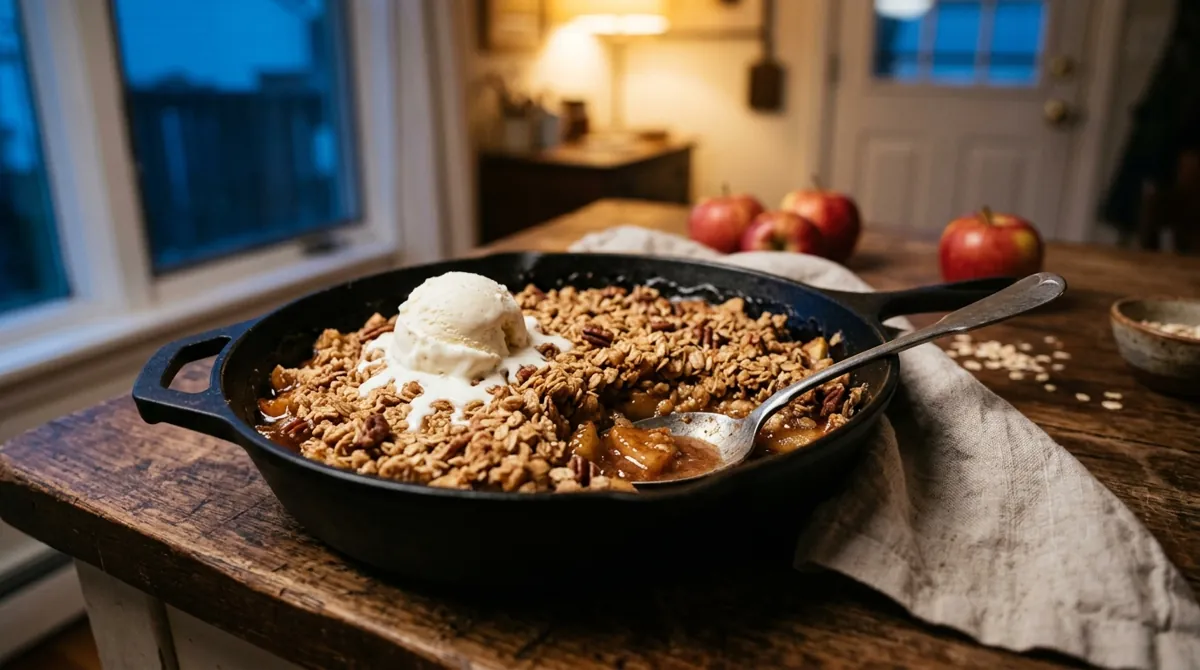
Skillet Apple Crisp (One-Pan, About an Hour)
Apple wedges sautéed in butter in one ovensafe skillet and coated with reduced cider, covered with a pecan, oat and brown sugar crumble made with melted butter, and baked hot at 450°F for 15 to 20 minutes until the fruit is tender and the top deep golden.
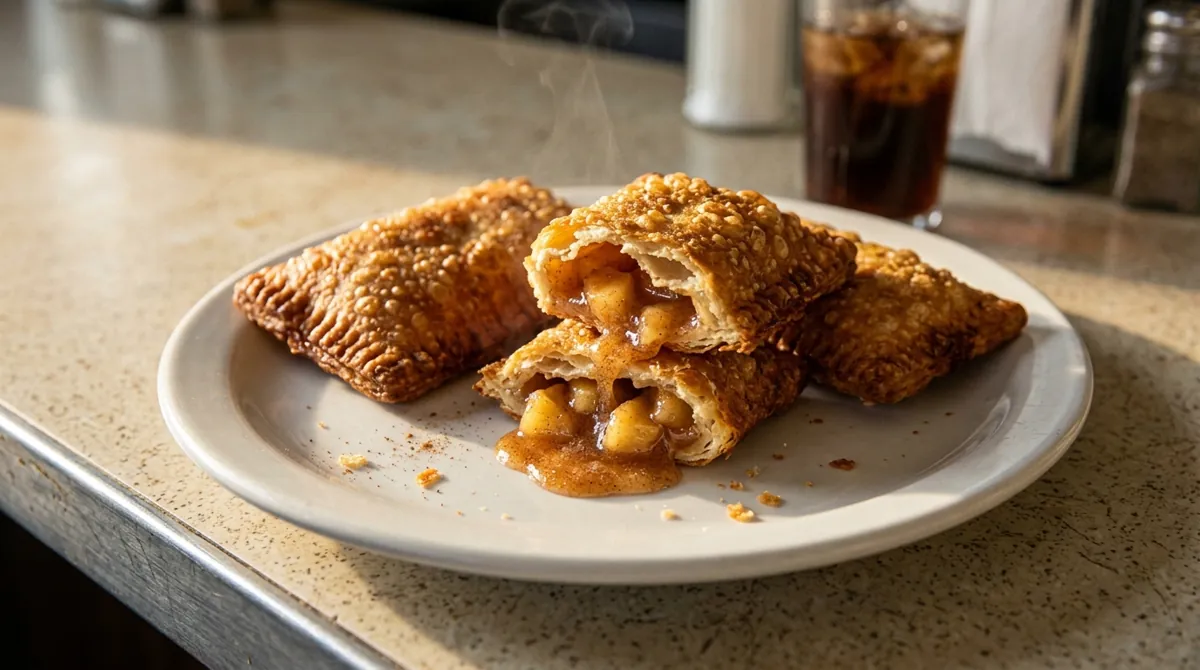
Fried Apple Hand Pies (Inspired by McDonald's, Not Official)
A copycat of the original fried fast food apple pie, inspired by McDonald's, not official: diced apples sautéed in browned butter with brown sugar and cinnamon, sealed in rectangles of pie dough and deep-fried at 375°F until golden and shatteringly crisp.
Meatballs of the World

Italian-American Meatballs
Big, tender meatballs braised for an hour in red sauce over spaghetti. The one most Americans grew up with.

Pallottine (Abruzzo Meatballs)
Tiny meatballs, smaller than a marble, tossed right through square spaghetti alla chitarra. No bread at all.

Swedish Meatballs (Köttbullar)
Small, soft meatballs browned in butter, in a cream sauce made from the same pan, with lingonberry jam on the plate.

Danish Frikadeller
Pork meatballs shaped with a spoon and fried slowly in butter, crusty outside and soft in the middle.

Königsberger Klopse
German meatballs that are never fried: poached, then served in a creamy white sauce with capers.

Spanish Albóndigas in Almond Saffron Sauce
The tapas bar classic: small meatballs in a golden sauce thickened with fried almonds and bread.

Mexican Albóndigas with Chipotle and Mint
Soft meatballs with rice and fresh mint inside, simmered in a smoky tomato and chipotle broth.

Izgara Köfte (Turkish Grilled Meatballs)
Small, flat meatballs kneaded hard, rested cold, and charred on a hot grill pan.

Lion's Head Meatballs
Big, soft pork meatballs, stirred into a sticky paste, fried to set, then braised in a savory sauce.

Chicken Tsukune
Japan's chicken meatball: kneaded sticky, grilled on skewers, glazed with sweet soy tare, dipped in egg yolk.