
🔬 Myth check
Did Oliver Cromwell Ban Mince Pies?
Every December the story comes back: Cromwell outlawed the mince pie, and the law is still on the books. The 1647 text says otherwise.
 By Americanized · Edited by JP Lambiase · October 19, 2026
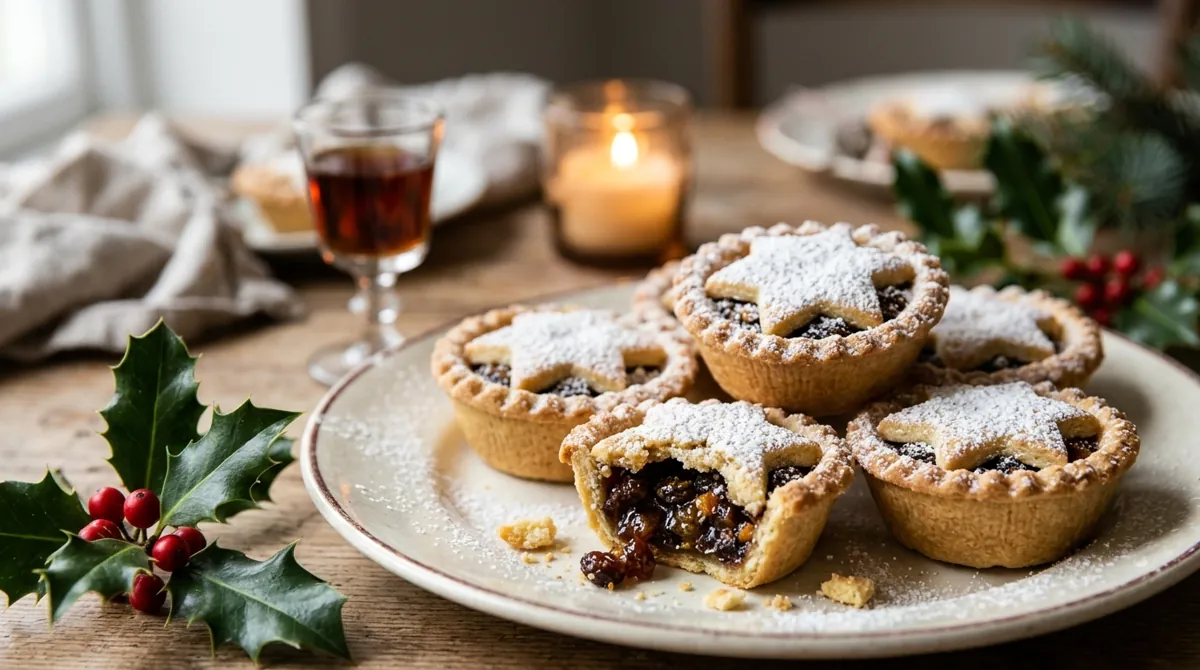
No. Christmas was banned; the pie was not singled out. Parliament's ordinance of June 8, 1647, abolished Christmas, Easter and Whitsun as holy days in England and Wales without a word about food, six years before Oliver Cromwell became Lord Protector.
What the 1647 law actually says
The text survives in the Acts and Ordinances of the Interregnum, which British History Online publishes. "An Ordinance for Abolishing of Festivals," dated June 8, 1647, ends the observance of the Feast of the Nativity, Easter, Whitsuntide and the other holy days in England and Wales. In their place, scholars, apprentices and servants got a day of recreation on the second Tuesday of every month.
Pies, puddings and feasting are not mentioned anywhere in it. English Heritage's Sam Bilton calls the idea that Cromwell banned Christmas and mince pies a myth.
Where Cromwell fits
Cromwell was a Puritan, and The Ferret's 2021 fact check says he was likely supportive of the measures and enforced them once in power. But he did not introduce the 1647 law, which came six years before he became Lord Protector in 1653.
The pressure on Christmas started even earlier. The Ferret notes that Parliament had made the last Wednesday of each month a fast day, and in 1644 that fast fell on Christmas Day, so the day was officially for fasting, not feasting. In those years a mince pie on December 25 was off the menu because the holiday was, not because the pie was.
Is it still illegal to eat a mince pie on Christmas?
No. That claim circulates on social media every December, and The Ferret rated it false. The anti-Christmas laws were never formally repealed; they lapsed in 1660, when the monarchy was restored, and some had never received royal assent in the first place. None survive today.
A pie that used to be meat
The pie the Puritans frowned on was not quite the one in the bakery case now. Bilton traces it to a 14th-century recipe in The Forme of Cury, a tart of minced pork, figs, raisins, honey, cheese and spices. Gervase Markham's 1615 "The English Huswife" used mutton instead, and the pastry case was called a coffin.
Bilton adds that some Puritans objected to pies decorated with sacred figures. Whether pies were really shaped like the manger is less certain: some 1600s pies, maybe. English Heritage says rectangular pies came to be linked with the manger, while Wikipedia says the crib story has little support and its earliest reference is from the 17th century.
The meat faded in the 1800s. Eliza Acton's 1845 mincemeat still used ox tongue, and Mrs Beeton's 1861 book gave one recipe with meat and one without. The fair summary: mostly gone by 1900, except the suet. Our British mince pies keep that suet, from a Royal Collection Trust recipe. Find them with our holiday pies and Christmas recipes.
Questions people ask
When were mince pies invented?
Their exact origin is debated. The family goes back to medieval England, where the oldest recipe in the line is a 14th-century tart of minced meat and fruit. The safe answer: medieval, with spices from far away.
Why is it called mincemeat if there is no meat?
Because there used to be. Mincemeat was chopped meat with fruit and spice for centuries, and recipes with ox tongue lasted into the 1800s. Beef suet is the last trace, and English Heritage notes vegetarian suet as a modern stand-in.
Is there a mince pie superstition?
Yes, as folklore. Wikipedia lists the custom of eating one mince pie on each of the twelve days of Christmas for luck among the pie's superstitions. Nobody has shown where it started.
Parts of this history are disputed. Where sources disagree, we say so.
Sources
- British History Online, "June 1647: An Ordinance for Abolishing of Festivals," Acts and Ordinances of the Interregnum, 1642-1660
- The Ferret, "Claim it is illegal to eat mince pies on Christmas Day due to Oliver Cromwell law is False," December 25, 2021
- Sam Bilton, "Recipe for Real Mince Pies," English Heritage, December 18, 2015
- Wikipedia, "Mince pie"
- Royal Collection Trust, "Royal recipe: Festive mince pies"
More food facts
Cook it
British Mince Pies
Britain's Christmas pies: small sweet shortcrust tarts filled with a week-old mincemeat of beef suet, raisins, currants, peel, grated apple, citrus, spice, brandy, rum, port and sherry, with sugared star or round lids.
English Treacle Tart
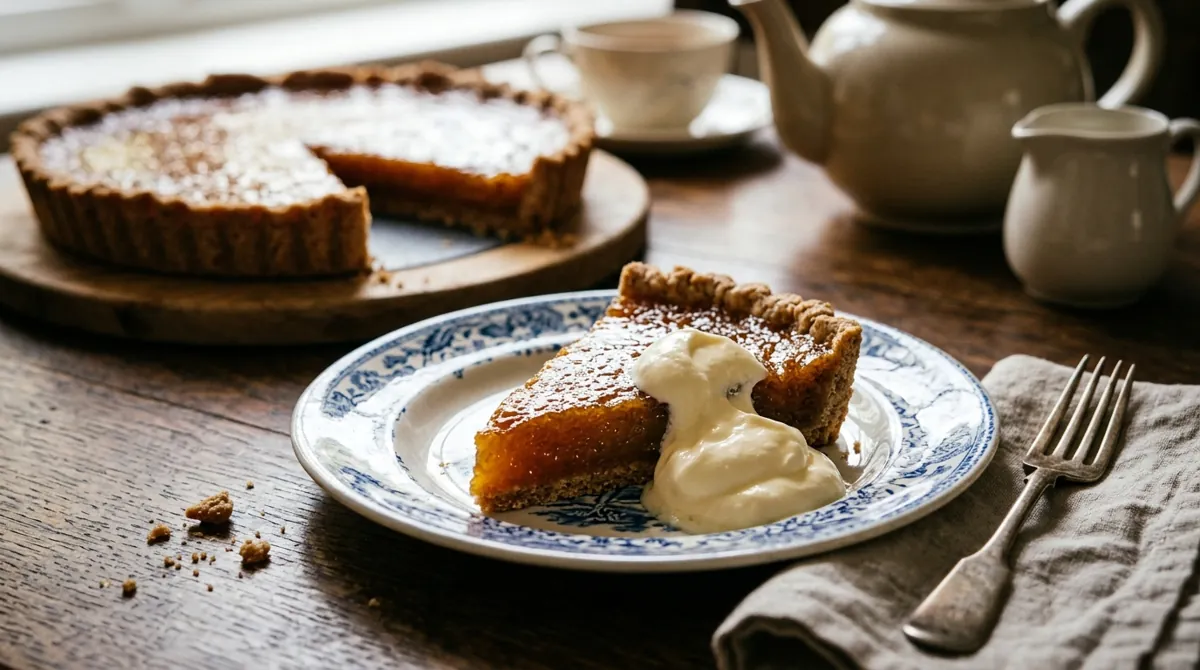
Britain's golden syrup tart: soft white breadcrumbs soaked in golden syrup, brightened with orange, stem ginger and a spoonful of black treacle, baked in a blind-baked wholemeal pastry case.
British Christmas Roast Turkey with Pigs in Blankets
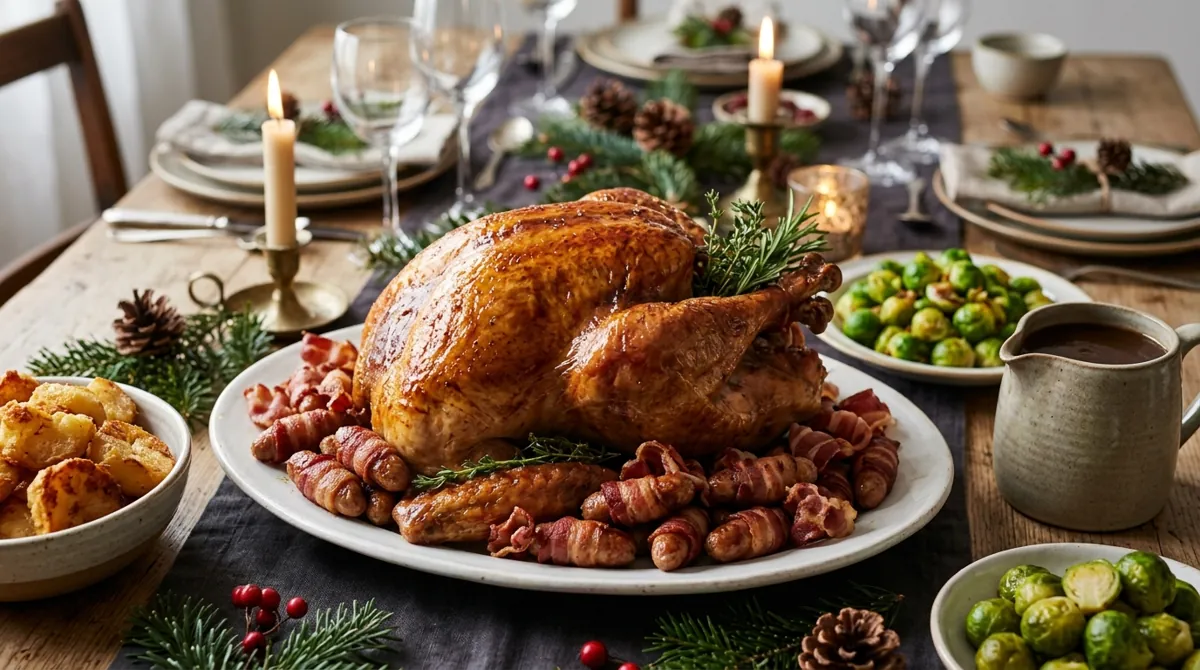
Britain's Christmas bird, the Delia Smith way: buttered, covered in streaky bacon, roasted inside a loose foil tent, then unwrapped for a hot finish, with chipolata sausages wrapped in more bacon on the side.
British Creamed Brussels Sprouts with Chestnuts
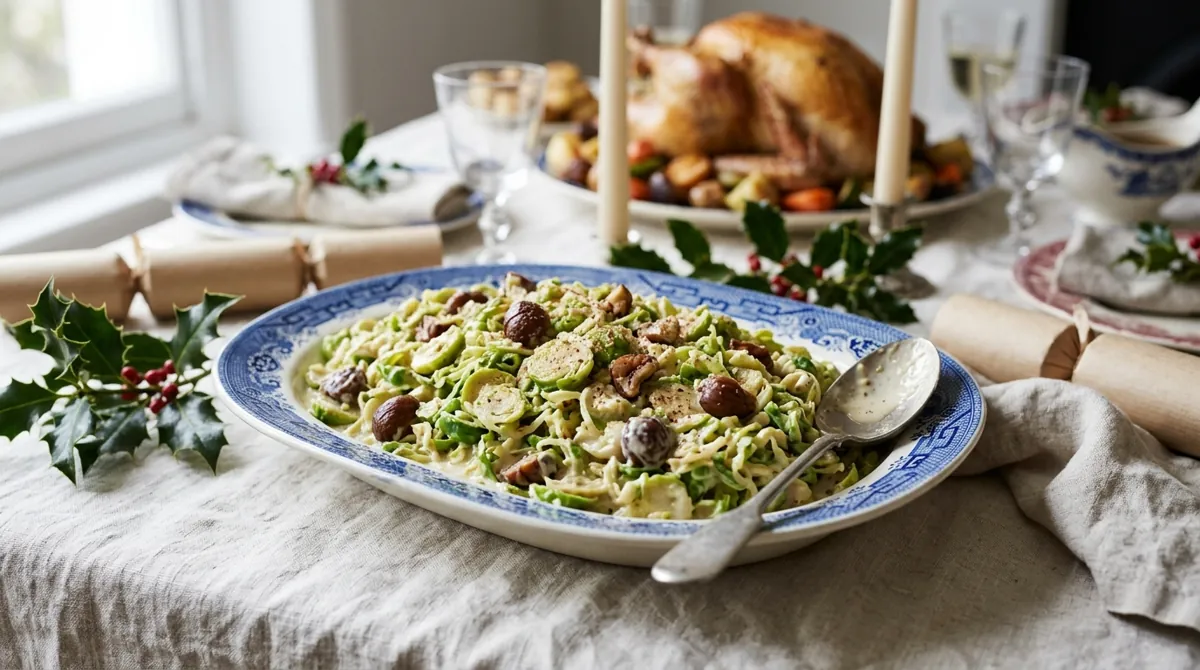
The Christmas-dinner sprout the British way: shredded sprouts stir-fried in butter with shallots and crumbled chestnuts, steamed tender, then turned in a little double cream with nutmeg and a squeeze of lemon.
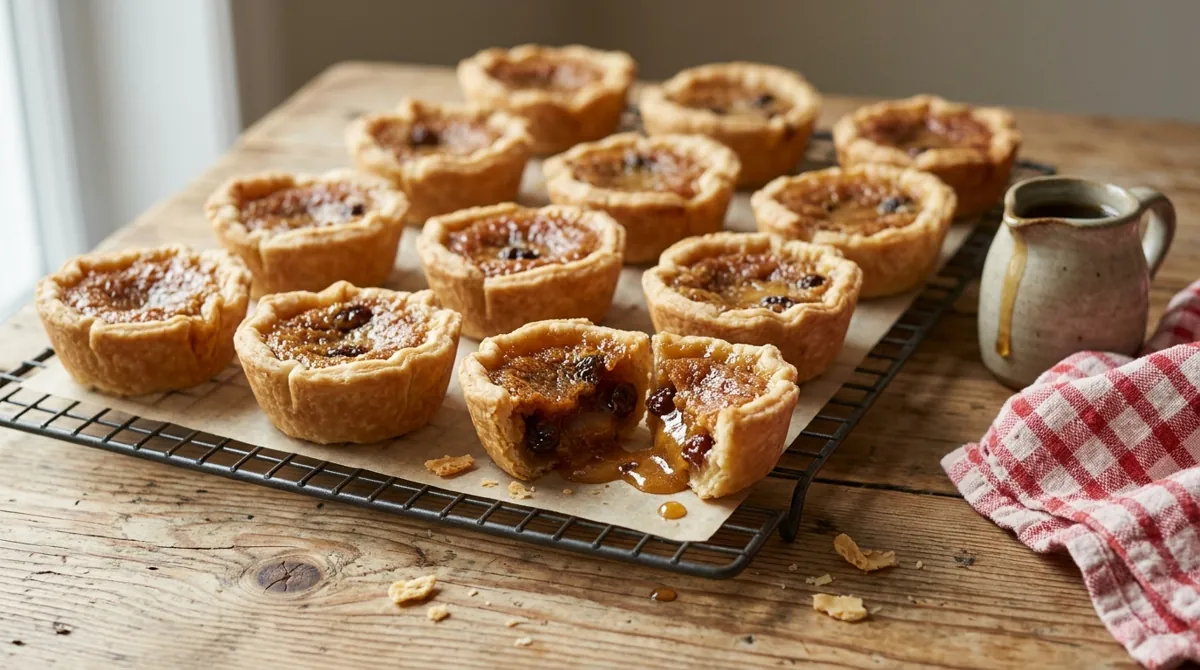
Canadian Butter Tarts
Canada's own tart: flaky little pastry cups in a muffin pan, filled with a runny, just-set mix of brown sugar, maple syrup, butter, eggs and a dash of vinegar, with raisins or without.