
Canadian Butter Tarts
Canada's own tart: flaky little pastry cups in a muffin pan, filled with a runny, just-set mix of brown sugar, maple syrup, butter, eggs and a dash of vinegar, with raisins or without.
 Edited by JP Lambiase
Change the estimate
Swaps change the price only: cook any meat to its own safe temperature. Where these numbers come from
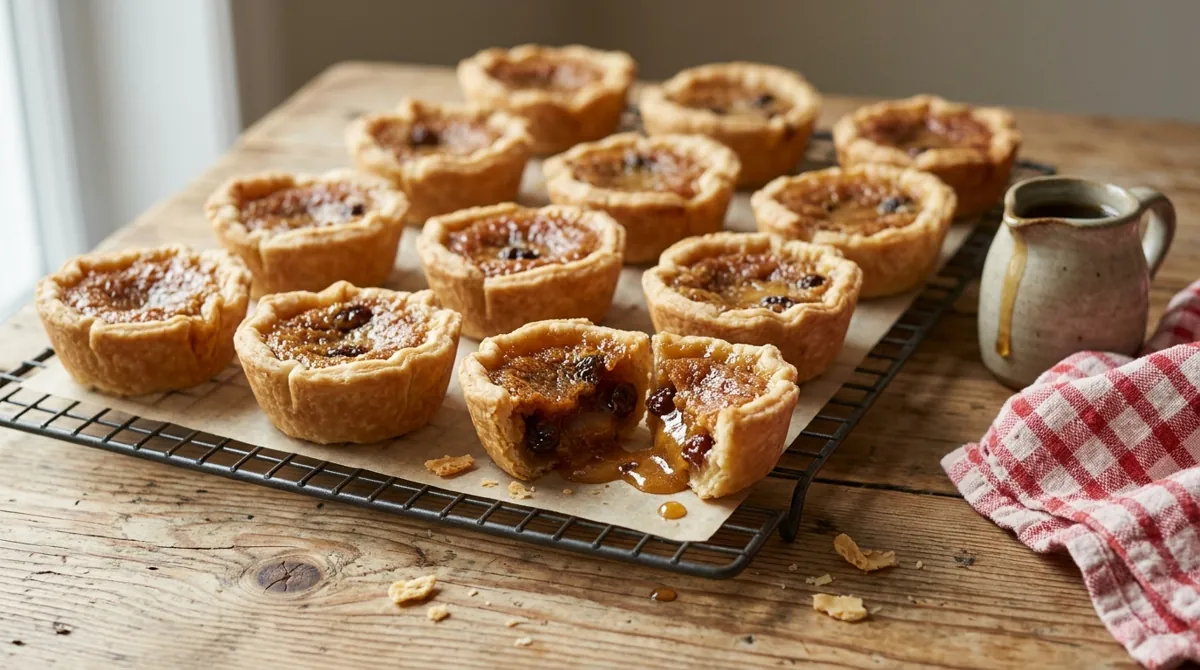
The first printed butter tart recipe we know of is Canadian and comes from a hospital fundraiser. The Simcoe County Archives say it appears on page 88 of the "Royal Victoria Cook Book", compiled by the Women's Auxiliary to the Royal Victoria Hospital in Barrie, Ontario, and published in 1900; the contributor was Mary Ethel (Cowie) MacLeod, listed as Mrs. Malcolm MacLeod (January 19, 2018:). The University of British Columbia's Dictionary of Canadianisms quotes the two-line "Filling for Tarts": "One cup sugar, 1/2 cup butter, 2 eggs, 1 cup currants; mix". So the very first recipe had dried fruit in it, which matters, because whether raisins belong is, in Wikipedia's words, "a matter of national debate". The roots may be older and French: the Dictionary of Canadianisms suggests the pastry's origins may lie in the French Canadian tarte au sucre (our Quebec Tarte au Sucre recipe), and Wikipedia repeats a theory that the "filles du roi", the young women sent to New France in the 1600s, made an early version with maple syrup and butter. Ontario keeps the fight going; Simcoe County's archive mentions the Best Butter Tart Festival in Midland among the festivals the tart has inspired.
📖 Myth check: Did Oliver Cromwell Ban Mince Pies? →
Why it works the kitchen science
Underbake the filling on purpose
Like a chess pie, a butter tart is right when the center is barely set, so it stays runny inside after cooling (King Arthur).
Egg and vinegar in the pastry
The egg makes a sturdy, tender dough that holds a liquid filling, and a little acid keeps it from turning tough when you reroll scraps.
🧰 You'll need 6 items
Everything the steps call for. Tick off what you have before you start.
Appliances
Pans and pots
Tools
Step by step
- Step 1
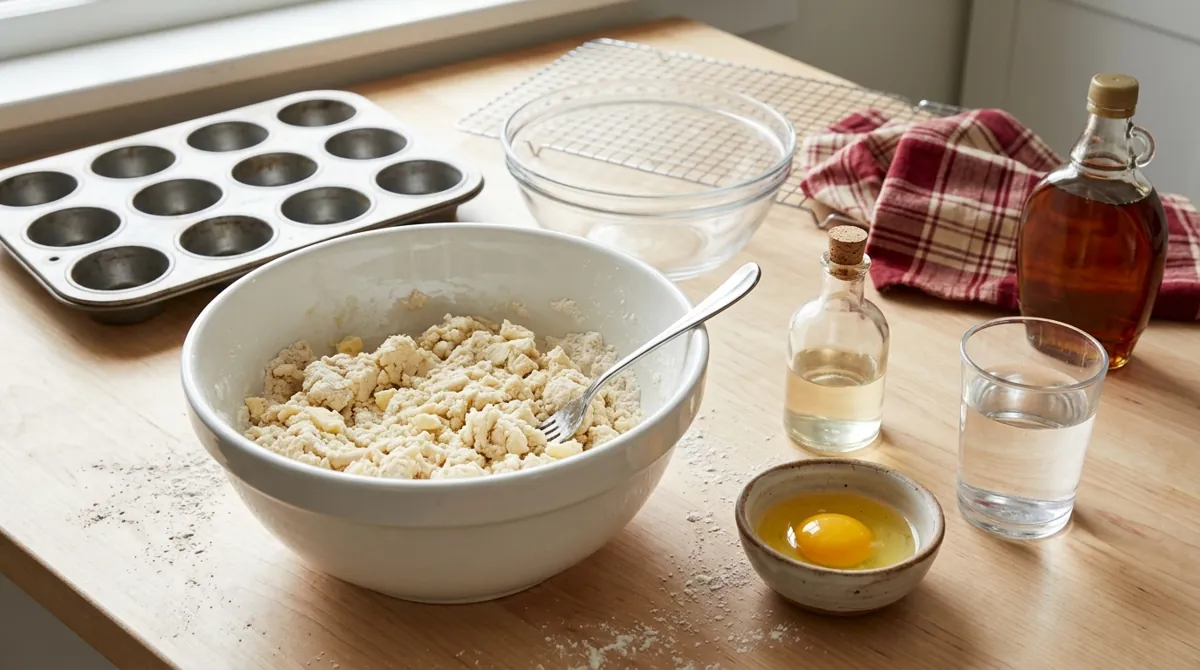
Whisk the flour and salt and work in the cold butter until crumbly. Whisk the egg, vinegar and 2 tbsp cold water, drizzle it over the flour and toss to moisten. Fold the dough over itself until it comes together, adding water only where it is dry.
- Step 2
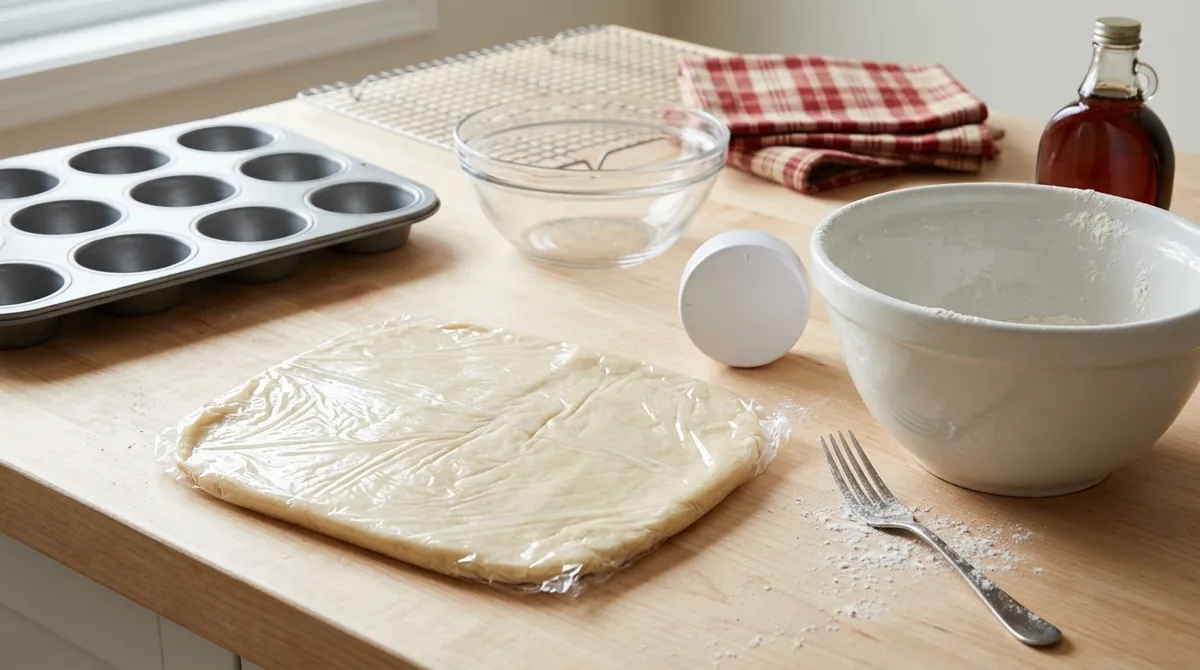
Pat the dough into a 1/2-inch-thick slab, wrap and refrigerate at least 1 hour.
- Step 3
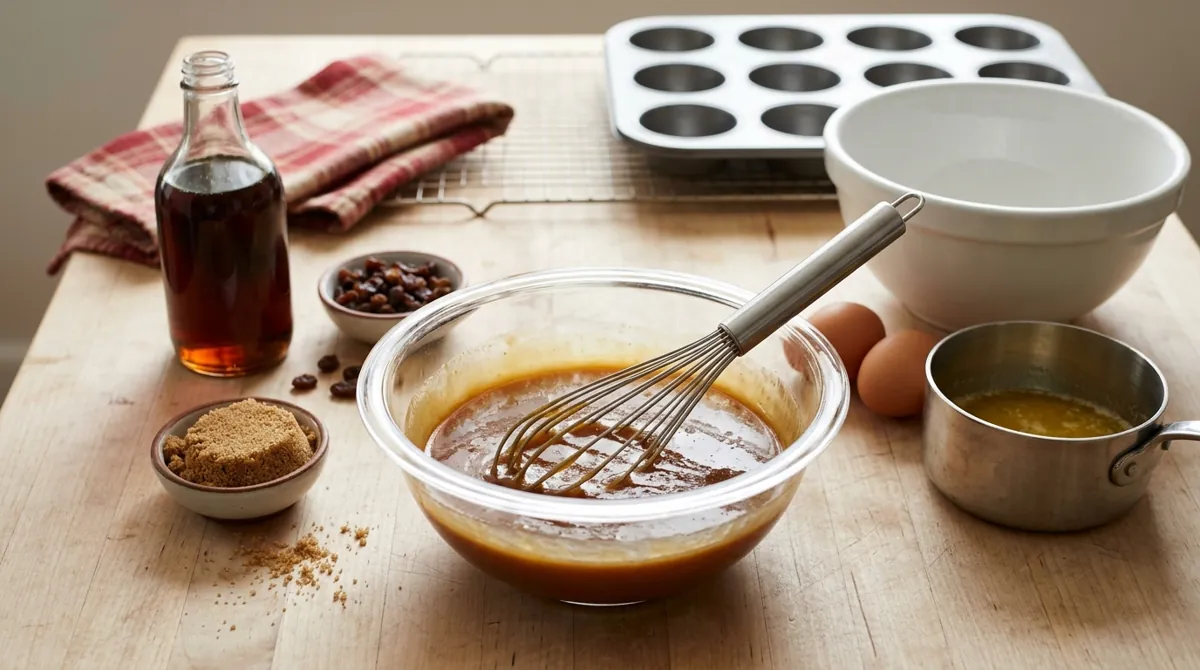
Beat the eggs, brown sugar and salt until smooth, then beat in the maple syrup, vinegar, melted butter and vanilla until fully combined.
- Step 4
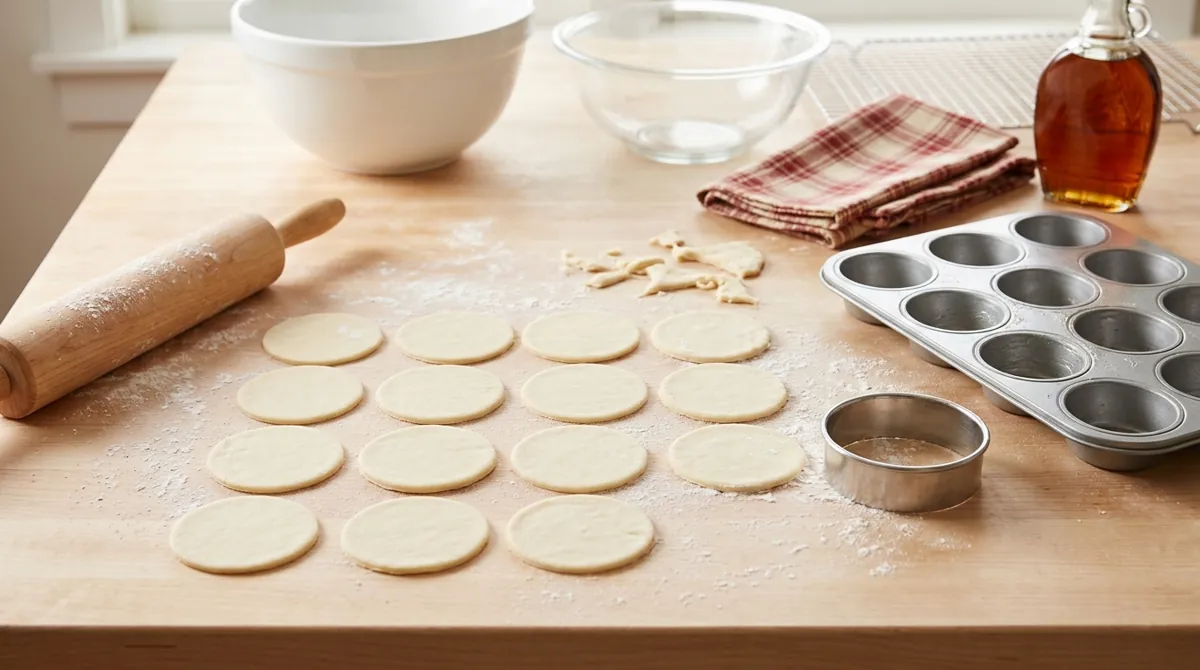
Heat the oven to 375°F and lightly grease a 12-cup standard muffin pan. Roll the dough 1/8 inch thick and cut twelve 4-inch circles, rerolling scraps once.
- Step 5
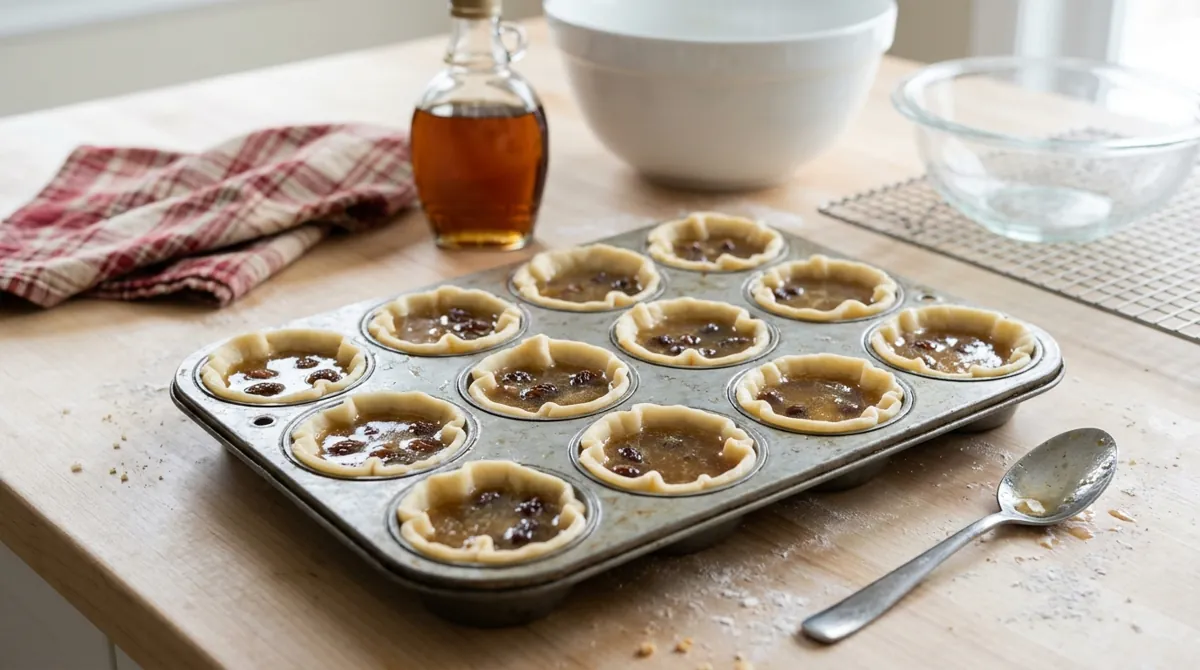
Ease the circles into the cups (a 1-inch cut from the edge toward the center lets you overlap the edges into a neat cup). Drop a few raisins or nuts into each, if using, then fill each cup two-thirds full.
- Step 6
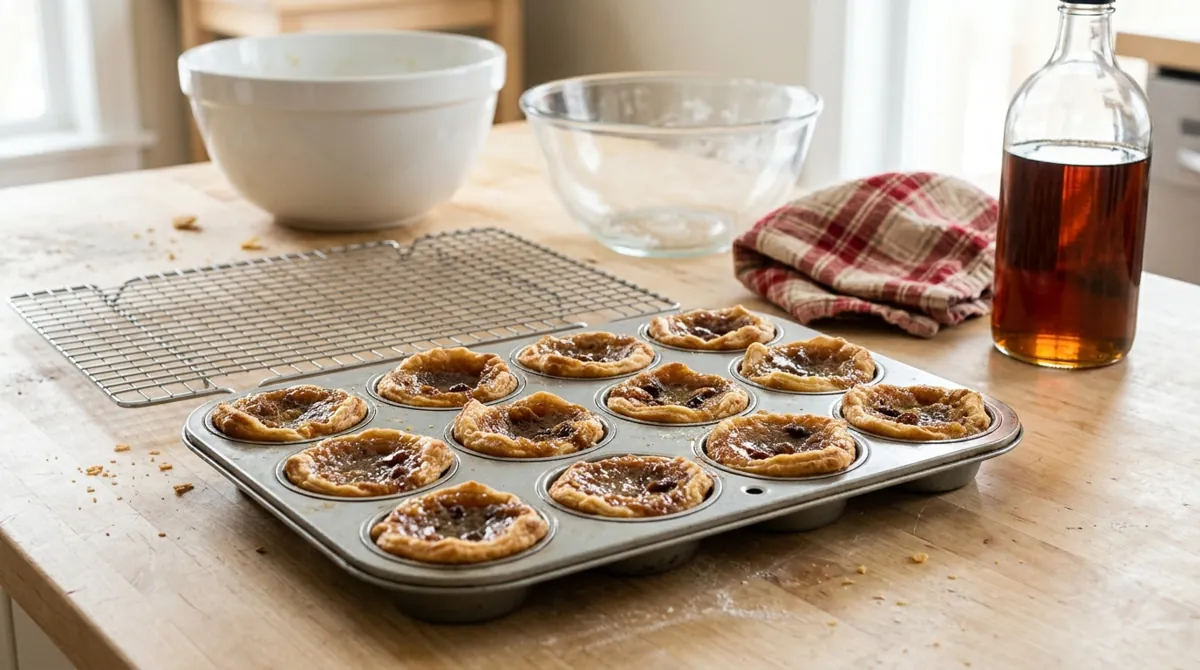
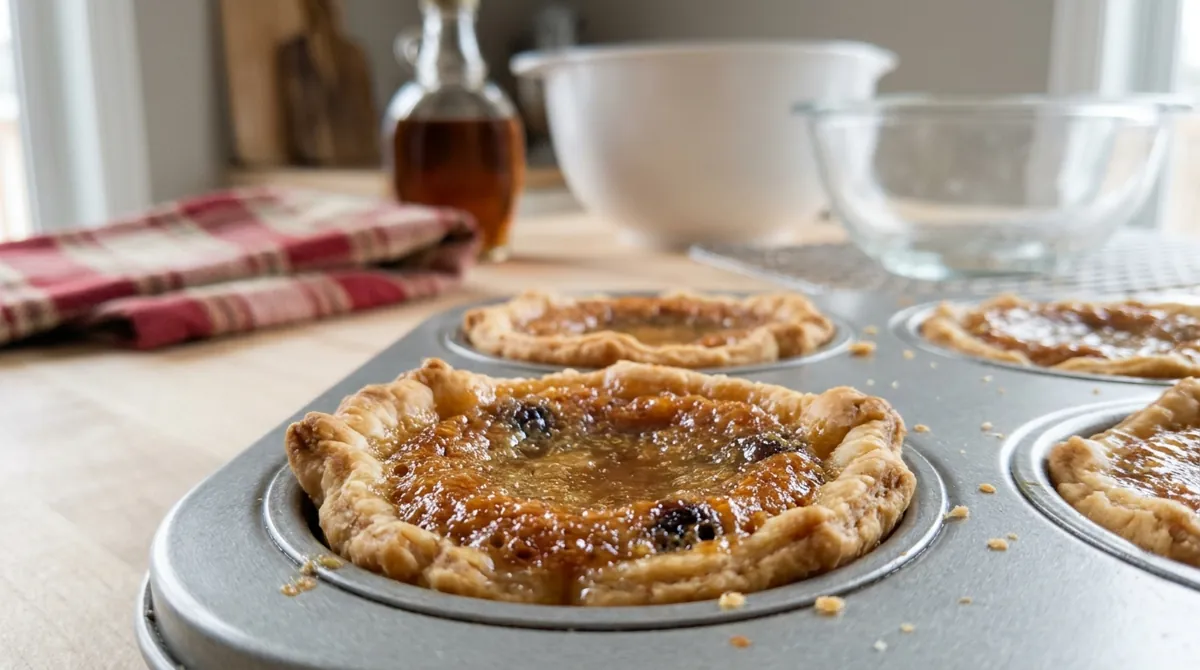
Bake 20 to 25 minutes, until the pastry is golden and the filling is bubbly and only just set.
✓ What it should look like - Step 7
Cool completely in the pan before lifting them out. Refrigerate up to 1 week or freeze up to 2 months.
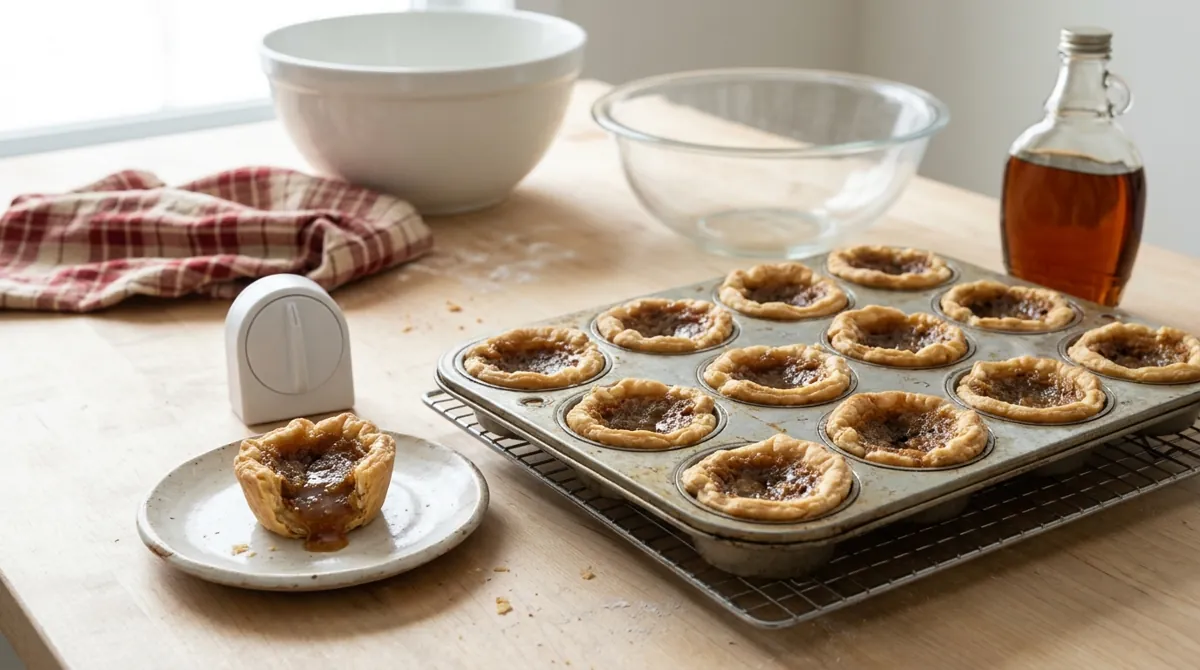
Canadian Butter Tarts
Serves 12 · 12 small (3-inch) tarts · 1 hr 10 min total
Pastry
- 2 1/4 cups (270 g) all-purpose flour
- 1/4 tsp table salt
- 8 tbsp (113 g) cold unsalted butter, cubed
- 1 large egg
- 1 tsp white vinegar
- 2 to 4 tbsp cold water
Filling
- 2 large eggs
- 1/2 cup (106 g) light brown sugar, packed
- 1/2 tsp table salt
- 1/2 cup (156 g) maple syrup
- 2 tsp white vinegar
- 4 tbsp (57 g) unsalted butter, melted
- 1/2 tsp vanilla extract
- Optional: 1/3 cup raisins or currants, or chopped walnuts or pecans
Equipment: Oven, Muffin tin, Chef's knife and cutting board, Measuring cups and spoons, Whisk, Rolling pin
Method
- Whisk the flour and salt and work in the cold butter until crumbly. Whisk the egg, vinegar and 2 tbsp cold water, drizzle it over the flour and toss to moisten. Fold the dough over itself until it comes together, adding water only where it is dry.
- Pat the dough into a 1/2-inch-thick slab, wrap and refrigerate at least 1 hour.
- Beat the eggs, brown sugar and salt until smooth, then beat in the maple syrup, vinegar, melted butter and vanilla until fully combined.
- Heat the oven to 375°F and lightly grease a 12-cup standard muffin pan. Roll the dough 1/8 inch thick and cut twelve 4-inch circles, rerolling scraps once.
- Ease the circles into the cups (a 1-inch cut from the edge toward the center lets you overlap the edges into a neat cup). Drop a few raisins or nuts into each, if using, then fill each cup two-thirds full.
- Bake 20 to 25 minutes, until the pastry is golden and the filling is bubbly and only just set.
- Cool completely in the pan before lifting them out. Refrigerate up to 1 week or freeze up to 2 months.
Adapted from King Arthur Baking, "Classic Butter Tarts" by Canadian chef and writer Deborah Reid (updated September 17, 2026), 12 small tarts. Amounts, the 4-inch rounds rolled 1/8 inch thick, the 375°F oven and the 20 to 25 minute bake are King Arthur's. This version uses maple syrup in place of part of the traditional brown sugar, as King Arthur says; the raisins are optional and not in King Arthur's list. History from the Simcoe County Archives, the Dictionary of Canadianisms and Wikipedia, linked in the Story. King Arthur Baking. Ingredient list follows the source; the method is in our own words.
Tips
- Don't overfill; two-thirds full keeps the syrup from boiling over and gluing the tarts to the pan.
- King Arthur's "release cut" trick (a 1-inch slit in each circle) makes neat cups without pleats.
- Runny or firm is personal: bake to the low end of the time for runny, the high end for firm.
The rules people argue about
What the sources agree on, what they don't, and what is just a good story.
- Raisins belong in butter tarts. Disputed: Wikipedia calls it "a matter of national debate"; the first printed recipe (1900) used currants (Dictionary of Canadianisms), while King Arthur notes staunch devotees prefer them plain.
- Butter tarts were invented in Barrie in 1900. Disputed wording: 1900 is the earliest printed recipe found so far, and the Dictionary of Canadianisms says the pastry is likely older, passed down in families.
- The filles du roi brought them in the 1600s. Disputed: Wikipedia says the tart "possibly" descends from a Quebec sugar pie the filles du roi made; there is no recipe from that time.
- A butter tart should be runny. Folklore: runny vs firm is a family preference (Wikipedia: recipes vary by family).
- Butter tarts are runnier than pecan pie because they have no cornstarch. Disputed: Wikipedia says so, but most pecan pies (our Classic Southern Pecan Pie recipe) have no cornstarch either; the difference is mostly how long they bake.
Every other holiday pie
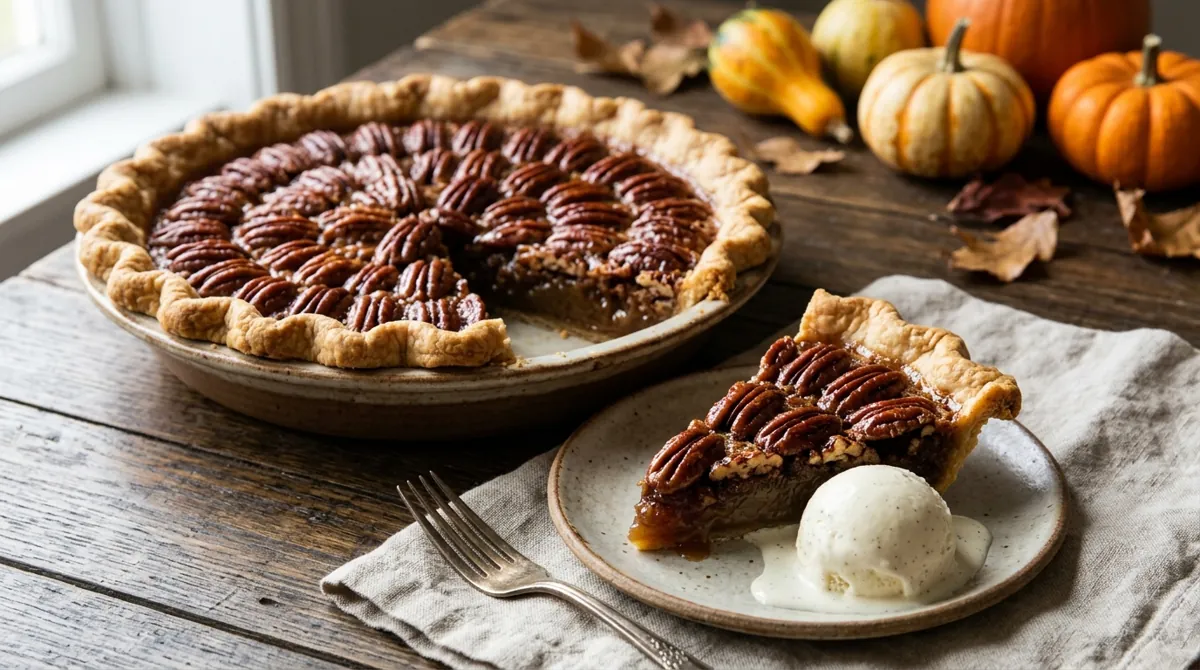
Classic Southern Pecan Pie
The corn syrup pecan pie: eggs, light and dark corn syrup, butter and toasted pecans in a flaky par-baked crust, baked until puffed and just set and crowned with pecan halves.
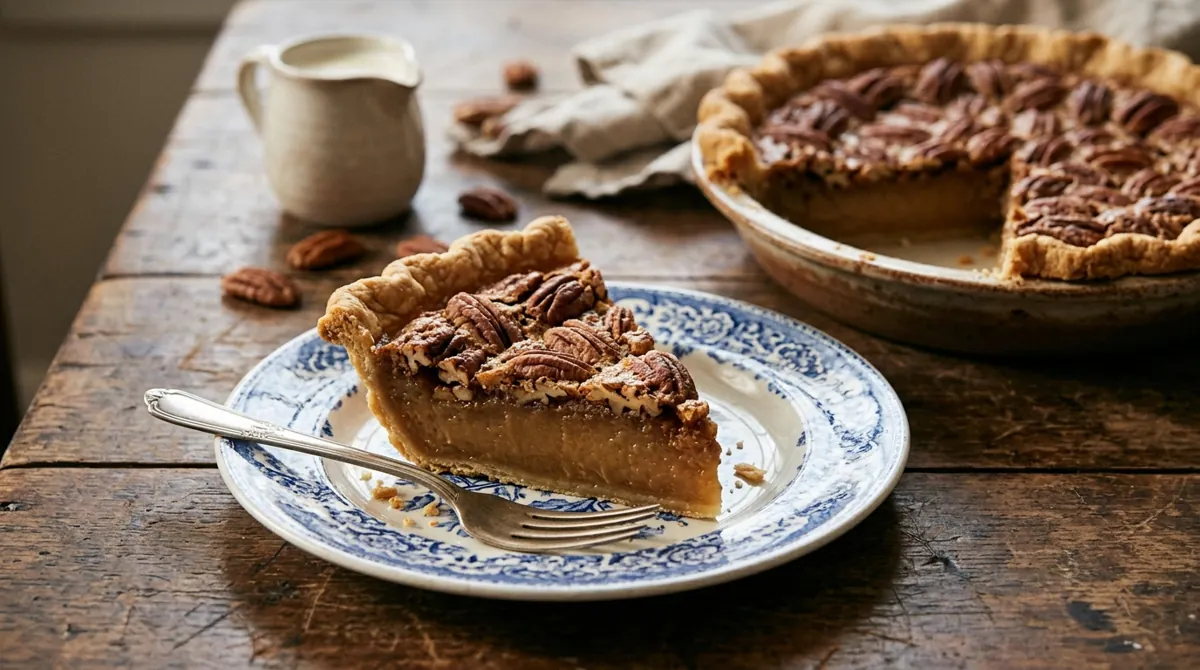
Old-Fashioned Pecan Pie Without Corn Syrup
Pecan pie the way it was made before corn syrup took over: a smooth custard of brown sugar, milk, eggs, butter and a splash of vinegar, with toasted diced pecans inside and halves roasting on top.
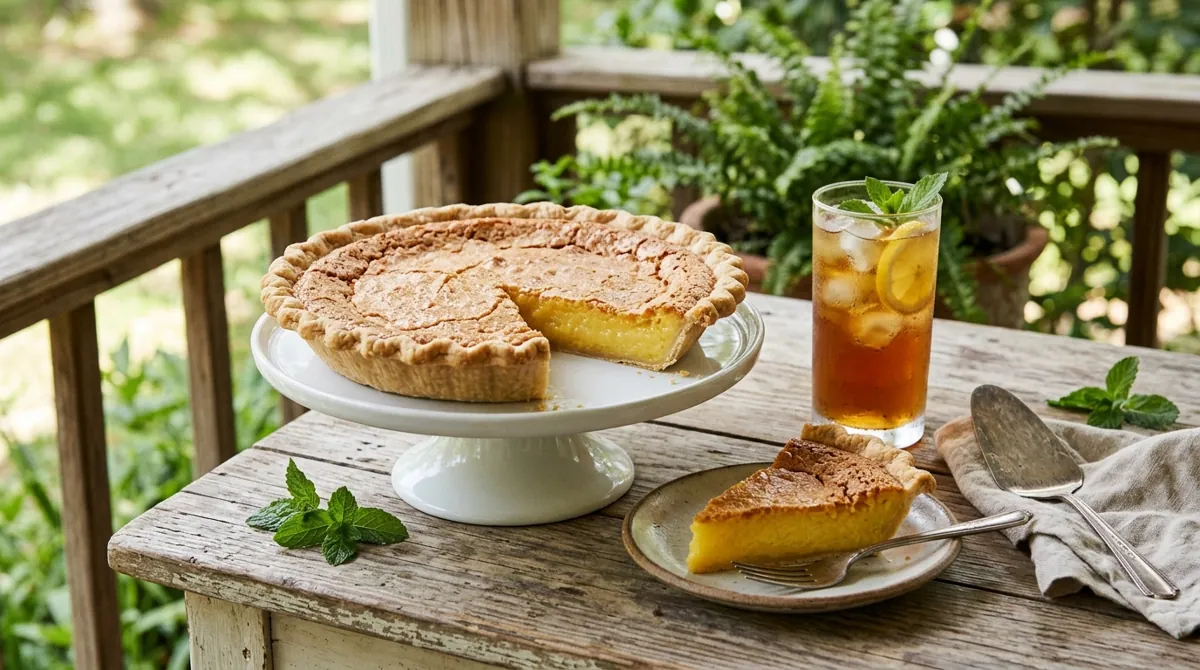
Southern Lemon Chess Pie
The South's pantry pie: eggs, sugar, butter, lemon and a spoonful of cornmeal baked in a par-baked crust until the top turns into a thin, crackly sugar crust over a soft, tart custard.
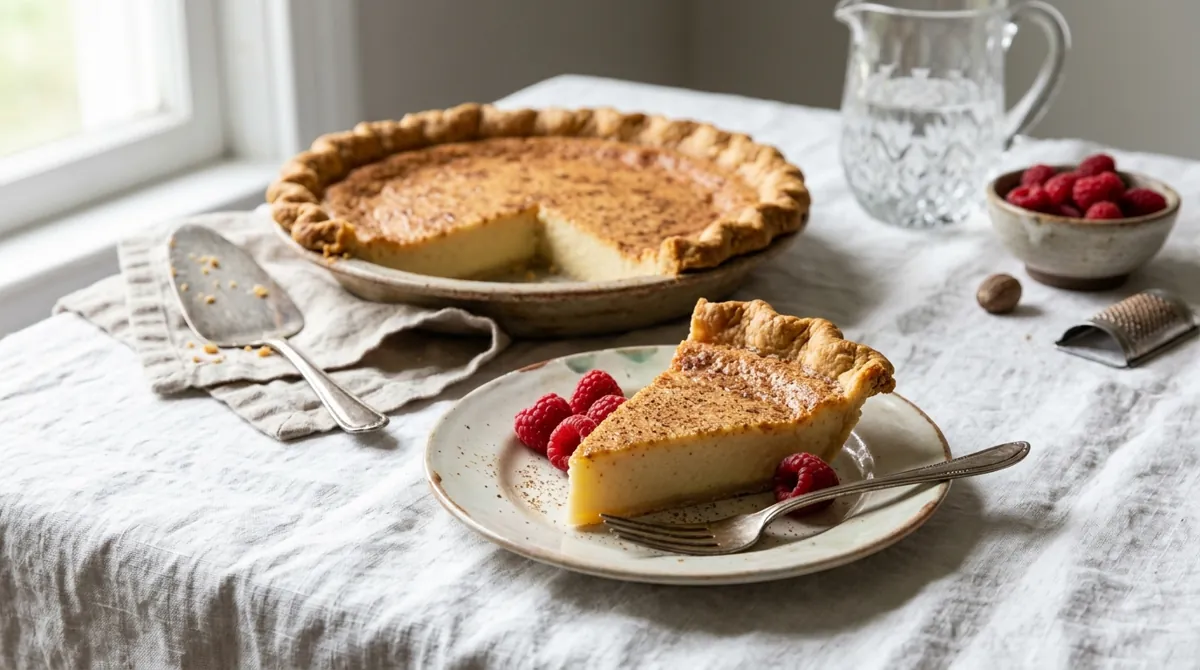
Southern Buttermilk Pie
A tangy Southern custard pie: plenty of buttermilk, eggs and yolks, a little cream, butter and vinegar, baked low to 180°F in a fully baked crust, then flashed in a hot oven for a golden top.
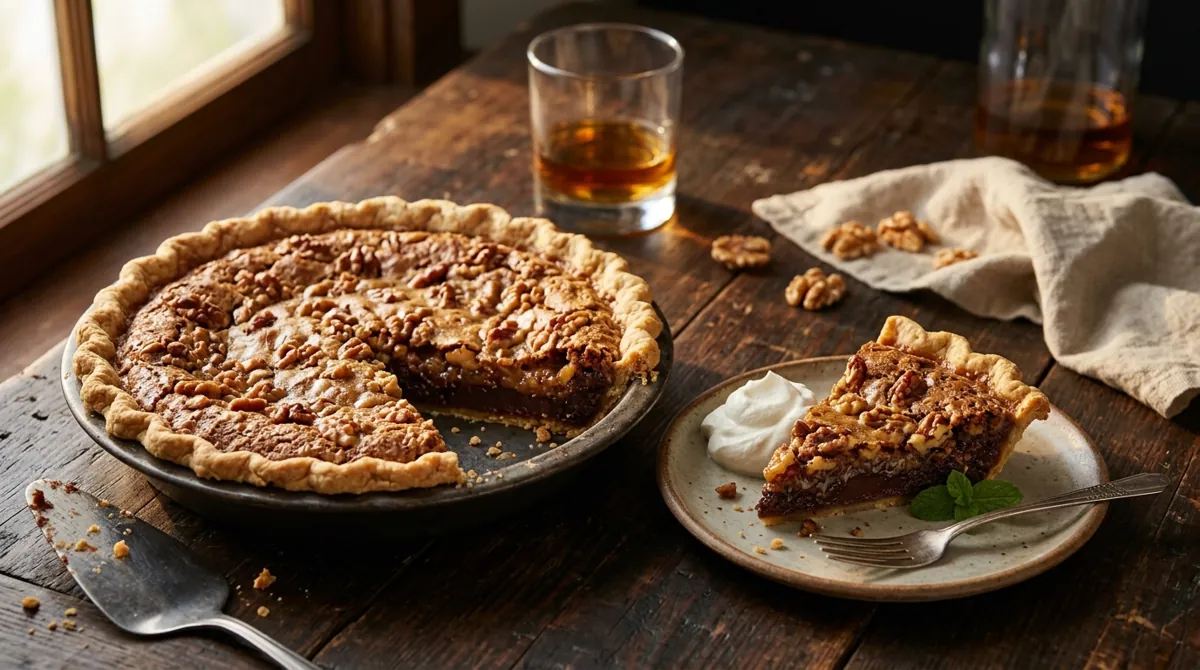
Kentucky Chocolate Walnut Pie with Bourbon
Kentucky's chocolate and walnut pie: a layer of melted bittersweet chocolate in a blind-baked crust under a brown butter, bourbon and brown sugar filling packed with toasted walnuts.
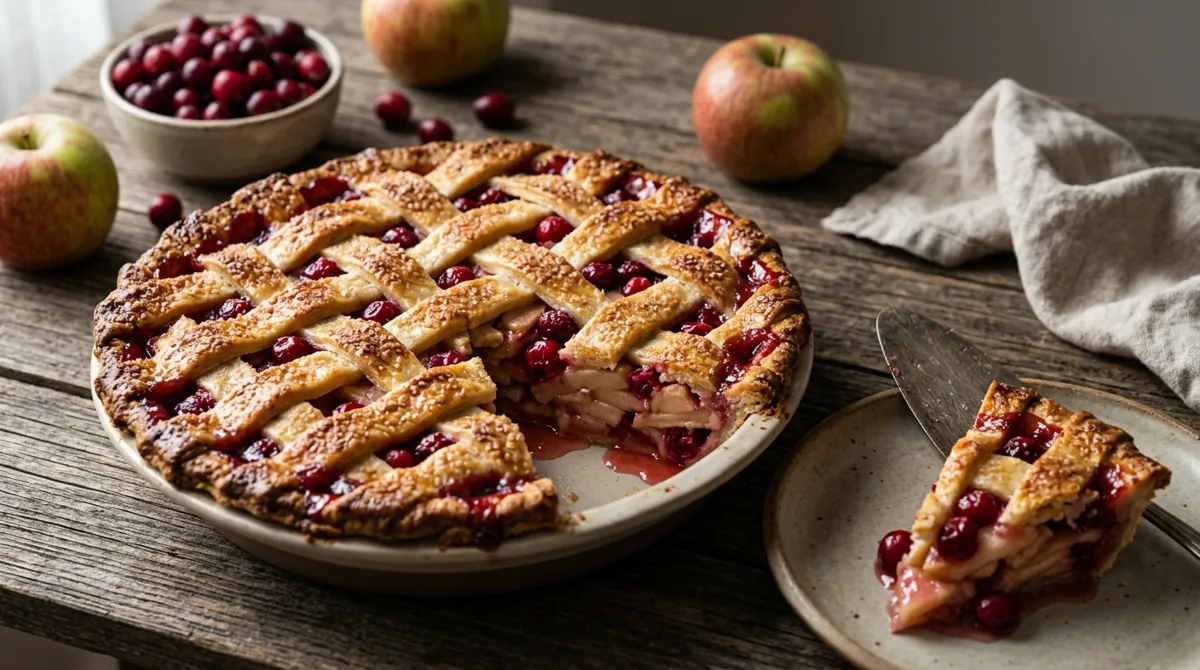
Apple Cranberry Lattice Pie
A Thanksgiving fruit pie in two layers: cinnamon apples on a bed of pecans, topped with cranberries cooked down with sugar, orange juice and zest, under a golden lattice.
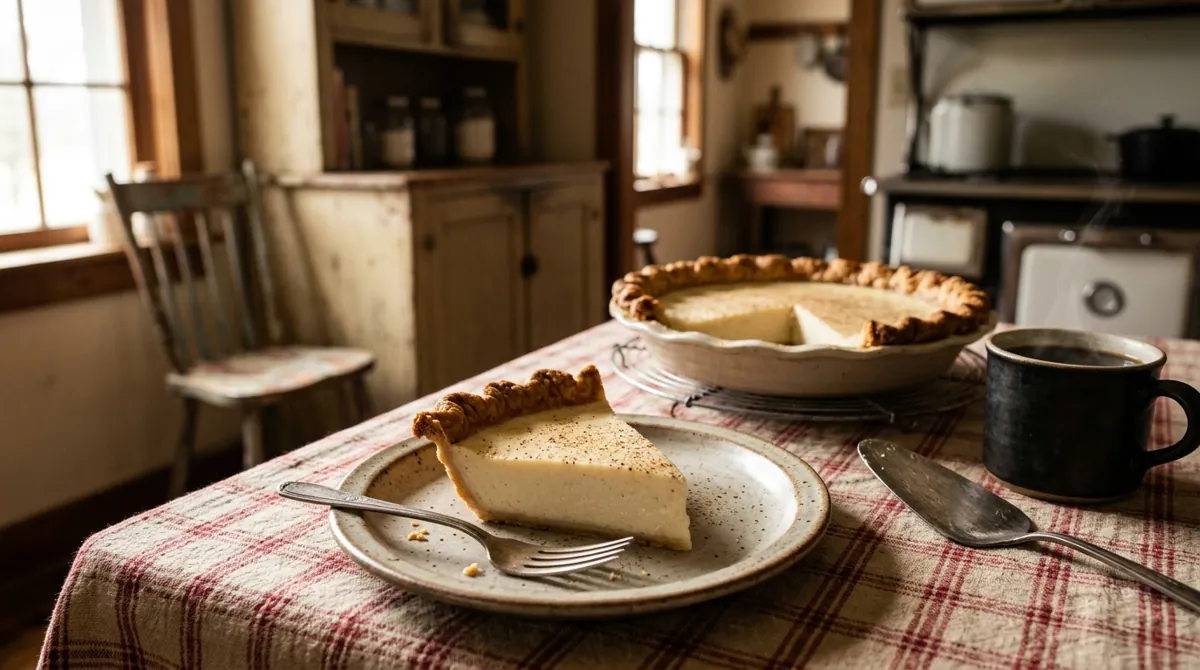
Indiana Sugar Cream Pie (Hoosier Pie)
Indiana's eggless pie: sugar, heavy cream, butter and vanilla cooked into a thick custard on the stove, poured into a fully baked crust, chilled until sliceable and dusted with nutmeg.
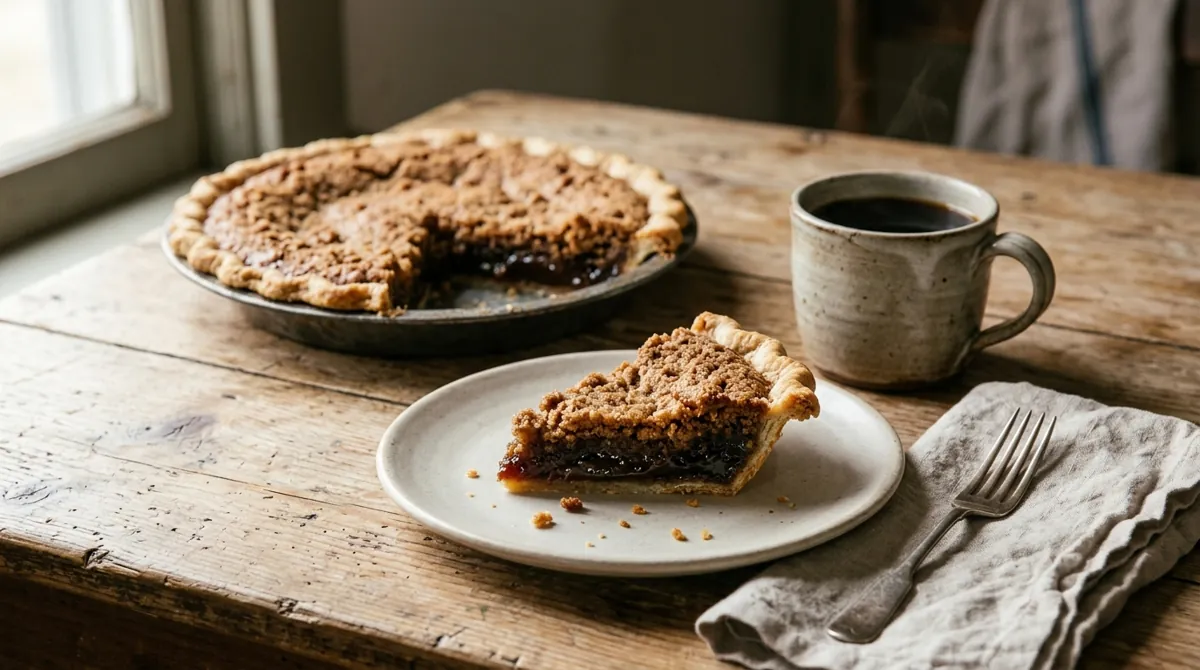
Pennsylvania Dutch Shoofly Pie
The Pennsylvania Dutch breakfast pie: a wet-bottom molasses filling lightened with baking soda and boiling water, under a spiced brown sugar crumb top, in a flaky sour cream crust.
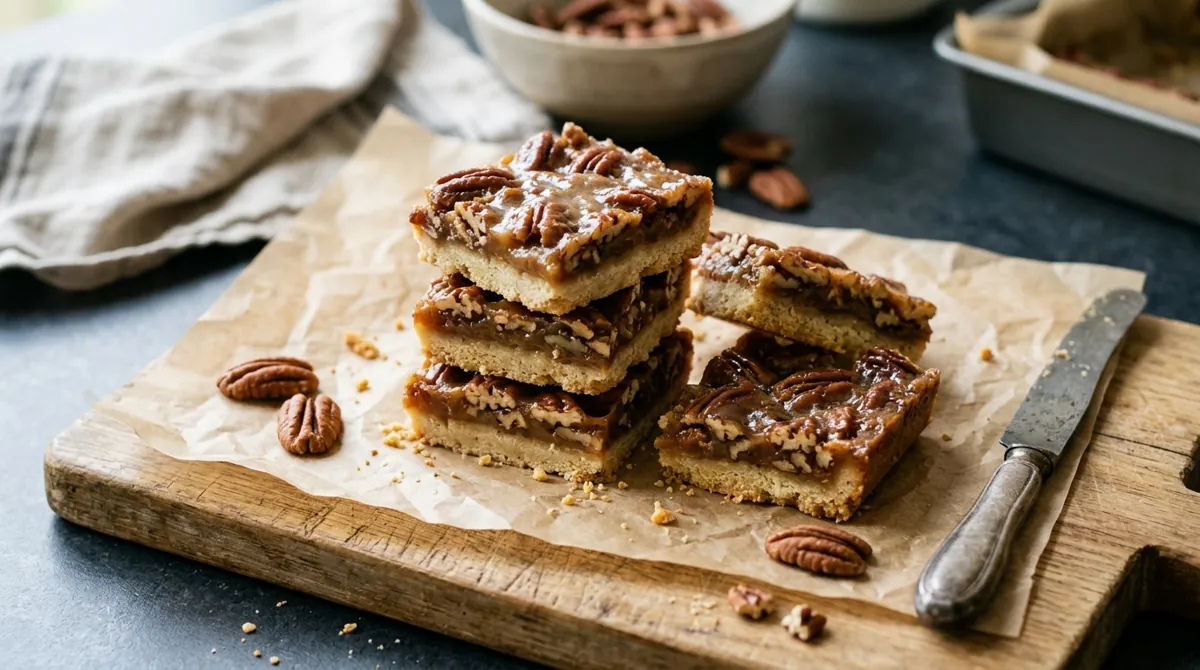
Easy Pecan Pie Bars
Pecan pie for a crowd with no rolling pin: a press-in brown sugar shortbread crust topped with chopped pecans in a quick honey, butter and brown sugar caramel, baked in one 9 by 13-inch pan.
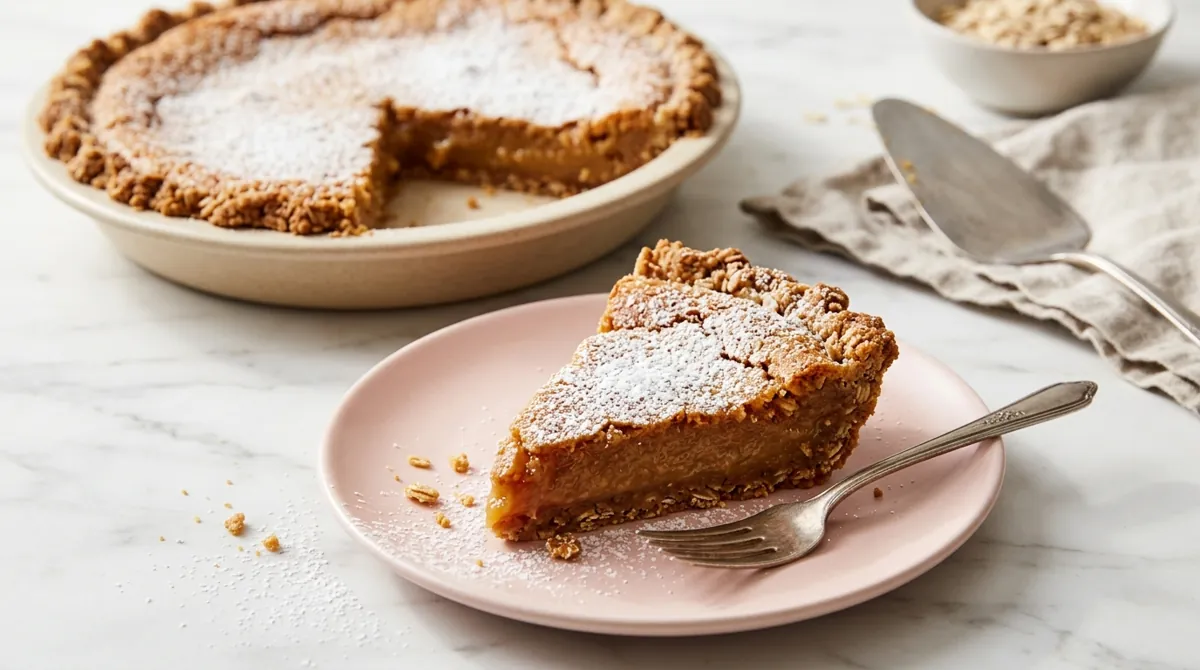
Gooey Butter Pie with Oat Cookie Crust
A dense, gooey butter and brown sugar filling thickened with egg yolks and milk powder, in a crust of crumbled homemade oat cookie, baked briefly and frozen until it slices like soft caramel. Inspired by Milk Bar's Milk Bar Pie; not official.
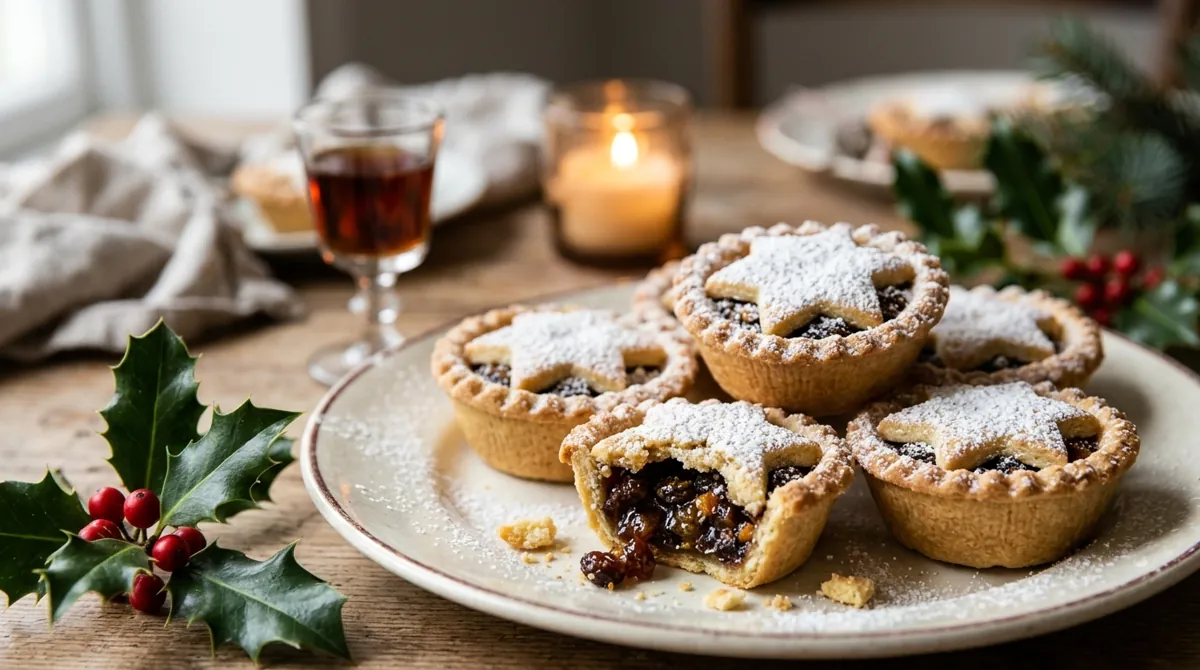
British Mince Pies
Britain's Christmas pies: small sweet shortcrust tarts filled with a week-old mincemeat of beef suet, raisins, currants, peel, grated apple, citrus, spice, brandy, rum, port and sherry, with sugared star or round lids.
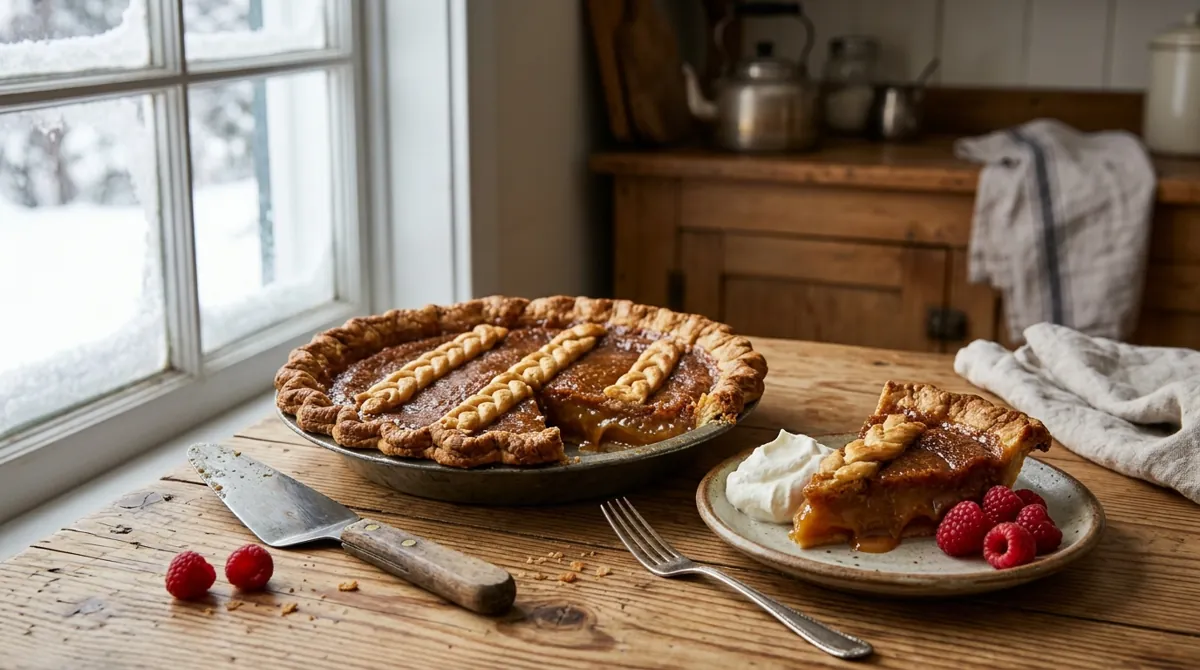
Quebec Tarte au Sucre (Brown Sugar Pie)
The French Canadian sugar pie: a thick, custardy filling of brown sugar, cream, butter, flour, egg and vanilla in a deep-dish crust, topped with braided or woven pastry strips and baked until the center barely jiggles.
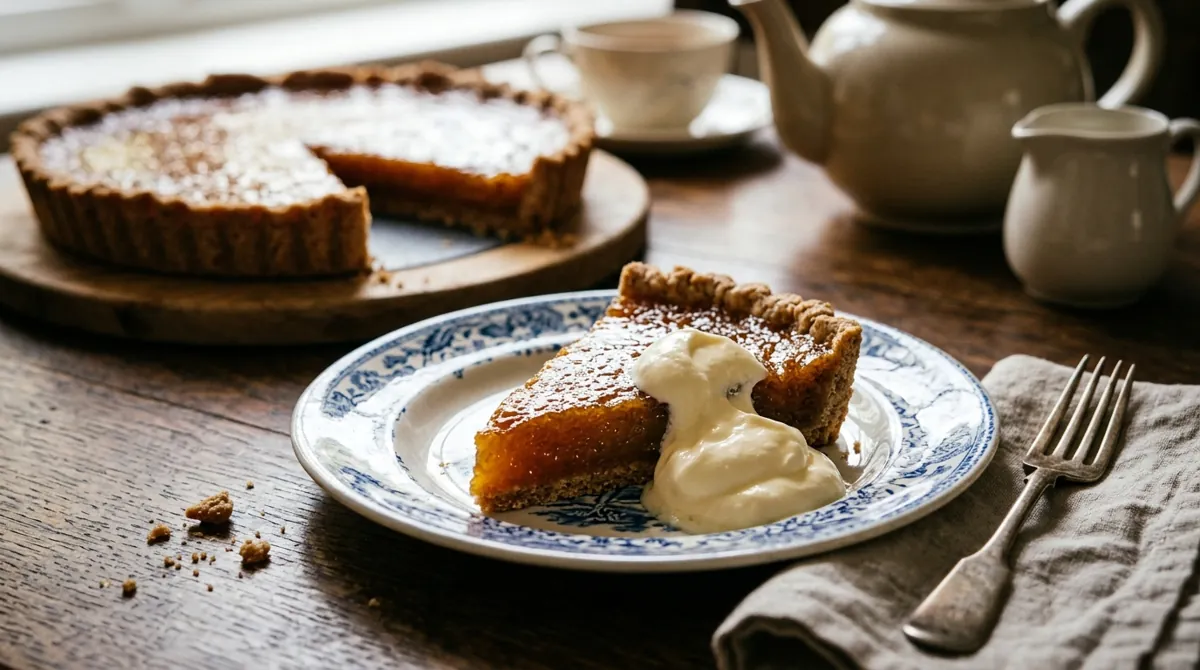
English Treacle Tart
Britain's golden syrup tart: soft white breadcrumbs soaked in golden syrup, brightened with orange, stem ginger and a spoonful of black treacle, baked in a blind-baked wholemeal pastry case.
Meatballs of the World

Italian-American Meatballs
Big, tender meatballs braised for an hour in red sauce over spaghetti. The one most Americans grew up with.

Pallottine (Abruzzo Meatballs)
Tiny meatballs, smaller than a marble, tossed right through square spaghetti alla chitarra. No bread at all.

Swedish Meatballs (Köttbullar)
Small, soft meatballs browned in butter, in a cream sauce made from the same pan, with lingonberry jam on the plate.

Danish Frikadeller
Pork meatballs shaped with a spoon and fried slowly in butter, crusty outside and soft in the middle.

Königsberger Klopse
German meatballs that are never fried: poached, then served in a creamy white sauce with capers.

Spanish Albóndigas in Almond Saffron Sauce
The tapas bar classic: small meatballs in a golden sauce thickened with fried almonds and bread.

Mexican Albóndigas with Chipotle and Mint
Soft meatballs with rice and fresh mint inside, simmered in a smoky tomato and chipotle broth.

Izgara Köfte (Turkish Grilled Meatballs)
Small, flat meatballs kneaded hard, rested cold, and charred on a hot grill pan.

Lion's Head Meatballs
Big, soft pork meatballs, stirred into a sticky paste, fried to set, then braised in a savory sauce.

Chicken Tsukune
Japan's chicken meatball: kneaded sticky, grilled on skewers, glazed with sweet soy tare, dipped in egg yolk.