
🔬 Myth check
Hot Chocolate vs Hot Cocoa: Is There a Difference?
In the US the two names often go on the same mug. They started out as two different drinks, and the difference comes down to one thing: cocoa butter.
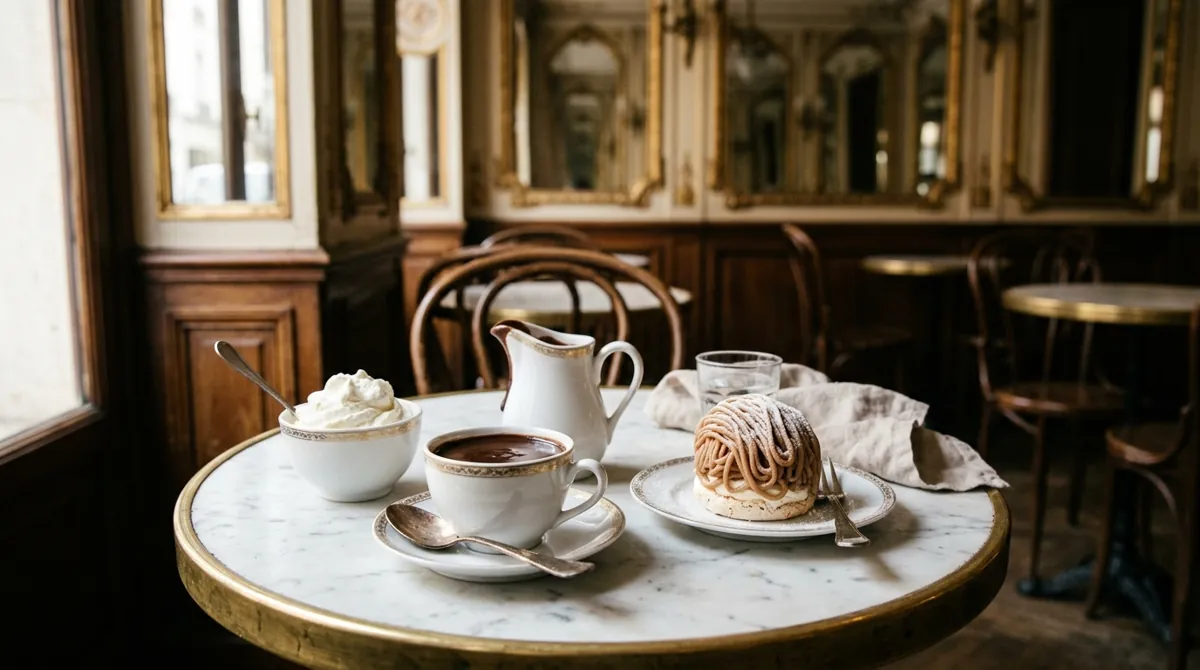
Yes, though in the US the two names often mean the same mug. Hot cocoa is made from cocoa powder, which has had much of its cocoa butter pressed out, so it drinks thin and light. Hot chocolate, strictly speaking, is real chocolate melted into milk, cocoa butter and all, which is why the European versions come out thick and rich.
Cocoa is chocolate with the fat pressed out
Ground cacao beans are about half fat. US rules for chocolate liquor, the pure ground paste, require 50 to 60 percent cacao fat by weight. Before cocoa powder, a cup of chocolate was made from that rich paste.
In 1828 the van Houten family of Amsterdam patented a press that squeezed much of the butter out. Cornell University Library's chocolate exhibit credits Coenraad van Houten and says the press cut the fat from about 53 percent to about 27 percent, leaving a cake that could be ground into powder. He also treated the powder with alkaline salts so it mixed into liquid more easily, the process now called Dutching.
That powder is cocoa. Under the FDA's standards, breakfast cocoa must have at least 22 percent cacao fat, plain cocoa 10 to 22 percent, and lowfat cocoa less than 10 percent. USDA data puts ordinary unsweetened cocoa powder at 13.7 grams of fat per 100 grams, against 52.3 grams for unsweetened baking chocolate.
Hot chocolate is melted chocolate
When the cocoa butter stays in, the drink changes. Italy's best-known recipe site, GialloZafferano, makes cioccolata calda with 120 grams of 60 to 69 percent dark chocolate for two cups, plus cocoa and a spoon of cornstarch, and promises a dense drink. Our Italian cioccolata calda follows those proportions.
Run the numbers and the gap is wide. At USDA's 38.3 grams of fat per 100 grams of 60 to 69 percent chocolate, each Italian cup carries about 23 grams of cocoa butter from the chocolate alone. Hershey's can recipe uses 1/4 cup of cocoa (about 21.5 grams) for six servings, roughly half a gram of cocoa fat per mug. Our Parisian chocolat chaud sits on the chocolate side too: just milk and bittersweet chocolate, simmered until thick.
What Americans mean by hot chocolate
In everyday English the line is blurry. The Cambridge Dictionary defines hot chocolate as a hot drink of milk or water, powdered chocolate and sugar, which by the strict definition is cocoa. And in the US, Wikipedia's overview notes, the drink is best known in instant form, made from a packet.
Two American staples are built on powder. Hershey's still publishes a cocoa recipe that starts with its can of cocoa, sugar and a quart of milk, the cup in our classic American hot cocoa. Then came the packet. Military.com's history of Swiss Miss says Charles Sanna's family dairy business first sold a cocoa mix to airlines and restaurants, then in 1961 branded a version made with nonfat milk powder that needed only hot water. USDA lists cocoa mix powder at 4.0 grams of fat per 100 grams.
So which one is right?
Neither name is wrong; they describe two styles. If you want a light, sweet mug for marshmallows, cocoa powder is the classic American way. If you want something closer to a melted bar, start with chocolate. You can taste both, plus Mexico, Spain and Colombia, in our hot chocolate of the world collection.
Questions people ask
Is hot cocoa mix the same as hot chocolate mix?
Usually. Packet mixes are built on cocoa powder, sugar and milk powder rather than melted chocolate; the original Swiss Miss swapped in nonfat milk powder so it could be made with water. USDA's entry for cocoa mix powder has 4.0 grams of fat per 100 grams, far below a chocolate bar.
Why is European hot chocolate so thick?
It starts with chocolate, so the cocoa butter stays in the cup, and many recipes add starch. GialloZafferano's Italian version uses 20 grams of cornstarch for two cups. In Madrid, Chocolatería San Ginés has served chocolate with churros since 1894.
What is Dutch-process cocoa?
Cocoa powder treated with an alkali, a step Cornell's chocolate exhibit credits to Coenraad van Houten, who used alkaline salts to help the powder mix into liquid. FDA rules allow alkali as an optional ingredient in cocoa.
Parts of this history are disputed. Where sources disagree, we say so.
Sources
- US Code of Federal Regulations, 21 CFR Part 163, Cacao Products (eCFR)
- Cornell University Library, CHOCOLATE: Food of the Gods, Coenraad Van Houten
- USDA FoodData Central, SR Legacy entries 169593 (cocoa, dry powder, unsweetened), 167568 (baking chocolate, unsweetened, squares), 170272 (chocolate, dark, 60-69% cacao solids), 174122 (cocoa mix, powder)
- GialloZafferano, Cioccolata calda
- Hershey's (Hersheyland), HERSHEY'S Perfectly Chocolate Hot Cocoa
- Blake Stilwell, Military.com, How a Korean War Food Surplus Brought Instant Hot Cocoa to the World (Jan. 6, 2025)
- Cambridge Dictionary, hot chocolate
- esMADRID (Madrid City Council tourism), Chocolatería de San Ginés
- Wikipedia, Hot chocolate (used only alongside the dictionary and FDA sources)
More food facts
Cook it
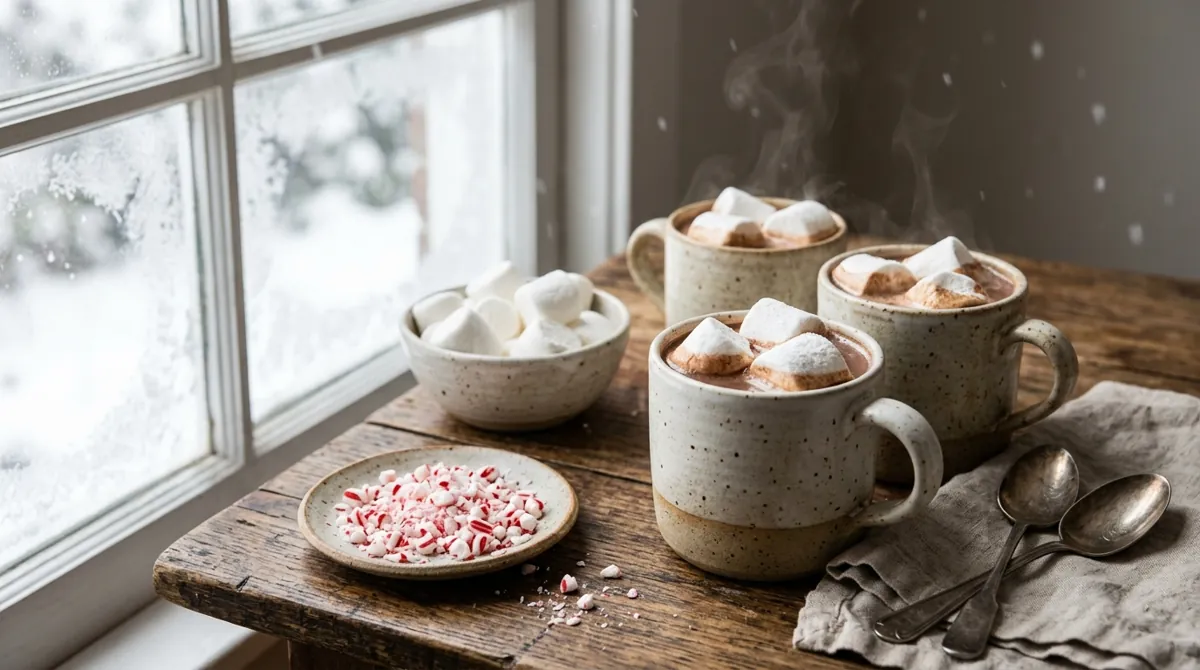
Classic American Hot Cocoa (the Recipe on the Can)
Cocoa powder, sugar and a pinch of salt boiled into a quick syrup, then stretched with a quart of hot milk and a little vanilla and whisked until foamy. Hershey's classic, made for six mugs and a bag of marshmallows.
Parisian Chocolat Chaud
Whole milk and very good bittersweet chocolate, nothing else but an optional spoon of brown sugar, simmered until thick and served in tiny cups the Paris café way. Inspired by the famous thick chocolate at Angelina; not Angelina's recipe.
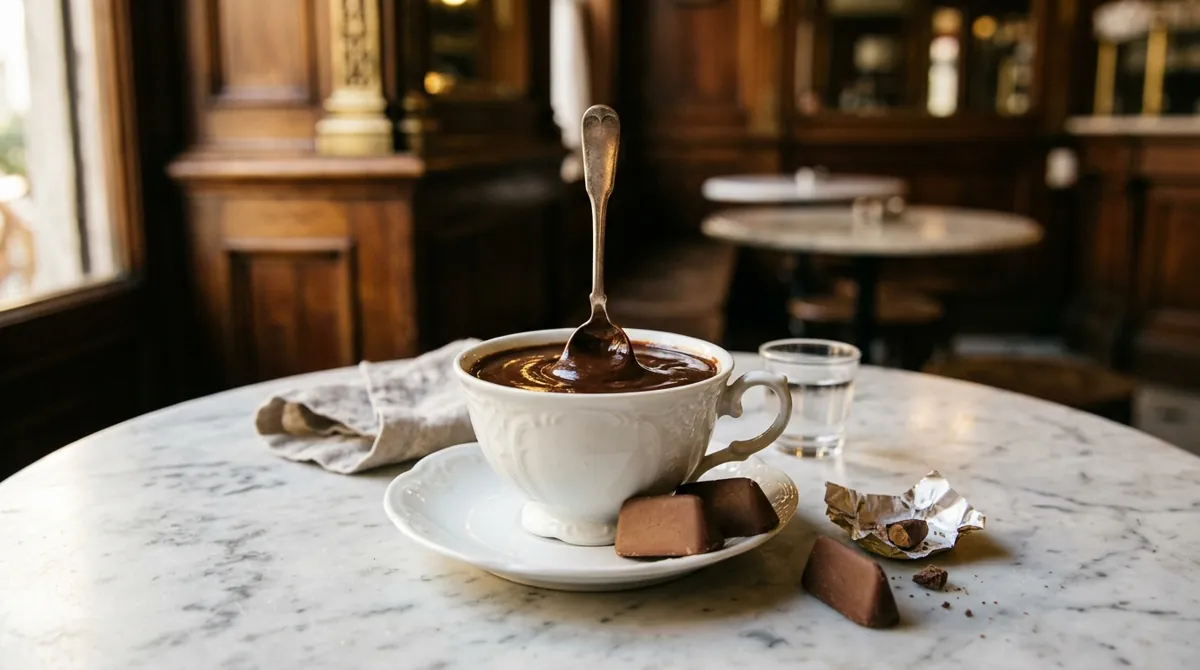
Italian Cioccolata Calda Densa
Milk whisked with cocoa and plenty of cornstarch, brought just to a simmer, then finished with melted dark chocolate until it is as thick as a loose pudding. You eat the last of it with a spoon.
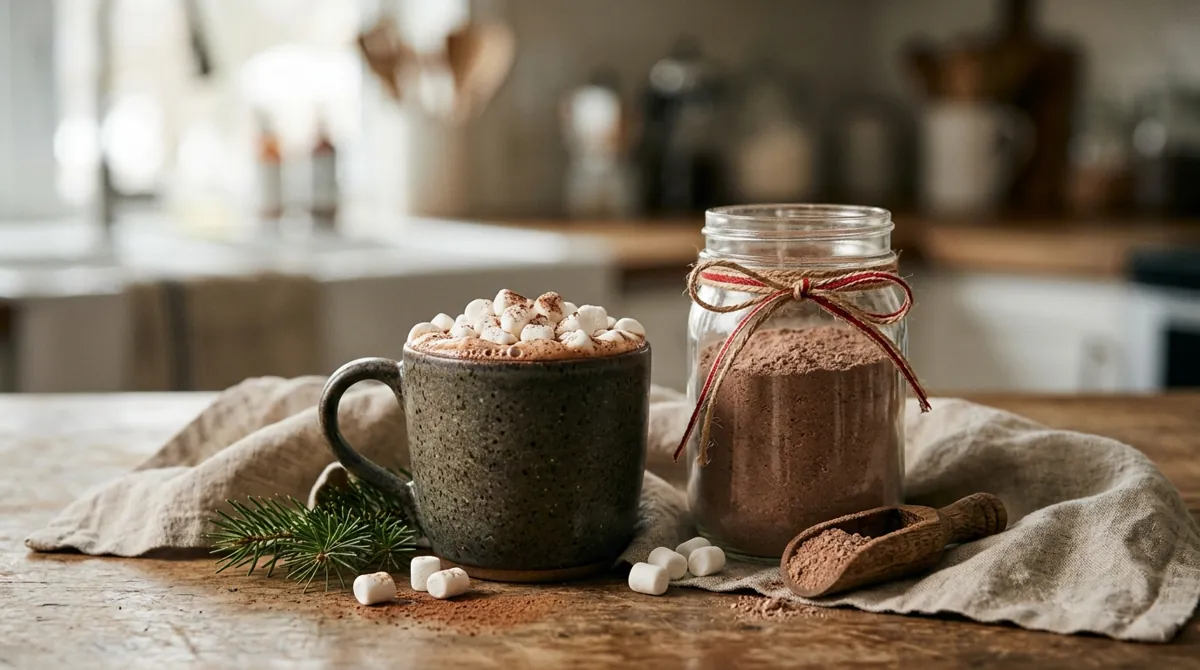
Homemade Hot Cocoa Mix
Nonfat dry milk, powdered sugar, Dutch-process cocoa and ground white chocolate, blitzed into a mix that keeps for months. One scoop in a mug of hot milk tastes like the packet you grew up with, only better.
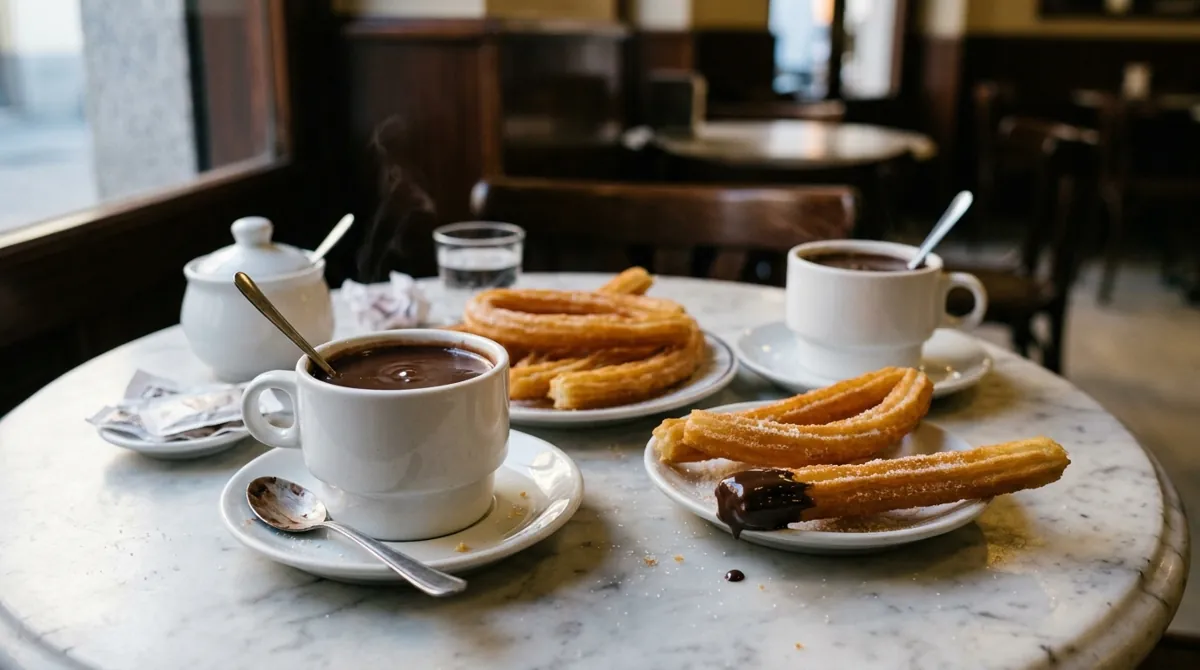
Spanish Chocolate a la Taza (for Churros)
Dark chocolate melted into nearly boiling milk with a little cocoa, sugar and cornstarch, then stirred over low heat until it is thick enough to coat a churro. The Madrid way to start the day or end the night.
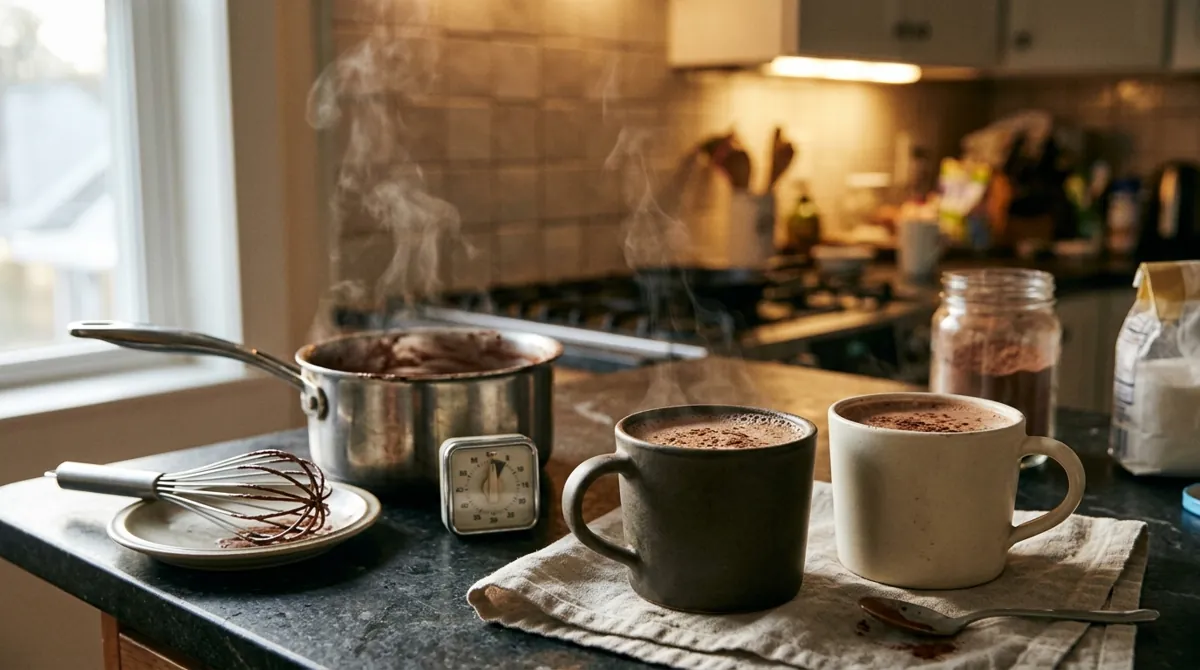
5-Minute Stovetop Cocoa for Two
Dutch-process cocoa and sugar whisked into a little water for one minute, then whole milk heated through on medium-high until steaming. Two real mugs of cocoa in the time it takes to find the packet.