
📜 Origin story
Where Did Parker House Rolls Come From?
The soft, folded dinner roll is named for a Boston hotel. The hotel is real and still open; the story about a furious baker is not so solid.
 By Americanized · Edited by JP Lambiase · October 20, 2026
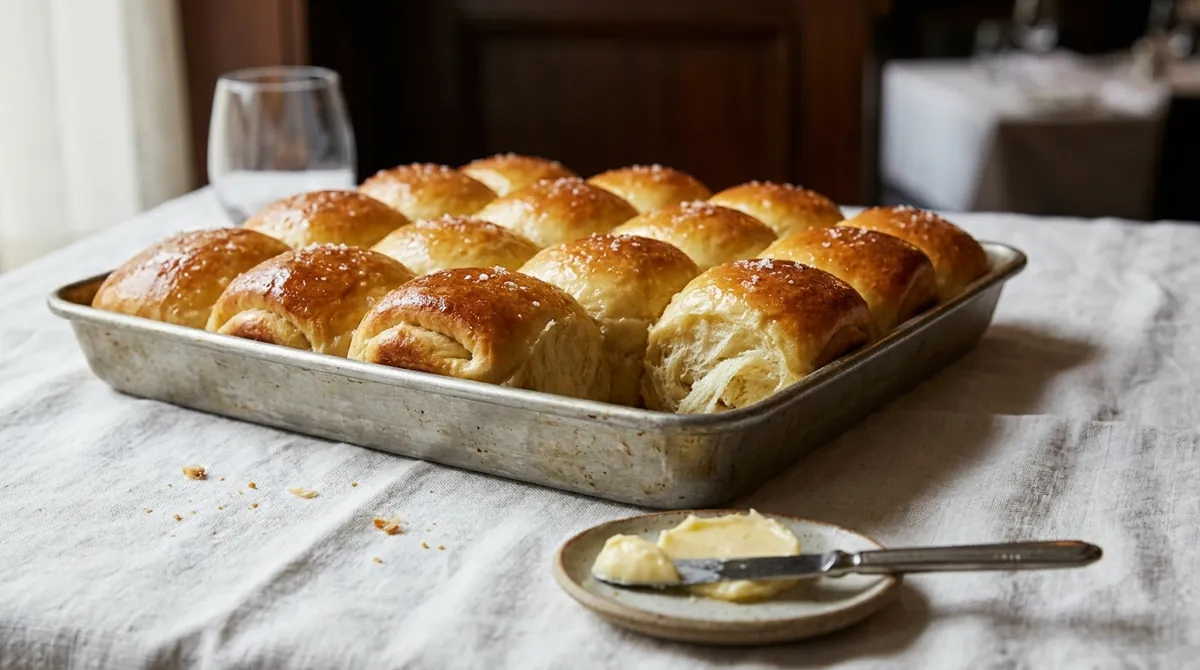
From the Parker House hotel in Boston, which Harvey D. Parker opened in 1855: a baker at the Parker House created the folded, buttery roll, and it was on record by the 1870s. Nobody knows the baker's name, and the story that an angry baker invented the rolls by accident is a legend.
The hotel
Harvey D. Parker arrived in Boston from a Maine farm in 1825 almost penniless and opened the Parker House hotel on October 8, 1855, Wikipedia's article on the hotel says. Today it is the Omni Parker House, and its page with Historic Hotels of America calls the hotel's restaurant the birthplace of the roll.
Who baked the first one
Nobody has a record. Wikipedia's article on the hotel says a German baker there created the rolls in the 1860s, while its article on the roll says the 1870s. Yankee magazine says they originated during the 1870s, and the hotel's own page says only that they were created on the property in the 19th century. The safest line: a baker at the Parker House, by the 1870s.
The best-known story says a hot-tempered baker threw a batch of unfinished rolls into the oven after an argument, and they came out folded. Yankee and Wikipedia both call it a legend, and the baker in it is never named.
From hotel secret to home kitchens
The oldest printed recipe Yankee knows of ran in the New Hampshire Sentinel in April 1874. The Historic Hotels of America page says the hotel kept its own recipe secret until 1933, when President Franklin Roosevelt asked for the rolls to be served at a White House dinner. The page also bills it as "America's first soft dinner roll," a nickname rather than something anyone can check.
Home cooks had versions long before 1933. Fannie Farmer's Boston Cooking-School Cook Book, first published in 1896, gives Parker House rolls: rounds of dough creased across the middle with a floured knife handle, buttered on one half and folded over.
Why the fold matters
The fold is the whole point. A brush of melted butter inside keeps the two layers from fusing, so each roll bakes with a lip and pulls apart in buttery layers. King Arthur Baking, whose recipe our Parker House rolls follow, folds strips of dough instead of circles because its bakers found the circles often popped open, and it adds potato flakes to keep the crumb soft.
The hotel's own published recipe folds small strips too, with the top half slightly overlapping the bottom. Bake them with our green bean casserole, the rest of our Thanksgiving sides and the whole Thanksgiving menu.
Questions people ask
Did the Parker House invent Boston cream pie too?
The hotel says so. Its Historic Hotels of America page names its restaurant as the birthplace of Boston cream pie as well as the rolls, and Wikipedia says the hotel's chef Augustine Anezin reportedly invented the pie in 1856.
Can you make Parker House rolls ahead?
Yes. Our tip: bake them the day before, cool completely and store airtight, then rewarm in foil at 350°F for 10 to 15 minutes and brush with butter. Baked rolls also freeze for up to a month.
Why do my Parker House rolls pop open?
The traditional folded circles tend to spring apart as they rise and bake. King Arthur Baking switched to folding long strips of dough and cutting them into rolls, which hold their shape better in the pan.
Parts of this history are disputed. Where sources disagree, we say so.
Sources
- Historic Hotels of America, Omni Parker House, "Parker House Rolls Recipe"
- Aimee Tucker, "Parker House Rolls Recipe," Yankee Magazine (New England Today), November 13, 2020
- Wikipedia, "Omni Parker House"
- Wikipedia, "Parker House roll"
- Fannie Merritt Farmer, "The Boston Cooking-School Cook Book" (1906 printing), Project Gutenberg
- King Arthur Baking, "Parker House Rolls" by PJ Hamel
More food facts
Cook it
Parker House Rolls
Soft, buttery pull-apart dinner rolls from the Boston hotel that made them famous: an egg and milk dough, folded over a brush of melted butter so each roll has a lip, baked golden and brushed again.
Green Bean Casserole from Scratch
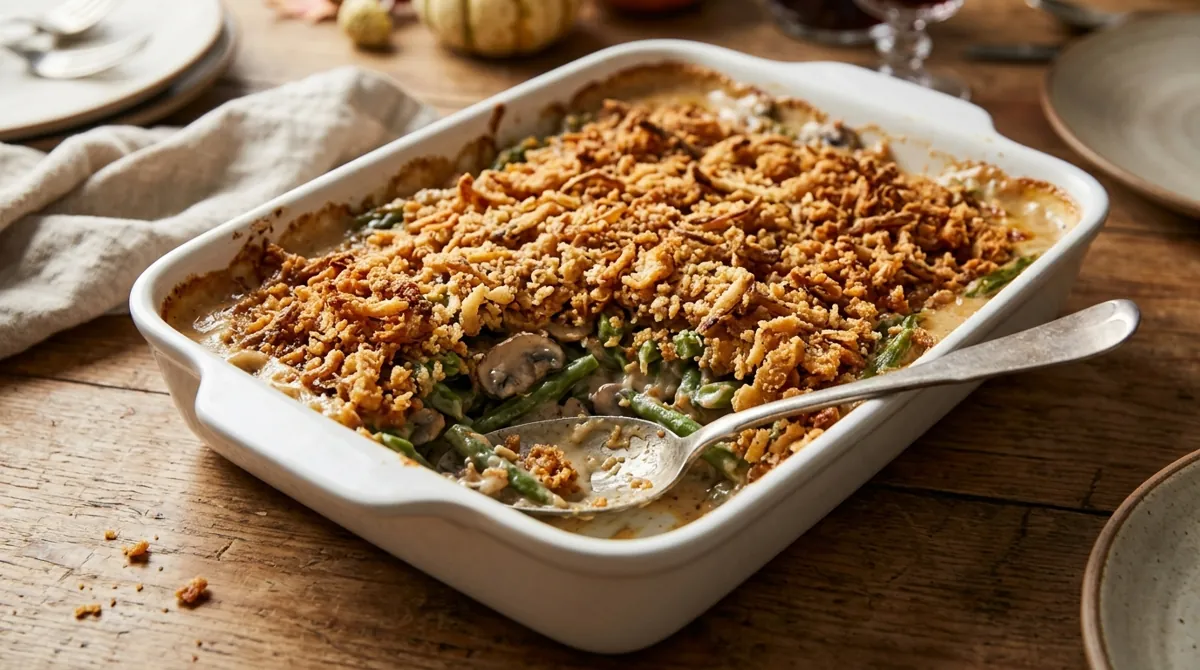
The 1955 test-kitchen classic rebuilt from scratch: blanched fresh green beans in a homemade mushroom cream sauce, under buttered bread crumbs and crispy fried onions, baked hot until bubbling.
Southern Skillet Cornbread (No Sugar)
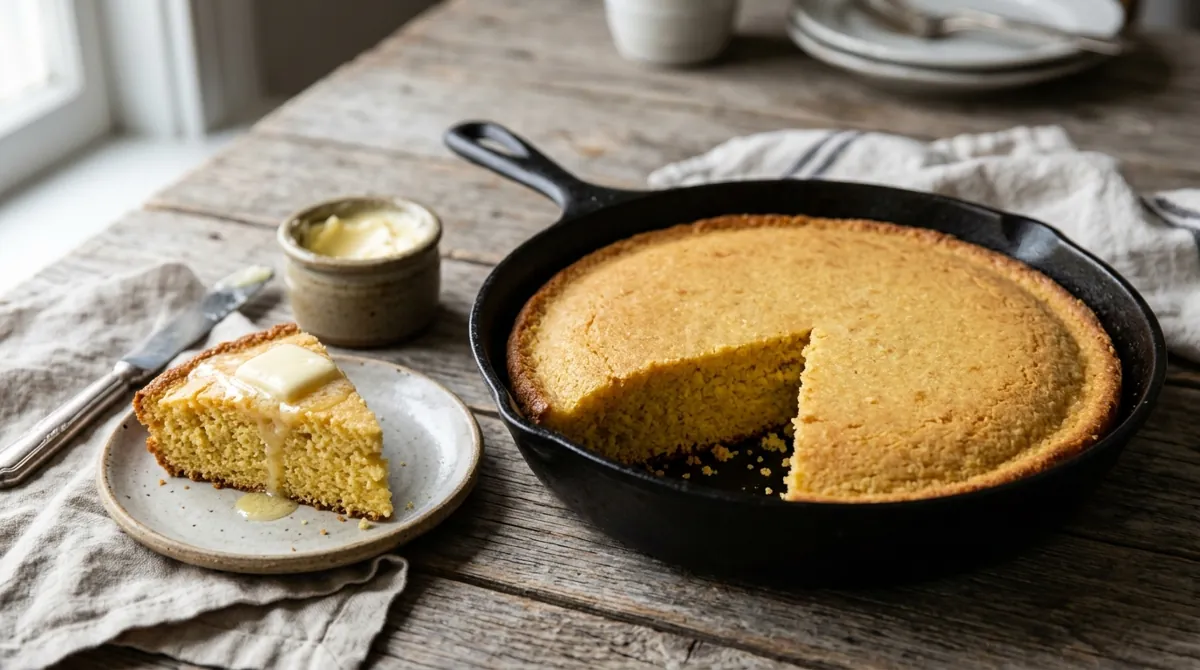
Whole cornmeal, buttermilk and one egg poured into a smoking-hot cast-iron skillet of bacon fat, so it sizzles into a crisp, brown crust. No sugar, a little flour, and ready in 45 minutes.
Whole-Berry Cranberry Sauce (Boston Cooking-School, 1896)
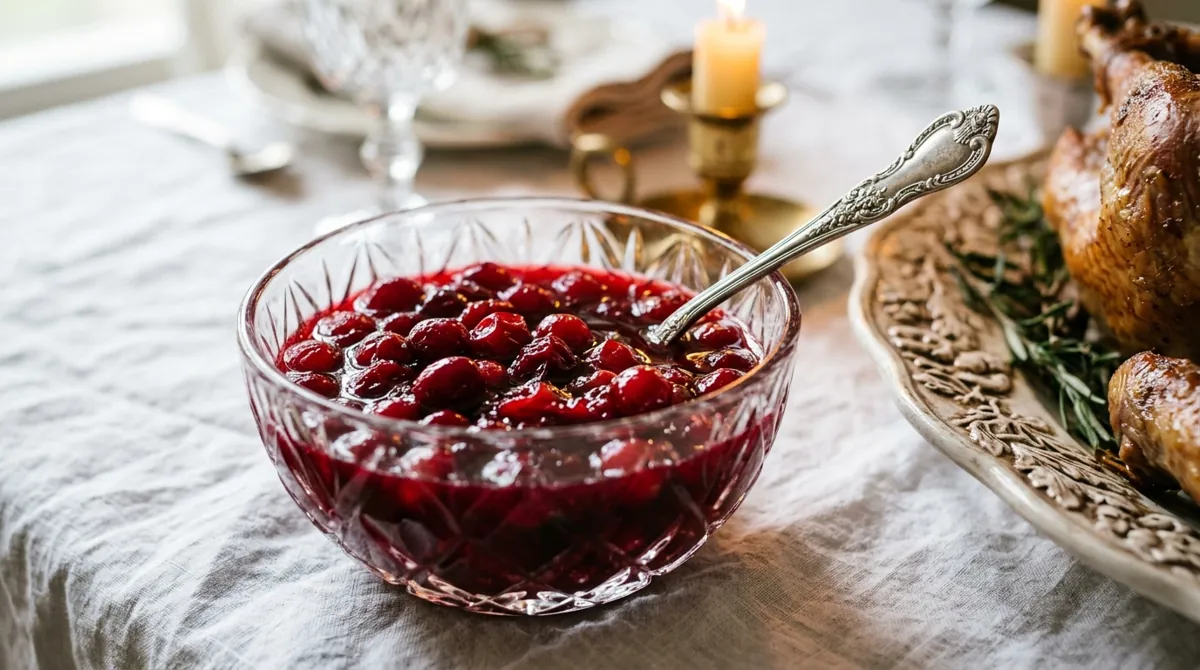
The old New England stovetop sauce: one bag of cranberries boiled ten minutes in sugar syrup until most of the berries pop, then cooled until it sets loose and glossy.
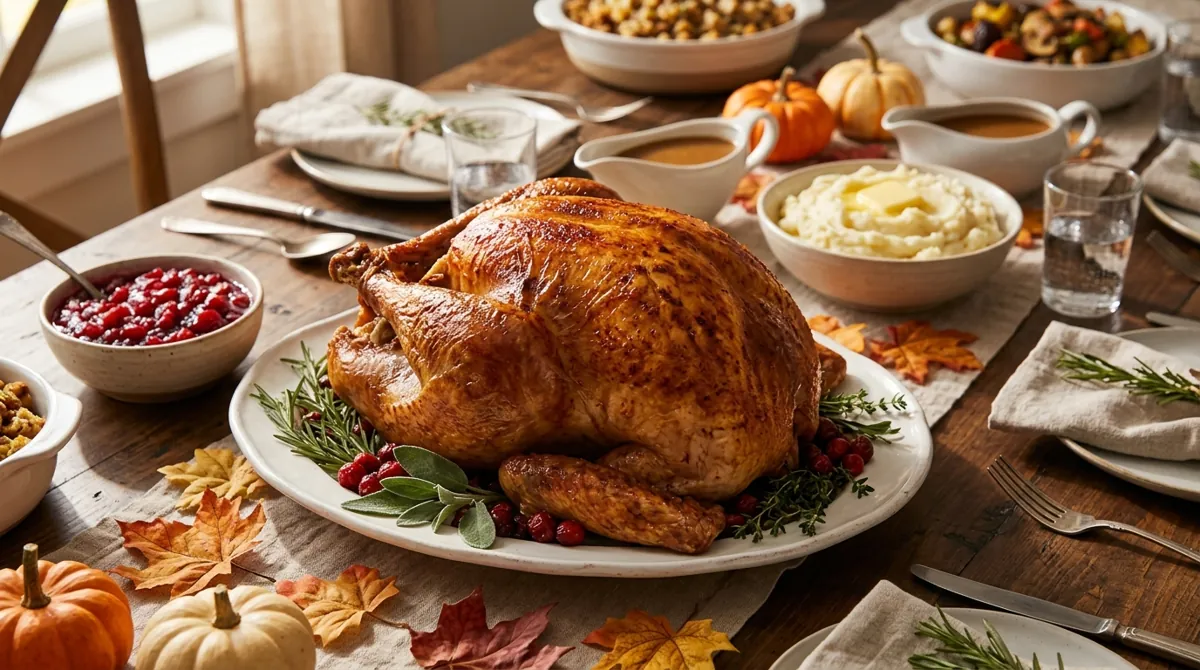
Classic Roast Thanksgiving Turkey
The plain American centerpiece: a buttered, salted and peppered turkey roasted breast side down first, flipped, and finished breast side up until the thermometer reads 165°F. No basting, no fuss.