
Cranberry Sauce and Thanksgiving Sides
The first cranberries on an English table were boiled with sugar the way Native people prepared them, and succotash is a Narragansett word. The rest of the Thanksgiving table grew up in American kitchens: Boston's Parker House rolls, Southern collards and cornbread, and a 1955 test-kitchen casserole of green beans and fried onions. Every one is here step by step, with what you can make on Wednesday.
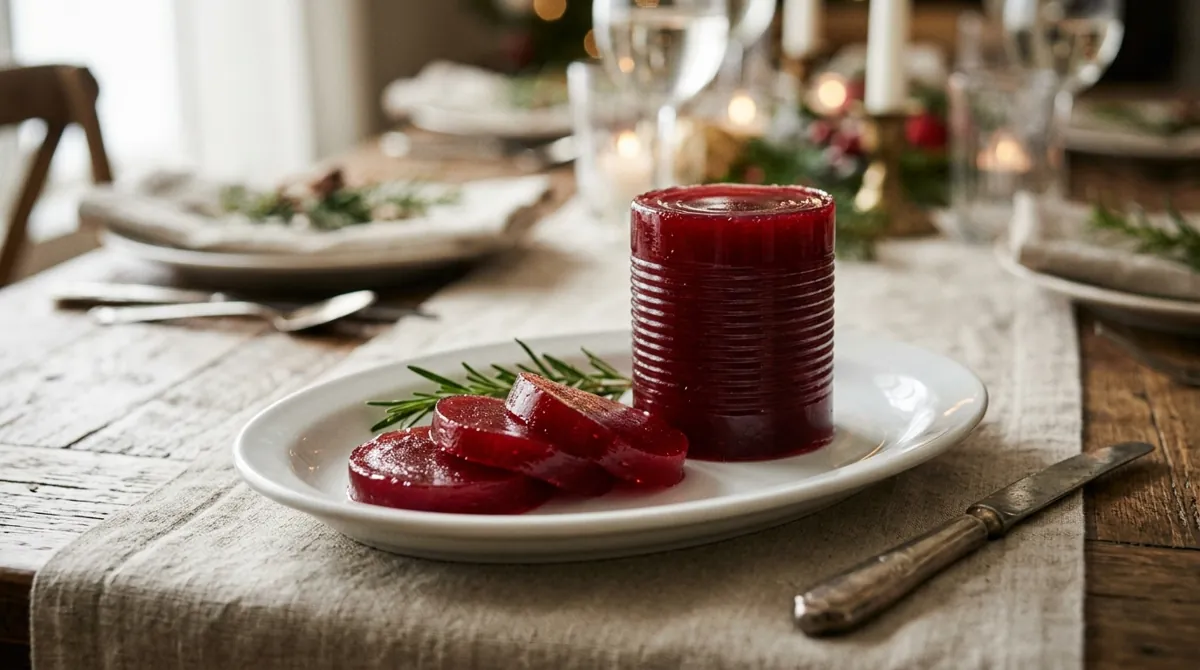
Jellied Cranberry Sauce, Canned Style
A smooth, sliceable cranberry jelly cooked in cranberry juice, strained, and set in a clean can so it slides out with the ridges. Inspired by Ocean Spray's canned jellied cranberry sauce. Not official.
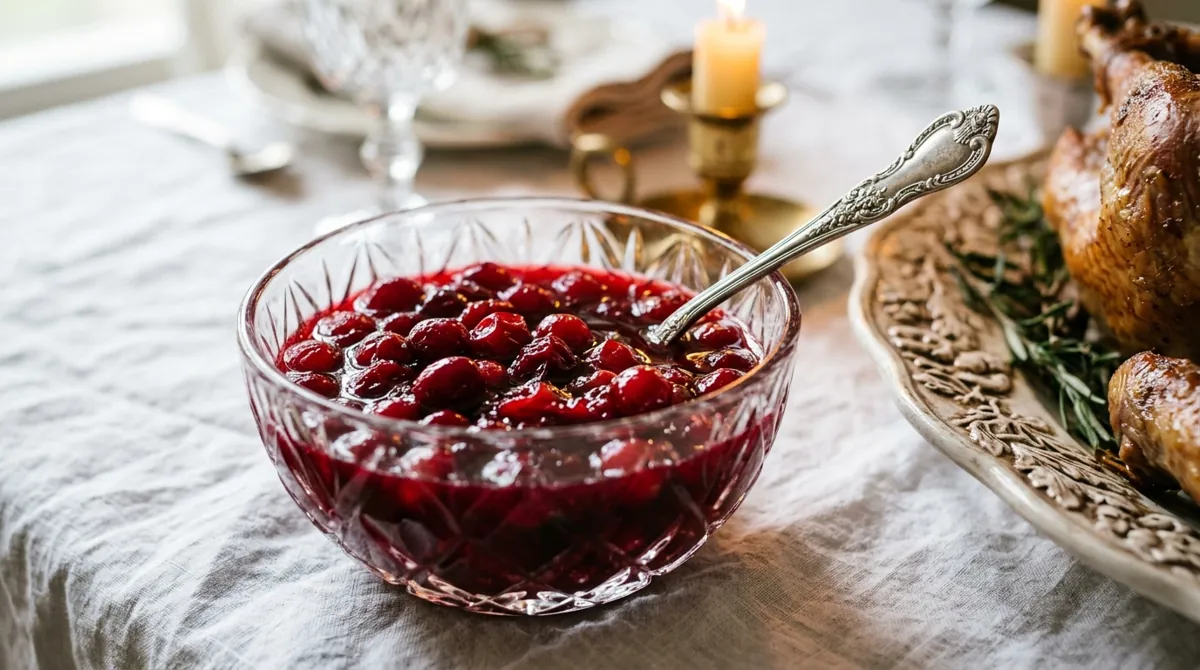
Whole-Berry Cranberry Sauce (Boston Cooking-School, 1896)
The old New England stovetop sauce: one bag of cranberries boiled ten minutes in sugar syrup until most of the berries pop, then cooled until it sets loose and glossy.
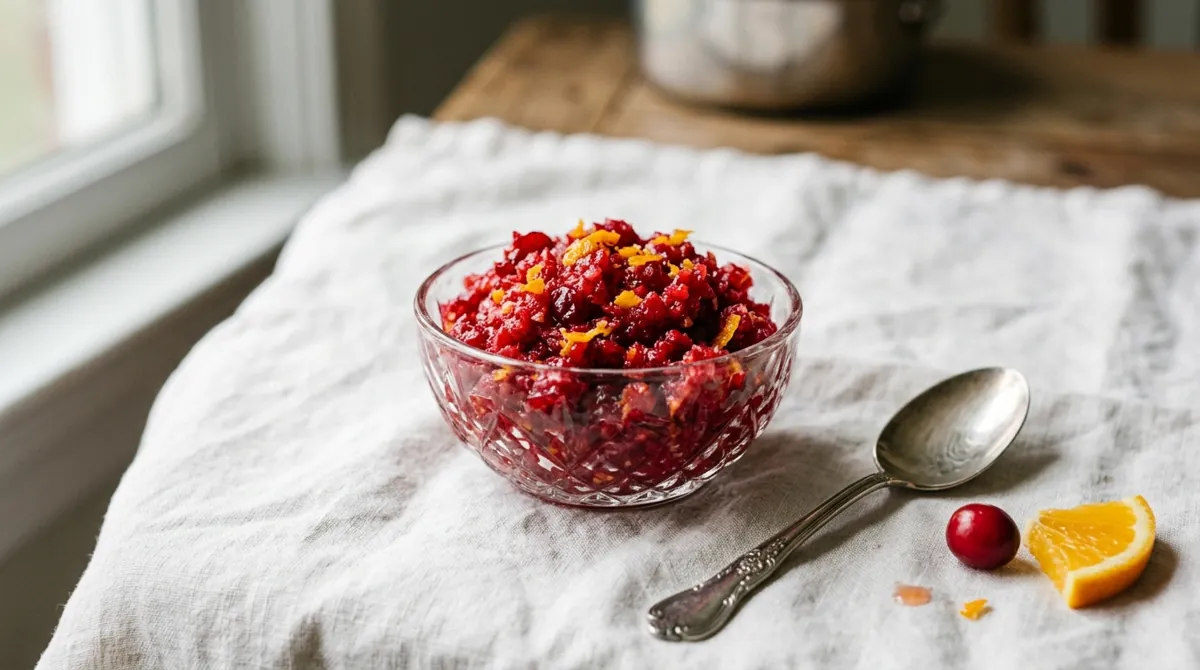
Raw Cranberry-Orange Relish (the Grinder Classic)
No stove at all: raw cranberries, a whole unpeeled orange, an apple and sugar ground coarse and left to sit a day, the way families once cranked it through a meat grinder clamped to the table.
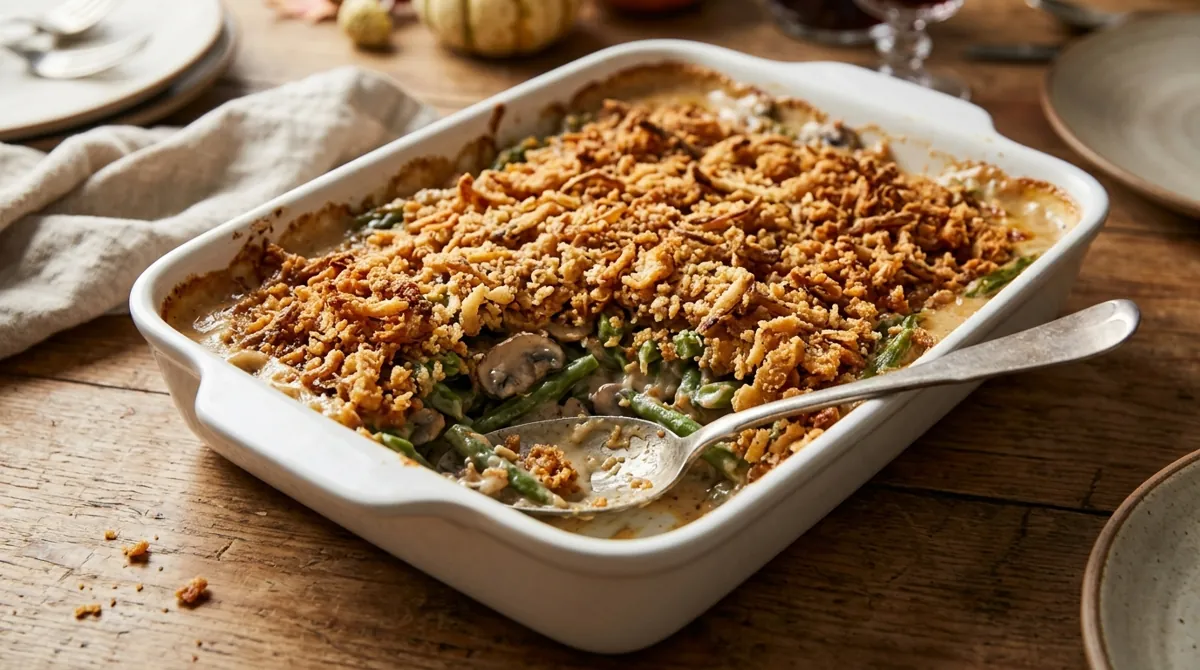
Green Bean Casserole from Scratch
The 1955 test-kitchen classic rebuilt from scratch: blanched fresh green beans in a homemade mushroom cream sauce, under buttered bread crumbs and crispy fried onions, baked hot until bubbling.
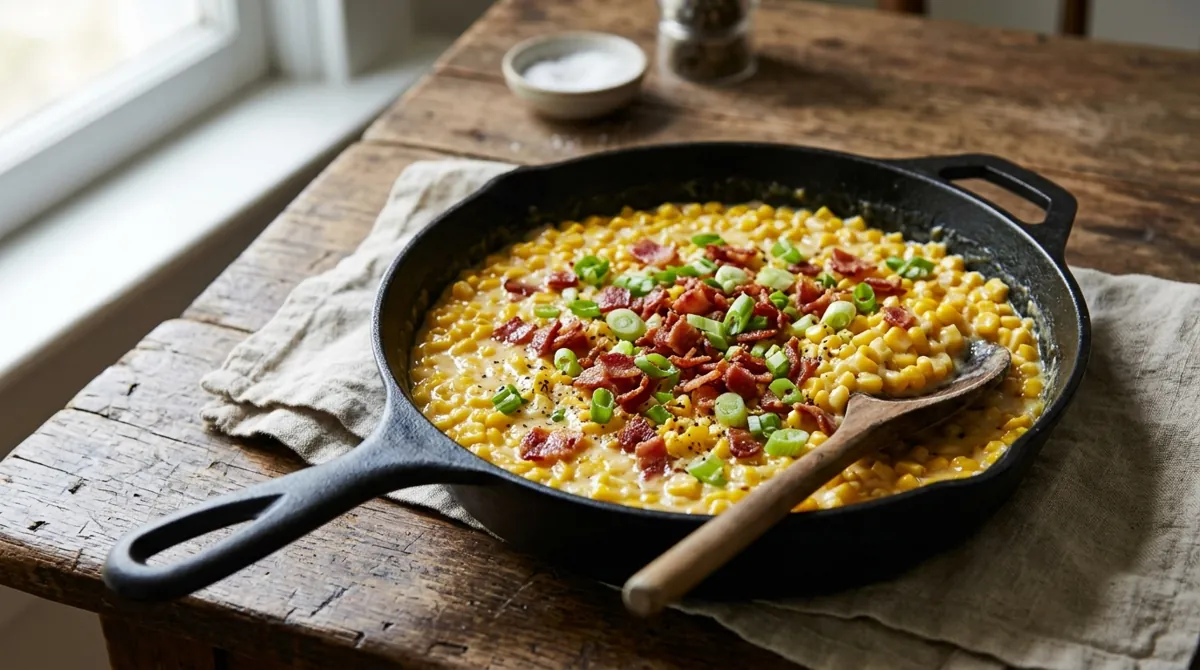
Skillet Creamed Corn with Bacon
Corn cut off the cob and the cobs scraped for their milky juice, cooked fast in bacon fat with shallots, then bubbled with a little cream and cayenne and finished with crisp bacon and scallions.
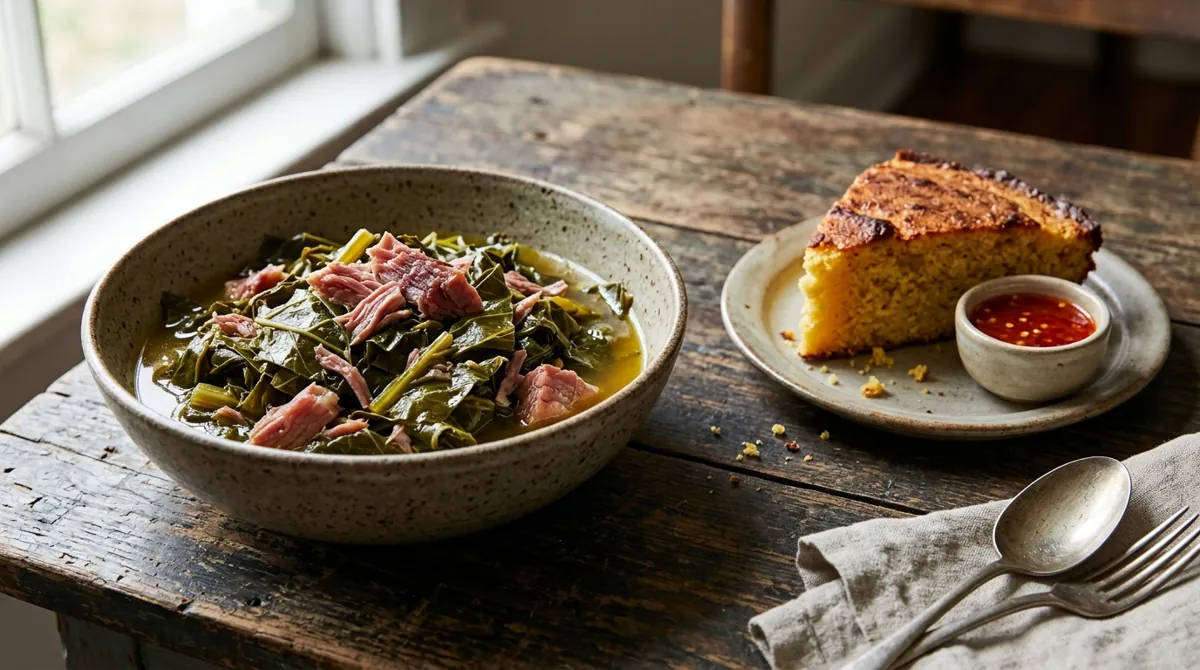
Southern Collard Greens with Ham Hocks
Collard greens braised low and slow in the oven with smoked ham hocks, onion and a pinch of sugar and chile until silky, then served in their own smoky broth, the pot likker, with hot sauce on the side.
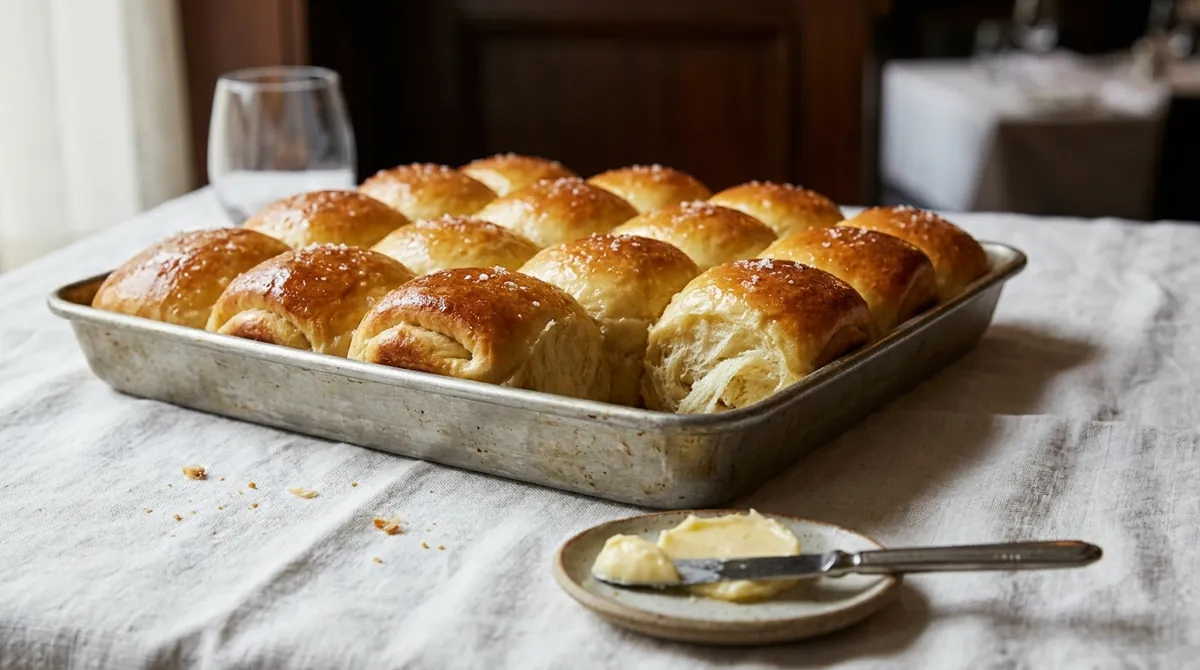
Parker House Rolls
Soft, buttery pull-apart dinner rolls from the Boston hotel that made them famous: an egg and milk dough, folded over a brush of melted butter so each roll has a lip, baked golden and brushed again.
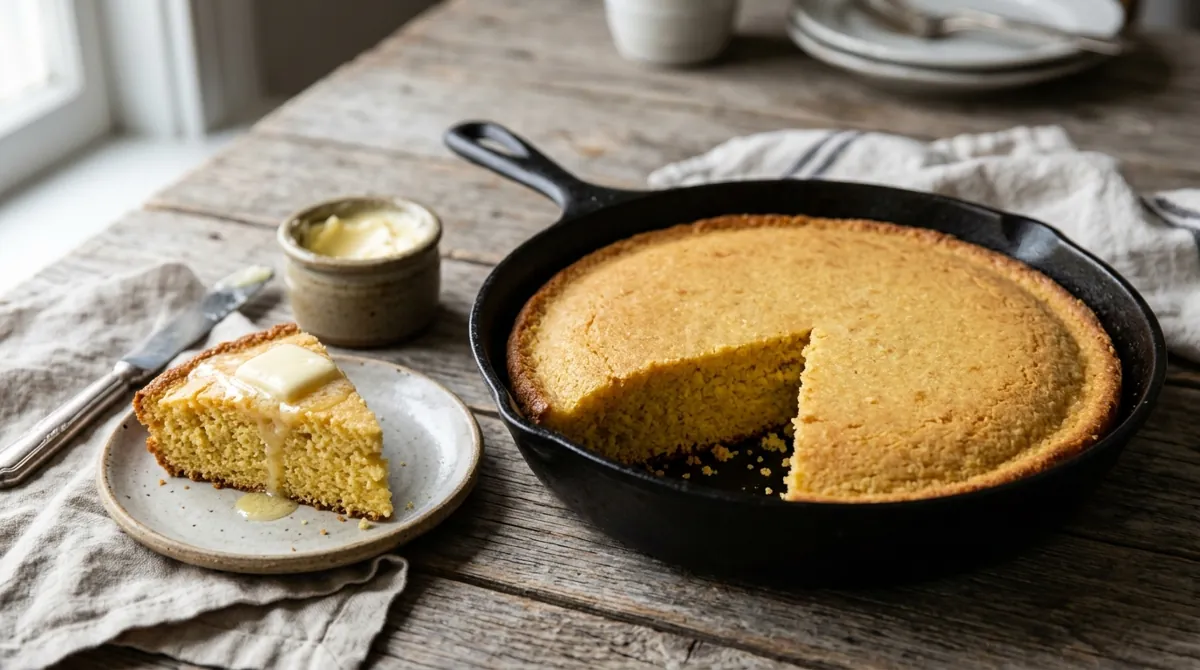
Southern Skillet Cornbread (No Sugar)
Whole cornmeal, buttermilk and one egg poured into a smoking-hot cast-iron skillet of bacon fat, so it sizzles into a crisp, brown crust. No sugar, a little flour, and ready in 45 minutes.
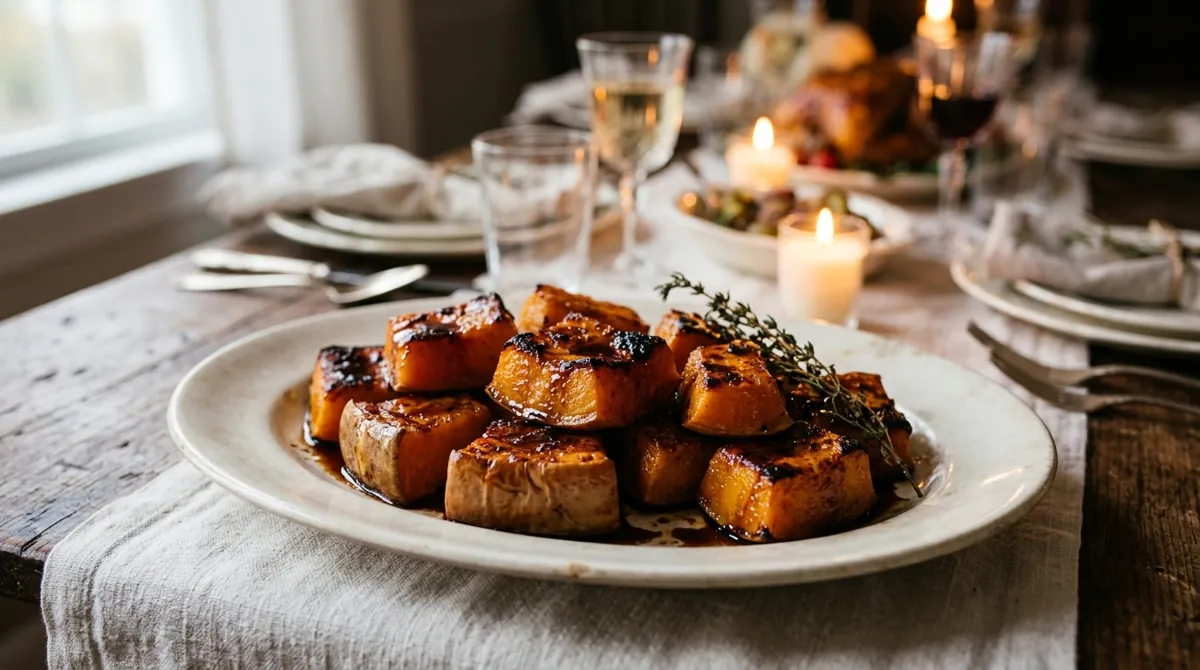
Molasses-Baked Winter Squash (Boston Cooking-School, 1896)
The squash on an 1896 Boston Thanksgiving menu: two-inch squares of butternut baked in their skins with salt, pepper and a little molasses and melted butter on each piece, covered first, then uncovered until glazed.
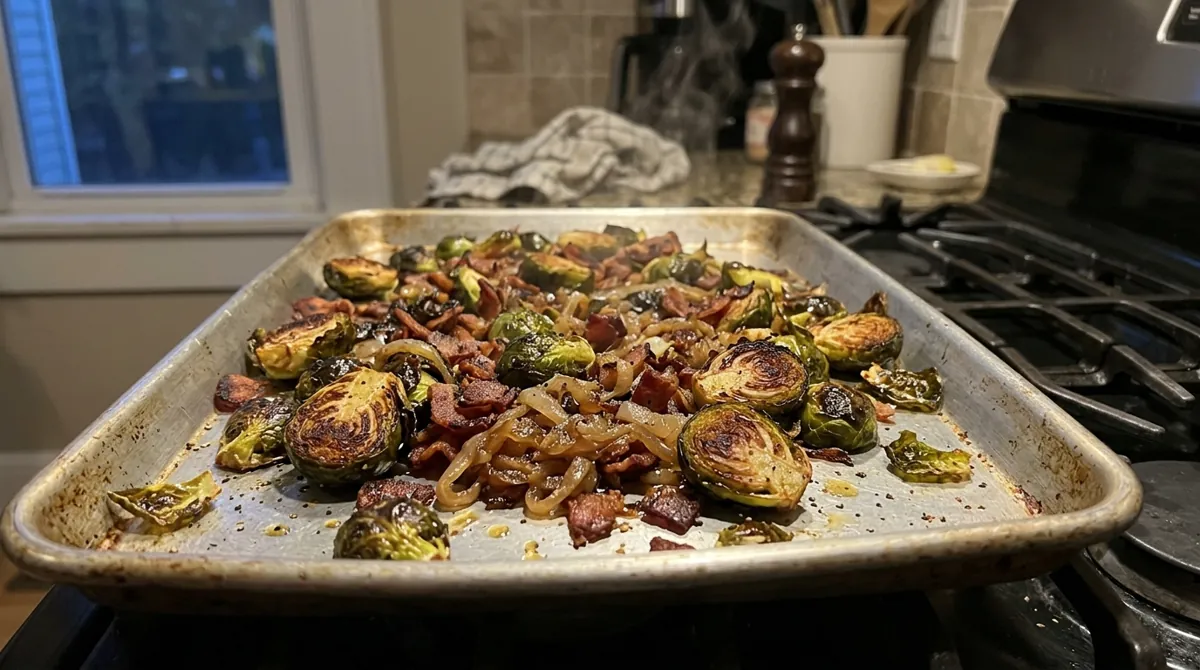
Sheet-Pan Brussels Sprouts with Bacon and Onion
One pan, one very hot oven: bacon and sliced onion get a head start, then halved Brussels sprouts go in cut side down and roast until deep golden and crisp at the edges. About 50 minutes, most of it hands-off.
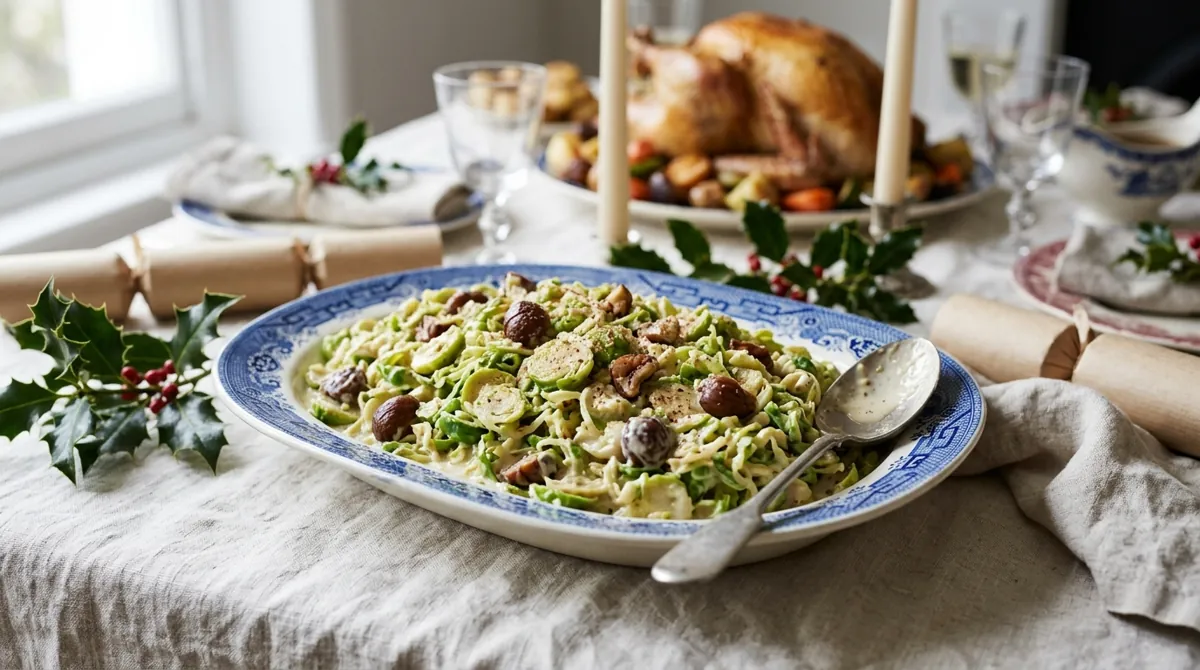
British Creamed Brussels Sprouts with Chestnuts
The Christmas-dinner sprout the British way: shredded sprouts stir-fried in butter with shallots and crumbled chestnuts, steamed tender, then turned in a little double cream with nutmeg and a squeeze of lemon.
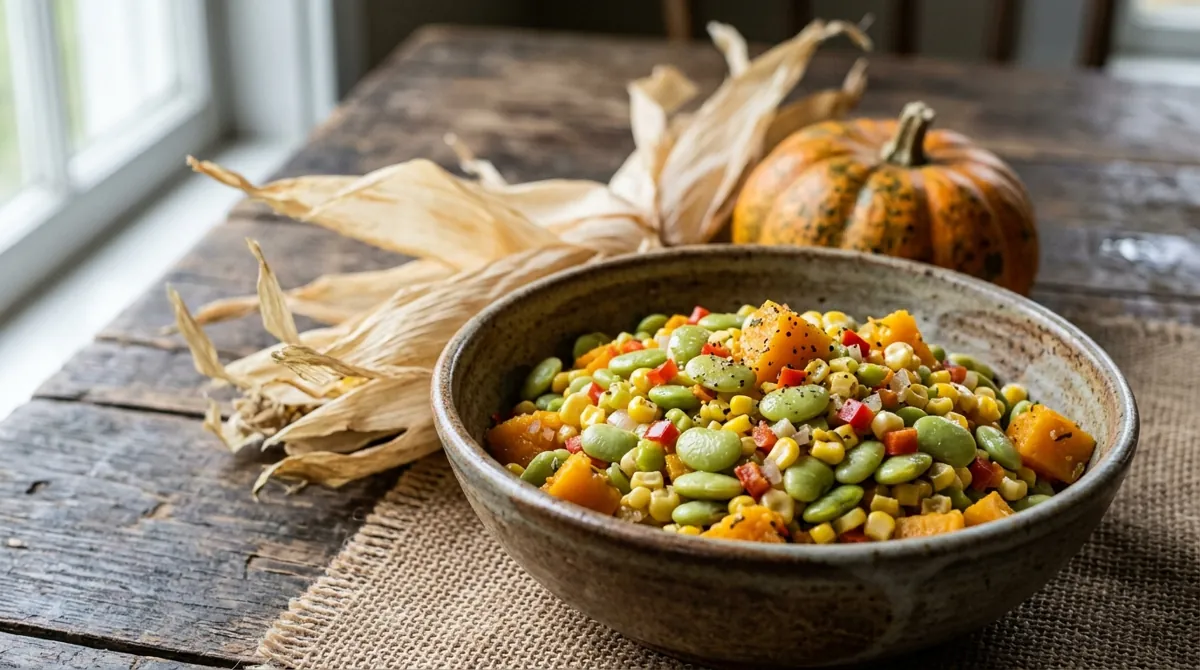
Three Sisters Succotash
Corn, beans and squash, the Three Sisters of Native American farming, simmered together in a little stock with onion and sweet pepper. No butter, no cream: the dish New England learned from the Narragansett and Wampanoag, before Yankee cooks changed it.