
📜 Origin story
Who Really Invented the Margarita? Five Claims, No Winner
At least five bars, bartenders and hostesses say they made the first margarita. The paper trail is older than most of their stories, and it points to a drink that was never really invented at all.
Nobody knows. The best-known claims are Carlos "Danny" Herrera near Tijuana, Hussong's Cantina in Ensenada, Pancho Morales in Juárez in 1942, Dallas socialite Margarita Sames in Acapulco in 1948, and a Galveston bartender in 1948. But a near-identical tequila, orange liqueur and lime drink was printed in 1937, and Cuervo was advertising margaritas by 1945.
The five claims
The most repeated story belongs to Carlos "Danny" Herrera, who ran Rancho La Gloria, a roadside restaurant outside Tijuana. He said he created the drink for a showgirl named Marjorie King, who could drink tequila but nothing else. Retellings usually date it to about 1938, but his 1992 Los Angeles Times obituary, drawing on his own words, puts it in the late 1940s.
Hussong's Cantina in Ensenada says it served margaritas first. Francisco "Pancho" Morales said he improvised one at Tommy's Bar in Ciudad Juárez on July 4, 1942, when a customer asked for a drink he had never heard of; his 1997 obituary says Mexico's news agency Notimex and many experts consider his claim the strongest.
Margarita Sames, a Dallas socialite, said she mixed it for guests at her Acapulco vacation home in 1948. And a Galveston story, told by the city's Rosenberg Library, has the Balinese Room's bartender naming a drink for singer Peggy Lee (born Margaret) that same year.
Why most of the stories fall apart
In May 1992, days after Herrera died, the San Diego Reader called the Herrera story a hoax. It quoted an allergist who found the tequila-only allergy unlikely and a CBS News veteran who said he had been drinking margaritas at Hussong's around 1940, and it traced the tale to one freelance writer whose profile other papers repeated.
Sames has a timing problem. Smithsonian magazine, citing Anthony Dias Blue's Complete Book of Spirits, reports that Cuervo's first US importer ran the tagline "Margarita: it's more than a girl's name" in 1945, three years before her party. Morales's claim is the most often endorsed, but it still rests on his own account.
What the paper trail shows
Margarita is Spanish for daisy, and the daisy was a family of drinks: a spirit, citrus and an orange liqueur or syrup. Imbibe found "Tequila Daisy" mentions in the Syracuse Herald from 1936. In 1937 London's Café Royal Cocktail Book printed a "Picador" of tequila, Cointreau and lime, in the 2 to 1 to 1 ratio still used today.
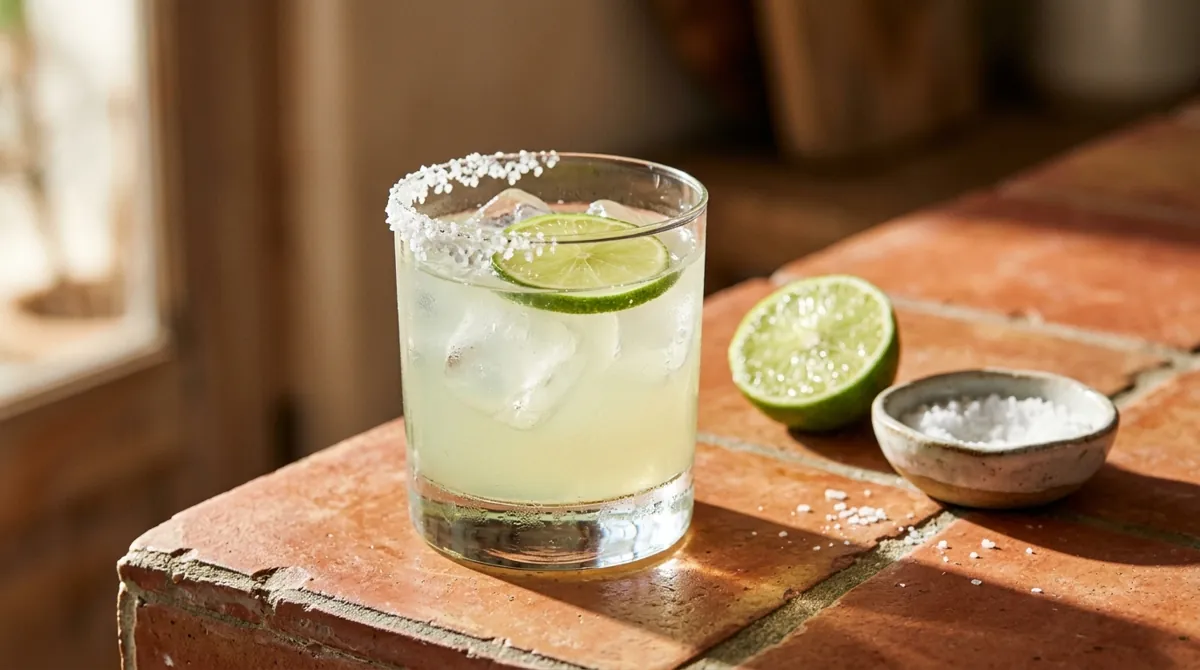
The first known recipe under the name margarita ran in Esquire in December 1953: an ounce of tequila, a dash of triple sec and the juice of half a lime or lemon. So the likeliest answer is that the drink took shape among bartenders on both sides of the border, and several people put a name on it. Our classic margarita uses blanco tequila, orange liqueur and fresh lime, close to the Picador's proportions.
The American chapter: a Dallas machine
One part of the story is well documented. Blended margaritas already existed (Mariano Martinez's father made them in a blender at his Dallas restaurant), but on May 11, 1971, Martinez served the first margarita from a machine: a secondhand soft-serve ice cream dispenser he adapted after seeing a 7-Eleven Slurpee machine.
He never patented it, and the original machine has been in the Smithsonian's National Museum of American History since 2005. Sugar is what made it work, keeping the mix a soft slush instead of a block, and our Dallas frozen margarita follows the same idea.
Questions people ask
How strong is a margarita?
A US standard drink is 14 grams of alcohol, the amount in 1.5 ounces of 80-proof spirits, according to the NIAAA. Our classic margarita, with 1 3/4 ounces of tequila and 1 ounce of orange liqueur, works out to about 1.8 standard drinks if both are 80 proof. Restaurant and frozen versions vary widely in size.
Is the margarita Mexican or American?
Both, depending on the claim. Most of the origin stories are set in Mexico, often in border and resort towns that drew American visitors, while the frozen machine margarita is a Dallas invention from 1971.
What is the difference between a margarita and a paloma?
Both start with tequila and lime. The margarita adds orange liqueur and is shaken, while the paloma is topped with grapefruit soda and built in a tall glass over ice. You can find both in our cocktails hub.
Parts of this history are disputed. Where sources disagree, we say so.
Sources
- Margot Sheehan, "Myths and margaritas," San Diego Reader, May 21, 1992
- Paul Chavez, "Danny Herrera, Inventor of Margarita, Dies at Age 90," Los Angeles Times, May 14, 1992
- "Francisco Morales; Credited With Inventing Margarita," Los Angeles Times, Jan 8, 1997
- Lisa Bramen, "The History of the Margarita," Smithsonian Magazine, May 5, 2009 (read via the Internet Archive)
- Naren Young, "Once upon a time in Mexico: The origin of the Margarita," Imbibe (read via the Internet Archive)
- Difford's Guide, "The Original Margarita"
- Rosenberg Library Museum, "Lost Treasure: The Balinese Room" (read via the Internet Archive)
- Franz Lidz, "The Uniquely Texan Origins of the Frozen Margarita," Smithsonian Magazine, July 2018 (read via the Internet Archive)
- National Institute on Alcohol Abuse and Alcoholism, "What Is A Standard Drink?"
More food facts
Cook it
Classic Margarita
Blanco tequila, orange liqueur and fresh lime, shaken hard and poured over fresh ice in a half salt-rimmed glass: the sour that Mexico, Texas and California all claim.
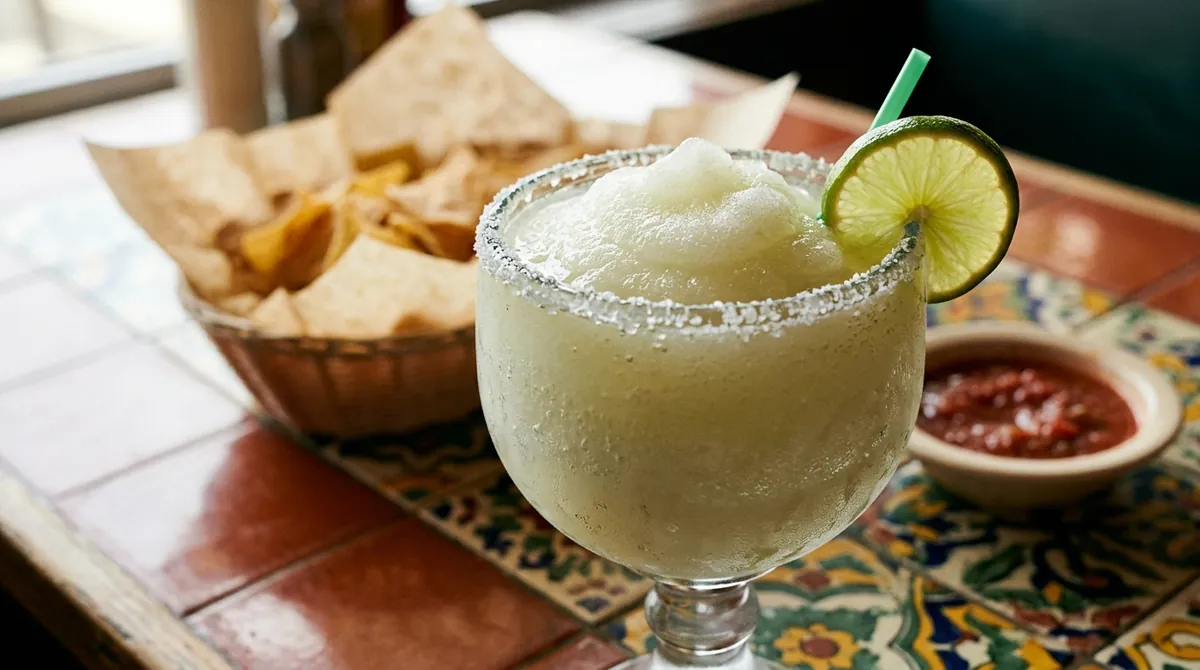
Frozen Margarita (Dallas, 1971)
The margarita as Texas made it famous: tequila, orange liqueur, lime and a little syrup blended with crushed ice into a smooth, spoonable slush, the drink a Dallas restaurateur put in a machine in 1971.
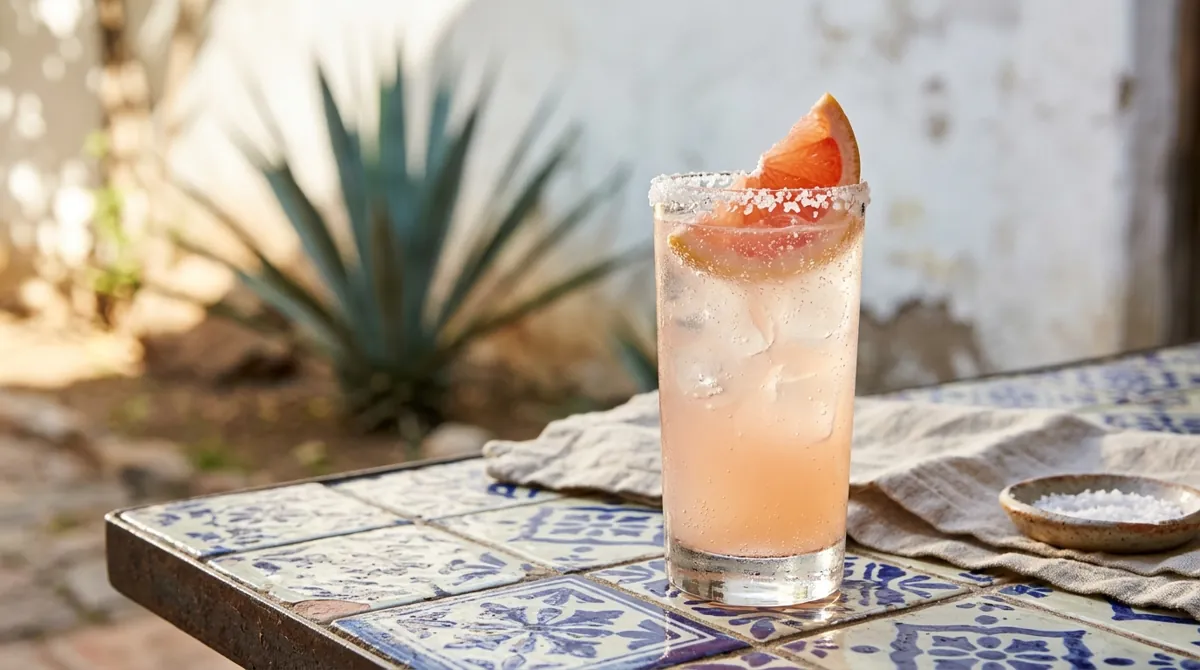
Paloma
Mexico's everyday highball: blanco tequila, a squeeze of lime and a pinch of salt topped with cold grapefruit soda over ice, built in the glass in under two minutes.
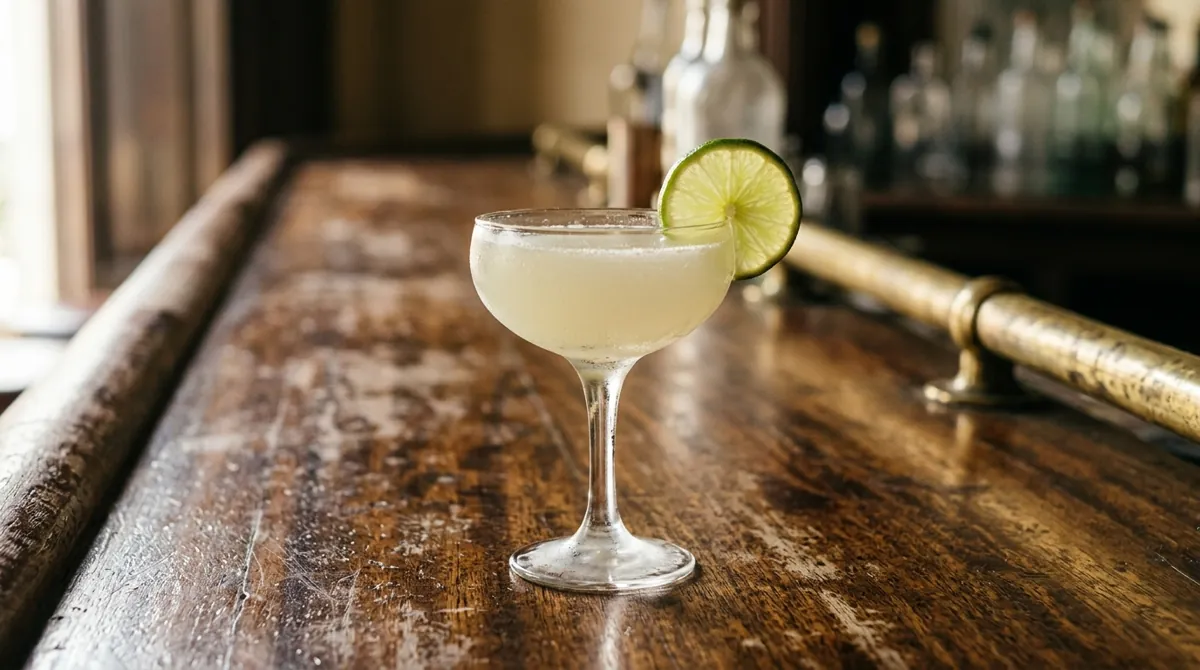
Cuban Daiquiri
The original daiquiri is not pink and not frozen: white rum, fresh lime and a little sugar, shaken ice cold and strained into a chilled coupe, the way it was made in Cuba before America put it in a blender.
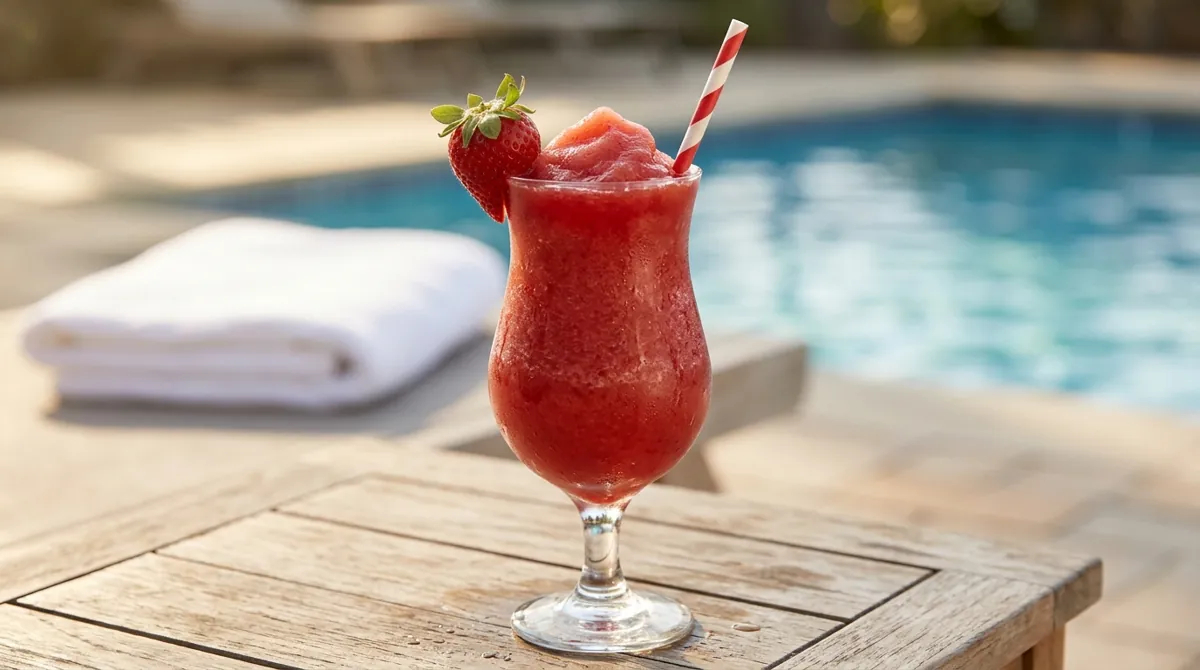
Frozen Strawberry Daiquiri
How America remade the Cuban daiquiri: white rum, lime and sugar blended with frozen strawberries and crushed ice into a thick red slush, the version that came with the electric blender.