
🔥 Heat and Cooking Methods · Lesson 2 of 5
Boil, Simmer or Poach? How to Read the Bubbles
Poach, simmer and boil are three temperature zones, and the bubbles tell you which one your pot is in.
- Poach: 160 to 180°F, surface shimmers
- Simmer: 185 to 205°F, small steady bubbles
- Boil: 212°F at sea level, large rolling bubbles
- Boiling point at 5,000 ft: about 203°F
- Boiling point at 10,000 ft: about 194°F
Why it matters
Recipes say gentle simmer and rolling boil as if everyone knows the difference, and most home cooks just turn the burner to high. The bubbles are a built-in thermometer. Learn to read them and delicate food like eggs and fish holds together instead of breaking apart in a hard boil.
Poach: the surface barely moves
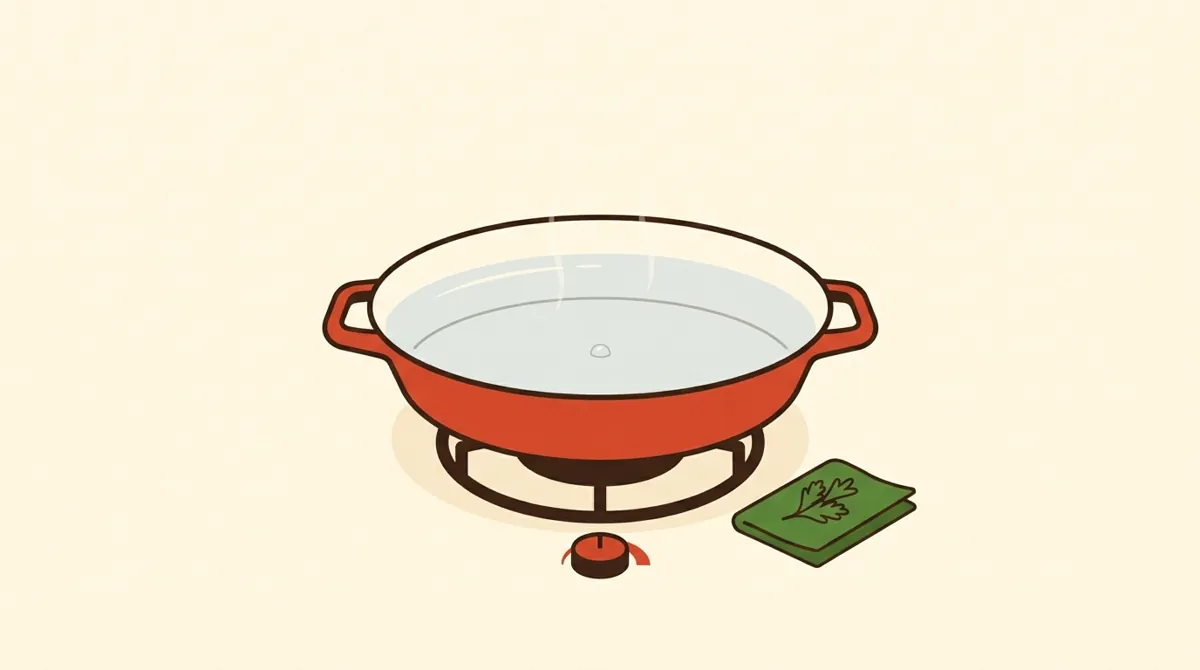
Poaching liquid sits at about 160 to 180°F. The surface should just shimmer with the possibility of a bubble, never a rolling boil. Sources differ a little at the edges: Wikipedia gives 158 to 176°F in one place and 158 to 185°F in another, so 160 to 180°F is the standard figure used here.
Simmer: small, steady bubbles
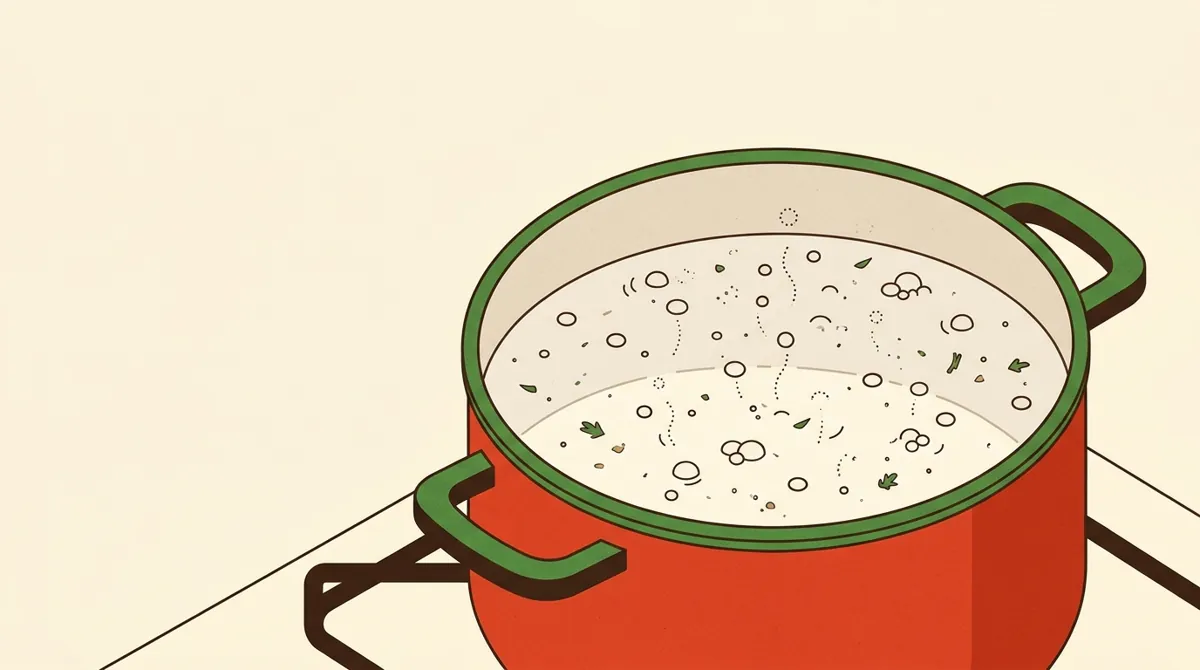
A simmer runs about 185 to 205°F. A fine simmer sends up a few tiny bubbles every two or three seconds, a simmer has small continuous bubbles, and a vigorous simmer adds rising steam. Some references start the simmer as low as 180°F, but every source keeps it below boiling.
Boil: big bubbles that won't quit
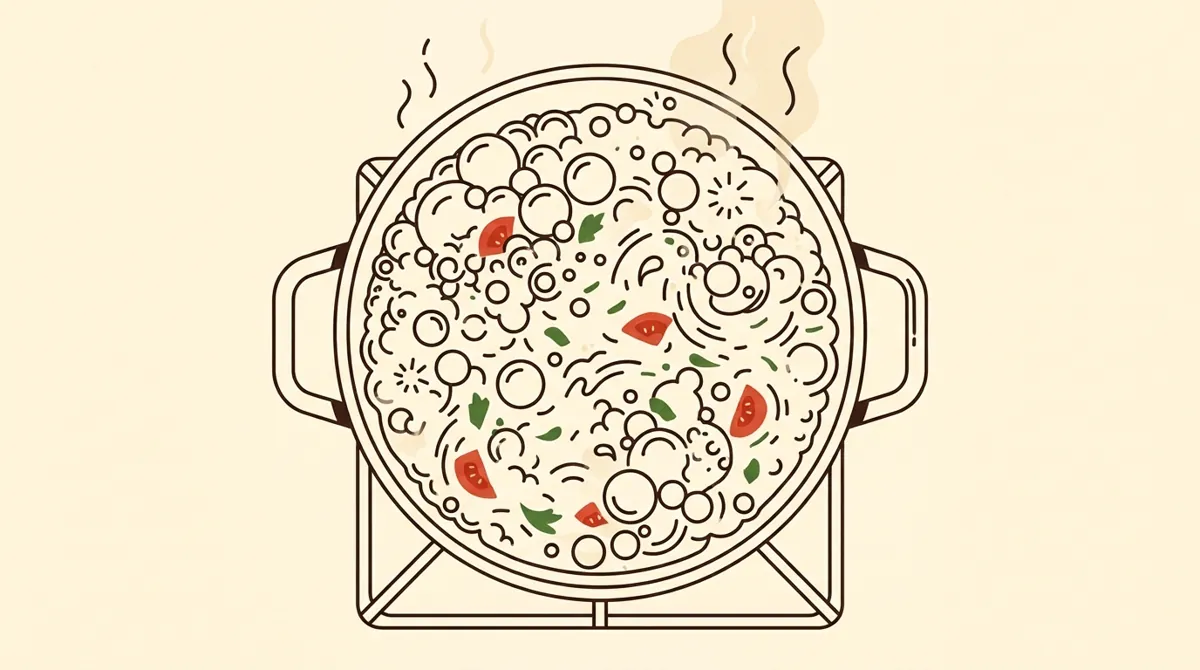
Water boils at 212°F at sea level. At a boil, large bubbles rise to the surface continuously; at a rolling boil they keep erupting even while you stir. Boiling is the highest temperature water can reach in an open pot, which also makes it the roughest on delicate food.
Altitude lowers the ceiling
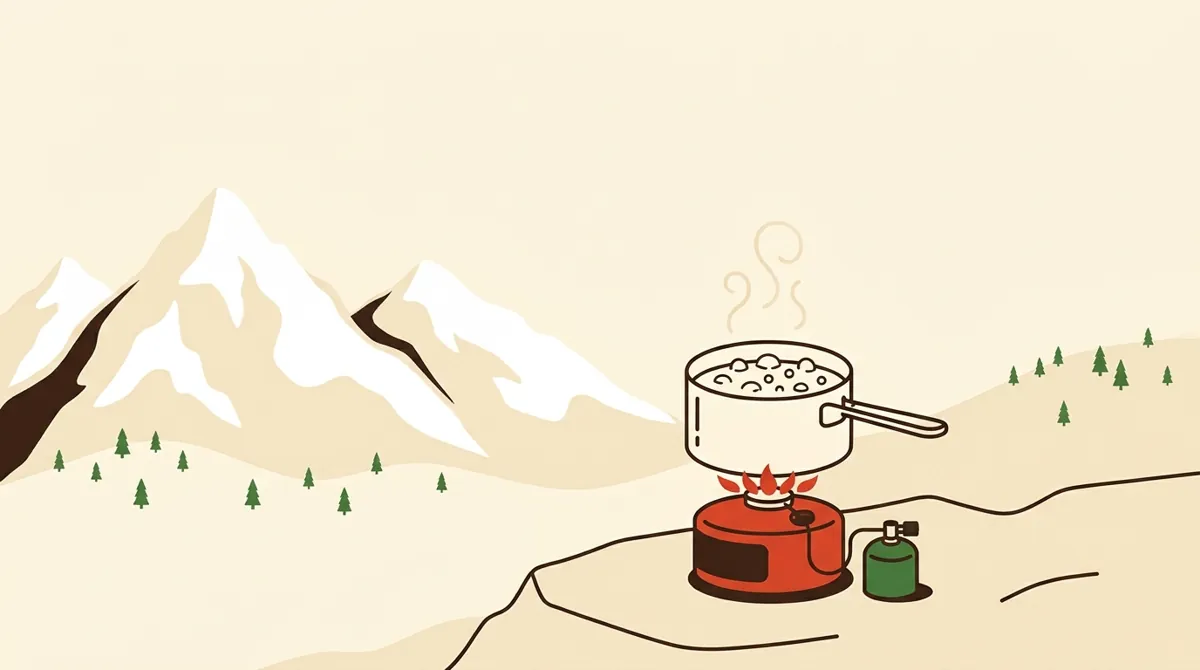
The boiling point drops about 1°F for every 500 feet of elevation. At about 5,000 feet water boils near 203°F, and at 10,000 feet near 194°F, which is inside the sea-level simmer range. Food cooked in boiling water takes longer up high, so plan on more time.
Step by step
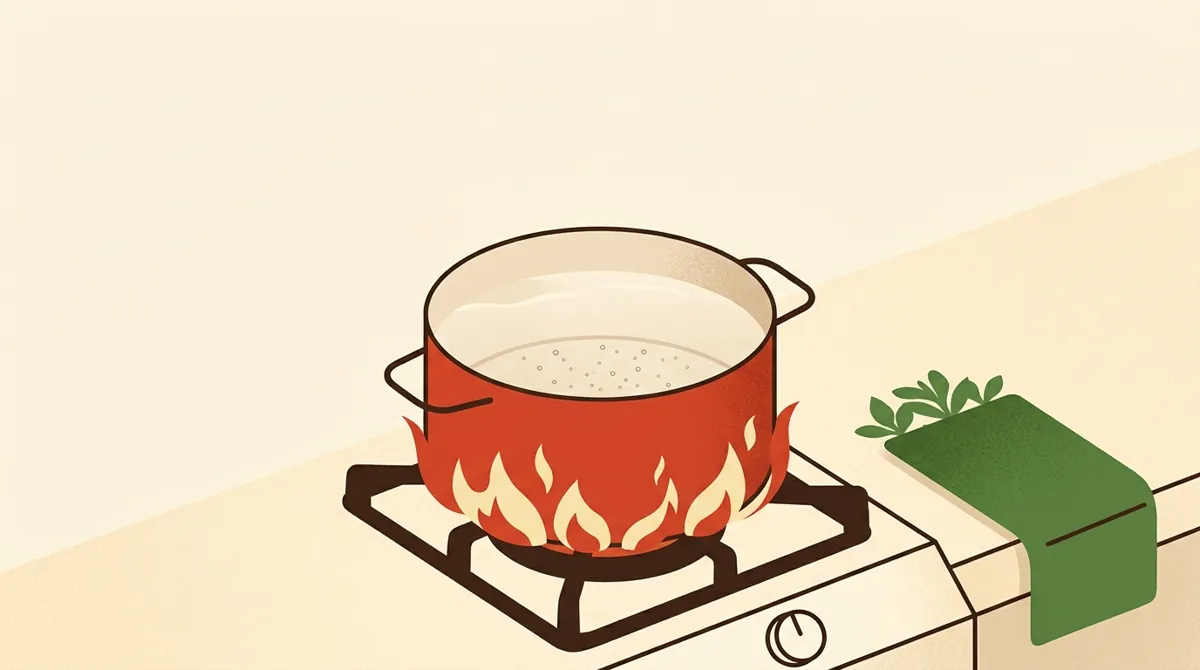
Bring the liquid up over medium-high heat.
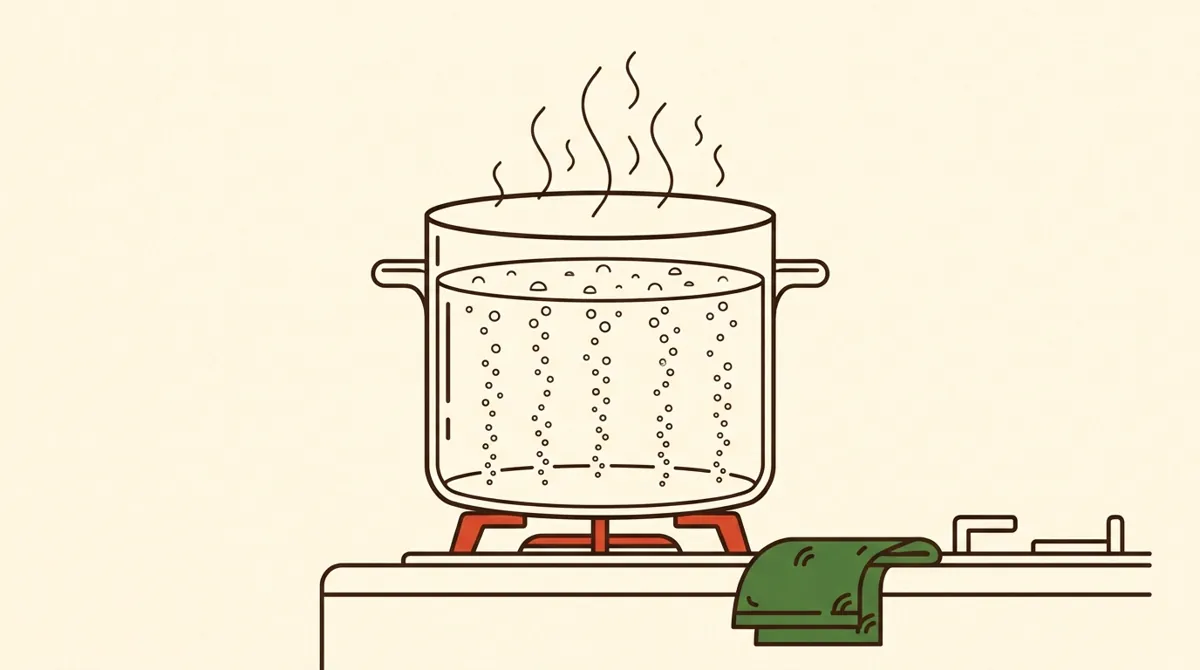
Watch the surface: when tiny bubbles start rising steadily, you have reached a simmer.
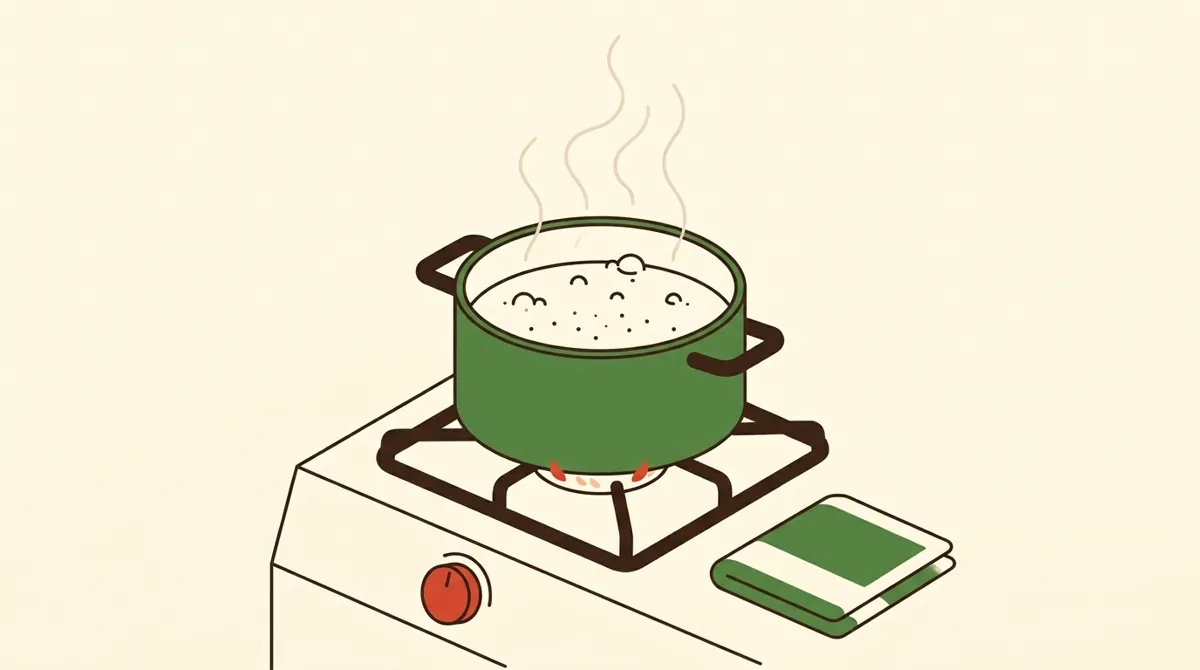
Turn the heat down before it reaches a full boil, then adjust until you see the bubble pattern the recipe asks for.
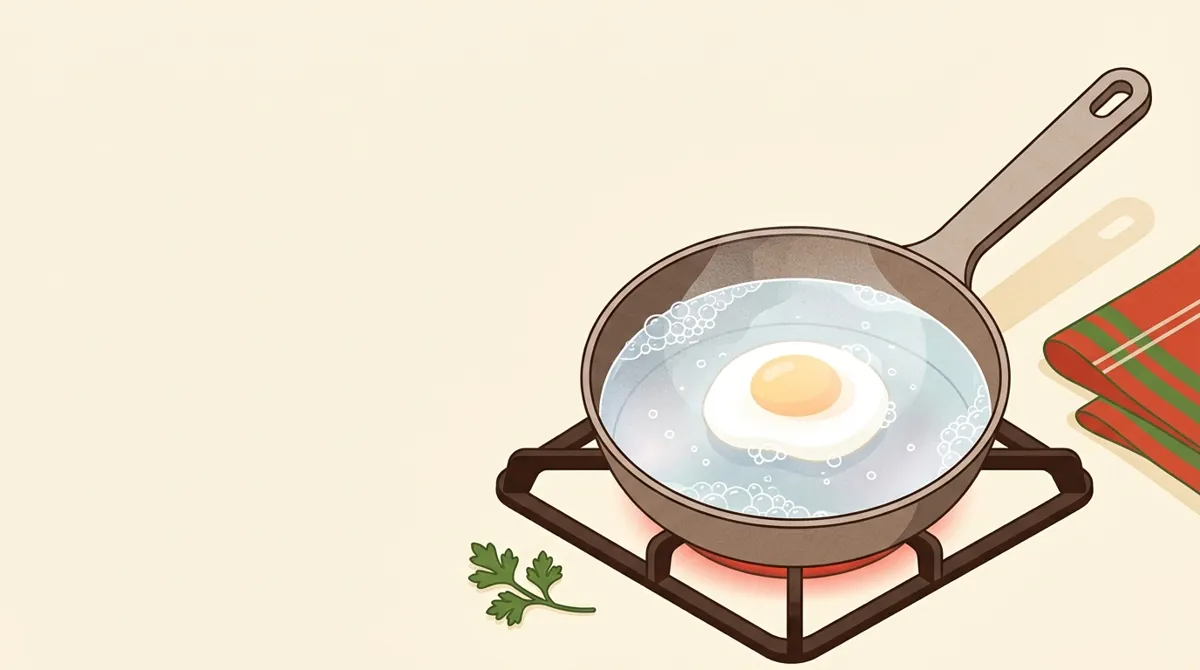
For a poach, lower the heat further until the surface just shimmers, with only an occasional bubble.
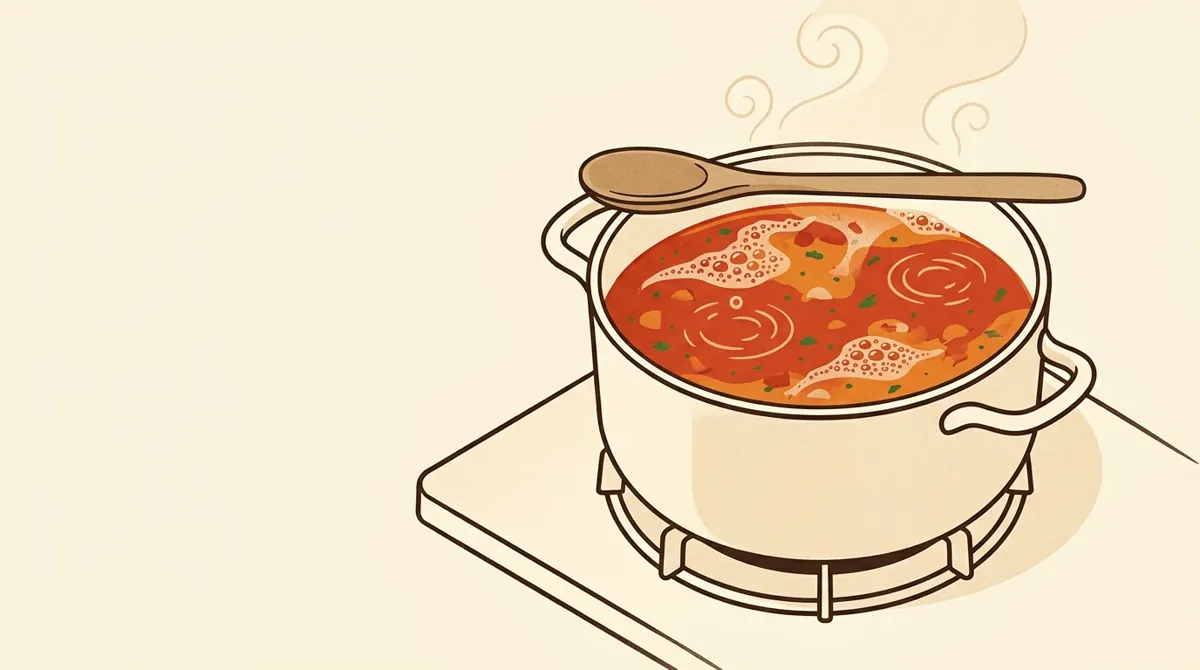
Check the bubbles every few minutes and nudge the burner as needed.
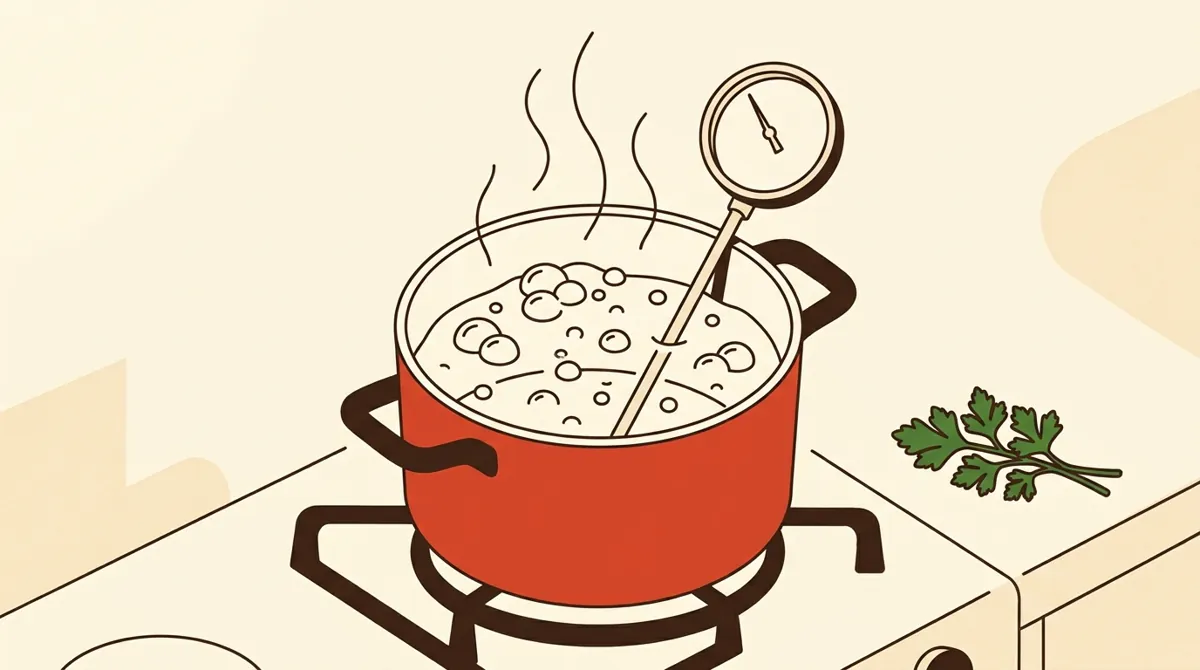
If you own an instant-read thermometer, check the liquid against the ranges: poach 160 to 180°F, simmer 185 to 205°F.
Common mistakes
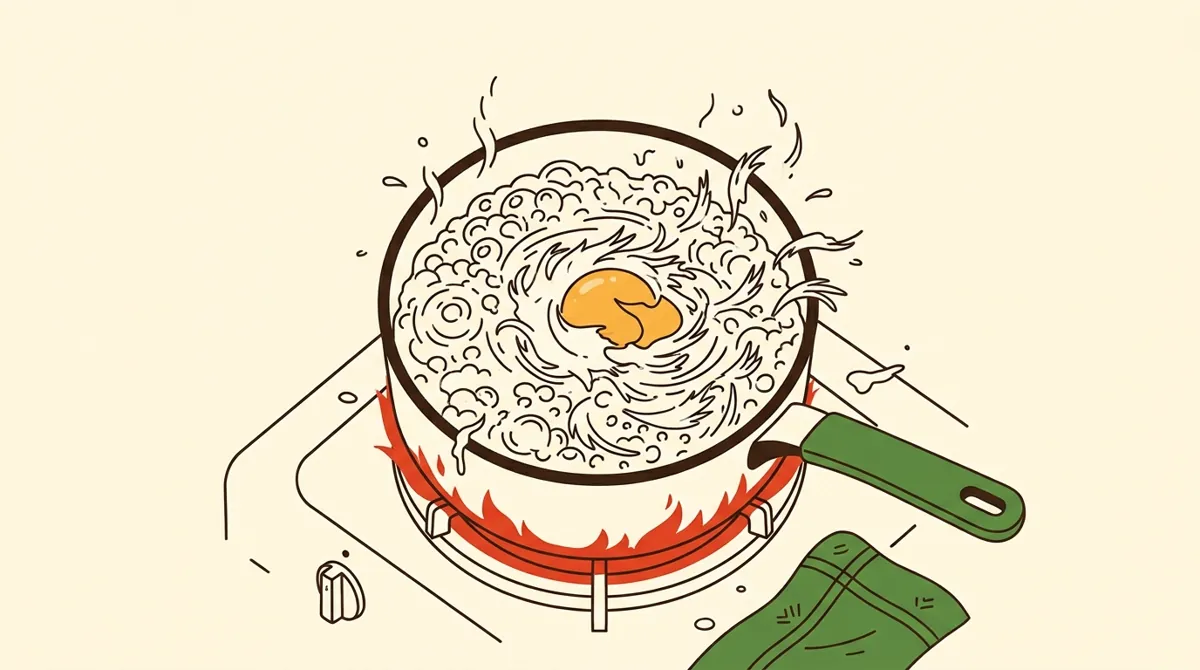
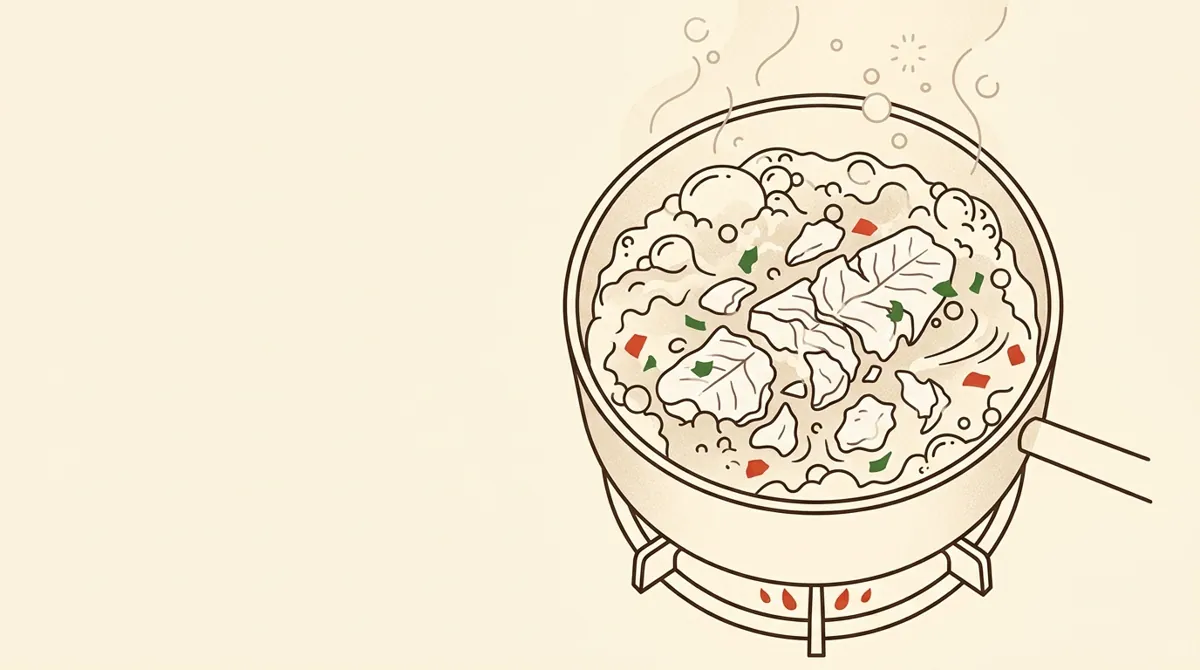
- Poaching eggs or fish in boiling water: boiling is the roughest on delicate food, so drop to a bare shimmer around 160 to 180°F.
- Calling any bubbles a simmer: a few tiny bubbles is a fine simmer and constant large bubbles is a boil, so match the bubbles to the word in the recipe.
- Cranking the burner once the pot boils: water in an open pot can't get hotter than its boiling point, so extra heat only makes it boil harder.
- Following sea-level times up a mountain: water boils near 203°F at 5,000 feet, so plan on longer cooking.
🏋️ Try it tonight
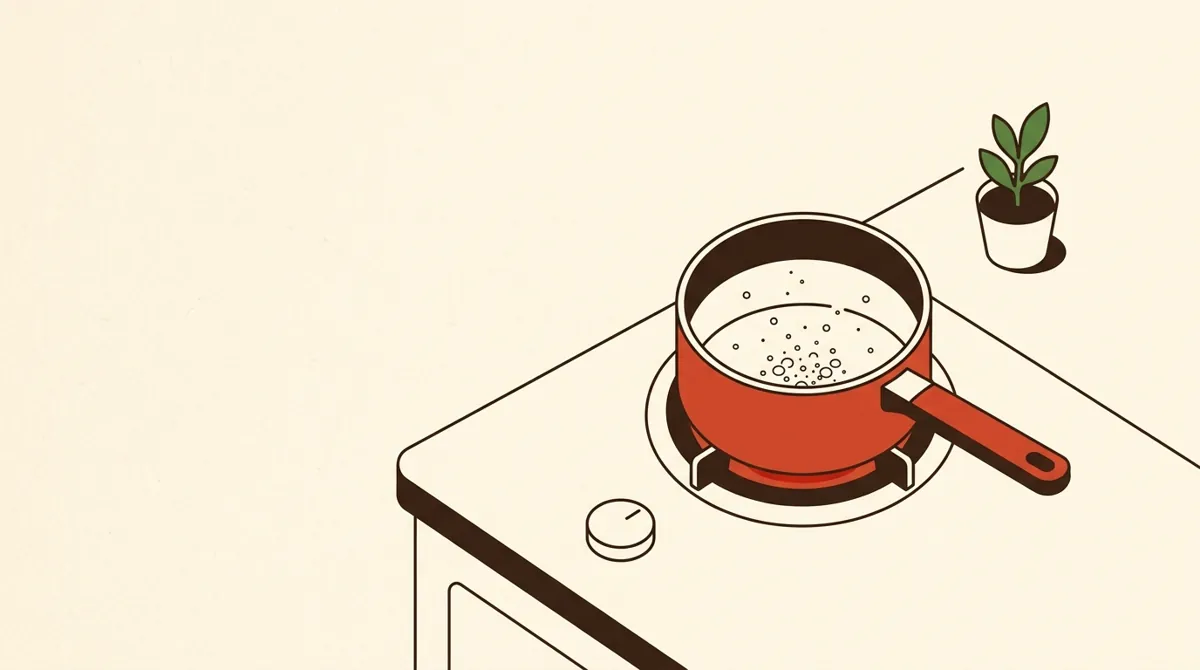
Fill a small pot with tap water and heat it slowly over medium. Note the moment the surface first shimmers, when tiny bubbles start rising steadily, and when large bubbles roll. If you have an instant-read thermometer, take a reading at each stage. Then turn the burner down and find how low it has to go to hold a steady simmer on your stove.
💡 Did you know?
Water boils at a lower temperature at altitude, and Charles Darwin noticed it in the Andes: his potatoes were nearly as hard as ever after hours in boiling water.
Use it tonight
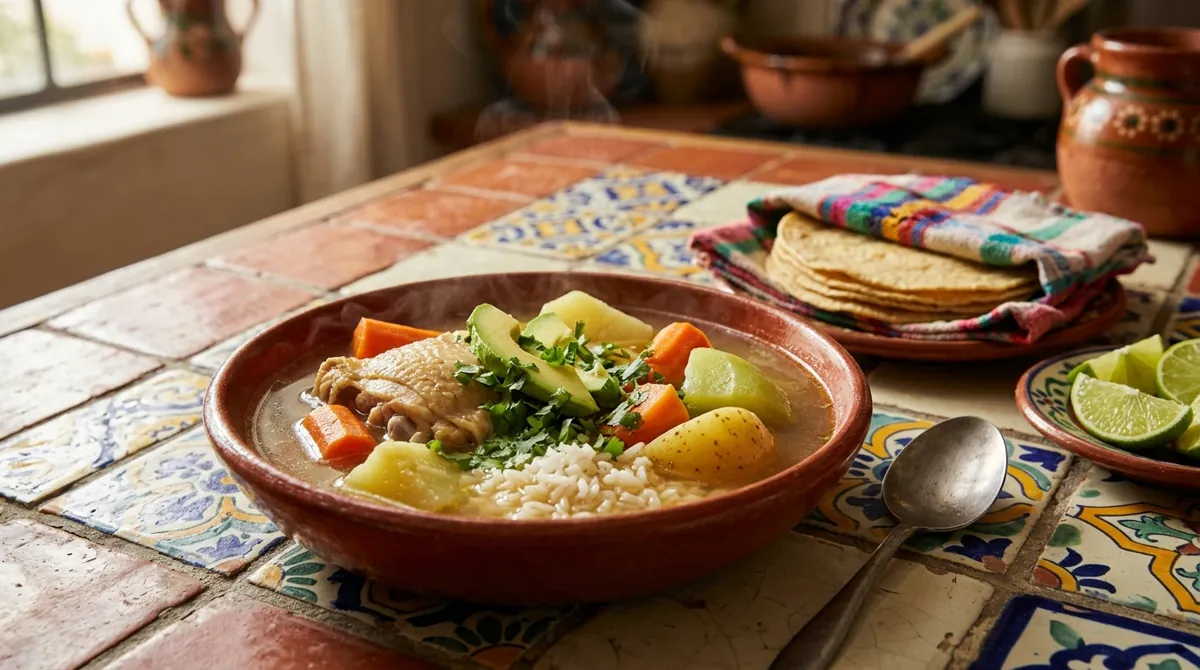
Caldo de Pollo (Mexican Chicken Soup)
A whole chicken simmered gently with onion, garlic, celery and cilantro, then carrots, potatoes and chayote, served in big bowls over white rice with avocado, chopped onion, cilantro, serrano and lime, and warm corn tortillas on the side.
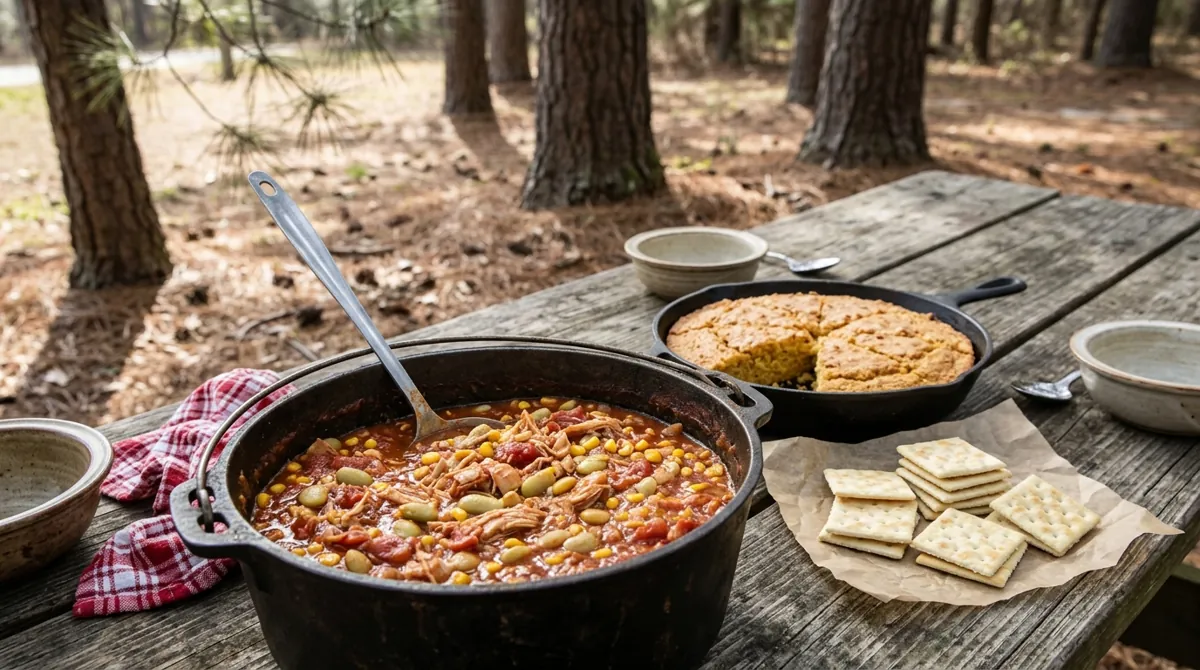
Virginia Brunswick Stew
The thick Southern tomato stew two states claim: bacon, onions, potatoes, butter beans and corn simmered with chicken thighs until the potatoes melt and the chicken shreds, all in one pot, with crackers or cornbread alongside.
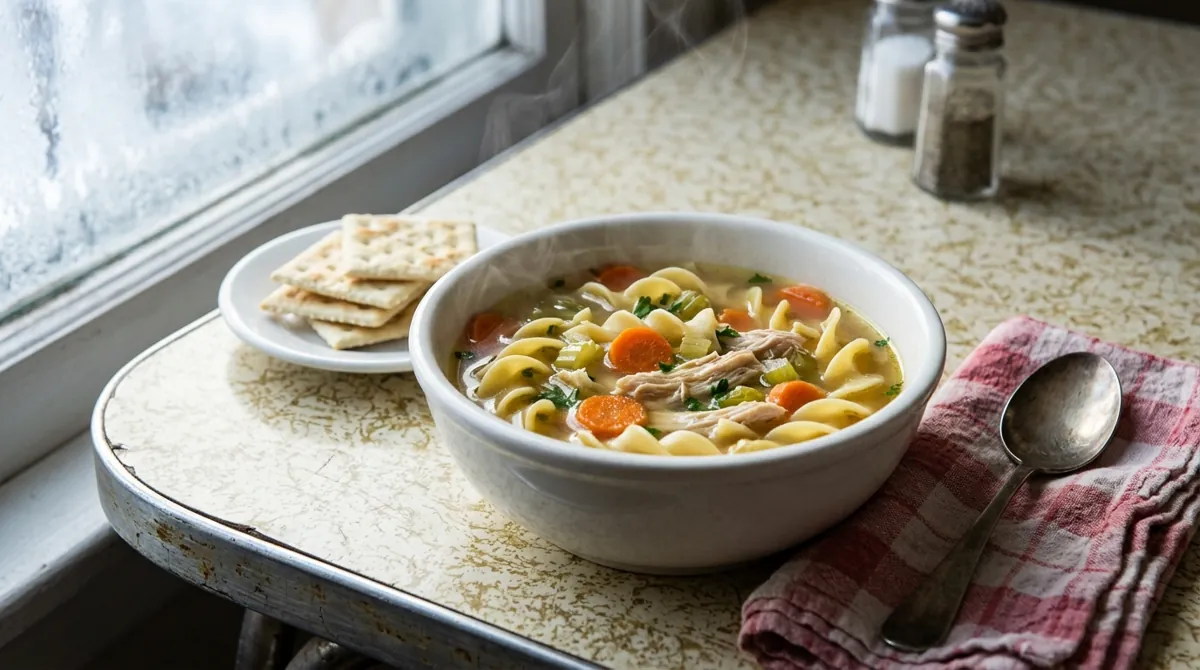
Classic American Chicken Noodle Soup
A rich homemade broth from browned chicken thighs with onion and bay, chicken breasts poached in it and shredded, then onion, carrot, celery and thyme simmered in the strained broth with wide egg noodles and finished with parsley.
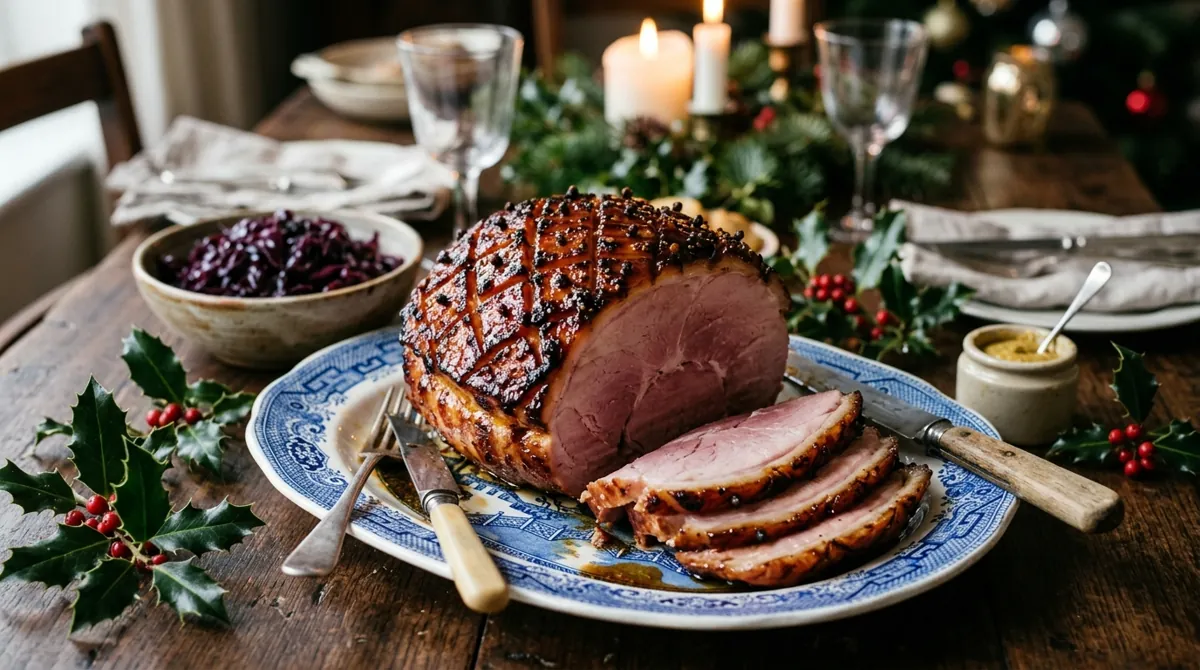
British Gammon Simmered in Cola with Treacle and Mustard Glaze
A mild-cure gammon joint simmered for over two hours in cola with an onion, then skinned, studded with cloves, painted with black treacle, patted with mustard powder and demerara sugar and blasted in a very hot oven.