
🔥 Heat and Cooking Methods · Lesson 5 of 5
Safe Internal Temperatures for Meat, and Why Resting Matters
Use an instant-read thermometer, know the USDA minimums for poultry, ground meat, whole cuts and fish, then let meat rest.
- Poultry, all kinds: 165°F
- Ground beef, pork, veal and lamb: 160°F
- Steaks, chops and roasts: 145°F plus a 3-minute rest
- Fish and shellfish: 145°F
- Carryover: at least 3 to 4°F for small cuts, up to 10 to 15°F for large roasts
Why it matters
Color and juices can't tell you when meat is safe; a thermometer can. Most home cooks either guess and undercook, or play it safe and dry everything out. A handful of numbers, plus knowing that meat keeps cooking after it leaves the heat, fixes both.
Color is not a test
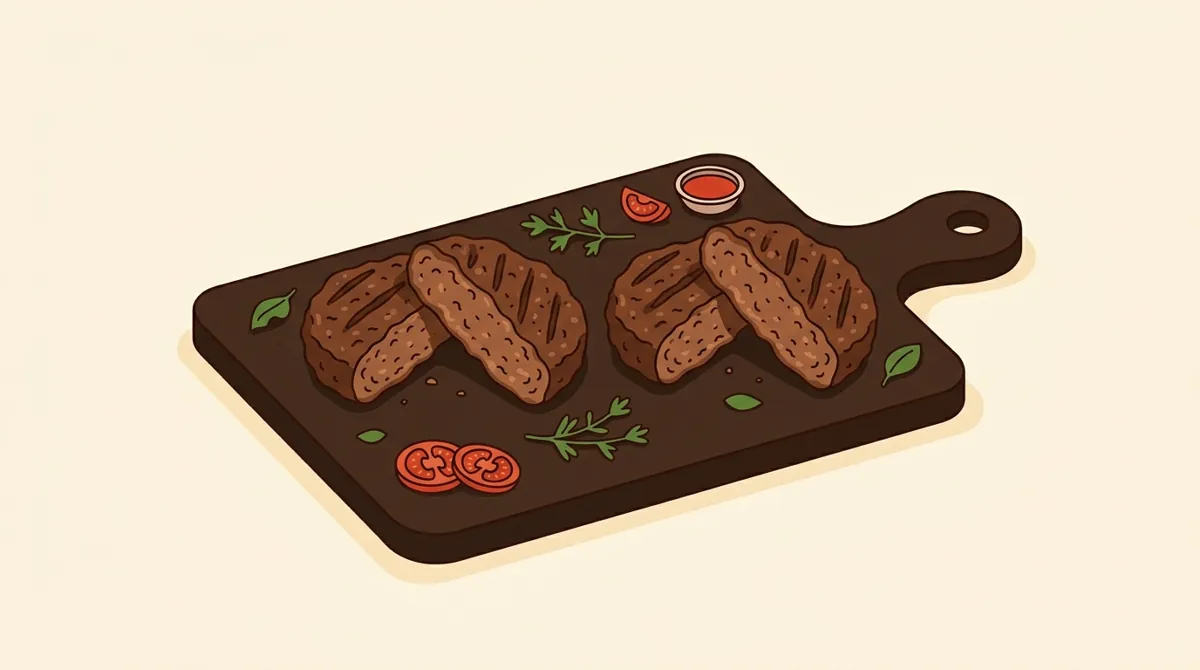
Looking at meat is not a reliable way to tell whether it reached a safe temperature. Some ground beef turns brown before it reaches a safe 160°F. A food thermometer is the only reliable way to know.
Where the probe goes
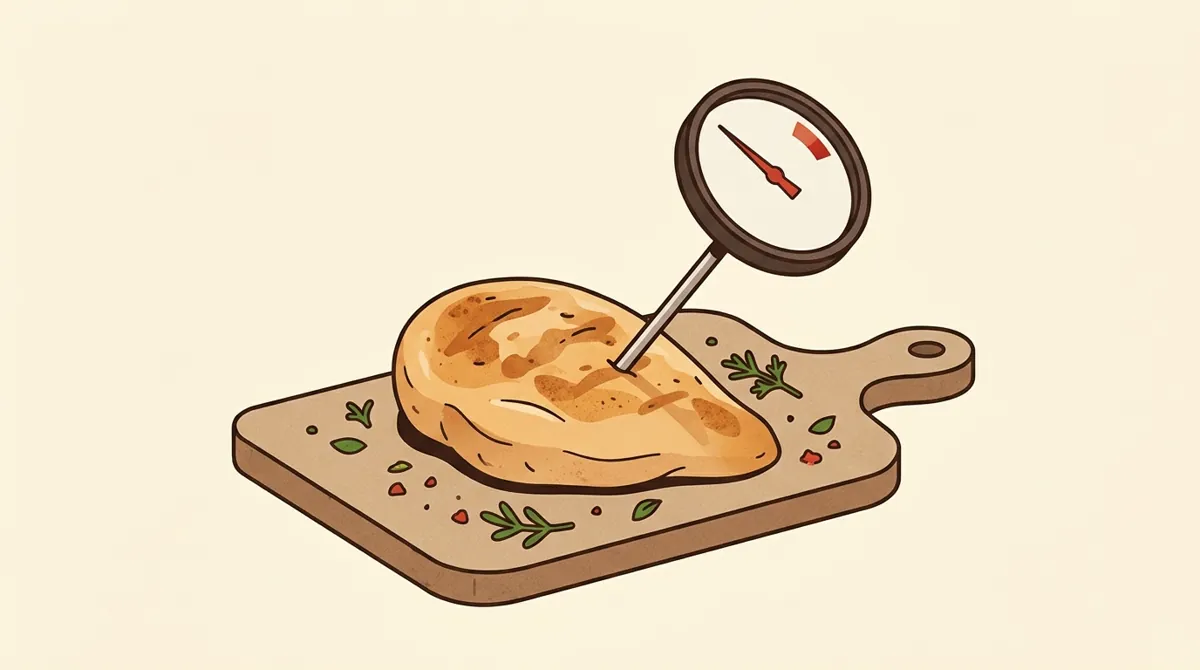
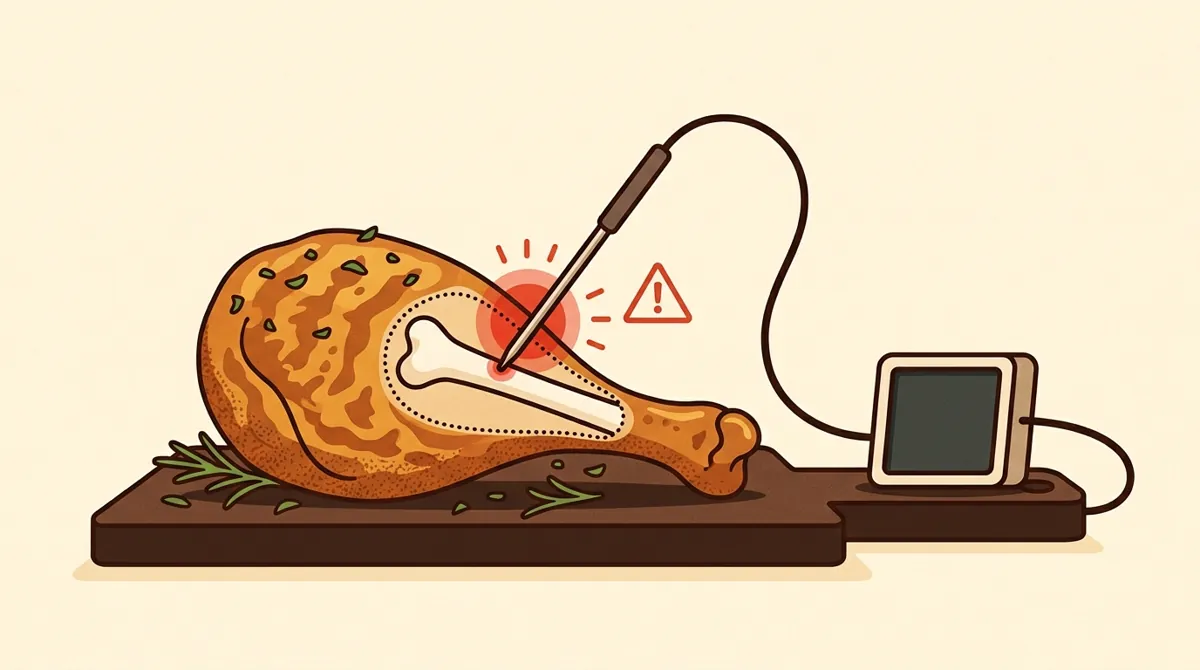
Put the tip in the middle of the thickest part of the food, away from bone, fat or gristle, because that is the part slowest to cook. On irregular shapes like a whole chicken or a beef roast, check several spots. Wait until the reading stops changing.
The numbers to know
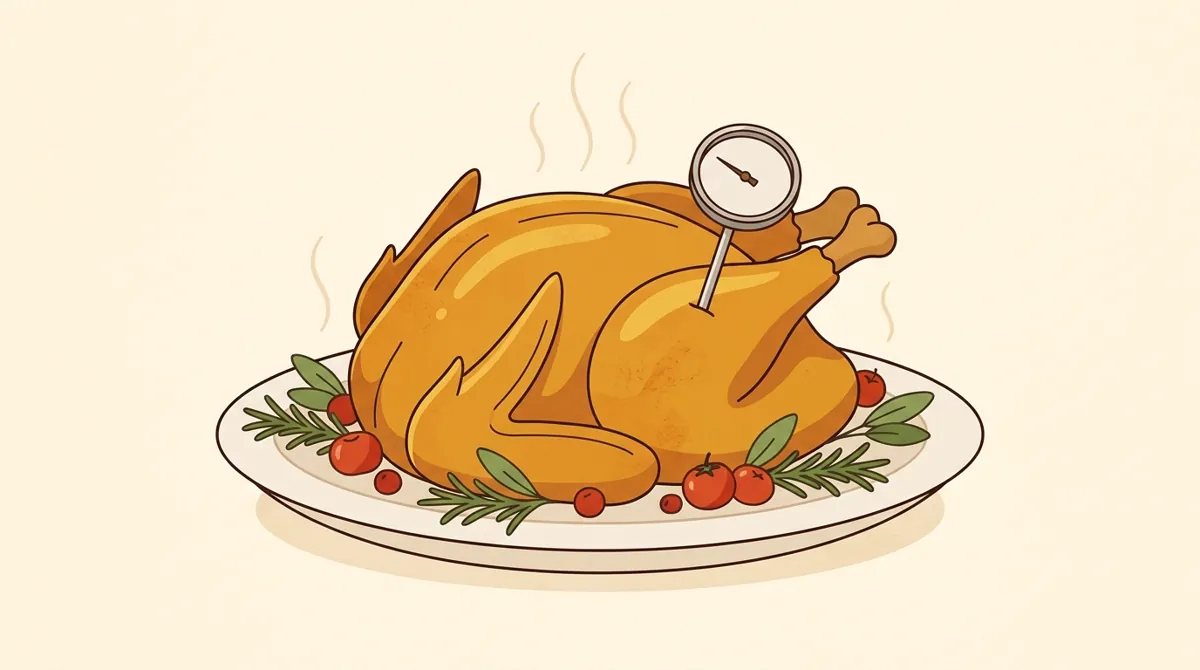
USDA safe minimums: all poultry, including ground poultry and stuffing, 165°F. Ground beef, pork, veal and lamb, 160°F. Steaks, chops and roasts of beef, pork, veal and lamb, 145°F followed by a rest of at least 3 minutes. Fish and shellfish, 145°F.
Minimums, not targets
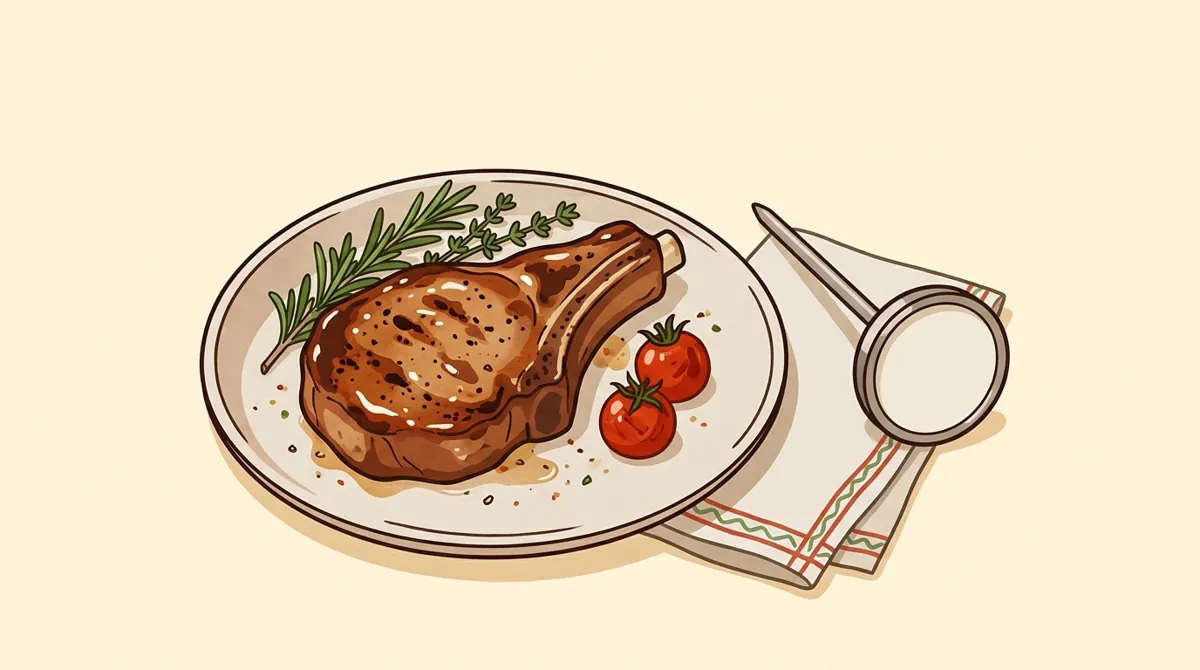
These are the lowest safe temperatures, and you can cook higher for texture. A University of California handout notes that some people take poultry to 170 to 180°F to get rid of pink color and rubbery texture, while 165°F is already the safe minimum. Whole cuts can go to 160°F for medium or 170°F for well done.
Carryover cooking
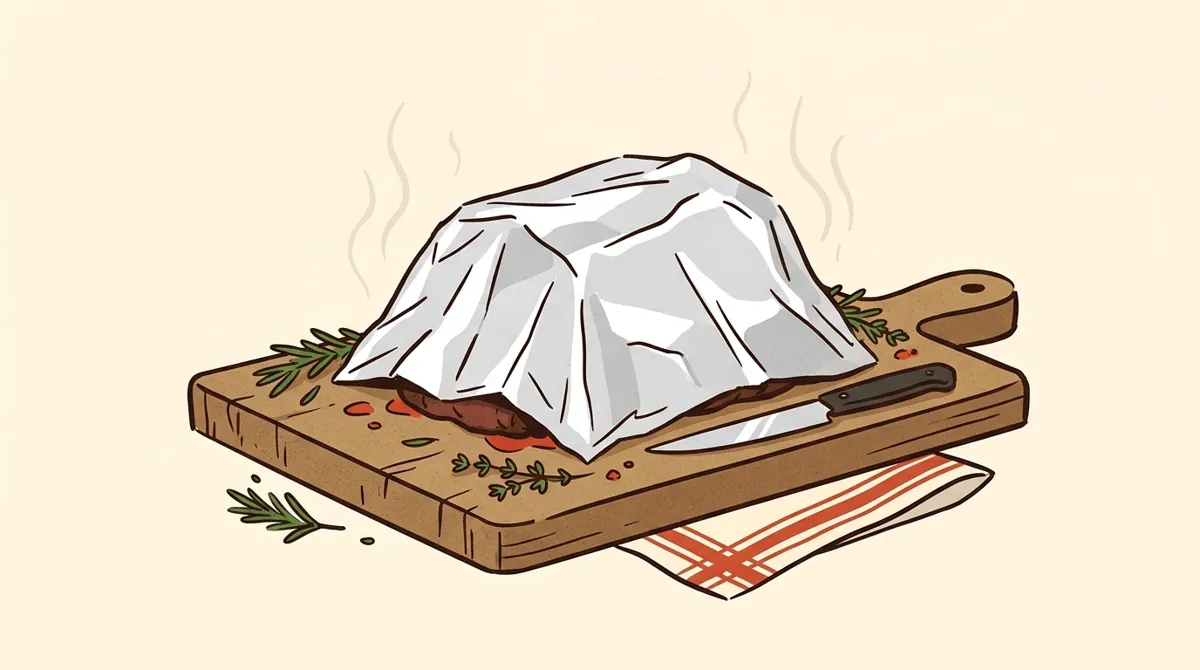
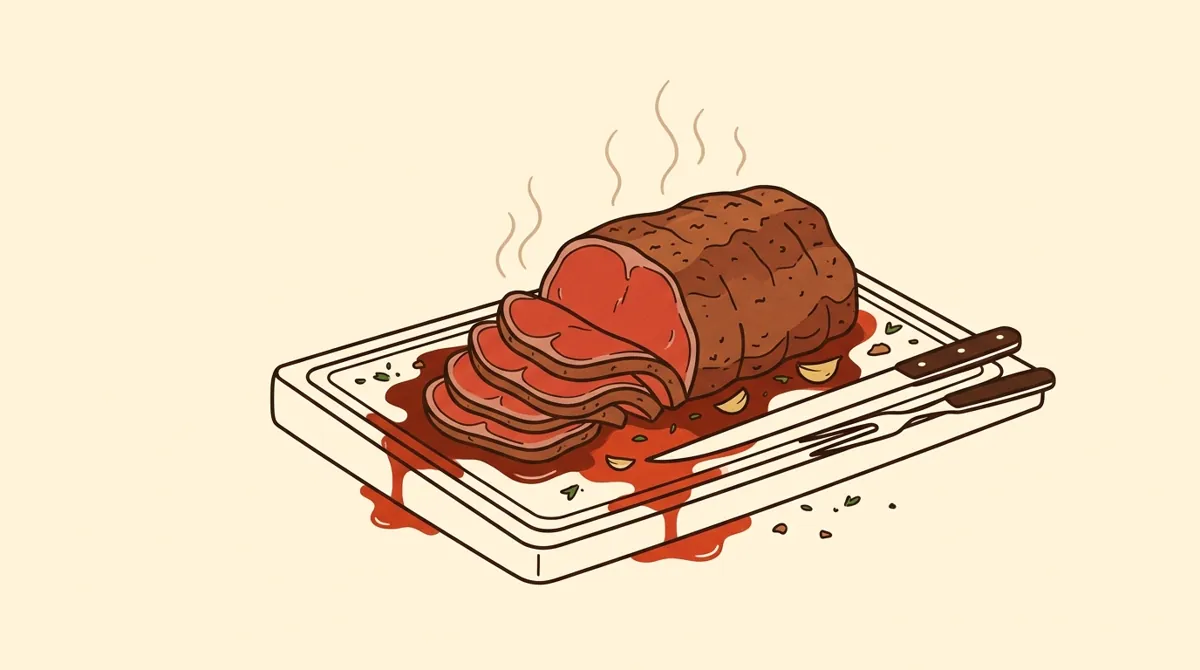
Meat keeps cooking after it leaves the heat, because heat already in the outer layers keeps traveling toward the cooler center. ThermoWorks measures a rise of at least 3 to 4°F for small steaks, chicken pieces and burgers, and as much as 10 to 15°F for a large roast or turkey. For a big roast you want past the minimum, take it off a few degrees short of your target and let the rest finish it.
Step by step
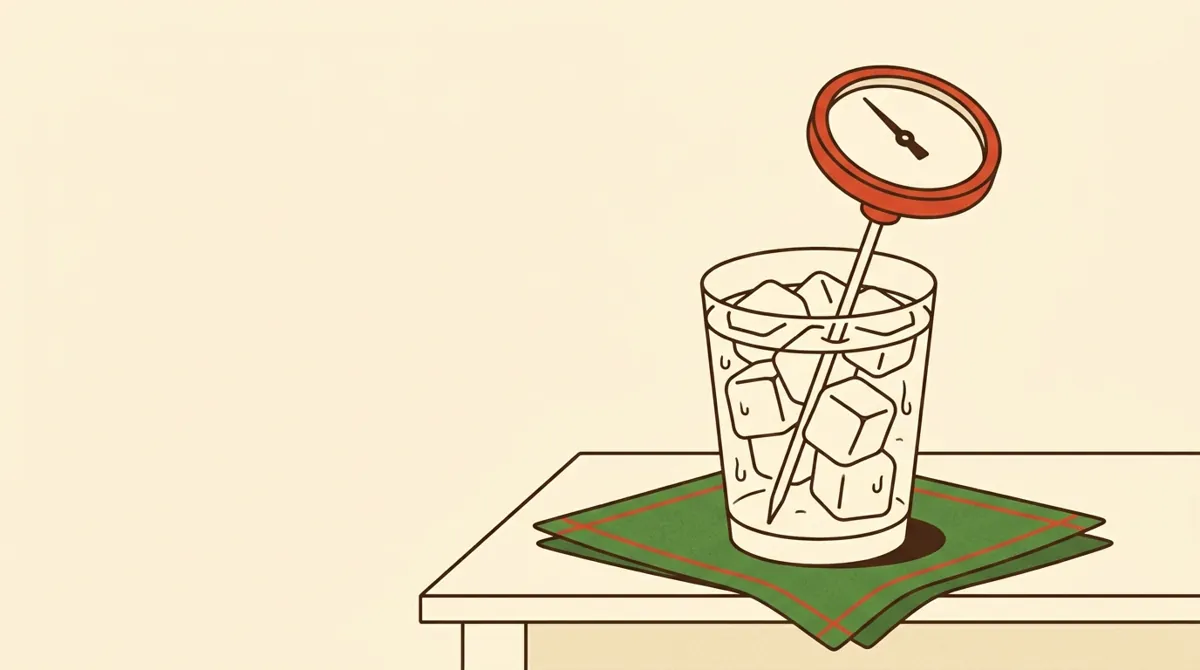
Check your thermometer first: in a glass packed with ice and a little water, it should read 32°F.
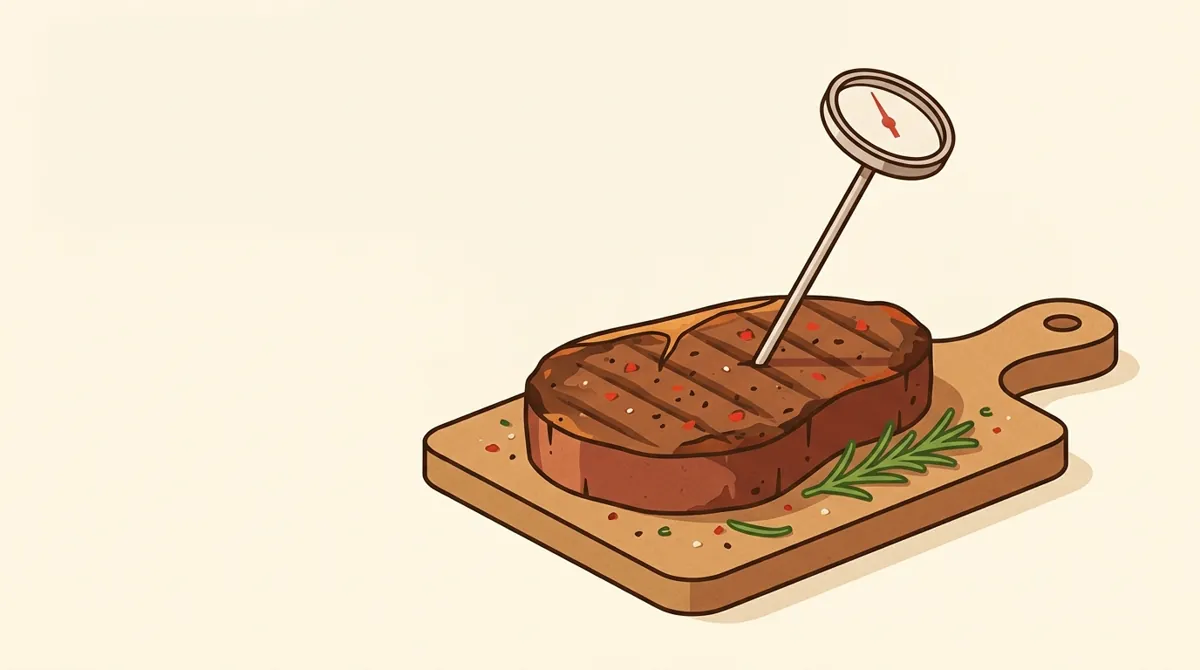
Near the end of cooking, push the probe into the middle of the thickest part, away from bone, fat and gristle.
Wait until the number stops changing before you read it.
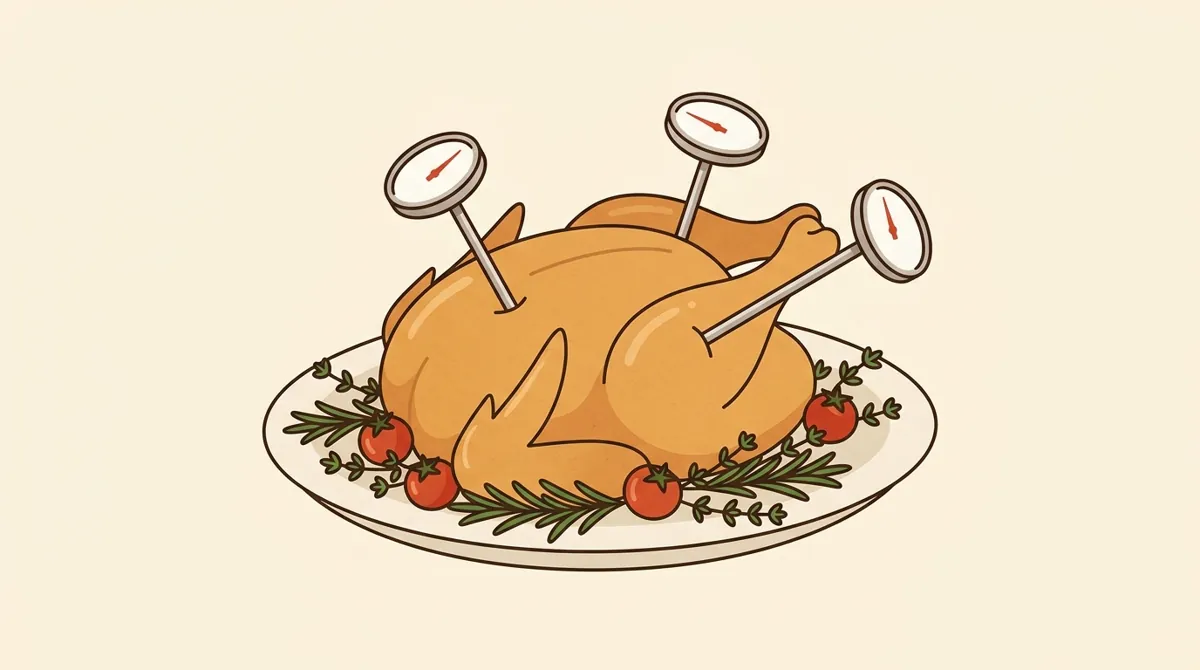
On a whole bird or an irregular roast, check several spots and go by the lowest reading.
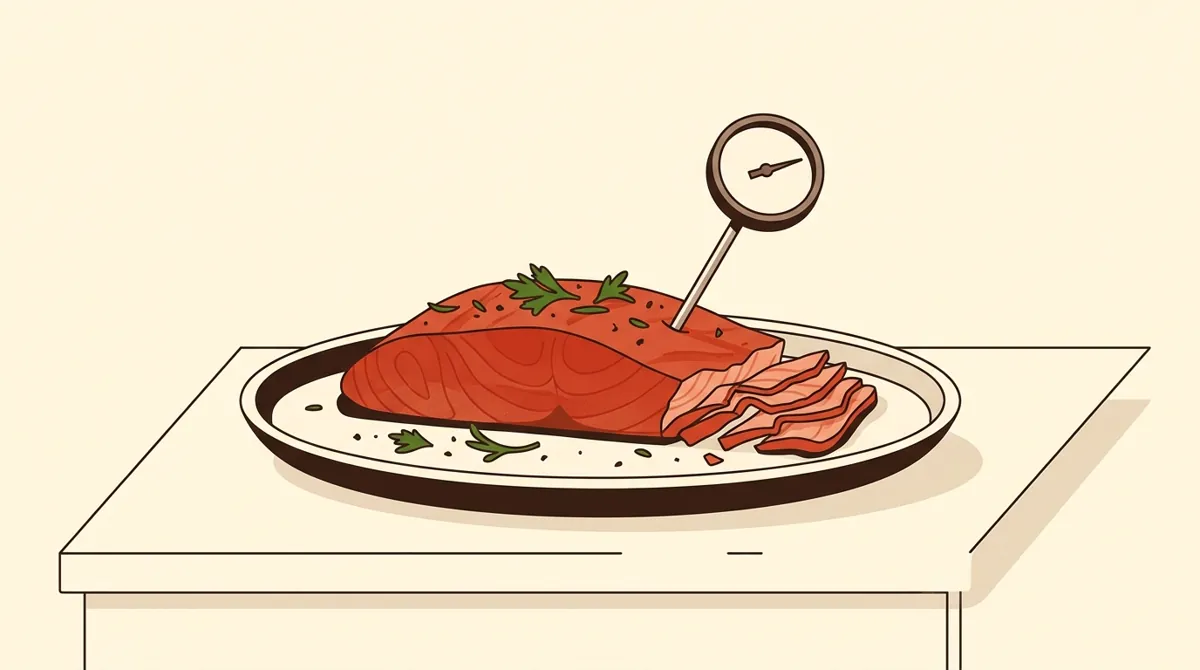
Compare with the safe minimum: 165°F for poultry, 160°F for ground meat, 145°F for whole cuts and fish.
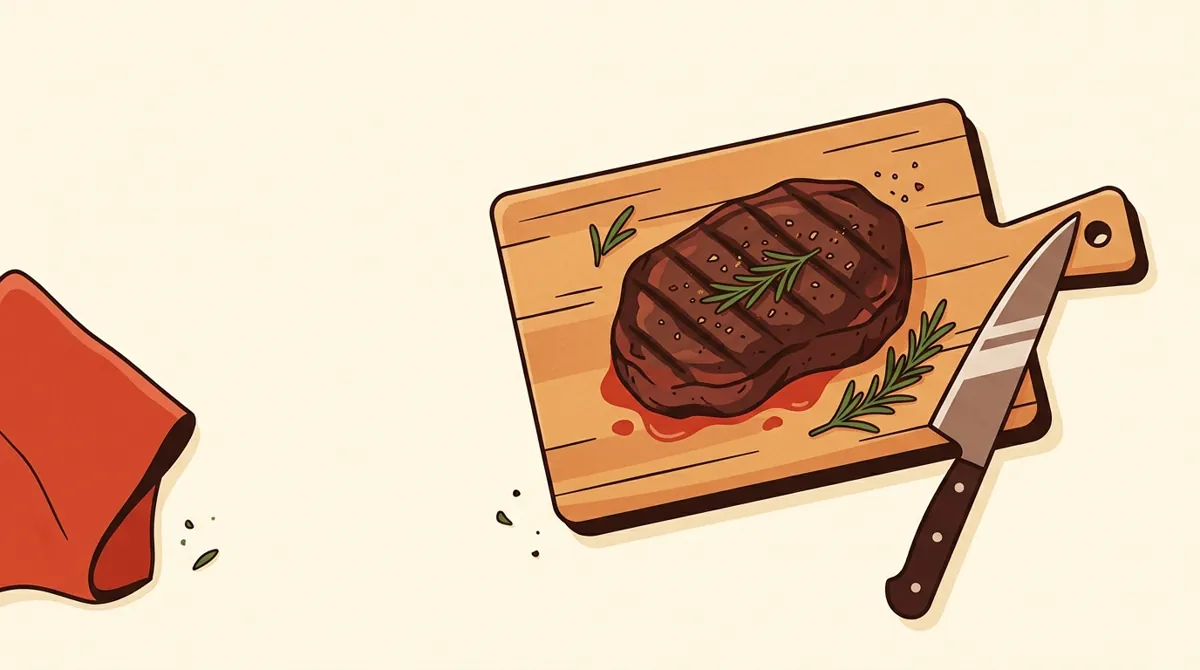
Rest steaks, chops and roasts of beef, pork, veal and lamb at least 3 minutes before carving or serving.
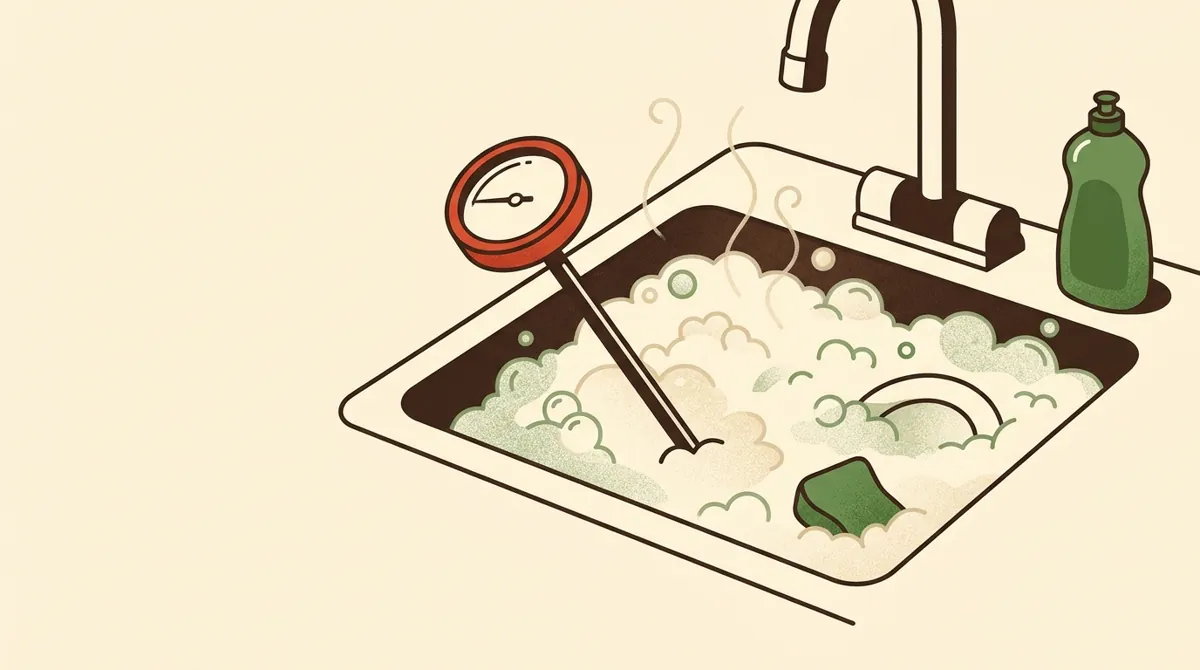
Wash the thermometer stem in hot, soapy water after each use.
Common mistakes
- Judging a burger by its color: some ground beef browns before it is safe, so check for 160°F.
- Probing next to the bone or in fat: aim for the middle of the thickest part, which is the slowest to cook.
- Reading too fast: wait until the number stops changing.
- Carving a roast straight off the heat: whole cuts need at least a 3-minute rest, and a big roast can climb as much as 10 to 15°F as it sits.
- Cooking chicken to 180°F to be extra safe: 165°F is the safe minimum, so anything higher is only for texture.
🏋️ Try it tonight
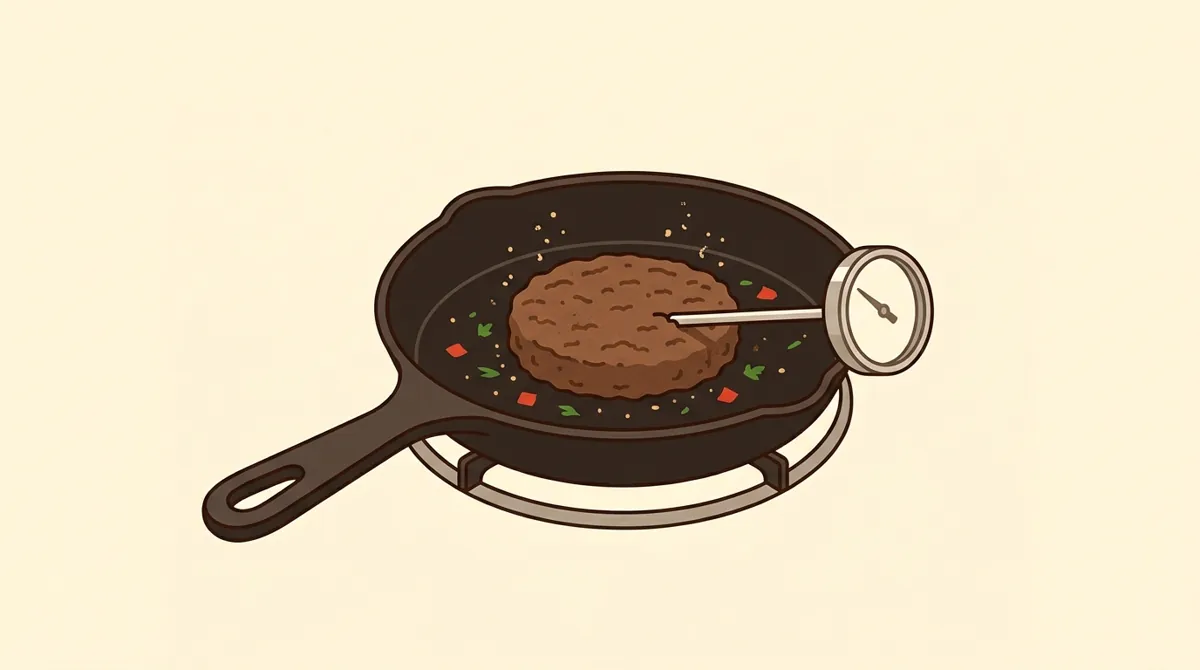
Check your thermometer in a glass of ice water: it should read 32°F. Then cook one burger patty in a skillet. When it looks done, take its temperature in the thickest part and note whether it has reached 160°F. Take it off the heat once it has, wait 3 minutes and check again to see carryover for yourself.
💡 Did you know?
According to USDA research, 1 out of every 4 hamburgers turns brown in the middle before it reaches a safe internal temperature.
Use it tonight
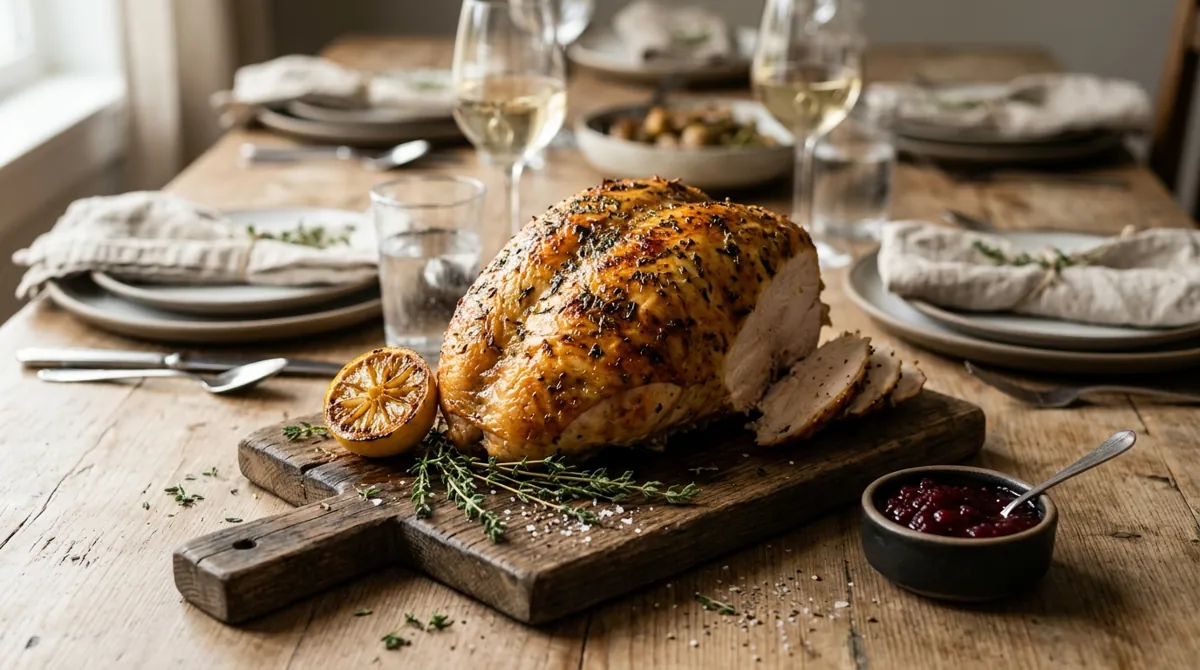
Roast Turkey Breast with Lemon and Thyme
For a small table: a bone-in turkey breast with garlic, thyme and lemon butter spread under the skin, roasted hot and then gently, ready in about 1 1/2 hours.
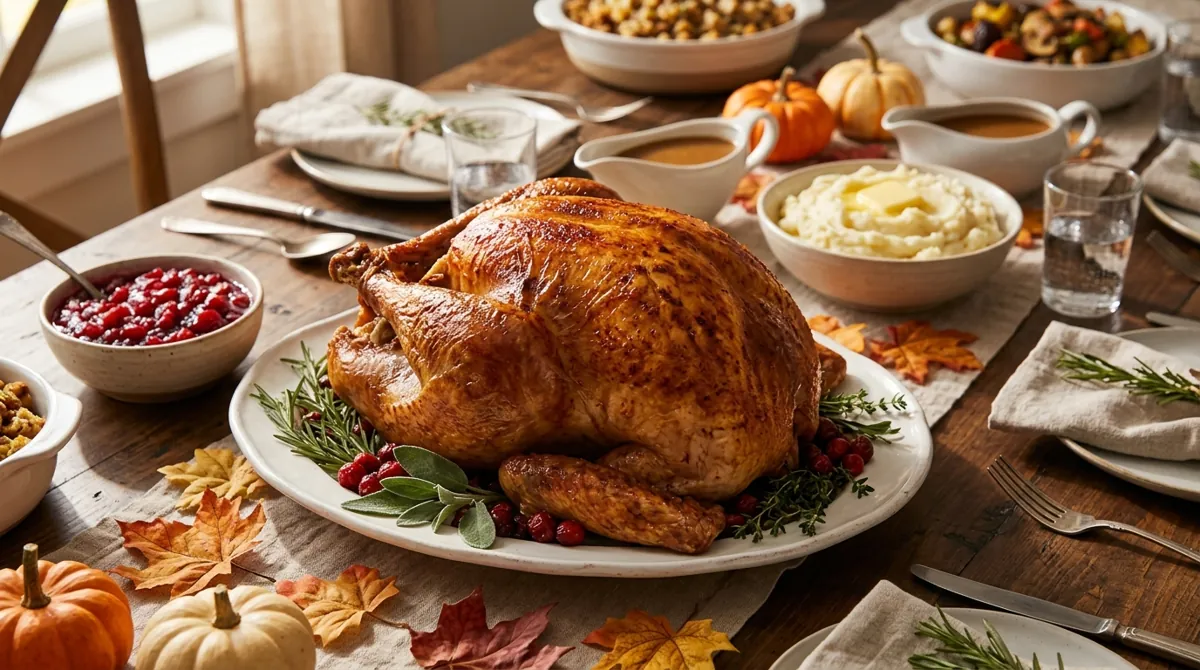
Classic Roast Thanksgiving Turkey
The plain American centerpiece: a buttered, salted and peppered turkey roasted breast side down first, flipped, and finished breast side up until the thermometer reads 165°F. No basting, no fuss.
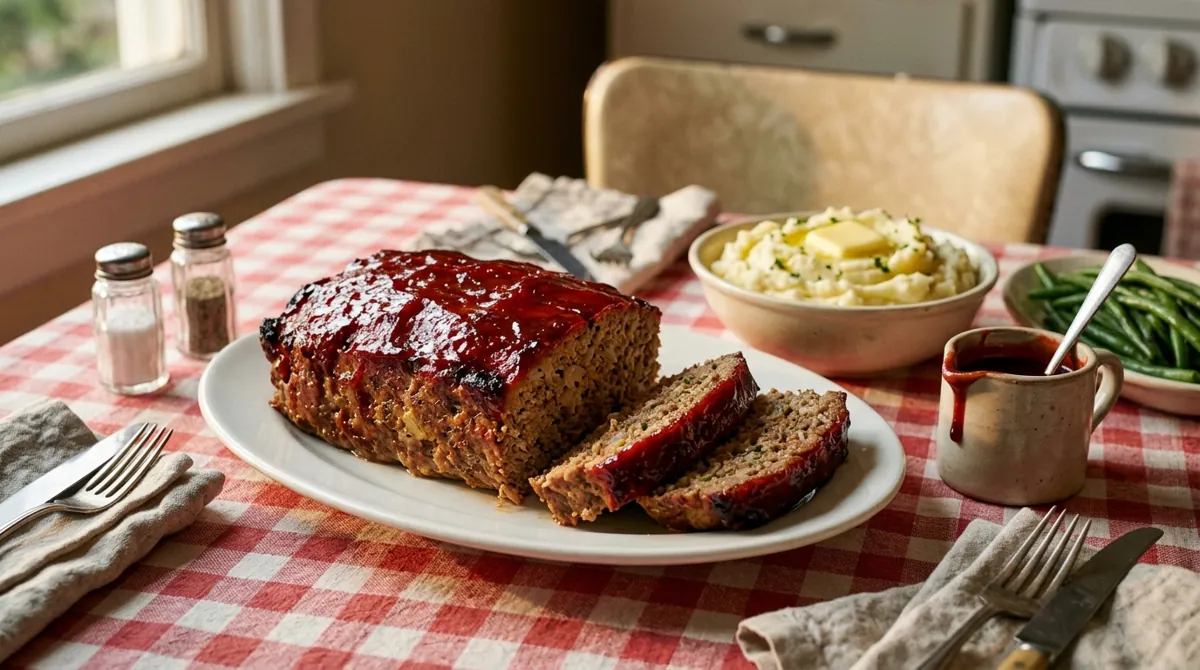
Classic Glazed American Meatloaf
The American classic: beef and pork bound with a milk and saltine paste, browned under the broiler, then painted twice with a tangy brown sugar and ketchup glaze and baked to a glossy finish.
Sources
- Safe Cooking Temperatures, USDA chart (University of Nebraska-Lincoln Extension)
- Is It Done Yet? brochure (USDA FSIS, hosted by UF/IFAS Extension)
- Using a Food Thermometer (University of California Cooperative Extension)
- Food Thermometers: How to Choose and Use One (Minnesota Department of Health)
- Safe Meat Handling and Cooking Temperatures (University of Minnesota Extension)
- Resting: The Final Phase of Cooking (ThermoWorks)