
🧂 Seasoning and Flavor · Lesson 1 of 5
How to Salt Food: When, How Much and Why It Matters
Salt meat ahead, season pasta water properly, season in layers and taste before serving. Here is how and when to salt food.
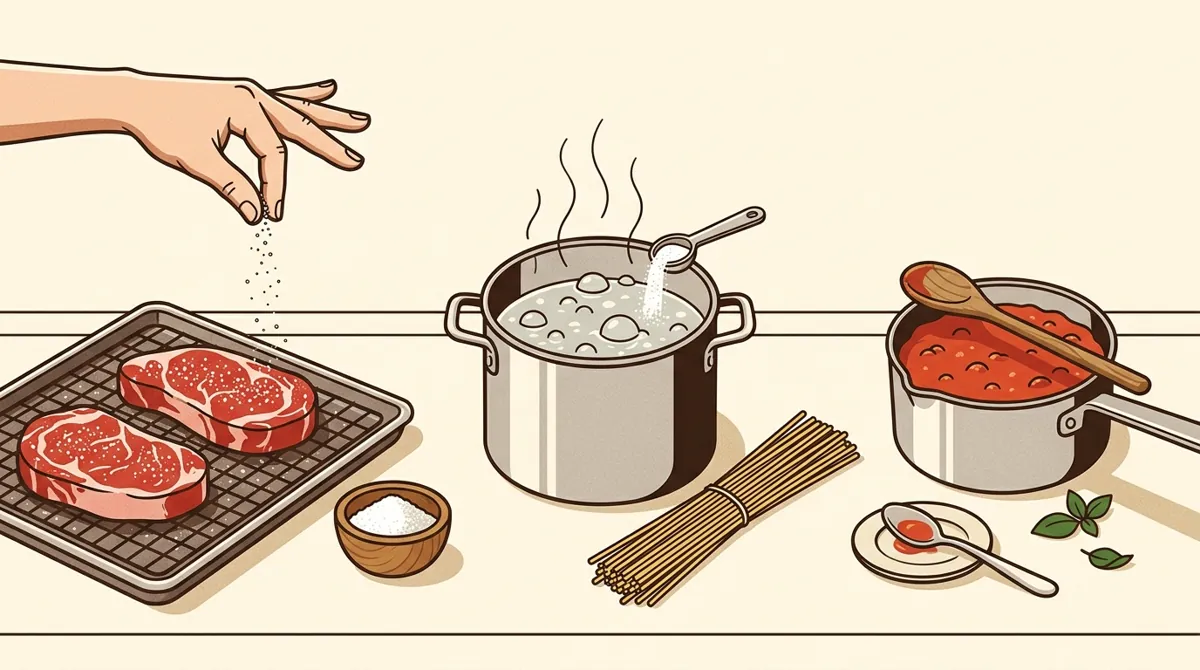
- Salt meat ahead: steaks 1 to 24 hours, chicken 6 to 24, turkey 24 to 48
- Rest it uncovered on a rack in the fridge
- Pasta water: 1 tbsp table salt per 4 quarts per pound
- Season lightly as you go
- Taste and adjust before serving
Why it matters
Salt does more than make food taste salty. A little of it dampens bitterness so sweetness and sourness come forward, which is why under-salted food tastes flat. Most home cooks salt once, at the end, and miss the two moments that matter most: salting meat ahead of time and salting the cooking water.
Salt makes other flavors come forward
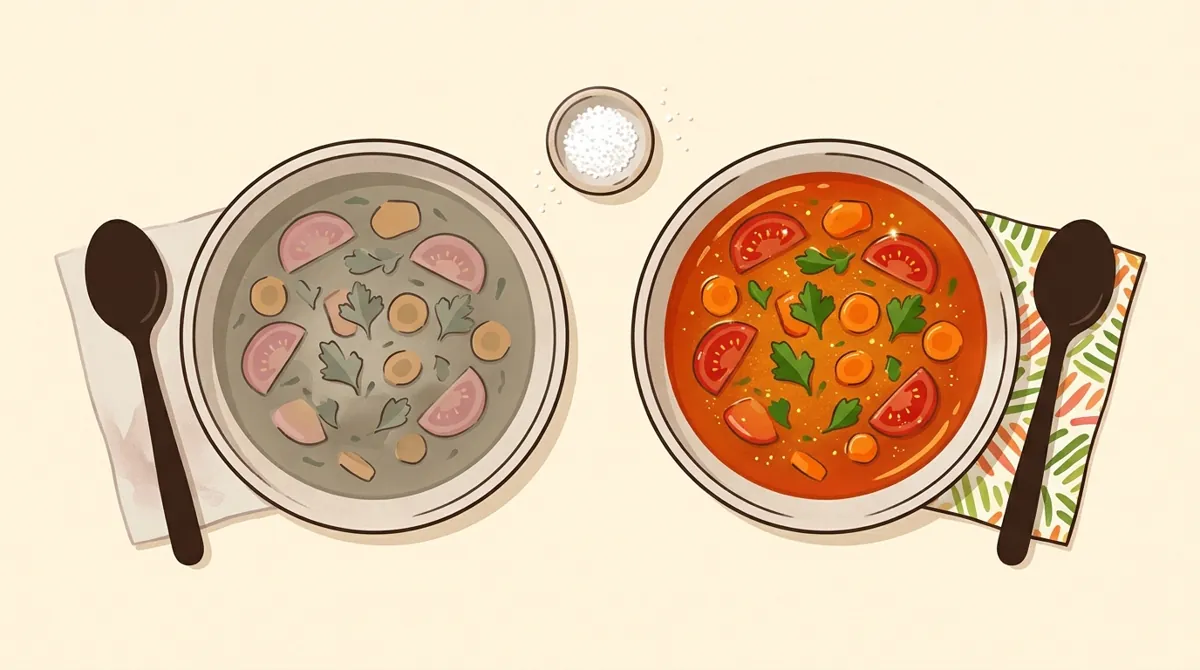
America's Test Kitchen notes that a small amount of salt, too little to taste as salt, suppresses bitterness and brings sweetness and sourness to the front. Scientists believe sodium blocks the tongue's ability to sense bitterness. That is why an unsalted soup tastes dull rather than simply less salty.
Salt meat ahead of time
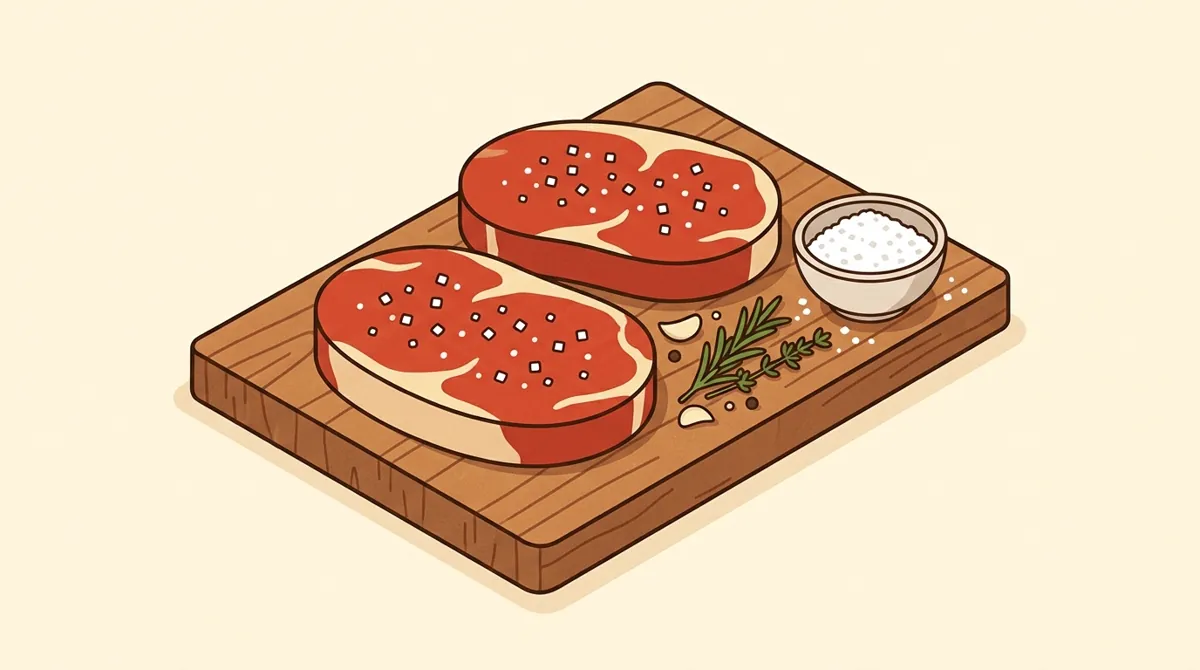
Salt draws juices to the surface of raw meat, dissolves in them to make a brine, and the meat then reabsorbs that brine. Salting this way helps proteins hold on to their own juices, and unlike a wet brine it adds no water to the surface, so skin crisps and steaks brown. Kosher salt is the usual choice because its large grains spread evenly and cling.
Give the salt enough time
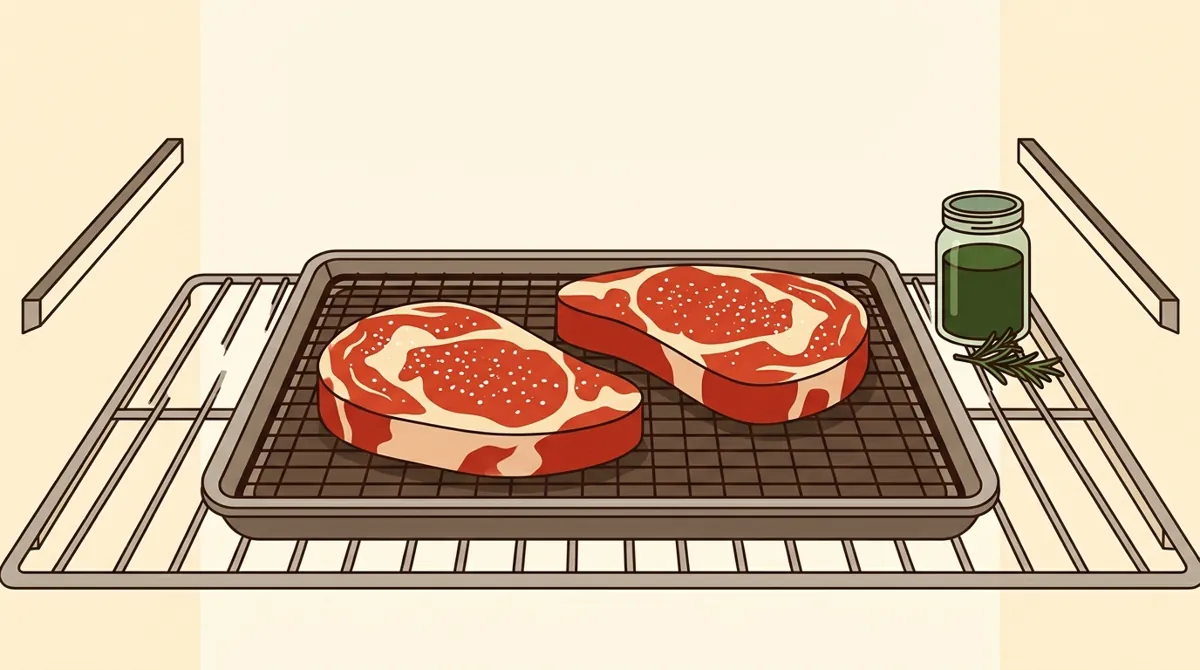
Time decides how far salt travels into meat. America's Test Kitchen salts steaks at least 1 hour and up to 24 hours, chicken 6 to 24 hours, and a whole turkey 24 to 48 hours, all in the refrigerator on a wire rack. In its turkey tests, one hour left the surface intensely salty and the inside bland, so a too-short wait can be worse than salting right before cooking.
Pasta water: salty, but not like the sea
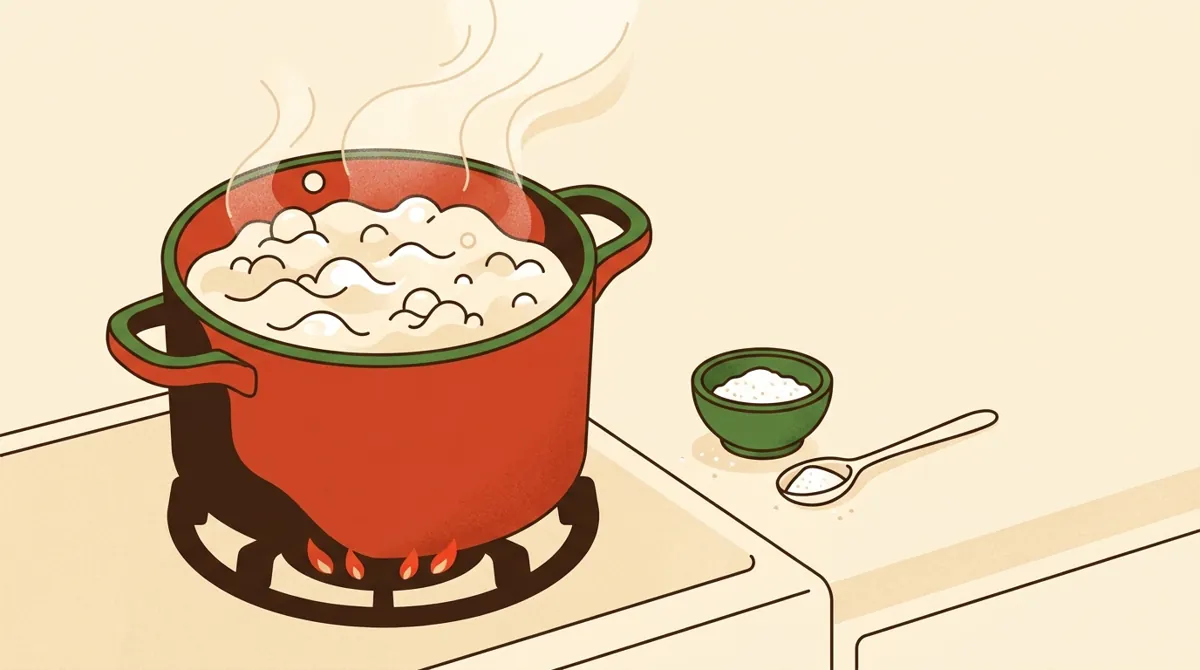
America's Test Kitchen uses 1 tablespoon of table salt for 4 quarts of water per pound of pasta, whatever the shape. A tablespoon of table salt weighs about 18 grams, so that is roughly 5 grams per liter, about one seventh as salty as seawater at about 35 grams per liter. Add the salt once the water boils; crystals that sink and sit undissolved in cold water can leave marks on the pot.
Season in layers, taste at the end
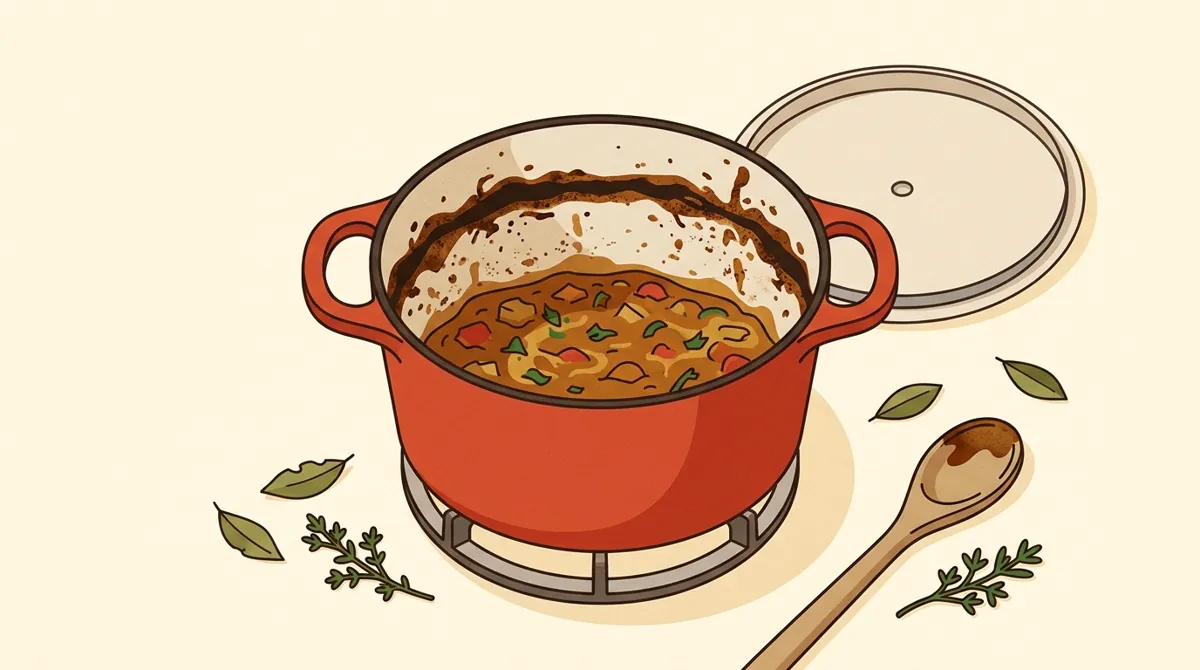
Season lightly as you cook, then taste and adjust just before serving. Liquids reduce as they simmer, so a stew that tastes perfect early can taste too salty hours later. Each layer of salt, on the meat, in the water and in the sauce, does a different job.
Step by step
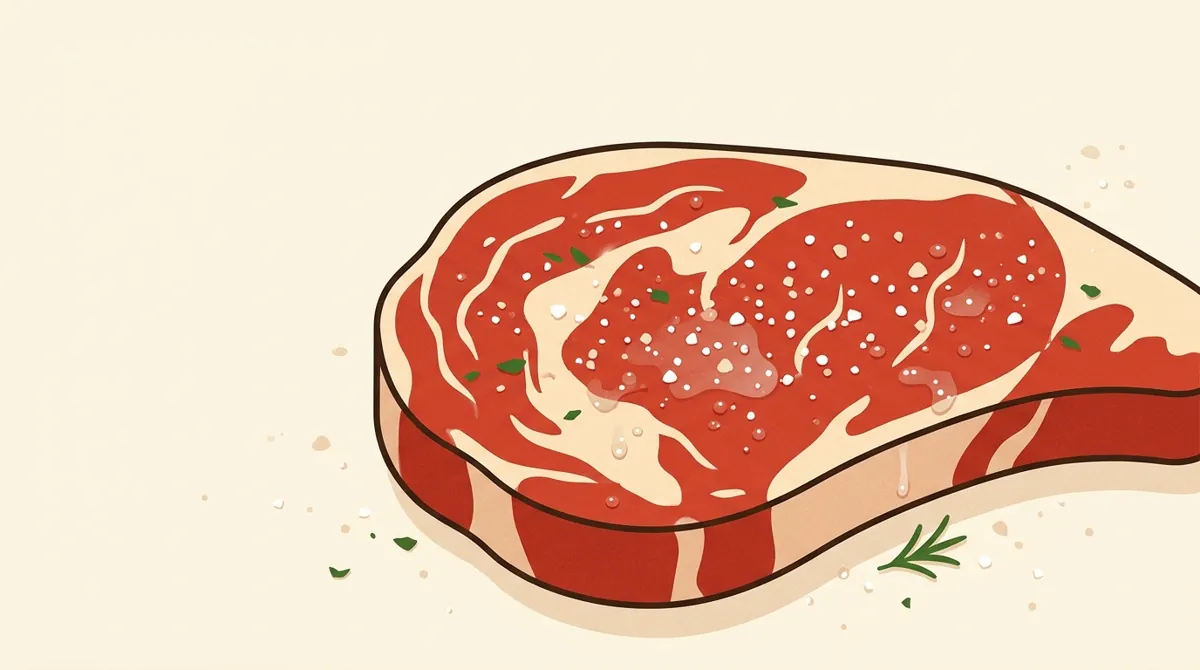
Sprinkle the salt evenly on all sides: for steaks about 1 teaspoon of light kosher salt per pound, for chicken about 3/4 teaspoon per pound. Use about 25 percent less with a denser kosher salt and half as much with table salt.
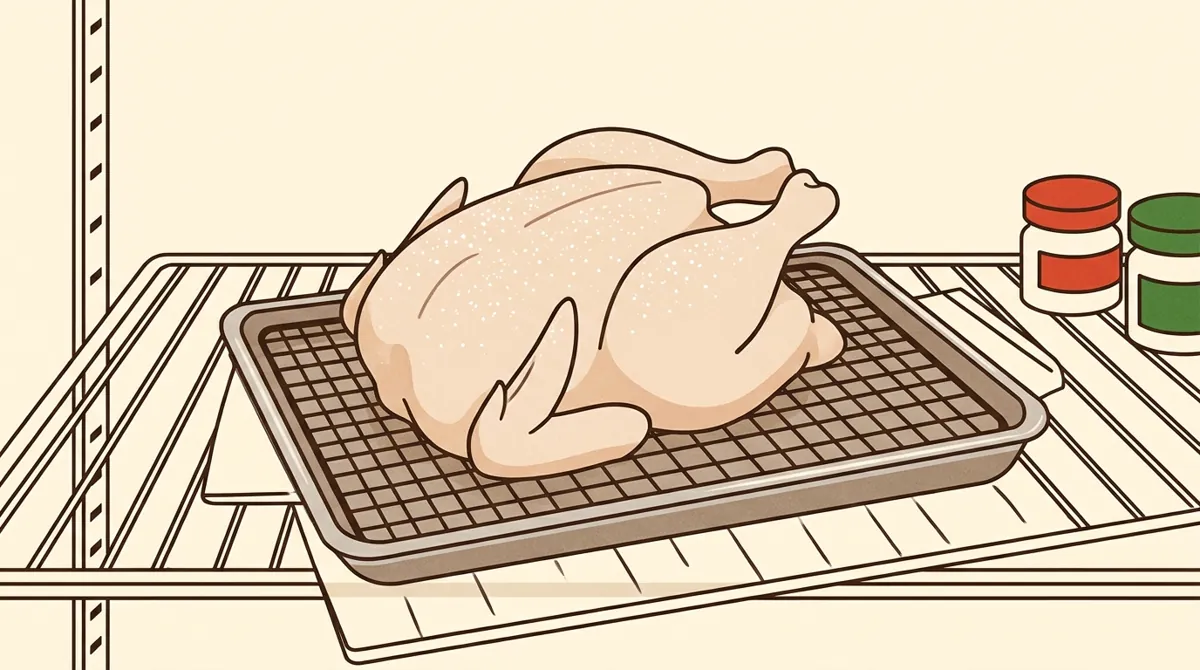
Set the meat on a wire rack in a rimmed baking sheet and refrigerate it uncovered: steaks at least 1 hour and up to 24, chicken 6 to 24 hours, a whole turkey 24 to 48.
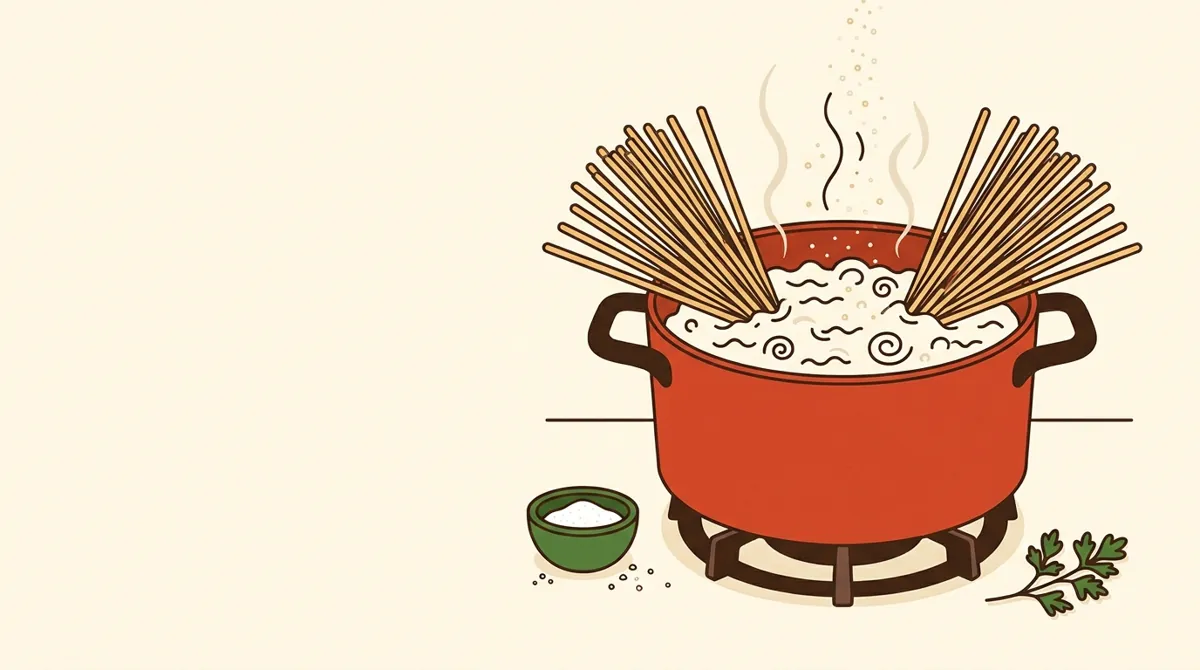
For pasta, bring 4 quarts of water to a boil, then stir in 1 tablespoon of table salt (about 2 tablespoons of light kosher salt) for each pound of pasta.
As you build a sauce, soup or stew, season lightly at each stage instead of all at once.
If a dish will simmer and reduce for a long time, hold back on salt early.
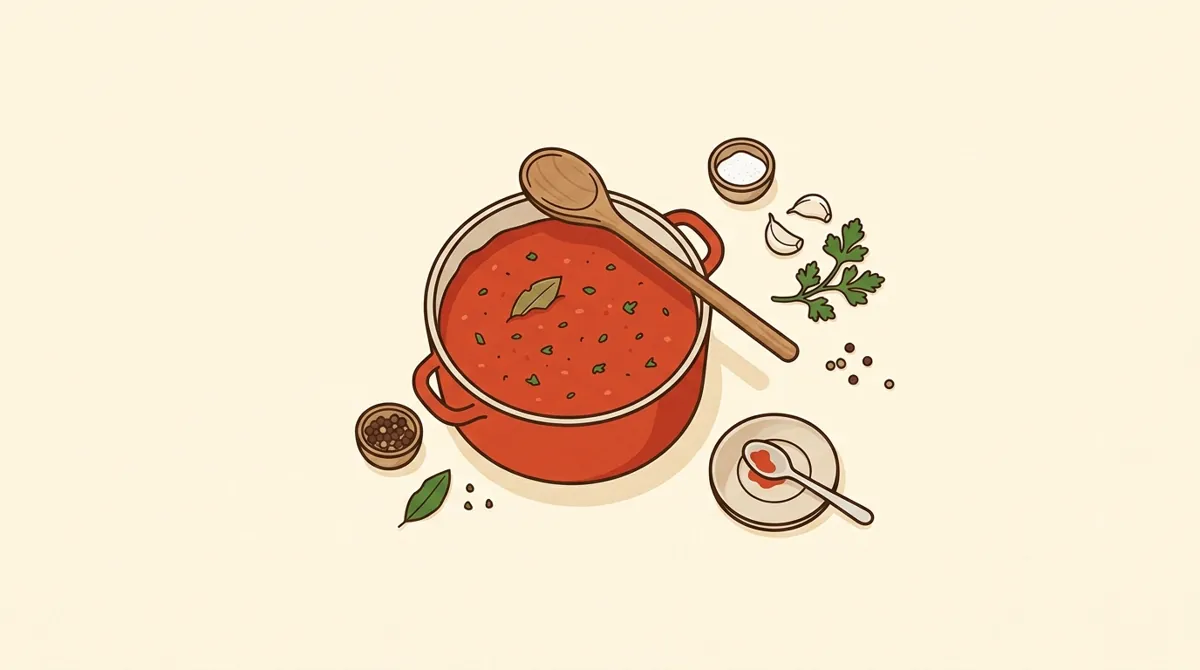
Before serving, taste with a clean spoon and add salt a pinch at a time, tasting again after each pinch.
Common mistakes
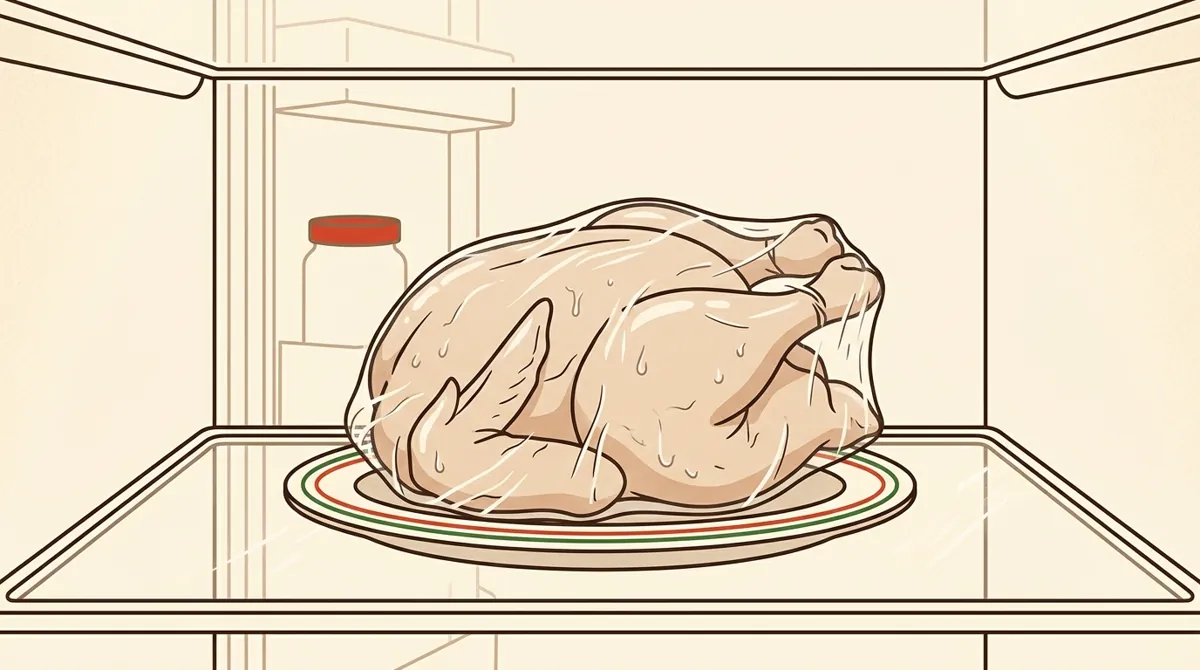
- Salting meat only minutes ahead and calling it a dry brine: a short wait leaves the outside salty and the inside bland, so give steaks at least an hour and poultry 6 hours or more.
- Covering salted poultry in the fridge: leave whole chickens and turkeys unwrapped so the skin dries and crisps when roasted.
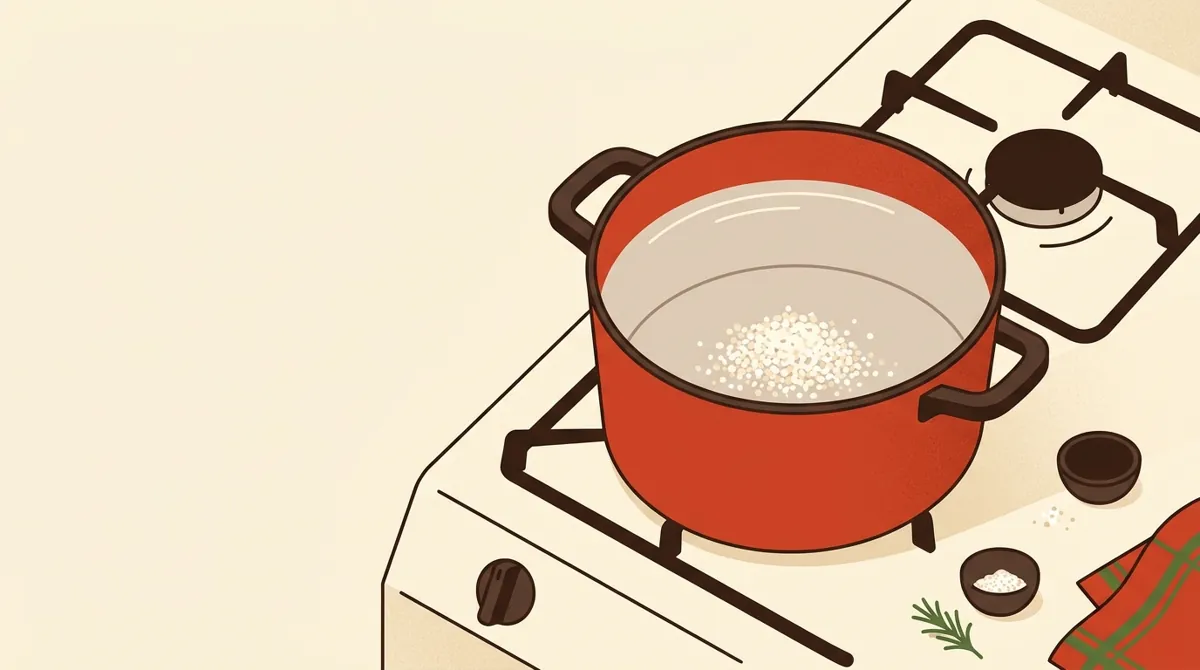
- Adding salt to cold pasta water: add it once the water is boiling so it dissolves instead of sitting on the bottom of the pot.
- Salting a long-simmered stew fully at the start: liquids reduce, so season lightly early and adjust at the end.
- Tasting only once: taste before serving and after every adjustment, because the last pinch is the one that usually matters.
🏋️ Try it tonight
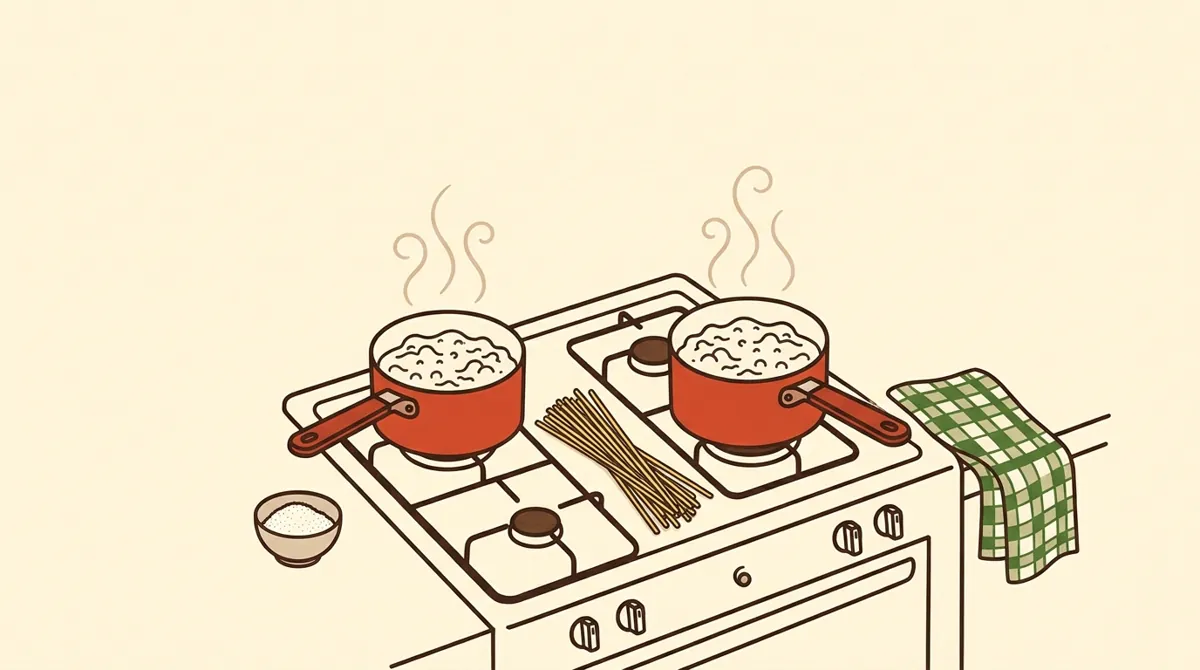
Bring two small pots of water to a boil, 1 quart each. Stir 3/4 teaspoon of table salt into one (the same ratio as 1 tablespoon per 4 quarts) and nothing into the other. Cook a handful of spaghetti in each, drain, and taste them plain, side by side. The difference is the seasoning no sauce can add later.
💡 Did you know?
When America's Test Kitchen sent pasta cooked in its standard salted water to a lab, each pound had absorbed only about 1/4 teaspoon of salt, out of the full tablespoon in the pot.
Use it tonight
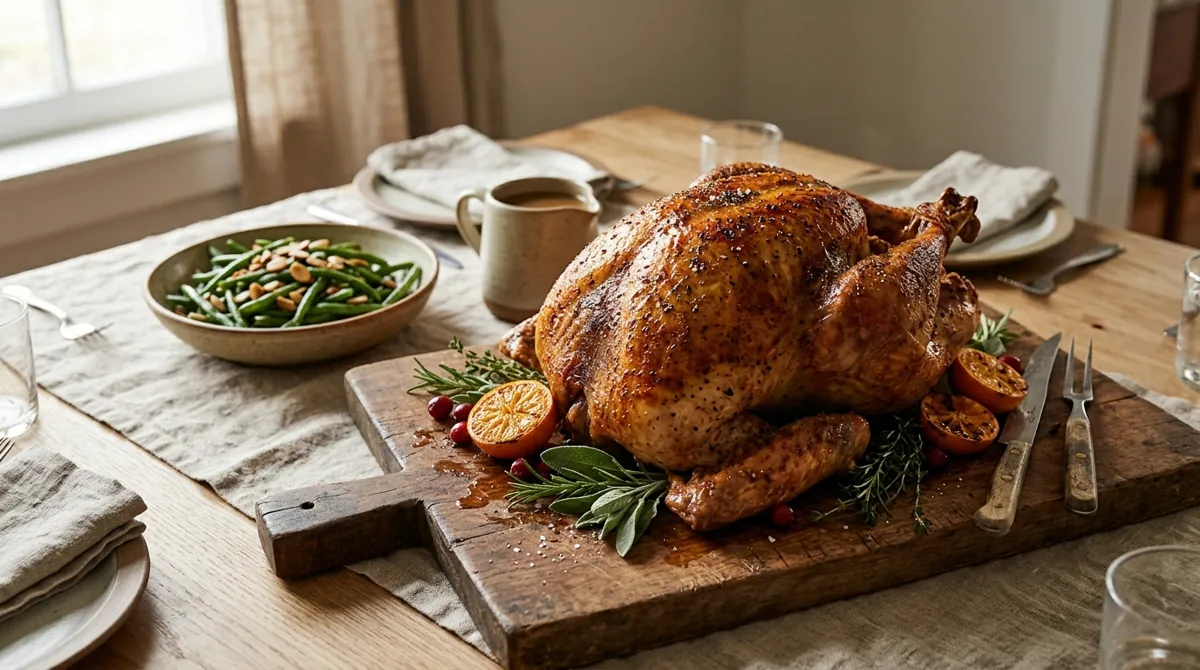
Dry-Brined Turkey (the Judy Bird)
The Los Angeles Times' famous no-bucket brine: a few tablespoons of salt rubbed on three days ahead, the bird kept in a bag in the refrigerator, then dried uncovered so the skin roasts crisp.
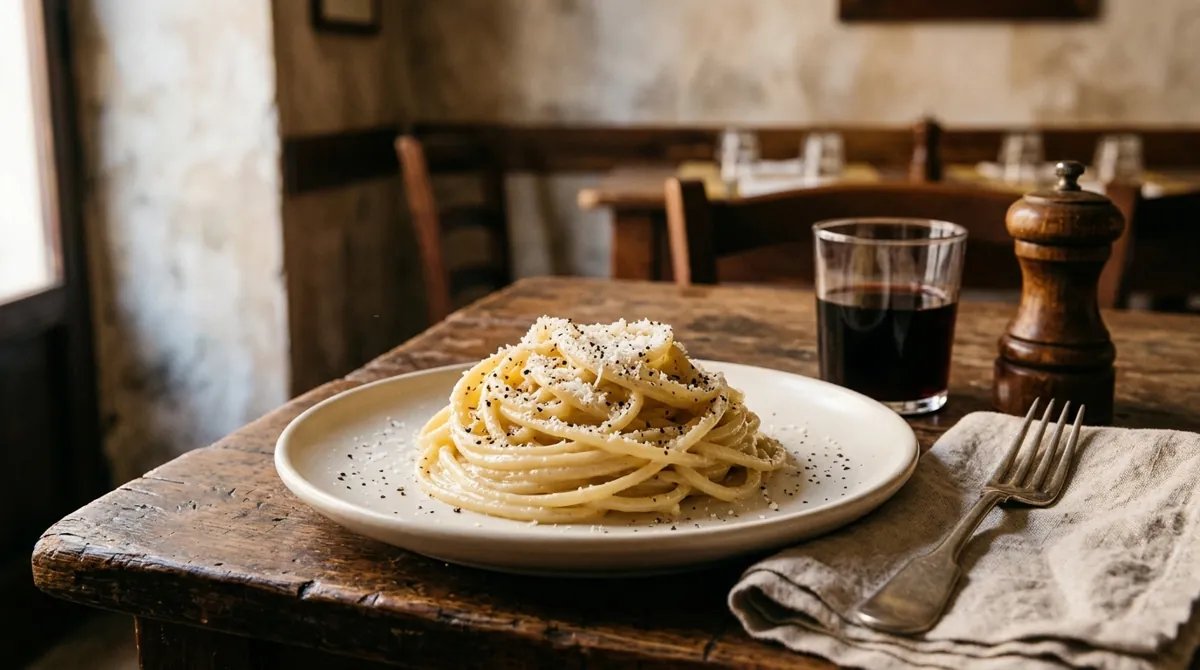
Cacio e Pepe (Pecorino and Black Pepper, the Never-Clumps Method)
Spaghetti in a smooth, sharp sauce of nothing but Pecorino Romano, toasted black pepper and pasta water, held together by a teaspoon of cooked cornstarch so it cannot seize into clumps.
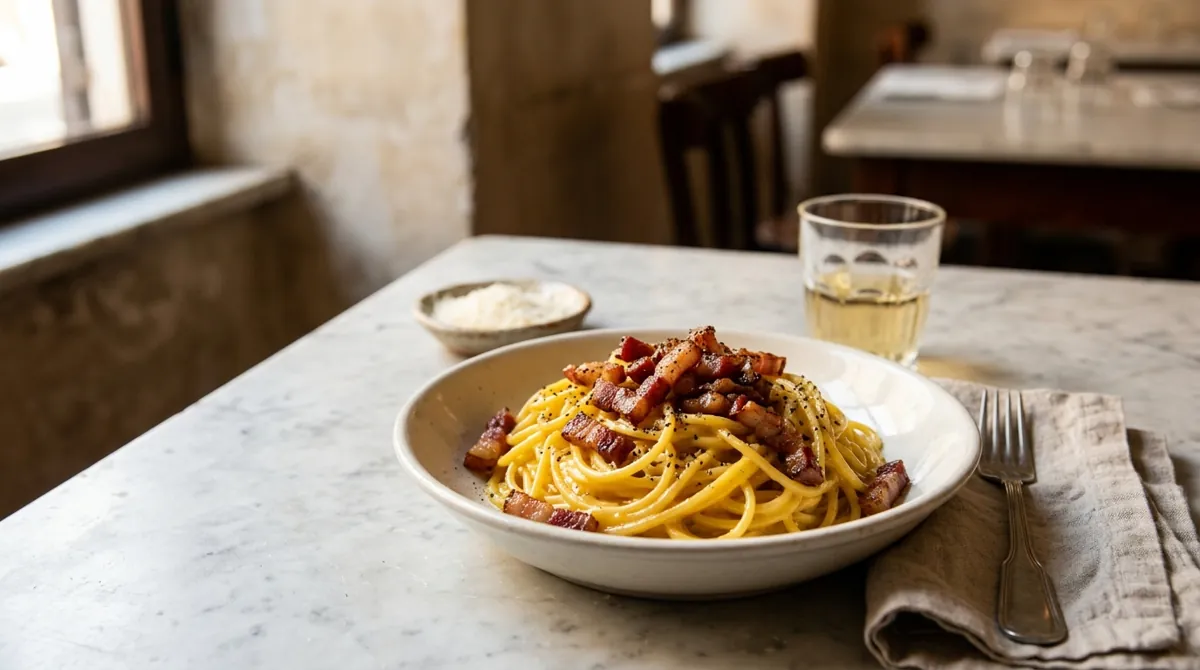
Roman Spaghetti alla Carbonara (Guanciale, Egg Yolks, Pecorino, No Cream)
Spaghetti tossed with crisp guanciale and its fat, then stirred over a pot of boiling pasta water with egg yolks, Pecorino Romano, Parmigiano-Reggiano and coarse black pepper until the eggs thicken into a glossy sauce, with no cream at all.
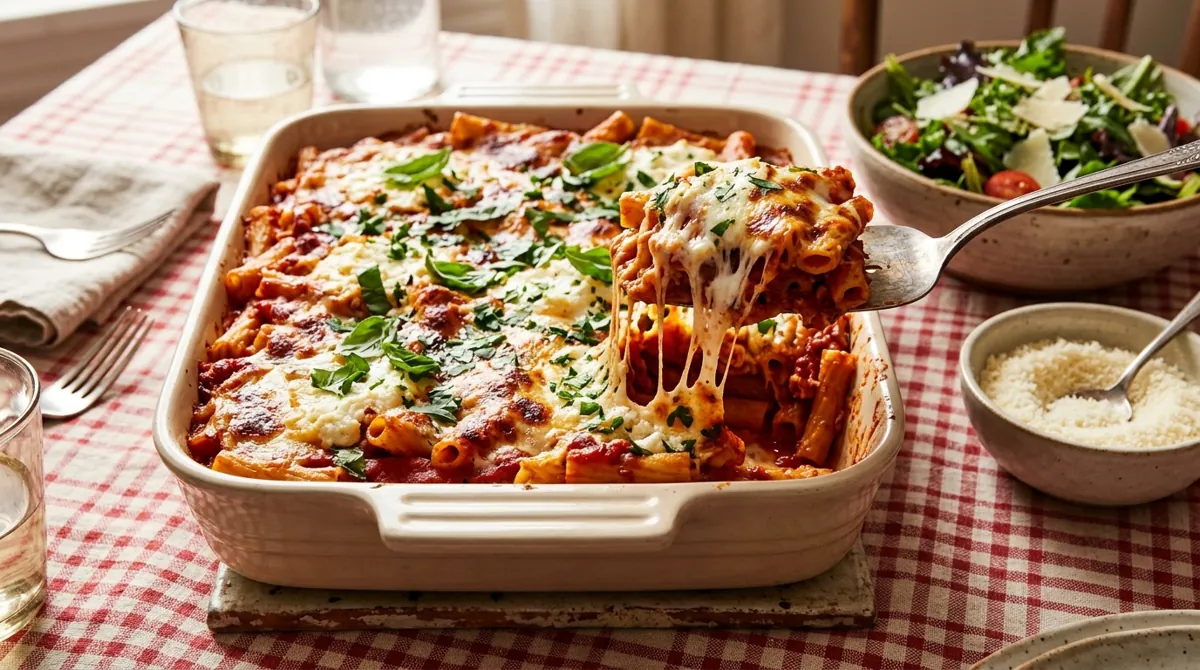
Baked Ziti (No-Boil, with Ricotta and Mozzarella)
Ziti soaked in hot salted water instead of boiled, stirred into red sauce with ricotta, Parmigiano, eggs, cream, herbs and cubes of mozzarella, then baked covered and uncovered at 400°F until bubbling and browned.
Sources
- This Ingredient Makes Every Cocktail Pop (America's Test Kitchen)
- Salting Meat (Cook's Illustrated, America's Test Kitchen)
- Salting Turkey: How Long Is Long Enough? (America's Test Kitchen)
- Cast Iron Seared Rib Eye Steaks (America's Test Kitchen)
- Chicken salting and brining lesson (America's Test Kitchen)
- Should You Wrap Meat That You're Salting Overnight? (America's Test Kitchen)
- How Salty Should Your Pasta Water Be? (America's Test Kitchen)
- How Much Sodium Does Salted Cooking Water Add to Pasta? (America's Test Kitchen)
- Salt for Preserving and Cooking (University of California Agriculture and Natural Resources)
- Seawater (Wikipedia)
- Is Your Dish Too Salty? Sweet? Sour? Spicy? Here's How to Fix It (America's Test Kitchen)