
🧯 Kitchen Safety · Lesson 5 of 5
How Long Does Food Last in the Fridge and Freezer? Storage Times and Safe Thawing
Fridge at 40°F, freezer at 0°F, how many days raw chicken, ground meat, steaks, leftovers and eggs last, and three safe ways to thaw.
- Fridge 40°F or below, freezer 0°F or below
- Raw ground meat and poultry: 1 to 2 days, 3 to 4 months
- Raw chicken or turkey: 1 to 2 days, 9 months for pieces, 1 year whole
- Raw steaks, chops, roasts: 3 to 5 days, 4 to 12 months
- Cooked leftovers: 3 to 4 days
- Raw eggs in shell: 3 to 5 weeks, do not freeze in shell
- Freezer times are for quality: 0°F food stays safe indefinitely
Why it matters
Raw ground meat and raw chicken keep only 1 to 2 days in the refrigerator, while steaks keep 3 to 5. Home cooks also tend to treat the freezer as a pause button with an expiration date, when frozen food actually stays safe indefinitely and only its quality fades. And the most common thawing method, a package left on the counter, is the one the USDA says never to use.
Set the temperatures first
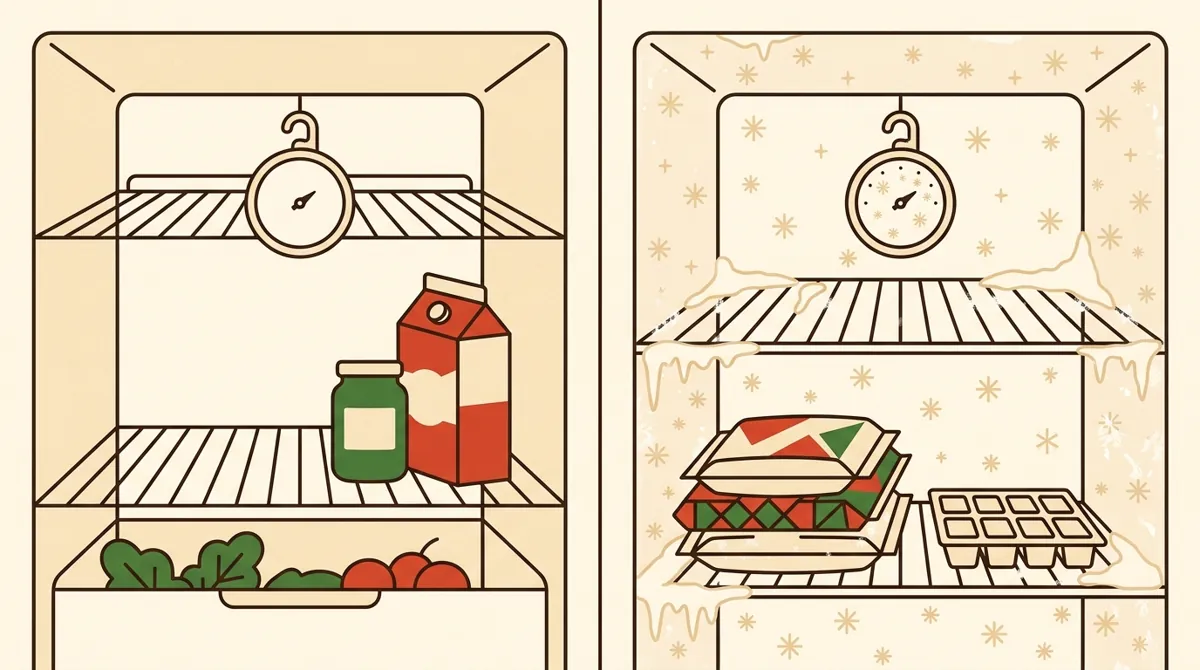
Every storage time on the chart assumes a refrigerator at 40°F or below and a freezer at 0°F or below. FoodSafety.gov recommends an appliance thermometer to check both, since the dial on the fridge does not tell you the temperature. FSIS adds that a freezer compartment that cannot hold 0°F, or whose door is opened often, is for short-term storage only.
The refrigerator clock
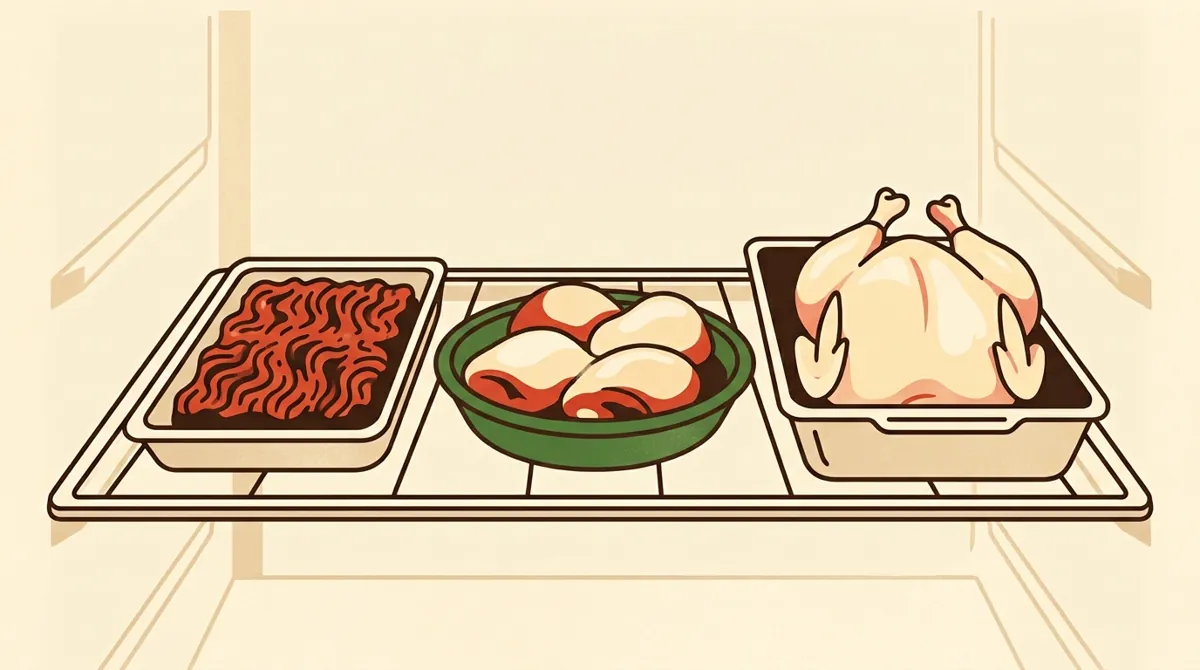
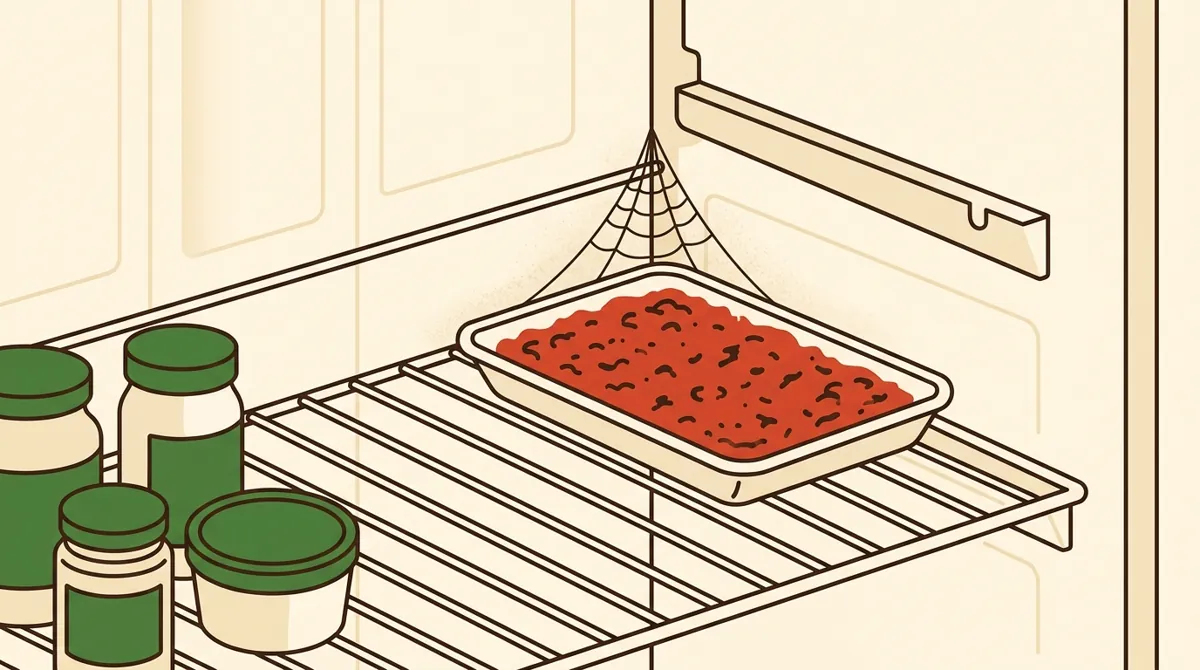
From FoodSafety.gov's cold storage chart: raw ground meat and ground poultry keep 1 to 2 days, raw chicken or turkey 1 to 2 days, and raw steaks, chops and roasts 3 to 5 days. Cooked leftovers, soups and stews, and pizza keep 3 to 4 days, opened lunch meat 3 to 5 days, and bacon 1 week. Raw eggs in the shell keep 3 to 5 weeks and hard-cooked eggs 1 week.
The freezer is for quality, not safety

FoodSafety.gov says freezer times are for quality only, because food kept continuously at 0°F or below can be kept indefinitely. Freezing does not kill bacteria; FSIS says it makes them dormant, and they become active again once the food thaws. For best quality, the chart gives ground meat 3 to 4 months, chicken pieces 9 months, a whole chicken or turkey 1 year, and steaks, chops and roasts 4 to 12 months. Do not freeze eggs in the shell: beat the yolks and whites together first.
Three safe ways to thaw
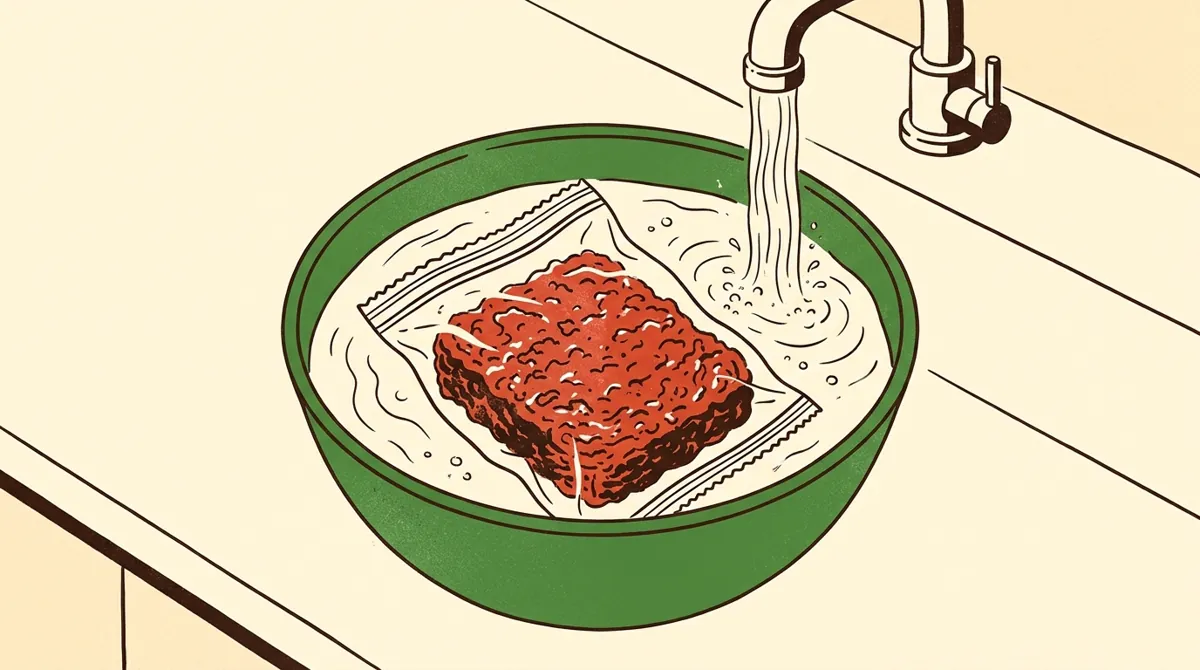
FSIS lists only three safe methods: in the refrigerator, in cold water, or in the microwave, and you can also cook from frozen. In the refrigerator even a pound of ground meat needs about a full day, and a turkey needs 24 hours for every 5 pounds. In cold water, keep the food in a leak-proof bag and change the water every 30 minutes; a 1 pound package can thaw in an hour or less. Cook anything thawed in cold water or the microwave right away.
Never on the counter
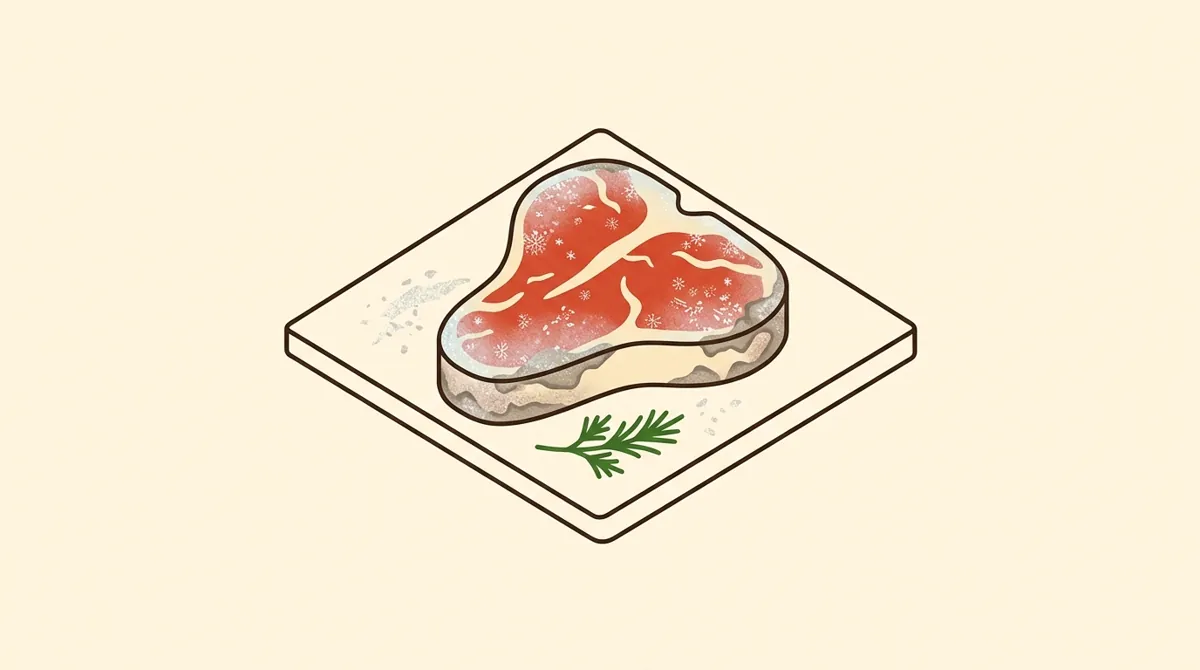
FSIS says perishable food should never be thawed on the counter or in hot water, because the outside warms into the danger zone while the center is still frozen. Food thawed in the refrigerator can be refrozen without cooking, with some loss of quality, but food thawed in cold water or the microwave should be cooked before refreezing. Freezer burn, the dry gray-brown patches, does not make food unsafe; FSIS says to cut those spots away.
Step by step
Put an appliance thermometer in the fridge and the freezer and adjust until they read 40°F or below and 0°F or below.
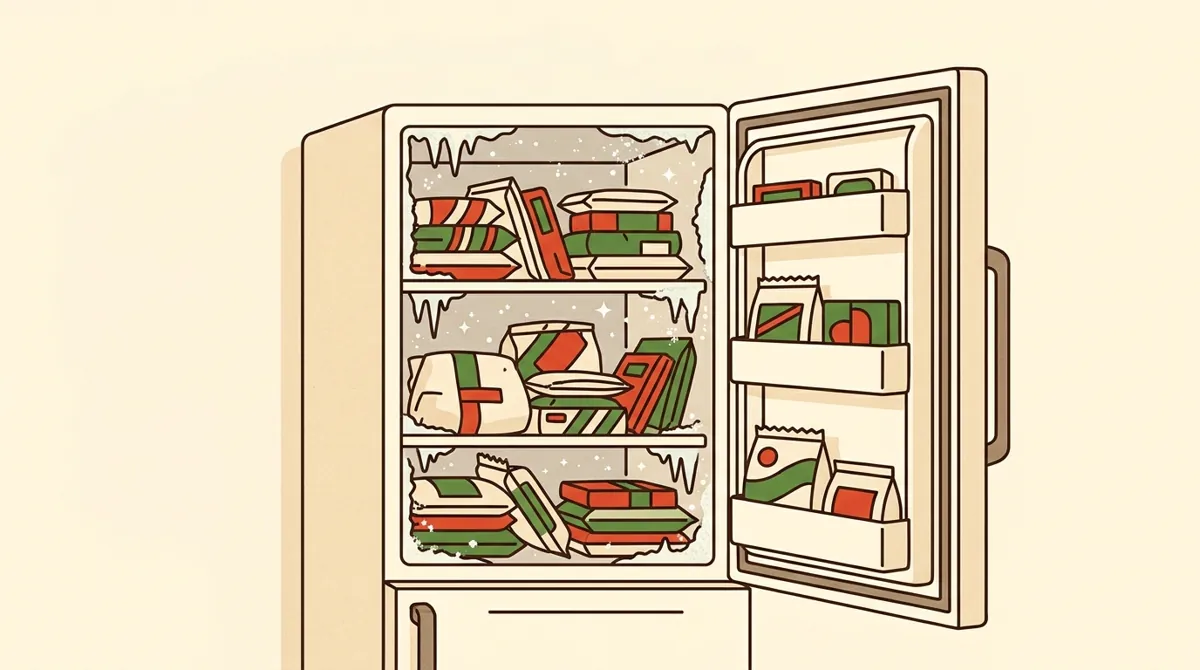
When you bring raw ground meat or chicken home, plan to cook it within 1 to 2 days, or freeze it right away.
Overwrap meat that is going into the freezer in its store packaging, and label it with the date.
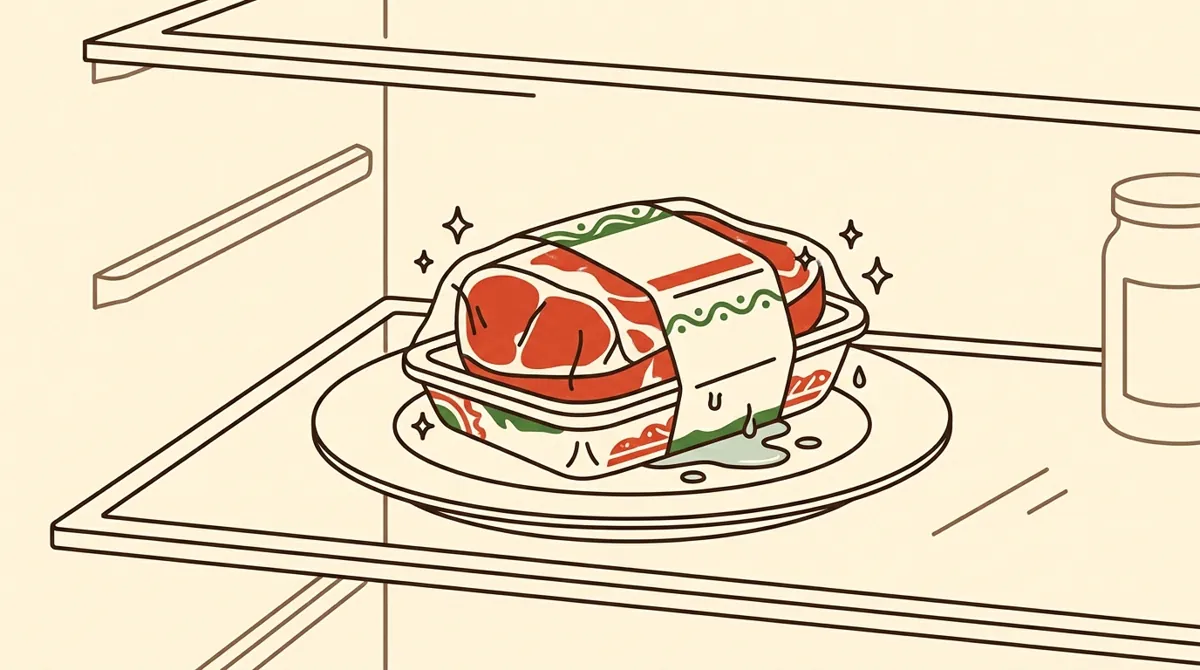
For tomorrow's dinner, move the frozen package to the refrigerator today, on a plate to catch drips.
In a rush, seal it in a leak-proof bag, submerge it in cold tap water, change the water every 30 minutes and cook it as soon as it is thawed.
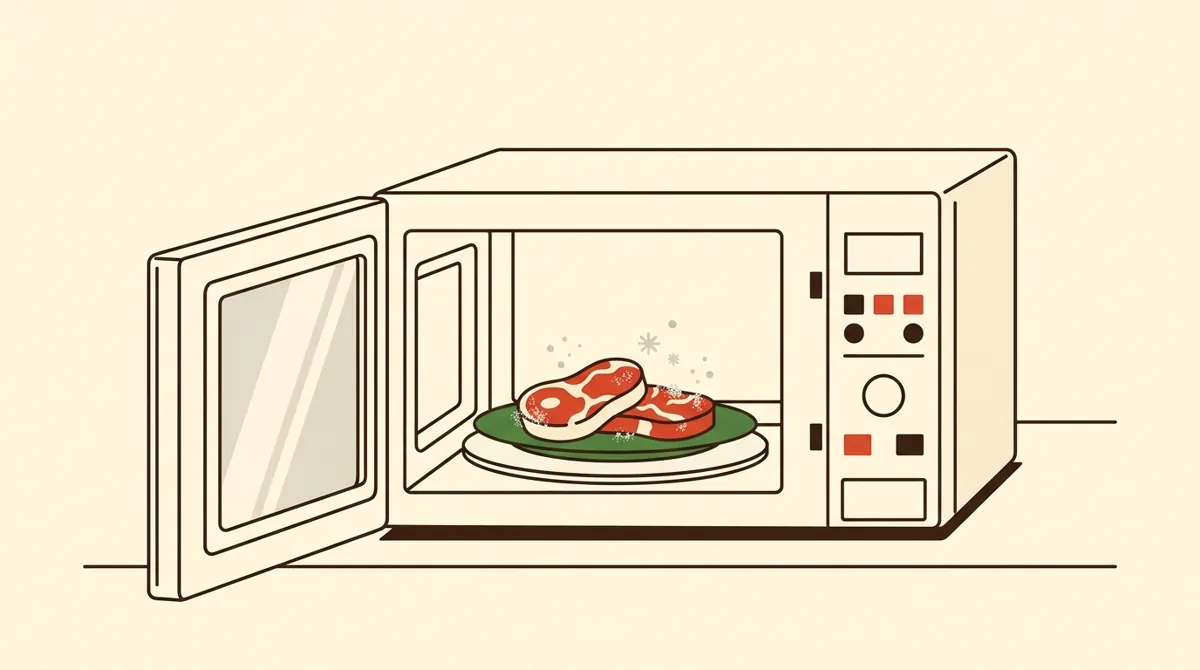
If you thaw in the microwave, cook the food immediately afterward.
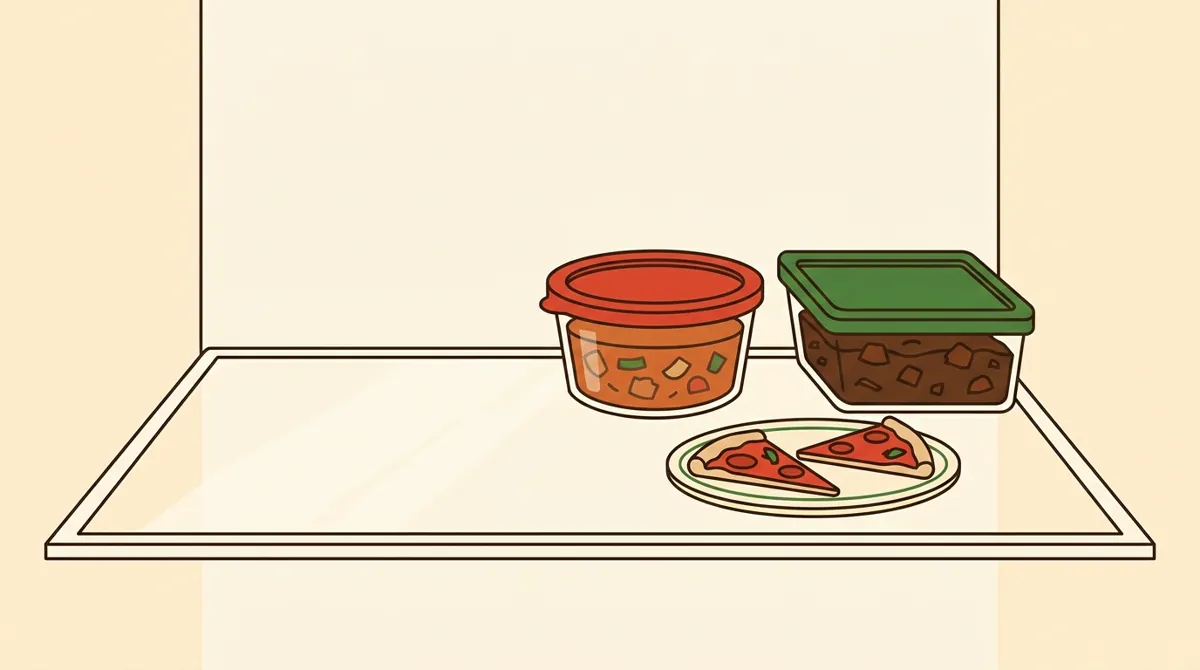
Eat cooked leftovers within 3 to 4 days, and freeze anything you will not get to by then.
Common mistakes
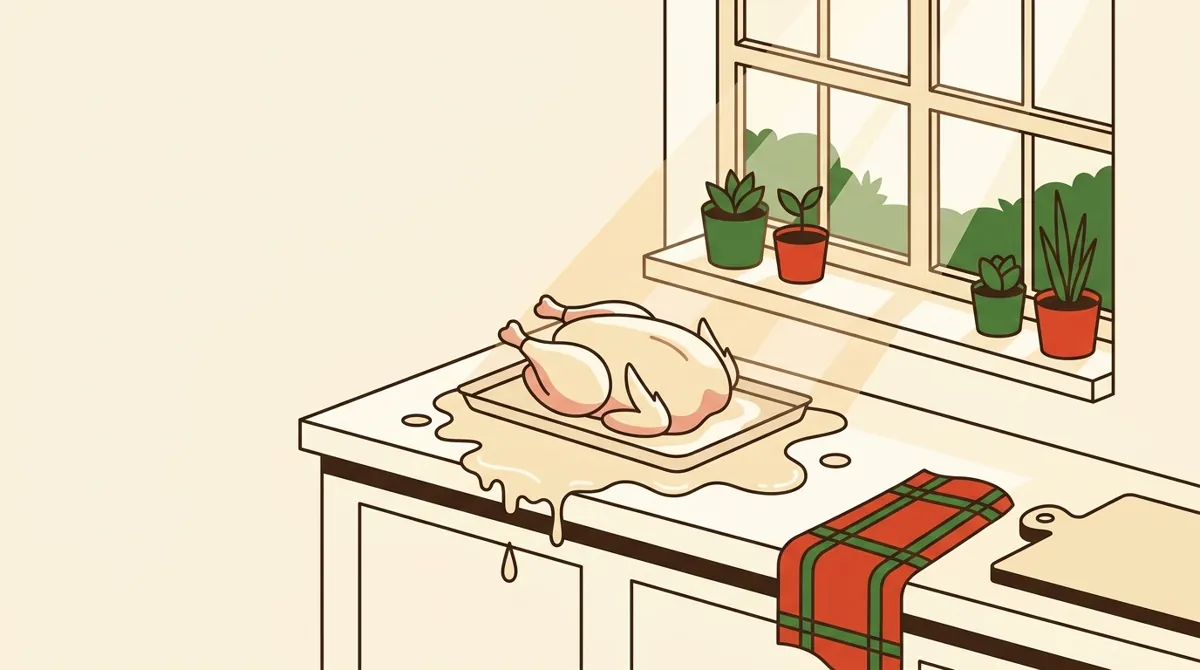
- Thawing meat on the counter all day: the outside sits in the danger zone, so thaw it in the fridge or in cold water.
- Keeping raw ground beef or chicken for a week: they last 1 to 2 days in the fridge, so cook or freeze them.
- Throwing out food just because it has been frozen a long time: frozen at 0°F it is still safe, so judge the quality and use it in soups or stews if it is a bit dry.
- Refreezing meat thawed in cold water or the microwave without cooking it: cook it first, then freeze the cooked dish.
- Assuming the fridge dial means 40°F: check with an appliance thermometer.
🏋️ Try it tonight
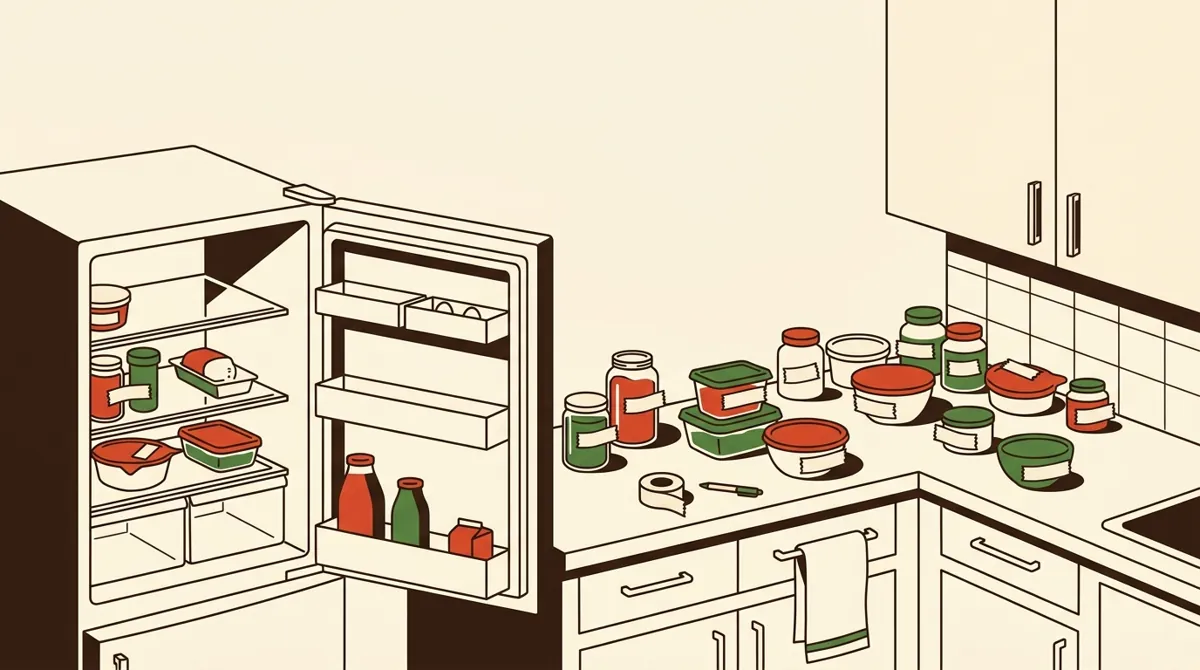
Take 10 minutes tonight to audit your refrigerator. Pull out every package of raw meat and every container of leftovers, check the dates against the chart (1 to 2 days for raw ground meat and chicken, 3 to 5 for steaks, 3 to 4 for leftovers) and freeze or plan dinner around anything close to the limit. Label everything that goes back in with today's date, and move one frozen package from the freezer to a plate in the refrigerator so it is thawed for tomorrow.
💡 Did you know?
According to the USDA, food kept constantly at 0°F will always be safe; freezer storage times exist only because quality slowly declines.
Use it tonight

Italian-American Meatballs
Big, tender meatballs braised for an hour in red sauce over spaghetti. The one most Americans grew up with.

Swedish Meatballs (Köttbullar)
Small, soft meatballs browned in butter, in a cream sauce made from the same pan, with lingonberry jam on the plate.
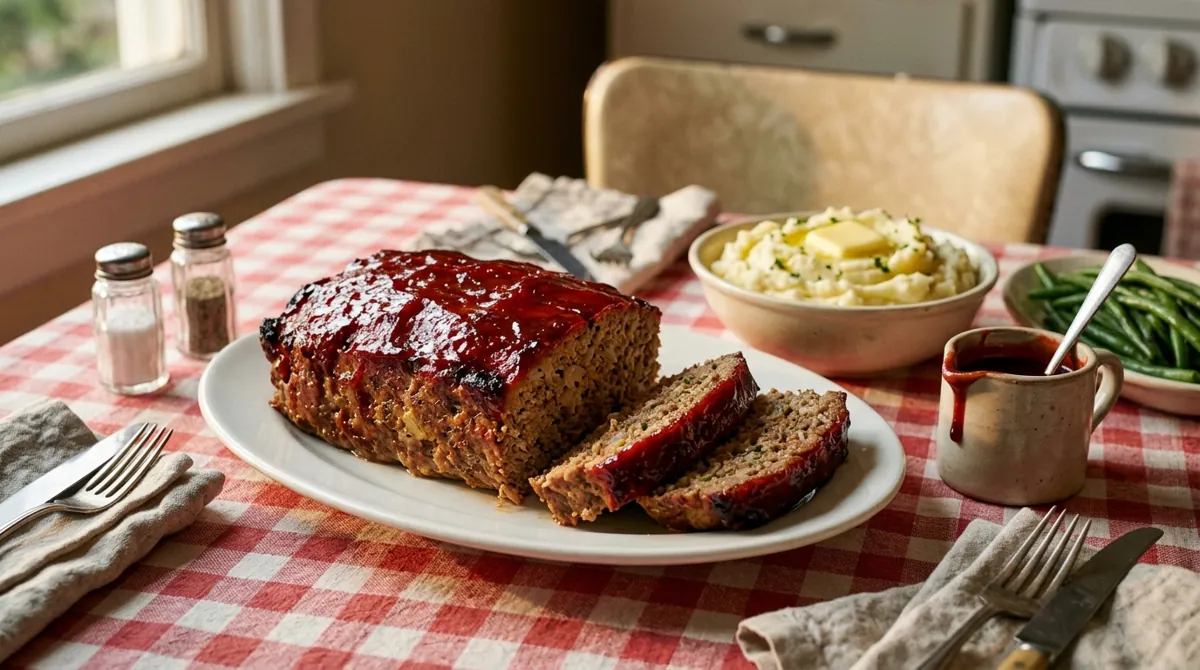
Classic Glazed American Meatloaf
The American classic: beef and pork bound with a milk and saltine paste, browned under the broiler, then painted twice with a tangy brown sugar and ketchup glaze and baked to a glossy finish.
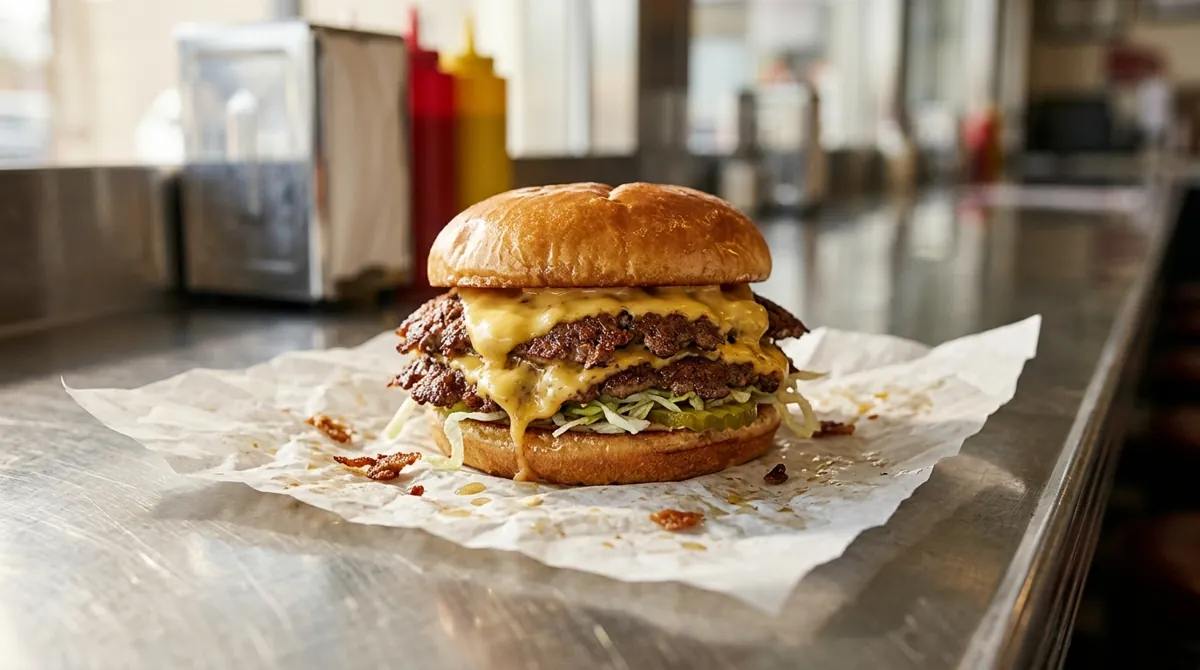
The Smash Burger
Two small balls of beef chuck smashed paper-thin onto a screaming-hot pan, scraped up with every bit of brown crust, and stacked with a slice of American cheese melting between them.
Sources
- Cold Food Storage Chart (FoodSafety.gov, last reviewed September 19, 2023, Internet Archive copy)
- 4 Steps to Food Safety (FoodSafety.gov, Internet Archive copy)
- Freezing and Food Safety (USDA Food Safety and Inspection Service, Internet Archive copy)
- The Big Thaw: Safe Defrosting Methods (USDA Food Safety and Inspection Service, Internet Archive copy)
- Leftovers and Food Safety (USDA Food Safety and Inspection Service, Internet Archive copy)