
🧯 Kitchen Safety · Lesson 4 of 5
Kitchen Burns and Cuts: Basic First Aid and How to Prevent Them
Cool a burn under running water, why ice and butter make it worse, pressure for a cut, when to get help, and how to avoid both.
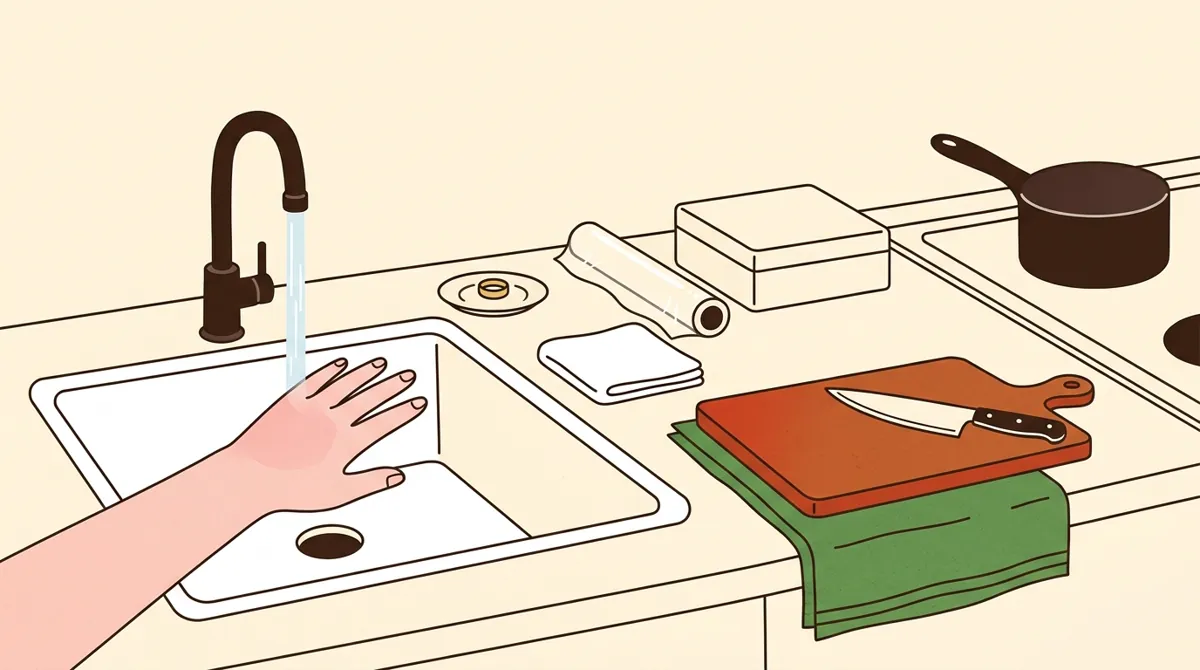
- Cool running water: about 20 minutes
- Rings and watches off
- Cover loosely: plastic wrap or a non-stick dressing
- No ice, butter, oil or creams
- Cut: press with a clean cloth, raise it
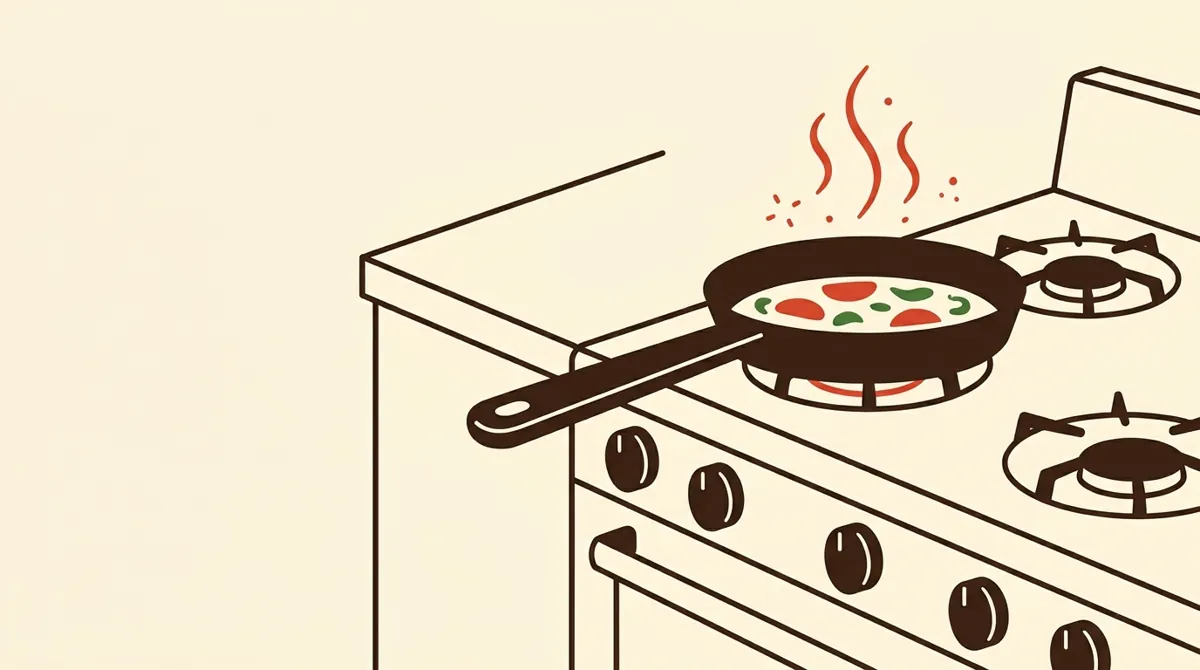
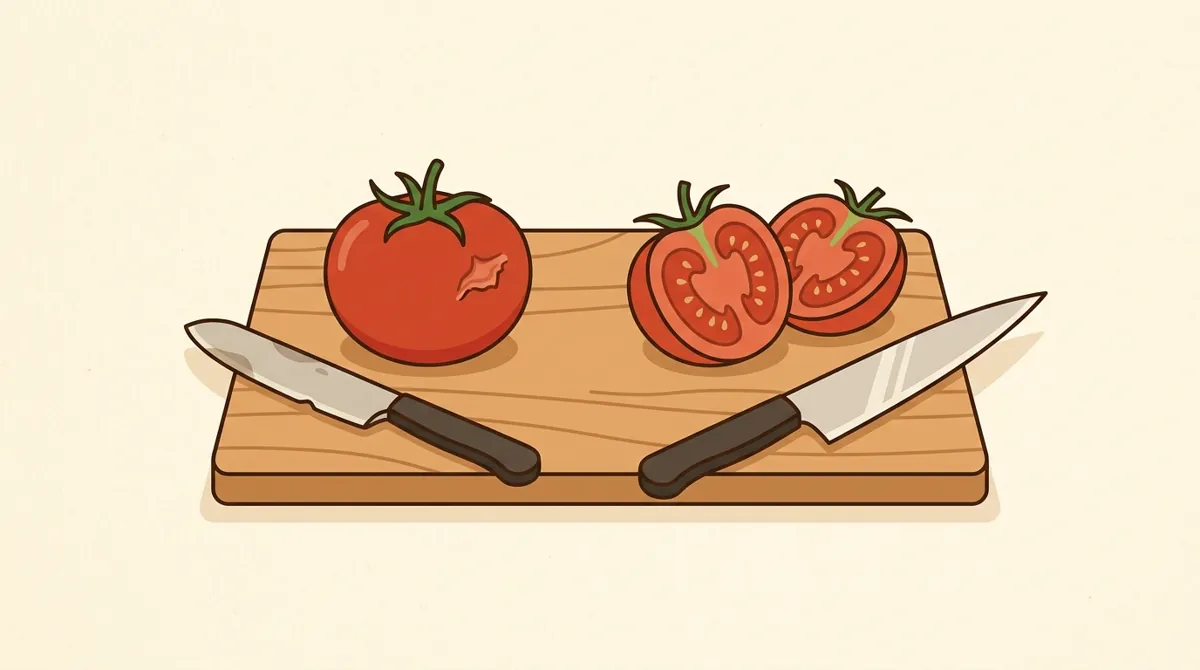
- Prevent it: sharp knife, damp towel under the board, handles turned in
Why it matters
Burns and knife cuts are the injuries every cook eventually gets, and the old home remedies, like ice, butter or a dab of oil on a burn, can make things worse. This lesson covers only the basic first steps that the American Red Cross, the NHS and MedlinePlus publish for minor injuries, plus the prevention habits that keep them from happening. It is not medical advice: for a serious burn or a cut that will not stop bleeding, call 911 or your local emergency number, and see a doctor whenever you are unsure.
Cool a burn under running water
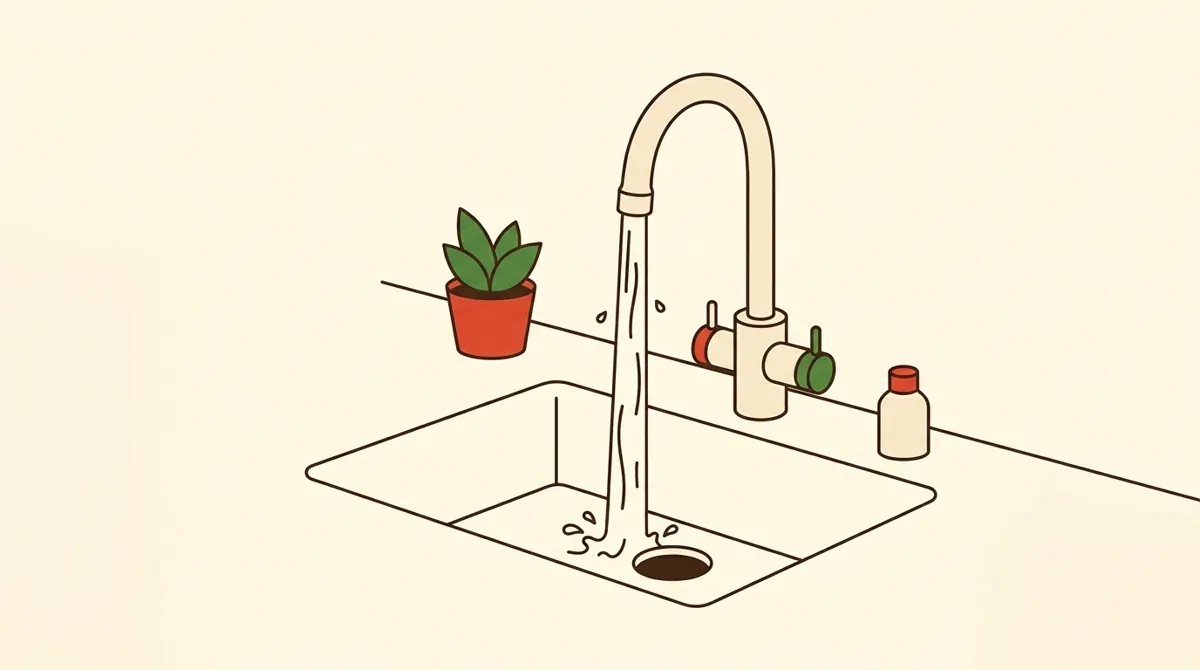
Hold the burn under cool, clean running water as soon as you can, for 20 minutes: the American Red Cross, the NHS and St John Ambulance all give that figure. Lukewarm water is fine if cool is not available, per the Red Cross, and the NHS says cooling still helps if started within 3 hours of the burn.
Rings off, cover it loosely
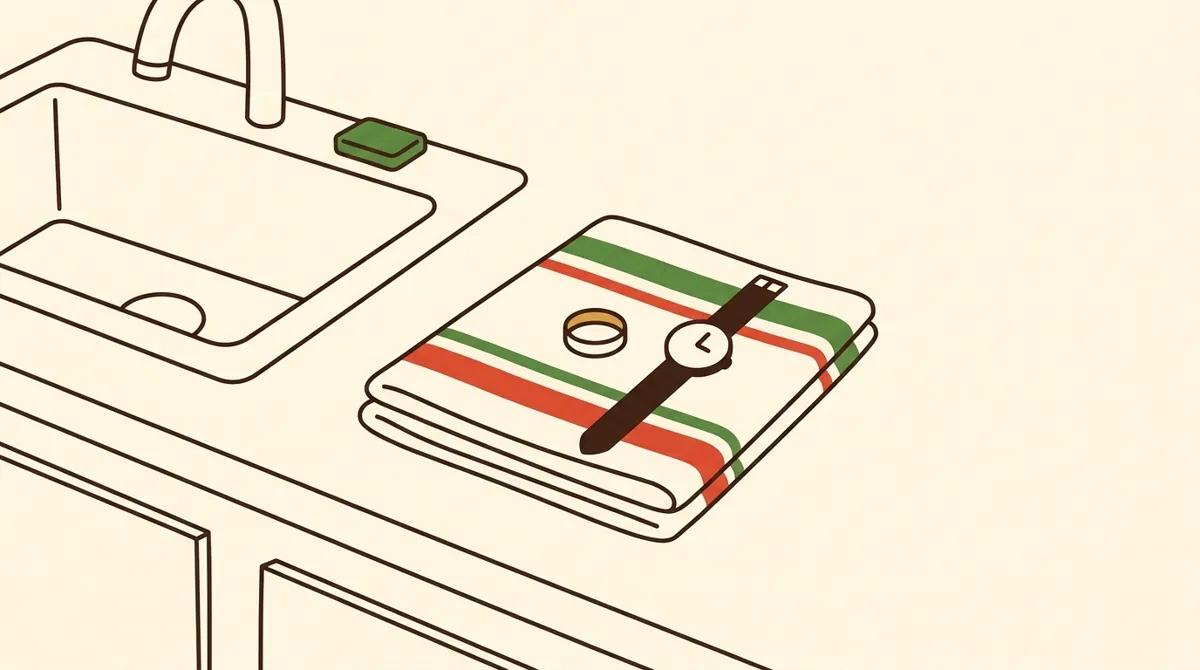
Remove rings, watches and clothing near the burn before the area swells, but leave anything that is stuck to the skin, according to the Red Cross and the NHS. Once it is cooled, the NHS and St John Ambulance suggest laying plastic wrap loosely over it lengthwise, not wrapped around, since the area needs room to swell. The Red Cross says not to use adhesive bandages, which stick to the burn, and to use a clean, dry, non-stick dressing instead; St John Ambulance adds not to pop any blisters.
No ice, butter, oil or creams
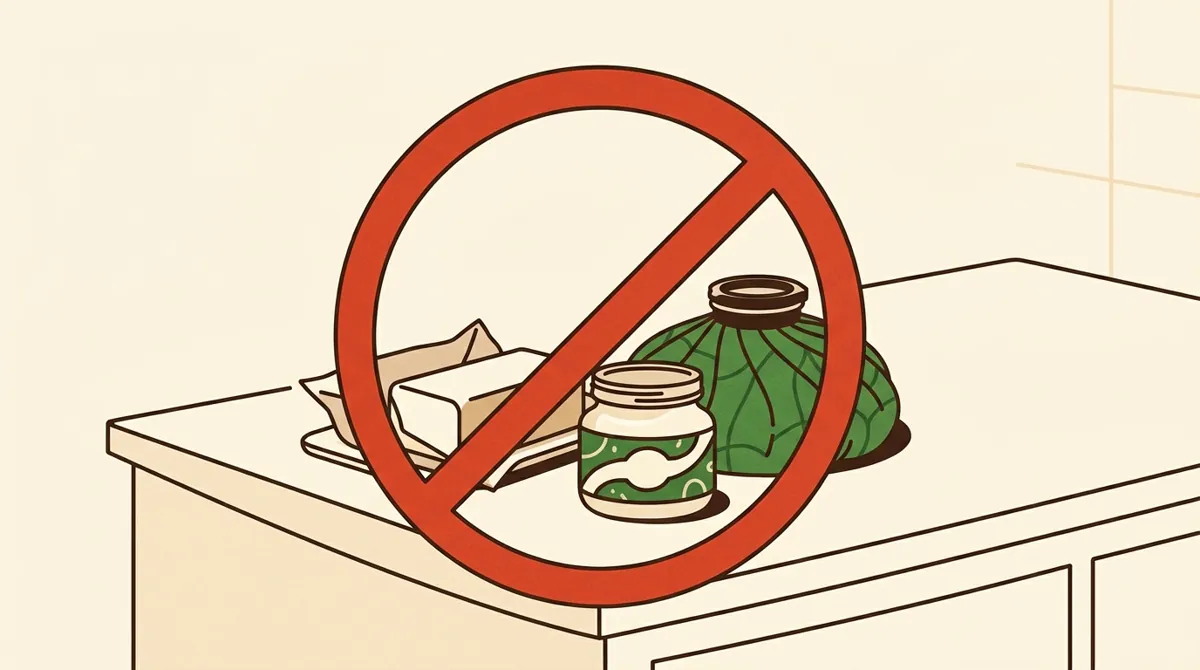
The Red Cross says ice can further damage the skin, and that butter, mayonnaise, petroleum jelly or any greasy substance can seal in the heat and make the burn worse. The NHS says not to put creams, oils or butter on burns, and St John Ambulance says no ice, creams or gels. Plain water is the treatment.
A cut: pressure, then raise it
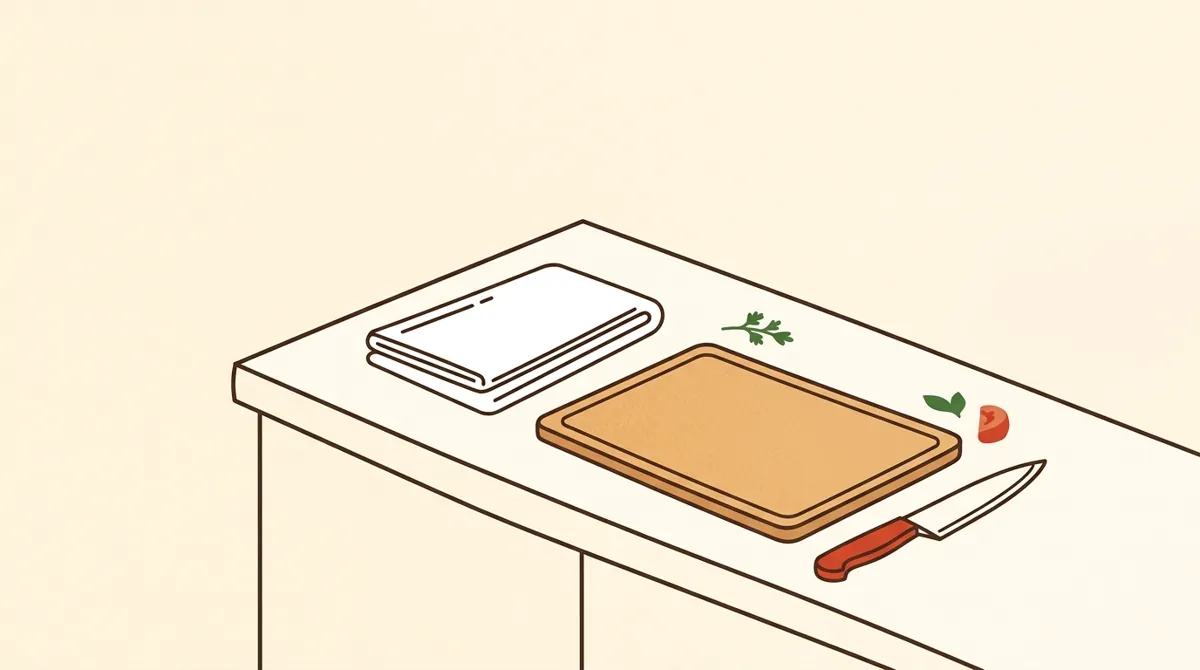
Wash your hands if you can, then press on the cut with a clean, folded cloth or bandage; if blood soaks through, the NHS says to add another layer on top rather than lifting the first. If the cut is on your hand or arm, the NHS says to raise it above your head. Once the bleeding stops, MedlinePlus says to wash the cut with mild soap and water and cover it with a clean bandage that will not stick.
When to get help
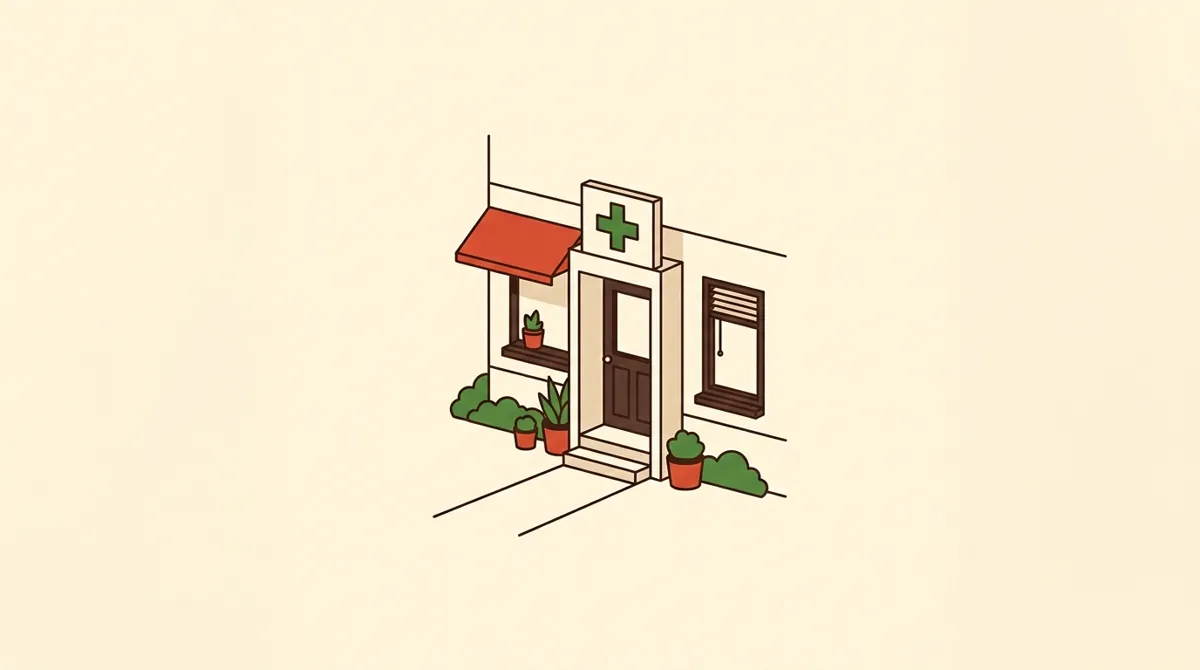
Call 911 for a cut that will not stop bleeding, which MedlinePlus describes as still bleeding after about 10 minutes of pressure, for blood that spurts, or if the injured area goes numb or stops working. See a doctor promptly for a cut that is large or deep, more than about a quarter inch deep, on the face, longer than about 2 inches, or has something stuck in it, and do not pull the object out yourself; the NHS and MedlinePlus both list these. For burns, the Red Cross says to go to the hospital if a child is burned, if it blisters, if it is larger than your palm, or if it is on the face, neck, hands, feet, joints or genitals, and to call 911 for deep, large, electrical or chemical burns.
Step by step
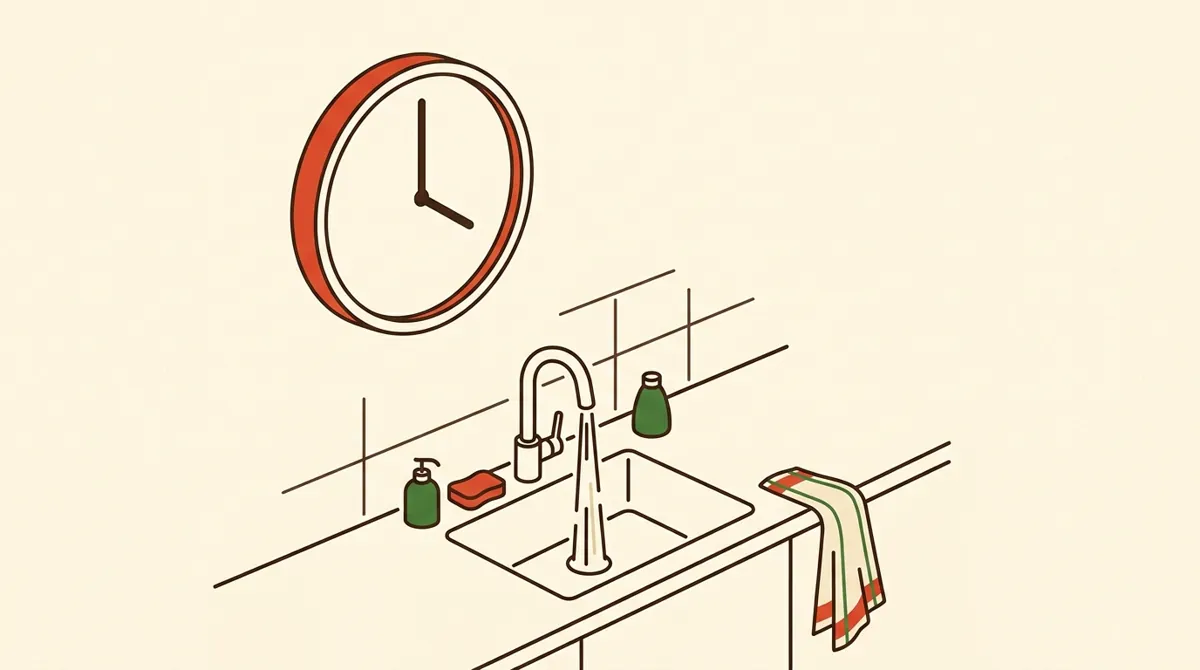
For a burn: get it under cool, clean running water right away and keep it there for 20 minutes.
While it cools, take off rings, watches or tight clothing near the burn, leaving anything that is stuck.
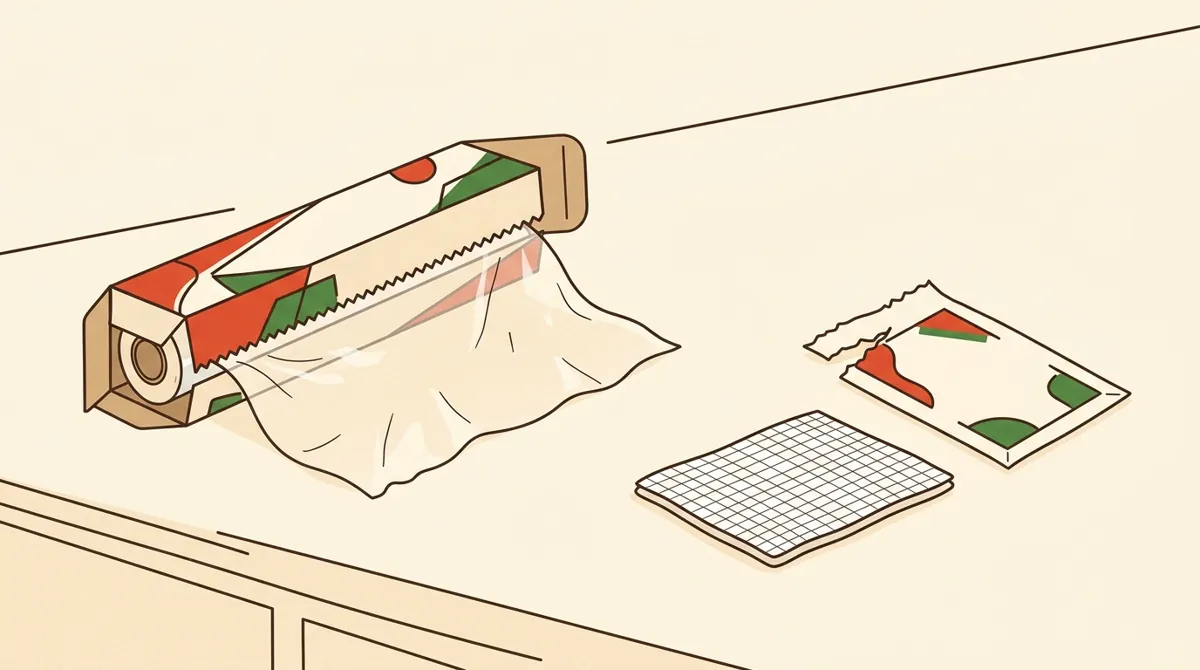
Cover the cooled burn loosely with plastic wrap or a clean, non-stick dressing; no ice, butter, oil or cream.
For a cut: press a clean, folded cloth firmly on it and add another layer on top if blood soaks through.
Raise a cut hand or arm above your head while you keep pressure on it.
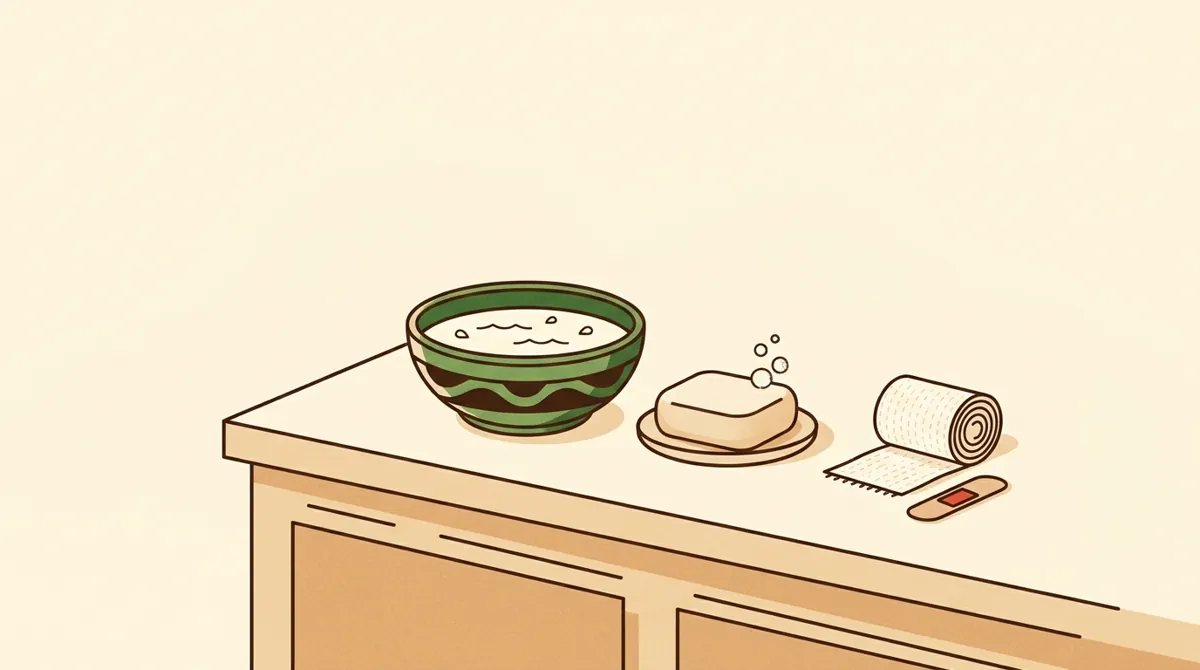
Once it stops bleeding, wash it with mild soap and water and cover it with a clean bandage.
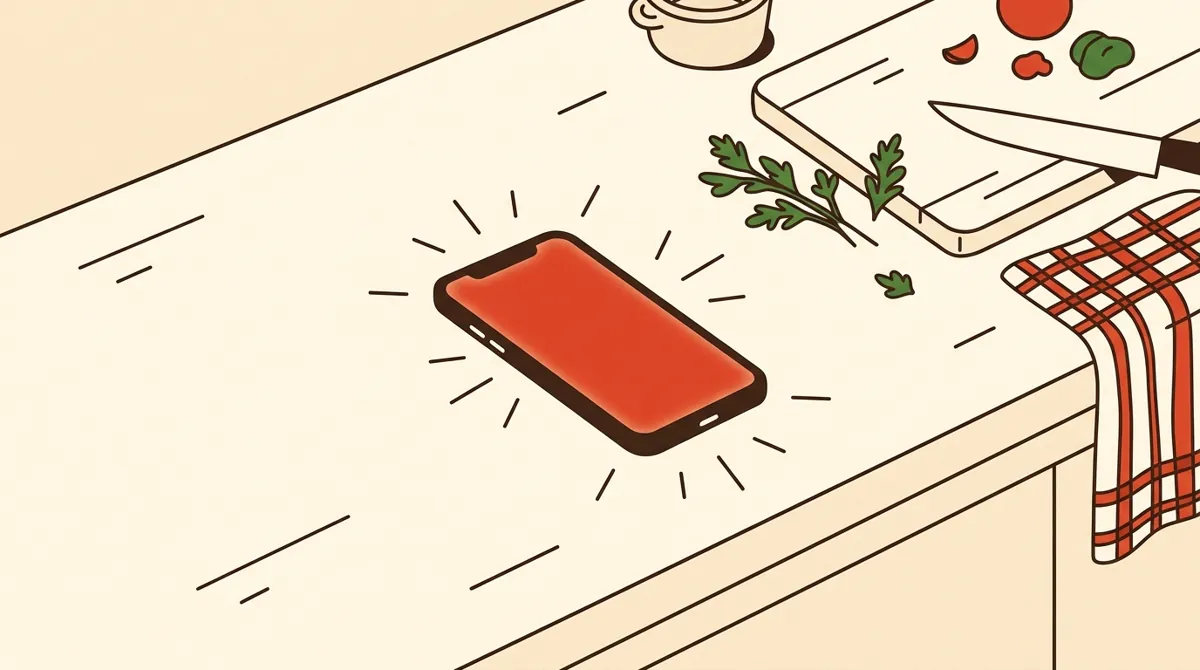
Call 911 if the bleeding has not stopped after about 10 minutes of pressure or the burn is large, deep, on the face, or electrical or chemical; see a doctor for anything you are unsure about.
Common mistakes
- Putting ice on a burn: ice can damage the skin further, so use cool running water.
- Spreading butter or oil on a burn: grease seals in the heat, so use water and a loose, clean cover.
- Cooling a burn for only a minute or two: keep it under the water for about 20 minutes.
- Lifting the cloth every few seconds to check a cut: keep steady pressure and add layers on top instead.
- Leaving rings on a burned hand: take them off right away, before the hand swells.
🏋️ Try it tonight
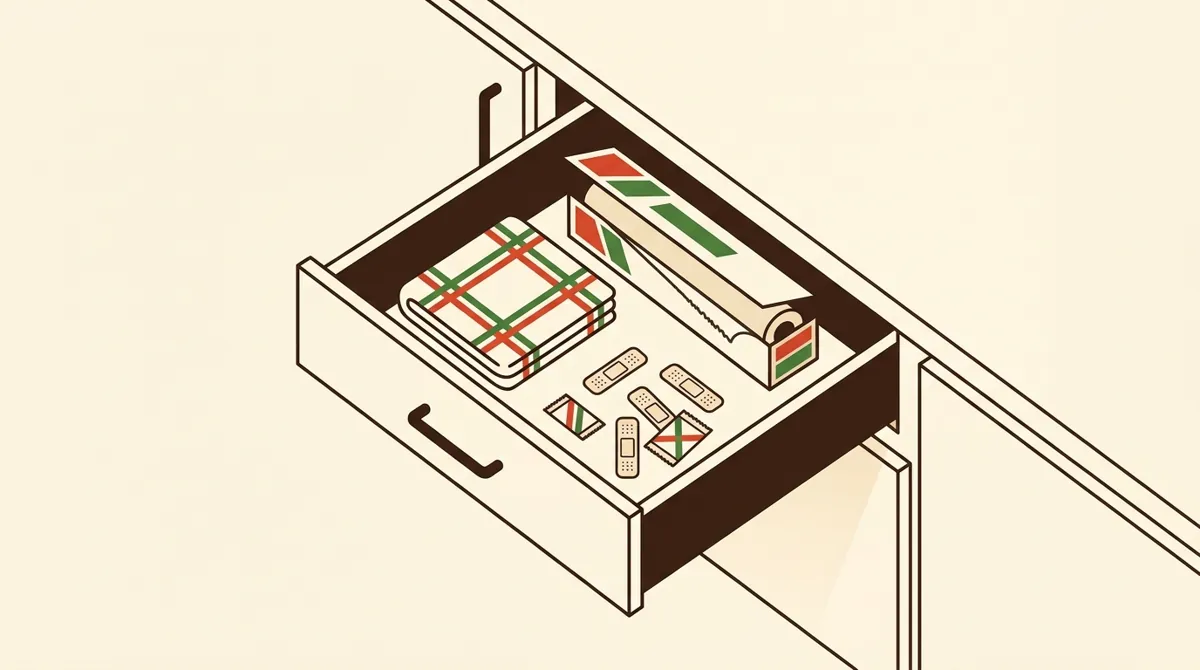
Spend 10 minutes setting up the kitchen so you never need this lesson. Hone or sharpen your chef's knife, since a dull blade needs more pressure and is more likely to slip, according to Cedars-Sinai. Lay a damp, wrung-out towel flat under your cutting board and check that the board no longer slides. Turn every pot handle on the stove toward the back, then put a clean folded cloth, a roll of plastic wrap and a few non-stick bandages together in one drawer near the sink.
💡 Did you know?
The NHS says cooling a burn under cool running water still helps if you start within 3 hours of getting it.
Use it tonight

Pasta Primavera (Spring Vegetables, Pine Nuts and Creme Fraiche)
Fresh egg pasta with blanched fava beans, peas, asparagus, snap peas and broccolini, tossed with butter, garlic-scented pine nuts, creme fraiche, lemon, basil, parsley and Parmigiano: a lighter, greener take on Le Cirque's famous 1970s dish.

New Orleans Beignets
Squares of a very wet, eggy yeast dough fried until they balloon, then buried in powdered sugar, the French Quarter coffee-stand doughnut, made at home.
Sources
- Burns: first aid steps (American Red Cross)
- Burns and scalds (NHS)
- Burns and scalds (St John Ambulance, clinically reviewed April 2025)
- Cuts and grazes (NHS)
- Cuts and puncture wounds (MedlinePlus, U.S. National Library of Medicine)
- Be Careful with Kitchen Knives (Cedars-Sinai)
- Keep cutting boards from slipping with a towel (Food Republic)
- Cooking fire safety (U.S. Fire Administration, FEMA)