
Chinese Coca-Cola Chicken Wings (Ke Le Ji Chi)
Wings browned with ginger in a skillet, then simmered in cola, soy sauce and Shaoxing wine until the liquid cooks down to a sticky, shiny glaze: a Chinese home-cooking classic.
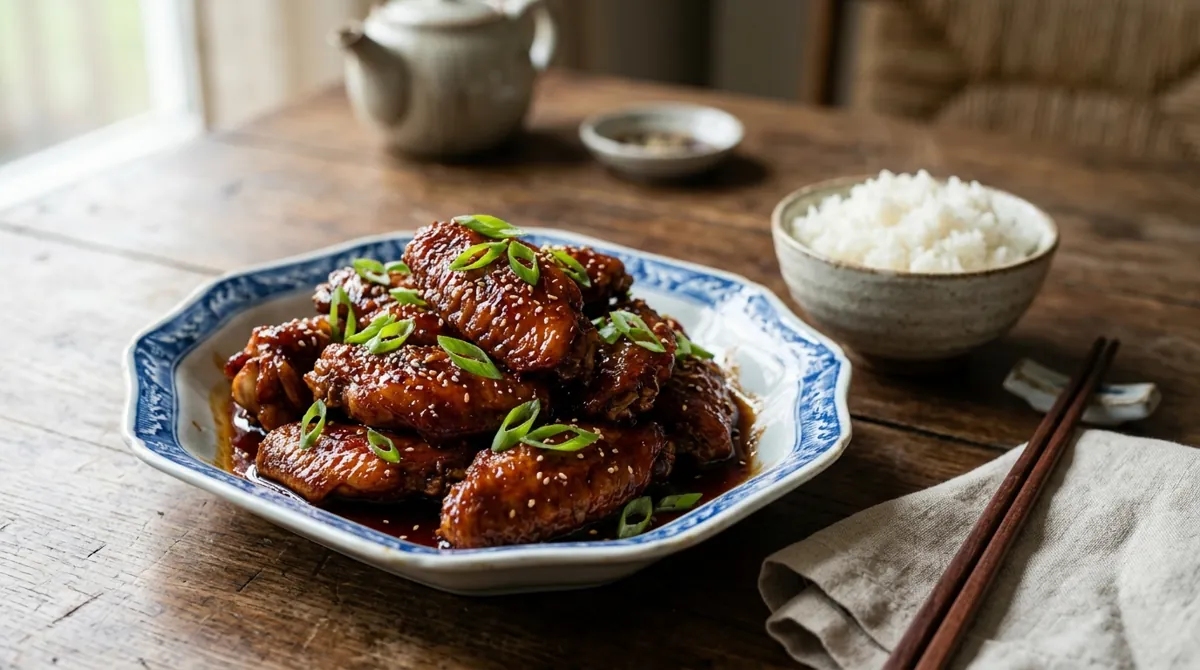
Coca-Cola wings are a home dish, not a restaurant one. TASTE describes them as chicken wings braised in soy sauce, water and a sweetener, says cans of Coke had become a common sweetener in Hong Kong kitchens by the 1980s at the latest, notes that Coca-Cola returned to the Chinese market in 1979 through Hong Kong's bottling franchise, and suggests Hong Kong's soy-braised "Swiss wings" may have come first (Cathy Erway, August 27, 2019:). Chef Lucas Sin told TASTE that once Coke was cheap, cooks used it "the same as sugar". Goldthread calls the wings a popular recipe in Cantonese households and says Coke was once a luxury in China, used in cooking rather than drunk (Clarissa Wei, May 12, 2020:). In June 2019, McDonald's in China sold Coca-Cola-flavored wings (TASTE). Wikipedia's Coca-Cola chicken article gives two other origin stories: a cook in Jinan who spilled a can of Coke into braised wings, and a Western cola chicken made with tomato sauce that reached Taiwan, where soy sauce replaced the tomato. Nobody has found an inventor.
📖 Origin story: What Is Mumbo Sauce? D.C.'s Carryout Sauce, Born in Chicago →
Why it works the kitchen science
Cola as sugar and caramel
Regular cola brings sugar, a little acid and caramel color, so when it reduces with soy sauce it turns into a dark, glossy glaze without any added sugar.
Brown first
Browning the wings before the braise adds flavor and gives the glaze a firm skin to stick to.
Step by step
- Step 1
Pat the wings dry.
- Step 2
Heat the oil in a 12-inch skillet over medium heat. Add the ginger and sizzle gently 1 minute.
- Step 3
Add the wings in one layer and cook 4 to 5 minutes per side, until golden brown on both sides.
- Step 4
Pour in the cola and bring it to a simmer, then add the soy sauce and Shaoxing wine. Cover, turn the heat to medium-low and simmer 15 minutes, turning the wings once.
- Step 5
Uncover, raise the heat to medium-high and cook 8 to 10 minutes, turning the wings often, until the liquid reduces to a sticky glaze that coats them and the thickest drumette reads 165°F. Watch the last 2 minutes closely; the sugar can scorch.
- Step 6
Pile the wings on a plate, spoon over any glaze left in the pan, scatter the scallion and serve with rice.
Chinese Coca-Cola Chicken Wings (Ke Le Ji Chi)
Serves 3 (with rice) · 10 wings (about 20 pieces) · 40 min total
Wings
- 10 chicken wings (about 2 lb), split into drumettes and flats, tips saved for stock
- 3 tbsp vegetable oil
- 3 thin slices fresh ginger
Braise
- 1 cup regular cola (not diet)
- 2 tbsp soy sauce
- 1 tbsp Shaoxing wine
To serve
- 1 scallion, thinly sliced
- Steamed rice
Method
- Pat the wings dry.
- Heat the oil in a 12-inch skillet over medium heat. Add the ginger and sizzle gently 1 minute.
- Add the wings in one layer and cook 4 to 5 minutes per side, until golden brown on both sides.
- Pour in the cola and bring it to a simmer, then add the soy sauce and Shaoxing wine. Cover, turn the heat to medium-low and simmer 15 minutes, turning the wings once.
- Uncover, raise the heat to medium-high and cook 8 to 10 minutes, turning the wings often, until the liquid reduces to a sticky glaze that coats them and the thickest drumette reads 165°F. Watch the last 2 minutes closely; the sugar can scorch.
- Pile the wings on a plate, spoon over any glaze left in the pan, scatter the scallion and serve with rice.
Adapted from Goldthread, "A foolproof recipe for Coca-Cola chicken wings" by Clarissa Wei (May 12, 2020), using its adjusted, less salty amounts as written. Goldthread gives no cooking times, cut or serving count; the split wings, every time below and the 3 servings are ours. The 165°F check is from USDA FSIS. For a gentler, poached version with optional star anise and cinnamon, see Lucas Sin's recipe at TASTE. goldthread2.com. Ingredient list follows the source; the method is in our own words.
Tips
- Regular cola only; diet cola has no sugar to reduce into a glaze (Wikipedia notes the dish uses regular cola, not diet).
- Goldthread's tester found the original amounts too salty, which is why the soy sauce is only 2 tbsp.
- Add 1 star anise or a piece of cinnamon stick with the ginger for the warmer, Cantonese braise flavor Lucas Sin uses (TASTE).
- A nonstick skillet makes the sticky last minutes much easier.
The rules people argue about
What the sources agree on, what they don't, and what is just a good story.
- A cook in Jinan invented it by spilling a can. Disputed: Wikipedia gives this story; TASTE says home cooks developed the dish with no single creator.
- It comes from Hong Kong. Disputed: TASTE and Goldthread point to Hong Kong and Cantonese homes; Wikipedia also gives Jinan and a Western-to-Taiwan route.
- It dates to the 1980s. Disputed: TASTE says by the 1980s at the latest; a recipe site cited by Tasting Table and The Woks of Life point to the 1990s (search summaries only).
- When Coke arrived. Disputed wording: Goldthread says Coke entered Hong Kong in the 1960s and the mainland in the late 1970s; TASTE says it returned to China in 1979 through Hong Kong.
- Use regular cola, never diet. Documented (Wikipedia).
Every other wing
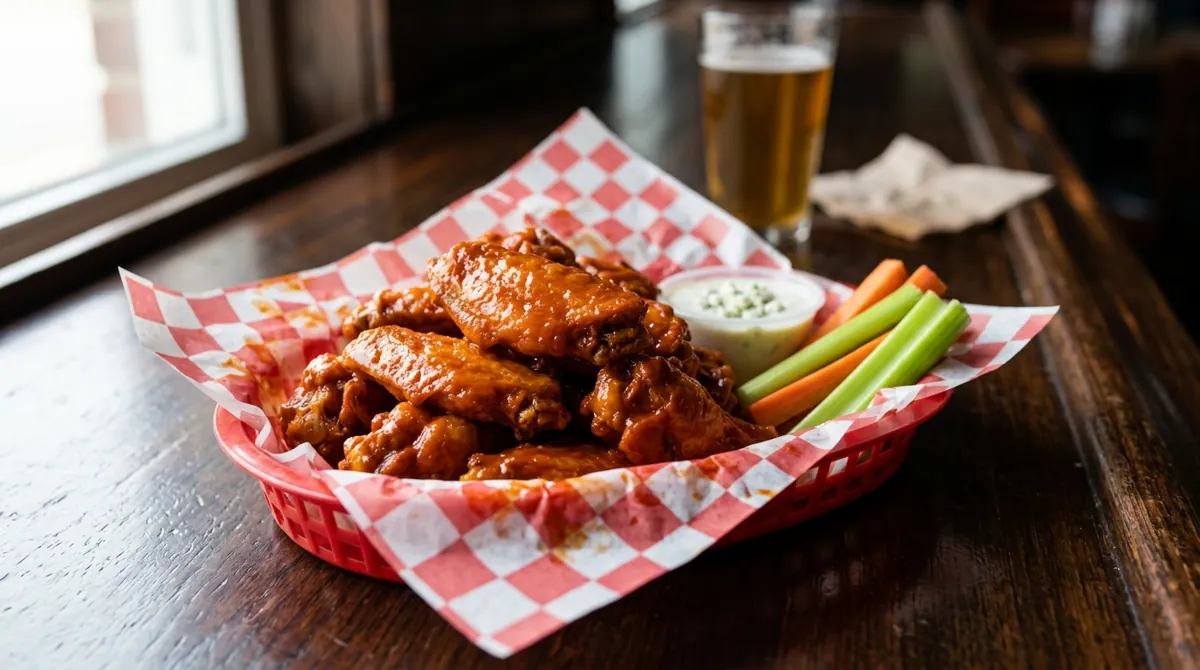
Buffalo Wings (Anchor Bar Style)
Unbreaded wings fried crisp and tossed in a buttery cayenne pepper sauce, served with celery, carrots and a chunky blue cheese dressing, the way Buffalo's Anchor Bar made them famous.
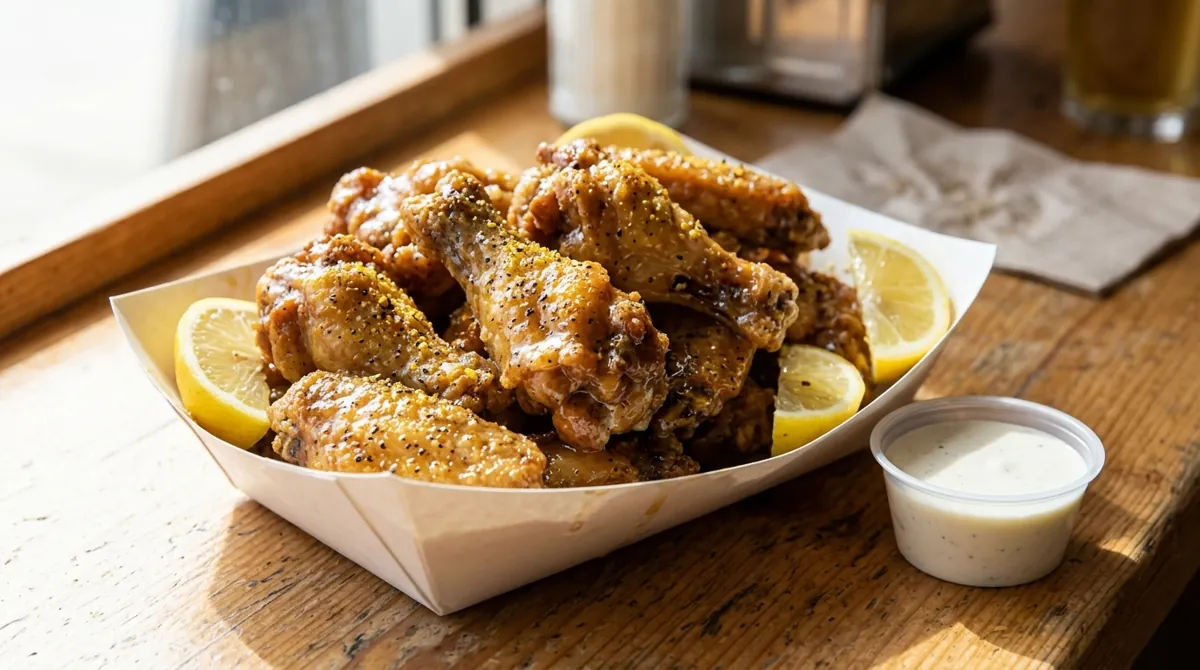
Atlanta Lemon Pepper Wet Wings
Crisp fried wings tossed in melted butter with a little hot sauce, lemon and honey, then showered with a homemade lemon pepper seasoning: Atlanta's favorite way to order wings.
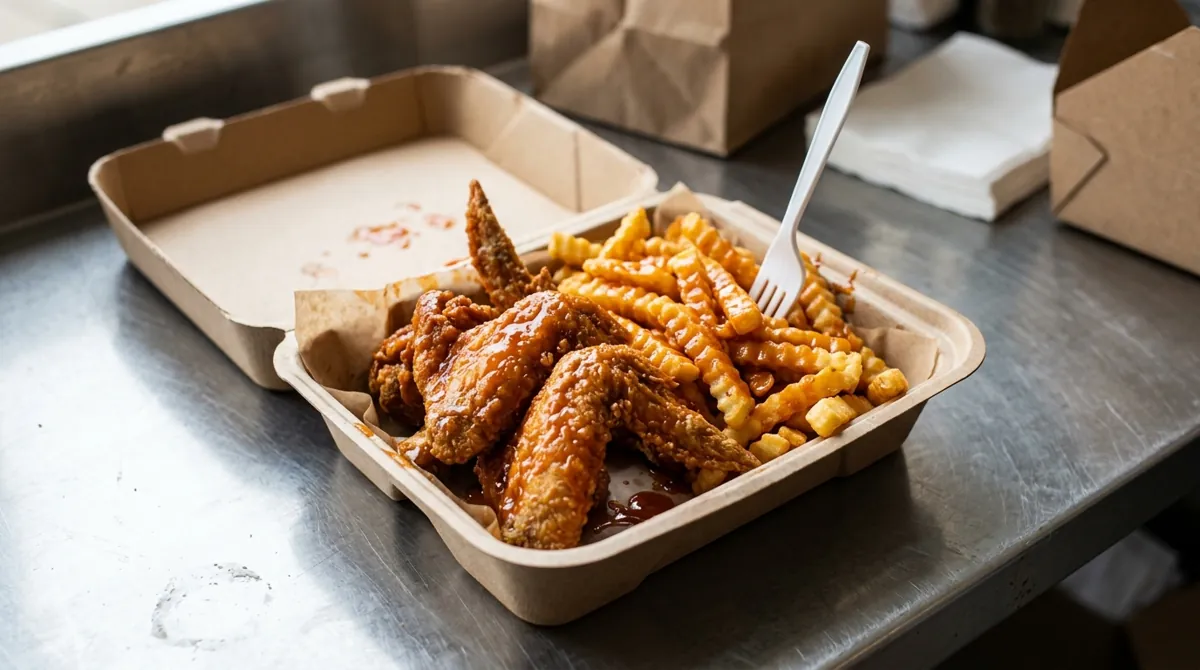
DC Carryout Wings with Mambo Sauce
Whole wings dredged in seasoned flour and fried hard, then drenched in mambo sauce, the sweet, tangy, red carryout sauce Washington calls its own.
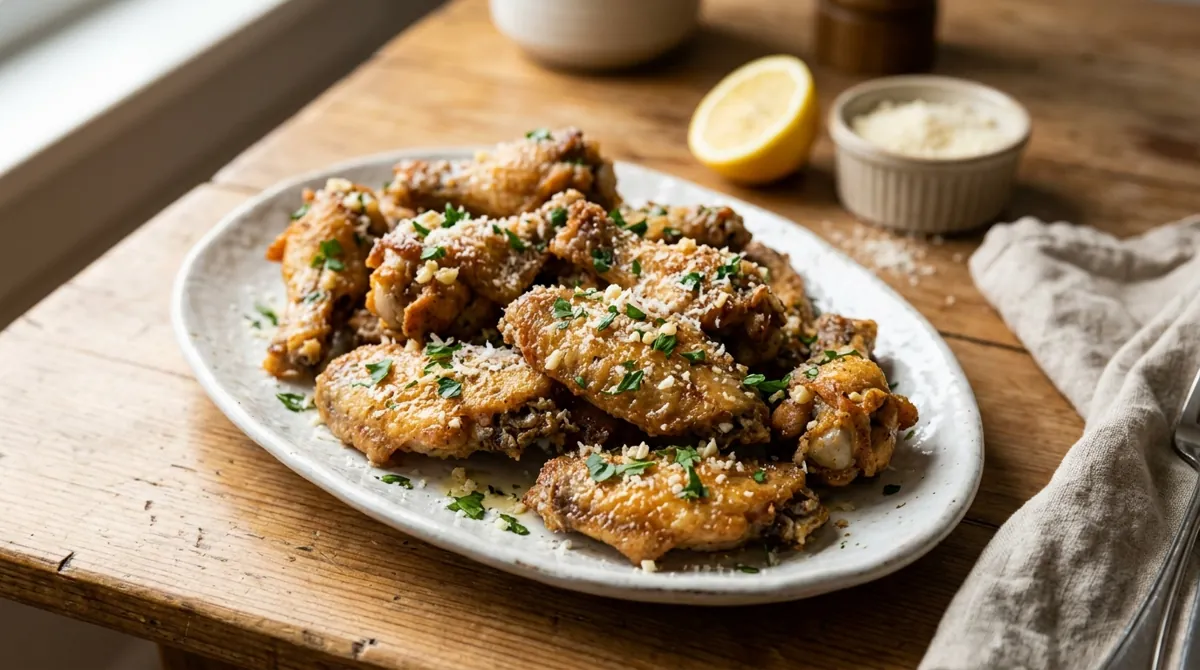
Garlic Parmesan Wings
Oven-baked wings with crackly skin, tossed in melted butter with fresh garlic, Parmesan and parsley and run under the broiler: the no-heat wing found on many American wing menus.
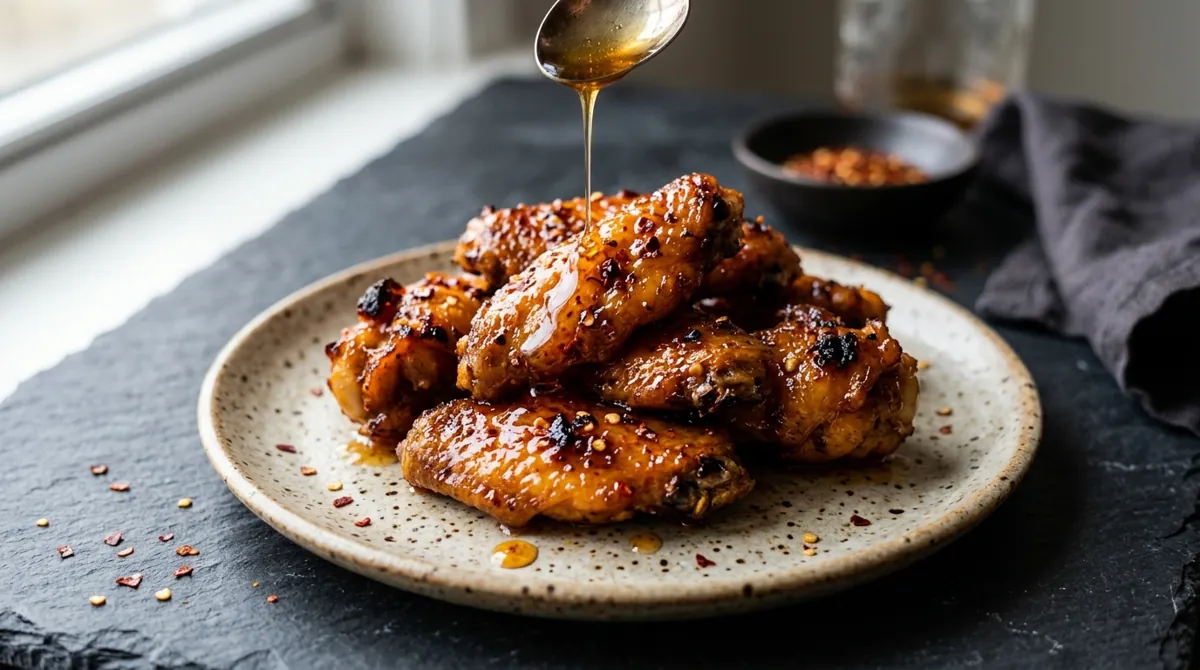
Hot Honey Wings
Wings in a light seasoned-flour coat, fried crisp and tossed in melted butter, chili-infused honey, cider vinegar and red pepper flakes: sweet first, heat second.
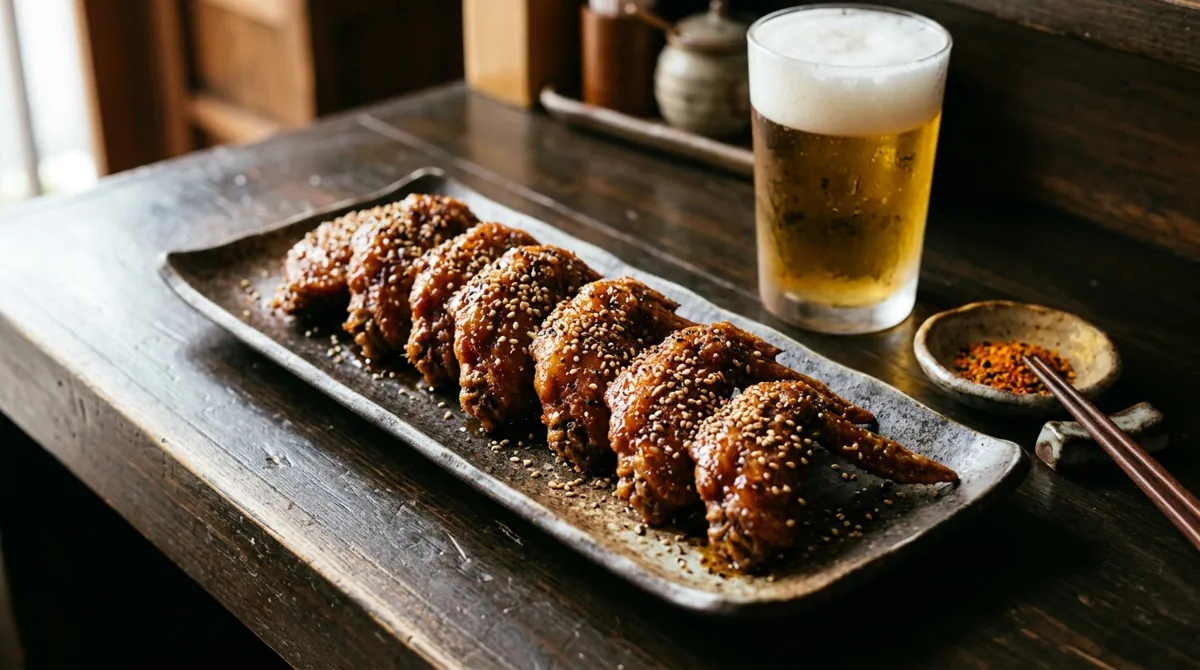
Nagoya Tebasaki (Sweet Soy Chicken Wings)
Wings dusted in potato starch, fried twice, coated in a sweet soy, mirin, garlic and ginger glaze and finished with sesame seeds and pepper, the bar snack Nagoya is famous for.
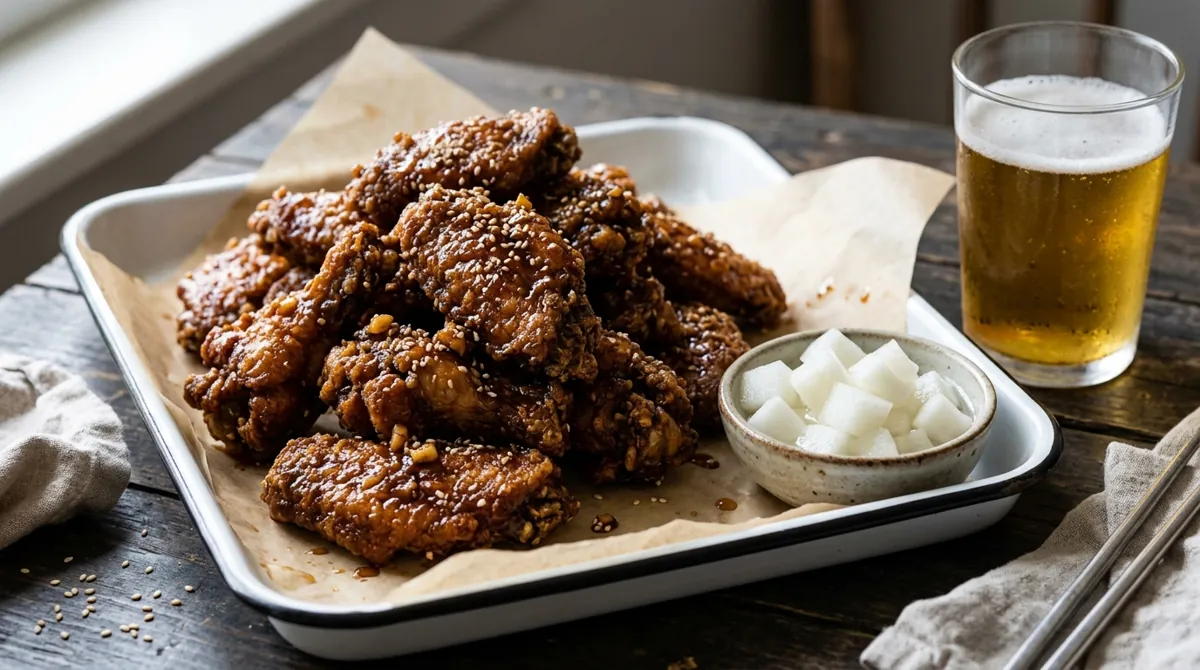
Korean Soy Garlic Wings (Double Fried)
Wings dusted in cornstarch, dipped in a thin, crackly batter and fried twice, then brushed with a glossy glaze of soy sauce, garlic, ginger, brown sugar and honey: Korean fried chicken that isn't red.
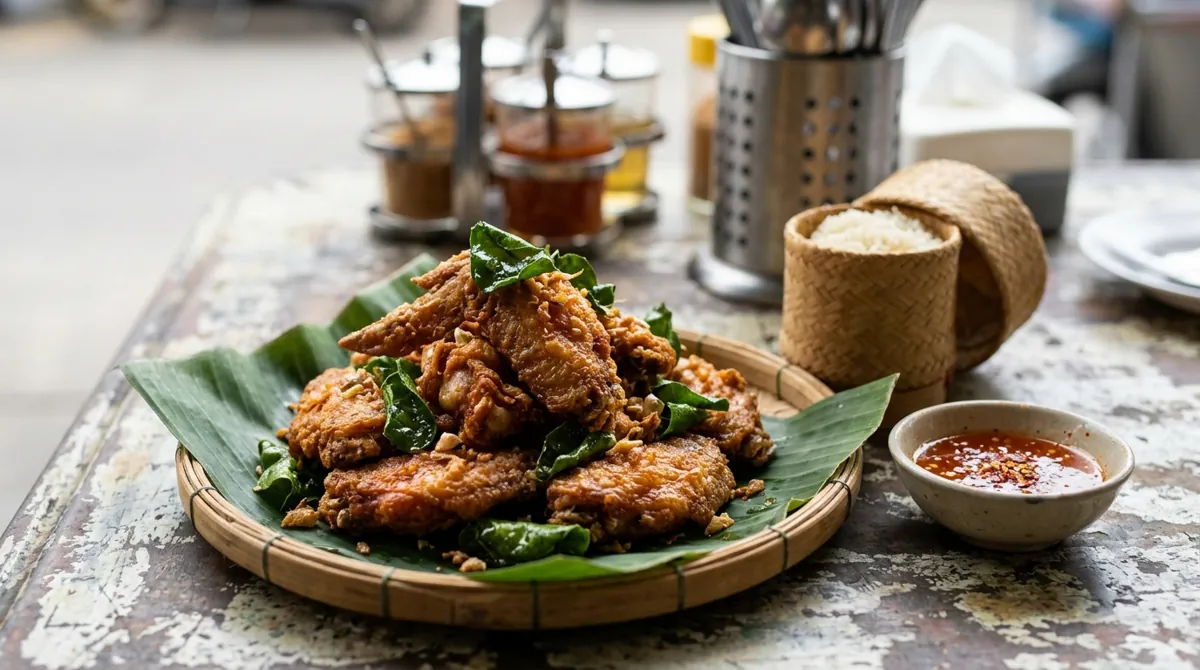
Thai Fried Chicken Wings (Peek Gai Tod)
Wings rubbed with a pounded paste of garlic, coriander root, white pepper and soy sauce, dusted with flour, fried golden and served with crisp fried lime leaves and sweet chili sauce.
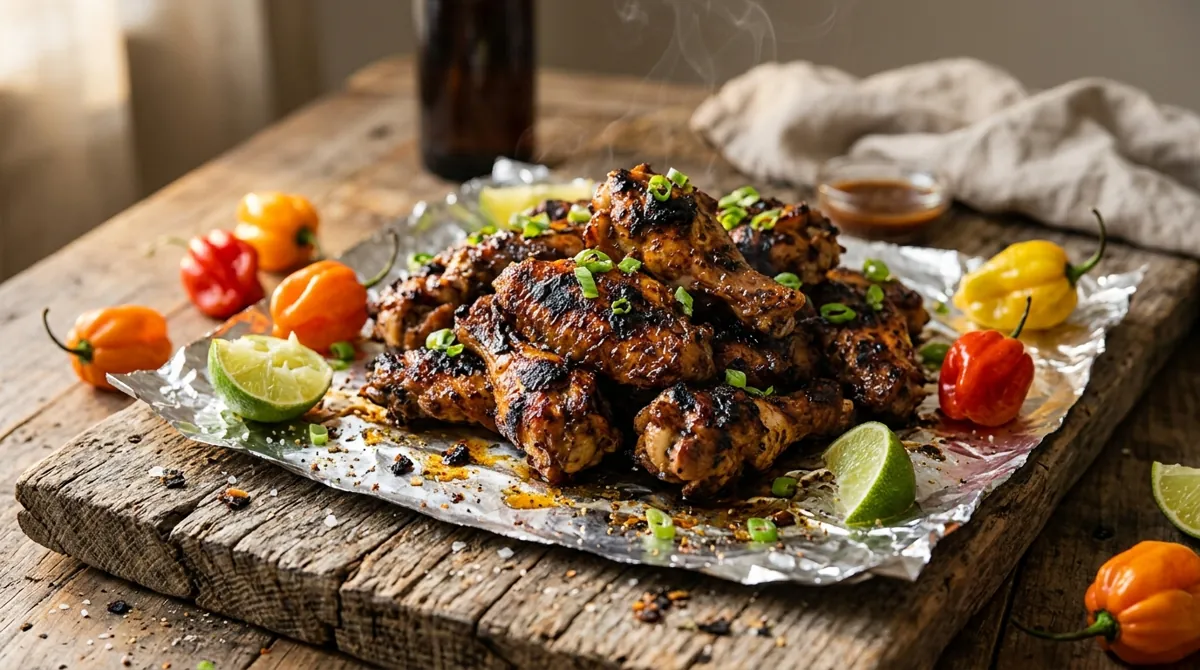
Jamaican Jerk Wings
Wings marinated in a blended paste of scallions, Scotch bonnet, thyme, garlic, allspice and soy, grilled slowly on the cool side, then brushed with fresh paste and charred over the fire.
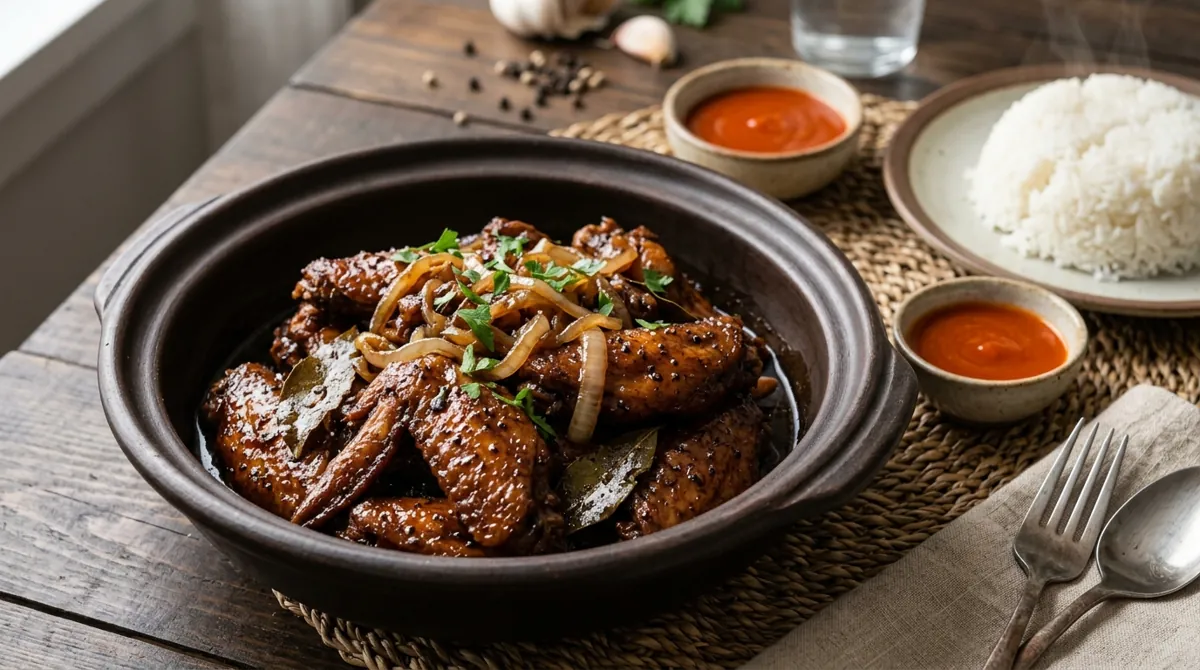
Filipino Adobo Chicken Wings
Wings marinated and simmered in vinegar, soy sauce, garlic, black pepper and bay leaves, then tossed in the cooking liquid boiled down to a glaze with onions and served with sweet homemade banana ketchup.
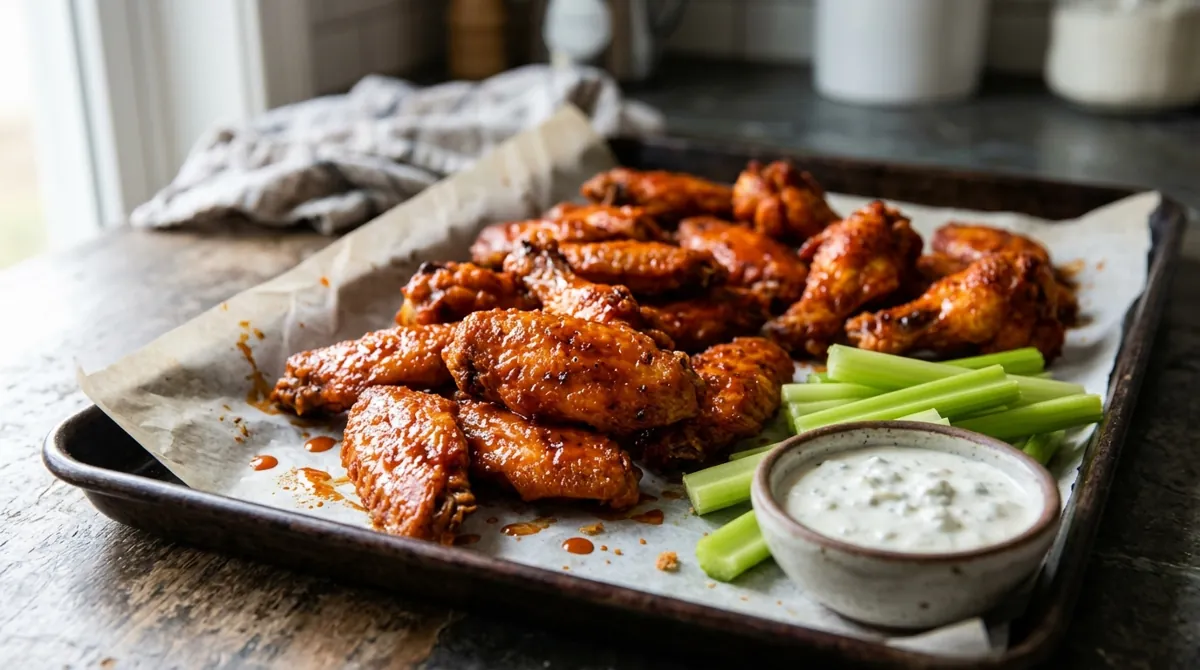
Crispy Baked Buffalo Wings (Baking Powder Method)
No fryer and no fuss: wings tossed with baking powder and salt, roasted on a rack in a very hot oven, broiled for extra crunch and tossed in a quick hot sauce, butter and molasses sauce.
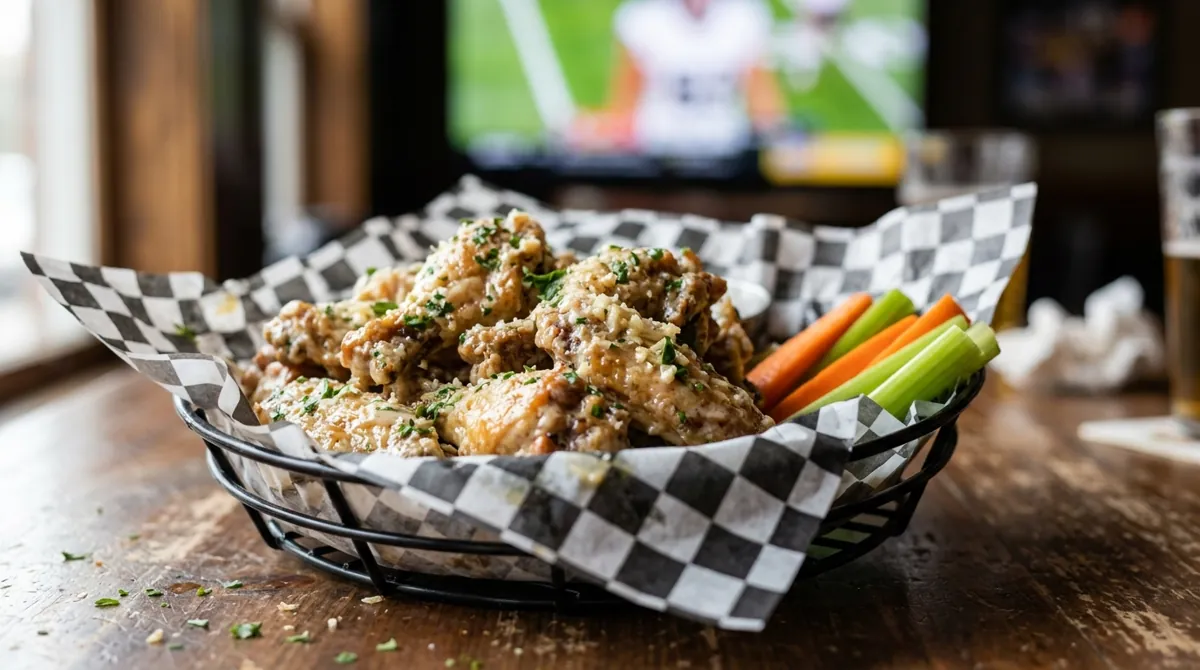
Creamy Parmesan Garlic Wings, Inspired by Buffalo Wild Wings
Inspired by, not official: plain fried wings tossed in a creamy sauce of roasted garlic, mayonnaise, Parmesan, lemon and dried herbs, in the style of the sports-bar chain's Parmesan Garlic flavor.
Meatballs of the World

Italian-American Meatballs
Big, tender meatballs braised for an hour in red sauce over spaghetti. The one most Americans grew up with.

Pallottine (Abruzzo Meatballs)
Tiny meatballs, smaller than a marble, tossed right through square spaghetti alla chitarra. No bread at all.

Swedish Meatballs (Köttbullar)
Small, soft meatballs browned in butter, in a cream sauce made from the same pan, with lingonberry jam on the plate.

Danish Frikadeller
Pork meatballs shaped with a spoon and fried slowly in butter, crusty outside and soft in the middle.

Königsberger Klopse
German meatballs that are never fried: poached, then served in a creamy white sauce with capers.

Spanish Albóndigas in Almond Saffron Sauce
The tapas bar classic: small meatballs in a golden sauce thickened with fried almonds and bread.

Mexican Albóndigas with Chipotle and Mint
Soft meatballs with rice and fresh mint inside, simmered in a smoky tomato and chipotle broth.

Izgara Köfte (Turkish Grilled Meatballs)
Small, flat meatballs kneaded hard, rested cold, and charred on a hot grill pan.

Lion's Head Meatballs
Big, soft pork meatballs, stirred into a sticky paste, fried to set, then braised in a savory sauce.

Chicken Tsukune
Japan's chicken meatball: kneaded sticky, grilled on skewers, glazed with sweet soy tare, dipped in egg yolk.