
Frosted Sugared Cranberries, Inspired by Ashley Markle Treats
Fresh cranberries soaked in a cooled sugar syrup, rolled in sugar and left to dry until they sparkle like frost, tart and crunchy with a sweet crust, for snacking, cocktails and holiday desserts.
🍳Cook alongOne move at a time, with real timers
 Edited by JP Lambiase
Change the estimate
Swaps change the price only: cook any meat to its own safe temperature. Where these numbers come from
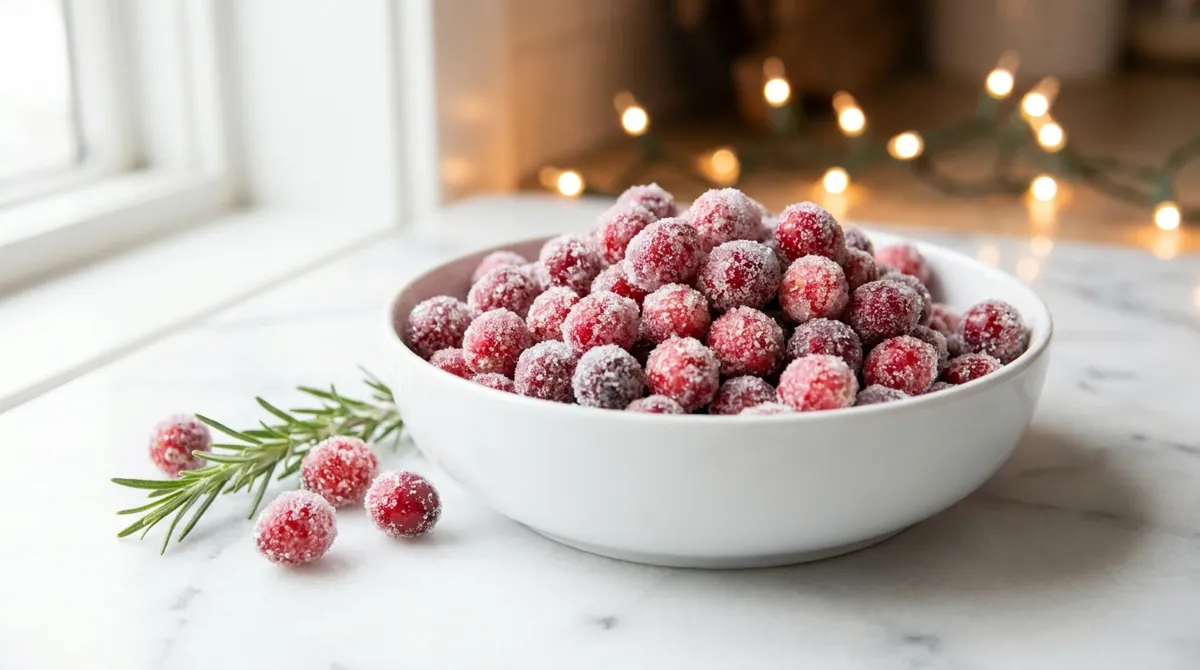
Cranberries are a native North American fruit. Massachusetts Cranberries, the Cape Cod Cranberry Growers' Association, says the berry is native only to North America, that the Wampanoag people of southeastern Massachusetts have harvested wild cranberries for about 12,000 years, and that Captain Henry Hall, a Revolutionary War veteran, first grew them commercially in 1816 in Dennis, Massachusetts. Wikipedia dates his first cultivation to around 1816 and notes that the American cranberry grows across Canada and the eastern United States (Wikipedia:).
Cranberries are harvested in the fall, mostly from September through early November, and cranberry sauce is the classic side for turkey at Thanksgiving and Christmas in the U.S. and Canada. About 95% of the crop is made into juice, sauce and similar products, so fresh berries in the produce aisle are a short seasonal treat (Wikipedia, Cranberry). That is the moment for sugared cranberries.
Coating fruit in sugar is an old confectionery idea. Wikipedia says the process of candying fruit has been used since the 14th century (Wikipedia:), and its article on comfits describes sugar-coated sweets, citing a late medieval English recipe in British Library manuscript Harley 2378, from the late 14th to the 15th century (Wikipedia:). We could not find a reliable source for when sugared cranberries themselves became a holiday habit, so we do not give a date. The modern version is simple: raw berries, a sugar syrup and a roll in sugar, so the tart fruit stays tart under a sweet, crunchy shell.
Ashley Markle Treats' Short drew more than 300,000 views in its first day in November 2026. You can watch her version above. This page is our own take, built from the standard technique for sugared cranberries: a cooled syrup, a good drain and a patient dry.
Watch Ashley Markle Treats's original video
Ashley Markle Treats on YouTube
Americanized is not affiliated with or endorsed by Ashley Markle Treats. Our recipe is written independently; watch their original video above.
Why it works the kitchen science
A cool syrup
Berries that never touch hot liquid keep their skins and their crunch, instead of softening and popping, and the sticky film left by the syrup gives the sugar something to cling to.
Draining, then drying
Letting the syrup drain off before rolling and letting the coated berries dry afterward turns the wet film into a thin, dry sugar shell, so the berries sparkle instead of looking damp.
🧰 You'll need 7 items
Everything the steps call for. Tick off what you have before you start.
Pans and pots
Tools
Supplies
Step by step
- Step 1
Make the syrup: stir the 1 cup sugar and the water in a small saucepan over medium heat 3 to 4 minutes, until the sugar is fully dissolved and the liquid is clear. Do not let it boil; take it off the heat the moment it is clear. Pour it into a bowl and cool to room temperature, about 45 minutes. It should feel cool, not warm, on the inside of your wrist.
- Step 2
Stir the cranberries into the cooled syrup, making sure they are all covered. Let them soak 1 hour at room temperature, stirring once or twice. For a deeper sweet coat you can cover the bowl and refrigerate up to overnight.
- Step 3
Set a wire rack over a baking sheet or line the sheet with parchment. Lift the berries out with a slotted spoon, shaking off the extra syrup, and spread them in a single layer. Let them drain 10 minutes, until they are tacky and not dripping.
- Step 4
Pour the 3/4 cup granulated sugar into a wide bowl. Roll the berries in it in 2 or 3 batches, shaking the bowl gently until each one is coated.
- Step 5
Move the coated berries to a clean parchment-lined sheet, in a single layer and not touching. Let them dry at room temperature, uncovered, 1 hour, until the coating is dry, crisp and sparkly.
- Step 6
For an extra-frosty look, after 15 minutes of drying, when the first coat has set but is still slightly tacky, roll the berries once more in the 1/4 cup superfine sugar, then finish the 1 hour of drying.
- Step 7
Serve the same day. Pile them on a cheese board or in a bowl, drop a few into sparkling wine or a cocktail, or scatter them over a cake, cheesecake, pavlova or a pan of brownies.
Frosted Sugared Cranberries, Inspired by Ashley Markle Treats
Serves 8 (about 1/3 cup each) · about 3 cups · 3 hr 10 min total
Syrup
- 1 cup (200 g) granulated sugar
- 1 cup (240 g) water
Berries
- 12 oz (340 g, about 3 cups) fresh cranberries, rinsed, with any soft or shriveled ones removed
To roll
- 3/4 cup (150 g) granulated sugar
- 1/4 cup (50 g) superfine sugar, for the optional second roll
Equipment: Rimmed baking sheet, Wire rack, Small saucepan, Measuring cups and spoons, Mixing bowls, Slotted spoon or spider, Parchment paper
Method
- Make the syrup: stir the 1 cup sugar and the water in a small saucepan over medium heat 3 to 4 minutes, until the sugar is fully dissolved and the liquid is clear. Do not let it boil; take it off the heat the moment it is clear. Pour it into a bowl and cool to room temperature, about 45 minutes. It should feel cool, not warm, on the inside of your wrist.
- Stir the cranberries into the cooled syrup, making sure they are all covered. Let them soak 1 hour at room temperature, stirring once or twice. For a deeper sweet coat you can cover the bowl and refrigerate up to overnight.
- Set a wire rack over a baking sheet or line the sheet with parchment. Lift the berries out with a slotted spoon, shaking off the extra syrup, and spread them in a single layer. Let them drain 10 minutes, until they are tacky and not dripping.
- Pour the 3/4 cup granulated sugar into a wide bowl. Roll the berries in it in 2 or 3 batches, shaking the bowl gently until each one is coated.
- Move the coated berries to a clean parchment-lined sheet, in a single layer and not touching. Let them dry at room temperature, uncovered, 1 hour, until the coating is dry, crisp and sparkly.
- For an extra-frosty look, after 15 minutes of drying, when the first coat has set but is still slightly tacky, roll the berries once more in the 1/4 cup superfine sugar, then finish the 1 hour of drying.
- Serve the same day. Pile them on a cheese board or in a bowl, drop a few into sparkling wine or a cocktail, or scatter them over a cake, cheesecake, pavlova or a pan of brownies.
Our own recipe, written from general technique for sugar-coated fruit. We cross-checked the basic method against America's Test Kitchen's "Sugared Cranberries", which dissolves sugar in water, cools the berries in the syrup, drains them, rolls them in sugar and dries them about 1 hour. It is not Ashley Markle Treats' recipe. Our syrup is cooled completely before the berries go in, the amounts of sugar and water, the soaking time, the optional second roll in superfine sugar and every time are ours.
Tips
- Keep them at room temperature, not in the refrigerator. This is our tip: the cold, damp air of a refrigerator can make the sugar shell dissolve and look wet, and sources disagree on it (see the arguments below). America's Test Kitchen keeps the finished berries at room temperature, uncovered, up to 24 hours.
- They are at their best the day you make them. If you must cover them, sprinkle in a little extra sugar first to soak up moisture (America's Test Kitchen's advice), and re-roll in fresh sugar if they look wet.
- Frozen cranberries work too: America's Test Kitchen's recipe uses them frozen. Add them straight to the cooled syrup.
- Do not throw away the syrup. Strain it, refrigerate it and use it within 2 days to sweeten tea, sparkling water or cocktails.
- Fresh cranberries are very tart. The coating is sweet and the center is not, so the berries taste best in small handfuls, with a cheese board, or on a dessert.
The rules people argue about
What the sources agree on, what they don't, and what is just a good story.
- Never boil the syrup, or the berries burst. Disputed: America's Test Kitchen dissolves the sugar over medium heat to a bare simmer, then takes the pot off the heat and lets the berries cool in it, while many recipe sites simmer the berries briefly in the syrup. Ours is cooled completely, which is the safest way to keep the skins whole.
- Store sugared cranberries in the refrigerator. Disputed: America's Test Kitchen keeps them at room temperature, uncovered, up to 24 hours, and several other recipe sites say the fridge makes them weep, but a few others allow the fridge for up to 3 days. We say room temperature.
- A second roll in superfine sugar makes a frostier coat. Folklore: cooks often say so, and superfine sugar is finer and sticks in a thinner layer, but we found no test. We call it a choice, not a rule.
- Cranberries are a native North American fruit. Documented: Massachusetts Cranberries says they are native only to North America, and Wikipedia says they grow across Canada and the eastern U.S.
- Cranberry sauce is the Thanksgiving side. Documented: Wikipedia says it traditionally goes with turkey at Thanksgiving and Christmas in the U.S. and Canada.
- Sugared cranberries are an old tradition. Folklore: sugar-coating fruit is old (Wikipedia on candied fruit and comfits), but we found no reliable date for the cranberry version.
More viral recipes
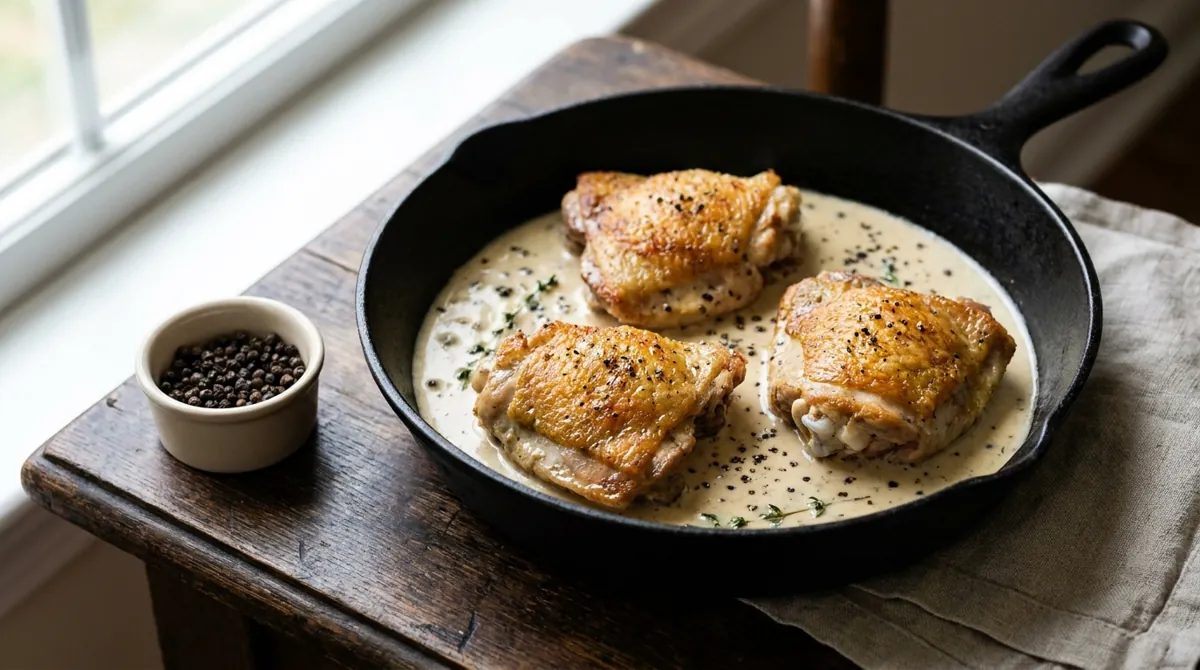
Chicken au Poivre, Inspired by Coco Larkin Cooks
Bone-in chicken thighs seared until the skin is crisp, then served in the classic bistro pan sauce: coarsely crushed black peppercorns, shallot, a splash of brandy, stock, cream and a spoonful of Dijon.
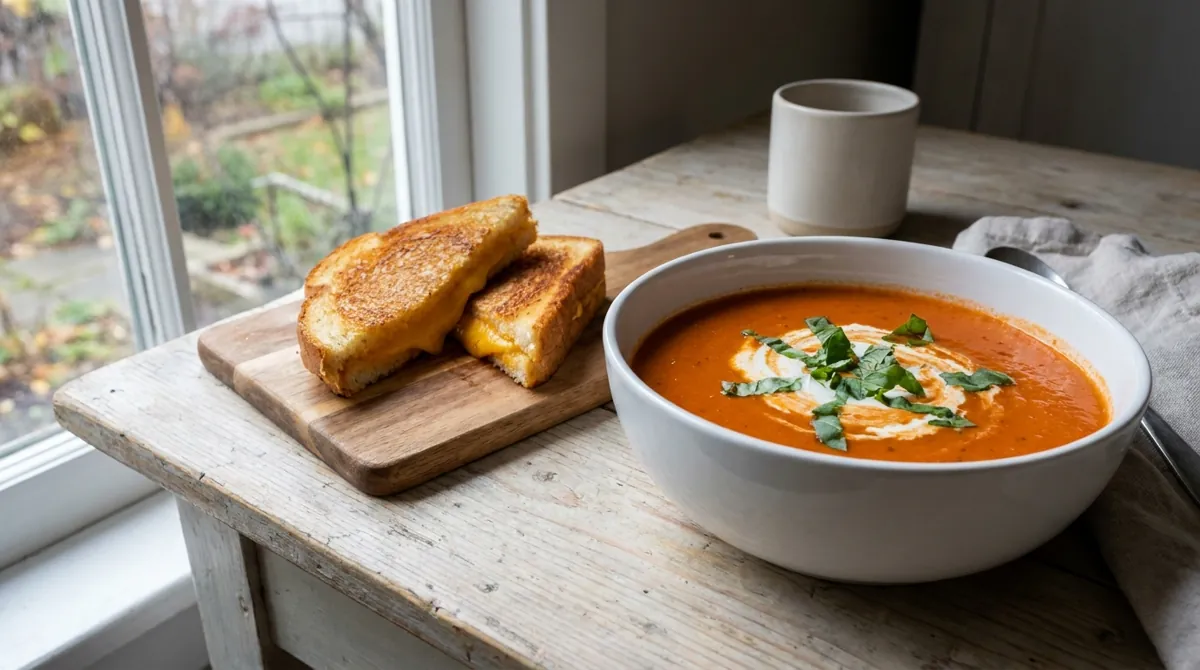
Creamy Tomato Soup, Inspired by Hamish Cooks Stuff
A classic stovetop tomato soup from canned whole tomatoes, onion, garlic, butter and a little tomato paste, simmered in stock, blended smooth and finished with a splash of cream, with grilled cheese for dunking.
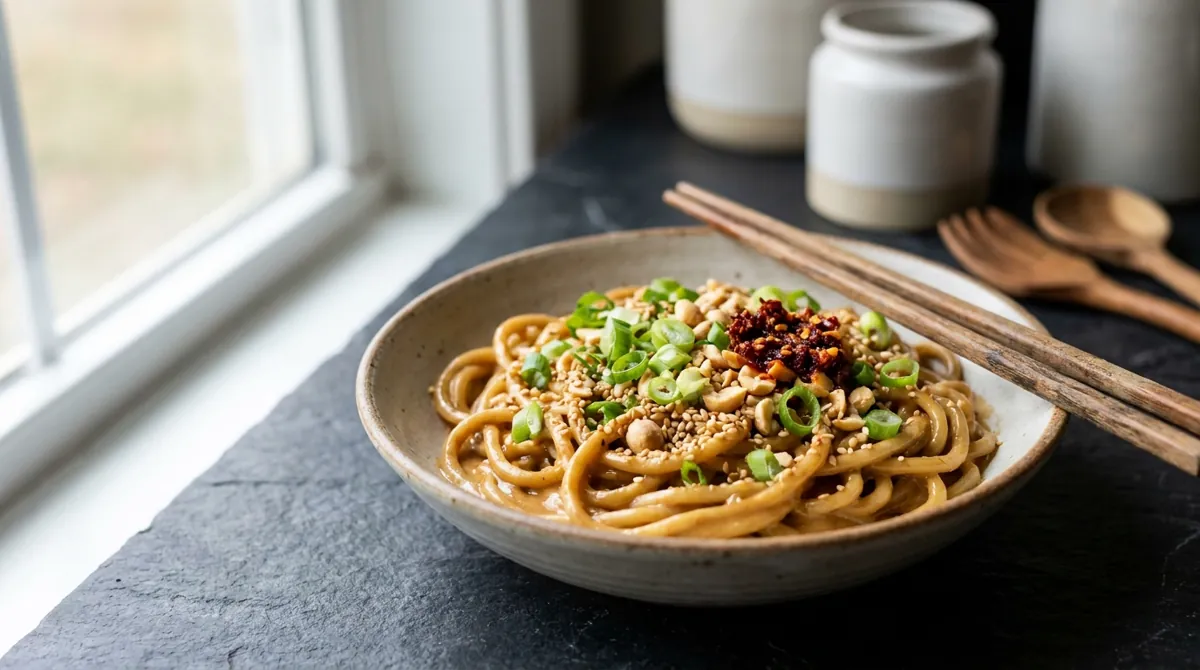
Peanut Noodles, Inspired by howiener
The cold sesame-peanut noodles of New York Chinese takeout: chewy noodles tossed in a creamy peanut, soy and sesame-oil sauce, loosened with warm water and topped with scallions, chopped peanuts and sesame seeds.
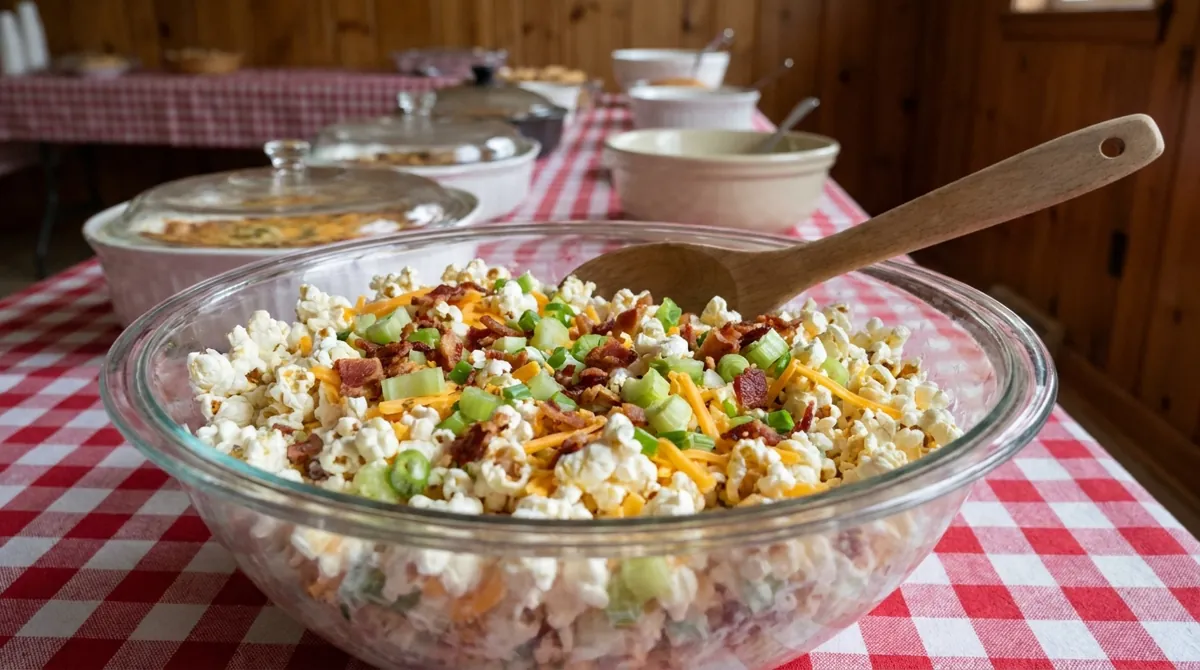
Popcorn Salad, Inspired by Wick'd Confections
The potluck salad that makes people ask "wait, popcorn?": fresh plain popcorn tossed at the last minute with a creamy mayonnaise dressing, crisp bacon, celery, sharp cheddar and green onion.
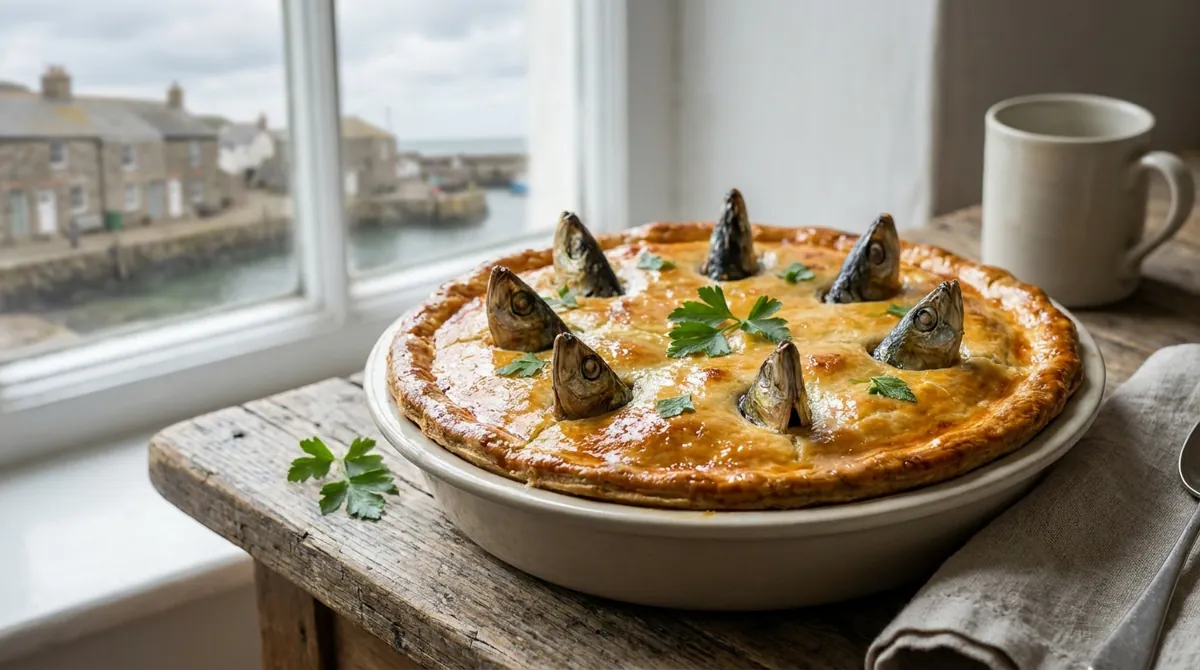
Stargazy Pie, Inspired by Tinned Fish Reviews
The famous Cornish fish pie with whole sardines whose heads poke up through the crust, over a creamy filling of white fish, bacon, onion and hard-boiled egg in a mustard and parsley sauce, baked under a buttery shortcrust lid.
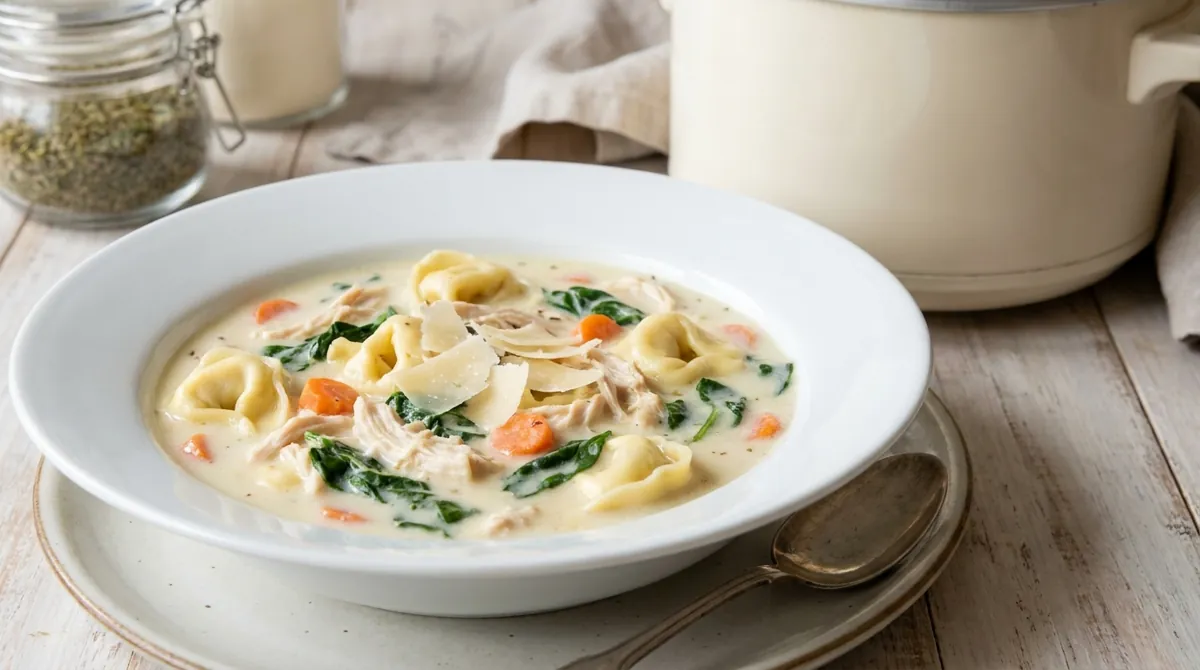
Slow Cooker Chicken Alfredo Tortellini Soup, Inspired by itsmeghankay
A creamy Alfredo-style chicken soup: chicken breasts cooked slowly in a vegetable broth until they shred, then finished with cream cheese, cream, Parmesan, cheese tortellini and baby spinach.
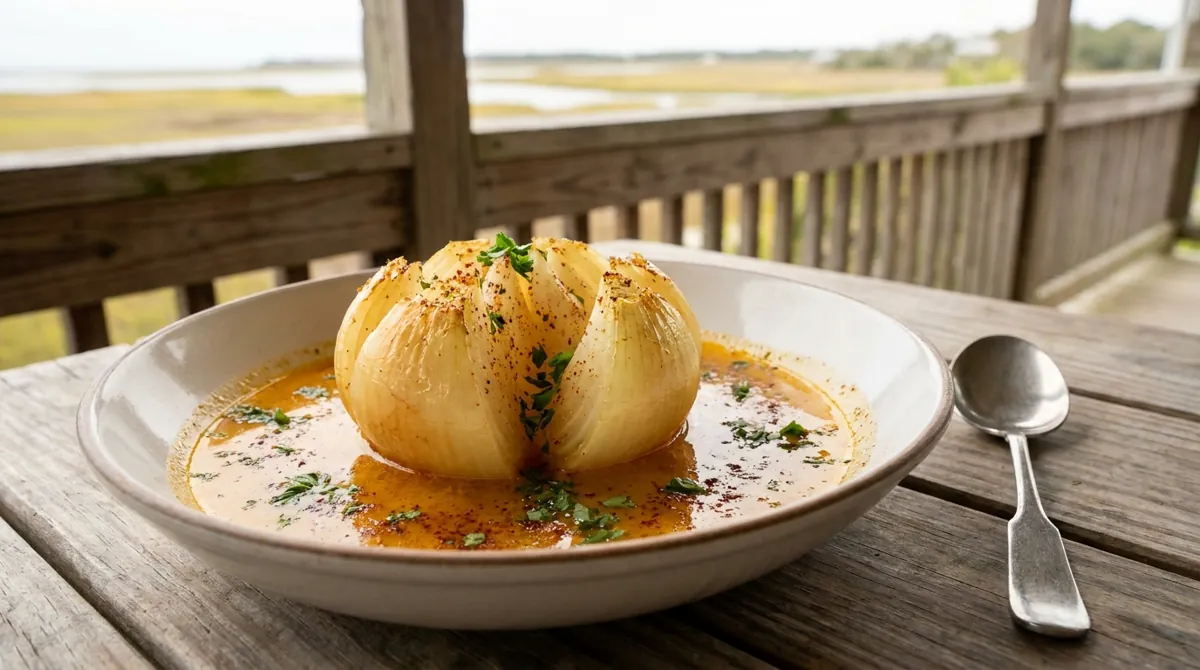
Onion Boil, Inspired by gracekellyanneats
Whole onions cut in a cross and simmered until tender in a garlicky butter broth seasoned like a seafood boil, then served in bowls with the reduced broth spooned over the top.
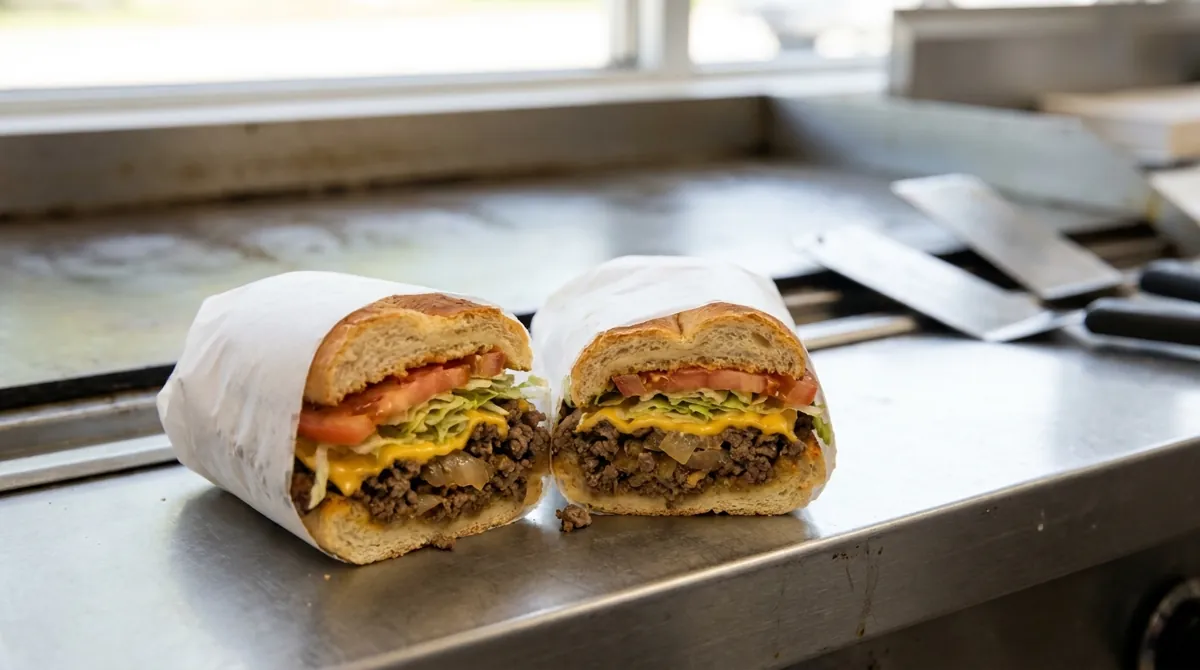
Chopped Cheese, Inspired by bigmcooking
The New York bodega sandwich: ground beef and onion cooked on a hot griddle, chopped together with a metal spatula, melted under American cheese and piled onto a toasted hero roll with lettuce, tomato and mayonnaise.
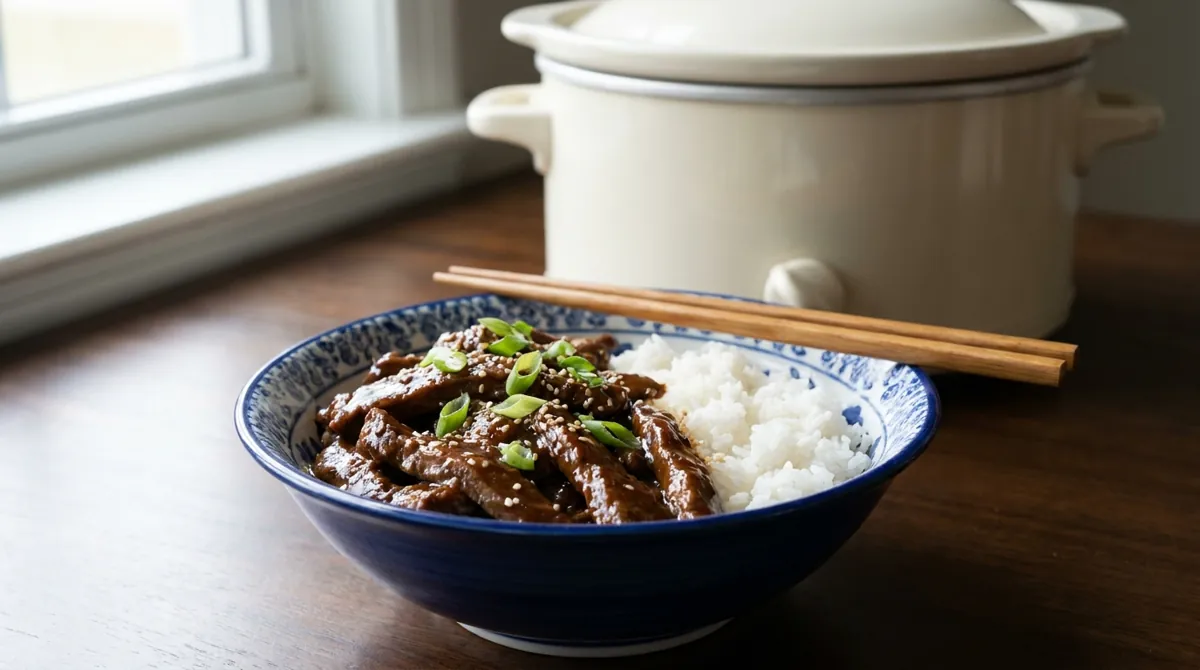
Slow Cooker Mongolian Beef, Inspired by twincitiesmama
Thin strips of flank steak simmered low and slow in a sweet, savory sauce of soy sauce, brown sugar, garlic and ginger, thickened at the end until it clings to every strip, then served over rice.
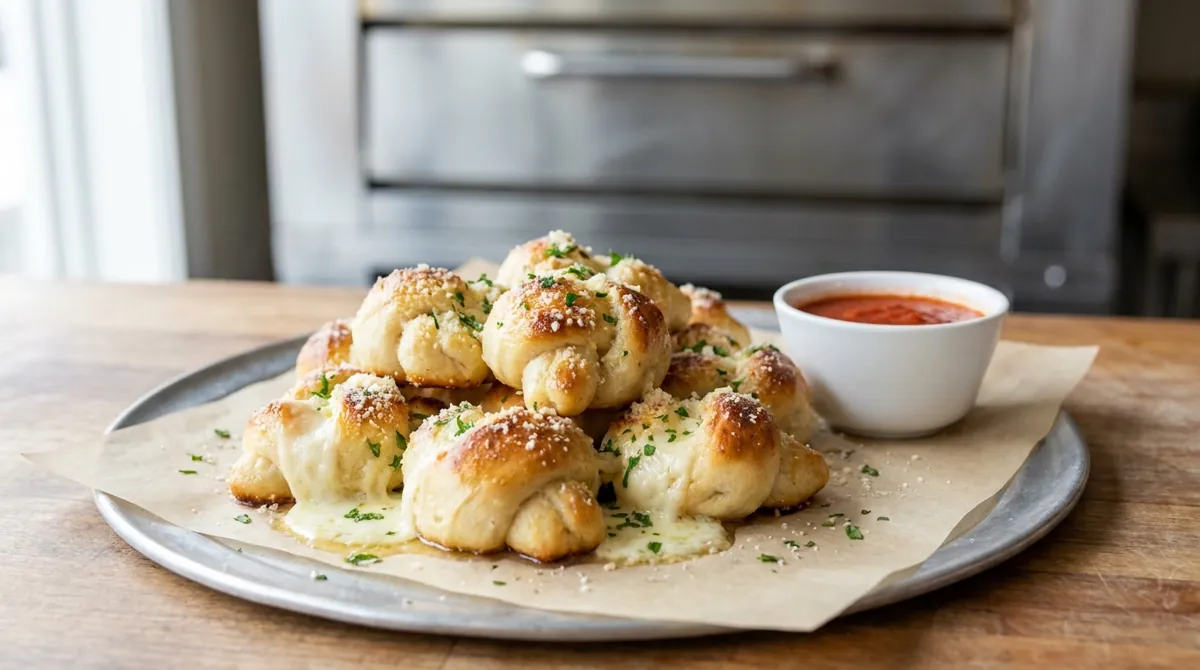
Cheesy Garlic Knots, Inspired by elizabeth_wu
Soft, chewy yeast dough tied into knots, baked until golden, then brushed with garlic butter and finished with melted mozzarella and Parmesan: the pizza-shop side dish you eat while waiting for the pie.
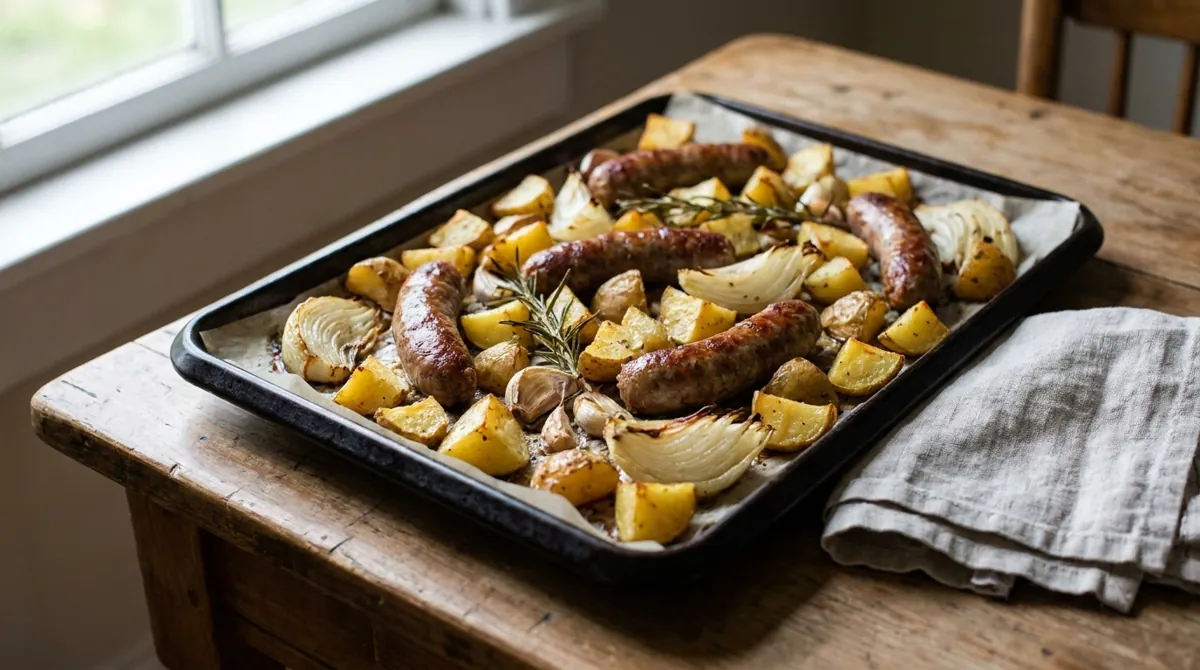
Crispy Italian Sausage and Potatoes, Inspired by giovannisiracusaa
Italian sausage links and 1-inch potato pieces roasted together on one hot pan with onion, garlic and rosemary until the potatoes are crisp at the edges and the sausage is browned and cooked through.
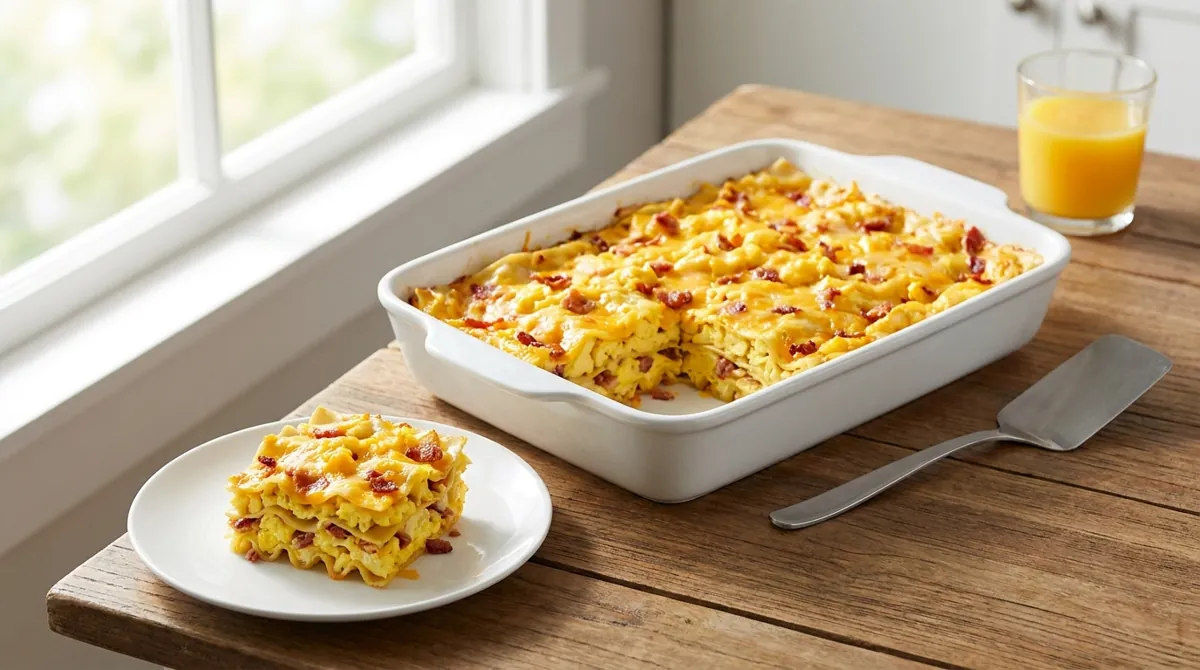
Breakfast Lasagna, Inspired by Micah Stewart
A brunch casserole built like a lasagna: layers of tender noodles, crisp bacon and onion, soft scrambled eggs and a sharp cheddar cream sauce, baked until bubbling and cut into squares.
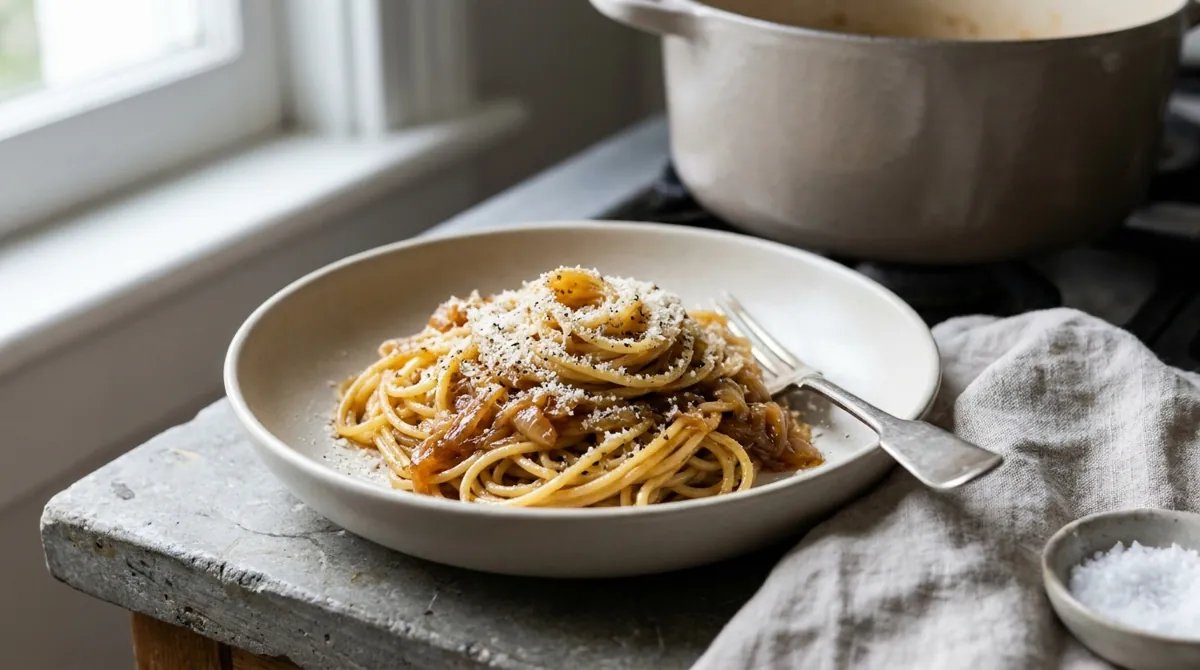
Caramelized Onion Pasta, Inspired by Low Carb Love
Spaghetti tossed in a glossy sauce of slowly browned onions, chicken stock, a little butter and a handful of grated Parmesan: a simple pasta with one slow, patient step.
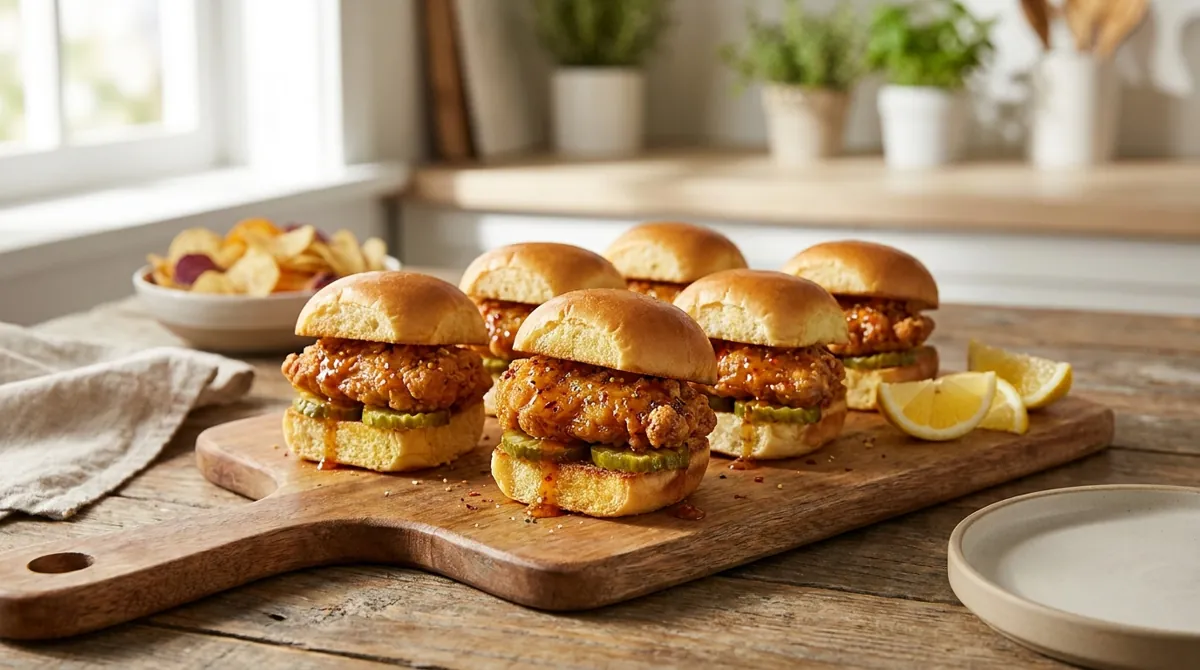
Hot Honey Lemon Pepper Chicken Sliders, Inspired by prestigecooking
Crisp pan-fried chicken thighs on soft toasted slider rolls, tossed in lemon pepper butter and drizzled with chile-spiked honey, with lemony mayonnaise and pickle chips: a game-day tray of twelve.
Meatballs of the World

Italian-American Meatballs
Big, tender meatballs braised for an hour in red sauce over spaghetti. The one most Americans grew up with.

Pallottine (Abruzzo Meatballs)
Tiny meatballs, smaller than a marble, tossed right through square spaghetti alla chitarra. No bread at all.

Swedish Meatballs (Köttbullar)
Small, soft meatballs browned in butter, in a cream sauce made from the same pan, with lingonberry jam on the plate.

Danish Frikadeller
Pork meatballs shaped with a spoon and fried slowly in butter, crusty outside and soft in the middle.

Königsberger Klopse
German meatballs that are never fried: poached, then served in a creamy white sauce with capers.

Spanish Albóndigas in Almond Saffron Sauce
The tapas bar classic: small meatballs in a golden sauce thickened with fried almonds and bread.

Mexican Albóndigas with Chipotle and Mint
Soft meatballs with rice and fresh mint inside, simmered in a smoky tomato and chipotle broth.

Izgara Köfte (Turkish Grilled Meatballs)
Small, flat meatballs kneaded hard, rested cold, and charred on a hot grill pan.

Lion's Head Meatballs
Big, soft pork meatballs, stirred into a sticky paste, fried to set, then braised in a savory sauce.

Chicken Tsukune
Japan's chicken meatball: kneaded sticky, grilled on skewers, glazed with sweet soy tare, dipped in egg yolk.