
Onion Boil, Inspired by gracekellyanneats
Whole onions cut in a cross and simmered until tender in a garlicky butter broth seasoned like a seafood boil, then served in bowls with the reduced broth spooned over the top.
🍳Cook alongOne move at a time, with real timers
 Edited by JP Lambiase
Change the estimate
Swaps change the price only: cook any meat to its own safe temperature. Where these numbers come from
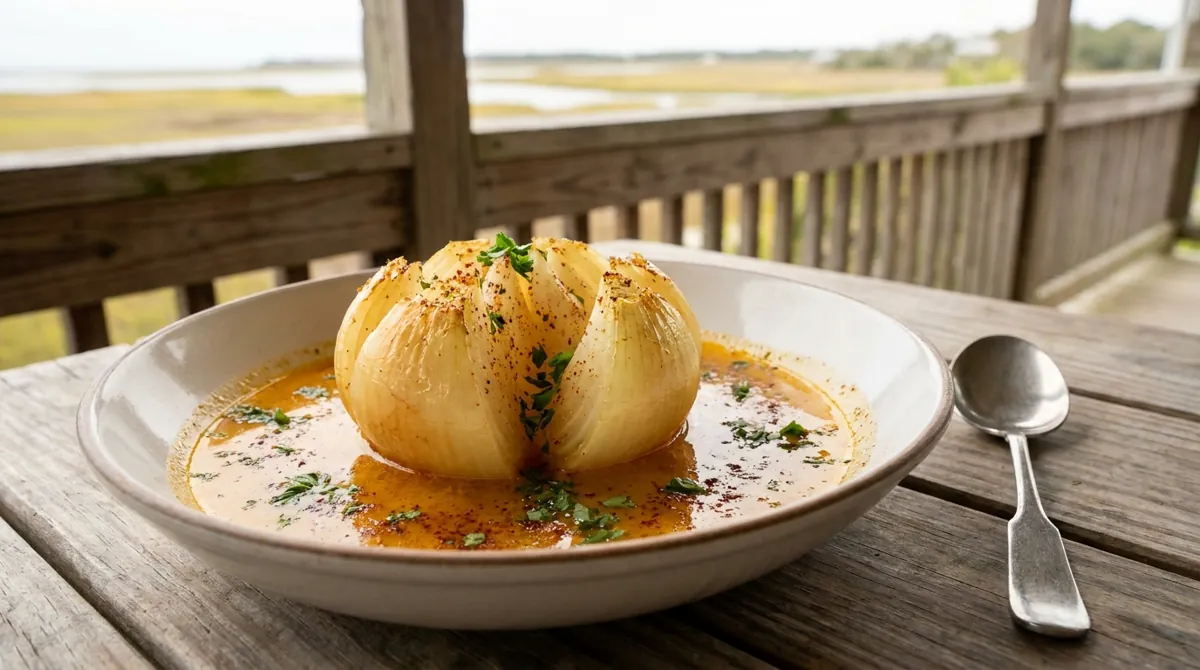
An onion boil takes the seasoning and the cooking method of a seafood boil and leaves out the seafood. Whole onions simmer in a broth of butter, garlic, lemon and boil-style spices until they go soft and sweet, and the broth that is left becomes the sauce. We could not find a history of a boil made only of onions, so we do not claim one. What we can source is the tradition it borrows from.
Seafood boils are a one-pot, feed-a-crowd style of cooking found along the American coasts. Wikipedia's seafood boil article describes the Louisiana version, with food writer Howard Mitcham hosting annual shrimp boils in the 1950s and 1960s, citing his book Creole Gumbo and All That Jazz (2003). It says that ears of corn, new potatoes, onions and heads of garlic are usually included in shrimp and crawfish boils (Wikipedia:). In South Carolina's Lowcountry, the same style of boil is called Frogmore stew or a Lowcountry boil. Visit Beaufort, the area's tourism guide, says the name Frogmore stew came in the 1960s from Richard Gay, who owned Gay Fish Company on St. Helena Island, and says the boil was a quick way to feed large gatherings (Visit Beaufort:). A 2024 Chowhound article by Jackson Williams says the dish comes from the Gullah Geechee community, and that the boil is flavored with aromatics like onion (Chowhound:).
In 2026, gracekellyanneats' TikTok of the dish passed 3.5 million views. You can watch their version above. This page is our own take: the boil method (a seasoned liquid held at a simmer) applied to whole onions, with butter in the broth.
Watch gracekellyanneats's original video
Americanized is not affiliated with or endorsed by gracekellyanneats. Our recipe is written independently; watch their original video above.
Why it works the kitchen science
Simmer, don't boil
Onions are mostly layers of water held by thin walls. A gentle simmer softens them evenly, and a hard boil makes the outside fall apart before the inside is tender.
The cross
Cutting the top lets the buttery broth and spices run down between the layers instead of only coating the outside.
Butter, lemon and salt
The butter rounds out the boil spices, and the lemon keeps the broth from tasting flat or heavy. Reducing it at the end turns the cooking liquid into a sauce.
🧰 You'll need 7 items
Everything the steps call for. Tick off what you have before you start.
Pans and pots
Tools
Step by step
- Step 1
Rinse the onions under running water. Peel them, then trim about 1/2 inch off the top (the stem end) so they sit flat. Leave the root end on the bottom, because it holds the layers together. Set each onion cut side up and cut a cross into the top, 3/4 of the way down and not through the root.
- Step 2
Put the water, chicken broth, butter, garlic, lemon juice, squeezed lemon half, bay leaves and all of the seasoning in a 5-quart Dutch oven or wide pot, about 10 inches across. Set it over medium-high heat, stir, and bring to a boil, about 8 minutes.
- Step 3
Lower the onions into the pot, cross side up, in a single layer. The liquid should come about halfway to two-thirds of the way up the sides. If it does not, add a little hot water.
- Step 4
Return to a boil, then lower the heat to medium-low so the liquid holds at a gentle simmer, with small bubbles breaking the surface. A hard boil will split the outer layers before the center is soft. Set the lid on, slightly open. Simmer for 35 minutes. At 15 minutes and again at 25 minutes, spoon some broth over the tops, and turn the onions with tongs so they cook evenly.
- Step 5
Start checking at 30 minutes. The onions are done when a paring knife slides into the center with only slight resistance, the outer layers look translucent, and the cut cross has opened like a flower. If the knife meets firm resistance, simmer 5 more minutes and check again.
- Step 6
Lift the onions with a slotted spoon into four shallow bowls. Turn the heat to high and boil the broth, uncovered, for 5 minutes, until it is reduced by about a third and lightly glossy. Remove the bay leaves and lemon half. Taste, and add salt if it needs it.
- Step 7
Spoon about 3/4 cup of the broth over each onion. Sprinkle with parsley and black pepper, and serve hot with lemon wedges and bread for the broth.
Onion Boil, Inspired by gracekellyanneats
Serves 4 (1 large onion each, with broth) · 4 whole onions and about 3 cups of broth · 1 hr 5 min total
Onions
- 4 large yellow onions (about 8 oz / 225 g each, 900 g in all), all about the same size, roots left on
Boil broth
- 4 cups (950 ml) water
- 2 cups (480 ml) low-sodium chicken broth
- 1/2 cup (113 g) unsalted butter, cut into pieces
- 6 garlic cloves, smashed and peeled
- 1/2 lemon, juiced (about 2 tbsp juice), with the squeezed half added to the pot
- 2 bay leaves
Boil seasoning
- 1 tbsp paprika
- 2 tsp freshly ground black pepper
- 2 tsp kosher salt, plus more to taste
- 2 tsp garlic powder
- 1 tsp celery seed
- 1 tsp dried thyme
- 1/2 tsp cayenne pepper, optional
To finish
- 1/4 cup (15 g) chopped fresh parsley
- Lemon wedges and crusty bread, for serving
Equipment: 5-quart Dutch oven, Large pot, Chef's knife and cutting board, Measuring cups and spoons, Mixing bowls, Tongs, Slotted spoon or spider
Method
- Rinse the onions under running water. Peel them, then trim about 1/2 inch off the top (the stem end) so they sit flat. Leave the root end on the bottom, because it holds the layers together. Set each onion cut side up and cut a cross into the top, 3/4 of the way down and not through the root.
- Put the water, chicken broth, butter, garlic, lemon juice, squeezed lemon half, bay leaves and all of the seasoning in a 5-quart Dutch oven or wide pot, about 10 inches across. Set it over medium-high heat, stir, and bring to a boil, about 8 minutes.
- Lower the onions into the pot, cross side up, in a single layer. The liquid should come about halfway to two-thirds of the way up the sides. If it does not, add a little hot water.
- Return to a boil, then lower the heat to medium-low so the liquid holds at a gentle simmer, with small bubbles breaking the surface. A hard boil will split the outer layers before the center is soft. Set the lid on, slightly open. Simmer for 35 minutes. At 15 minutes and again at 25 minutes, spoon some broth over the tops, and turn the onions with tongs so they cook evenly.
- Start checking at 30 minutes. The onions are done when a paring knife slides into the center with only slight resistance, the outer layers look translucent, and the cut cross has opened like a flower. If the knife meets firm resistance, simmer 5 more minutes and check again.
- Lift the onions with a slotted spoon into four shallow bowls. Turn the heat to high and boil the broth, uncovered, for 5 minutes, until it is reduced by about a third and lightly glossy. Remove the bay leaves and lemon half. Taste, and add salt if it needs it.
- Spoon about 3/4 cup of the broth over each onion. Sprinkle with parsley and black pepper, and serve hot with lemon wedges and bread for the broth.
Our own recipe, written independently from general technique for simmering whole vegetables in a seasoned boil liquid. It is not gracekellyanneats' recipe, and we wrote it without looking at their post or their recipe. All wording, amounts, times and the seasoning mix are ours. The food safety guidance comes from the CDC. The history comes from the pages linked in the Story.
All sources (4)
Tips
- Choose onions of the same size. Sweet onions are softer and may be done in 25 to 30 minutes, so start checking early.
- Keep the root end on. Without it the layers loosen and slide apart in the water.
- Use a wide pot so the onions sit in one layer. If your pot is narrow, cook them in two batches or turn them more often.
- Rinse the onions before you peel them. The CDC says to rinse fresh fruits and vegetables under running water (CDC:).
- The cayenne is optional. The salt in the seasoning varies by how salty your broth is, so taste the reduced broth before adding more.
- Leftovers: the CDC says to refrigerate cooked leftovers within 2 hours, or 1 hour if the food has been exposed to temperatures above 90°F, and to keep the refrigerator at 40°F or below. Reheat to 165°F, which is the CDC's leftover temperature (CDC:).
- This recipe is onions only. We have not written amounts or times for add-ins such as potatoes, corn or sausage.
- Contains milk (butter). Use vegetable broth if you want to leave out chicken broth.
The rules people argue about
What the sources agree on, what they don't, and what is just a good story.
- Boils belong to Louisiana. Disputed: Wikipedia describes Howard Mitcham's annual shrimp boils in the 1950s and 1960s in Louisiana, but also describes boils in Georgia, the Carolinas, New England and France, so Louisiana is not the only home. Visit Beaufort says the Lowcountry boil may have some Louisiana influences.
- The Lowcountry boil is a Gullah Geechee dish. Disputed: Chowhound says it comes from the Gullah Geechee community. Visit Beaufort lists French, Spanish, African and Caribbean influences and does not name one source. We found no document that settles it.
- Richard Gay named it Frogmore stew in the 1960s. Folklore: Visit Beaufort, Wikipedia and Chowhound all repeat it, but we found no primary source for it, so we cannot confirm it.
- Onions belong in a boil. Documented as a common practice: Wikipedia says onions are usually included in shrimp and crawfish boils, and Chowhound mentions onion as an aromatic in the Lowcountry version.
- An onion-only boil is a traditional dish. Folklore: we found no source that dates or describes it, so we treat it as a modern spin on the boil.
- Cooked leftovers should be in the refrigerator within 2 hours. Documented: the CDC says 2 hours, or 1 hour above 90°F.
More viral recipes
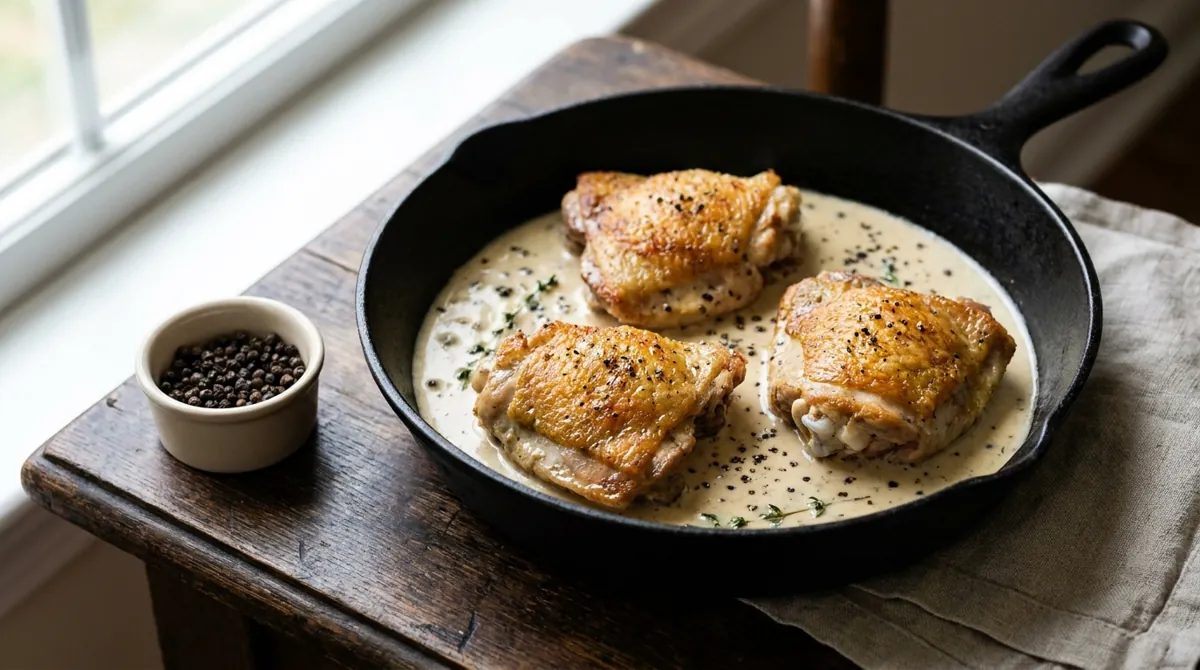
Chicken au Poivre, Inspired by Coco Larkin Cooks
Bone-in chicken thighs seared until the skin is crisp, then served in the classic bistro pan sauce: coarsely crushed black peppercorns, shallot, a splash of brandy, stock, cream and a spoonful of Dijon.
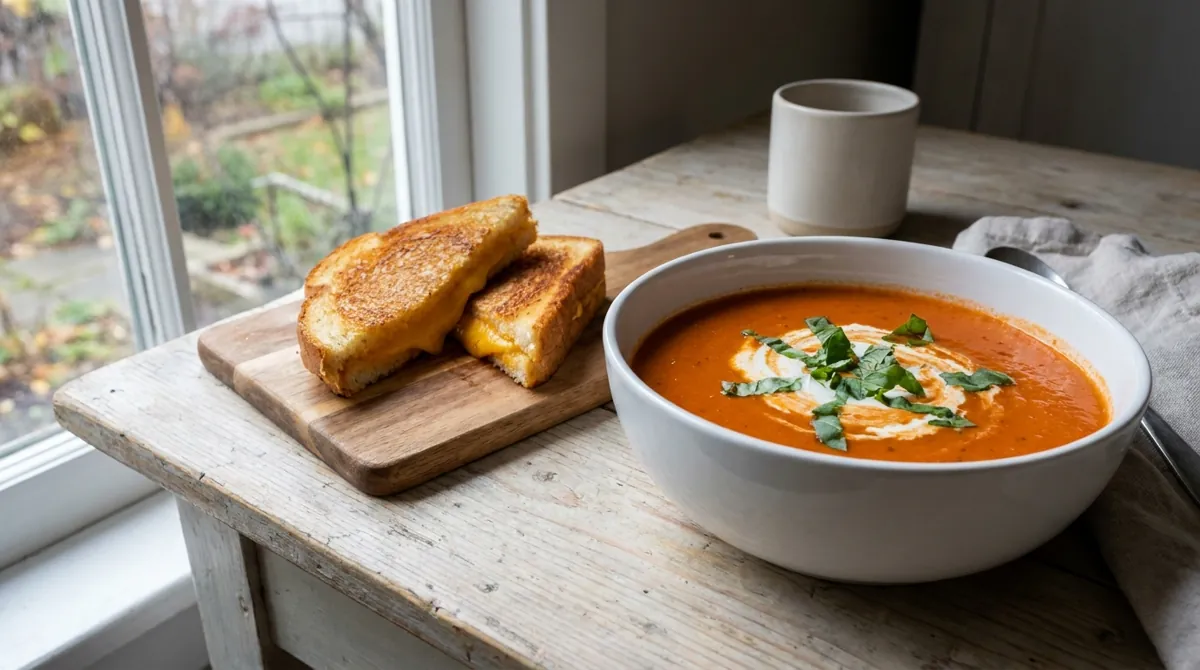
Creamy Tomato Soup, Inspired by Hamish Cooks Stuff
A classic stovetop tomato soup from canned whole tomatoes, onion, garlic, butter and a little tomato paste, simmered in stock, blended smooth and finished with a splash of cream, with grilled cheese for dunking.
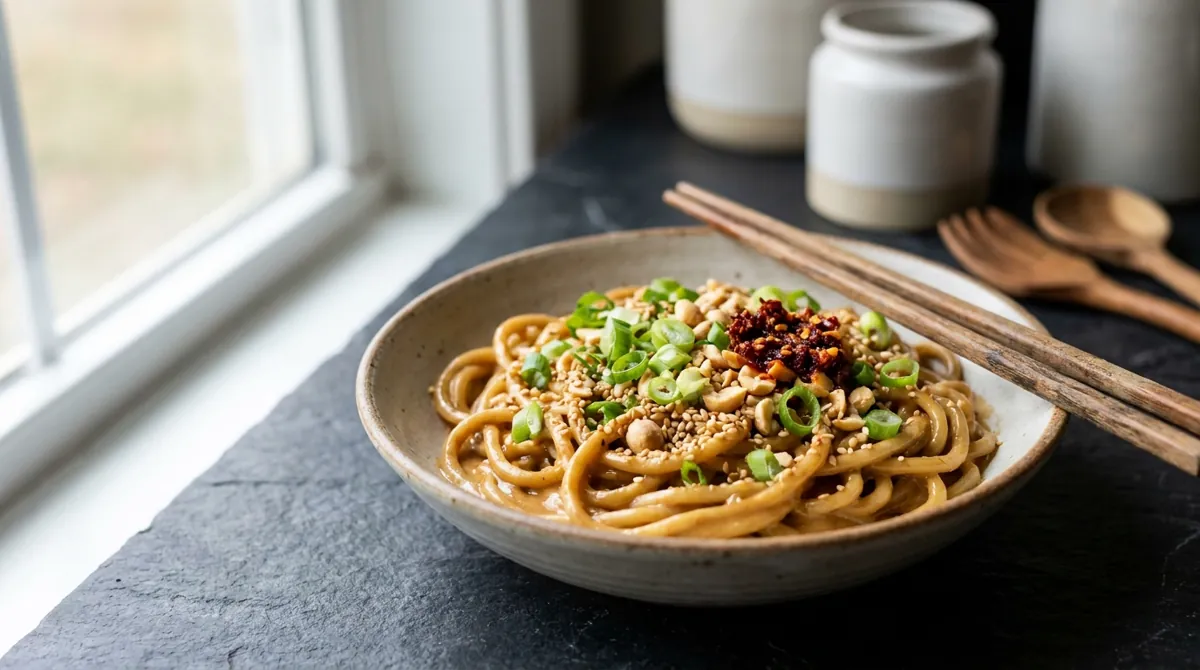
Peanut Noodles, Inspired by howiener
The cold sesame-peanut noodles of New York Chinese takeout: chewy noodles tossed in a creamy peanut, soy and sesame-oil sauce, loosened with warm water and topped with scallions, chopped peanuts and sesame seeds.
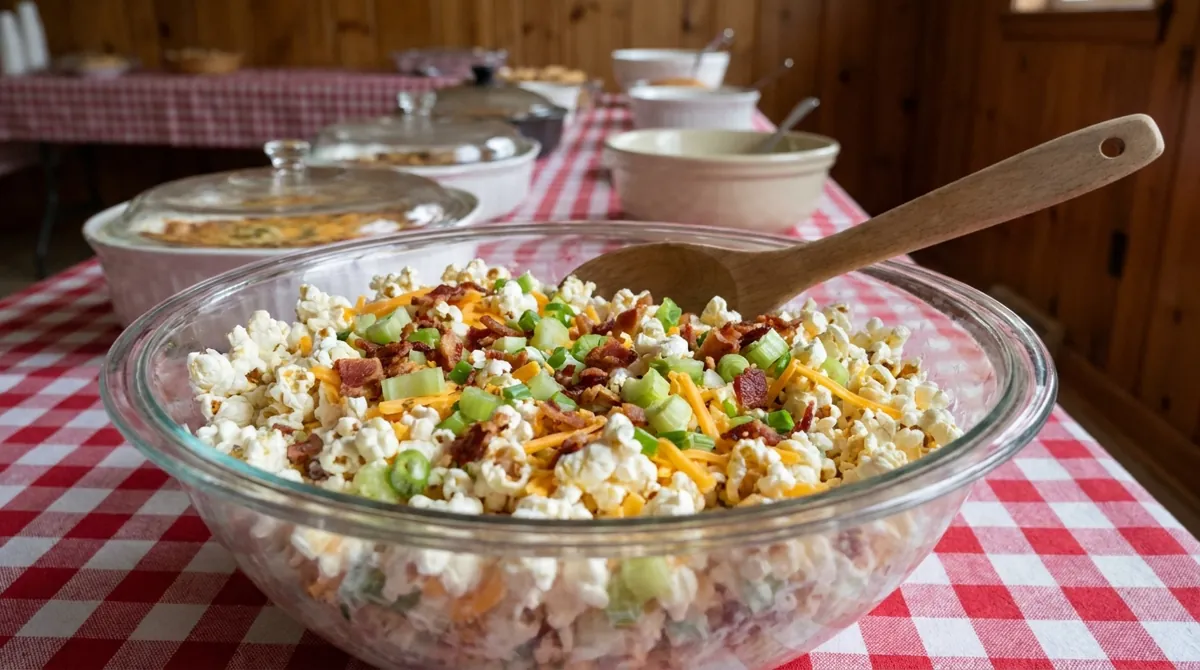
Popcorn Salad, Inspired by Wick'd Confections
The potluck salad that makes people ask "wait, popcorn?": fresh plain popcorn tossed at the last minute with a creamy mayonnaise dressing, crisp bacon, celery, sharp cheddar and green onion.
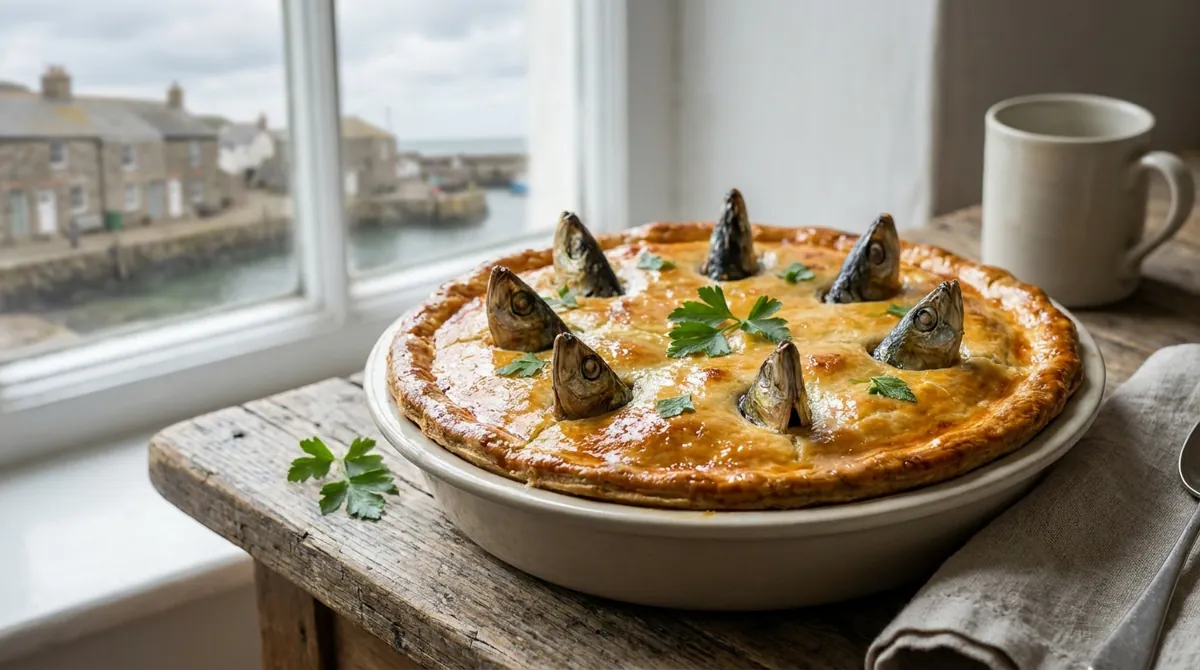
Stargazy Pie, Inspired by Tinned Fish Reviews
The famous Cornish fish pie with whole sardines whose heads poke up through the crust, over a creamy filling of white fish, bacon, onion and hard-boiled egg in a mustard and parsley sauce, baked under a buttery shortcrust lid.
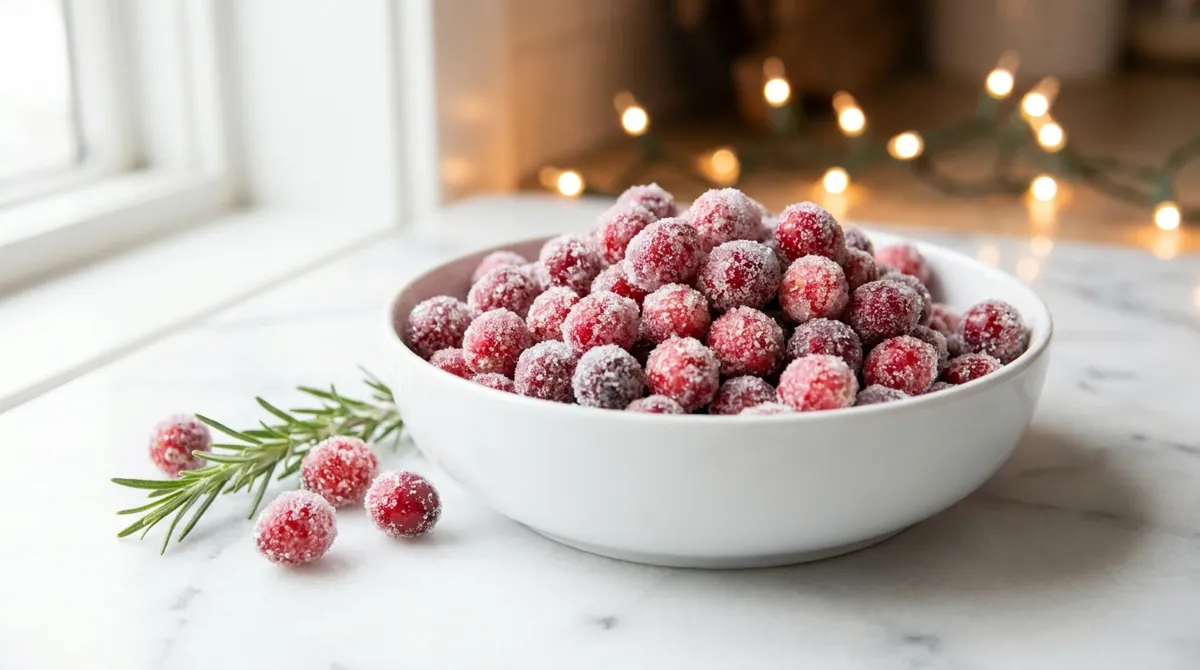
Frosted Sugared Cranberries, Inspired by Ashley Markle Treats
Fresh cranberries soaked in a cooled sugar syrup, rolled in sugar and left to dry until they sparkle like frost, tart and crunchy with a sweet crust, for snacking, cocktails and holiday desserts.
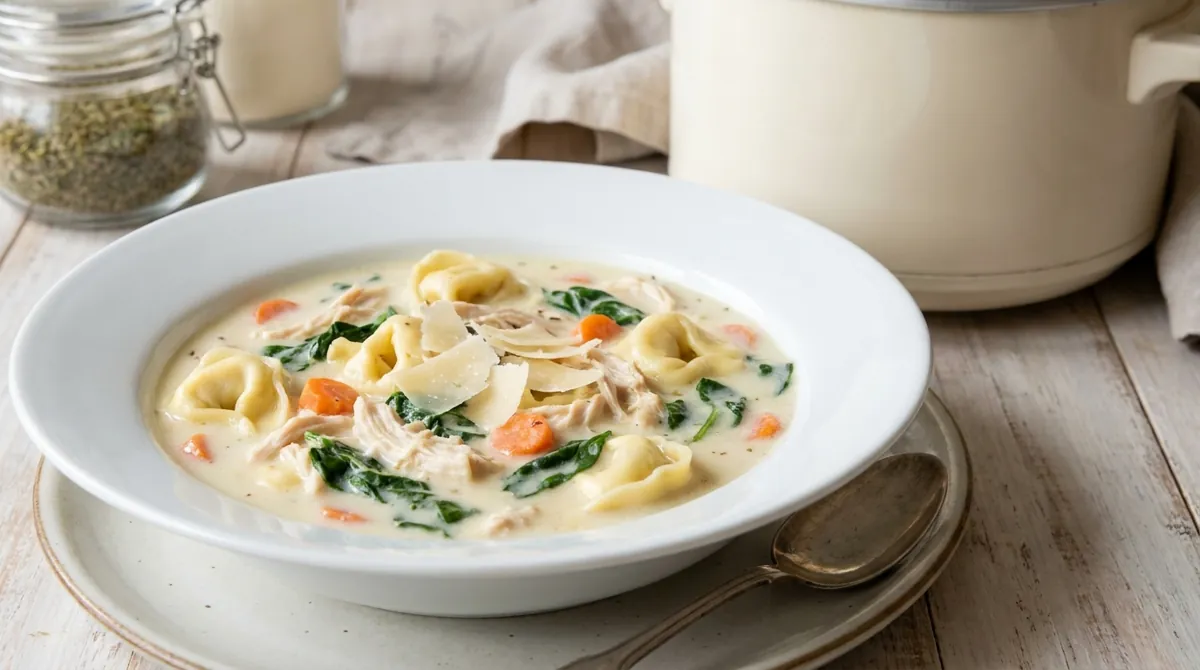
Slow Cooker Chicken Alfredo Tortellini Soup, Inspired by itsmeghankay
A creamy Alfredo-style chicken soup: chicken breasts cooked slowly in a vegetable broth until they shred, then finished with cream cheese, cream, Parmesan, cheese tortellini and baby spinach.
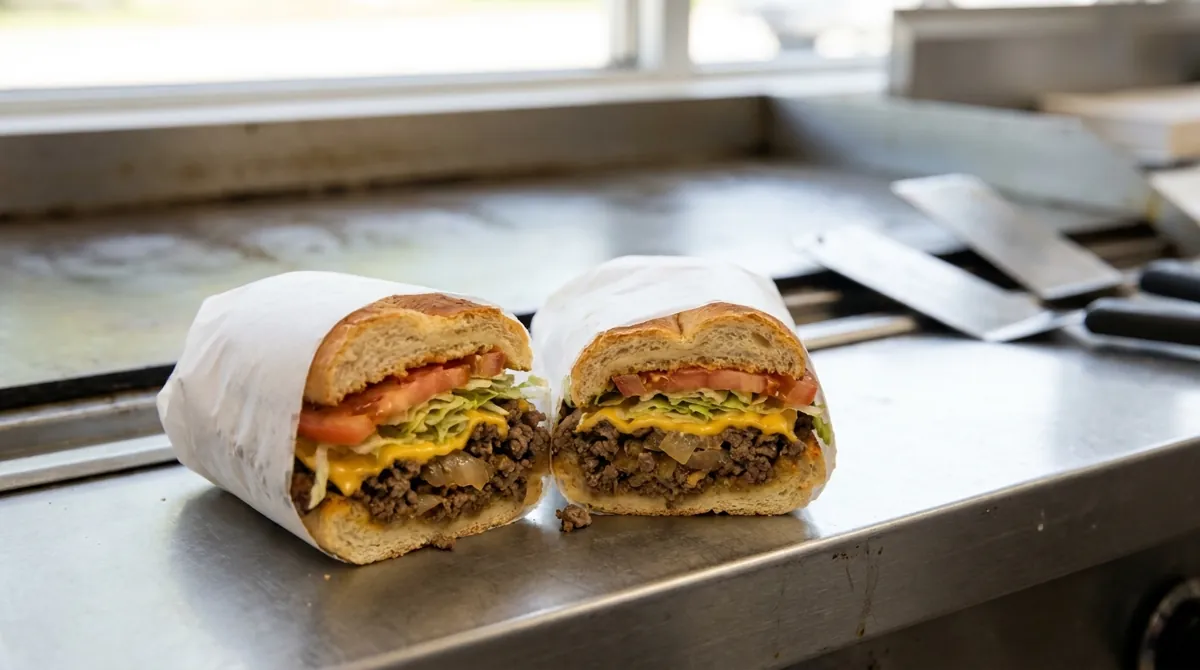
Chopped Cheese, Inspired by bigmcooking
The New York bodega sandwich: ground beef and onion cooked on a hot griddle, chopped together with a metal spatula, melted under American cheese and piled onto a toasted hero roll with lettuce, tomato and mayonnaise.
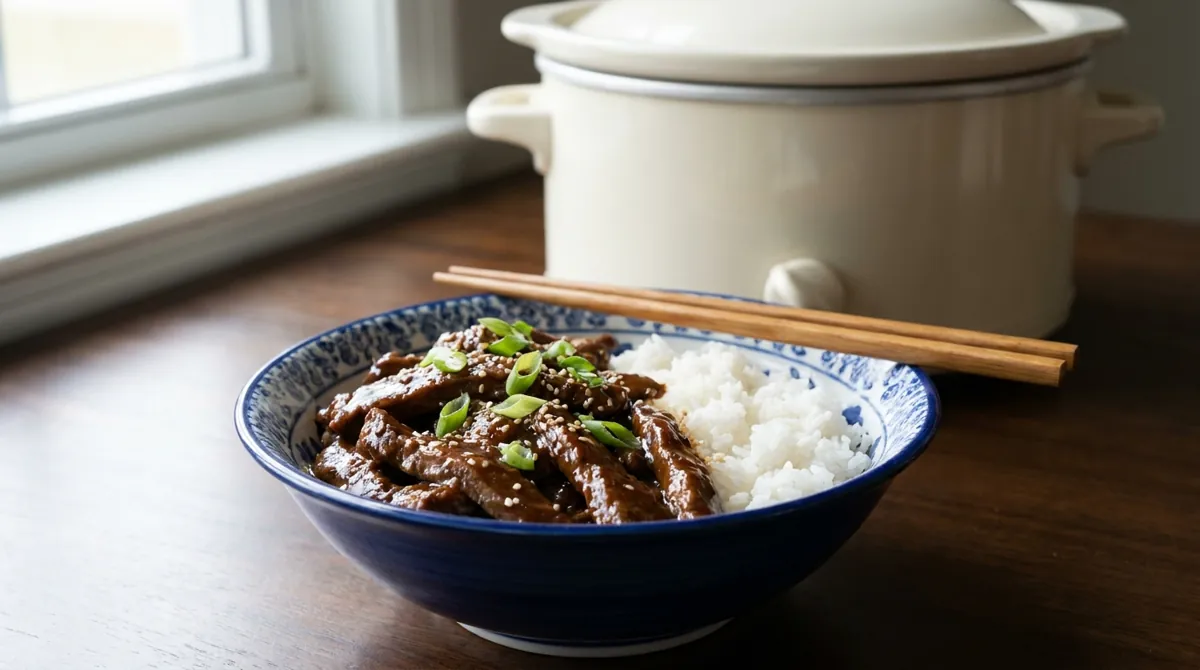
Slow Cooker Mongolian Beef, Inspired by twincitiesmama
Thin strips of flank steak simmered low and slow in a sweet, savory sauce of soy sauce, brown sugar, garlic and ginger, thickened at the end until it clings to every strip, then served over rice.
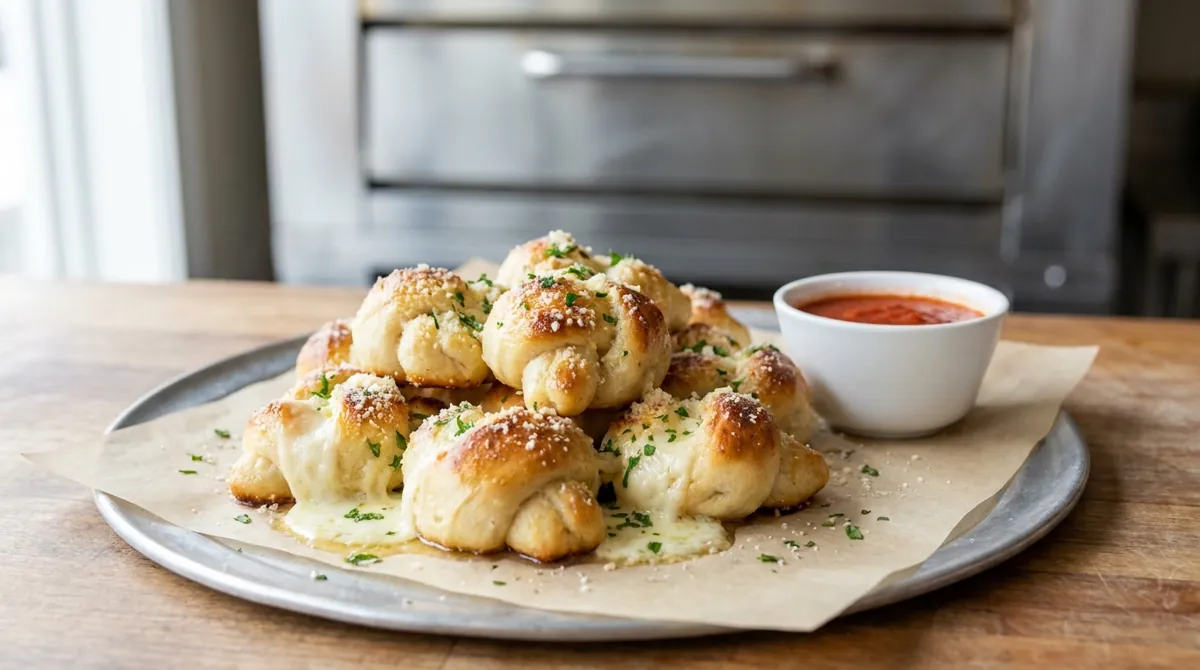
Cheesy Garlic Knots, Inspired by elizabeth_wu
Soft, chewy yeast dough tied into knots, baked until golden, then brushed with garlic butter and finished with melted mozzarella and Parmesan: the pizza-shop side dish you eat while waiting for the pie.
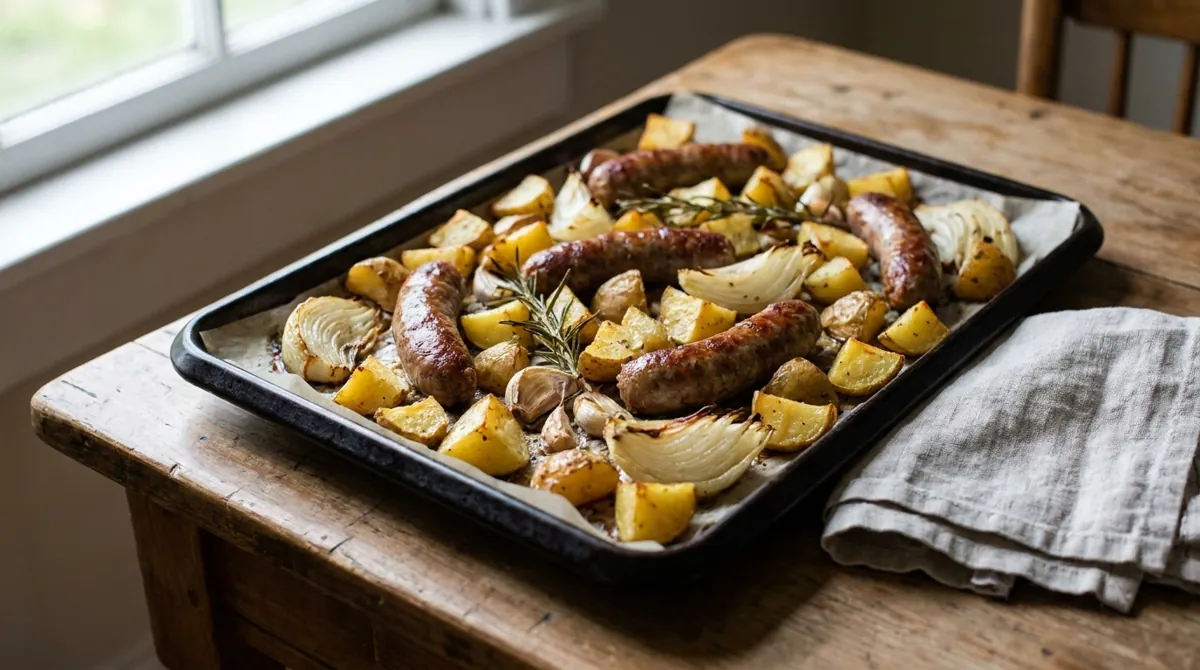
Crispy Italian Sausage and Potatoes, Inspired by giovannisiracusaa
Italian sausage links and 1-inch potato pieces roasted together on one hot pan with onion, garlic and rosemary until the potatoes are crisp at the edges and the sausage is browned and cooked through.
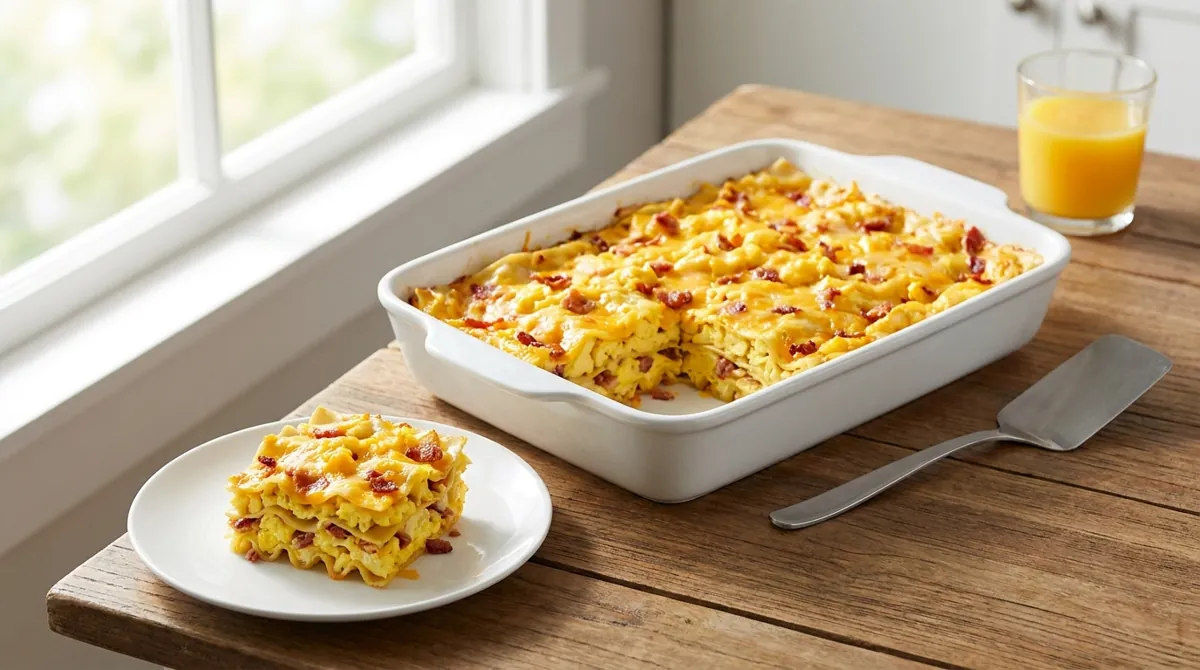
Breakfast Lasagna, Inspired by Micah Stewart
A brunch casserole built like a lasagna: layers of tender noodles, crisp bacon and onion, soft scrambled eggs and a sharp cheddar cream sauce, baked until bubbling and cut into squares.
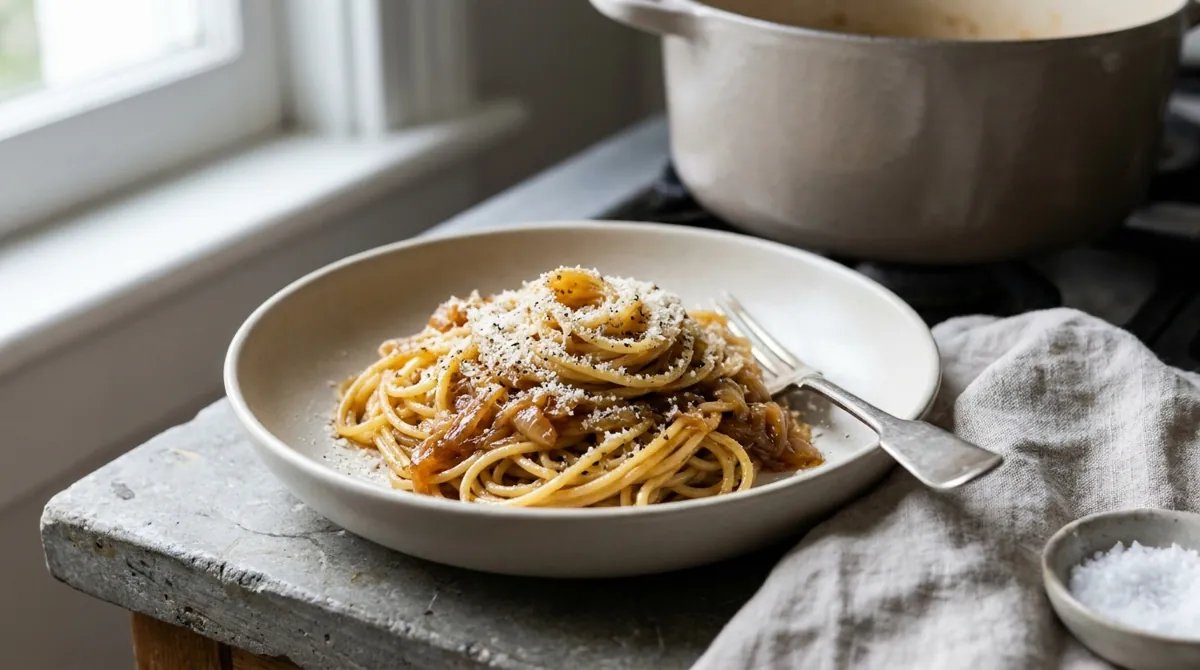
Caramelized Onion Pasta, Inspired by Low Carb Love
Spaghetti tossed in a glossy sauce of slowly browned onions, chicken stock, a little butter and a handful of grated Parmesan: a simple pasta with one slow, patient step.
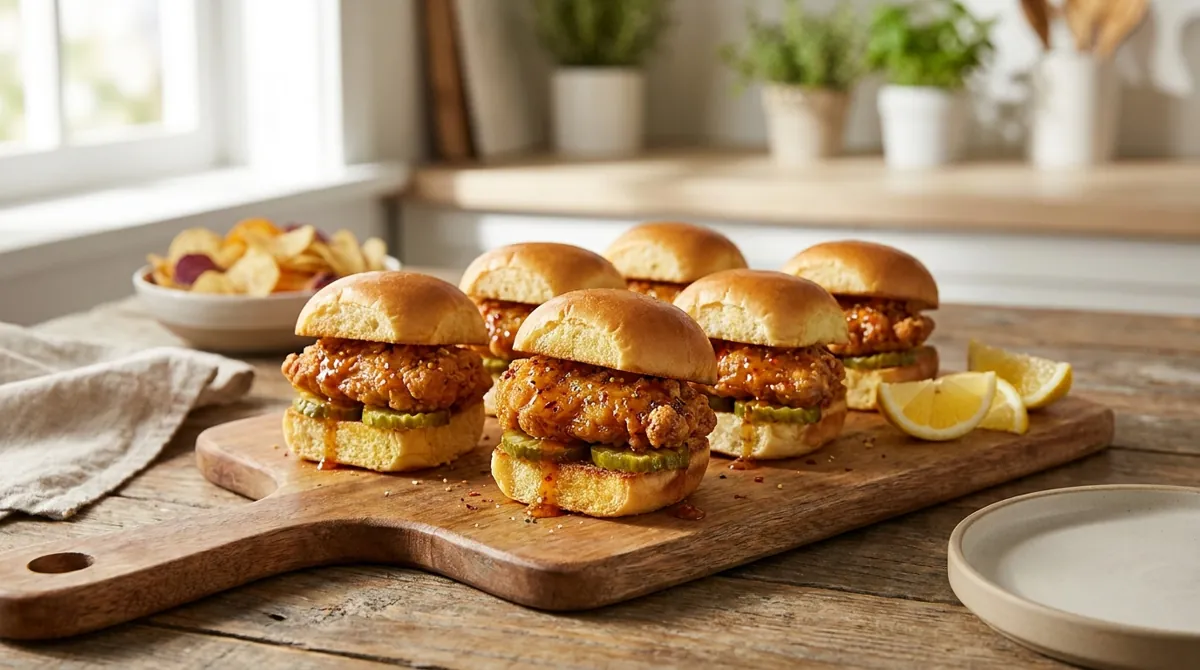
Hot Honey Lemon Pepper Chicken Sliders, Inspired by prestigecooking
Crisp pan-fried chicken thighs on soft toasted slider rolls, tossed in lemon pepper butter and drizzled with chile-spiked honey, with lemony mayonnaise and pickle chips: a game-day tray of twelve.
Meatballs of the World

Italian-American Meatballs
Big, tender meatballs braised for an hour in red sauce over spaghetti. The one most Americans grew up with.

Pallottine (Abruzzo Meatballs)
Tiny meatballs, smaller than a marble, tossed right through square spaghetti alla chitarra. No bread at all.

Swedish Meatballs (Köttbullar)
Small, soft meatballs browned in butter, in a cream sauce made from the same pan, with lingonberry jam on the plate.

Danish Frikadeller
Pork meatballs shaped with a spoon and fried slowly in butter, crusty outside and soft in the middle.

Königsberger Klopse
German meatballs that are never fried: poached, then served in a creamy white sauce with capers.

Spanish Albóndigas in Almond Saffron Sauce
The tapas bar classic: small meatballs in a golden sauce thickened with fried almonds and bread.

Mexican Albóndigas with Chipotle and Mint
Soft meatballs with rice and fresh mint inside, simmered in a smoky tomato and chipotle broth.

Izgara Köfte (Turkish Grilled Meatballs)
Small, flat meatballs kneaded hard, rested cold, and charred on a hot grill pan.

Lion's Head Meatballs
Big, soft pork meatballs, stirred into a sticky paste, fried to set, then braised in a savory sauce.

Chicken Tsukune
Japan's chicken meatball: kneaded sticky, grilled on skewers, glazed with sweet soy tare, dipped in egg yolk.