
The Louis' Lunch Hamburger on Toast (New Haven)
A square patty of ground chuck and sirloin with an onion slice pressed into it, cooked over a hot fire and served the New Haven way: between two slices of white toast with tomato, onion and a sharp cheese sauce, and no ketchup.
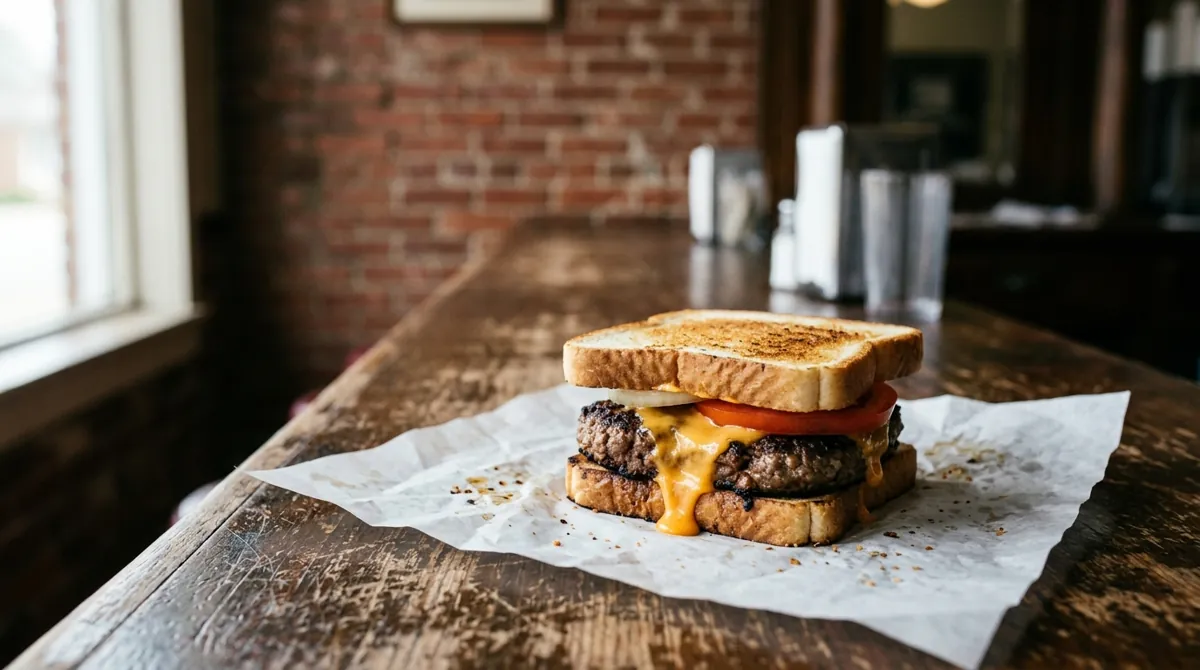
Louis' Lunch began in 1895 as a lunch wagon run by Louis Lassen, an immigrant born in Schleswig who had sold butter and eggs from a cart in New Haven (Wikipedia:). By the family's story, in 1900 a hurried customer asked for something to eat on the go, and Lassen put his own blend of ground steak trimmings between two slices of toast. The restaurant's site quotes the Library of Congress calling Louis' Lunch "the birthplace of the hamburger sandwich"; Wikipedia dates that recognition to 2000, after Representative Rosa DeLauro backed the claim.
The claim is DISPUTED, and this hub never states it as fact. Wikipedia lists rivals: Charlie Nagreen at the Seymour, Wisconsin, fair in 1885; Frank and Charles Menches at the Erie County Fair in Hamburg, New York, in 1885 (or Akron, Ohio, in 1892); Fletcher Davis of Athens, Texas, in the 1880s; and Oscar Weber Bilby of Tulsa, Oklahoma, in 1891. Critic Josh Ozersky argued that a burger on toast isn't a hamburger at all. Louis' still cooks in cast-iron vertical gas broilers from 1898, toasts the bread in a 1929 gas toaster, offers only cheese spread, tomato and onion, and famously refuses ketchup.
🇺🇸 This one is American
A square patty of ground chuck and sirloin with an onion slice pressed into it, cooked over a hot fire and served the New Haven way: between two slices of white toast with tomato, onion and a sharp cheese sauce, and no ketchup.
🇩🇪 The original
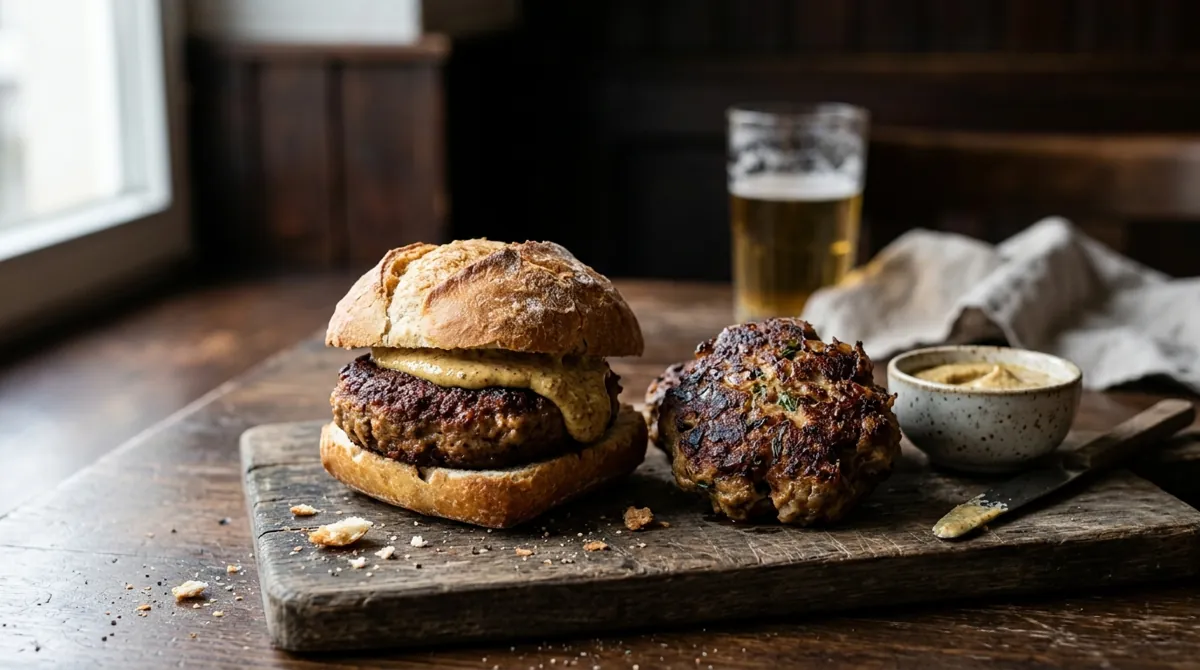
Germany's Frikadellen are pan-fried patties of beef and pork with a soaked roll, onion and parsley, eaten with mustard and potato salad, with no bun. The burger's name points to Hamburg, though how it got there is disputed. See the German Frikadellen (Hamburg-Style Meat Patties) recipe.
Why it works the kitchen science
Chuck plus sirloin
Chuck brings fat and beefy flavor, sirloin keeps the patty from turning greasy, and together they stand in for the restaurant's private five-cut blend.
Onion in the meat
Pressing the wedge into the patty and grilling that side down roasts the onion right into the burger, the way the vertical broilers at Louis' cook it.
Step by step
- Step 1
Heat a grill to high for direct grilling, about 15 minutes (or set an oven rack 4 inches below the broiler and heat it 5 minutes).
- Step 2
Mix the chuck and sirloin lightly with a wooden spoon, without warming it in your hands. With wet hands, pat 4 square patties about 1/2 inch thick. Season both sides with salt and pepper and press an onion wedge into one side of each until flush.
- Step 3
Make the sauce: rub the inside of a small saucepan with the cut garlic, leave the garlic in, add the beer and bring to a boil over high heat. Toss the cheese with the cornstarch, sprinkle it into the boiling beer and stir until it thickens, then lower the heat, stir in the mustard, season, and simmer gently 3 to 5 minutes, stirring. Fish out the garlic and keep the sauce warm over the lowest heat.
- Step 4
Oil the grill grate. Grill the patties onion side down 4 to 5 minutes, flip and grill 4 to 5 minutes more, until the center reads 160°F (insert the thermometer through the side).
- Step 5
While the burgers finish, toast the bread on the grill 1 to 2 minutes per side.
- Step 6
Put each patty on a slice of toast, add a slice of tomato, onion if you like, and a spoonful of cheese sauce, top with a second slice of toast and serve at once. No ketchup.
The Louis' Lunch Hamburger on Toast (New Haven)
Serves 4 · 4 sandwiches plus about 2/3 cup cheese sauce · 40 min total
Patties
- 10 oz ground chuck
- 10 oz ground sirloin
- Kosher salt and black pepper
- 1/4 medium onion, cut into 4 thin wedges
Cheese sauce
- 1/4 clove garlic
- 1/2 cup beer
- 1 cup (4 oz) coarsely grated orange cheddar or Colby
- 1 tsp cornstarch
- 1 tsp prepared mustard
To serve
- 8 slices white sandwich bread
- 4 thin slices ripe tomato
- 4 thin slices onion (optional, for those who want it raw)
Method
- Heat a grill to high for direct grilling, about 15 minutes (or set an oven rack 4 inches below the broiler and heat it 5 minutes).
- Mix the chuck and sirloin lightly with a wooden spoon, without warming it in your hands. With wet hands, pat 4 square patties about 1/2 inch thick. Season both sides with salt and pepper and press an onion wedge into one side of each until flush.
- Make the sauce: rub the inside of a small saucepan with the cut garlic, leave the garlic in, add the beer and bring to a boil over high heat. Toss the cheese with the cornstarch, sprinkle it into the boiling beer and stir until it thickens, then lower the heat, stir in the mustard, season, and simmer gently 3 to 5 minutes, stirring. Fish out the garlic and keep the sauce warm over the lowest heat.
- Oil the grill grate. Grill the patties onion side down 4 to 5 minutes, flip and grill 4 to 5 minutes more, until the center reads 160°F (insert the thermometer through the side).
- While the burgers finish, toast the bread on the grill 1 to 2 minutes per side.
- Put each patty on a slice of toast, add a slice of tomato, onion if you like, and a spoonful of cheese sauce, top with a second slice of toast and serve at once. No ketchup.
Adapted from Steven Raichlen, "The Grandaddy of All Hamburgers", Barbecue Bible (from his book "BBQ USA"). Raichlen makes 8 with 1 1/4 lb ground chuck and 1 1/4 lb ground sirloin; we halve it to 4. His square 1/2-inch patties with an onion wedge pressed in, the hot direct grill and the beer and cheese sauce are his. He serves lettuce, which Louis' does not; we follow the restaurant's own list of cheese, tomato and onion. Raichlen grills 3 to 4 minutes a side for medium-rare and says to cook commercial ground beef to 160°F; our 4 to 5 minutes a side reach that. barbecuebible.com. Ingredient list follows the source; the method is in our own words.
Tips
- Raichlen notes that Louis' uses a melted processed cheese; a store-bought cheese spread or sauce works if you don't want to make one.
- Louis' Lunch cooks its burgers vertically so both sides cook at once. Under a home broiler, flip once and use the same times.
- Square patties fit square toast, and the toast holds the juices better than you expect.
The rules people argue about
What the sources agree on, what they don't, and what is just a good story.
- Louis' Lunch served the first hamburger in 1900. Disputed: the Library of Congress (as the restaurant quotes it) and the Lassen family say yes; Wikipedia lists rivals from 1885 on and quotes ABC News that it is impossible to be certain.
- Louis' opened in 1895. Documented as the restaurant's date for its lunch wagon; the hamburger story is 1900.
- A burger on toast isn't a hamburger. Disputed: Josh Ozersky's view, quoted by Wikipedia, against the Library of Congress recognition.
- No ketchup. Documented as the restaurant's rule (Wikipedia; the restaurant's site lists only cheese, tomato and onion).
- The broilers date to 1898. Documented (the restaurant's site; Wikipedia names the Bridge and Beach Company).
- Customers who ask for ketchup are thrown out. Folklore: repeated in Wikipedia's sources and on a sign, but told for laughs.
Every other burger
German Frikadellen (Hamburg-Style Meat Patties)
Germany's pan-fried meat patties, made with half beef and half pork, a stale roll soaked in milk, sweated onion and parsley, then fried slowly to a deep brown crust and served with mustard.
Japanese Hambagu (Hamburg Steak with Red Wine Sauce)
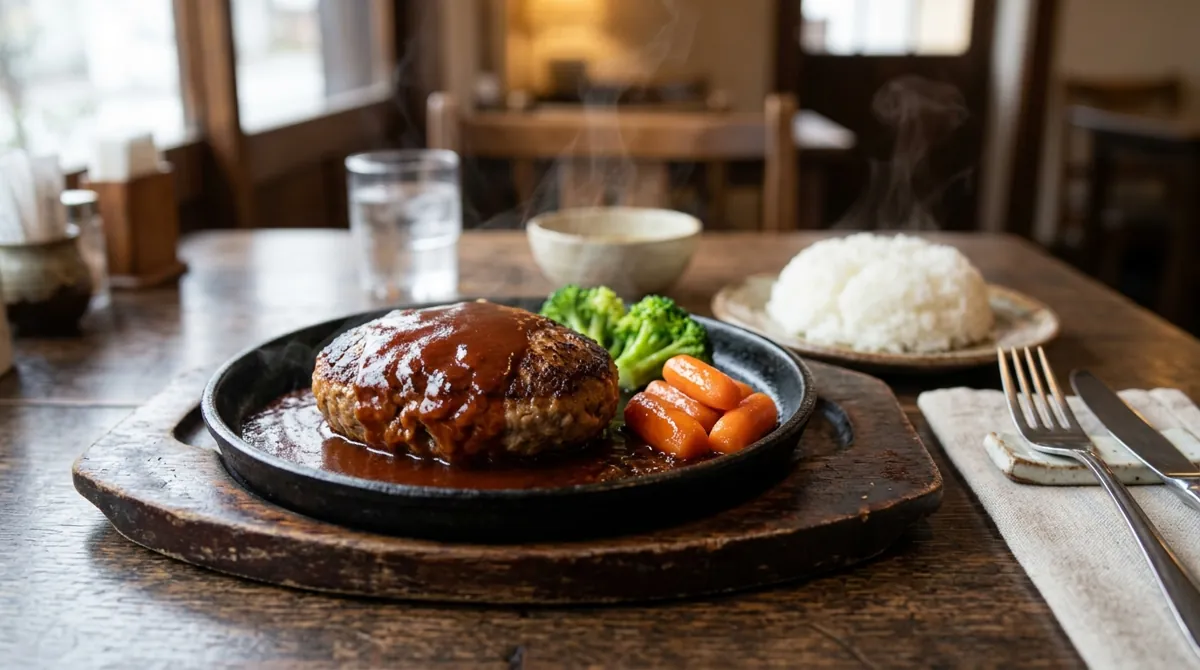
Tender oval patties of beef and pork bound with panko, milk and sautéed onion, steamed in red wine and finished with a glossy pan sauce of butter, ketchup and tonkatsu sauce.
The Classic Backyard Grilled Cheeseburger
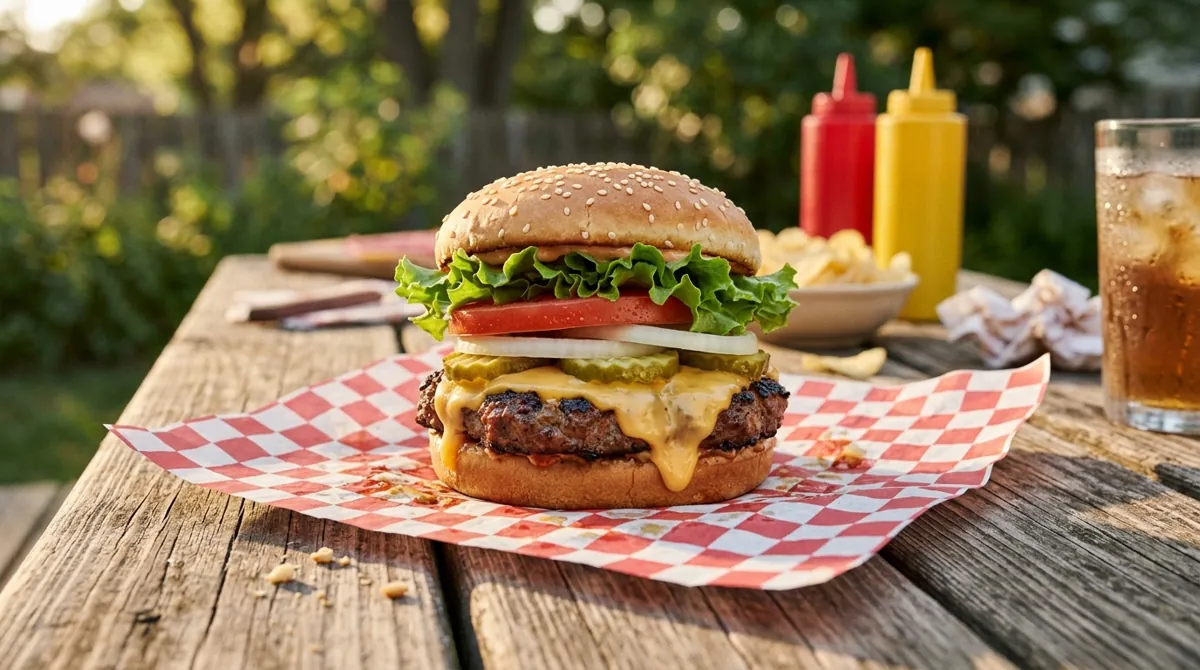
Thick, juicy patties of 85 percent lean beef with a dent in the center so they grill flat, topped with American cheese and stacked on soft buns with lettuce, tomato, onion, pickles, ketchup and mustard.
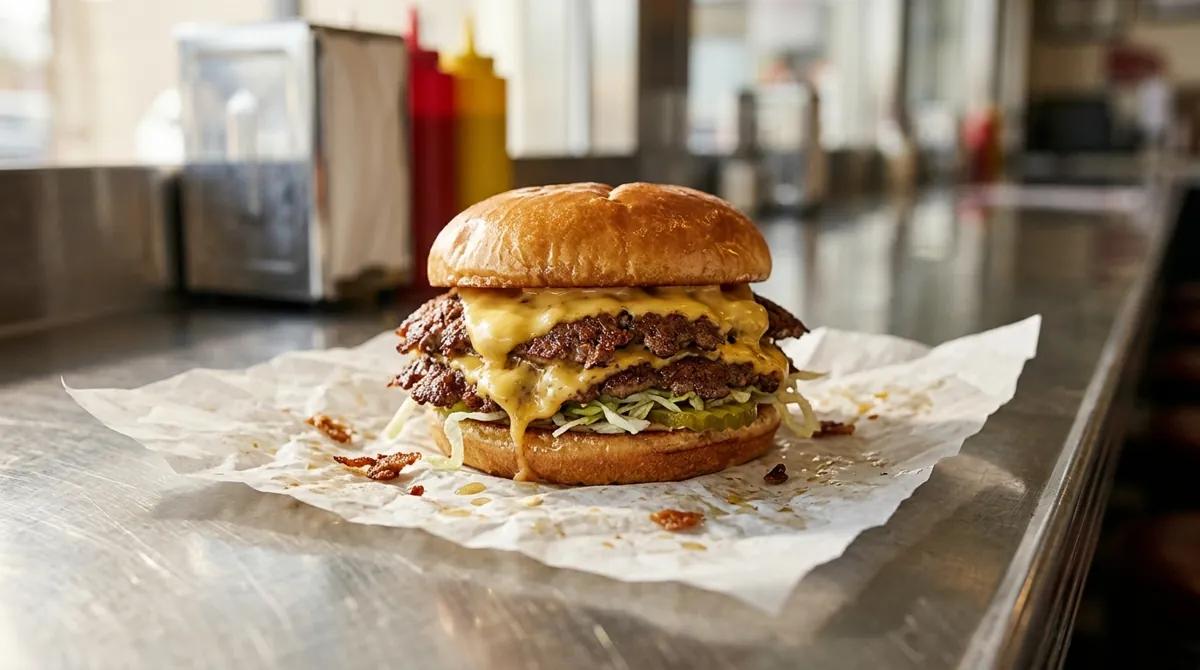
The Smash Burger
Two small balls of beef chuck smashed paper-thin onto a screaming-hot pan, scraped up with every bit of brown crust, and stacked with a slice of American cheese melting between them.
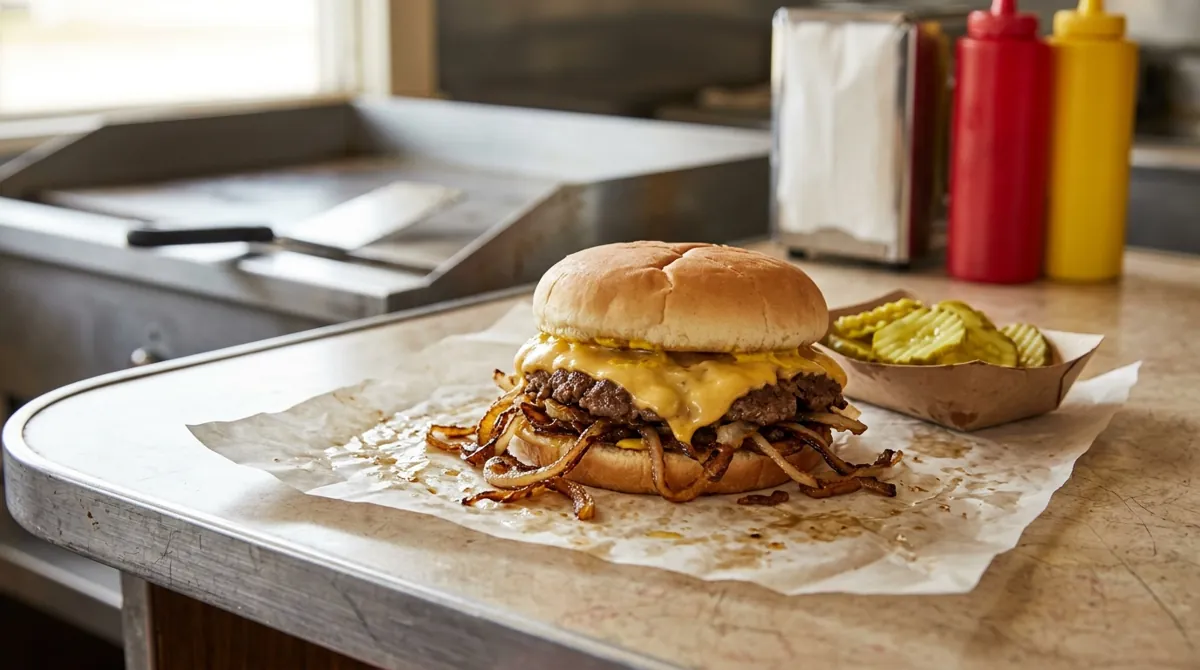
The Oklahoma Fried Onion Burger
A small ball of beef smashed thin on a hot skillet with a mound of paper-thin onions pressed into it, flipped so the onions fry and caramelize, then topped with American cheese and a bun steamed right over the onions.
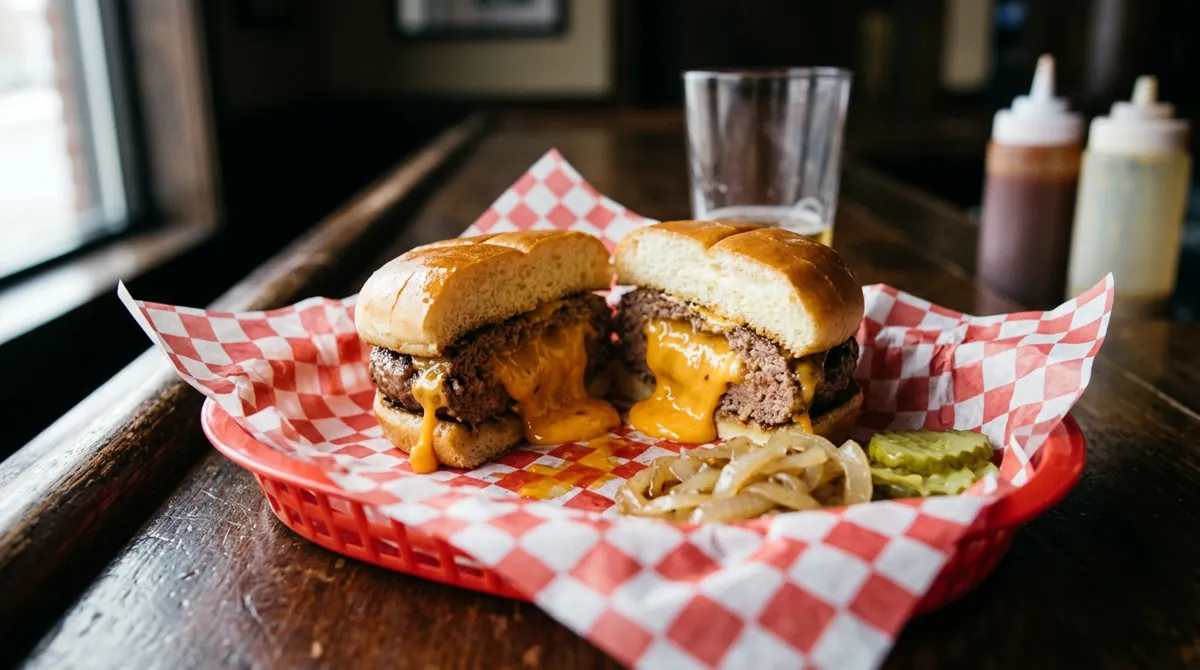
The Juicy Lucy (Minneapolis Cheese-Stuffed Burger)
Two thin beef patties sealed around rounds of American cheese, seared in a cast-iron skillet until the cheese inside turns molten, and served on a potato roll with buttery onions and pickles.
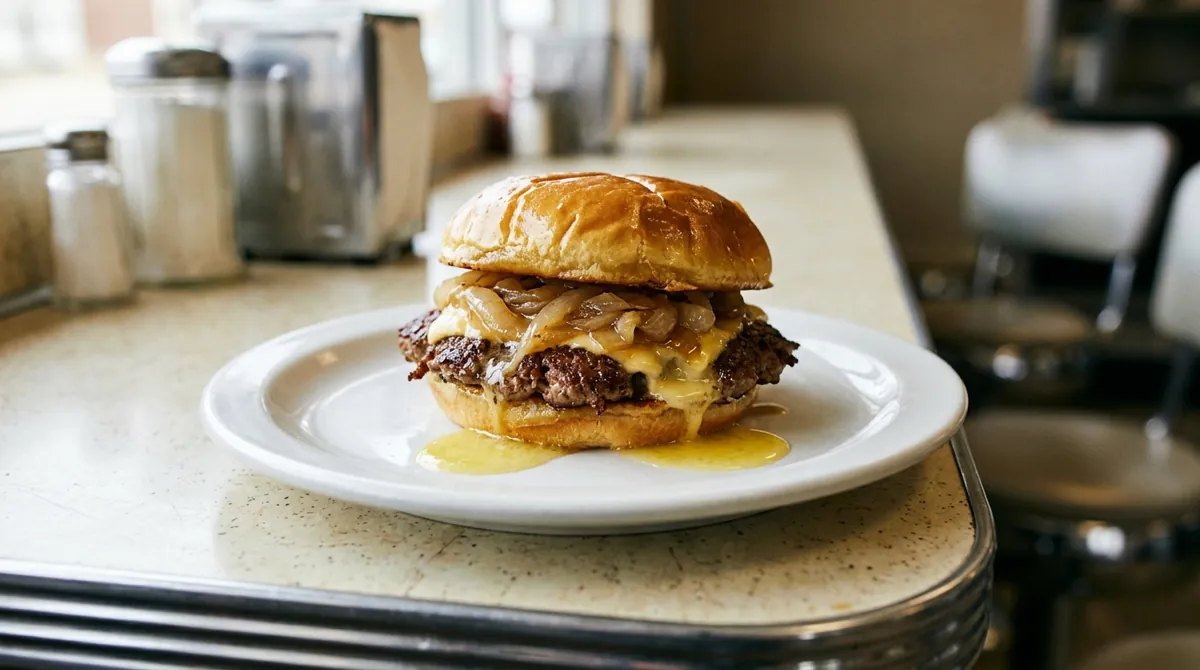
The Wisconsin Butter Burger
Lean ground sirloin enriched with cold butter seasoned with a little soy sauce, seared in a hot skillet and topped with a thick pat of the same butter and a spoonful of soft stewed onions, so the butter melts down into the bun.
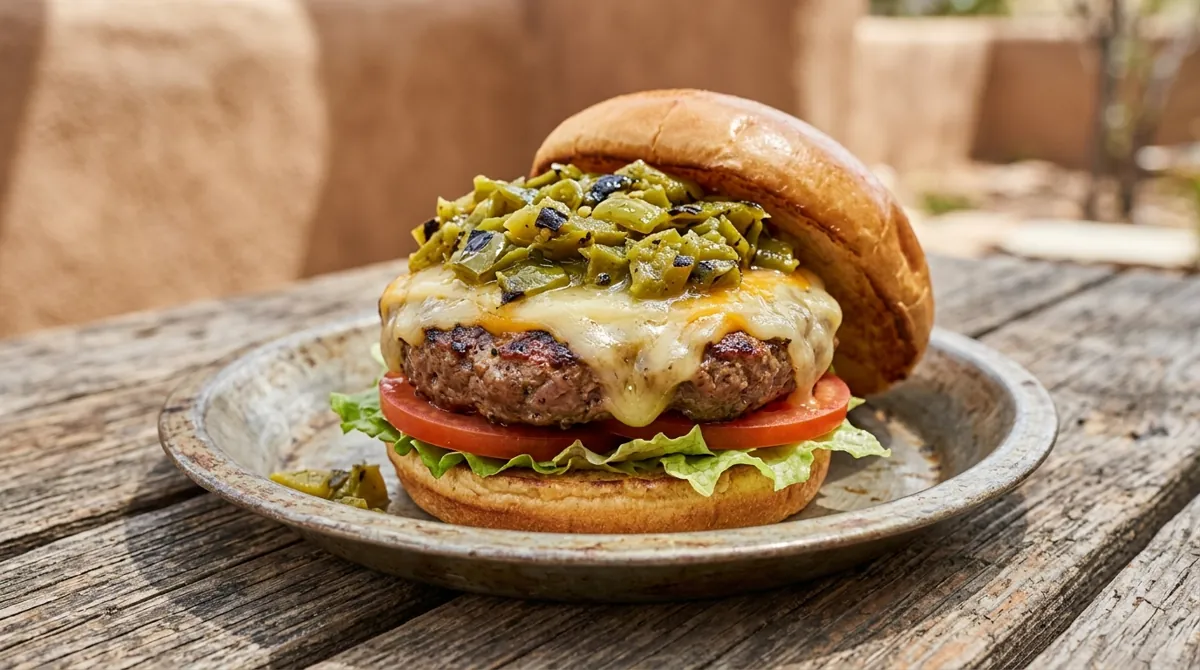
The New Mexico Green Chile Cheeseburger
Thick ground-chuck burgers grilled over a two-level fire, topped with melted cheese and a heap of freshly roasted, peeled and chopped New Mexico green chiles, on soft buns with tomato and lettuce.
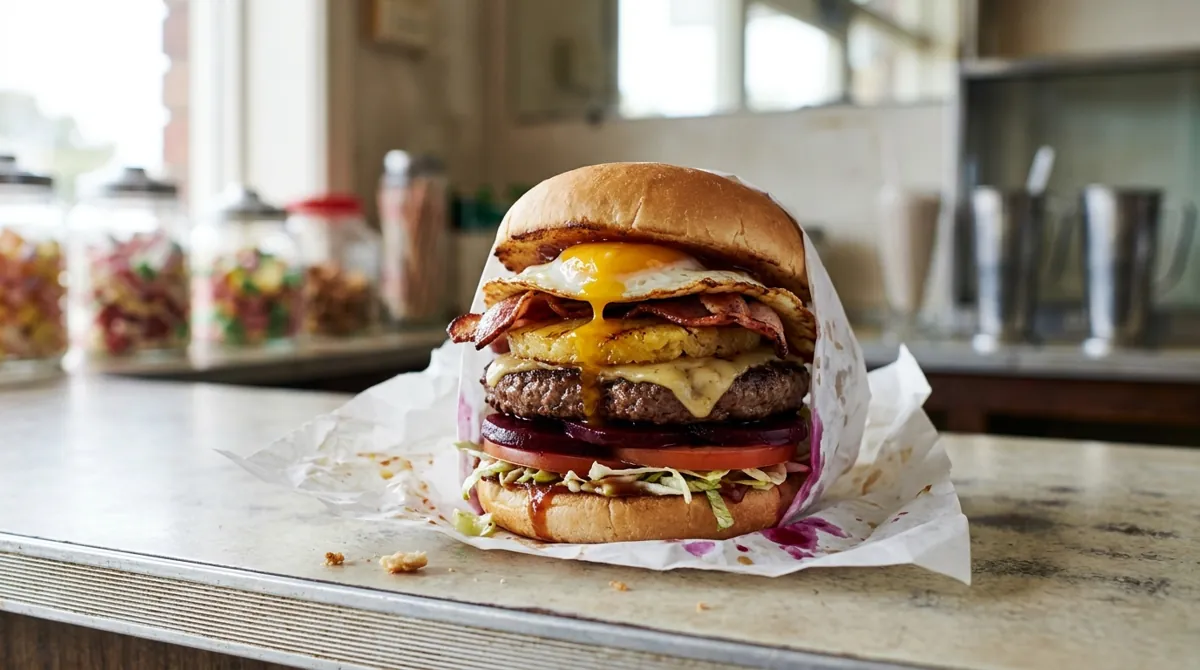
The Australian Burger with the Lot
A seasoned beef patty with onion, garlic and parsley, piled into a toasted roll with barbecue sauce, lettuce, cheese, canned beetroot, a pineapple ring, tomato, a fried egg, bacon and red onion.
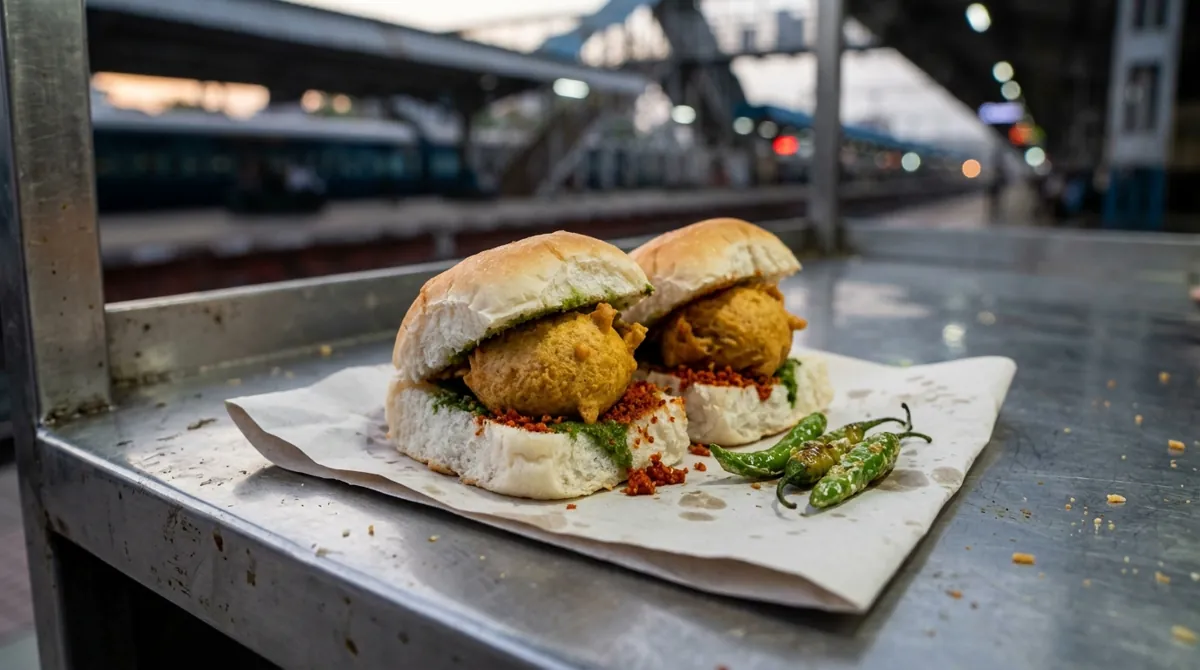
Vada Pav (Mumbai's Potato Fritter "Burger")
A spiced mashed potato patty dipped in chickpea batter and deep-fried, tucked into a soft white roll with green chutney and a crunchy dry garlic, coconut and peanut chutney.
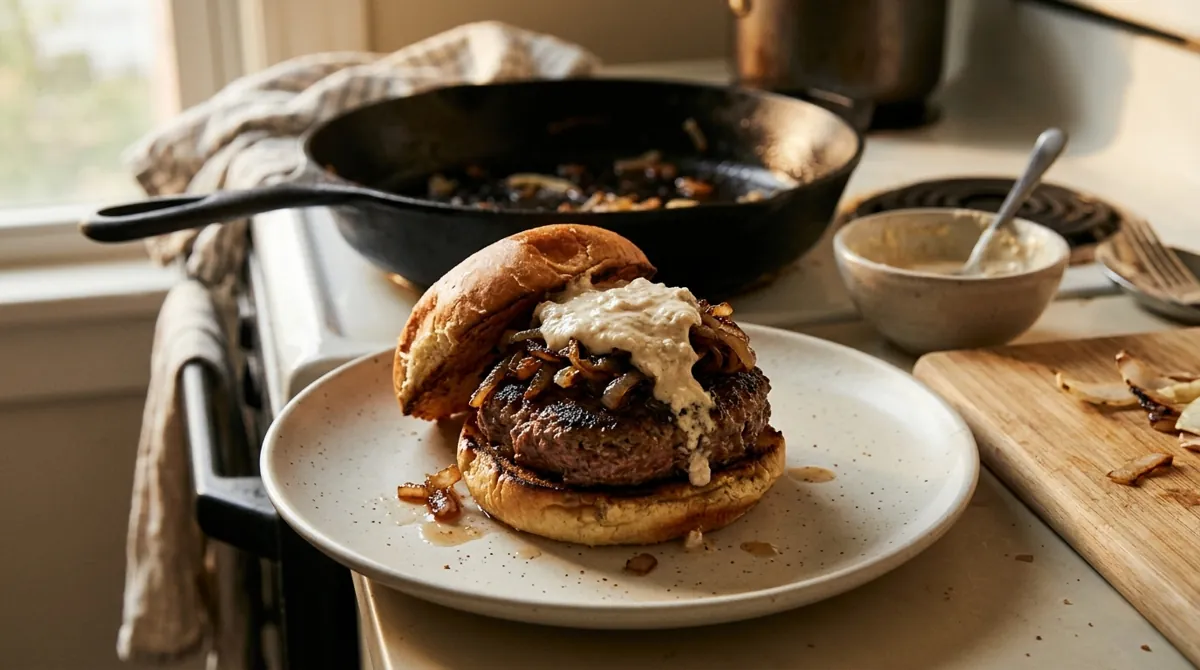
30-Minute Weeknight Skillet Burgers with Onions and Horseradish Sauce
Garlicky burgers seared in one skillet, then onions browned in the drippings, with a quick sour cream and horseradish sauce, on the table in 30 minutes with no grill.
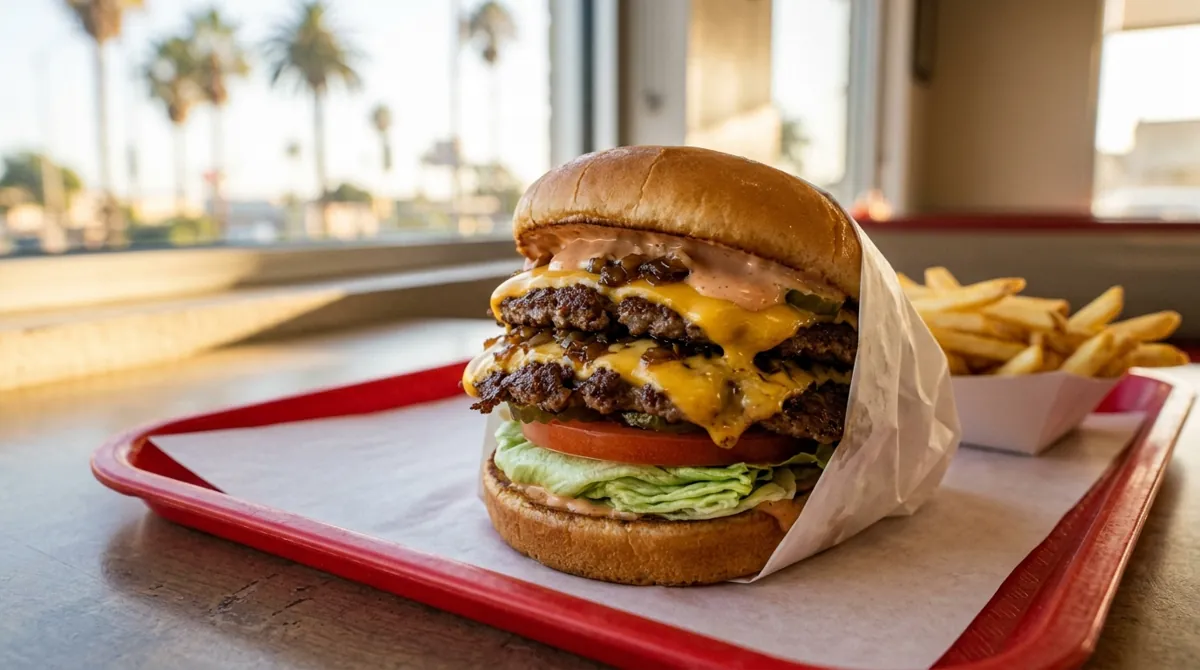
Double-Double Style Burger, Animal Style, Inspired by In-N-Out
Inspired by, not official: two thin mustard-seared patties with American cheese, deeply caramelized onions, pickles, tomato, lettuce and a pink Thousand Island-style spread on a toasted bun.
Meatballs of the World

Italian-American Meatballs
Big, tender meatballs braised for an hour in red sauce over spaghetti. The one most Americans grew up with.

Pallottine (Abruzzo Meatballs)
Tiny meatballs, smaller than a marble, tossed right through square spaghetti alla chitarra. No bread at all.

Swedish Meatballs (Köttbullar)
Small, soft meatballs browned in butter, in a cream sauce made from the same pan, with lingonberry jam on the plate.

Danish Frikadeller
Pork meatballs shaped with a spoon and fried slowly in butter, crusty outside and soft in the middle.

Königsberger Klopse
German meatballs that are never fried: poached, then served in a creamy white sauce with capers.

Spanish Albóndigas in Almond Saffron Sauce
The tapas bar classic: small meatballs in a golden sauce thickened with fried almonds and bread.

Mexican Albóndigas with Chipotle and Mint
Soft meatballs with rice and fresh mint inside, simmered in a smoky tomato and chipotle broth.

Izgara Köfte (Turkish Grilled Meatballs)
Small, flat meatballs kneaded hard, rested cold, and charred on a hot grill pan.

Lion's Head Meatballs
Big, soft pork meatballs, stirred into a sticky paste, fried to set, then braised in a savory sauce.

Chicken Tsukune
Japan's chicken meatball: kneaded sticky, grilled on skewers, glazed with sweet soy tare, dipped in egg yolk.