
⚖️ What's the difference?
Delta Tamales vs Mexican Tamales: What's the Difference?
Same corn-and-meat idea, two very different tamales. The Mississippi Delta version is simmered, spicy and served in its own juice.
 By Americanized · Edited by JP Lambiase · November 2, 2026
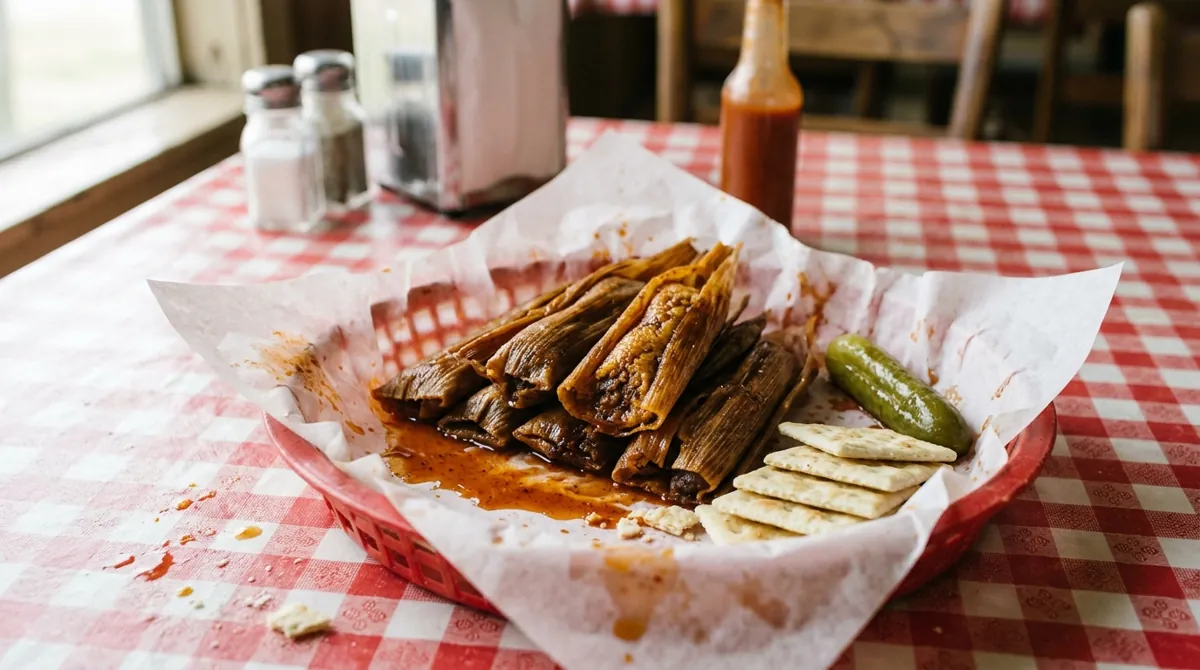
Delta hot tamales are made with cornmeal and simmered in seasoned water. Mexican tamales are typically made with masa and steamed. The Southern Foodways Alliance also notes that Delta tamales are smaller, considerably more heavily spiced and usually served with the juice left from cooking, while Mexican tamales vary widely by region in wrapper, filling and shape.
| Delta tamales | Mexican tamales | |
|---|---|---|
| Dough | Cornmeal, with a gritty texture | Masa, often beaten with lard until light |
| Wrapper | Mostly corn shucks; a few cooks use parchment | Corn husks in the north, banana leaves farther south |
| How it's cooked | Simmered upright in seasoned water | Typically steamed |
| Size | Smaller than Latin-style tamales | Husk tamales long and thin, banana leaf square and thick |
| Filling | Pork traditional; beef and turkey also used | Pork, beef, chicken, cheese, mole or sweet fillings |
| Spice and sauce | Considerably more spice; cooking juice served with them | Chile sauce or mole often cooked into the filling |
The dough: cornmeal vs masa
The Southern Foodways Alliance (SFA) says most Delta cooks use cornmeal, which gives a gritty texture, where Latin-style tamales use corn flour. Some Delta cooks do use masa. A Jackson Free Press feature describes Delta dough that ranges from thick and toothsome to smooth, and notes it is rather plain, which is why the filling gets so much spice.
Mexican masa is usually worked differently. Rick Bayless beats lard until light, works in the masa and broth, and describes central Mexican tamales as light and fluffy. Our Mississippi Delta hot tamales use a cornmeal dough, while our red chile pork tamales follow the Bayless lard-beaten masa method.
Wrapped, tied and cooked differently
Delta tamales are mostly wrapped in corn shucks, though the SFA says a few cooks use parchment paper. They are tied into bundles, three at a time according to the Jackson Free Press and six in the Cook's Country version. Cook's Country stands the bundles upright in a pot of water and simmers them about 30 minutes.
The Mississippi Blues Trail puts the split plainly: tamales in Mexico are usually steamed, and in the Delta they are often simmered and served with the cooking water. Mexican wrappers vary too. Corn husks are common in northern Mexico and Texas, while banana leaves are more typical in the south, and the leaf gives squarer, thicker, moister tamales, a Texas Standard interview explains. Our Oaxacan black mole tamales are folded into banana leaf and steamed for an hour and a half.
Size, spice and filling
The SFA says Delta tamales are smaller than Latin-style tamales and have considerably more spice. In the Cook's Country recipe the spice mix goes into the dough, the beef filling and the cooking water, and the recipe's headnote says the result is heavily spiced and stewed rather than steamed, unlike Mexican tamales.
Pork is the traditional Delta filling, according to the SFA and the Jackson Free Press, with beef, turkey and chicken also used. Mexico's range is wider: pork in red or green sauce, beef, chicken, beans and cheese, poblano strips, mole and sweet versions all turn up in the Texas Standard conversation.
How they are eaten, and who made them first
A Delta tamale usually arrives with its cooking juice, which the SFA calls a byproduct of simmering. Cook's Country thickens it into a sauce. Visit the Delta's tamale trail guide says White Front Cafe in Rosedale serves tamales easy to spread on saltine crackers, and the SFA notes that some cooks fry them or smother them in chili and cheese.
Where the Delta version came from is disputed. The most common story is Mexican workers in the early 1900s, but other theories exist, and we sort through them in where Delta hot tamales came from. To settle it at the table, cast your vote in our Mexican vs Delta tamales debate.
Questions people ask
Are Delta tamales made with masa?
Usually not. The Southern Foodways Alliance says most Delta cooks prefer cornmeal for its gritty texture, though some use masa.
Which is spicier, Delta or Mexican tamales?
The SFA describes Delta tamales as having considerably more spice than Latin-style tamales. Mexican tamales vary by region, and a red chile or mole tamale can still be quite hot, so the gap depends on which ones you compare.
Are all Delta tamales simmered?
Simmering is the usual method, but not the only one. The Jackson Free Press says many cooks simmer in seasoned broth and that steamed versions hold their shape better.
Parts of this history are disputed. Where sources disagree, we say so.
Sources
- Amy C. Evans, "Hot Tamales: The Mississippi Delta," Southern Foodways Alliance (Hot Tamale Trail oral history project)
- Mississippi Blues Trail, "Hot Tamales" marker, Rosedale
- Christie Morrison, "Delta Hot Tamales," Cook's Country (America's Test Kitchen), March 30, 2014
- Jackson Free Press, "Anatomy of a Tamale," November 11, 2009
- Rick Bayless, "Red Chile Pork Tamales Steamed in Corn Husks"
- Texas Standard, "Tamal or tamale? Corn husk or banana leaf? Weighing in on a tasty debate"
- Visit the Delta, "Tamale Trail"
More food facts
Cook it
Mississippi Delta Hot Tamales
Small, spicy beef tamales with a gritty cornmeal dough, tied in bundles and simmered upright in a pot of seasoned water, then served with the juice thickened into a sauce.
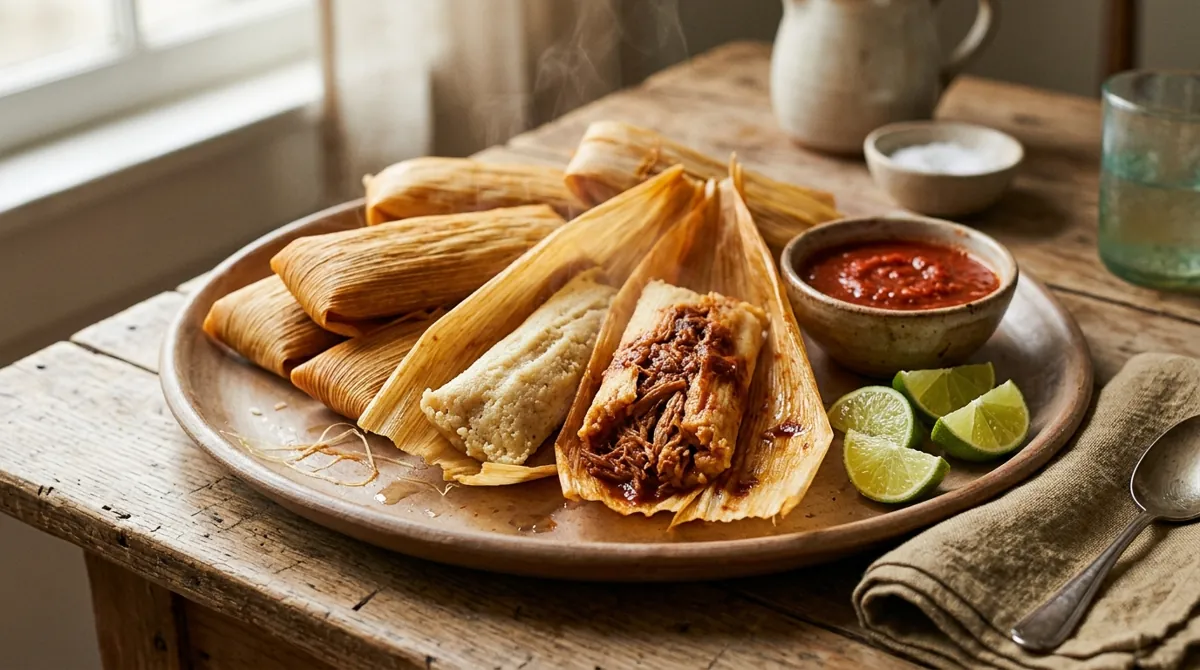
Red Chile Pork Tamales (Tamales Rojos de Puerco)
Pork shoulder simmered down in a smooth guajillo chile sauce, wrapped in light, fluffy lard-beaten masa and steamed upright in corn husks, the central Mexican way.
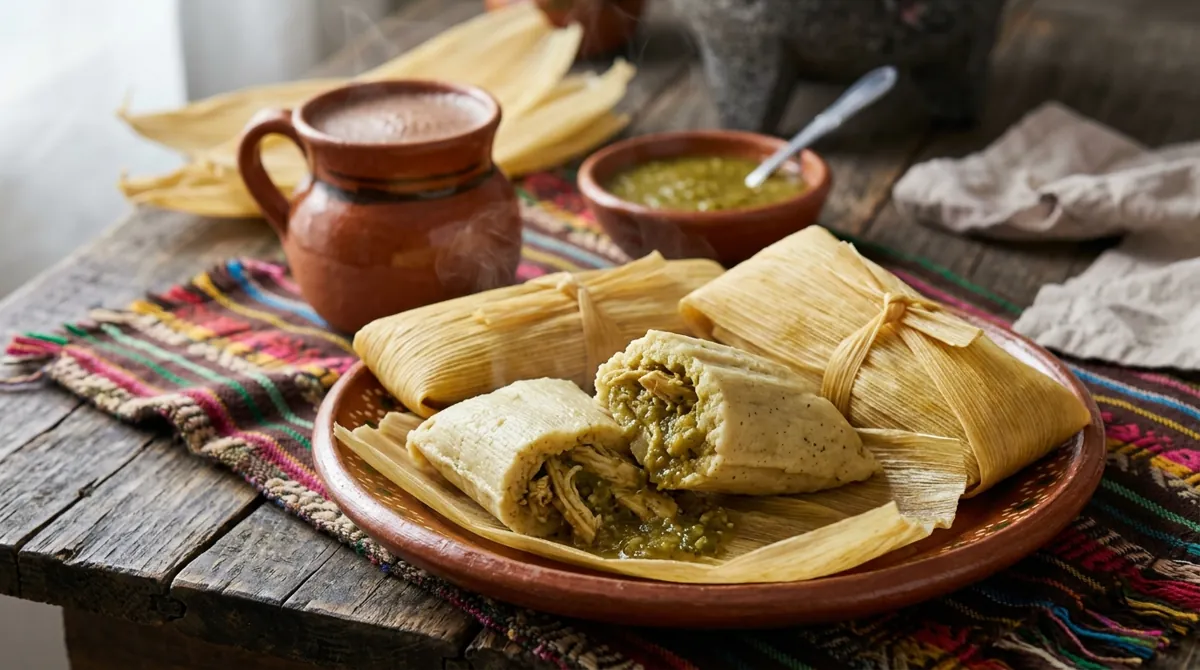
Green Chicken Tamales (Tamales Verdes de Pollo)
Shredded chicken in a tangy tomatillo and serrano salsa verde, tucked into masa beaten fluffy with lard and chicken broth and steamed in corn husks.
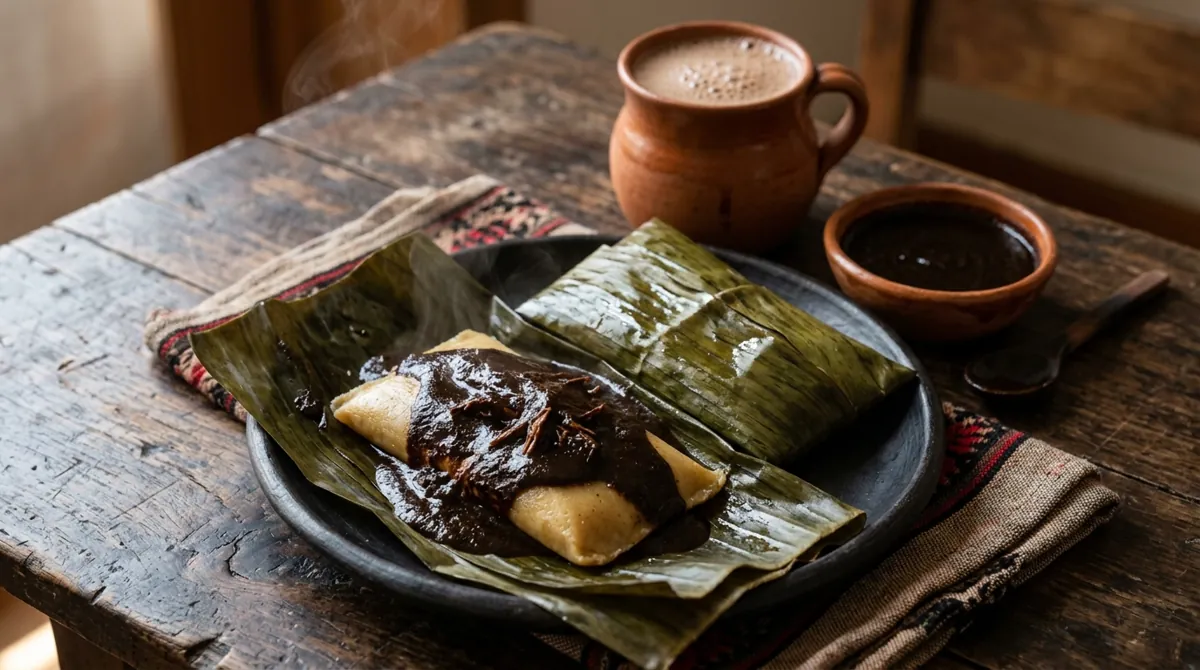
Oaxacan Black Mole Tamales in Banana Leaves
Smooth lard-beaten masa, shredded pork and chicken and a spoonful of glossy mole negro, folded into square banana-leaf packets and steamed for an hour and a half.