
🔬 Myth check
Does Searing Meat Seal in the Juices?
It is one of the most repeated rules in the kitchen, and it has been tested since the 1930s. The crust is real. The seal is not.
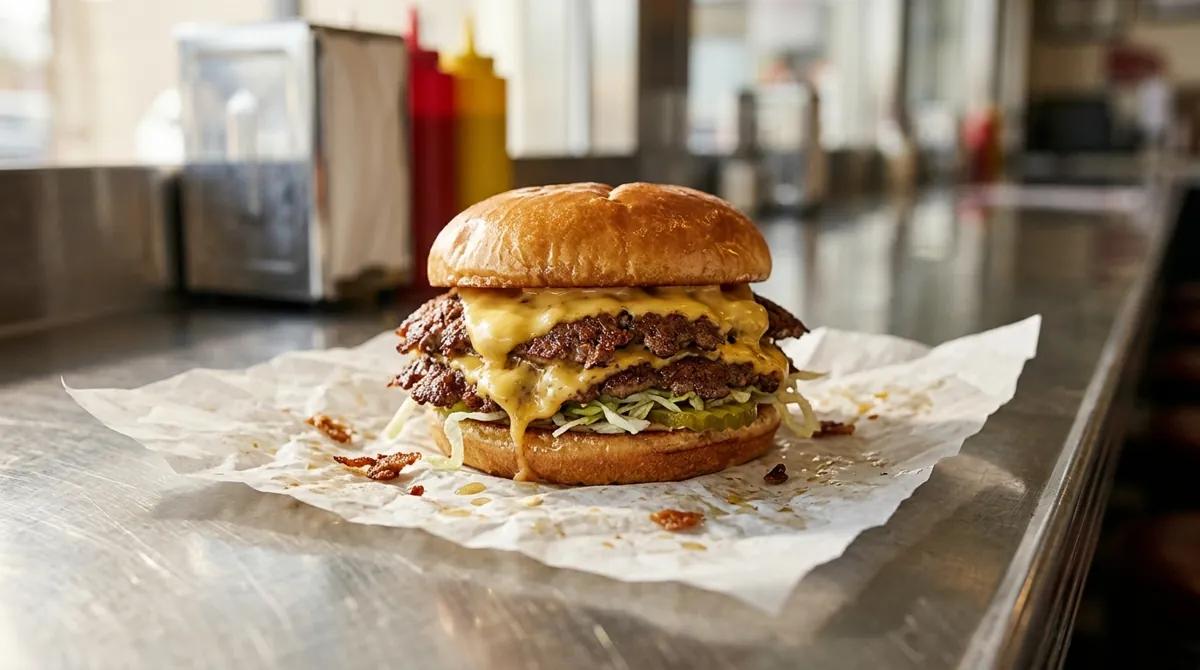
No. Searing does not seal in juices. The idea comes from the German chemist Justus von Liebig in 1847, and tests since 1930 have found that seared meat loses as much moisture as unseared meat, or more. What searing does is brown the surface through the Maillard reaction, which builds the flavor and crust people love.
Where the idea came from
The rule has a famous author. In 1847 Justus von Liebig, one of the leading chemists of his day, argued that the juices in meat held much of its nourishment, and that hitting meat with high heat at the start would form a crust that kept them inside.
It sounded scientific, and cooks ran with it. The French chef Auguste Escoffier repeated it in the early 1900s, and American cookbooks carried it for decades. The theory had a second problem too: the water-soluble substances Liebig worried about turned out to matter very little nutritionally.
What the tests found
The idea was put to the test early. A 1930 University of Missouri study found that roasts cooked at a steady temperature lost less liquid than roasts seared first. Belle Lowe, who taught experimental cookery at Iowa State, was telling home cooks in 1934 that unseared roasts stayed just as moist.
Modern test kitchens keep getting the same answer. America's Test Kitchen cooked eight rib-eyes to 125°F, searing half before they went in the oven and half after. Both batches lost about 22 percent of their weight as liquid.
The crust simply is not waterproof. Listen to a steak in a hot pan: that steady sizzle is water reaching the surface and boiling off, the whole time it cooks.
So why sear at all? Flavor
Browning is the point. When the surface of meat dries out and gets hot, amino acids from proteins react with sugars and form a large family of new compounds that taste roasted and savory and turn the surface brown. It is called the Maillard reaction, after the French chemist Louis-Camille Maillard, who described it in the 1910s.
Water slows that reaction down, which is why boiled meat never browns. It is also why our smash burger goes into a dry, very hot pan and gets pressed flat: more contact with the steel, more crust. Our Sonora-style carne asada does the same thing over a fire, with thin steaks that brown hard in the few minutes they need.
Searing first or last is your call, since the juice loss comes out about the same. Our Japanese hambagu sears the patties first, then steams them gently in red wine and uses the browned bits in the pan for the sauce.
What actually keeps meat juicy
Doneness matters most. The further meat is cooked, the more its proteins squeeze out water, so a thermometer does more for juiciness than any searing order.
Salt helps if it has time. America's Test Kitchen explains that salting ahead lets the salt work into the meat and change its proteins so they hold on to more of their own juice.
Resting helps too. In America's Test Kitchen's pork loin test, roasts sliced right away lost about 10 tablespoons of juice, while roasts rested 10 minutes lost about 4.
Questions people ask
Should I sear before or after cooking?
Either works for juiciness. America's Test Kitchen found steaks seared first and steaks seared last lost nearly the same amount of liquid. Searing first has one practical bonus: it leaves browned bits in the pan for a sauce.
Why does my seared steak sit in a pool of juice?
Usually because it was cut too soon. Juice that is still thin and hot runs out when you slice, and a short rest lets it thicken slightly as the meat cools. America's Test Kitchen measured a 60 percent drop in juice lost after a 10-minute rest.
Who first debunked the searing myth?
Researchers in the 1930s, including a 1930 University of Missouri study, showed seared roasts did not hold more juice. The food scientist Harold McGee brought the finding to a wide audience in his book On Food and Cooking, first published in 1984.
Sources
- CooksInfo, "Searing Meat"
- America's Test Kitchen, "Searing Steak"
- America's Test Kitchen, "Resting Meat Is Worth It, and We've Got the Data to Prove It"
- America's Test Kitchen, "How to Salt Chicken and How to Brine Chicken"
- University of Wisconsin-Madison CALS, "Five things everyone should know about the Maillard reaction"
- Indiana Public Media, A Moment of Science, "Seared Meat"
- Wikipedia, "Searing" (used as a lead to sources)
More food facts
Cook it
The Smash Burger
Two small balls of beef chuck smashed paper-thin onto a screaming-hot pan, scraped up with every bit of brown crust, and stacked with a slice of American cheese melting between them.
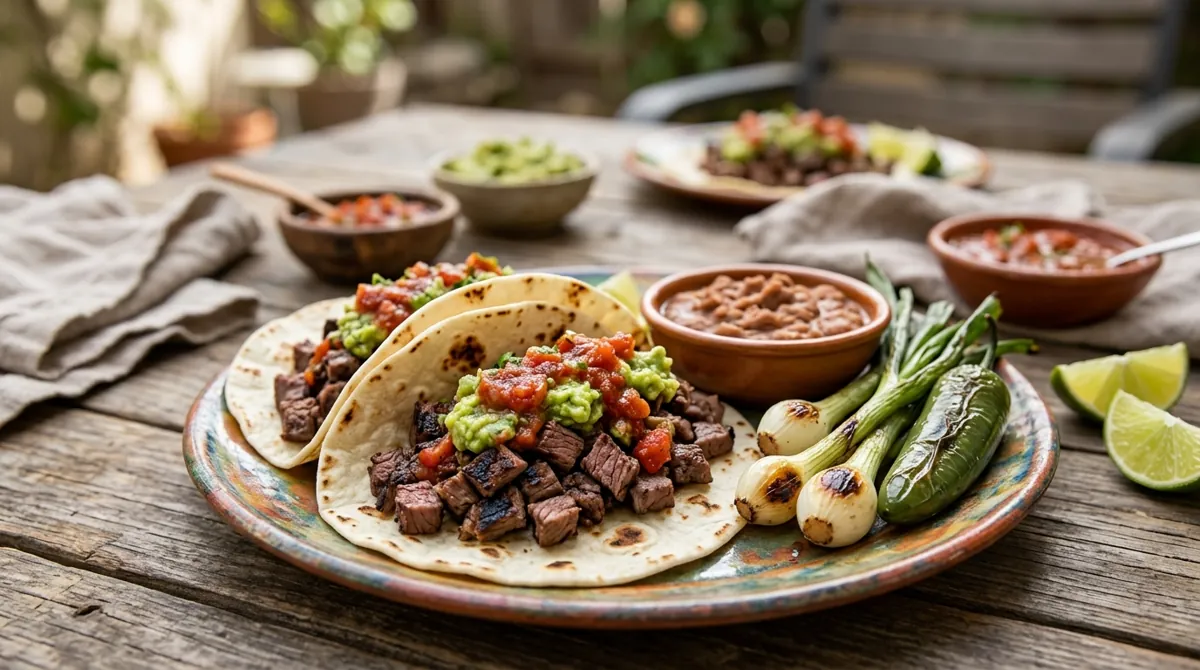
Sonora-Style Carne Asada Tacos
Half-inch beef steaks seasoned with nothing but salt, seared over a hot fire, chopped and piled into warm flour tortillas with refried beans, salsa and guacamole.
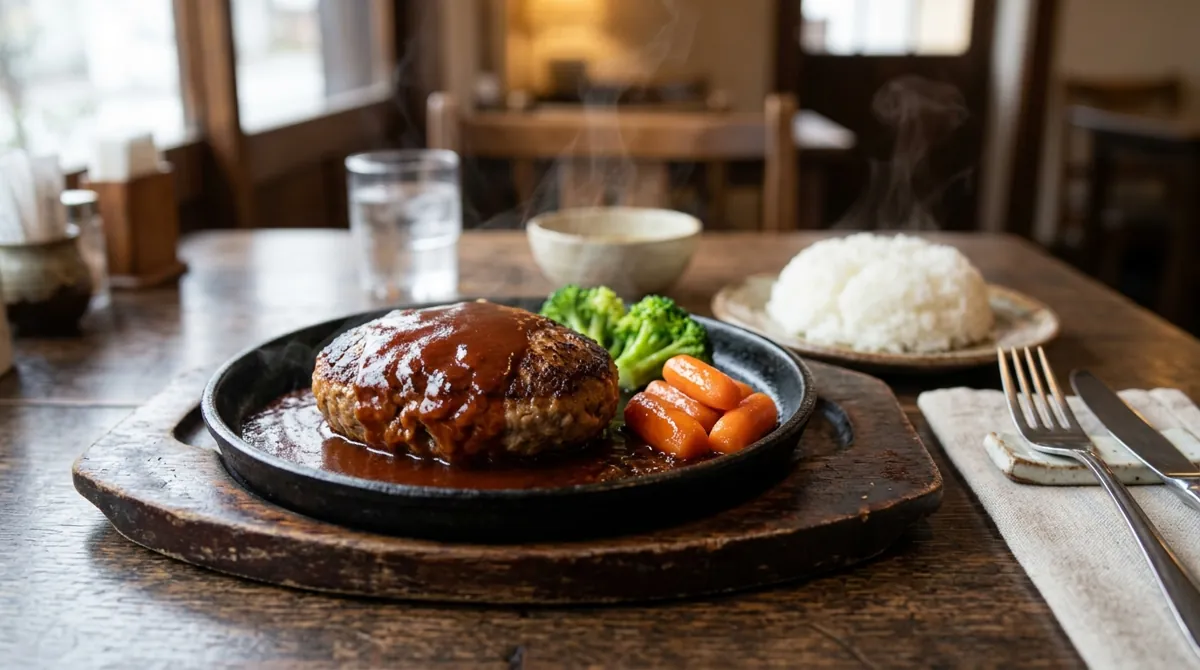
Japanese Hambagu (Hamburg Steak with Red Wine Sauce)
Tender oval patties of beef and pork bound with panko, milk and sautéed onion, steamed in red wine and finished with a glossy pan sauce of butter, ketchup and tonkatsu sauce.
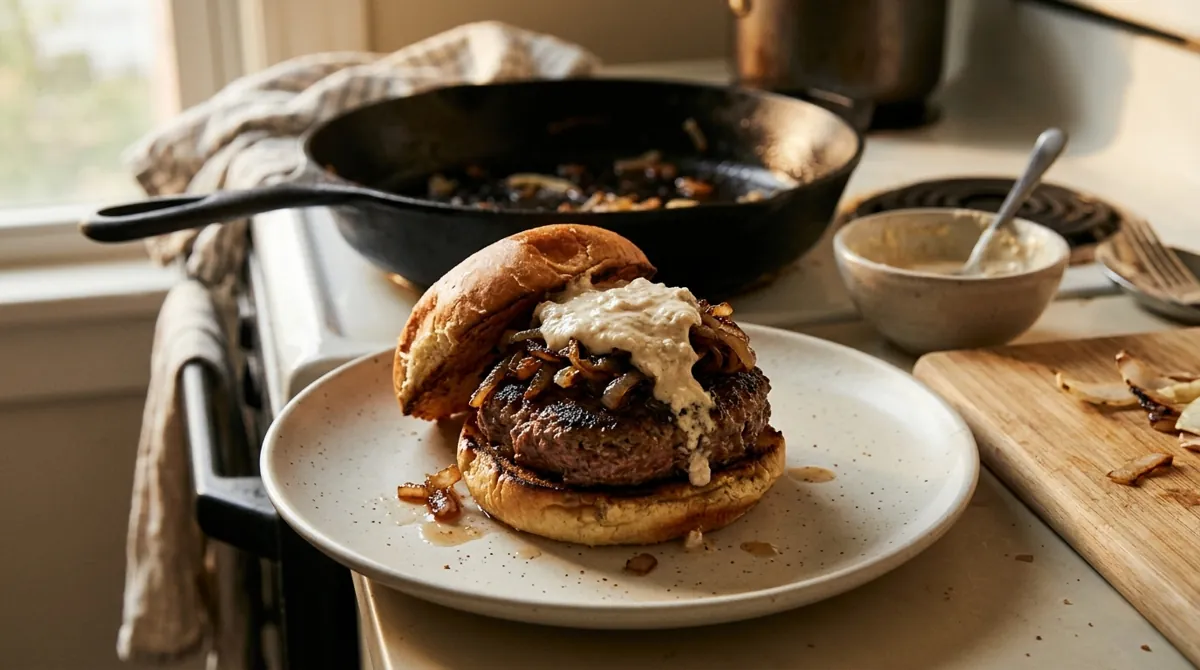
30-Minute Weeknight Skillet Burgers with Onions and Horseradish Sauce
Garlicky burgers seared in one skillet, then onions browned in the drippings, with a quick sour cream and horseradish sauce, on the table in 30 minutes with no grill.
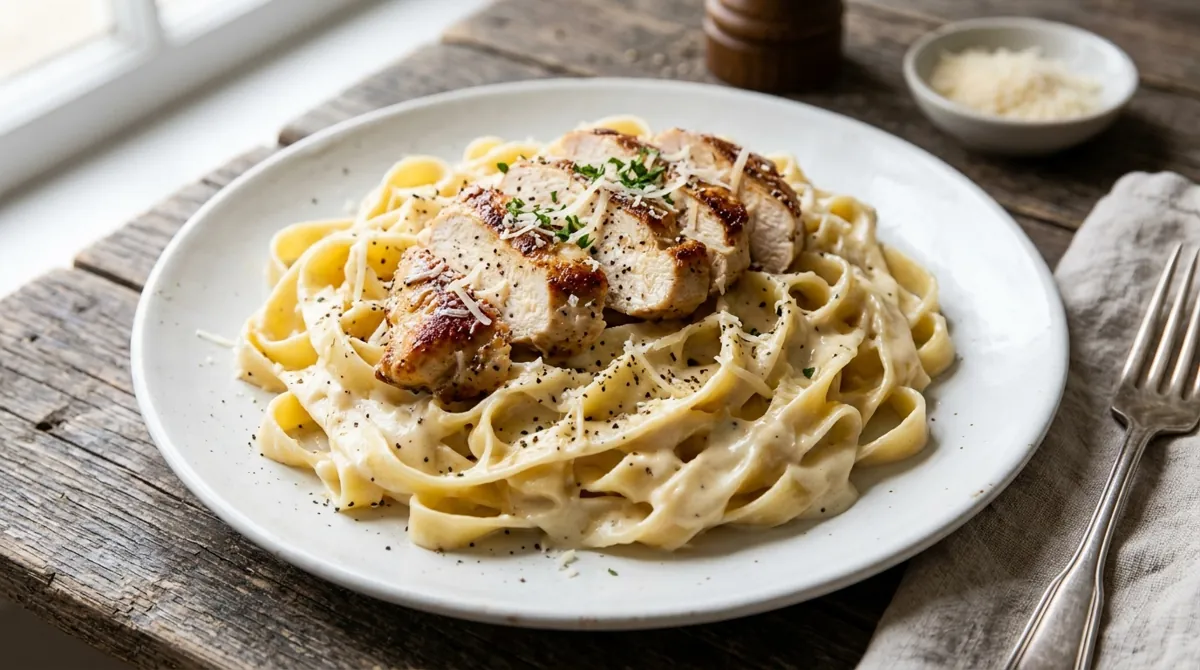
American Fettuccine Alfredo
Cream, butter, garlic, a mountain of Parmesan and sliced chicken. The Alfredo on almost every Italian-American menu.
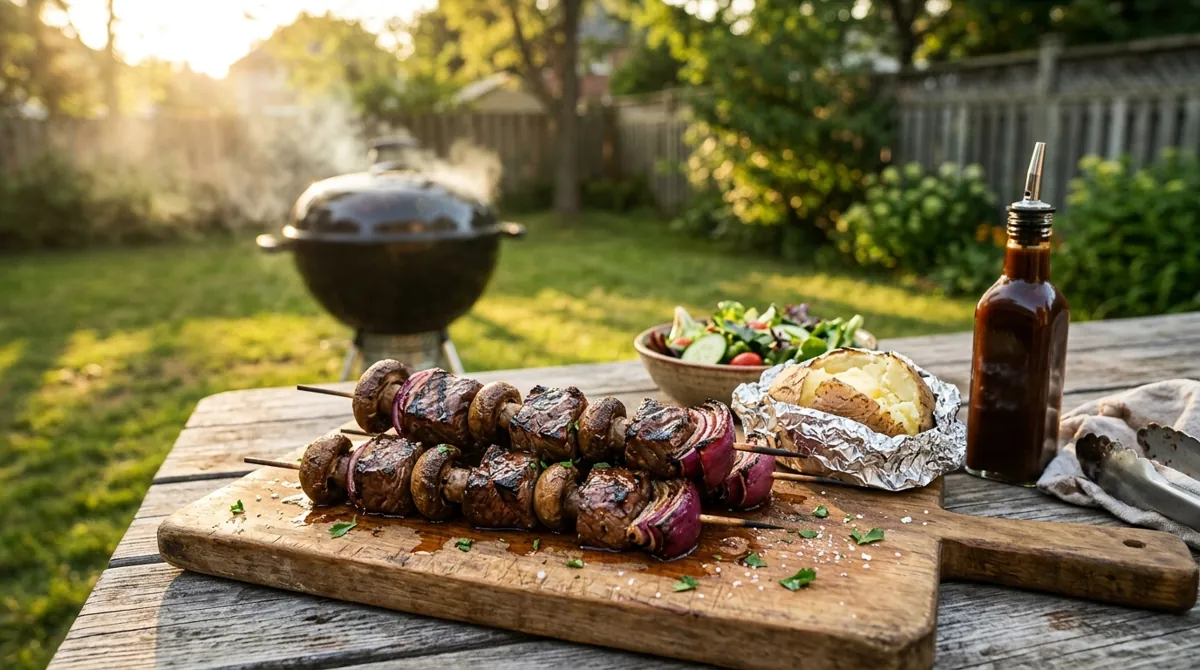
Backyard Beef Kebabs (Steakhouse-Style Sirloin, Mushroom and Onion Skewers)
Cubes of sirloin tip and cremini mushrooms marinated in olive oil, Worcestershire, soy sauce, lemon, Dijon, garlic, brown sugar and black pepper, threaded with chunks of red onion and seared hard over a hot charcoal fire.