
📜 Origin story
The History of Fettuccine Alfredo: From Rome to American Cream
A Roman restaurateur made a plate of buttered noodles famous. Then it crossed the Atlantic and picked up cream, garlic and chicken along the way.
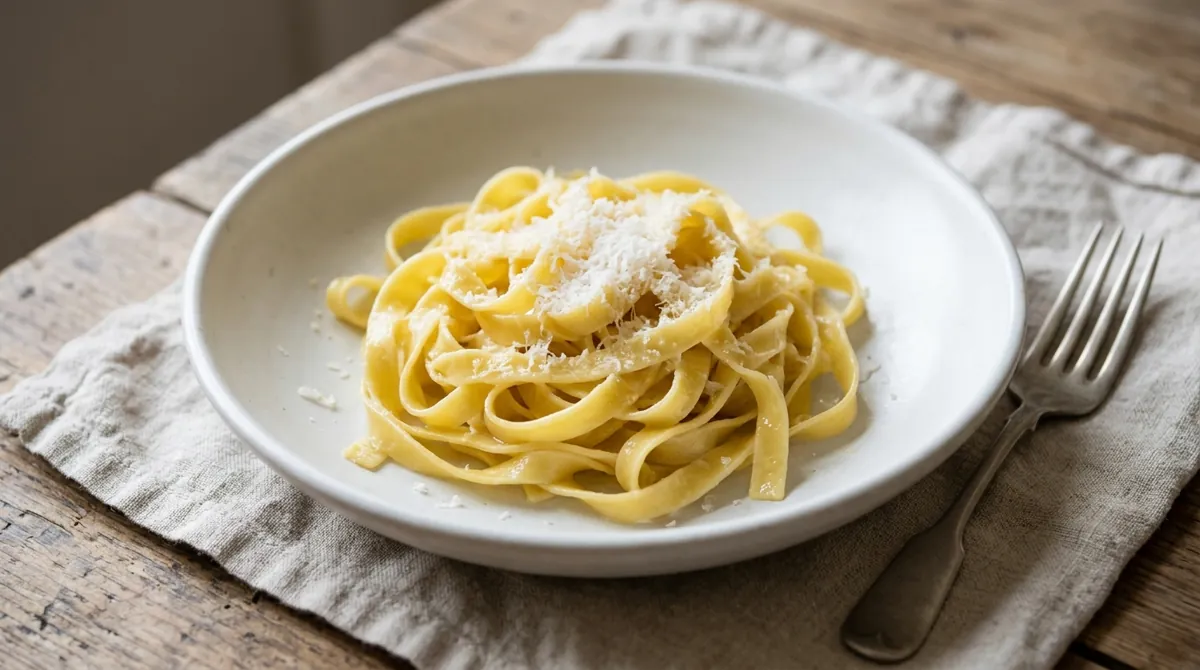
Fettuccine Alfredo was created in Rome by restaurateur Alfredo di Lelio, traditionally dated to around 1908, as fresh fettuccine tossed with butter and Parmigiano. Hollywood stars Mary Pickford and Douglas Fairbanks made it famous with Americans in the 1920s. Cream came later, in the United States: an American noodle brand was printing a cream version by 1966.
Rome, around 1908: buttered noodles for a new mother
Pasta with butter and cheese is old in Rome. A cook named Martino da Como, working in the city around 1460, wrote down a dish of "Roman macaroni" dressed with butter and cheese. Romans still call the everyday version fettuccine al burro.
Alfredo di Lelio's version is famous because of a family story. The usual telling is that after his wife Ines gave birth to their son Armando, around 1908, she had no appetite, and he made her a rich plate of fresh fettuccine with extra butter and Parmigiano. The story comes from the family and the restaurant, and the details shift from one telling to the next. Some accounts tie the dish to 1914, the year Alfredo moved his restaurant to Via della Scrofa.
What is not in dispute is the show. Alfredo tossed the noodles at the table with a big fork and spoon until the butter and cheese turned into a glossy sauce. That is still how our Roman Fettuccine Alfredo works: fresh pasta, butter, Parmigiano and a splash of starchy pasta water.
The Hollywood visit, and a golden fork
Mary Pickford and Douglas Fairbanks, the biggest silent film couple of their day, married in March 1920 and sailed for a European honeymoon that June. The story goes that they ate at Alfredo's in Rome on that trip, loved the fettuccine and talked it up back home. The visit is usually dated to 1920, though some accounts place it in 1927.
The restaurant says the couple later gave Alfredo a gold fork and spoon engraved to the "King of the Noodles," and a 1951 American newspaper profile already mentions the set. By then the dish had plenty of English-language fans. Sinclair Lewis praised the fettuccine on Via della Scrofa in his 1922 novel Babbitt, and in 1929 the American restaurateur George Rector printed a recipe for "Noodles Alfredo" made with just noodles, butter and Parmesan.
How the cream got in
Nobody has pinned down the first American cook who poured cream into Alfredo. The usual explanation is that American butter and grated Parmesan were not as rich as what Alfredo used, and that the butter and cheese emulsion is tricky to pull off at home. Cream fixes both problems: it is already an emulsion, so the sauce stays smooth and holds on a plate. That explanation is reasonable, but it is an inference, not a documented decision.
The earliest firm evidence we found is a 1966 recipe from the Pennsylvania Dutch noodle company, sold with its boxed egg fettuccine. It kept the butter and Parmesan and added half a cup of cream and a little Swiss cheese. Restaurant chains, jarred sauces and garlic and chicken followed, which brings us to the plate most Americans know: our American Fettuccine Alfredo.
Two restaurants, two dishes
Alfredo sold the Via della Scrofa restaurant in 1943, during the war, to two of his staff. It still operates as Alfredo alla Scrofa. After the war he opened a new place on Piazza Augusto Imperatore with his son, now called Il Vero Alfredo and run by his descendants. Both still toss the pasta tableside with no cream.
So there are really two dishes with one name. You can cook both from our fettuccine Alfredo hub, and then vote on which one deserves the name in our American vs Roman Alfredo debate.
Questions people ask
Did the original fettuccine Alfredo have cream?
No. The Roman original is fresh fettuccine, butter and Parmigiano, tossed with a little pasta water until it turns creamy. Cream is an American addition, documented in a recipe by 1966.
What is fettuccine Alfredo called in Italy?
In Italy the everyday dish is usually called fettuccine al burro, buttered fettuccine. A 1925 Italian guidebook already listed Alfredo's place under that name, and the Alfredo label sticks mainly to the two Roman restaurants tied to di Lelio.
Is the golden fork and spoon real?
The restaurant displays a gold fork and spoon it says Pickford and Fairbanks gave Alfredo, and newspapers were describing the gift by 1951. The exact date of the gift, and whether the set is solid gold, rest on the restaurant's own account.
Parts of this history are disputed. Where sources disagree, we say so.
Sources
- Milk Street, "The Search for the Real Fettuccine Alfredo"
- Turismo Roma (Rome's official tourism site), "The Emperor of Fettuccine"
- Luca Cesari, "The Invention of Fettuccine Alfredo: A Love Story," Literary Hub
- Barry Popik, "Fettuccine Alfredo" (dated citations)
- Red Sauce America, "How Pennsylvania Dutch Noodles Americanized Fettuccine Alfredo"
- HISTORY.com, "Pickford and Fairbanks mobbed by crowds"
- Wikipedia, "Fettuccine Alfredo" (used as a lead to sources)
More food facts
Cook it
Roman Fettuccine Alfredo (Fettuccine al Burro)
Fresh pasta, butter and Parmigiano. No cream, no garlic, no chicken, and somehow creamier than ours.
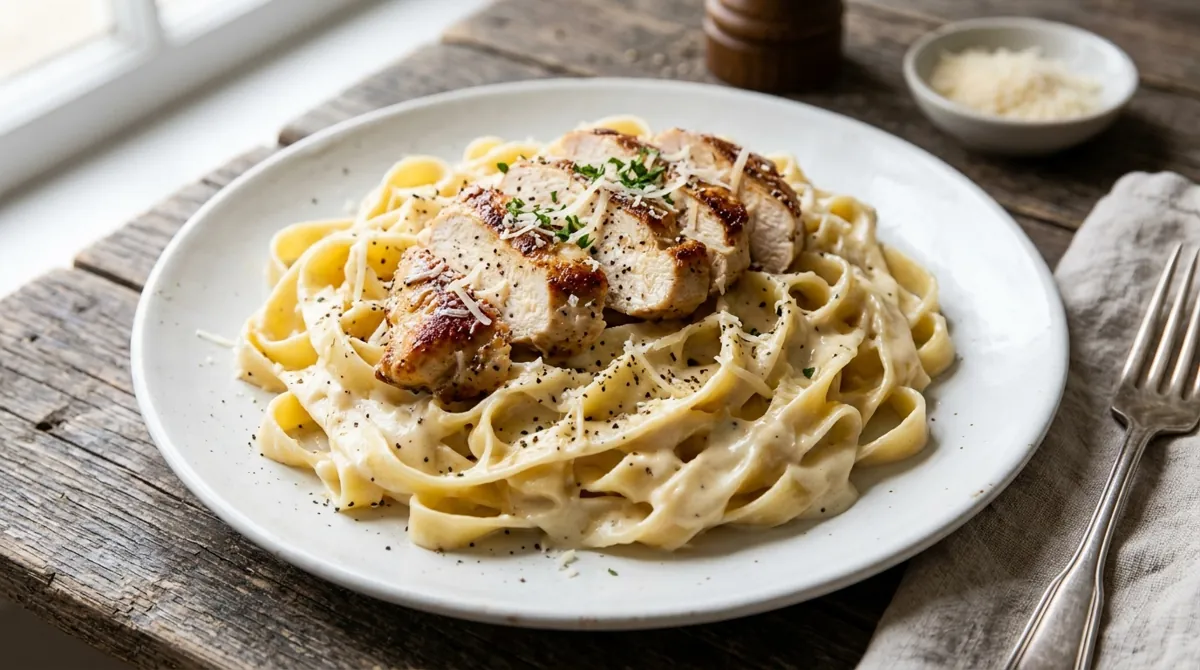
American Fettuccine Alfredo
Cream, butter, garlic, a mountain of Parmesan and sliced chicken. The Alfredo on almost every Italian-American menu.
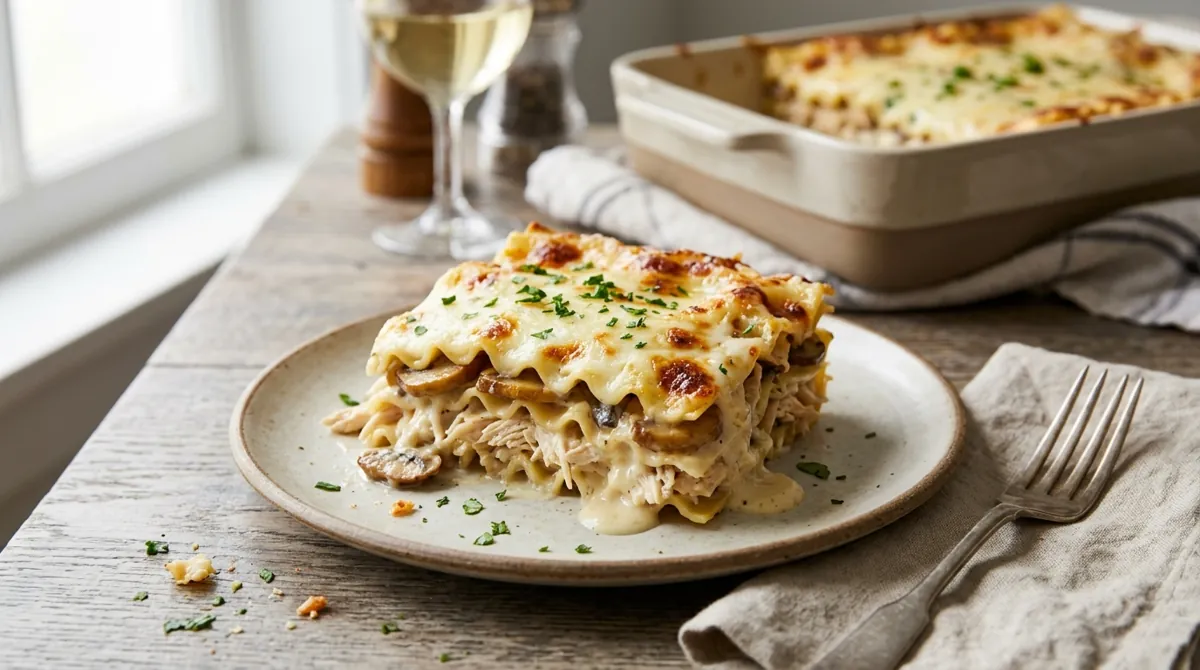
White Chicken Lasagna (Alfredo-Style)
A tomato-free lasagna of tender poached chicken and golden mushrooms in a garlicky Parmesan white sauce, under a lid of melted mozzarella.
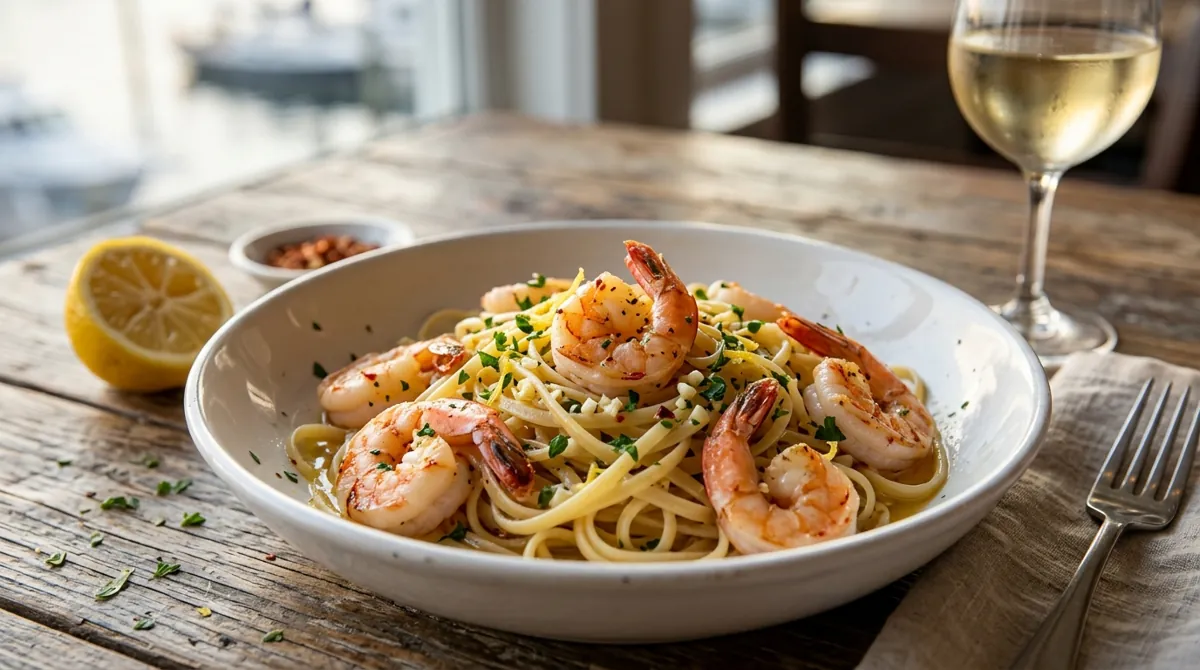
Shrimp Scampi with Linguine
Shrimp quickly brined and seared, then tossed back into linguine with a silky sauce of olive oil, a lot of garlic, chile, dry vermouth, butter and lemon, finished with parsley.