
🔬 Myth check
Is Canned Pumpkin Really Squash?
The can says pumpkin. The plant inside is the same species as butternut squash. Both statements are true, because pumpkin was never a botanical category to begin with.
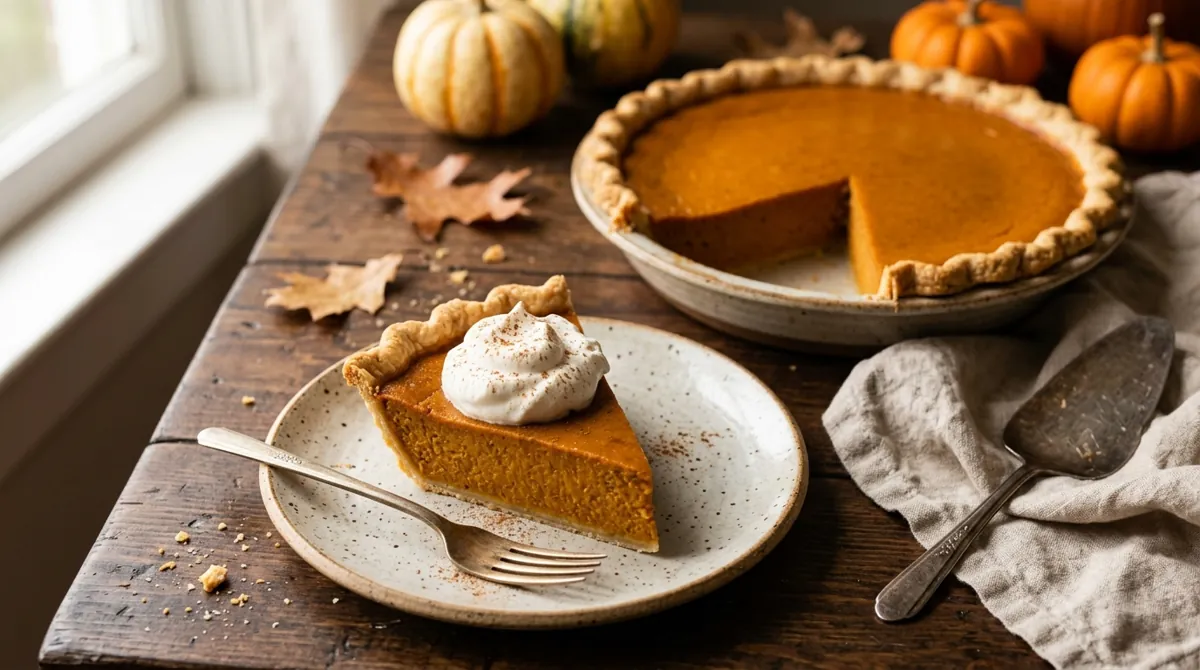
Sort of. Pumpkins are squashes: every pumpkin belongs to the squash genus Cucurbita. Most American canned pumpkin comes from the Dickinson pumpkin, a tan, squash-like variety of Cucurbita moschata, the same species as butternut. Since 1938 the FDA has told canners it will not object to golden-fleshed sweet squash being sold as pumpkin.
Pumpkin is a kitchen word
Botanists do not have a pumpkin group. Iowa State University Extension explains that pumpkins come from four different species of Cucurbita: C. pepo, which includes field pumpkins, C. moschata, which includes butternut, C. maxima, which includes hubbard squash and giant pumpkins, and C. mixta, the cushaws.
In other words, "pumpkin" is whatever round, orange-ish squash a culture decided to call pumpkin. Asking whether canned pumpkin is squash is a bit like asking whether a Granny Smith is an apple.
What is actually in the can
Iowa State says the main source of commercial pumpkin puree is the Dickinson pumpkin, a C. moschata variety and a close relative of butternut. NDSU Extension horticulturist Tom Kalb writes that Libby's grows its Dickinson squash near its Illinois processing plant, and he calls it a butternut type.
The brand history goes back almost a century. Food historian Sarah Wassberg Johnson writes that Libby's bought the Dickinson family canning company, and its Dickinson variety, in 1929. So the can's "pumpkin" is a real pumpkin variety, just not the kind you carve.
Why the label can say pumpkin
The FDA's Compliance Policy Guide 585.725, issued in 1969 and last reissued in 1988, says canned pumpkin has long been packed from field pumpkins, from firm-shelled, golden-fleshed sweet squash, or from mixtures of the two. Since 1938, the agency says, it has told canners it would not take action solely for calling such products pumpkin.
Its reasoning is short: there is no evidence the name misleads consumers. Interestingly, the guide names C. pepo and C. maxima, not the moschata species that Dickinson belongs to; extension horticulturists, not the FDA, are the source for Dickinson's species.
Why it makes a smoother pie
Kalb puts it plainly: jack-o'-lantern pumpkins make poor pie because their flesh is thin, stringy and watery, while butternut-type squashes are thick, smooth and high in sugar. That is the texture canners want, and it is why our classic pumpkin pie starts with a can.
New England cooks never fussed over the difference. Lydia Maria Child's "The American Frugal Housewife" (1832) gives one recipe headed "Pumpkin and Squash Pie," and our New England squash pie follows that idea with roasted winter squash. See both in our pumpkin pie hub, and the South's answer in pumpkin pie vs sweet potato pie.
Questions people ask
Can I use butternut squash instead of canned pumpkin?
Yes. Butternut is the same species as Dickinson, and New England cooks were already baking squash pie in the 1830s. Roast it until very soft and puree it, then cook off extra moisture if the puree looks wet.
Is canned pumpkin pie filling the same as canned pumpkin?
No. Canned pumpkin is plain cooked puree. Pie filling is already sweetened and spiced, so it cannot be swapped one for one in a recipe that adds its own sugar and spices.
Can I make pie from a carving pumpkin?
You can, but NDSU's horticulturist says carving pumpkins are thin, stringy and watery. Smaller pie or sugar pumpkins, or a butternut, give a smoother custard.
Sources
- U.S. Food and Drug Administration, CPG Sec. 585.725 "Pumpkin" - Labeling Articles Made from Certain Varieties of Squash
- Iowa State University Extension, Yard and Garden, "Is canned pumpkin actually made from a mixture of butternut and other squashes?"
- Tom Kalb, NDSU Extension, "Dakota Gardener: The secret to great pumpkin pie," October 25, 2022
- Sarah Wassberg Johnson, "The Secret Behind Libby's Original Pumpkin Pie Recipe," The Food Historian, November 22, 2023
- Lydia Maria Child, "The American Frugal Housewife" (1832), Project Gutenberg
More food facts
Cook it
Classic American Pumpkin Pie
The Thanksgiving pie: a smooth custard of pumpkin puree, eggs, heavy cream, sugar, cinnamon, ginger and nutmeg in a par-baked all-butter crust, pulled from the oven while the center still wobbles.
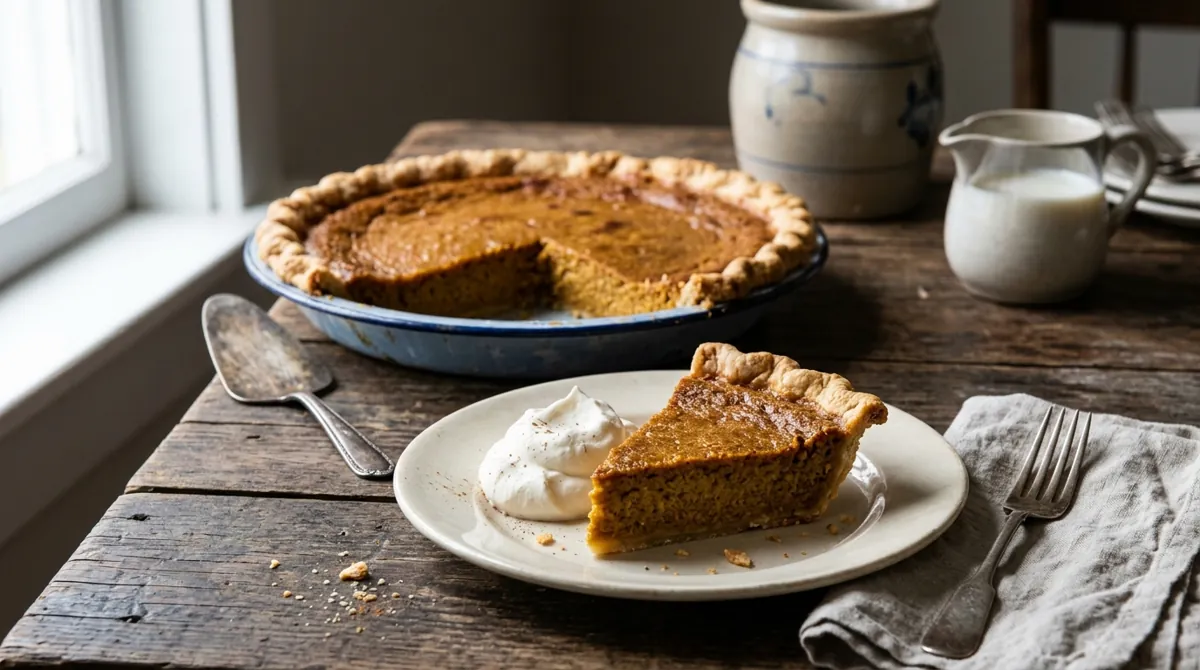
New England Squash Pie (Lydia Maria Child, 1832)
The old Yankee custard pie made with roasted winter squash instead of pumpkin, cooked with milk, sweetened with molasses and a little sugar, spiced with plenty of cinnamon and ginger, and baked in an open crust.
Crustless Pumpkin Pie Cups
Classic pumpkin pie filling baked without the crust in six ramekins in a water bath, so it is in the oven in 10 minutes and ready in about 45, with the silky texture of the pie and none of the rolling.
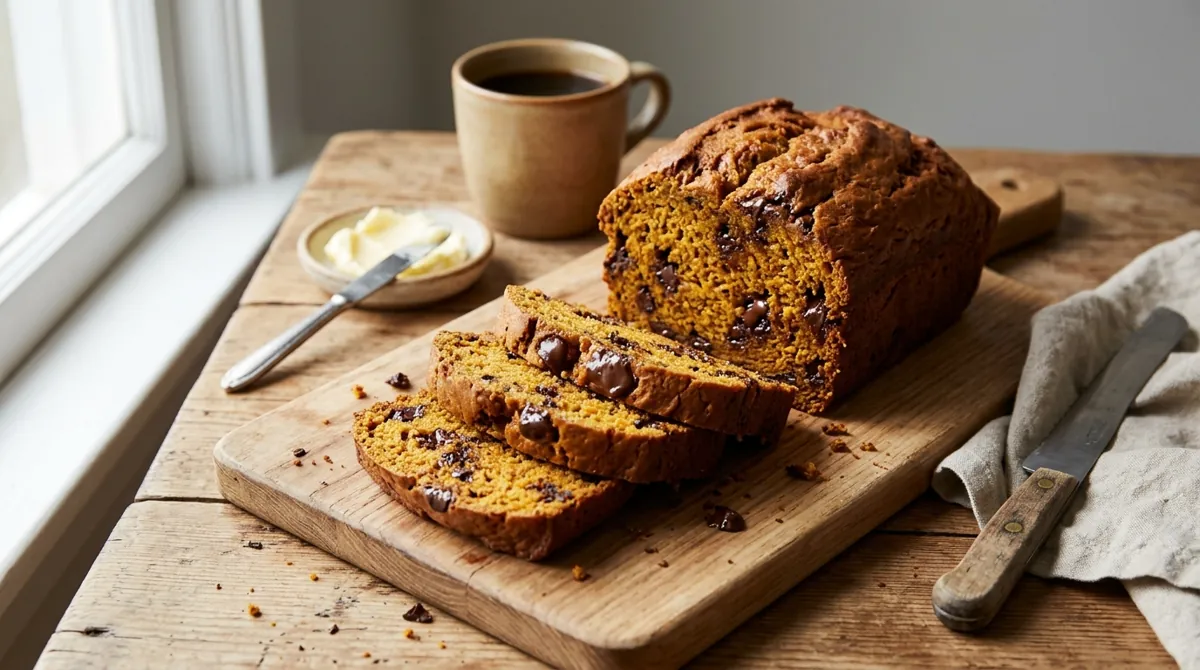
Pumpkin Bread (Chocolate Chip Quick Bread)
King Arthur's super-moist oil-based pumpkin quick bread, made with canned pumpkin, nutmeg and vanilla, studded with chocolate chips and baked in one loaf pan.
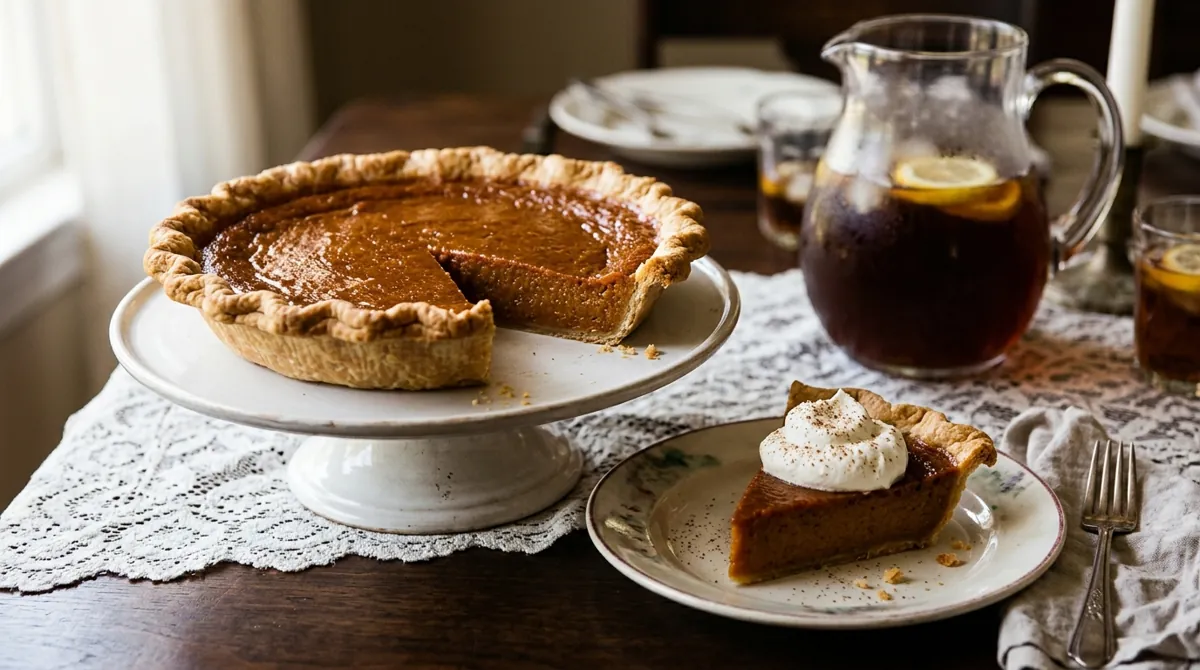
Southern Sweet Potato Pie
Silky sweet potato custard made with brown sugar, butter, sour cream, extra yolks, cinnamon, nutmeg and an optional splash of bourbon, baked in a crust lined with a thin layer of caramelized brown sugar.