
🔥 Heat and Cooking Methods · Lesson 3 of 5
How to Sear Meat for a Deep Brown Crust
A real sear comes from a dry surface, a hot pan, room between pieces and the patience to leave the meat alone.
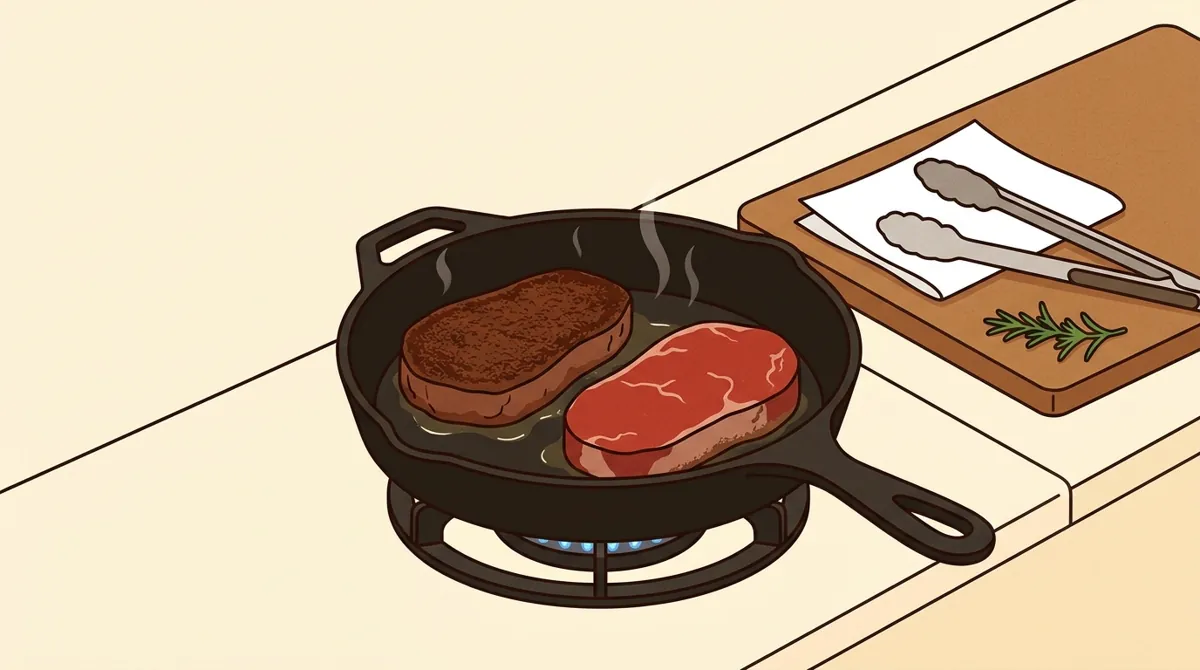
- Patted dry
- Hot pan, shimmering oil
- Room between pieces
- Deep brown crust
Why it matters
The brown crust on a seared steak or burger carries much of its flavor, and most home cooks lose it to steam. Wet meat, a pan that isn't hot yet or a crowded skillet all hold the surface near the boiling point of water, and the meat turns gray instead of brown.
The browning is the Maillard reaction
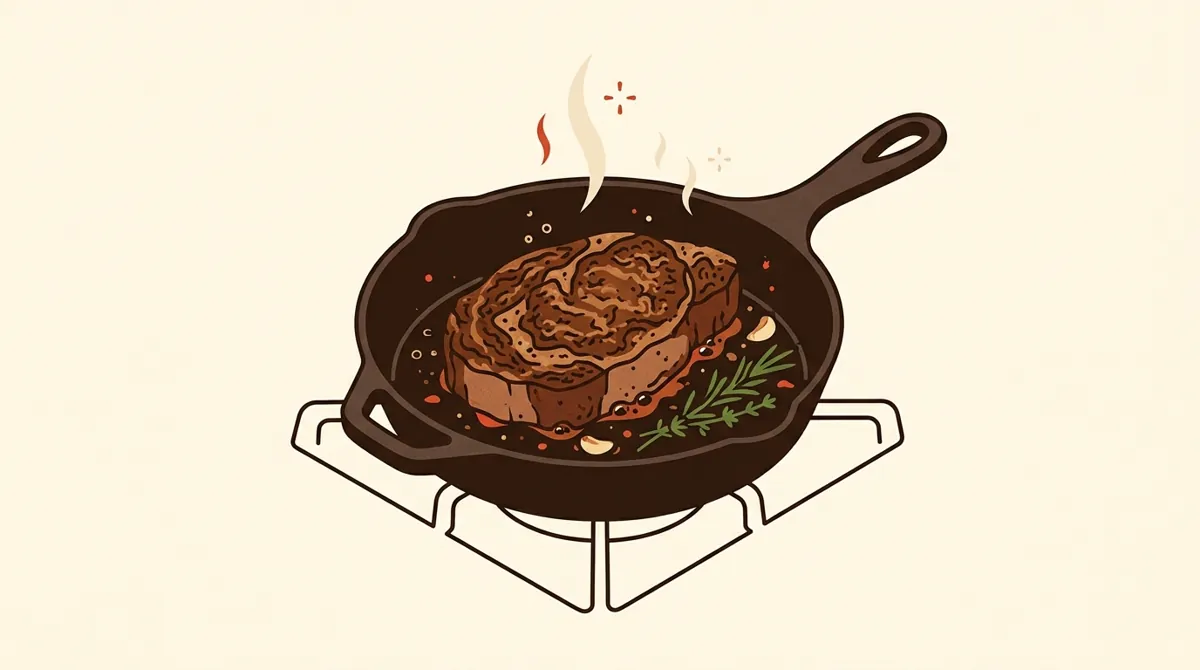
Searing browns meat through the Maillard reaction, a chain of reactions between amino acids and sugars that builds brown color and roasted flavor. It is named for French chemist Louis Camille Maillard, who described it in 1912. It runs quickly from about 280 to 330°F, and it is a different process from caramelization, which involves sugars alone.
Water is the enemy of the crust
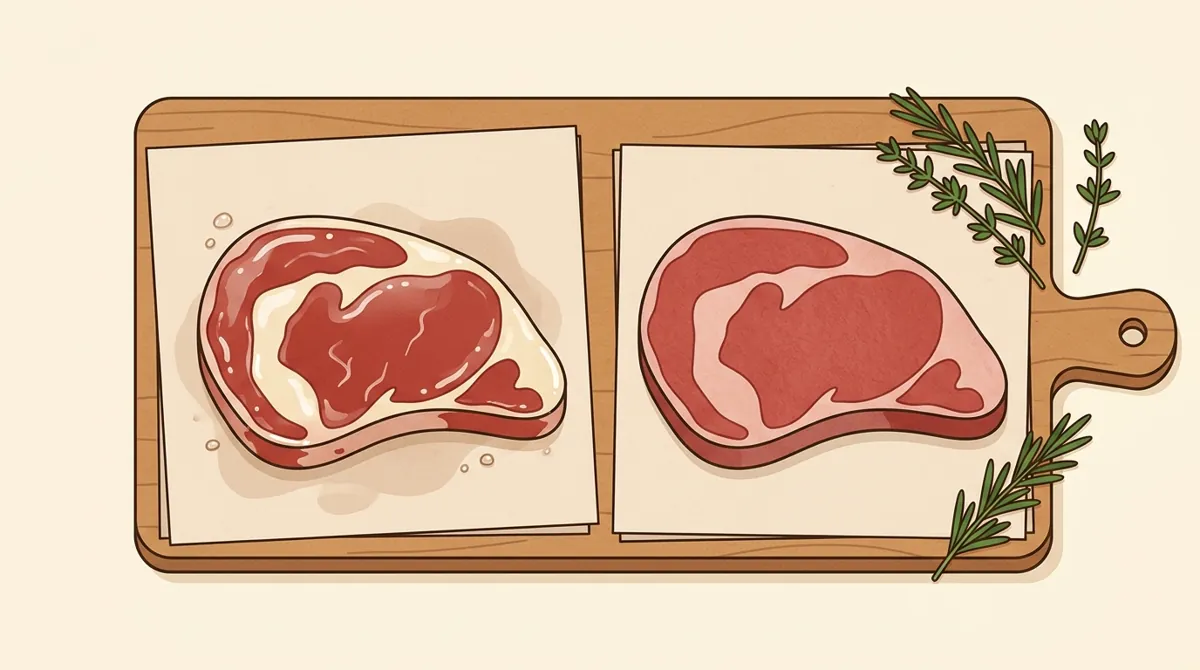
Boiling water tops out at 212°F, well below the temperature needed for browning, so a wet surface has to dry before it can brown. Pat meat dry with paper towels right before it goes in the pan. America's Test Kitchen pats pork chops dry so the outsides are as dry as possible before searing.
Preheat the pan and the oil
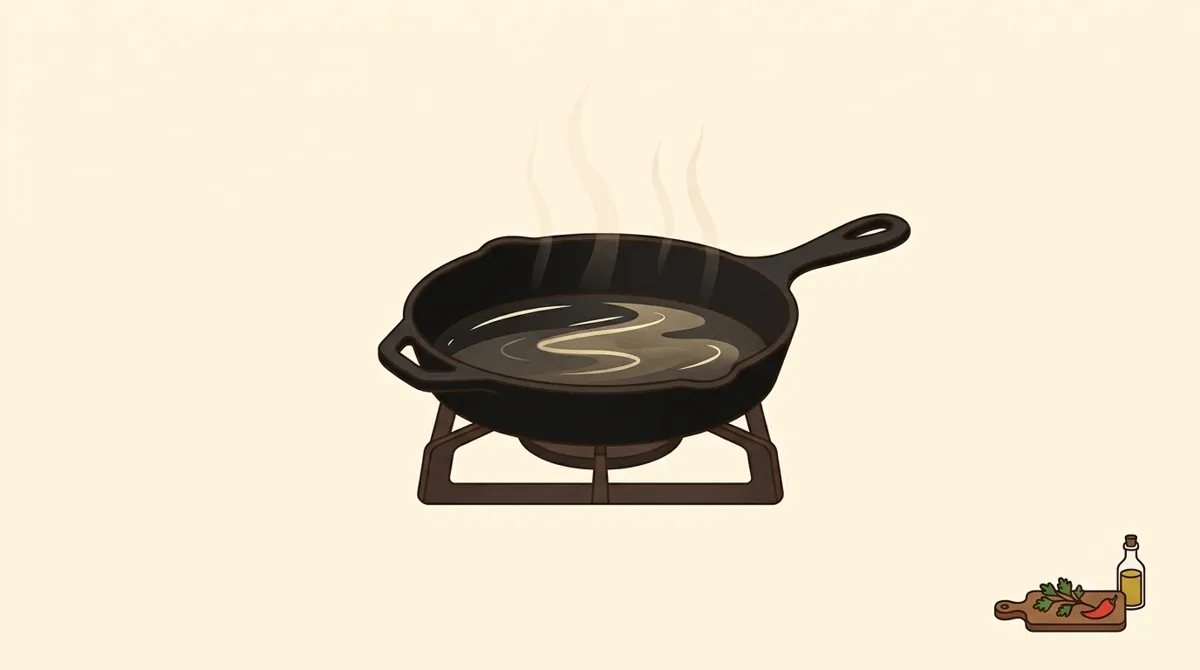
In an America's Test Kitchen test, a steak added to oil that was only shimmering (about 275°F) took about 10 minutes to brown and had a thick overcooked gray band under the crust. In oil heated to its smoke point (about 400°F for vegetable oil), it browned in about 6 minutes with only a thin gray band. A hotter pan browns the outside before the inside overcooks.
Don't crowd the pan
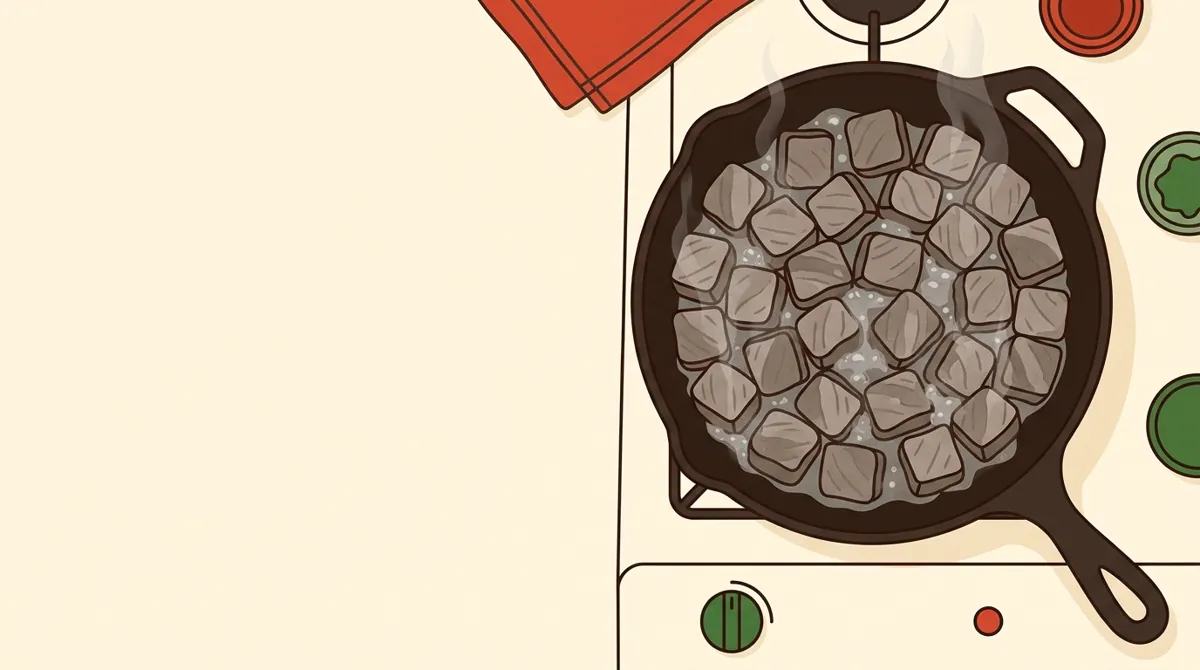
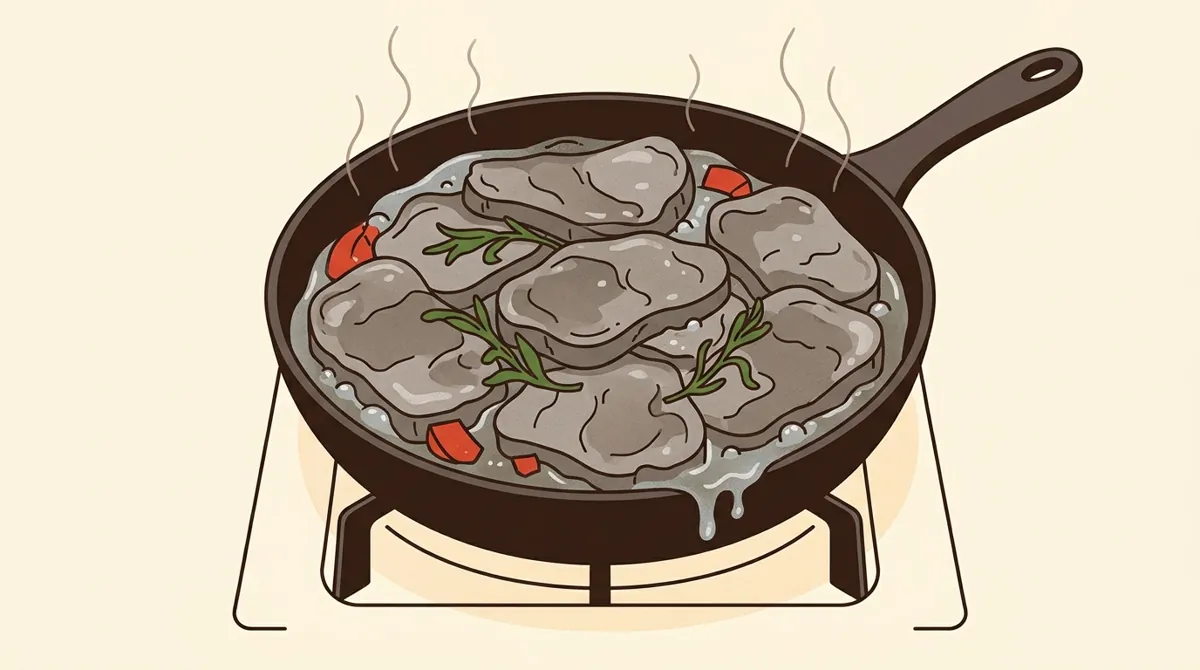
Meat releases moisture as it cooks. In a pan with room to spare it evaporates, but in a crowded pan it pools, the pan temperature drops and the meat steams in its own juices. Cook in batches with space between the pieces.
Leave it alone until it lets go
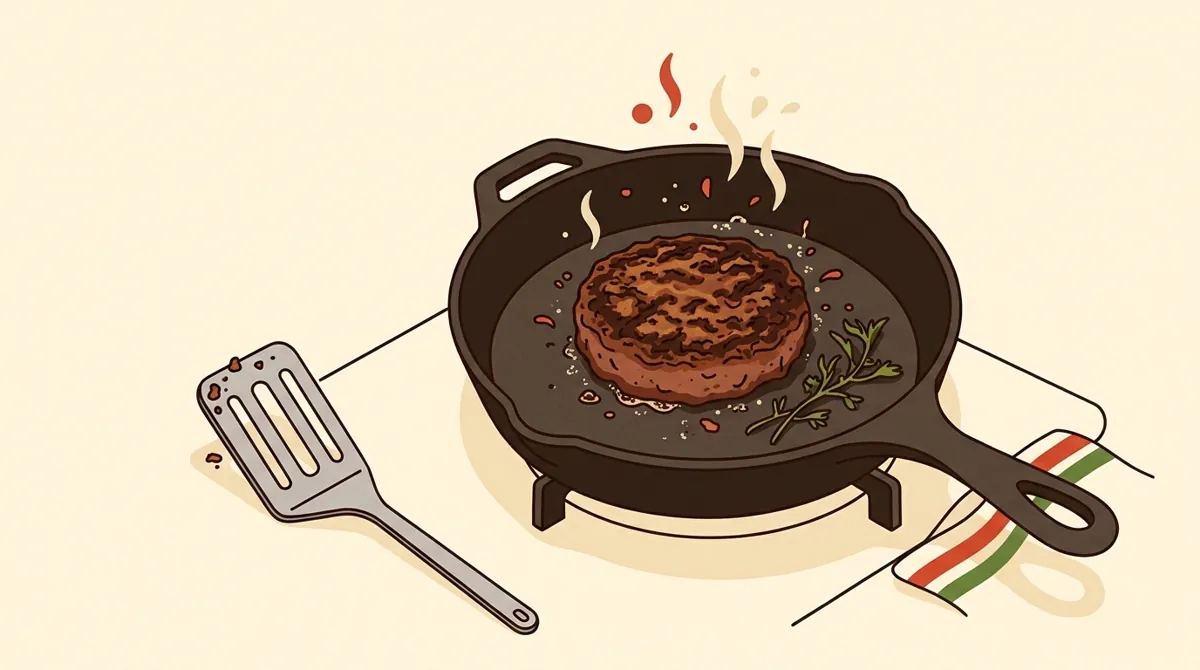
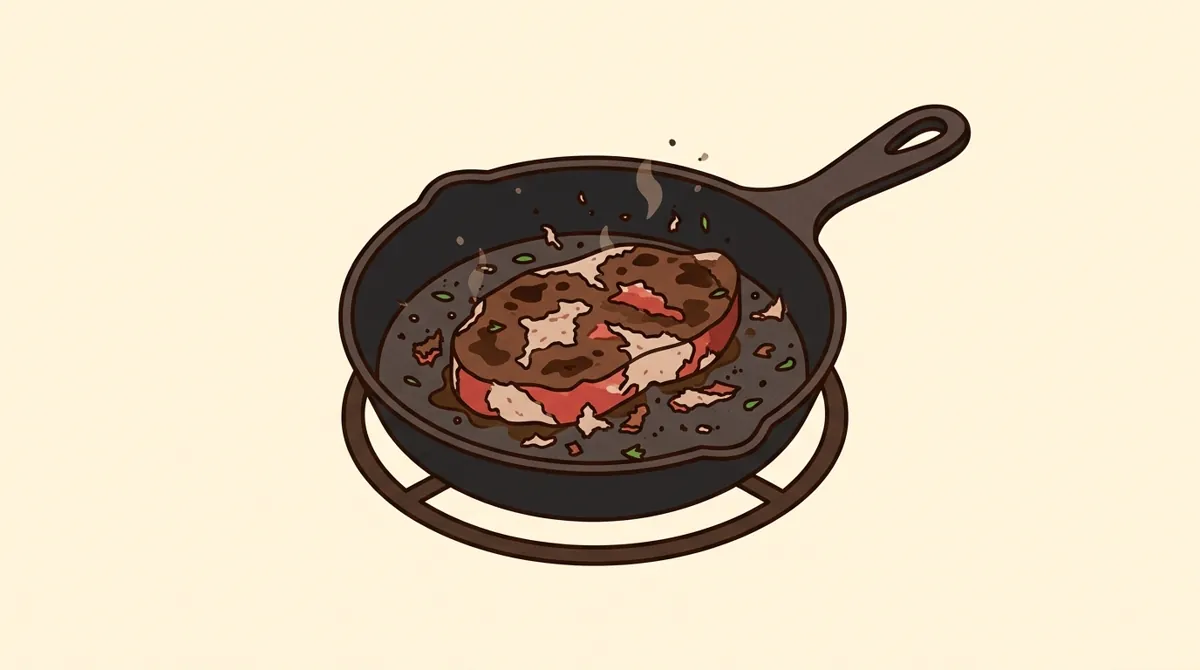
Resist the urge to move the meat once it is in the pan. Let it cook undisturbed until a crust forms, and flip it only when it releases easily without pulling, tugging or tearing.
Step by step
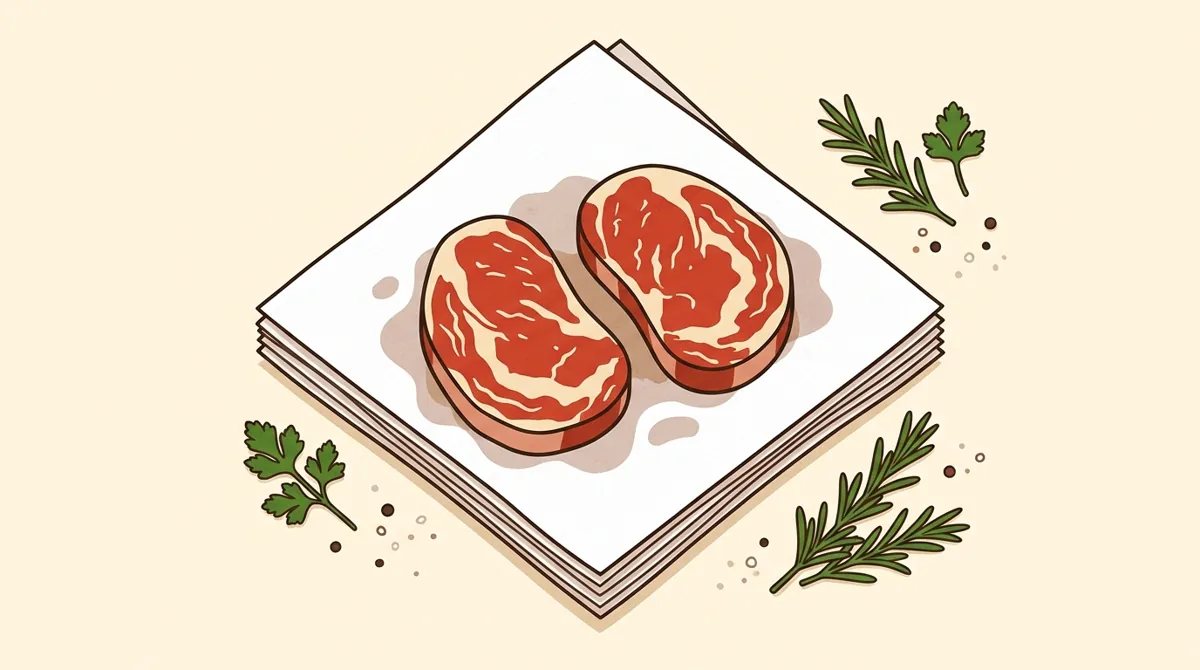
Pat every surface of the meat dry with paper towels.
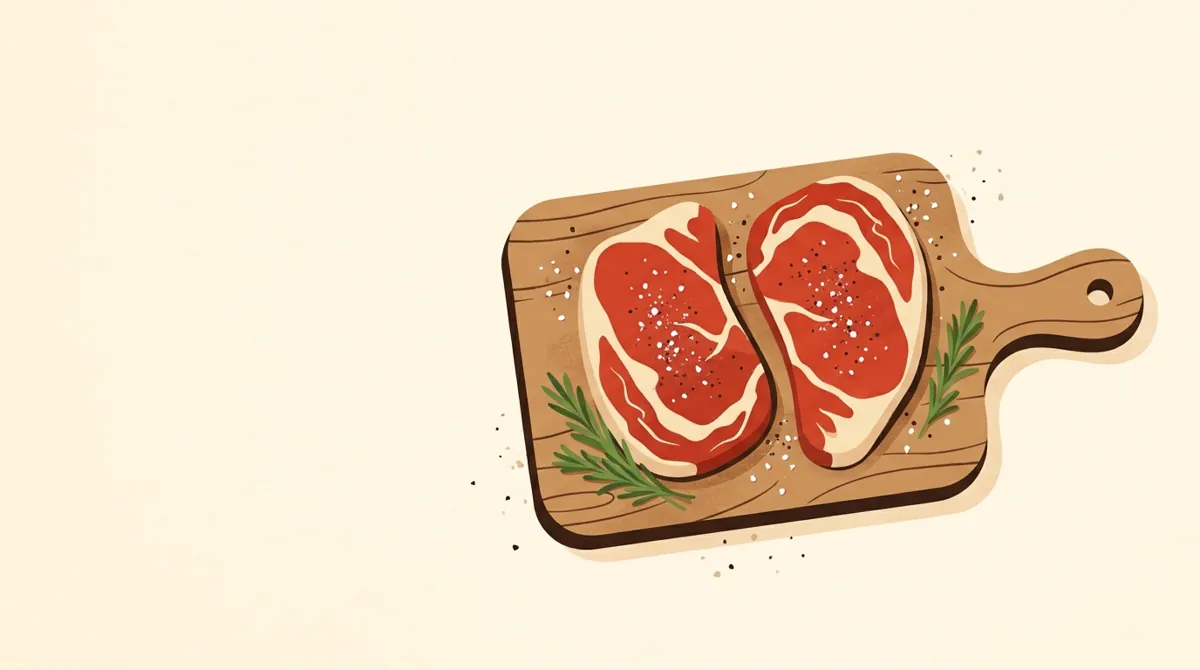
Season it right before it goes in the pan.
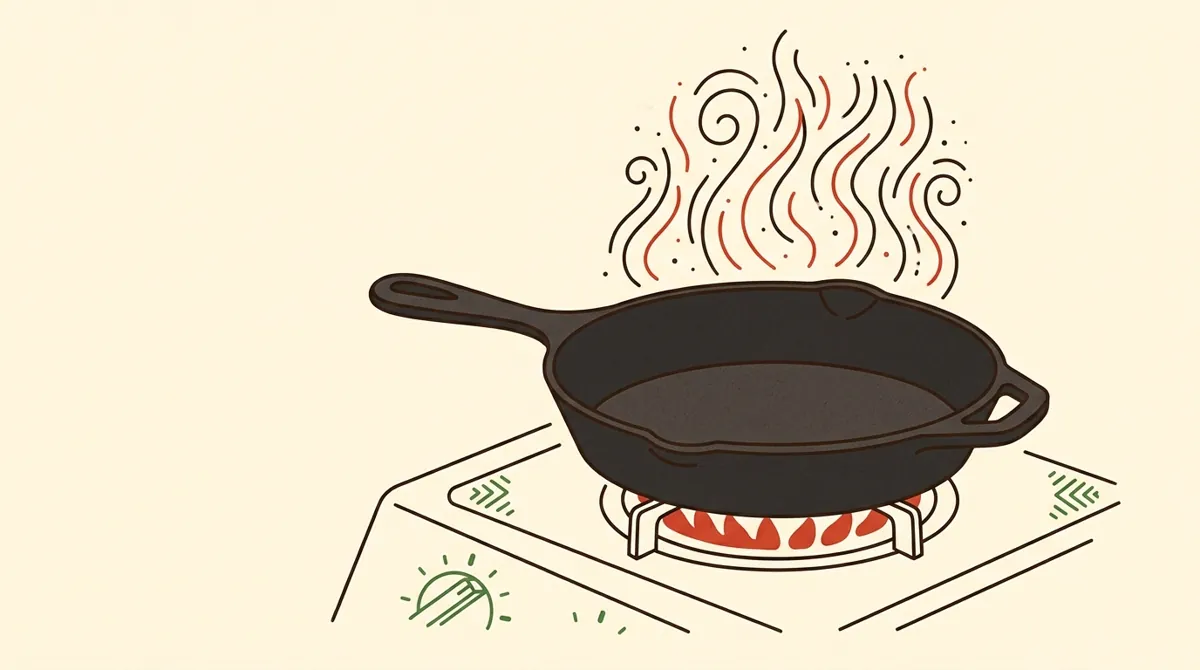
Heat a heavy skillet over medium-high to high heat for a few minutes, then add a thin film of a high smoke point oil.
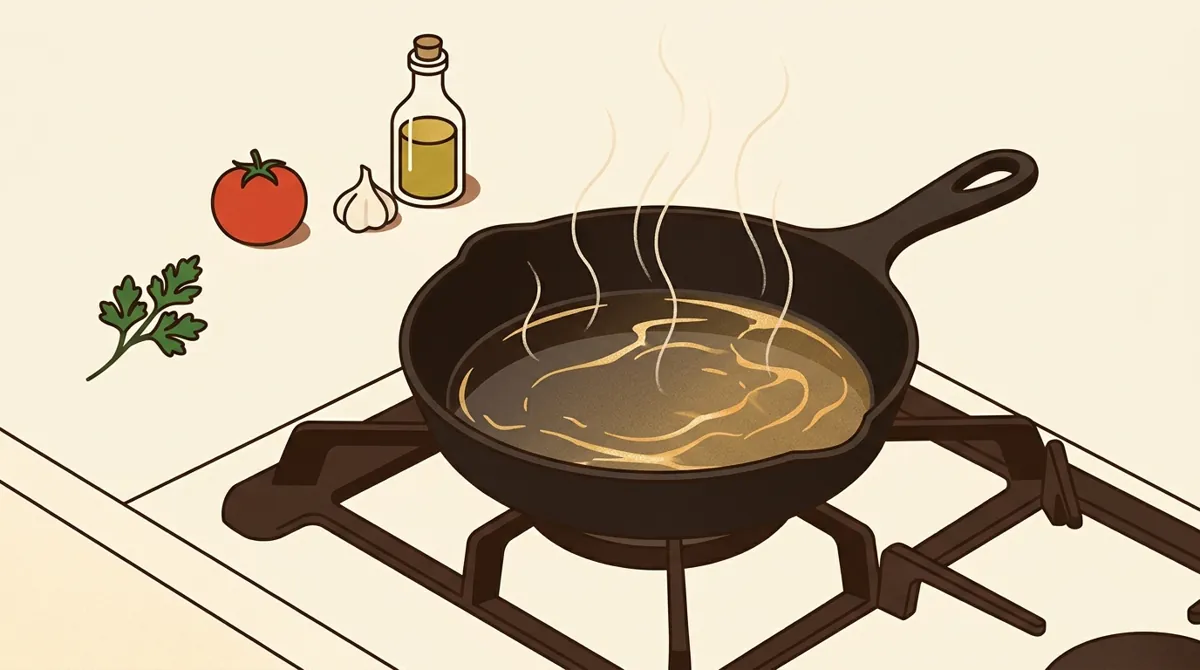
Wait until the oil shimmers and gives off the first wisps of smoke.
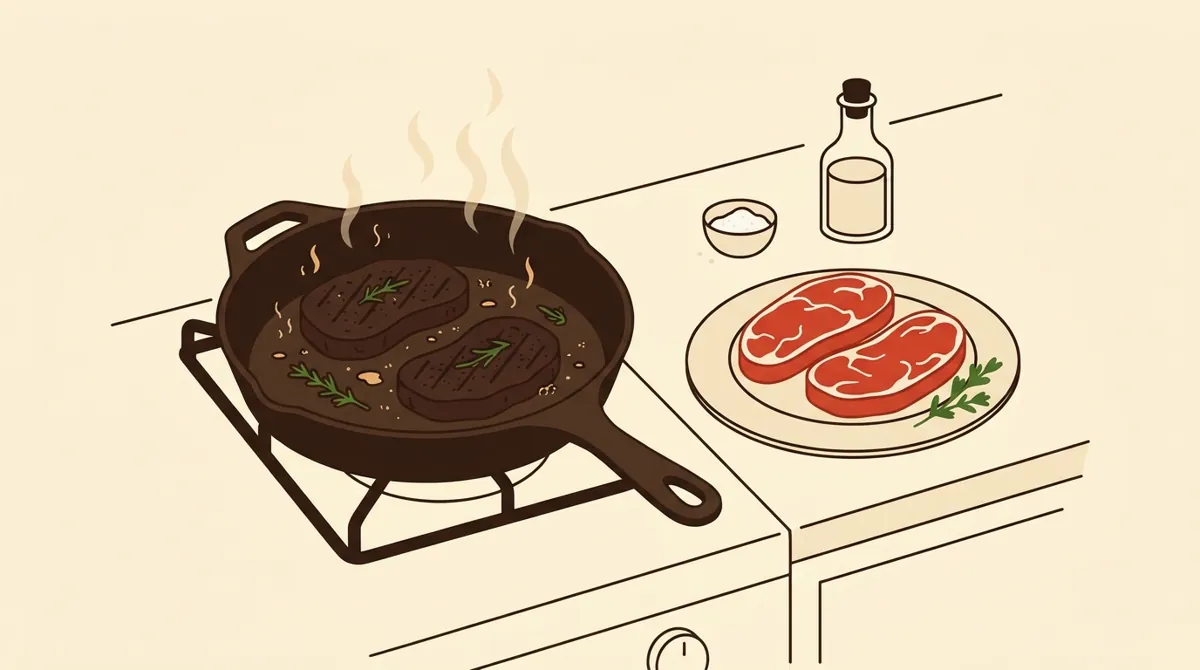
Lay the meat in with space between the pieces, and cook in batches if they don't all fit.
Leave it alone until it releases easily and the underside is deep brown.
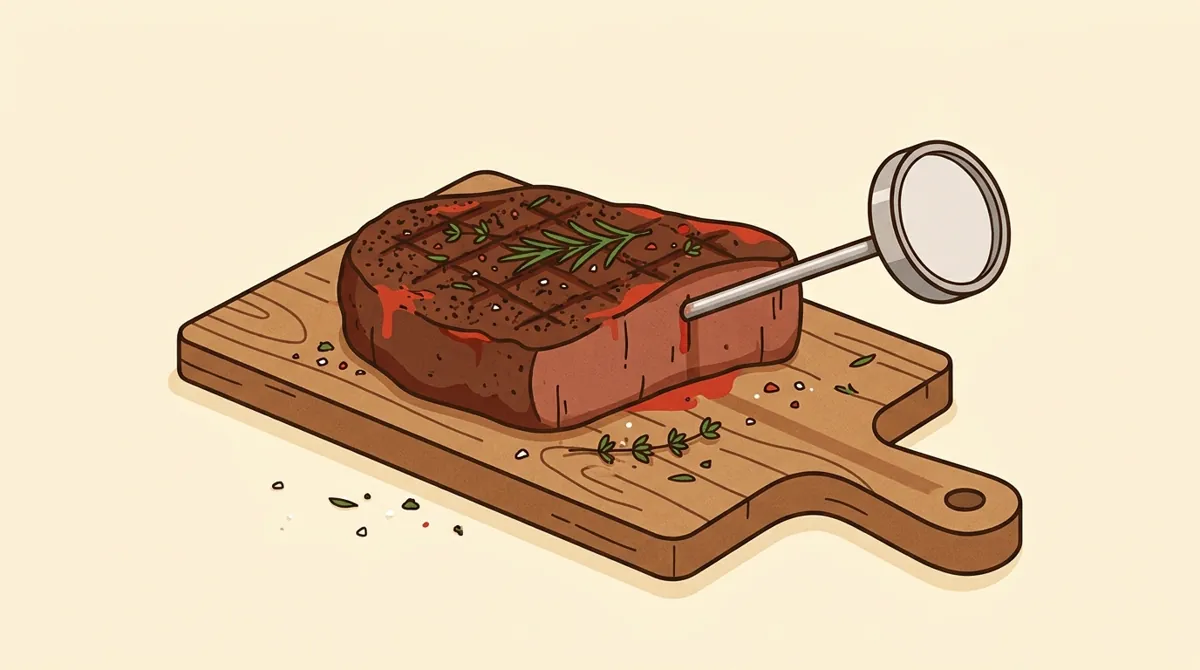
Flip once, brown the second side, then check the inside with an instant-read thermometer.
Common mistakes
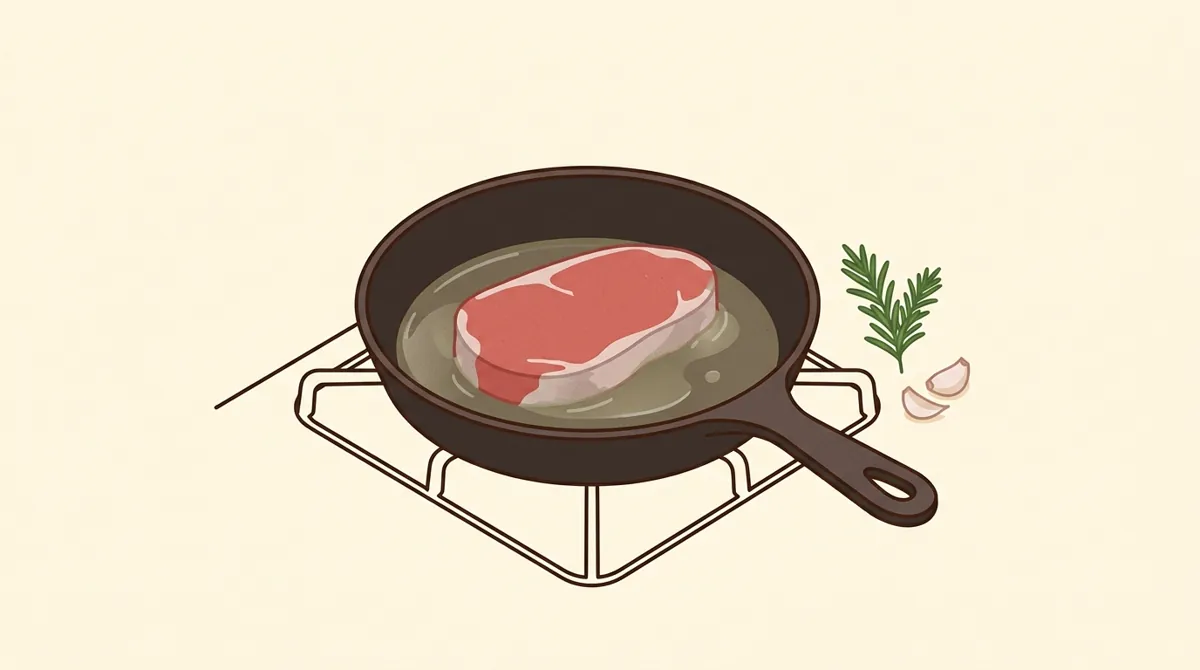
- Searing meat straight from a wet package: the surface has to dry before it browns, so pat it dry first.
- Adding meat to a pan that isn't hot yet: it browns slowly and overcooks underneath, so wait for shimmering oil with a wisp of smoke.
- Crowding the pan: the juices pool and the meat steams gray, so cook in batches with room between pieces.
- Prying the meat loose too early: you tear the crust, so wait until it lets go on its own.
🏋️ Try it tonight
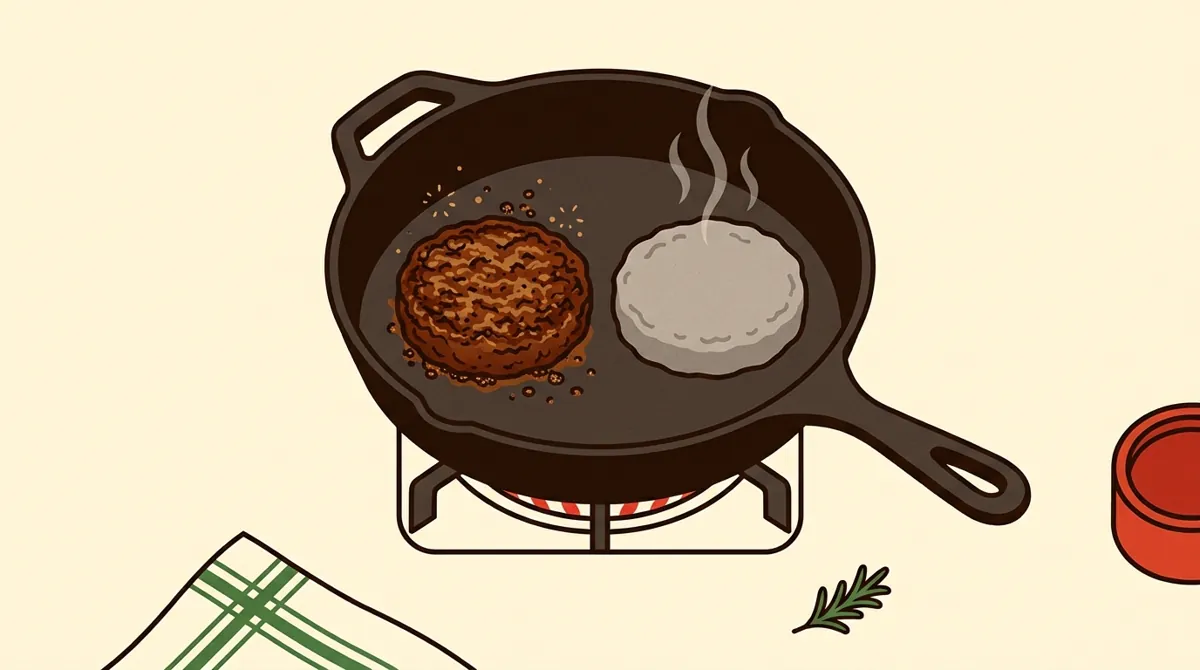
Make two thin patties from a half pound of ground beef. Pat one dry with paper towels and brush the other with a teaspoon of water. Sear both in a hot skillet with a little oil, side by side with plenty of room, and don't touch them for 3 minutes. Flip and compare the crusts, then cook them to 160°F before eating.
💡 Did you know?
The Maillard reaction browns far more than steak: bread crust, french fries, roasted coffee, chocolate and toasted marshmallows all get their color and flavor from it.
Use it tonight
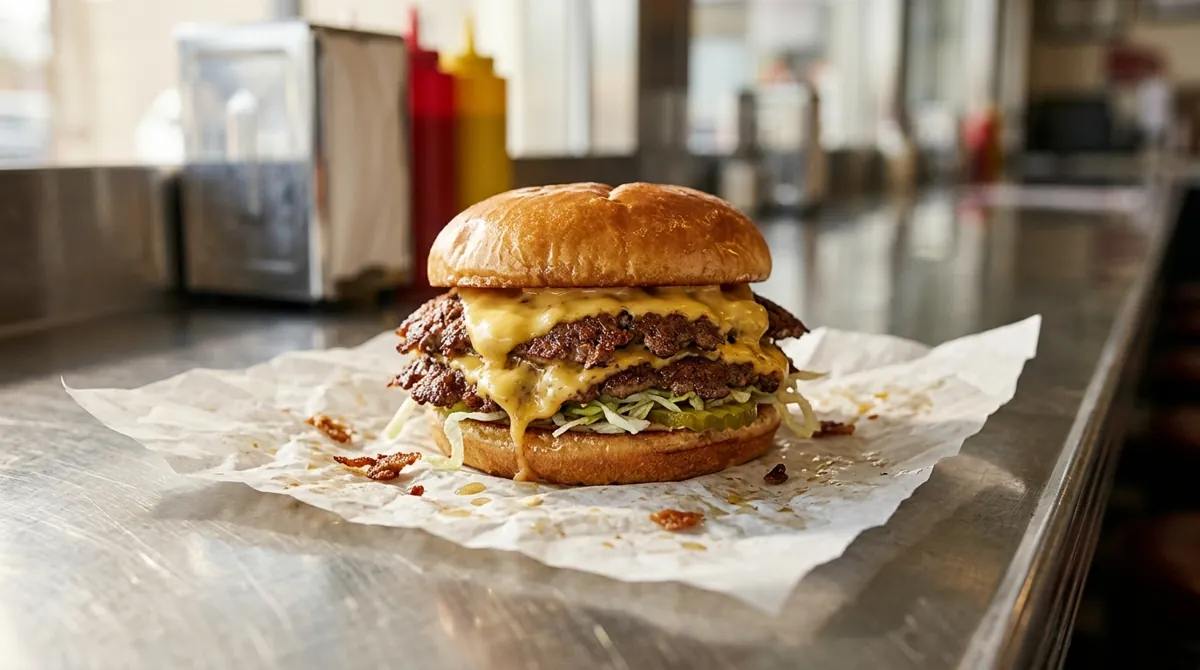
The Smash Burger
Two small balls of beef chuck smashed paper-thin onto a screaming-hot pan, scraped up with every bit of brown crust, and stacked with a slice of American cheese melting between them.
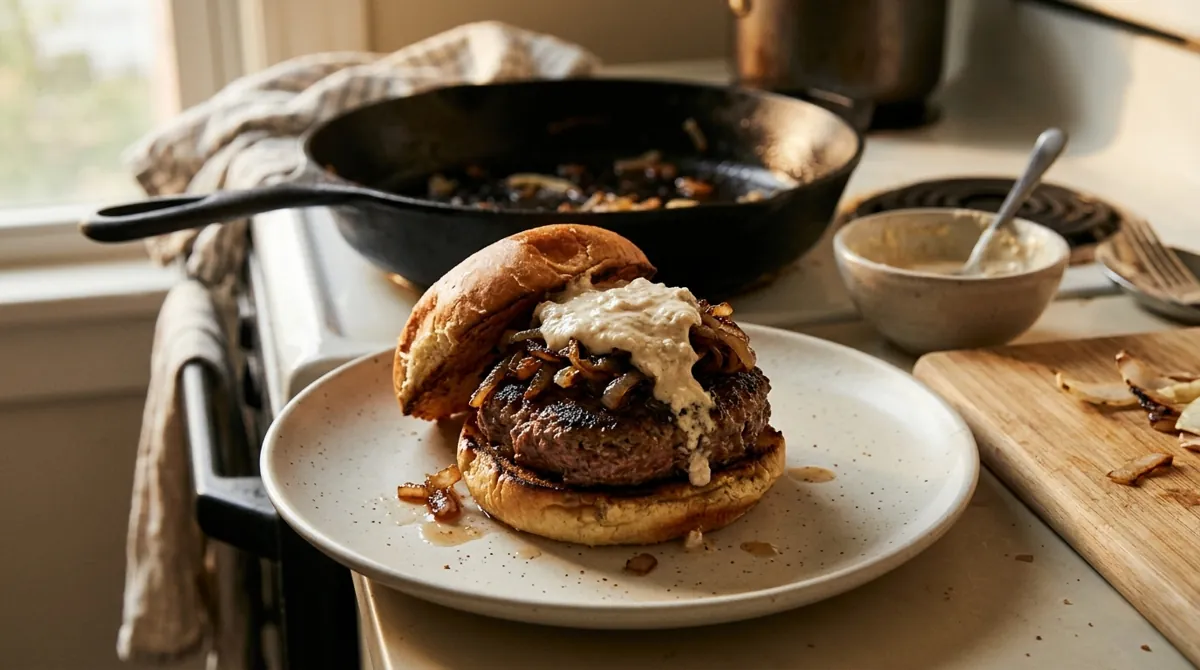
30-Minute Weeknight Skillet Burgers with Onions and Horseradish Sauce
Garlicky burgers seared in one skillet, then onions browned in the drippings, with a quick sour cream and horseradish sauce, on the table in 30 minutes with no grill.
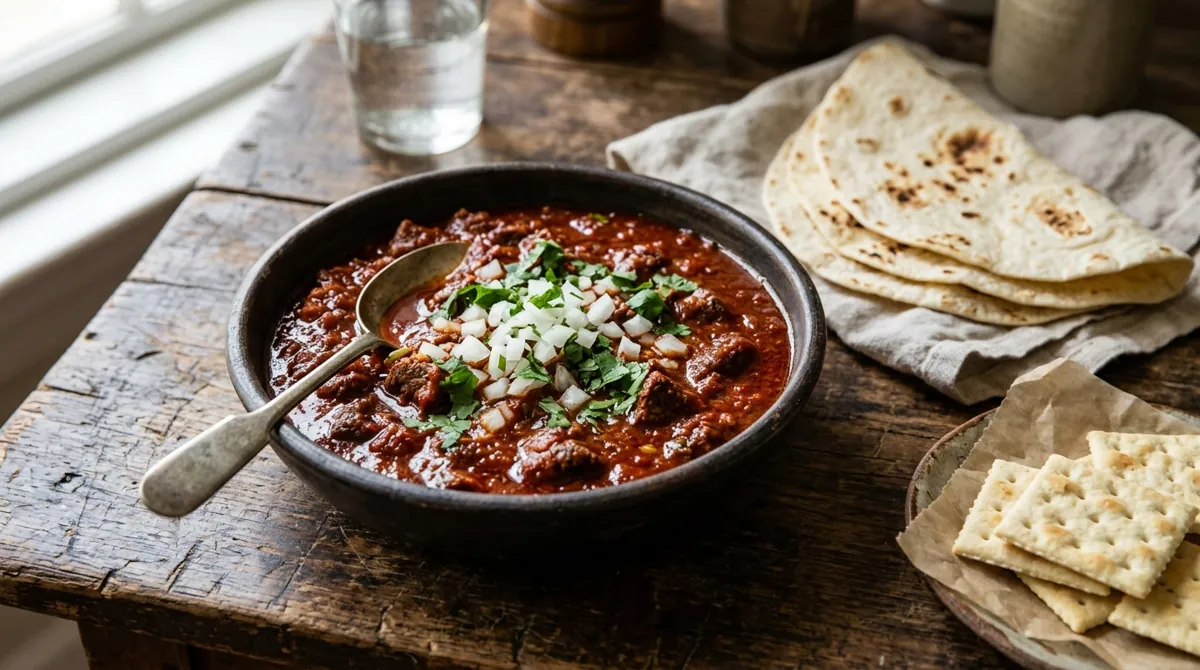
Texas Bowl of Red (San Antonio Chili con Carne)
Big cubes of beef chuck braised for three hours in a purée of toasted whole dried chiles, with no beans and no tomatoes.
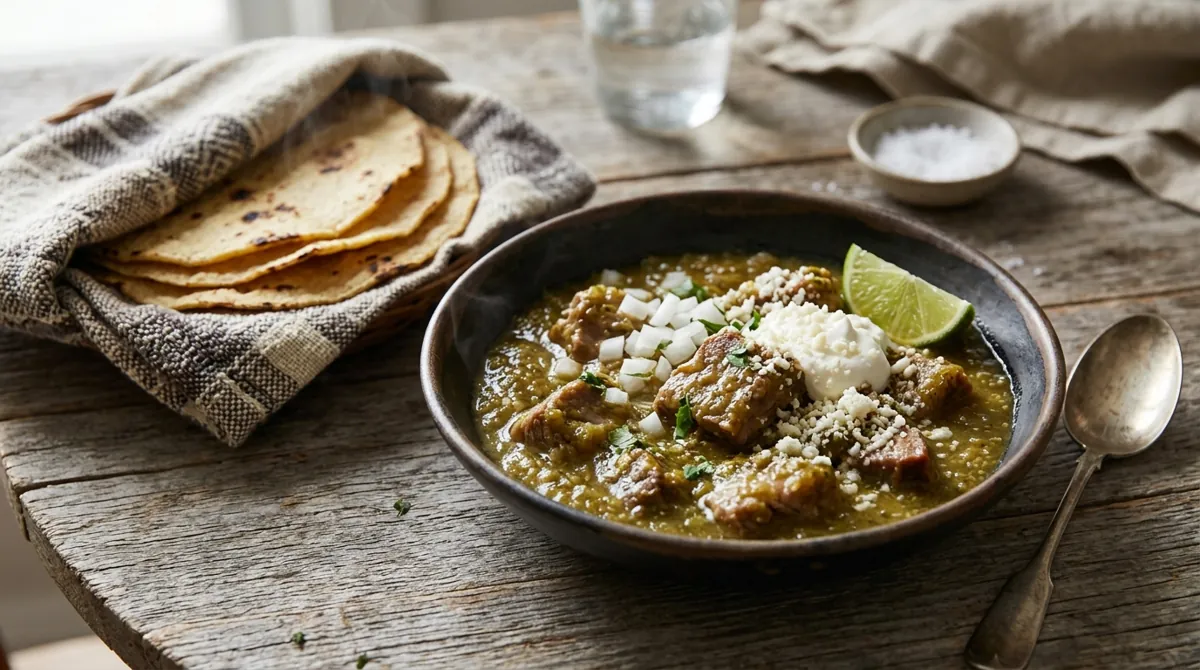
Chile Verde with Pork
Pork shoulder braised for hours in a chunky purée of charred poblanos, tomatillos, garlic and jalapeño until it falls apart.