
🧯 Kitchen Safety · Lesson 3 of 5
The Food Safety Danger Zone: 40 to 140°F, the 2-Hour Rule and Leftovers
Why food goes bad between 40°F and 140°F, the 2-hour and 1-hour rules, cooling in shallow containers and reheating leftovers to 165°F.
- 0°F: freezer, food stays safe
- 40°F: refrigerator, at or below
- 40 to 140°F: the danger zone, bacteria can double in 20 minutes
- 140°F: keep hot food at or above
- 165°F: reheat leftovers
- 2 hours out, or 1 hour above 90°F
Why it matters
Bacteria multiply fastest between 40°F and 140°F, which is why the USDA calls that range the danger zone. The common home mistakes are leaving dinner on the stove for the evening, letting a big pot cool on the counter before it goes in the fridge, and keeping leftovers for a week. Every rule in this lesson is about moving food through the danger zone quickly, in both directions.
The danger zone: 40 to 140°F
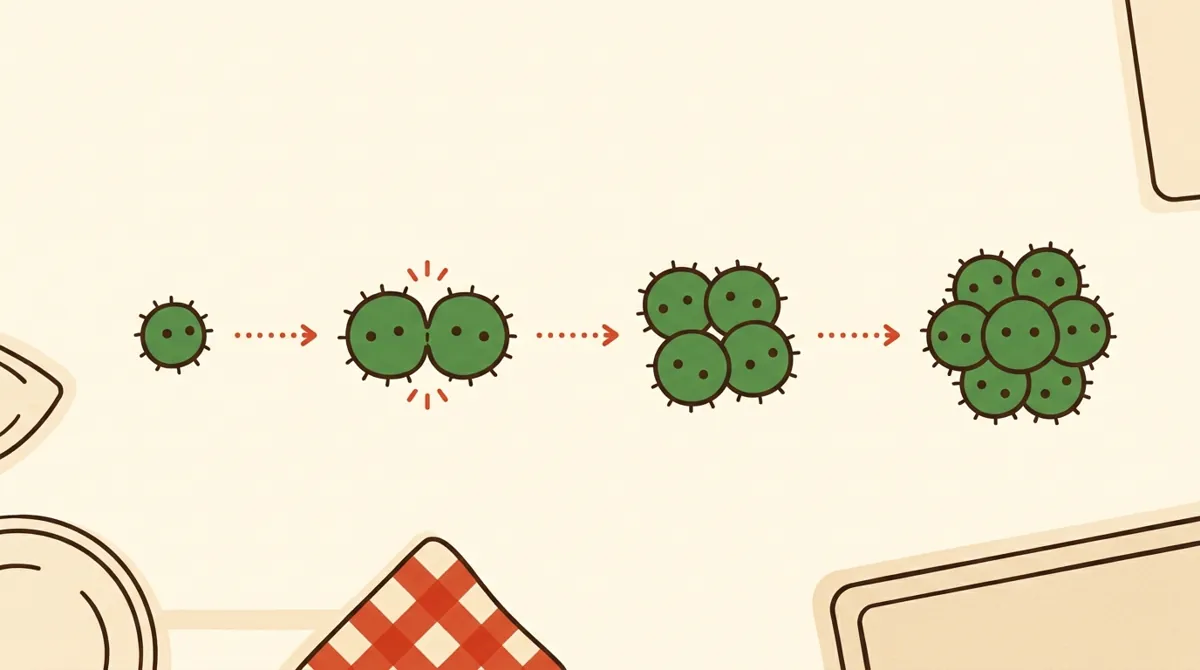
The USDA Food Safety and Inspection Service says bacteria grow most rapidly between 40°F and 140°F, doubling in number in as little as 20 minutes. Keep cold food at 40°F or below and hot food at 140°F or above. Your refrigerator should be set to 40°F or below and your freezer to 0°F or below; check both with an appliance thermometer, per FoodSafety.gov.
2 hours, or 1 hour when it is hot
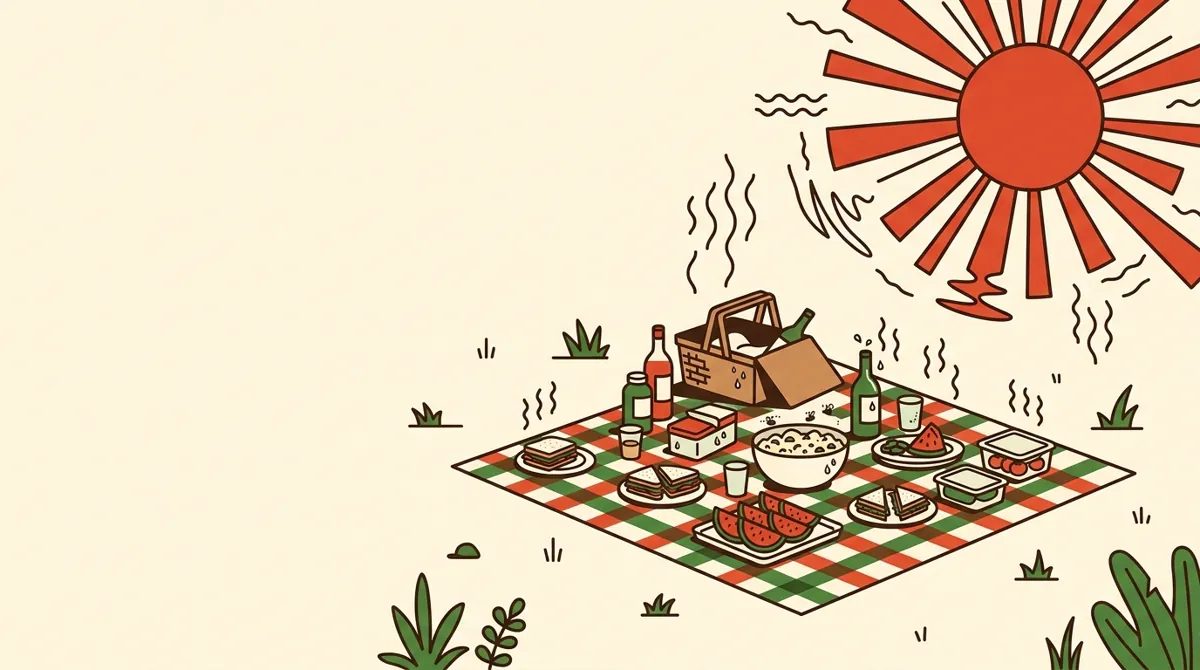
Never leave perishable food out of refrigeration for more than 2 hours. If the air is above 90°F, like a summer picnic or a hot car, the limit is 1 hour. FSIS says to throw away perishable food left out longer than that.
Cool fast in shallow containers
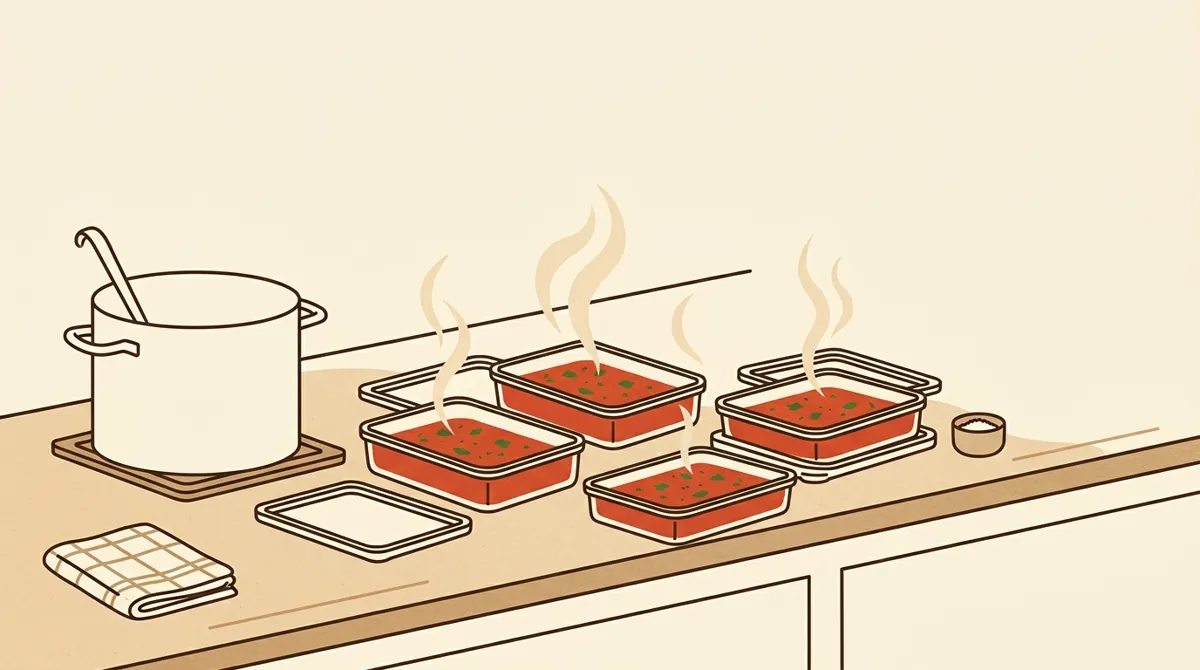
FSIS names improper cooling of cooked food as one of the most common causes of foodborne illness. Divide big batches into shallow containers so they chill quickly, and cut roasts and turkey into smaller pieces; a big pot of soup takes a long time to cool all the way through. Hot food can go straight into the refrigerator, or into an ice or cold water bath first, so there is no need to let it cool on the counter.
Leftovers: 3 to 4 days, reheat to 165°F
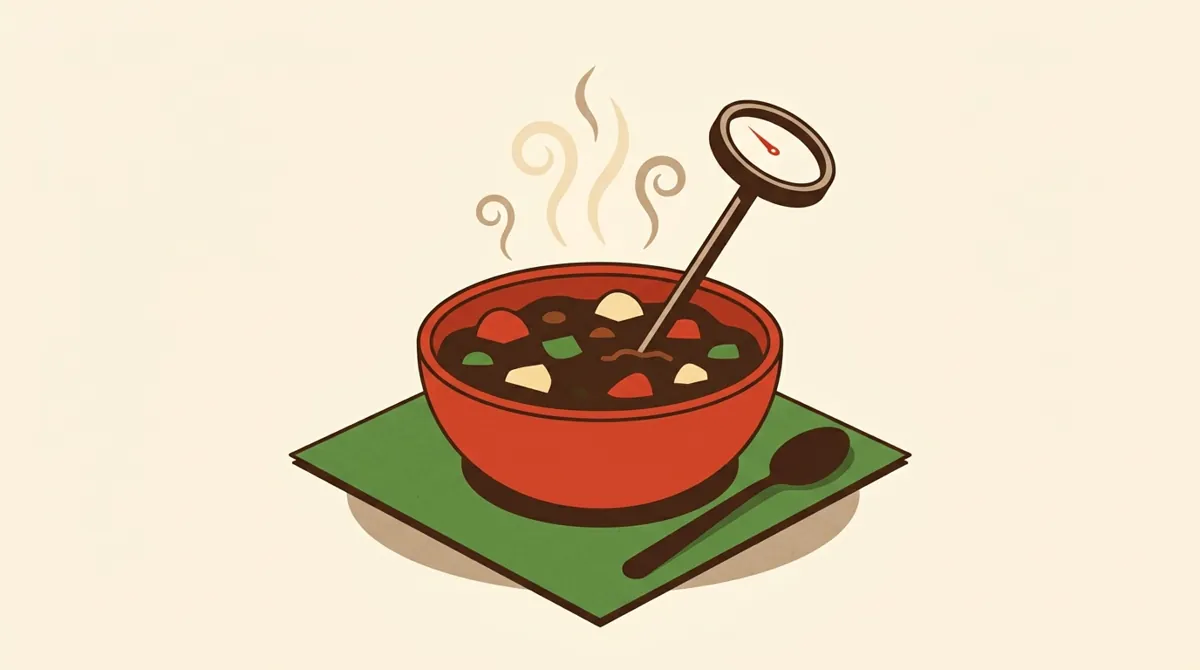
Cover or wrap leftovers and refrigerate them within 2 hours. FSIS says they keep 3 to 4 days in the refrigerator or 3 to 4 months in the freezer, and frozen leftovers are safe indefinitely but lose moisture and flavor over time. Reheat leftovers to 165°F on a food thermometer, and bring sauces, soups and gravies to a rolling boil.
Microwaves have cold spots
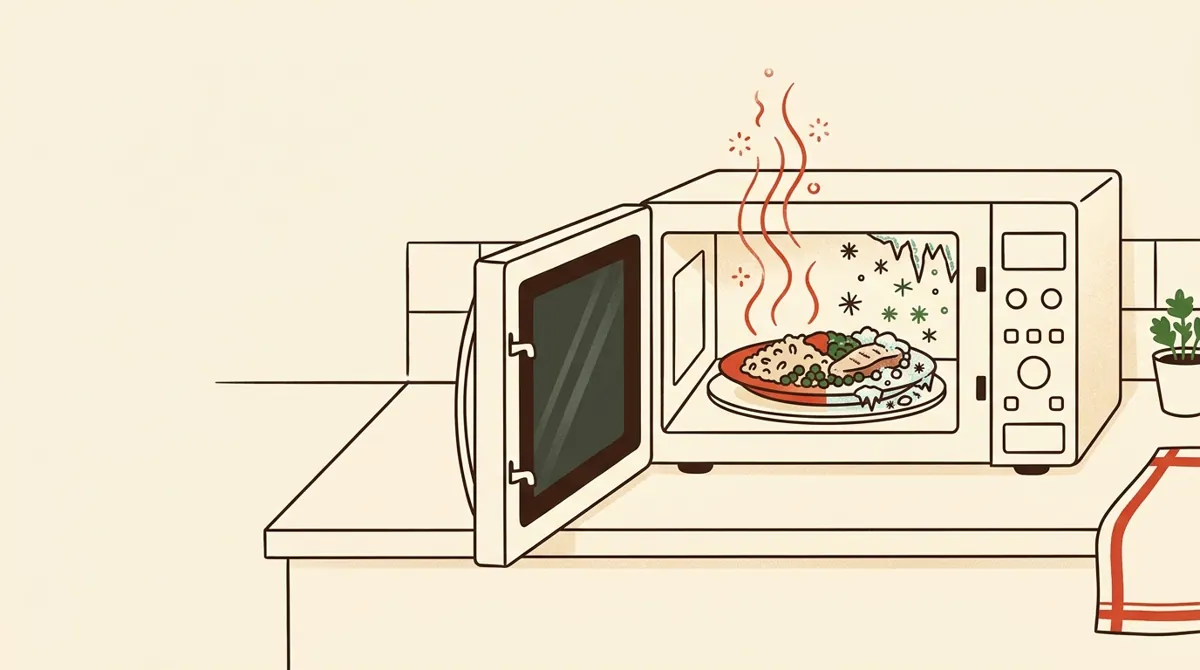
When reheating in a microwave, cover the food, stir or rotate it partway through, and check the temperature in several places with a thermometer, because microwaves heat unevenly. FSIS also recommends a short resting time before you check, since heat keeps spreading after the oven stops. Covering also holds in moisture, so the food heats all the way through.
Step by step
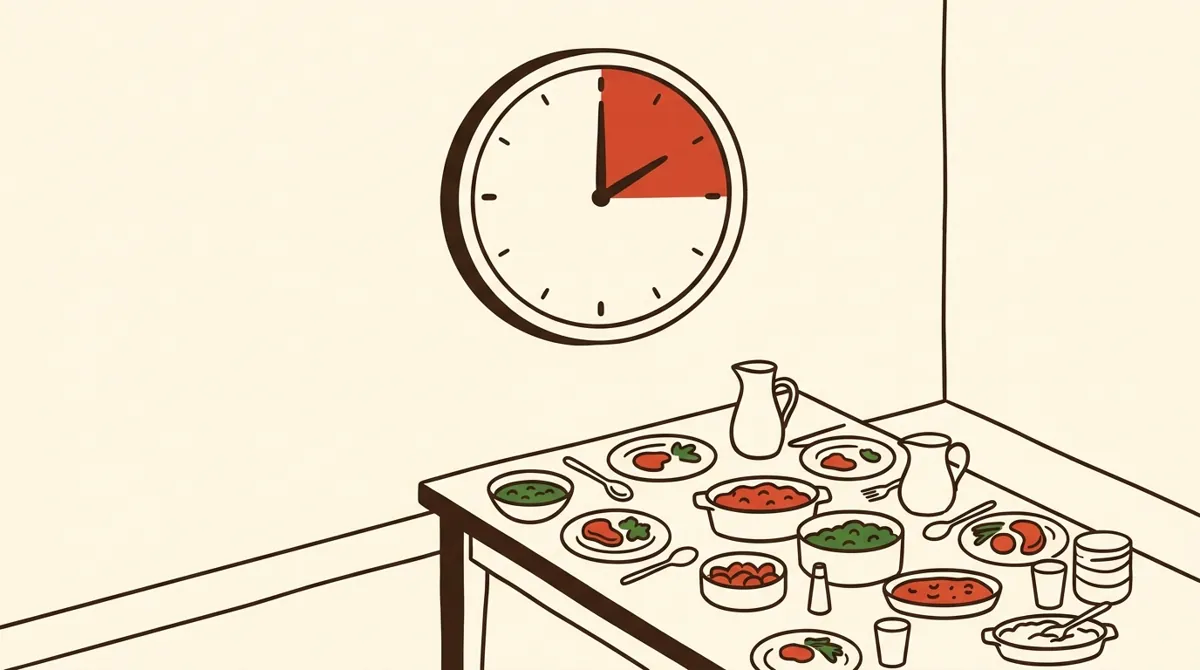
Set a timer when you put food on the table, so you know when the 2-hour clock runs out (1 hour if it is above 90°F outside).
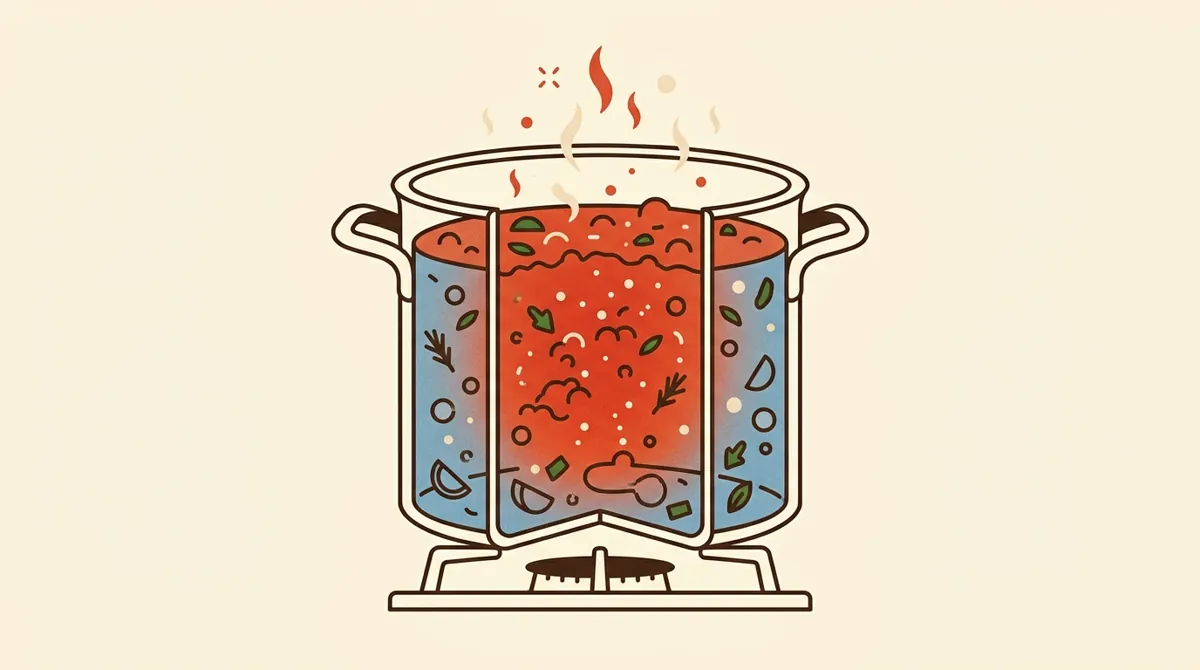
Pack leftovers into shallow containers instead of one deep pot; slice large roasts and cut turkey into smaller pieces.
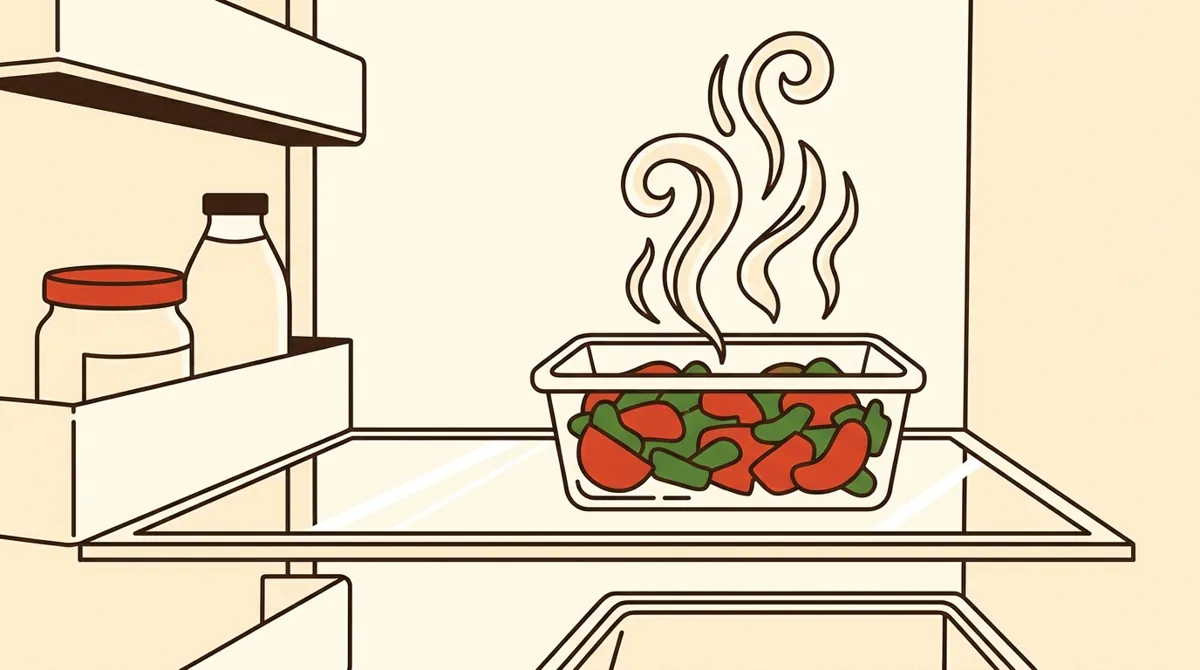
Put hot food straight into the refrigerator, or chill a big pot in a sink of ice water first; do not leave it on the counter to cool.
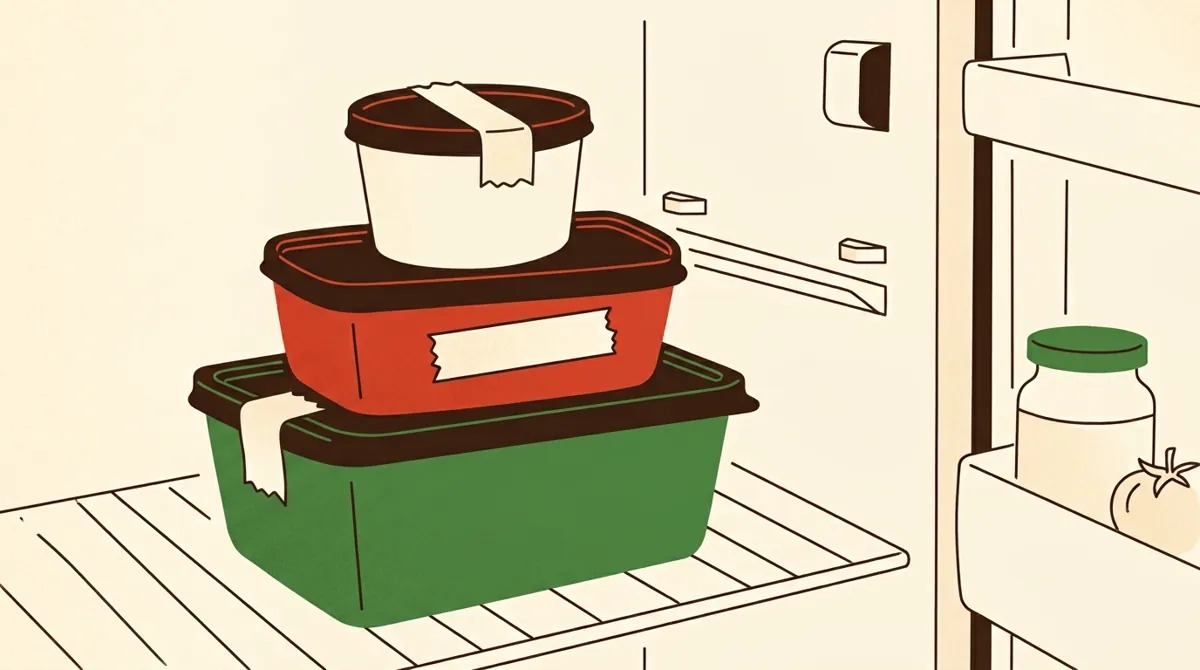
Cover or seal the containers and write the date on them.
Eat refrigerated leftovers within 3 to 4 days or move them to the freezer.
Reheat to 165°F, checking in a few spots with a food thermometer, and bring soups, sauces and gravies to a rolling boil.
Common mistakes
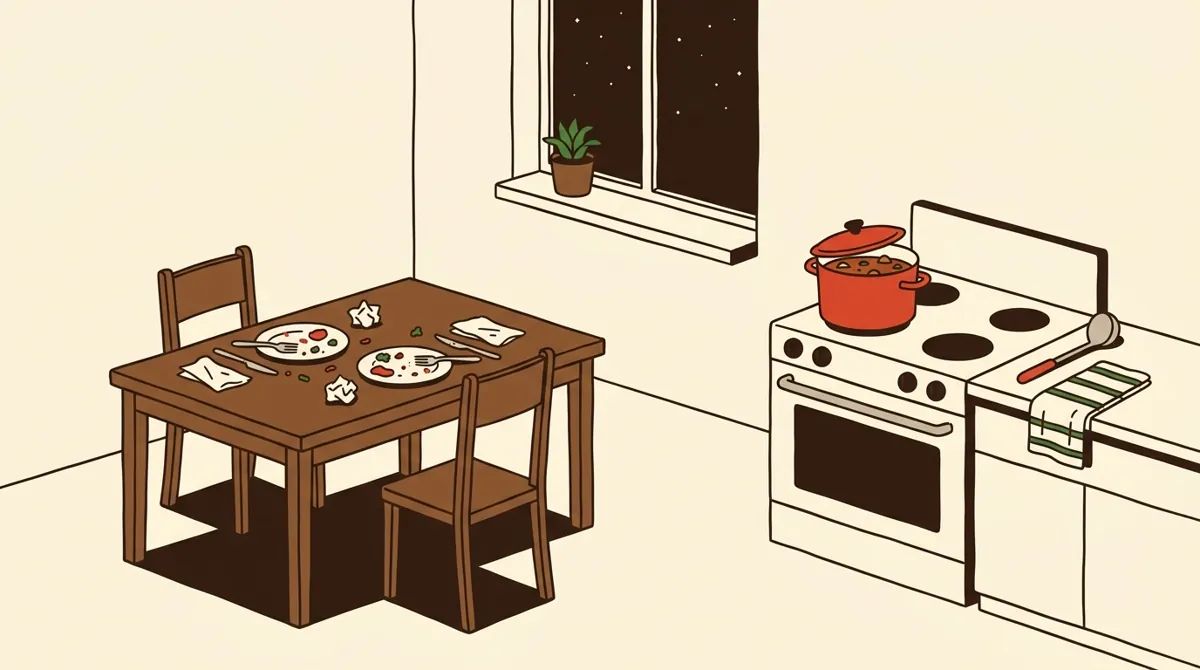
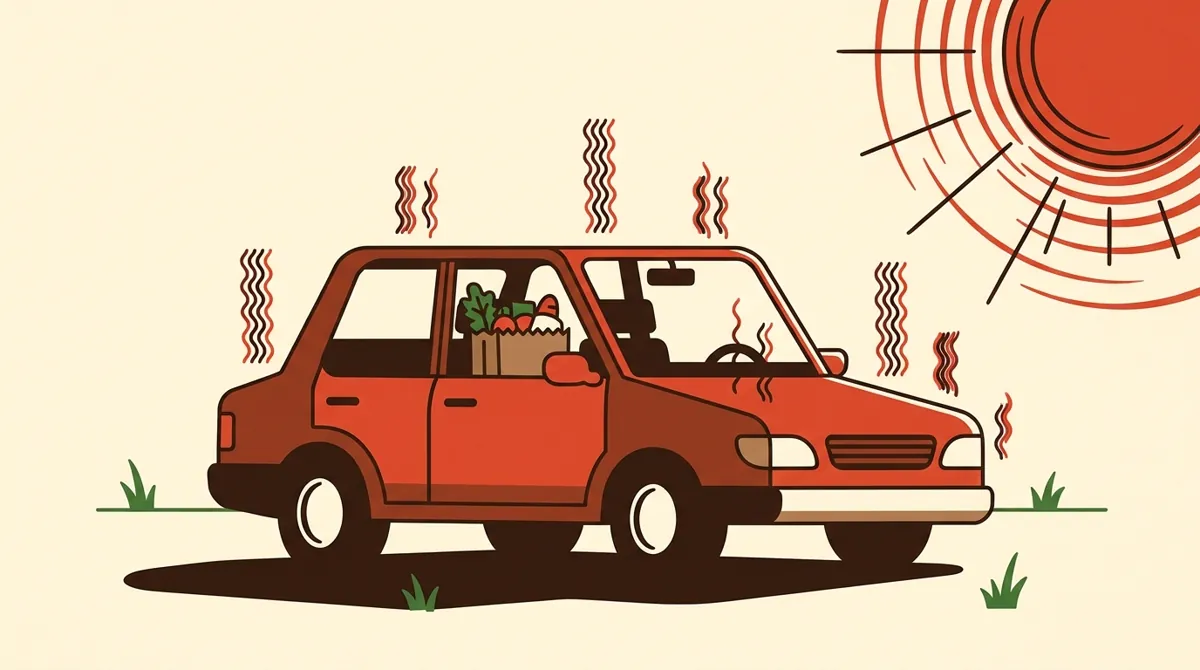
- Leaving dinner on the stove all evening: put it away within 2 hours, or within 1 hour when it is above 90°F.
- Cooling a big pot on the counter before refrigerating: divide it into shallow containers or use an ice bath, then refrigerate.
- Keeping leftovers for a week: use them within 3 to 4 days or freeze them.
- Warming leftovers until they are just warm: reheat to 165°F and check with a thermometer.
- Guessing your fridge temperature: put an appliance thermometer inside and keep it at 40°F or below.
🏋️ Try it tonight
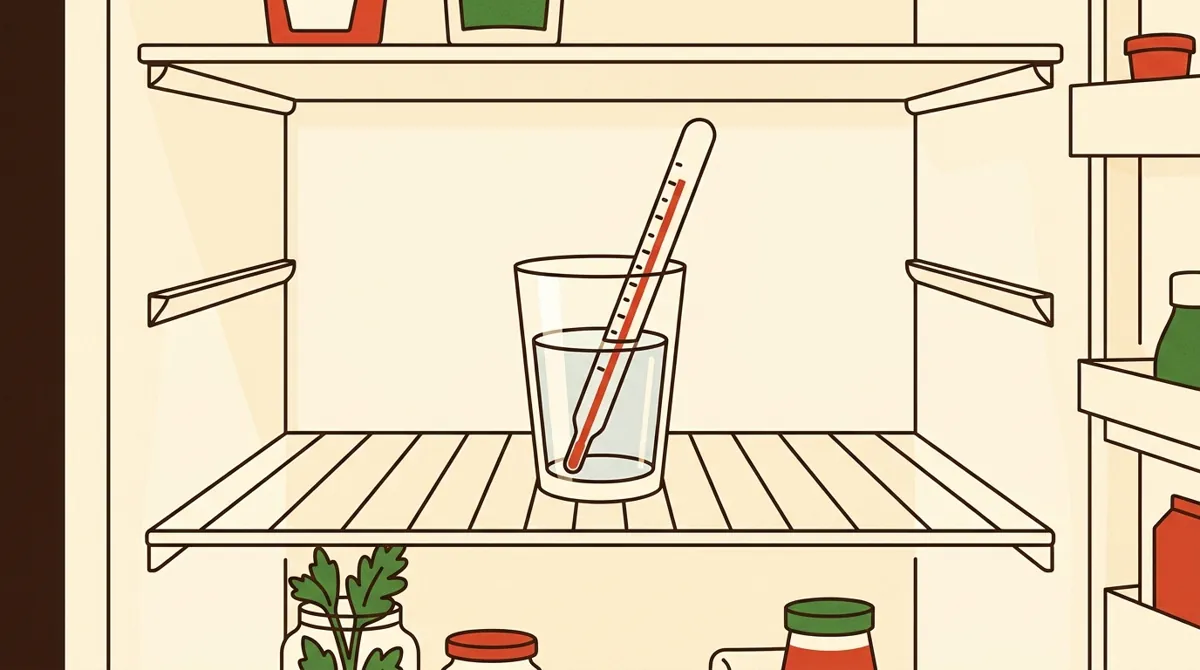
Put an appliance thermometer, or an instant-read thermometer in a glass of water, on the middle shelf of your refrigerator overnight and check that it reads 40°F or below. Tonight, pack any leftovers into shallow containers no more than a couple of inches deep, label them with the date, and set a phone reminder for day 4. When you reheat one, take its temperature in three places and see how uneven a microwave really is.
💡 Did you know?
According to the USDA, bacteria in the danger zone between 40°F and 140°F can double in number in as little as 20 minutes.
Use it tonight
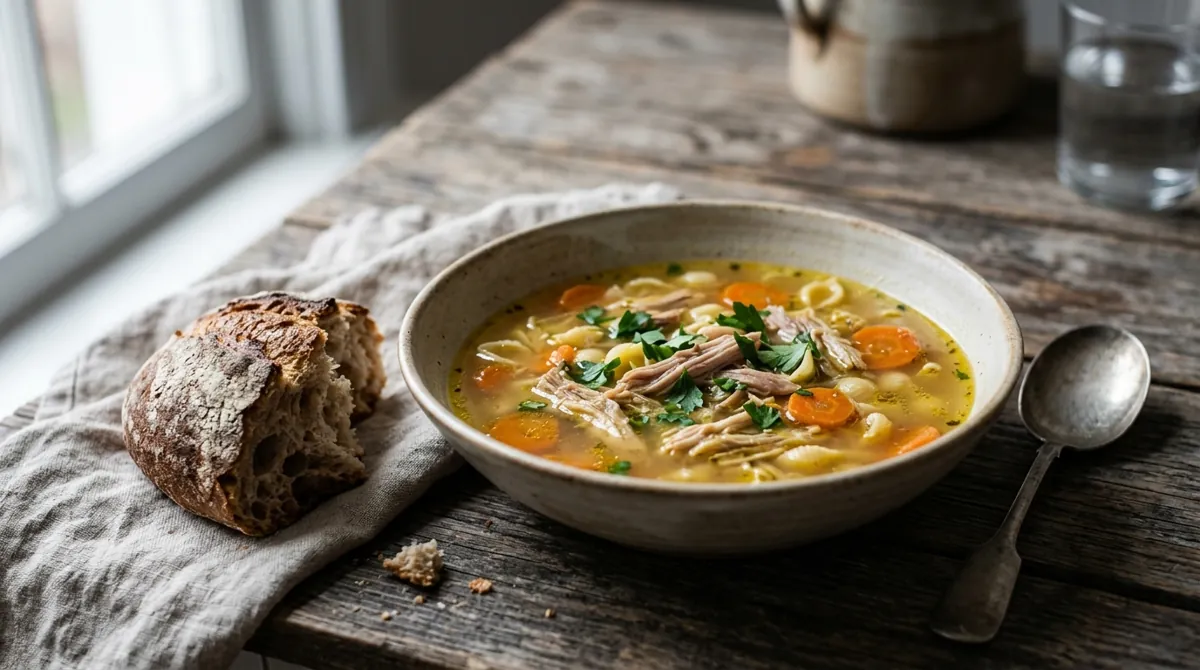
Turkey Carcass Noodle Soup
The last thing the bird gives you: the roast turkey carcass simmered four hours with onion, carrot, celery, garlic, white wine and herbs into a rich stock, then made into soup with fresh vegetables, pasta shells and the meat picked from the bones.
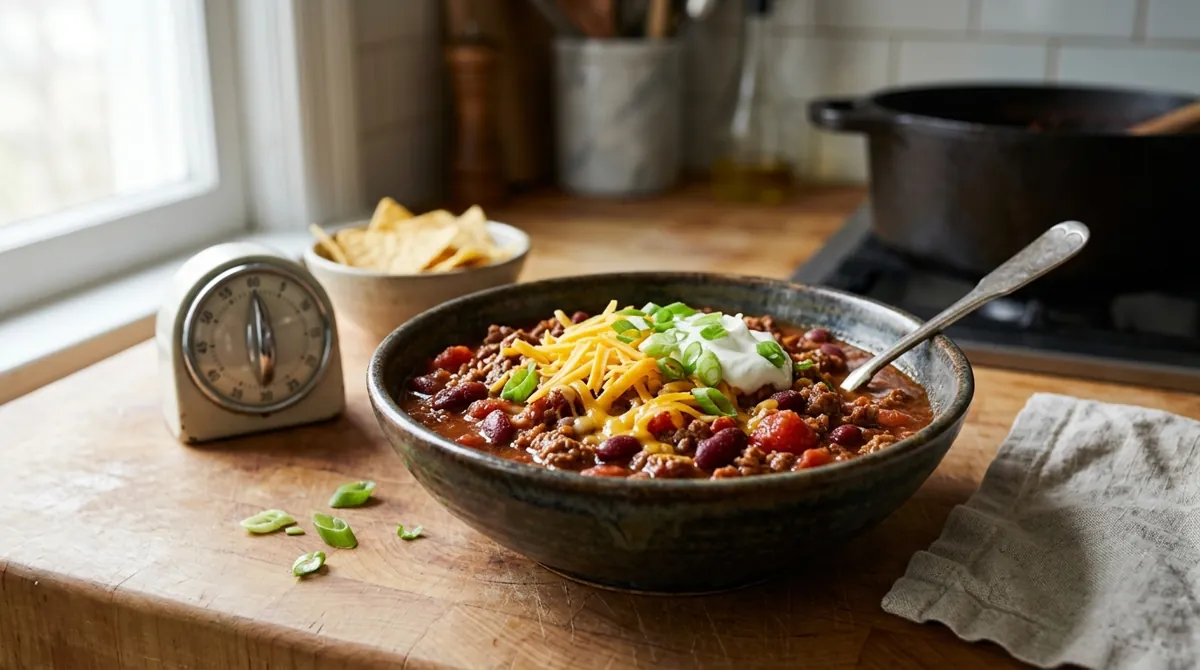
30-Minute Weeknight Beef and Bean Chili
Ground beef, kidney beans and lightly blitzed tomatoes with chili powder, cumin and a little chipotle, on the table in about 30 minutes.
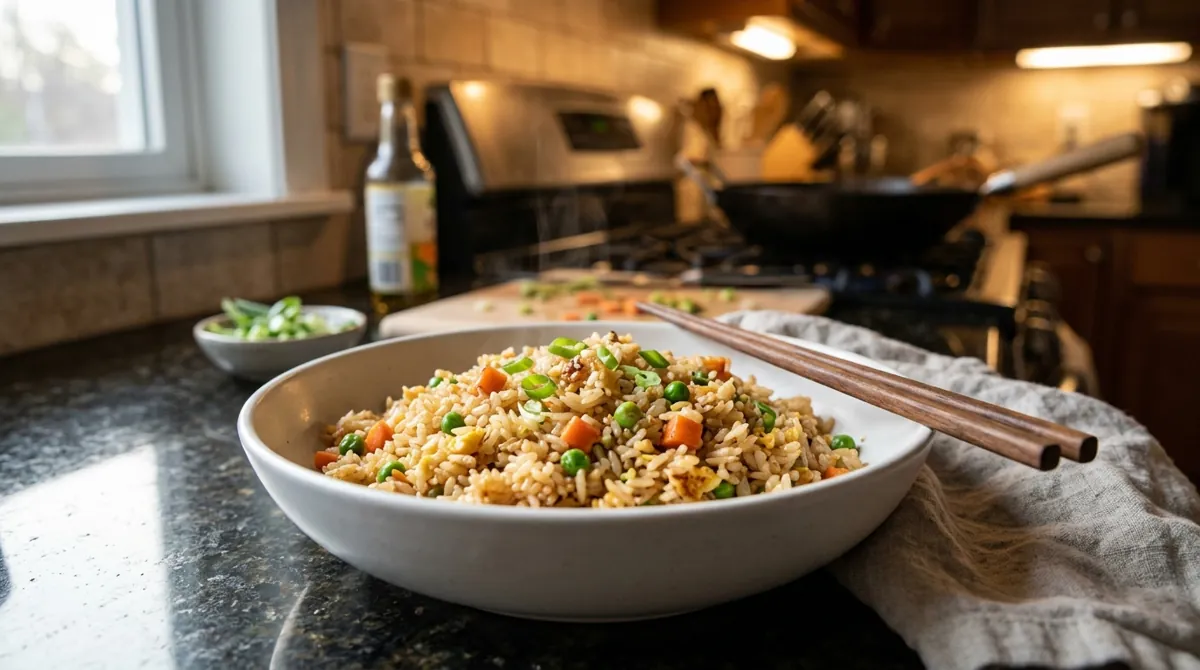
20-Minute Leftover Fried Rice
The weeknight method: leftover rice toasted in two batches in a smoking-hot wok, then tossed with onion, carrot, garlic and scallions, a little soy and sesame oil, one egg and a handful of frozen peas.
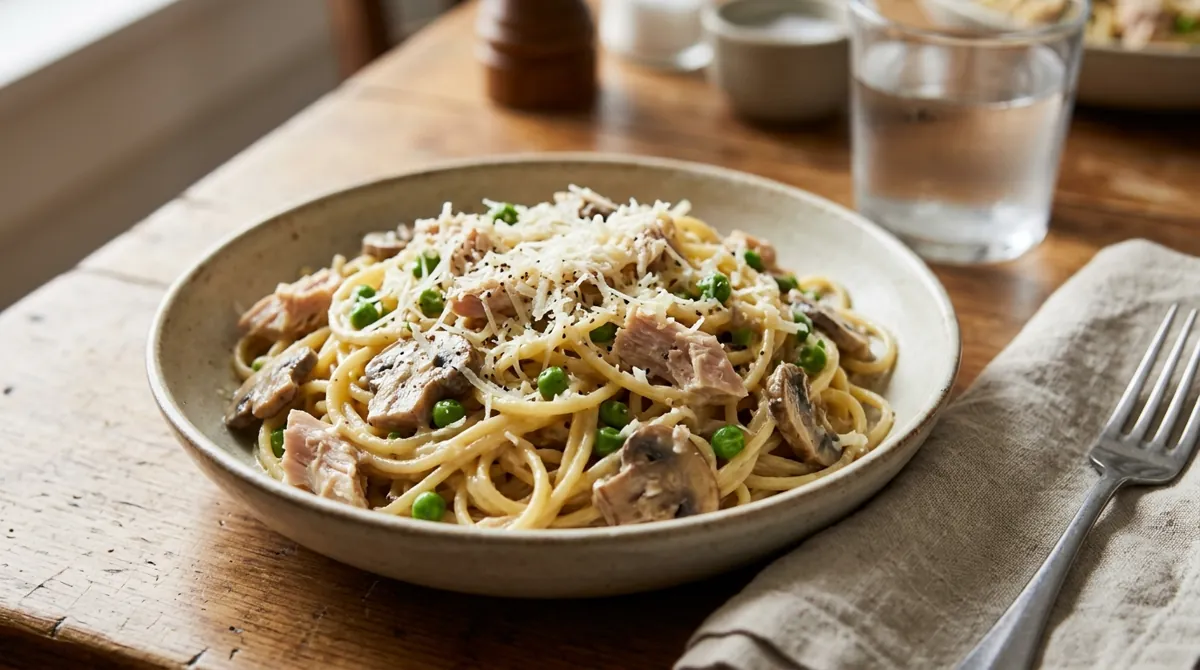
Leftover Turkey Tetrazzini (30 Minutes)
The day-after dinner named for an opera star: spaghetti tossed with leftover turkey, peas, browned mushrooms and a quick sherry, cream and Parmesan sauce, all on the stove in about 30 minutes.
Sources
- "Danger Zone" (40°F to 140°F) (USDA Food Safety and Inspection Service, Internet Archive copy)
- Leftovers and Food Safety (USDA Food Safety and Inspection Service, Internet Archive copy)
- 4 Steps to Food Safety (FoodSafety.gov, Internet Archive copy)
- Cold Food Storage Chart (FoodSafety.gov, last reviewed September 19, 2023, Internet Archive copy)