
🧯 Kitchen Safety · Lesson 2 of 5
How to Prevent Cross-Contamination: Separate Boards, Clean Hands and No Rinsing Raw Chicken
Separate boards and plates for raw meat, a 20-second hand wash, why you should never rinse raw chicken, and how to sanitize a board.
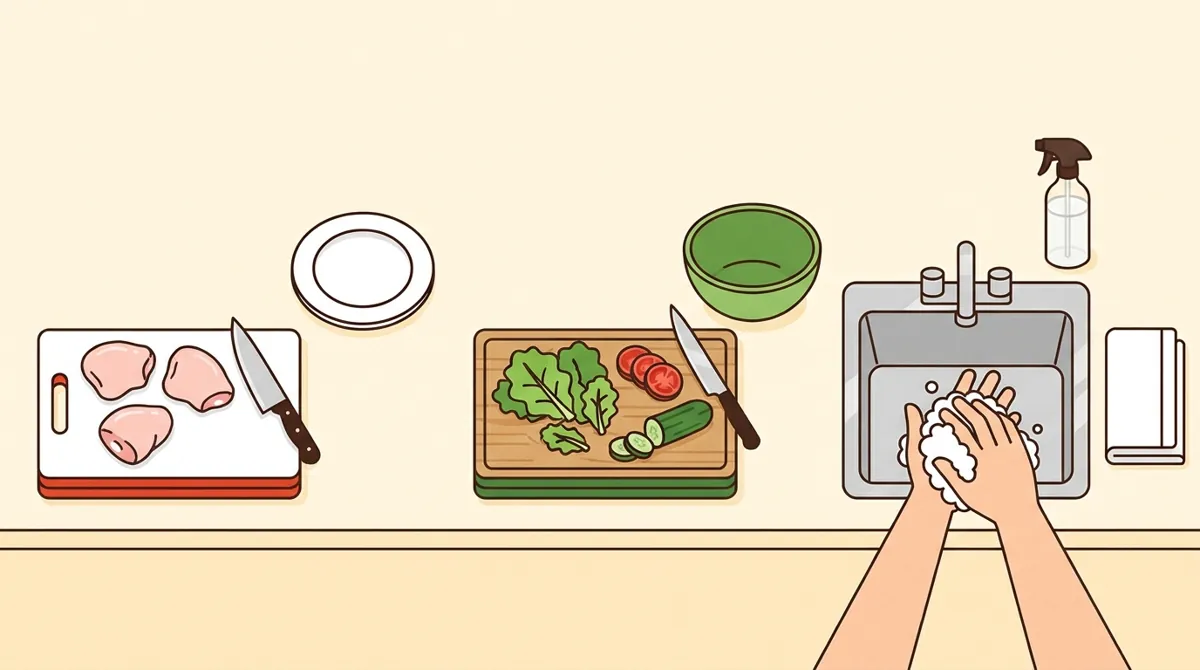
- Raw meat board
- Produce and ready-to-eat board
- Separate plates for raw and cooked
- Wash hands: soap, 20 seconds
- Do not rinse raw chicken
- Sanitize: 1 tbsp unscented bleach per gallon of water
Why it matters
Raw meat juices ride along on hands, knives, boards and sinks into food that never gets cooked, like salad, and nothing kills the germs on the way. Home cooks get two things backward: they rinse raw chicken, thinking it is cleaner, and they give their hands a quick splash instead of a real wash. Keeping raw and ready-to-eat apart is a set of small habits, not a big project.
Two boards, two plates
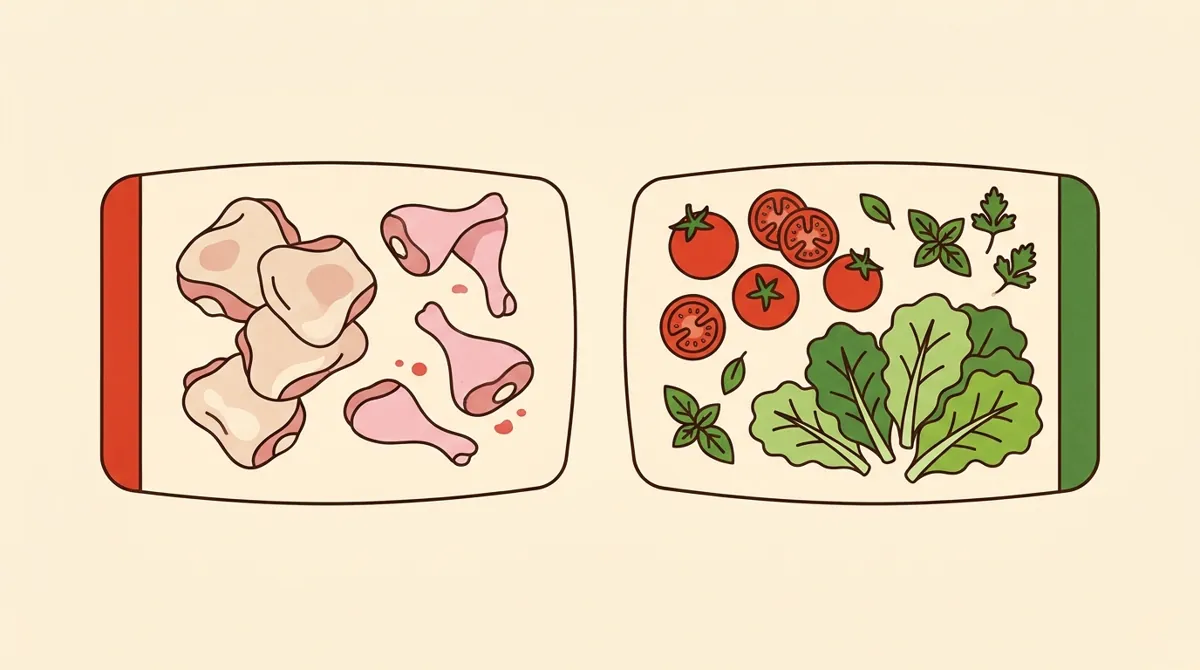
FoodSafety.gov says to use one cutting board for fresh produce and other foods that will not be cooked, and another for raw meat, poultry and seafood, and to replace boards when they are worn. Use separate plates and utensils for raw and cooked food too, so the platter that carried raw chicken to the grill is not the one the cooked chicken comes back on. University of Illinois Extension goes a step further and suggests separate boards for red meat, poultry and seafood if you have them.
Wash hands for 20 seconds
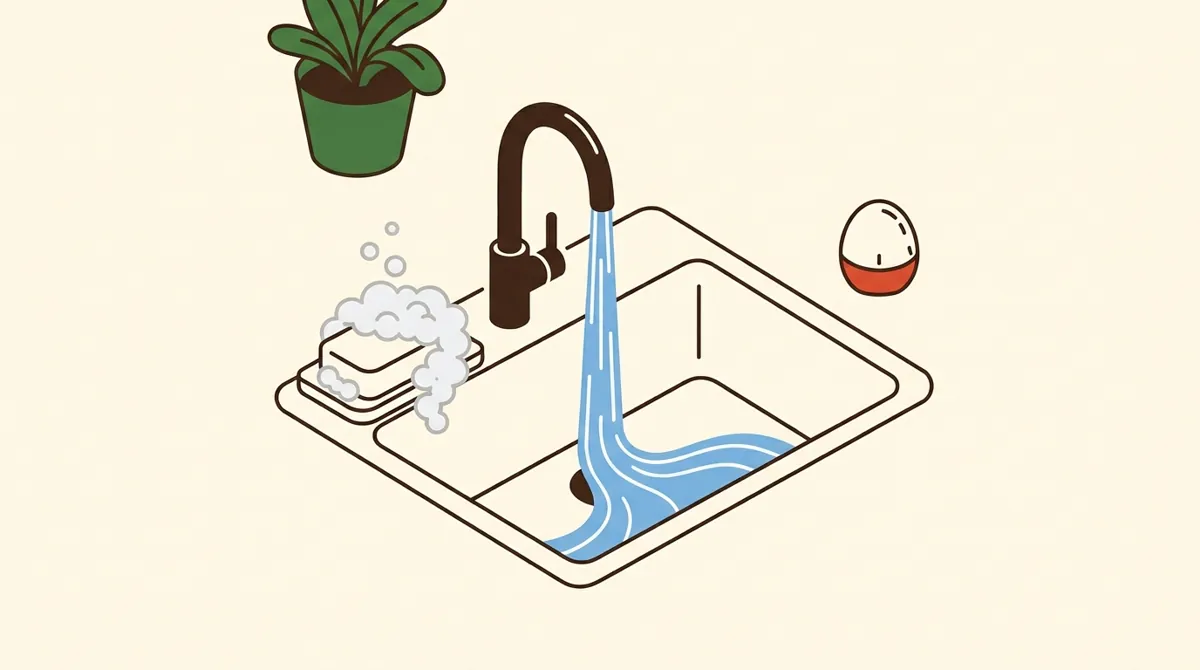
Use plain soap and water and scrub the backs of your hands, between your fingers and under your nails for at least 20 seconds, then dry with a clean towel; humming the birthday song twice is about right, per FoodSafety.gov. Wash before, during and after cooking, and every time you touch raw meat, poultry, seafood, their juices or raw eggs. Plain soap is fine; FoodSafety.gov specifically says to skip antibacterial soap.
Do not rinse raw chicken
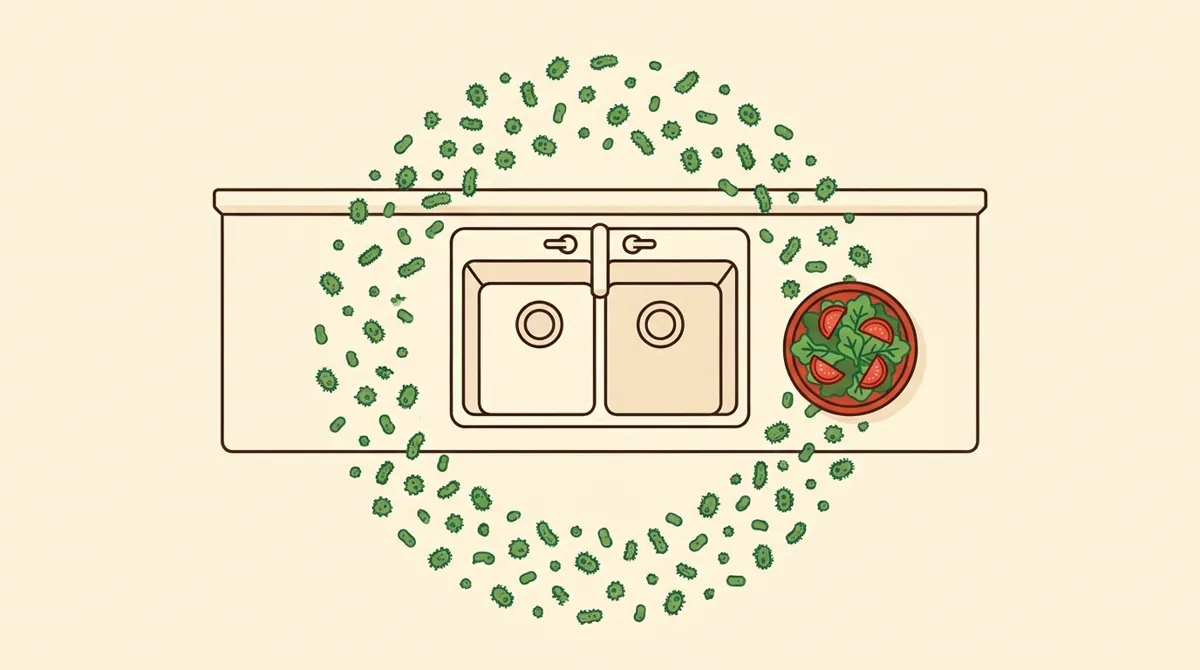
FoodSafety.gov says not to wash raw meat, poultry, eggs or seafood, because rinsing splashes germs around the sink and counters rather than removing them. In a 2019 USDA observation study, 60 percent of people who washed or rinsed raw poultry had bacteria in their sink afterward, and 14 percent still did after trying to clean it. Cooking to a safe internal temperature is what makes chicken safe, not water.
Clean first, then sanitize
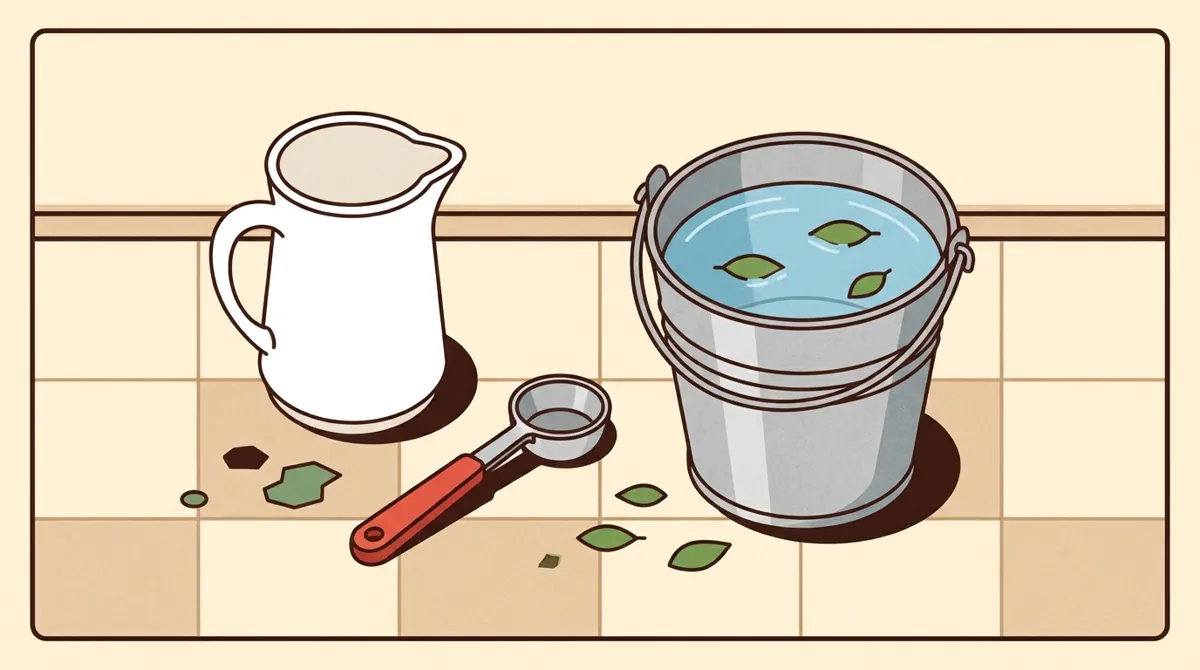
Wash boards, knives and counters that touched raw meat with hot, soapy water. To sanitize, the USDA Meat and Poultry Hotline, quoted by University of Wisconsin Extension, uses about 1 tablespoon of unscented liquid chlorine bleach in 1 gallon of water, poured over the board and left at least a minute before rinsing and air drying. Illinois Extension uses a stronger mix, 1/2 tablespoon of bleach per quart of water with a soak of several minutes; either way, both say to wash the board with soap and hot water before sanitizing. Plastic, acrylic and solid wood boards can also go through the dishwasher, though laminated boards can crack.
Dish towels and sponges count
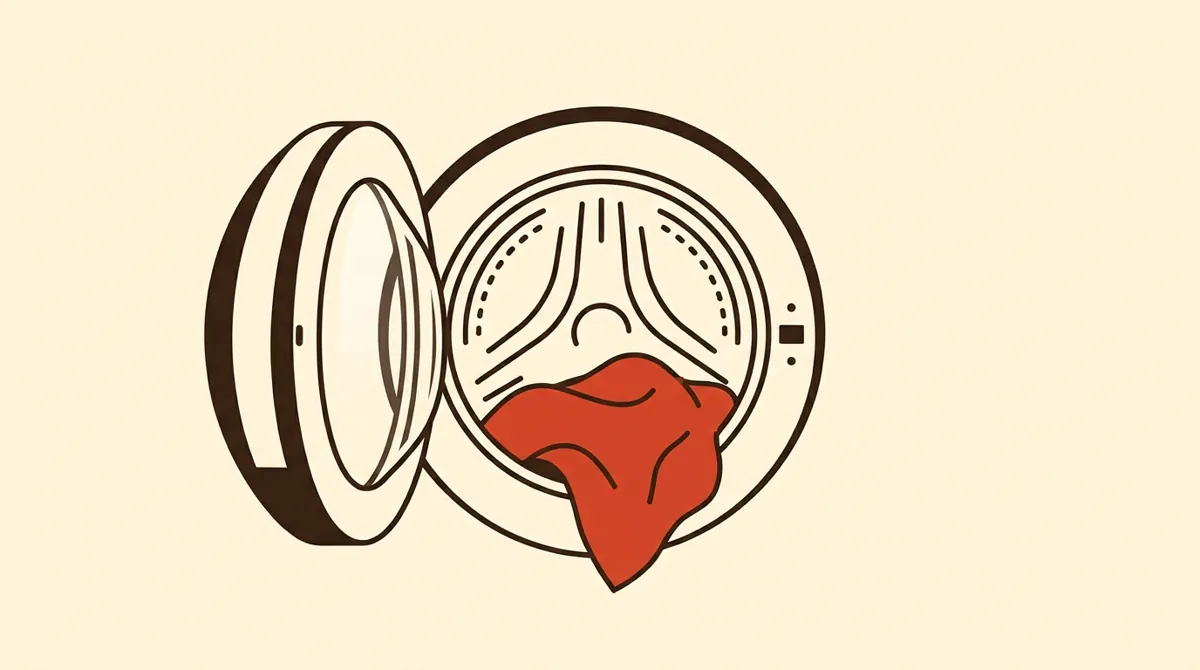
A towel used to wipe raw chicken juice off the counter carries it to the next thing it touches. FoodSafety.gov says to wash dish cloths often in the hot cycle of the washing machine. Keep one towel for hands and a separate one or paper towels for spills from raw meat.
Step by step
Before you start, set out two boards: one for raw meat and one for vegetables, bread and anything eaten raw.
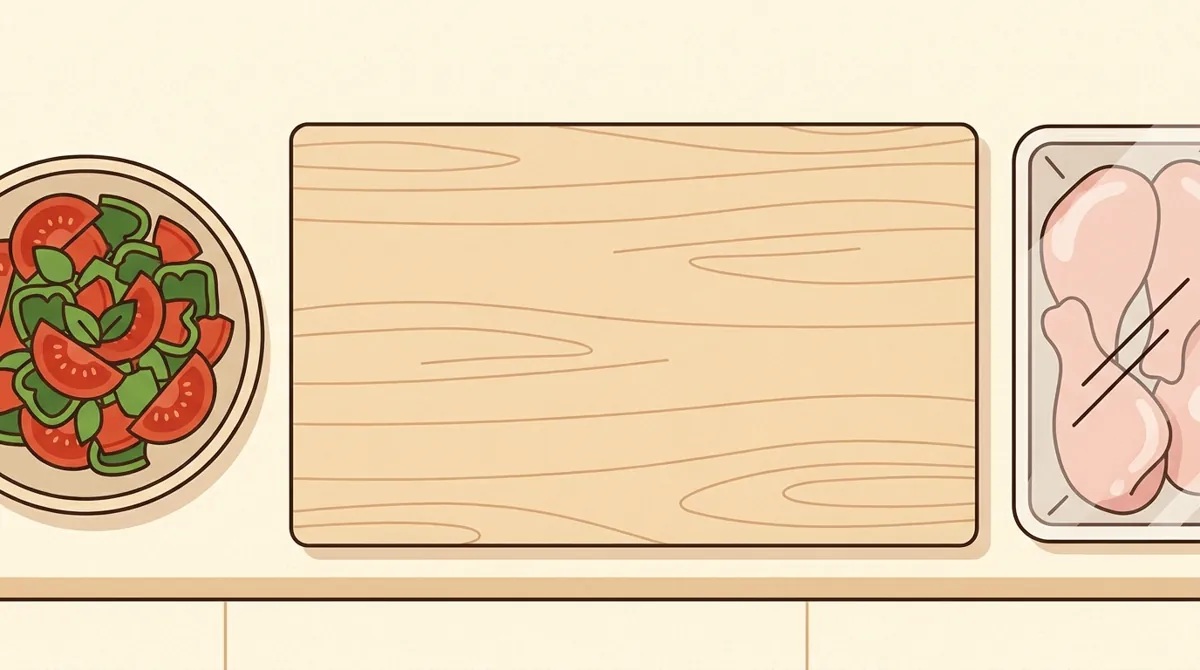
Cut the produce and ready-to-eat food first, then move it out of the way before any raw meat comes out.
Take the raw chicken from its package straight to the raw board without rinsing it; pat it dry with paper towels if the recipe needs a dry surface, and throw the towels away.
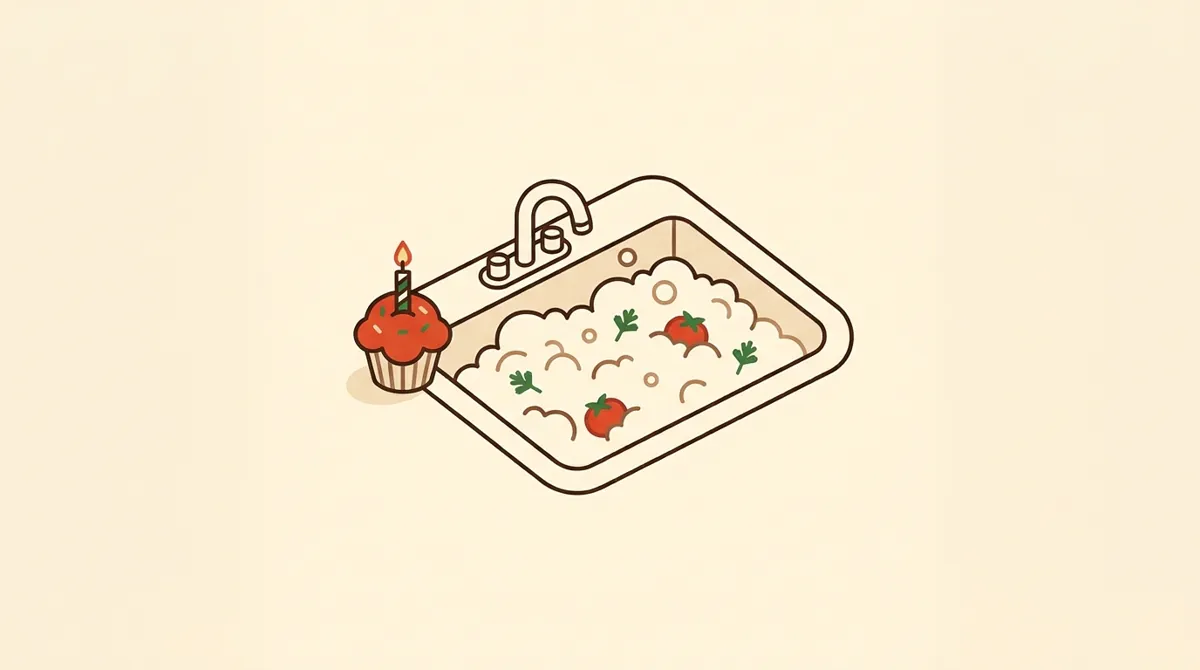
After handling raw meat, wash your hands with soap for at least 20 seconds, scrubbing backs, between fingers and under nails.
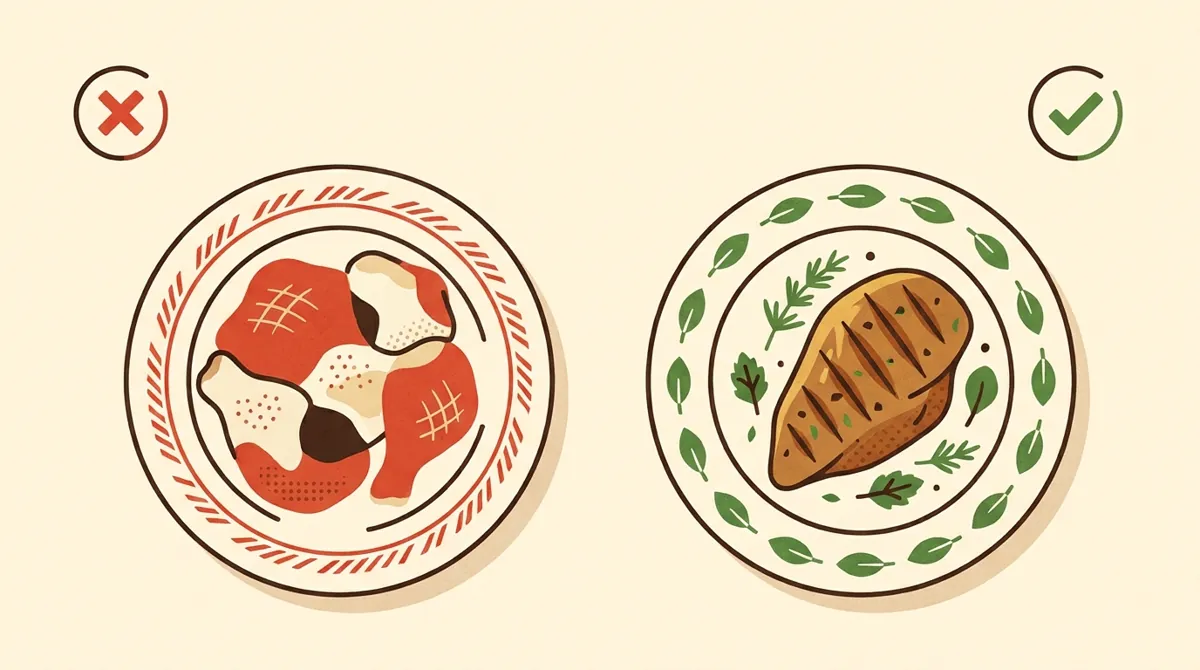
Put cooked food on a clean plate, never the one that held it raw.

Wash the raw board, knife and any splashed counter in hot, soapy water, then sanitize with about 1 tablespoon of unscented bleach per gallon of water, wait at least a minute, rinse and air dry.
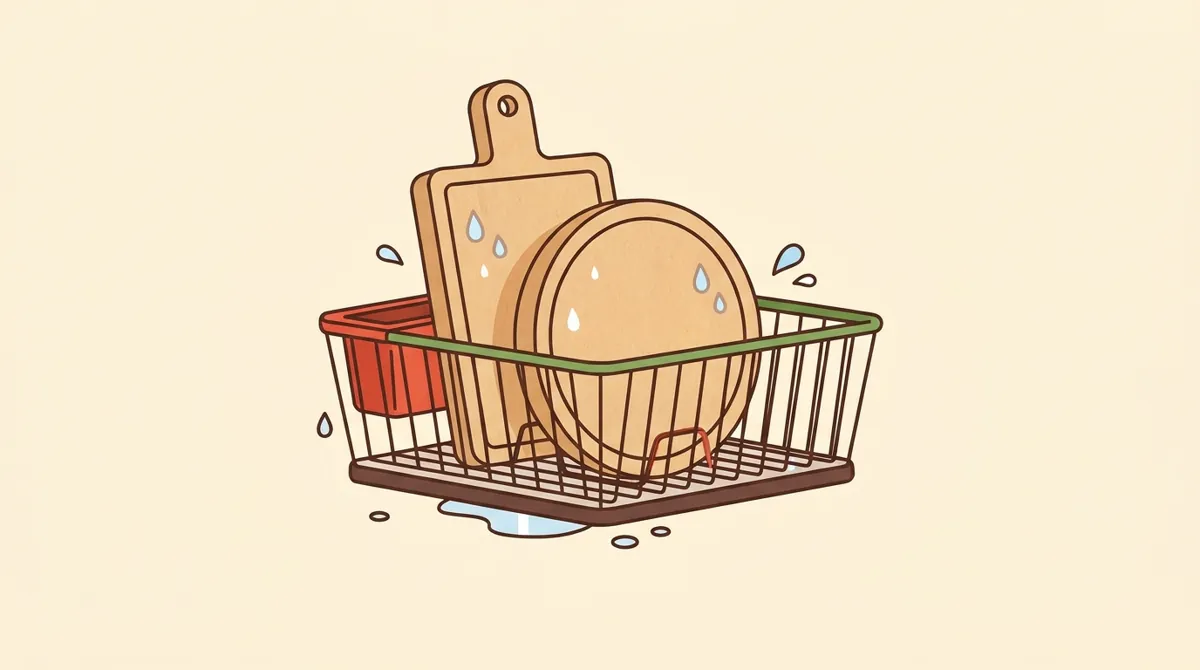
Drop the dish towel you used into the laundry and start the next meal with a clean one.
Common mistakes
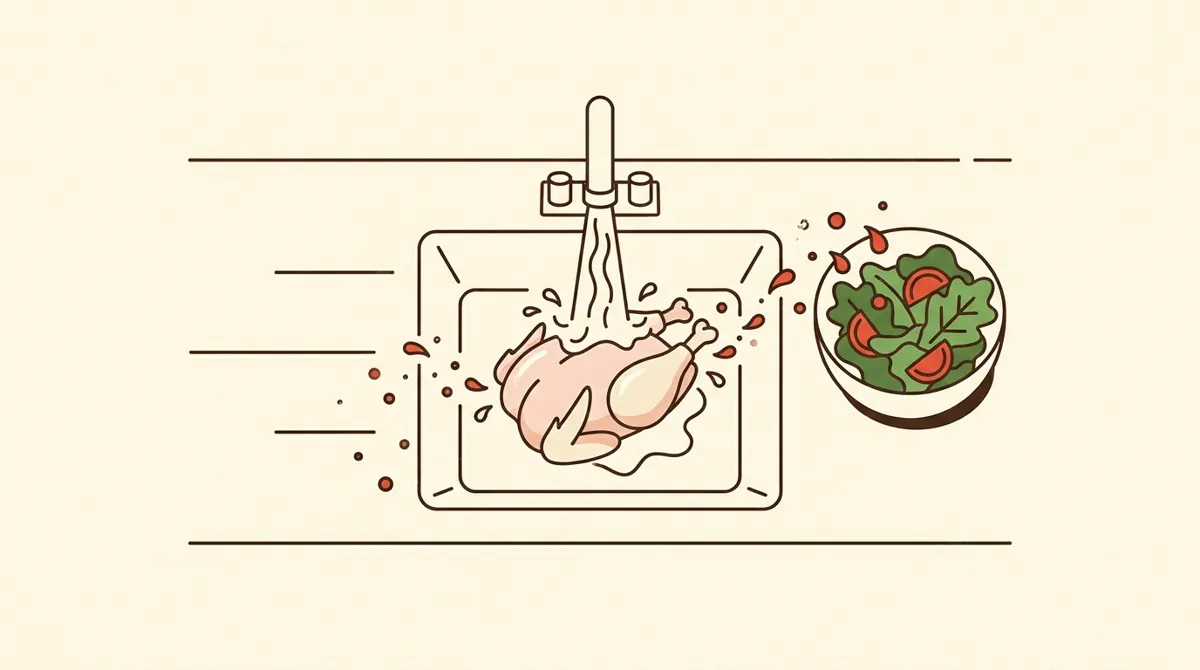
- Rinsing raw chicken in the sink: it spreads bacteria around the sink and counter, so skip the rinse and cook it to a safe internal temperature.
- Using one board for everything: raw juices end up on the salad, so keep a dedicated raw-meat board.
- A three-second hand rinse: it does not remove germs, so scrub with soap for a full 20 seconds.
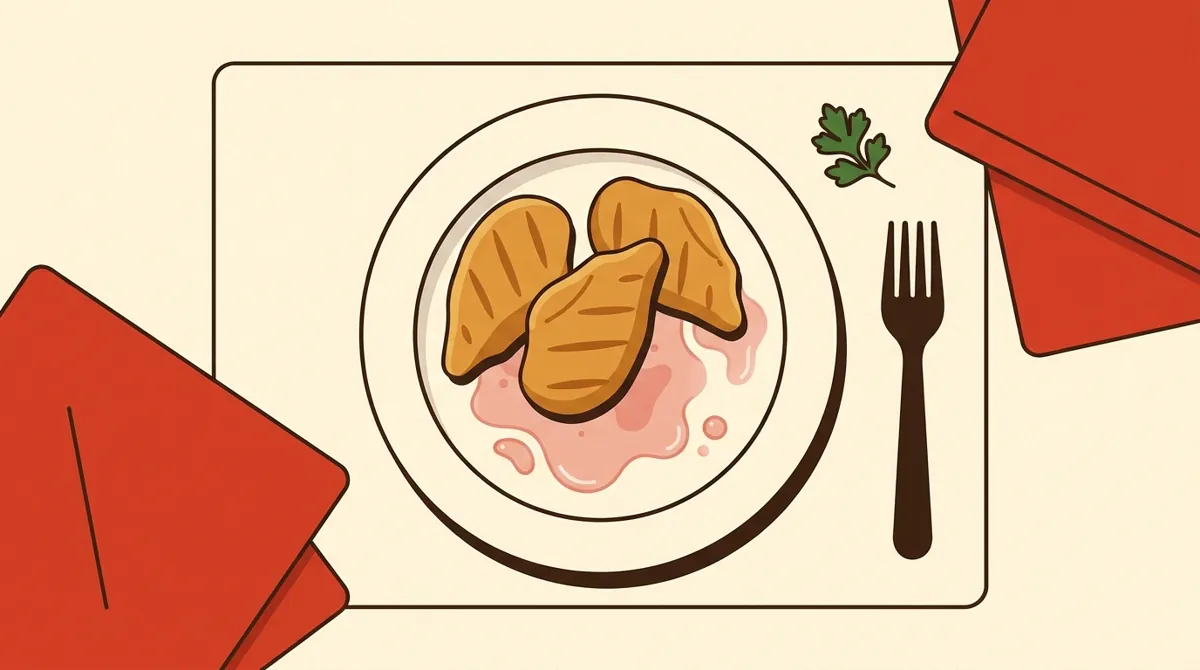
- Putting cooked meat back on the plate that carried it raw: use a clean plate for anything cooked.
- Pouring bleach on a board still covered in food: wash it with hot, soapy water first, then sanitize.
🏋️ Try it tonight
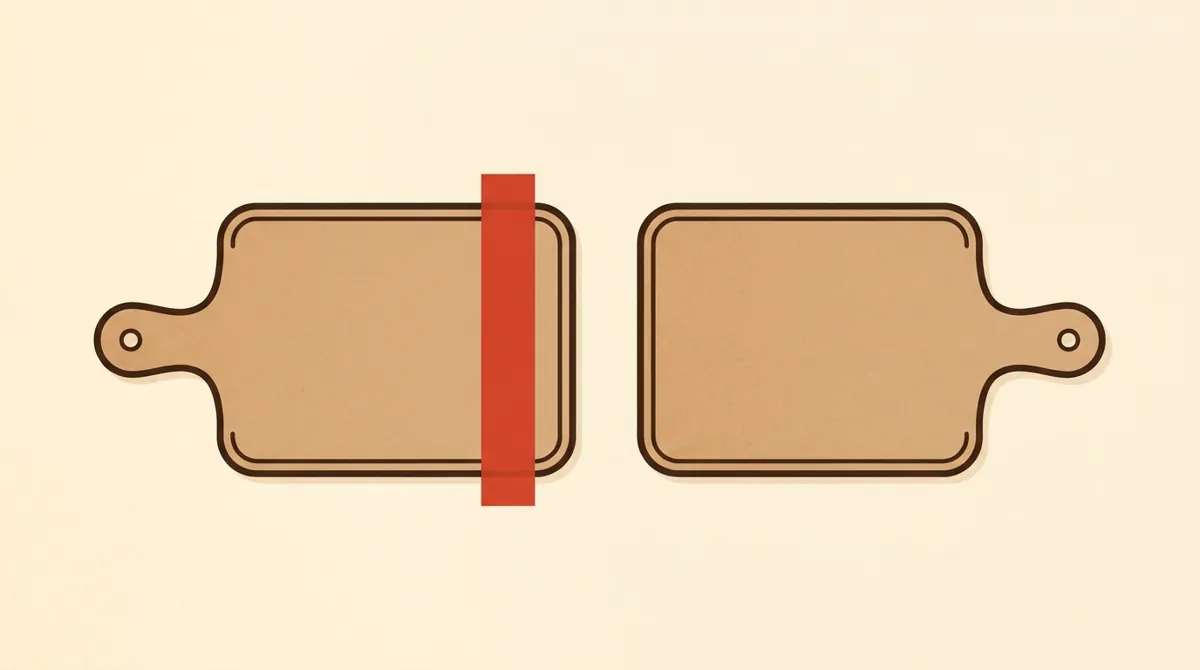
Mix 1 gallon of cool water with 1 tablespoon of unscented bleach in a clean bucket or sink basin. Pick your two cutting boards and mark the raw-meat one, for example with a colored tape tab on the edge. Then set a 20-second timer and wash your hands with soap, scrubbing backs, between the fingers and under the nails, and notice how much longer that is than your usual rinse. Finish by sanitizing both boards and letting them air dry.
💡 Did you know?
In a 2019 USDA observation study, 26 percent of people who washed raw poultry ended up transferring bacteria from it to their ready-to-eat salad lettuce.
Use it tonight
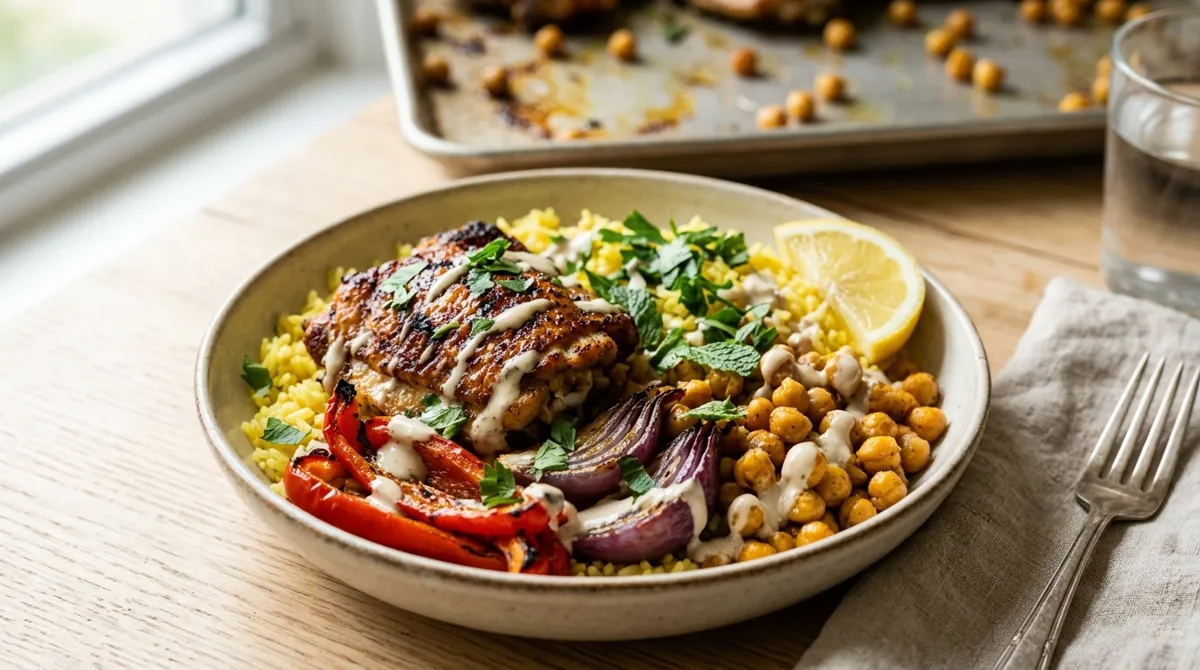
Sheet-Pan Chicken Shawarma (with Chickpeas, Peppers and Tahini-Yogurt Sauce)
Bone-in chicken thighs rubbed with a shawarma-style spice mix, lemon and garlic and roasted at 475°F on one sheet pan with red onion, chickpeas that turn crunchy and red peppers added late, then spooned over rice with a lemony tahini-yogurt sauce and herbs.
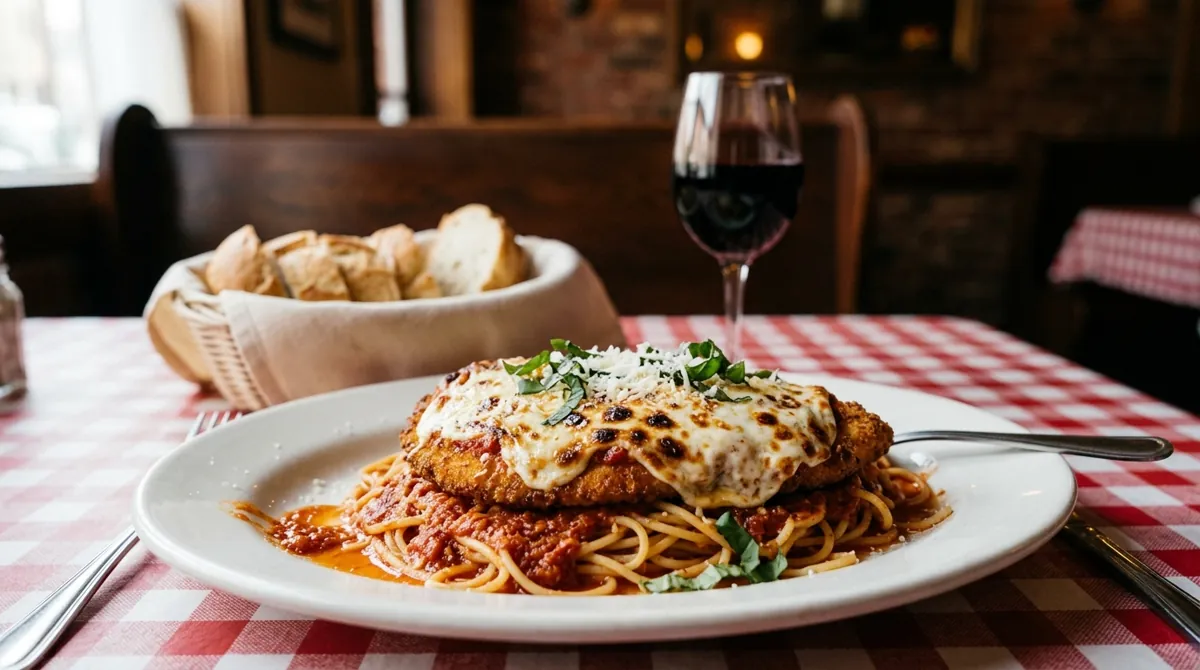
Chicken Parmesan over Spaghetti
Thin chicken cutlets soaked in garlicky buttermilk, coated in crumbs of dried Italian bread and Parmesan, shallow-fried crisp, then baked at 425°F under red sauce and fresh mozzarella and served on a bed of spaghetti.
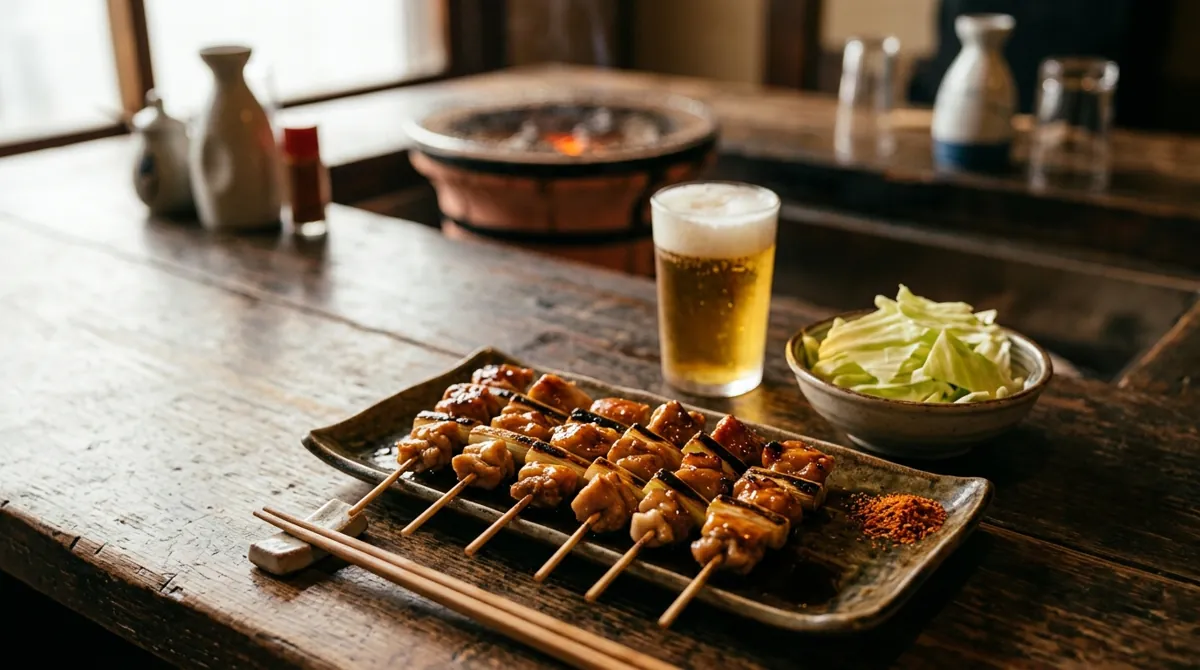
Yakitori (Japanese Chicken and Scallion Skewers with Tare)
Bite-size chicken thigh threaded with pieces of Tokyo negi on small skewers, broiled hot and brushed three times with a homemade tare of soy sauce, mirin, sake and brown sugar reduced to a glossy glaze.
Chicken Tikka Masala
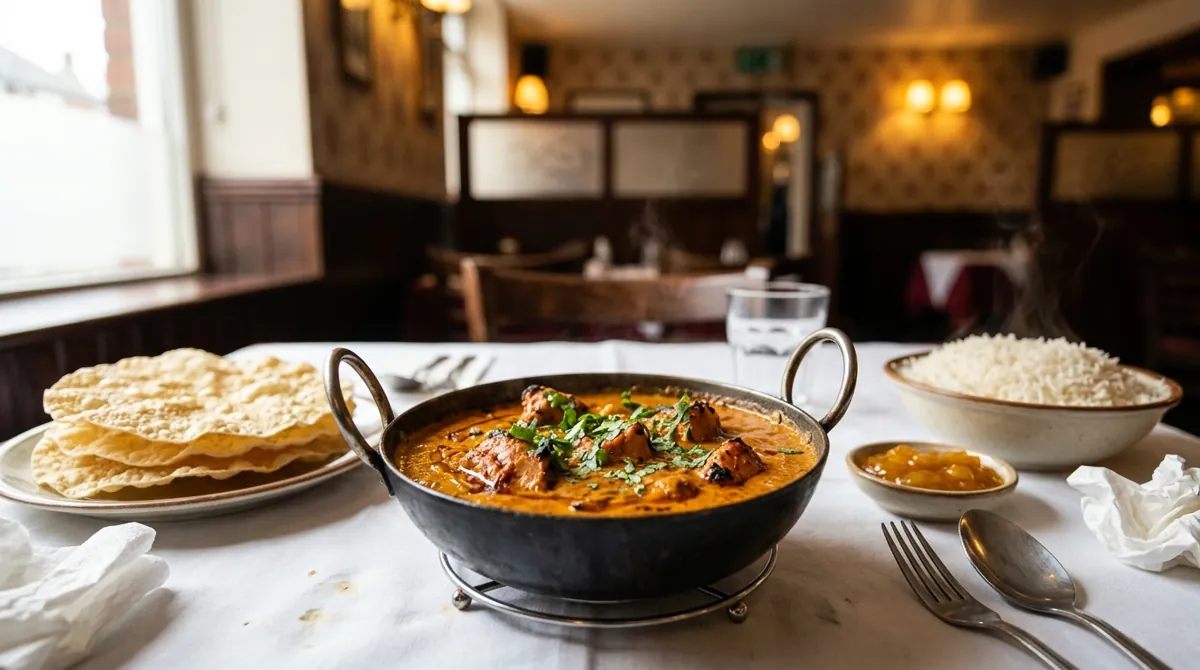
Spice-rubbed chicken breasts coated in garlicky yogurt and charred under the broiler, then cut up and stirred into a creamy, gently spiced tomato masala sauce: the British curry house favorite made at home.
Sources
- 4 Steps to Food Safety (FoodSafety.gov, Internet Archive copy)
- USDA: Washing raw poultry increases risk of contamination (WHDH, reporting the 2019 USDA study)
- How Safe is Your Cutting Board? (University of Wisconsin Extension, Winnebago County, citing the USDA Meat and Poultry Hotline)
- Cutting boards (University of Illinois Extension, Meat Safety)
- "Danger Zone" (40°F to 140°F) (USDA Food Safety and Inspection Service, Internet Archive copy)