
🧯 Kitchen Safety · Lesson 1 of 5
How to Put Out a Grease Fire, and When to Get Out
Slide on a lid and kill the heat, never use water or flour, know when baking soda helps and when to leave and call 911.
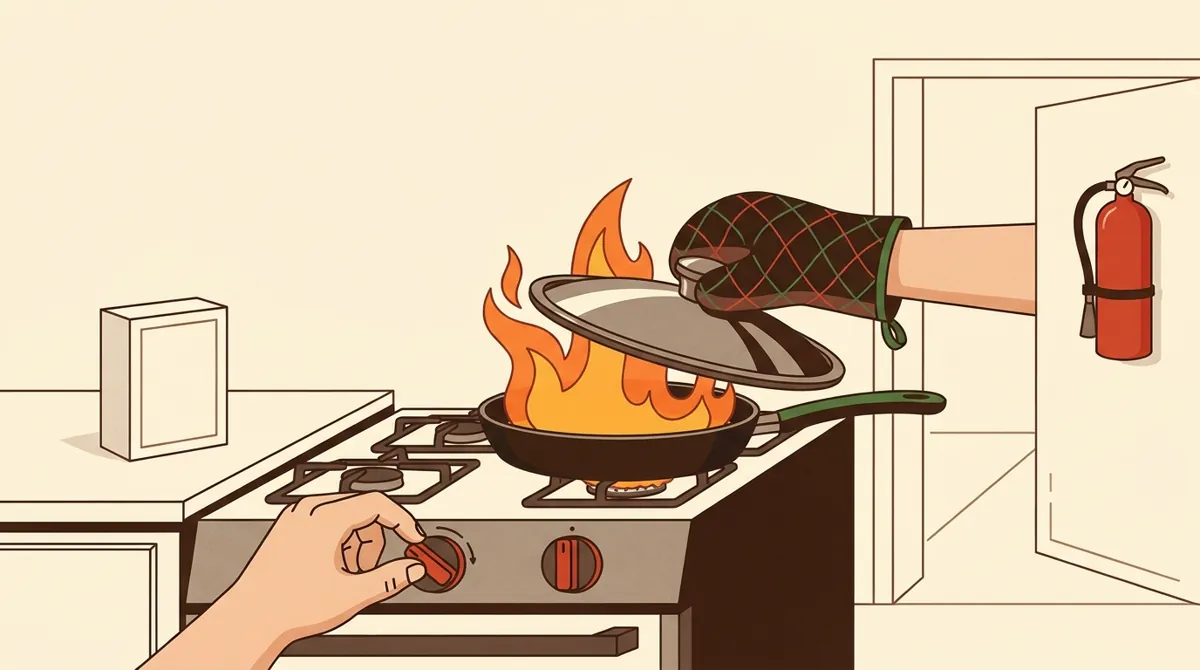
- Slide a metal lid or baking sheet over the pan
- Turn off the burner
- Never water, never flour
- Small fire only: lots of baking soda or salt
- Extinguisher: pull, aim low, squeeze, sweep
- Spreading? Get out, close the door, call 911
Why it matters
Cooking is the number one cause of home fires and home fire injuries, according to the National Fire Protection Association. Heated oil starts to smoke and then catches fire, and the instinct to carry the pan to the sink or throw water on it is exactly what turns a small fire into a big one. Knowing the two moves that work, and the point where you stop and leave, is the whole lesson.
Lid on, heat off
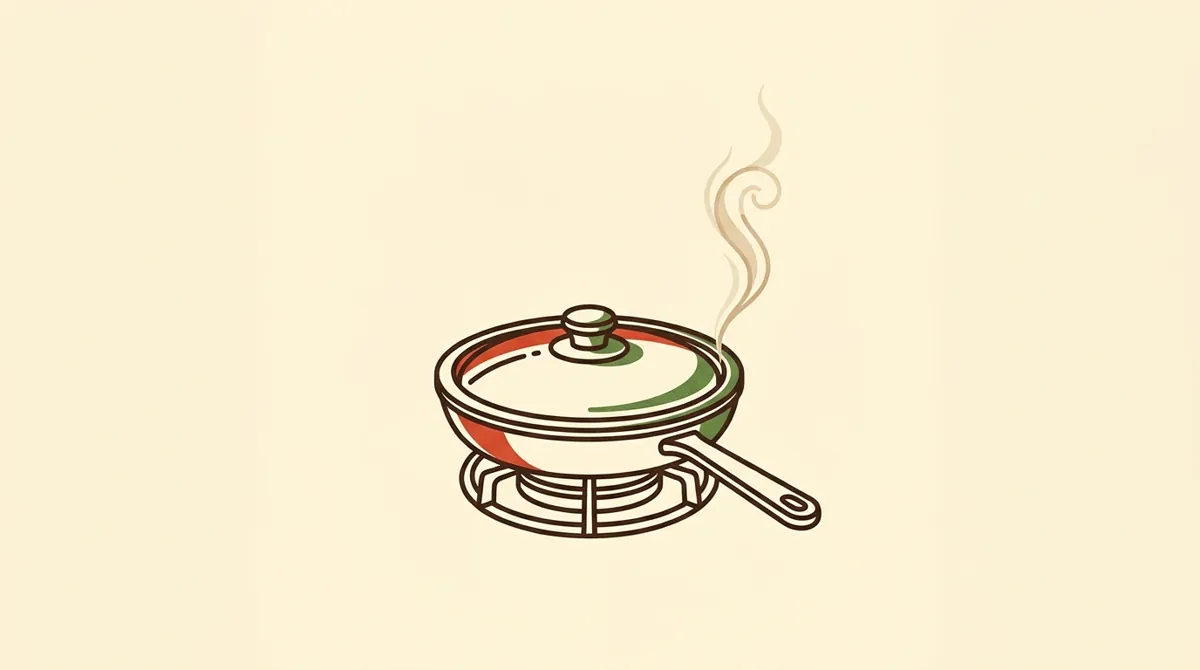
A fire needs heat, oxygen and fuel. The NFPA's instruction for a small grease fire is to slide a lid over the pan and turn off the stovetop, then leave the pan covered until it is completely cool, because lifting the lid early can let it flare up again. A Lincoln County, North Carolina fire safety handout adds two details: use a metal lid or a baking sheet, since glass can shatter, and protect your hand with an oven mitt.
Never water, never flour
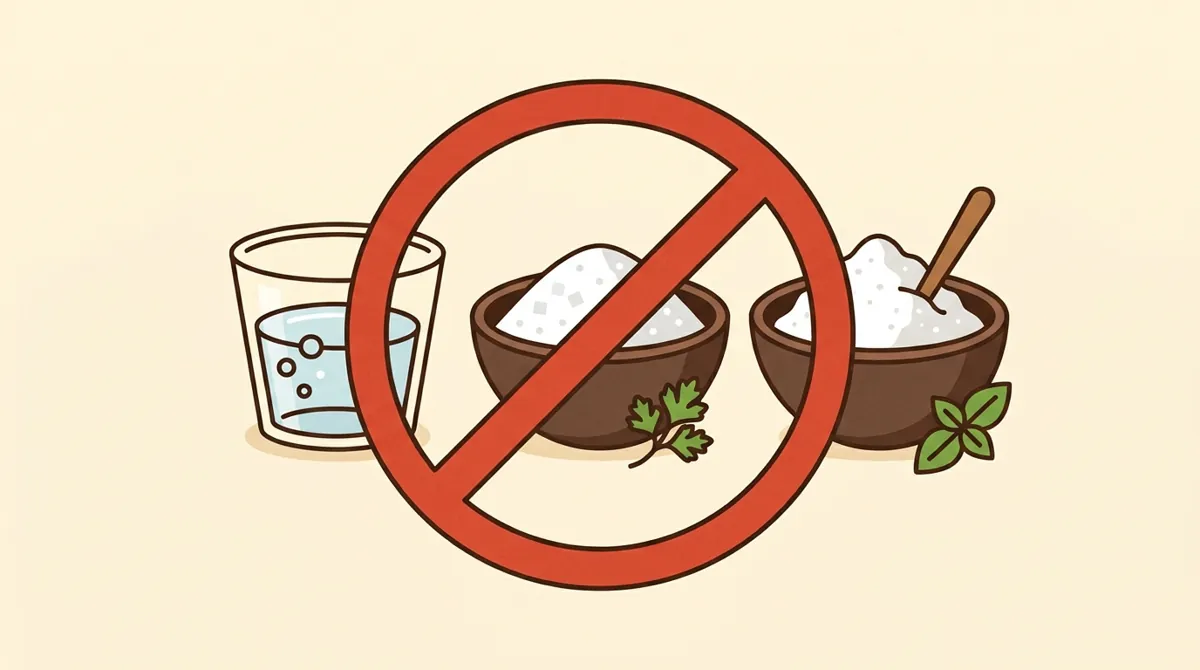
Water hitting burning oil flashes to steam and splashes the flaming oil out of the pan, spreading the fire, which is why the NFPA says never to throw water on it. Flour looks like baking soda but is combustible, so it feeds the fire instead of smothering it; a Minnesota State Fire Chiefs Association sheet lists water, sugar and flour as the three things never to put on a grease fire. Do not try to carry the pan outside either, since moving it splashes burning oil.
Baking soda or salt: small fires only
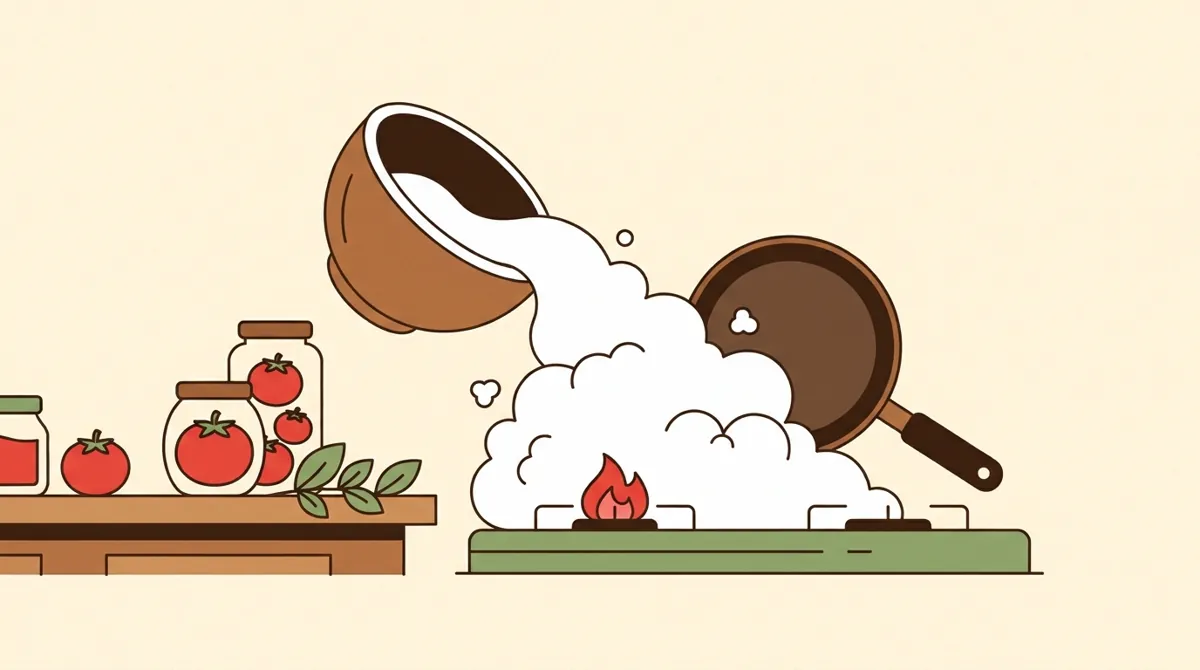
Baking soda will put out a grease fire only if it is small, and it takes a lot of it, according to the Lincoln County handout and the Escoffier culinary school. Sedgwick County Fire District 1 in Kansas recommends baking soda or salt and warns against flour, baking powder or any cooking powder that only looks like them. The Minnesota fire chiefs point out the catch: in a panic, people grab the wrong white powder, so the lid is the safer first move.
Oven fires stay shut
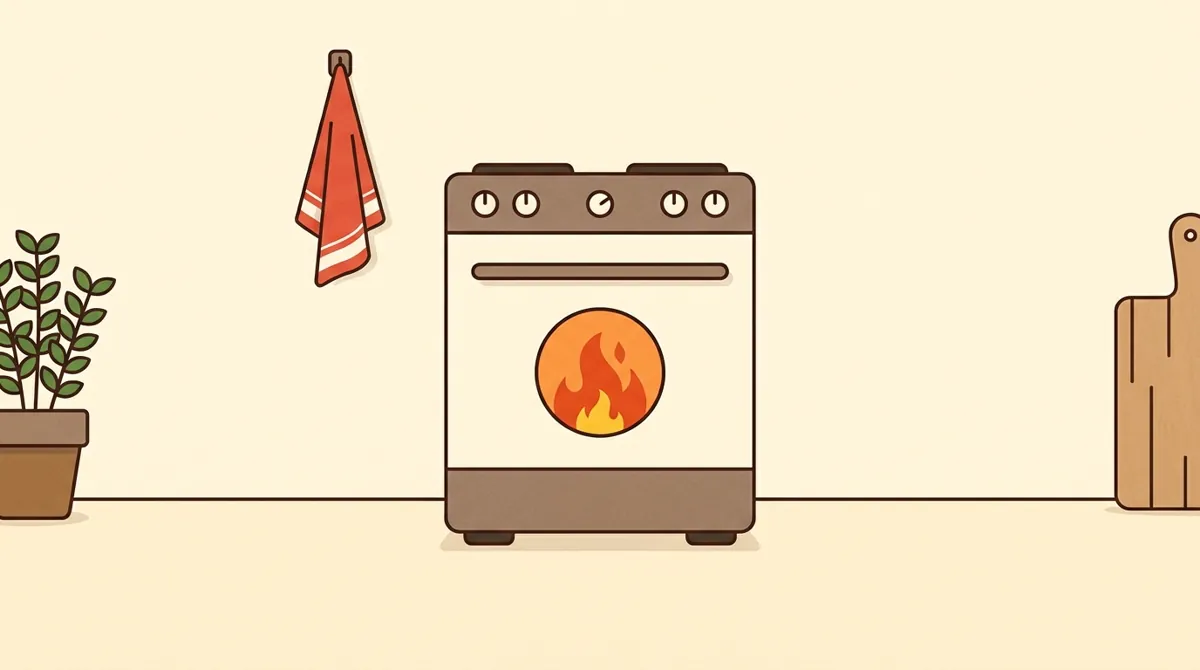
For a fire inside the oven, the NFPA says to turn off the heat and keep the door closed. Opening the door feeds the fire a fresh supply of air. Leave it closed until the fire is out and the oven has cooled, and call the fire department if it keeps burning.
Extinguishers and PASS, then know when to go
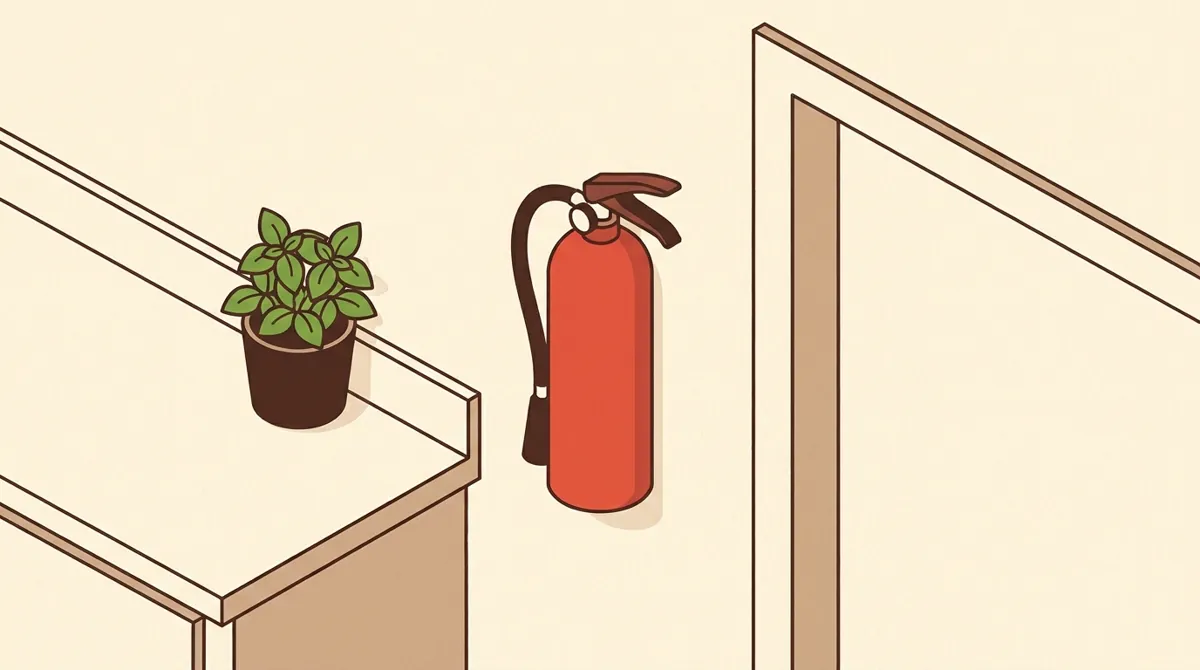
Class B extinguishers are made for flammable liquids like grease, and multipurpose ABC models cover most home fires; Class K wet chemical extinguishers are built for cooking oils and are mostly found in commercial kitchens, per the U.S. Fire Administration. Use one only if the fire is small and not growing, everyone else is out, the fire department has been called and you have a clear exit at your back. Remember PASS: pull the pin, aim low at the base of the fire, squeeze the lever slowly and sweep side to side. If the lid does not work or you are not comfortable trying, get everyone out, close the door behind you and call 911 from outside.
Step by step
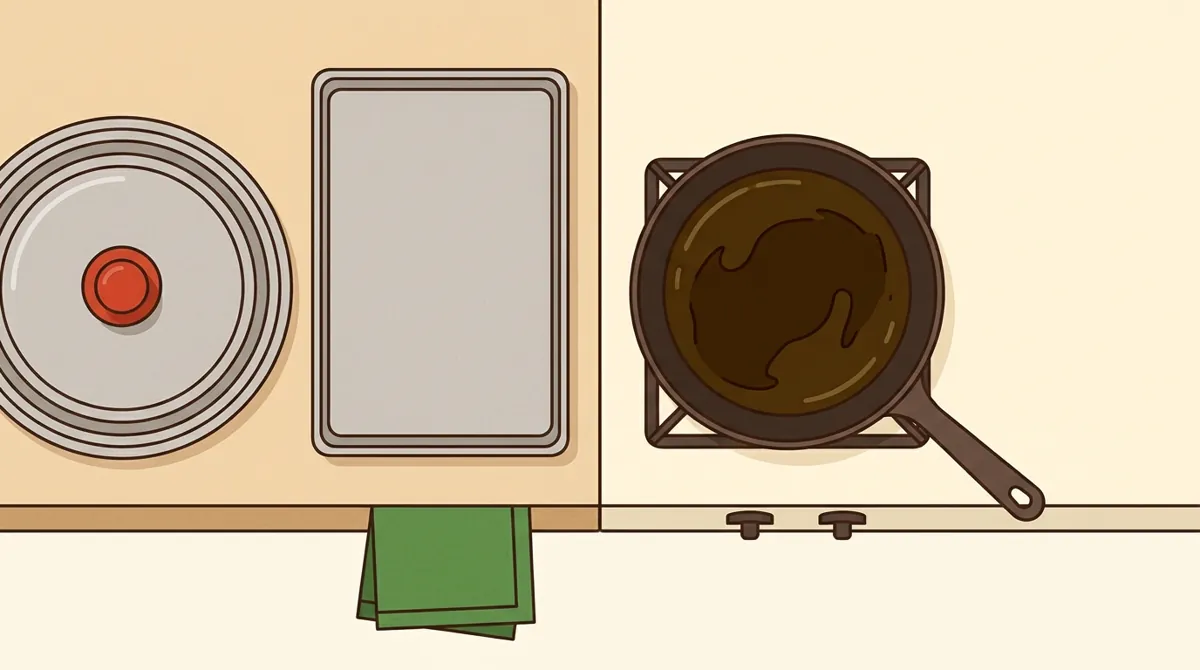
Before you fry, set the pan's metal lid or a baking sheet on the counter right next to the stove, and keep towels, oven mitts and packaging away from the burner.
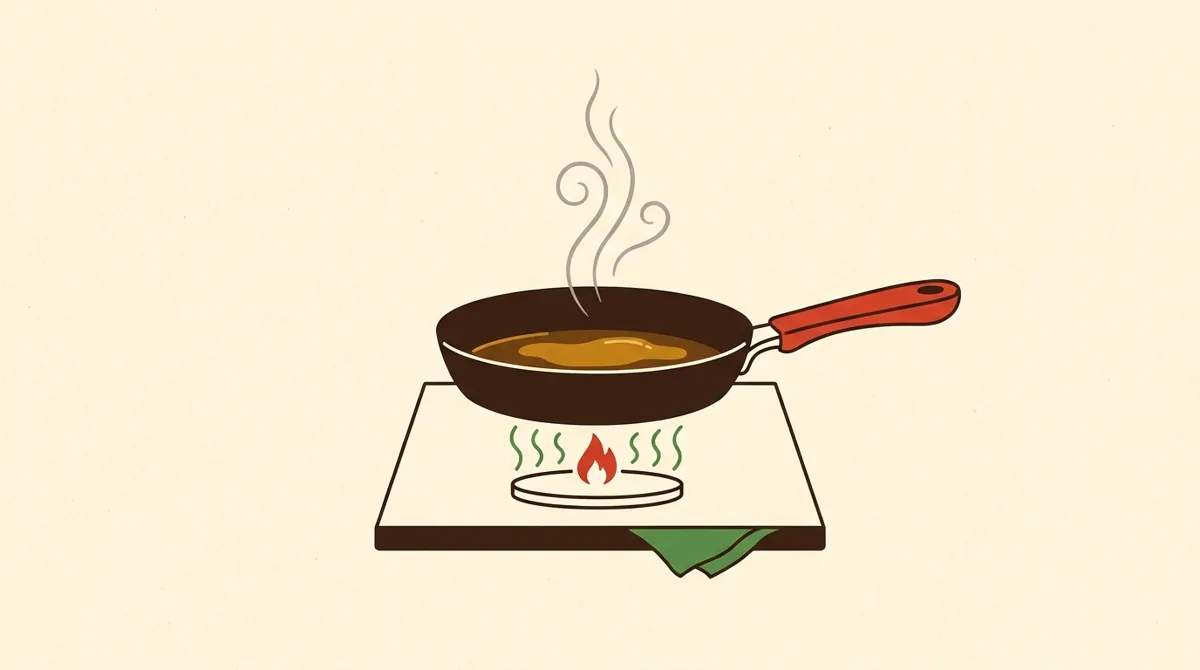
Stay in the kitchen the whole time oil is on the heat; if you see wisps of smoke or smell the oil, turn the burner off right away.
If the oil catches fire, put on an oven mitt and slide the lid over the pan from the side instead of dropping it from above.
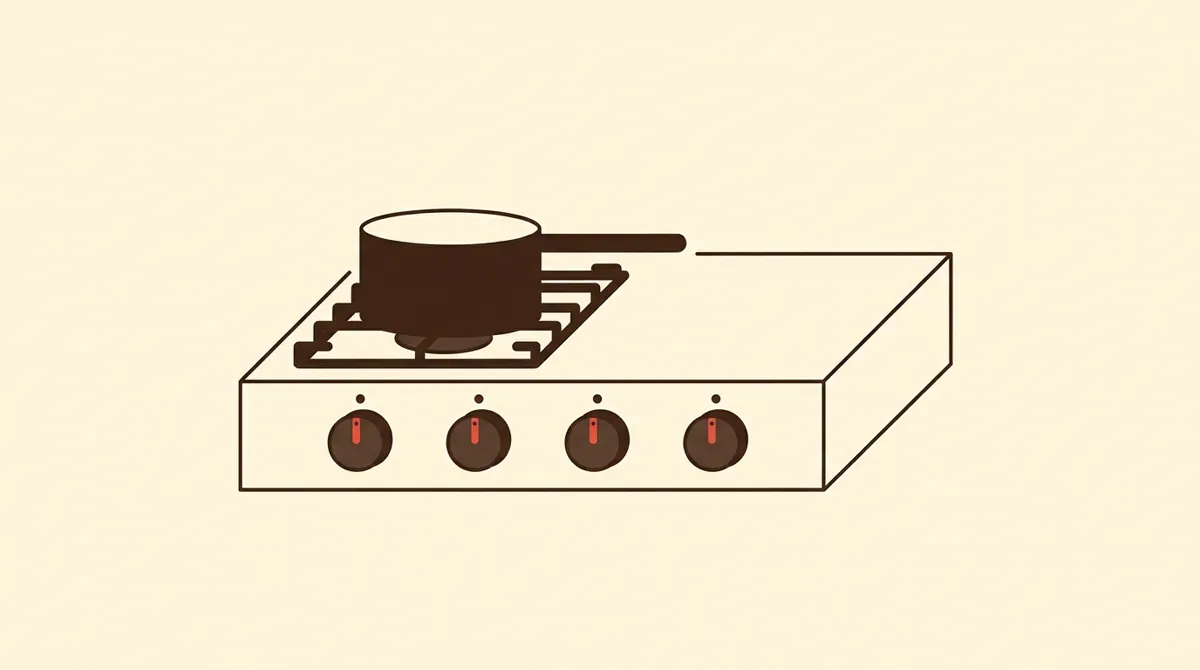
Turn off the burner and leave the pan exactly where it is.
If the fire is small and the lid will not fit, pour a large amount of baking soda or salt straight onto it; never water, flour or baking powder.
Keep the lid on until the pan is completely cool, which takes a long time; lifting it early can restart the fire.
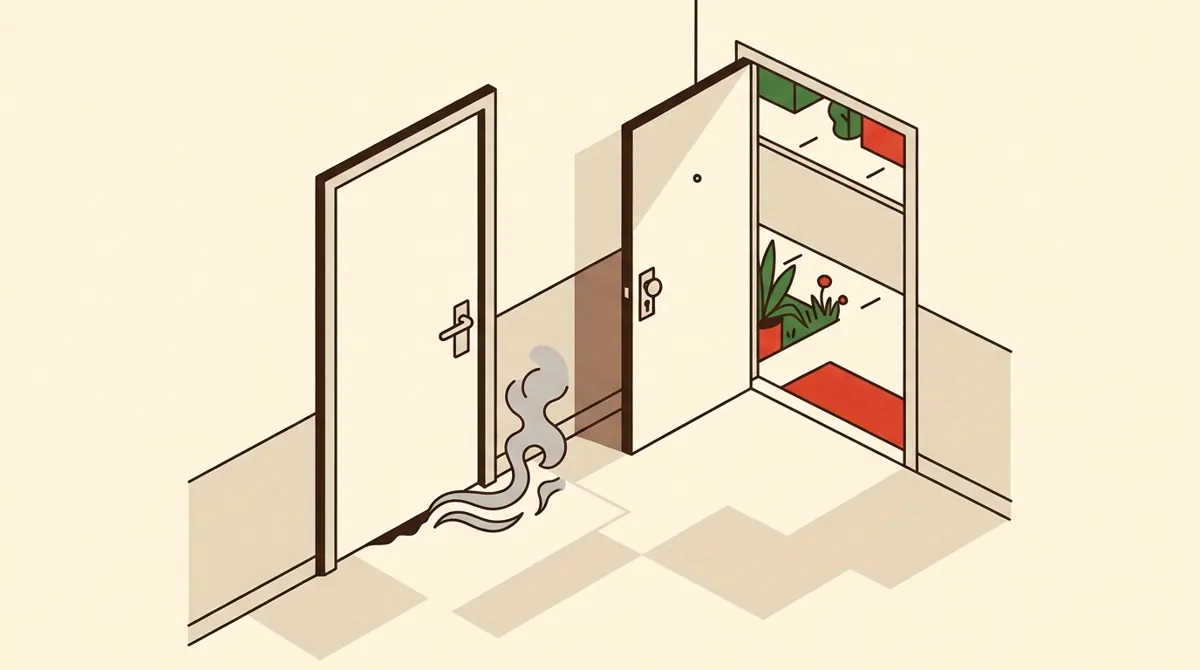
If the flames are not going out, are spreading past the pan or the room is filling with smoke, get everyone out, close the door and call 911 from outside.
Common mistakes
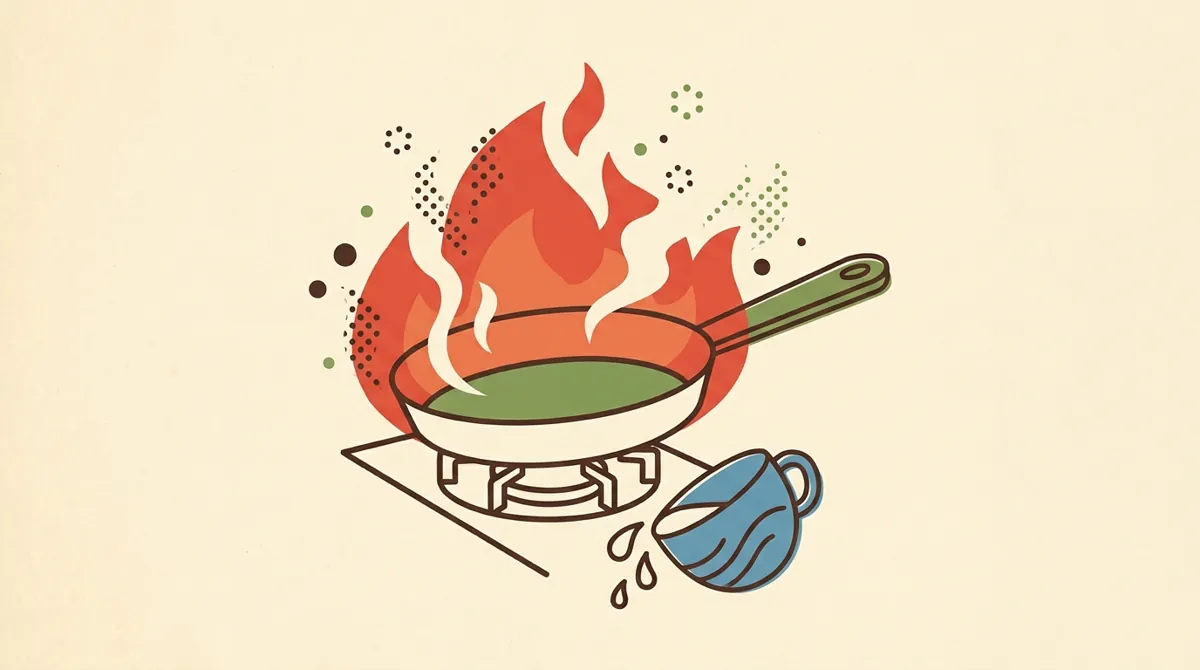
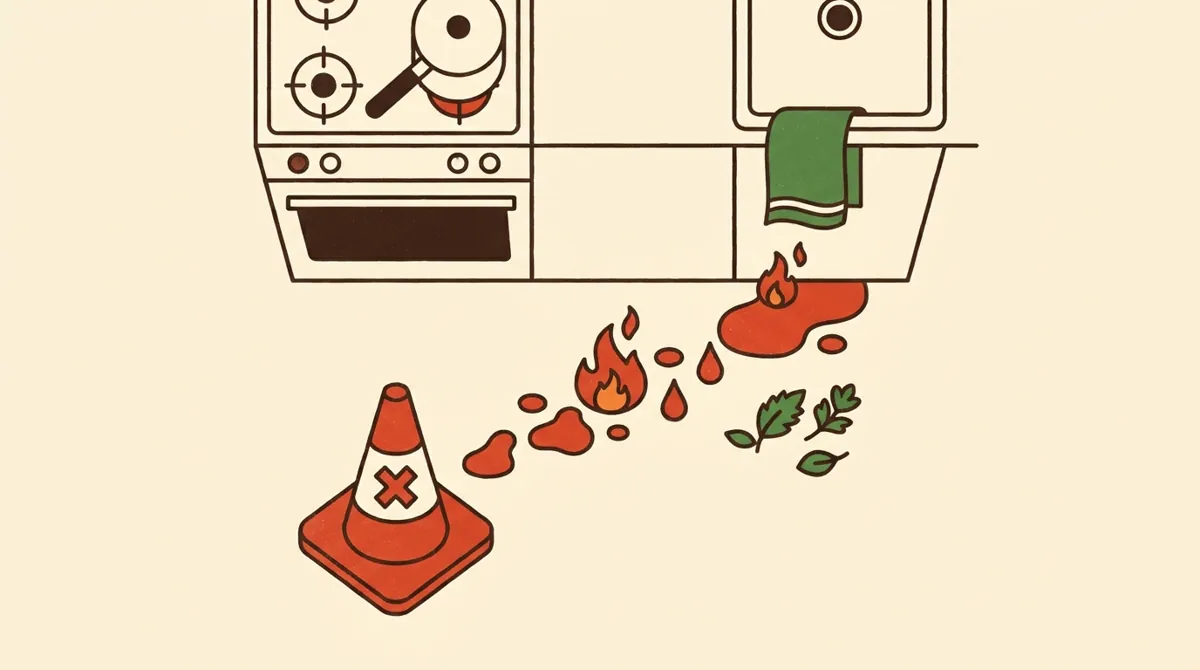
- Throwing water on burning oil: it spatters flaming grease across the kitchen, so slide on a lid and turn off the heat instead.
- Grabbing flour because it looks like baking soda: flour burns, so reach for the lid first and keep baking soda where you know it is.
- Carrying the burning pan to the sink or out the door: moving it splashes burning oil, so leave it on the stove and cover it.
- Lifting the lid to check after a minute: the fire can reignite, so leave it covered until the pan is completely cool.
- Fighting a fire that is already spreading: once it is past the pan, get out, close the door and call 911 from outside.
🏋️ Try it tonight
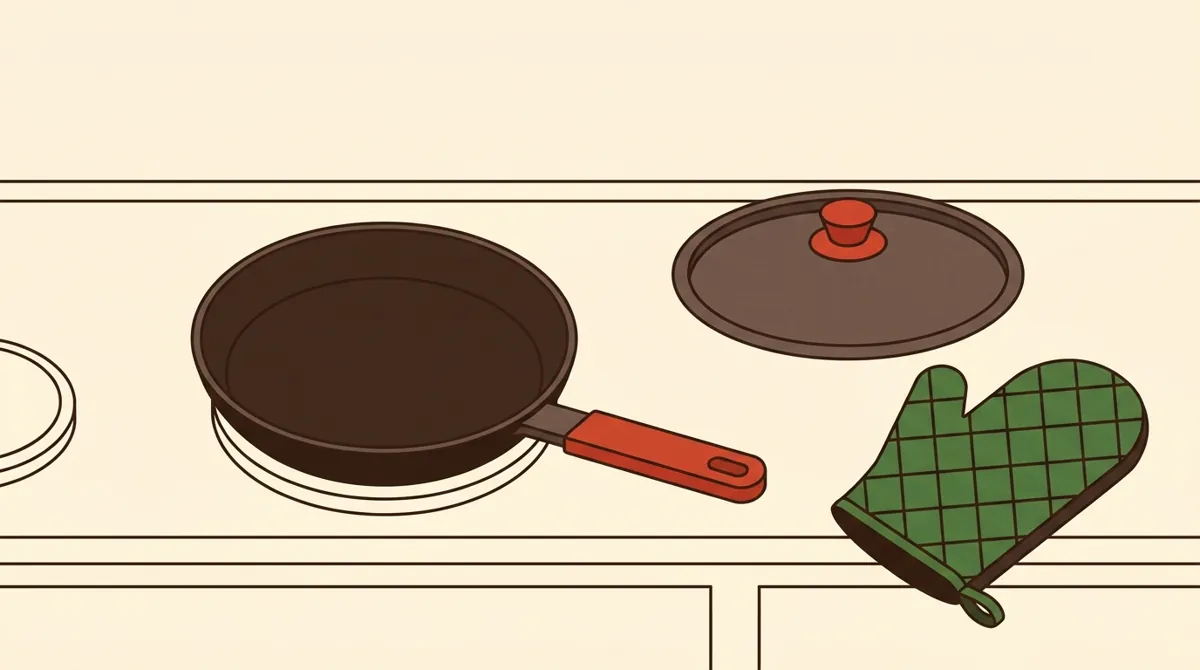
Tonight, with the stove cold, run a dry drill. Put your largest skillet on the burner and find the lid or baking sheet that covers it completely. Practice sliding it on from the side with an oven mitt, then reaching for the knob to turn the burner off, five times until it is one smooth move. Finish by checking where your extinguisher is, whether its pressure gauge reads in the normal range, and which door you would leave through.
💡 Did you know?
The NFPA found that unattended equipment is a factor in one quarter of reported home cooking fires, but in half of the deaths from them.
Use it tonight
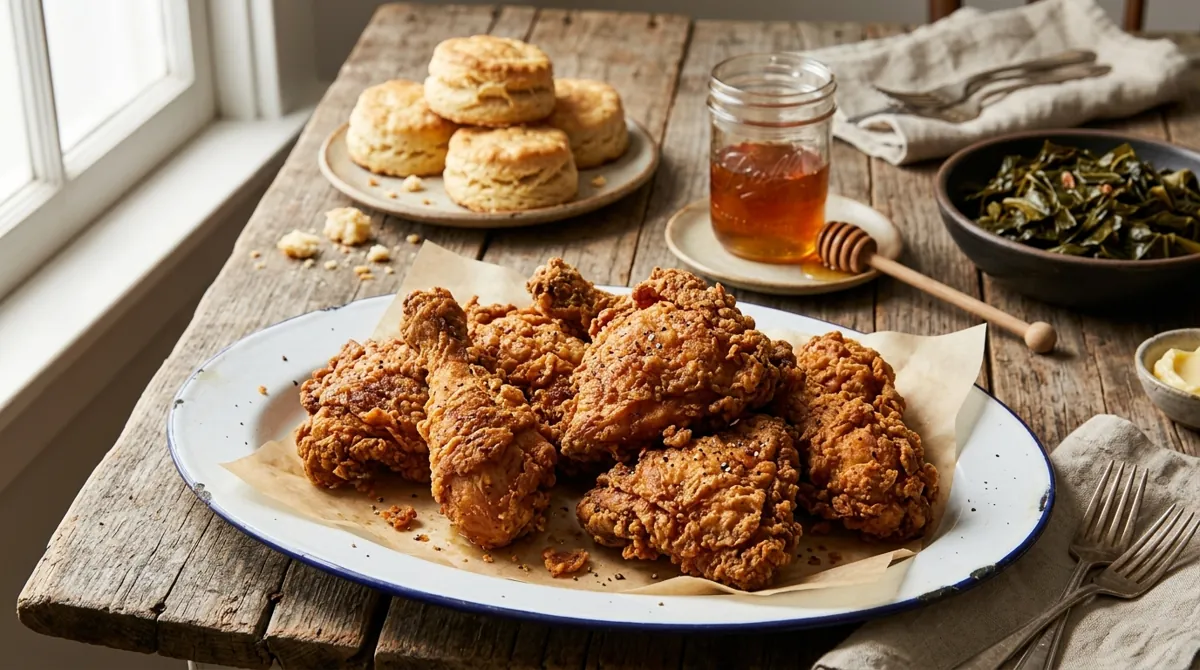
Southern Pan-Fried Buttermilk Chicken
Chicken brined in salt water, soaked overnight in buttermilk, dredged in flour and cornstarch, and pan-fried in a skillet of lard and butter flavored with country ham, the Edna Lewis way.
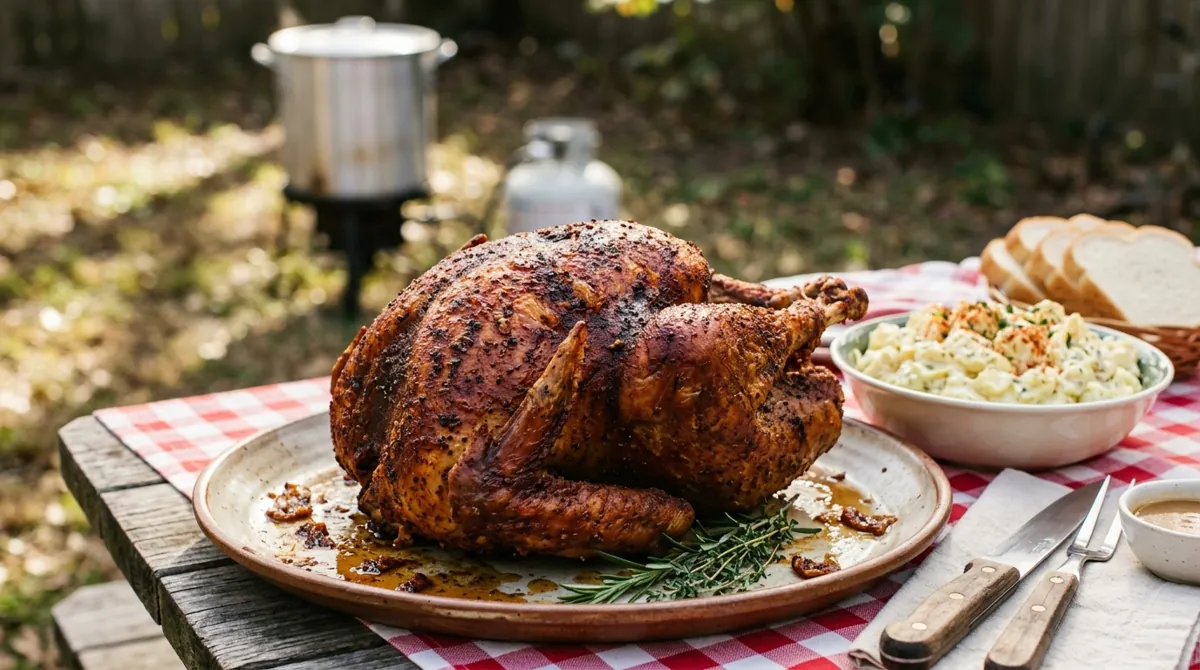
Cajun Deep-Fried Turkey
Louisiana's outdoor turkey: injected overnight with butter, onion and garlic juice, hot sauce and beer, then lowered into a big pot of peanut oil at 350°F and fried in about 3 to 4 minutes a pound. Outdoors only, with a fire extinguisher.

Japanese Chicken Karaage
Bite-size pieces of skin-on chicken thigh marinated in soy, sake, ginger and garlic, coated in flour and potato starch, and fried twice in under three minutes.
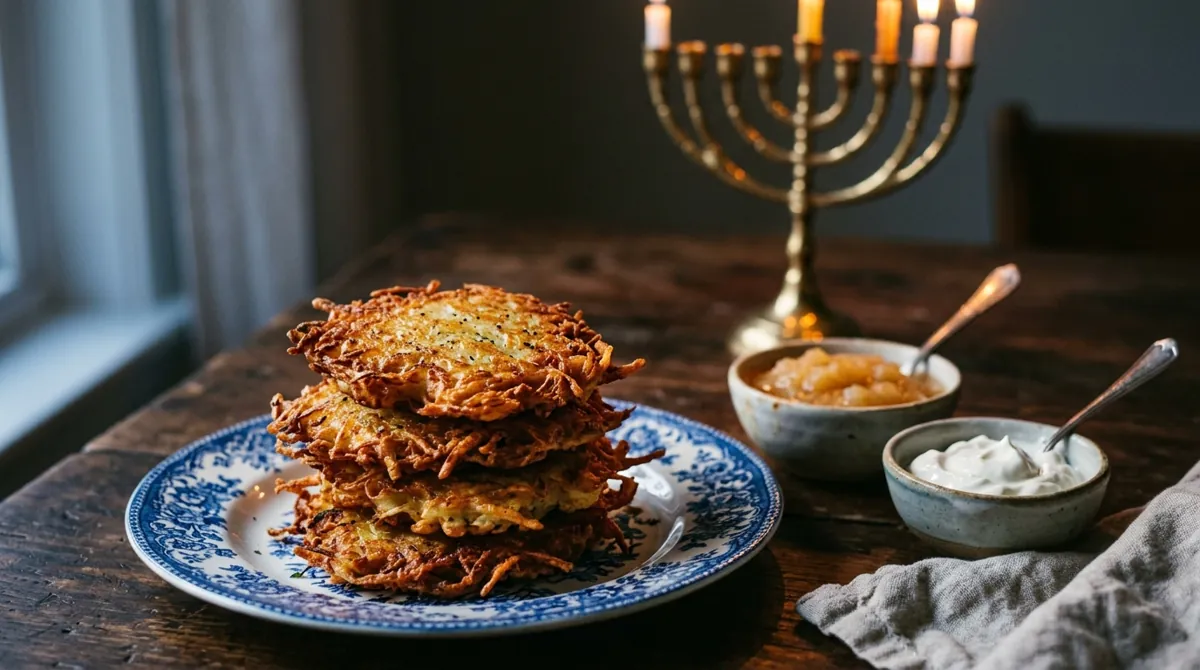
Classic Potato Latkes
Shredded russets and onion, wrung dry, bound with egg and the potato's own starch, and shallow-fried at 350°F into lacy, golden Hanukkah latkes with applesauce and sour cream.
Sources
- Safety with cooking equipment (National Fire Protection Association)
- Fire extinguishers (National Fire Protection Association)
- Cooking fire safety (U.S. Fire Administration, FEMA)
- Choosing and Using Fire Extinguishers (U.S. Fire Administration, FEMA)
- How to Put Out a Grease Fire (Lincoln County, North Carolina handout)
- Recipe for Kitchen Safety, Minnesota State Fire Chiefs Association (City of Inver Grove Heights, MN)
- Sedgwick County Fire District 1 shares holiday kitchen safety tips (KSN-TV, 2022)
- Fire Safety Tips for Your Kitchen (Auguste Escoffier School of Culinary Arts)