
🧂 Seasoning and Flavor · Lesson 5 of 5
Fresh vs. Dried Herbs: How to Convert, When to Add, How to Store
Use about one-third as much dried herb as fresh, add hardy herbs early and tender herbs at the end, and store fresh herbs right.
- 1 tbsp fresh = 1 tsp crumbled dried = 1/4 to 1/2 tsp ground dried
- Some sources: use half the fresh amount
- Early (last 20 minutes or more): rosemary, thyme, oregano, sage, bay
- Late (last 1 to 2 minutes or at the table): basil, parsley, cilantro, chives, dill
Why it matters
Dried herbs are stronger than fresh by volume, so a straight swap can overpower a dish. Timing matters just as much: hardy herbs like thyme and rosemary need time in the pot, while tender herbs like basil and parsley fade with cooking. Most home cooks add every herb at the same moment and get the most out of none of them.
The conversion: about 1 dried to 3 fresh
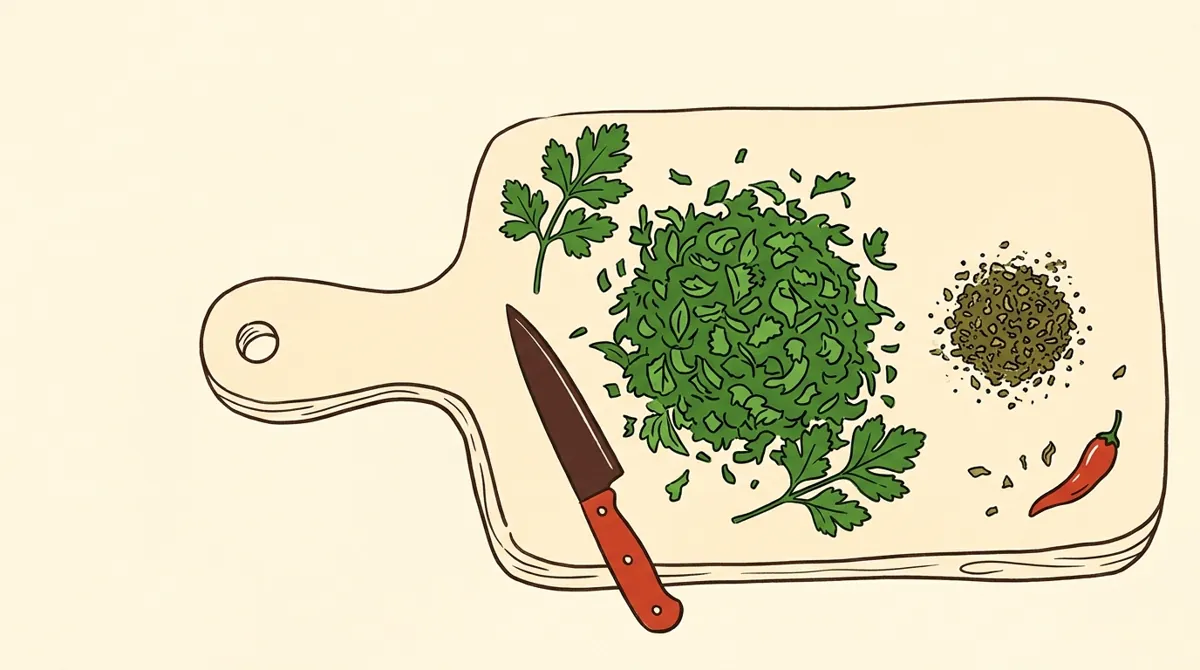
Mississippi State University Extension gives 1 tablespoon of finely cut fresh herbs as equal to 1 teaspoon of crumbled dried herbs, or 1/4 to 1/2 teaspoon of ground dried herbs. America's Test Kitchen reached the same 1 part dried to 3 parts fresh after cooking 24 recipes with fresh and newly bought dried herbs. Sources differ: an older Cook's Illustrated guide says to use half the fresh amount, so start with one-third and add more after tasting.
Hardy herbs go in early
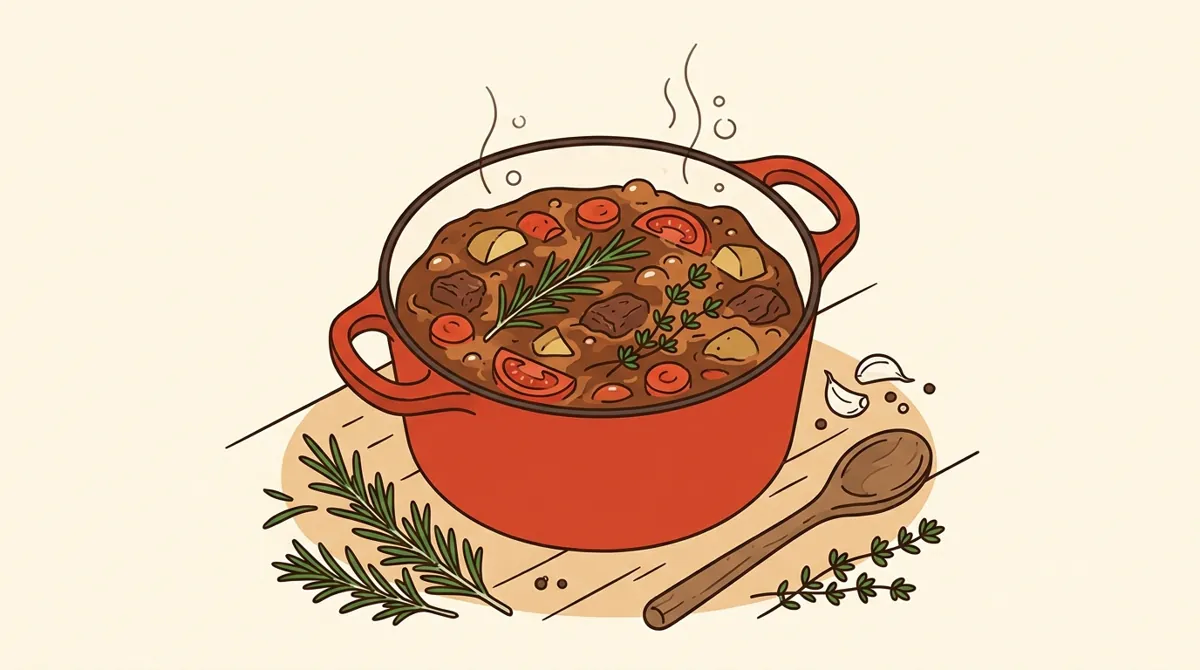
Rosemary, thyme, oregano, sage and bay hold their flavor through heat, which is also why they dry well. Add fresh hardy herbs such as rosemary and thyme about 20 minutes before a dish is done, and use their dried versions in moist dishes that cook at least 20 minutes, such as soups, chili and stuffing. Thyme mellows as it cooks, so America's Test Kitchen often adds a little more at the end.
Tender herbs go in at the end
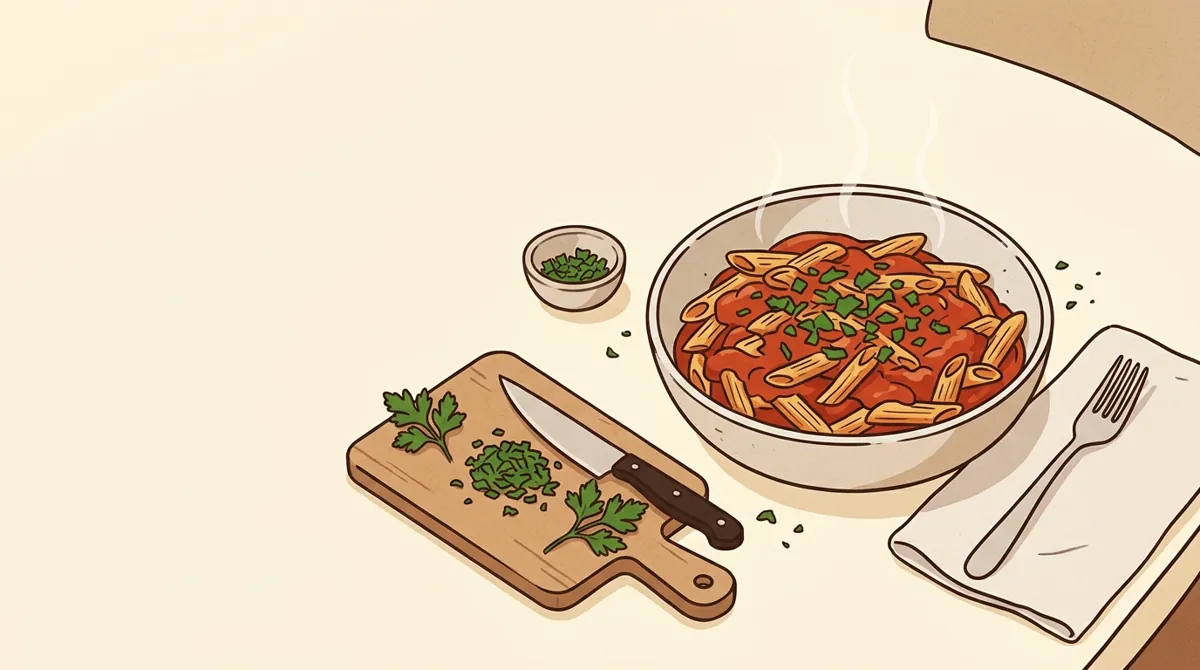
Basil, parsley, cilantro, chives and dill leaves are delicate. Stir them in a minute or two before the food is done, or scatter them on just before serving. Their dried versions lose most of their flavor and taste dusty, so buy these fresh.
Store fresh herbs by type
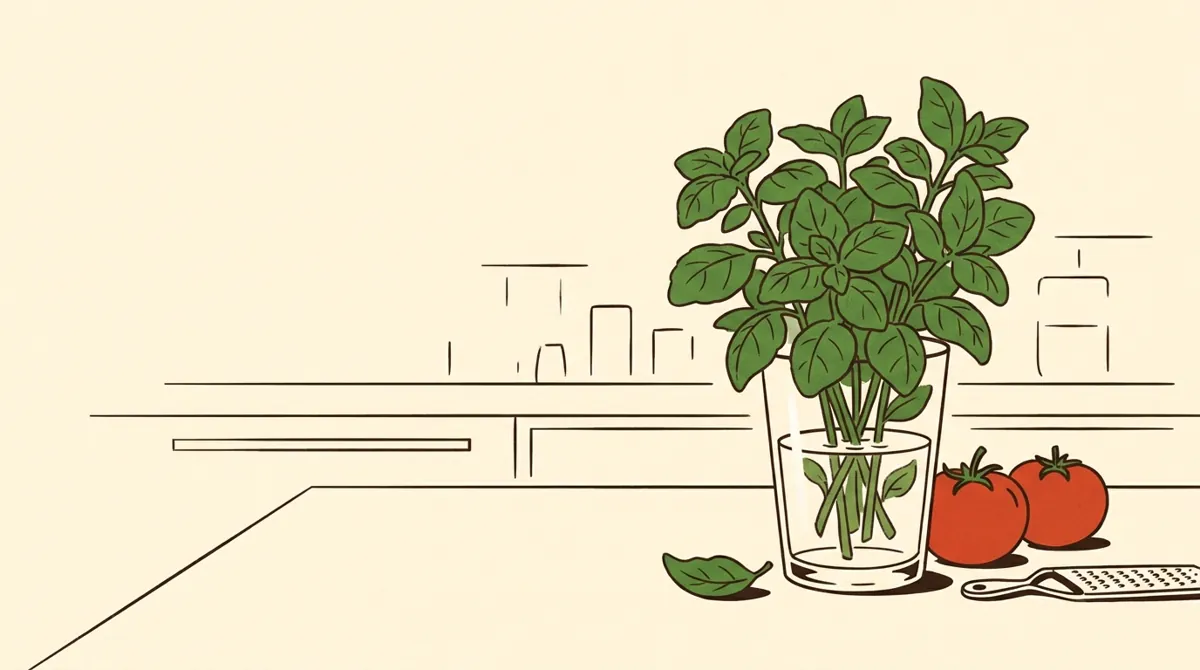
Stand basil in a glass with an inch or two of water at room temperature and change the water daily. Keep dill, mint and tarragon in the refrigerator with their stems in water. Wrap hardy herbs such as rosemary, thyme, oregano and sage in damp paper towels in a zipper-lock bag in the crisper drawer; parsley and cilantro do well either way.
Dried herbs fade
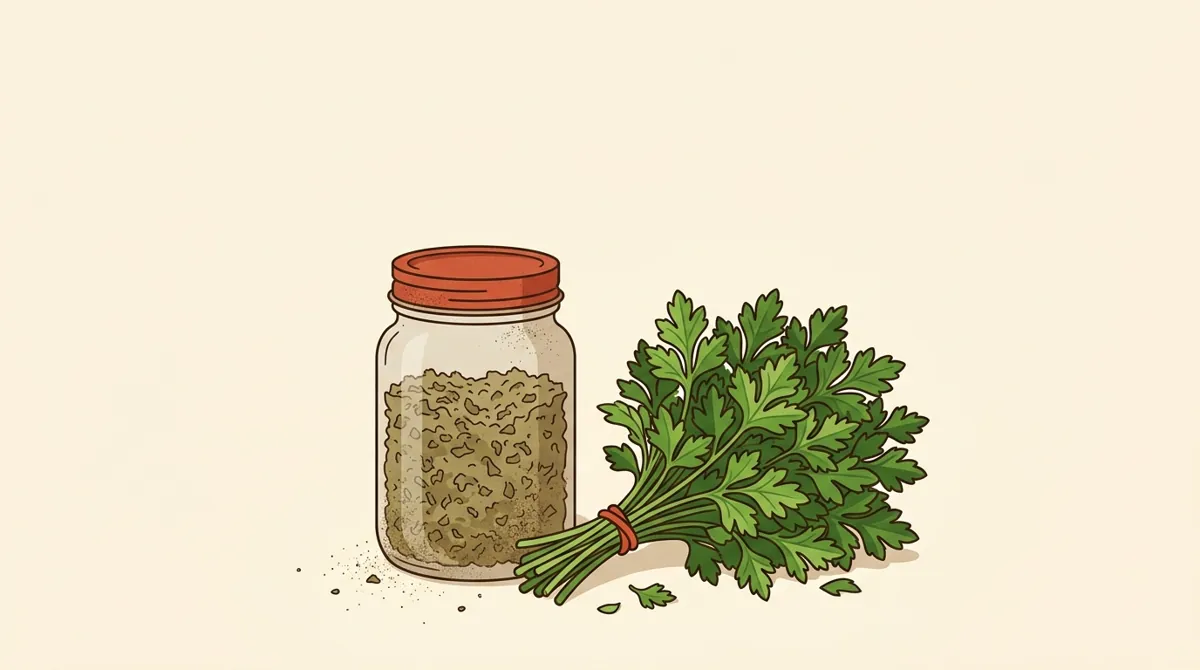
Dried herbs don't spoil, but they lose aroma. McCormick gives dried leafy herbs 1 to 3 years in a cool, dark place. If a jar barely smells when you rub a pinch between your fingers, it will barely flavor the food.
Step by step
Check whether the recipe calls for fresh or dried herbs and how much.
To swap dried for fresh, use about one-third as much: 1 teaspoon crumbled dried for 1 tablespoon chopped fresh.
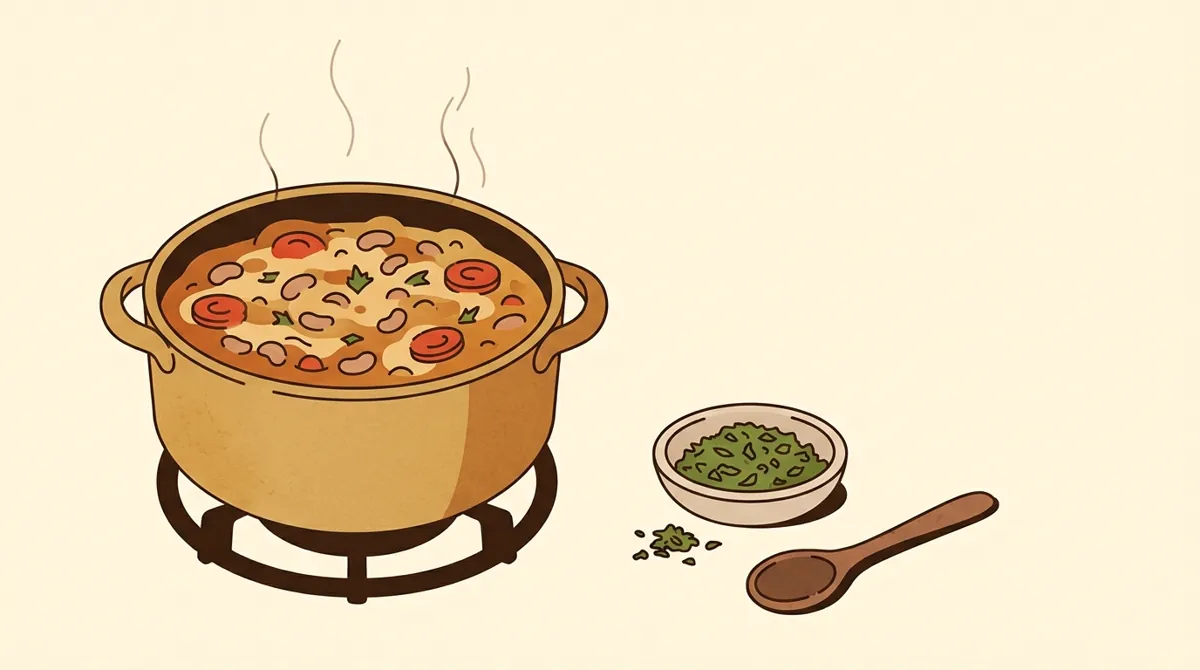
Crumble dried herbs between your fingers as you add them, and taste before adding more.
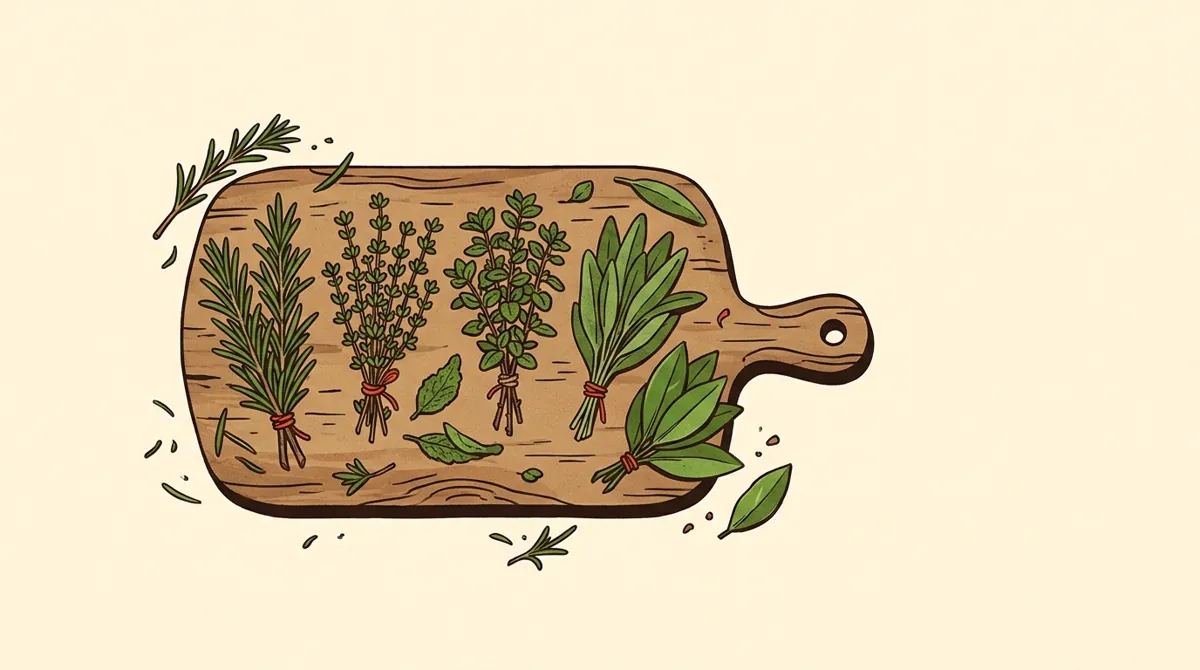
Add hardy herbs (rosemary, thyme, oregano, sage, bay) early enough to cook at least 20 minutes, and fish out bay leaves before serving.
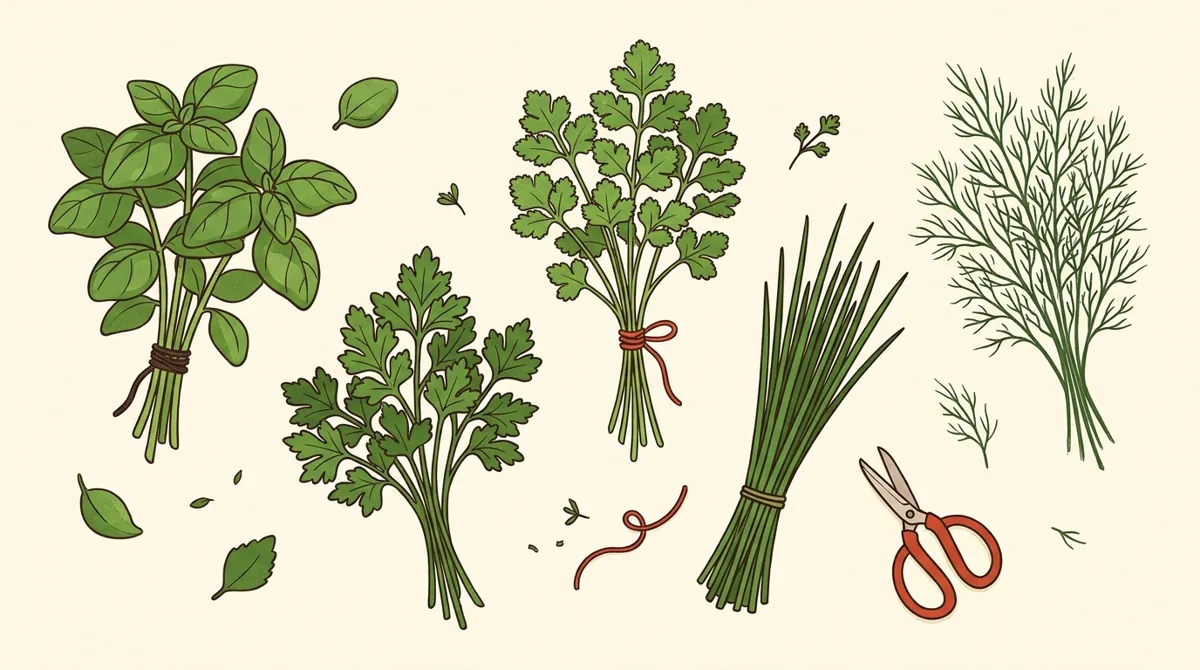
Chop tender herbs (basil, parsley, cilantro, chives, dill) just before using them.
Stir tender herbs in during the last minute or two, or scatter them over the dish at the table.
Common mistakes
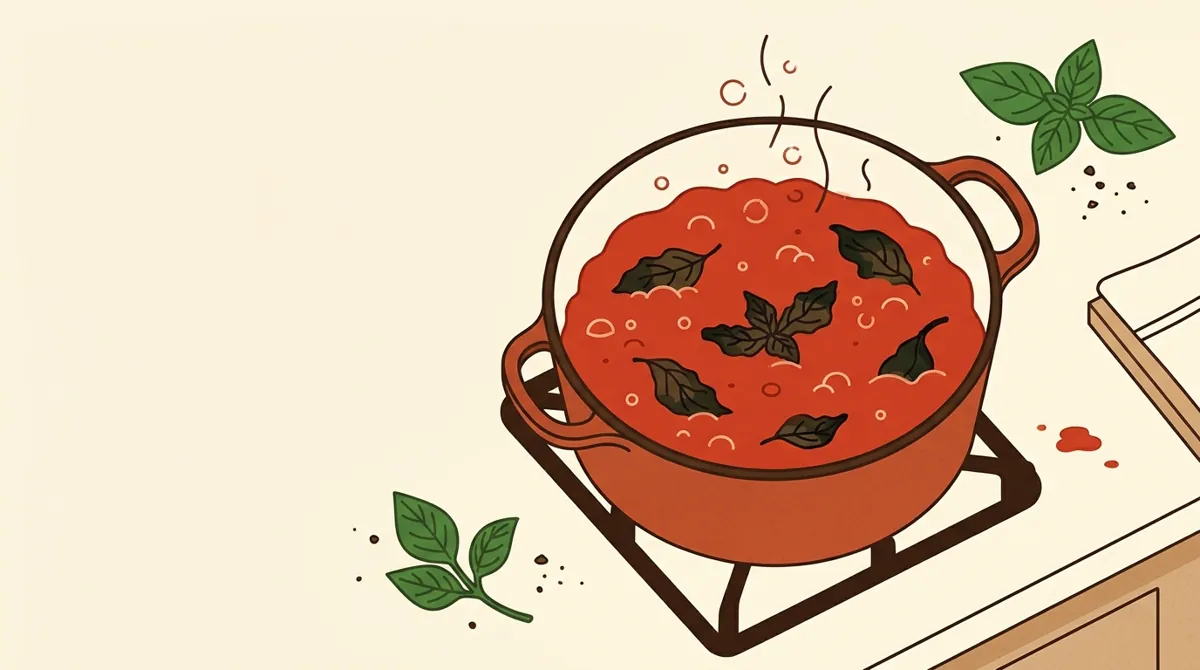
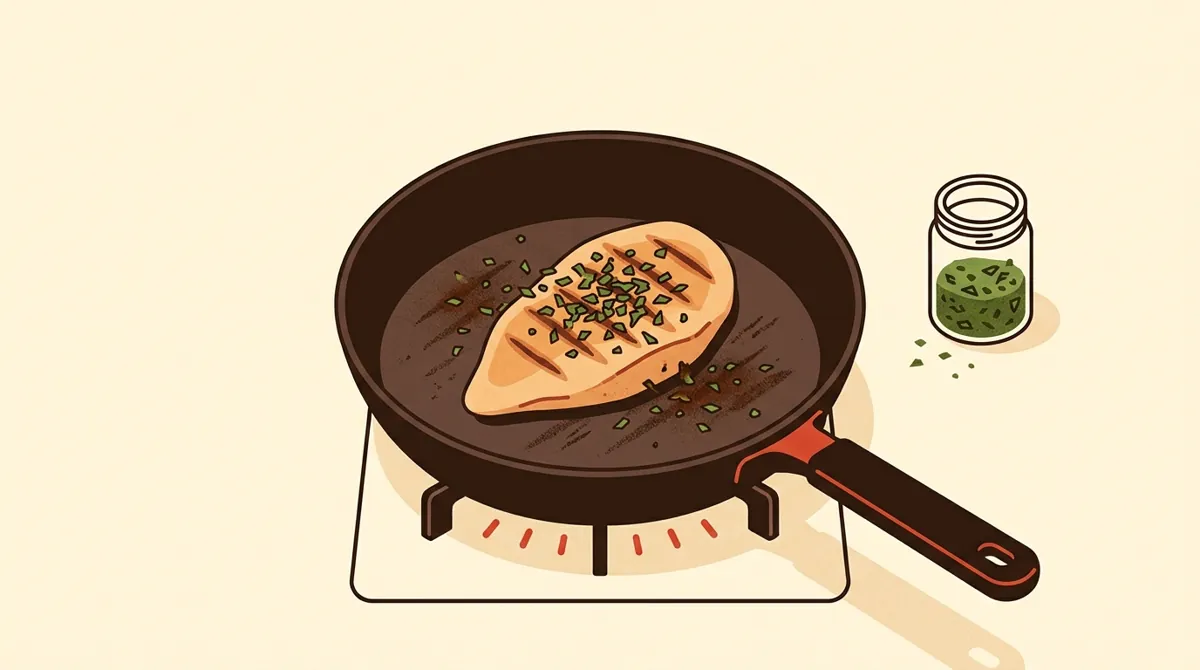
- Swapping dried for fresh spoon for spoon: dried herbs are stronger, so start with about one-third of the amount.
- Simmering basil or parsley for an hour: their flavor fades with heat, so add them at the very end.
- Garnishing with dried parsley: it tastes dusty and adds little, so finish with fresh leaves.
- Using dried herbs in a quick dry-heat dish: they need moisture and at least 20 minutes of cooking to soften and release flavor.
- Shoving a bunch of basil in the refrigerator: stand it in water at room temperature instead.
🏋️ Try it tonight
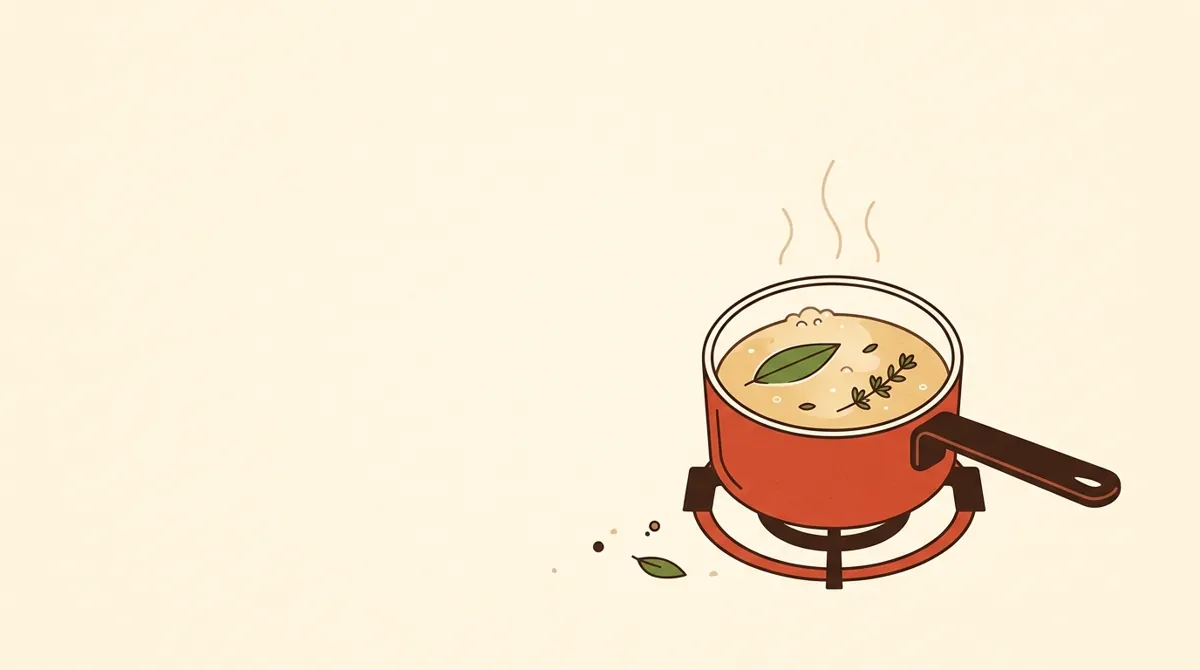
Simmer 2 cups of broth with a pinch of dried thyme and one bay leaf for 20 minutes. Taste it, then pour half into a second cup and stir in 1 tablespoon of chopped fresh parsley off the heat. Taste both cups. The hardy herbs built the background; the tender herb, added last, makes the broth taste fresh.
💡 Did you know?
In America's Test Kitchen's test of 24 recipes made with fresh and dried herbs, chili was the one dish where tasters preferred the dried herb: dried oregano.
Use it tonight
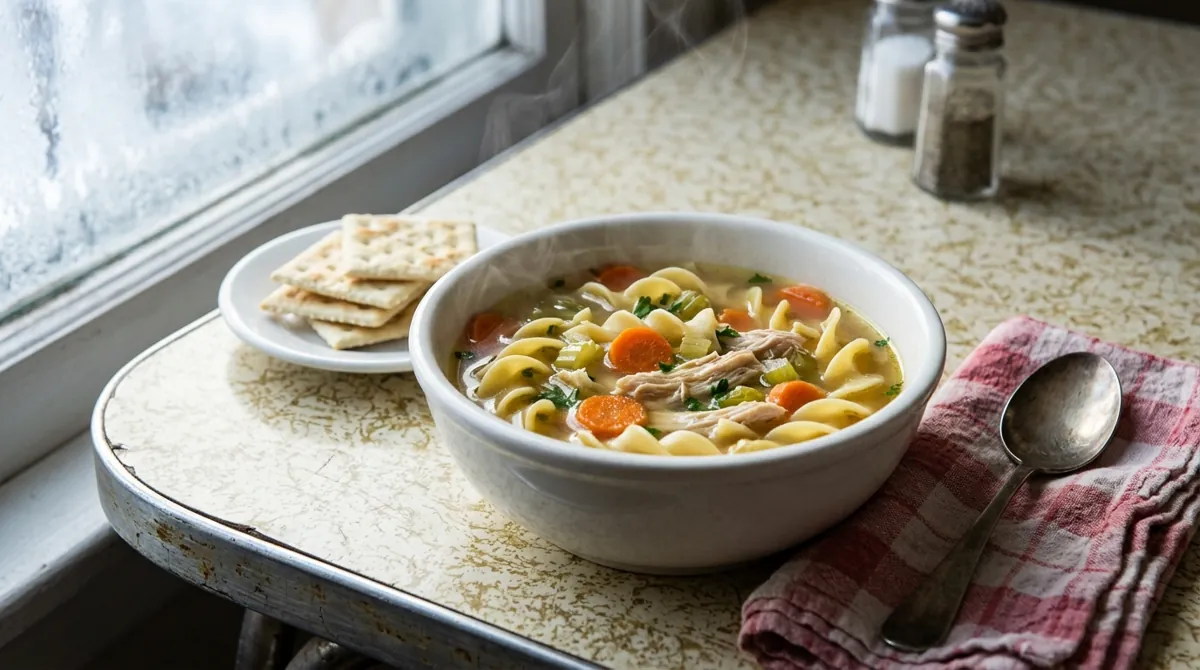
Classic American Chicken Noodle Soup
A rich homemade broth from browned chicken thighs with onion and bay, chicken breasts poached in it and shredded, then onion, carrot, celery and thyme simmered in the strained broth with wide egg noodles and finished with parsley.
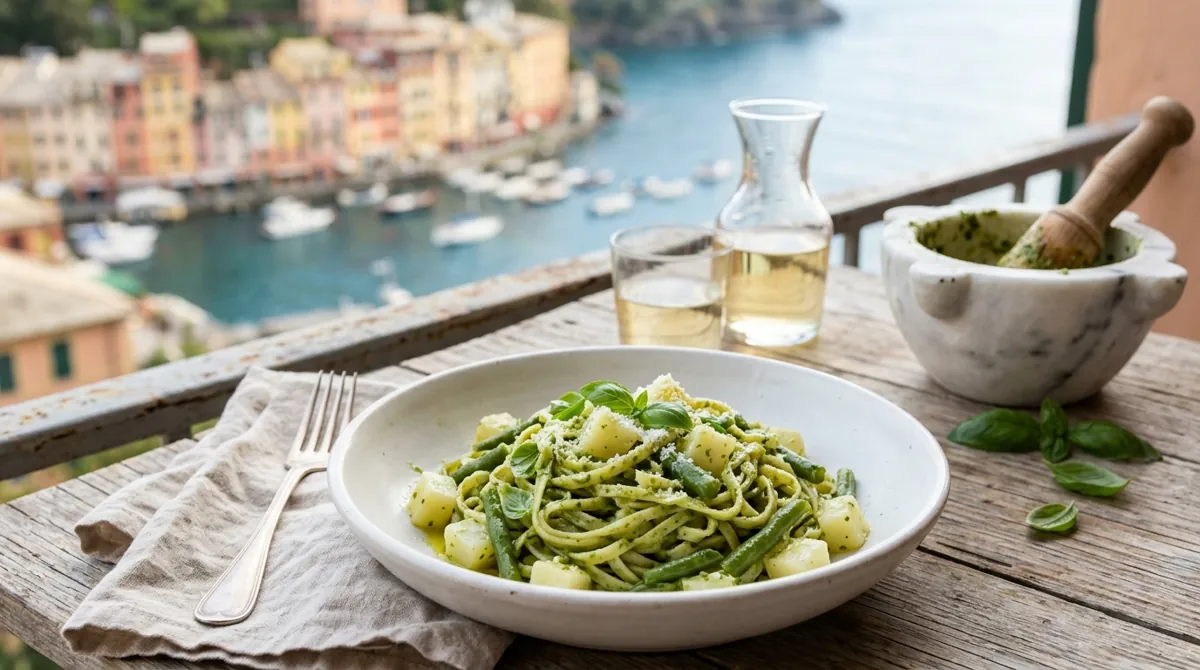
Trenette al Pesto with Potatoes and Green Beans (Genoa)
Genoese basil pesto pounded in a mortar from garlic, pine nuts, basil, Parmigiano, sheep's cheese and mild olive oil, tossed with trenette boiled in the same pot as cubes of potato and short lengths of green bean.
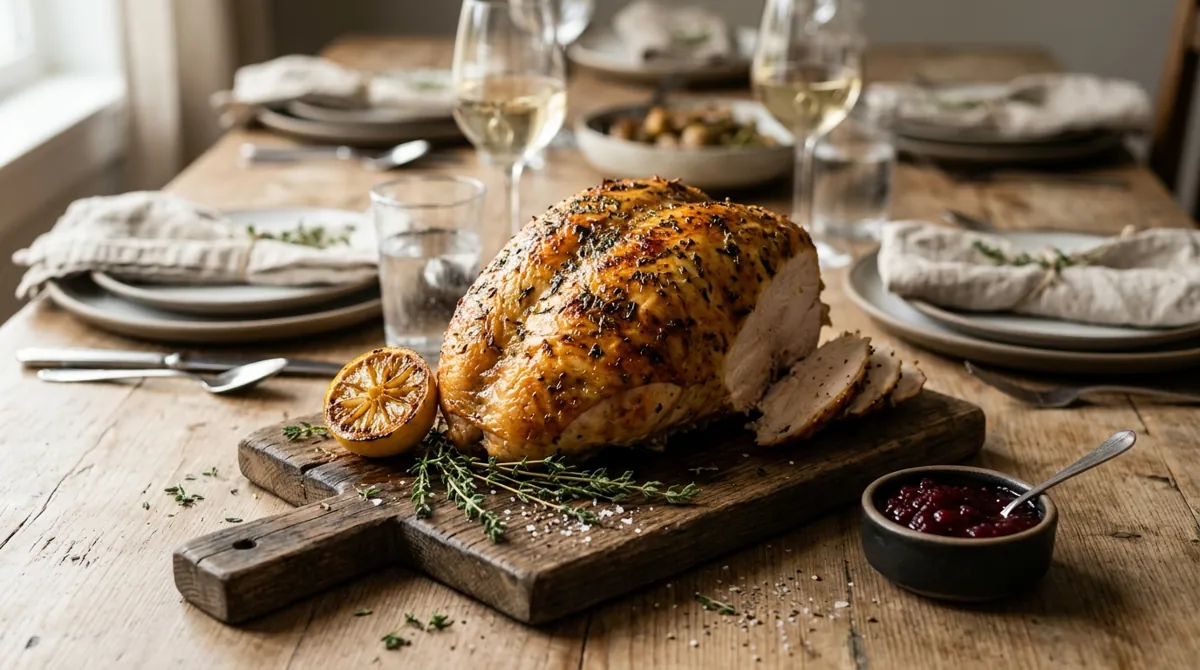
Roast Turkey Breast with Lemon and Thyme
For a small table: a bone-in turkey breast with garlic, thyme and lemon butter spread under the skin, roasted hot and then gently, ready in about 1 1/2 hours.
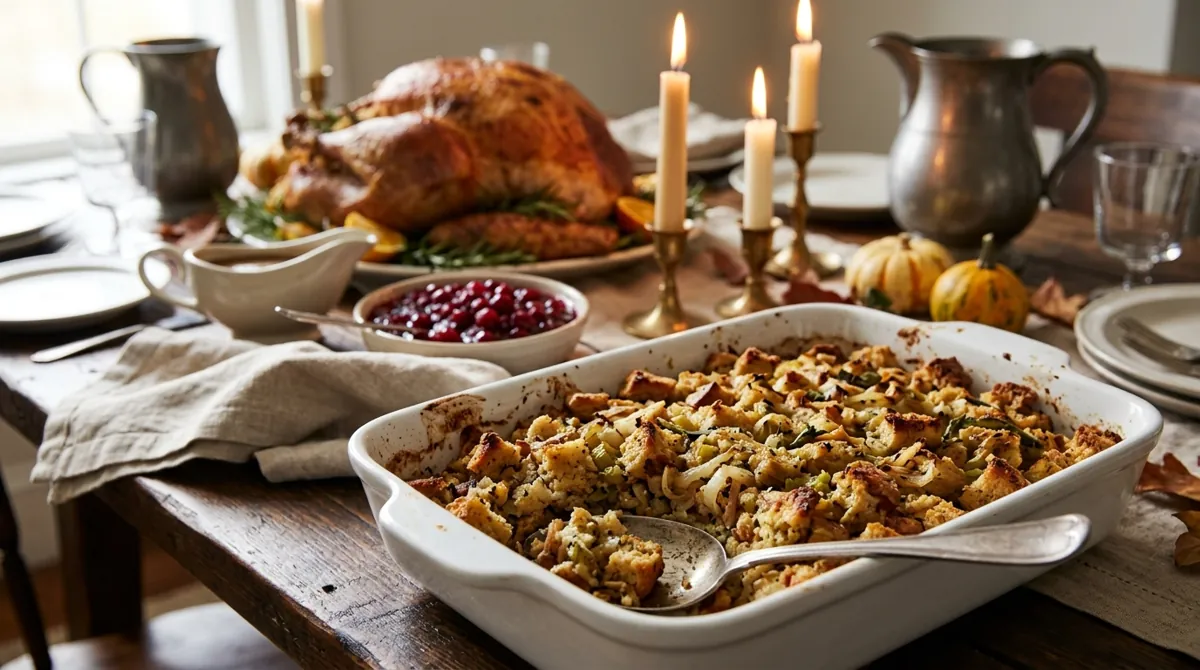
New England Sage Bread Stuffing
Dried French bread cubes tossed with onion and celery cooked in butter, sage, thyme, marjoram and parsley, chicken broth and eggs, baked covered until fragrant and then uncovered until a golden crust forms.
Sources
- Add Healthy Flavor with Herbs and Spices! (Mississippi State University Extension)
- Science: Substituting Dried Herbs for Fresh (America's Test Kitchen)
- Using Dried Herbs (Cook's Illustrated, America's Test Kitchen)
- When You Should Actually Use Dried Herbs (and Which Ones to Avoid) (America's Test Kitchen)
- How and Where to Buy, Use, and Store Fresh Herbs (America's Test Kitchen)
- How Long Do Spices Last? (McCormick)