
🧂 Seasoning and Flavor · Lesson 4 of 5
How to Toast Whole Spices and Bloom Ground Spices
Toast whole spices in a dry pan, bloom ground spices in hot fat, and store them so they keep their flavor. Here is how and why.
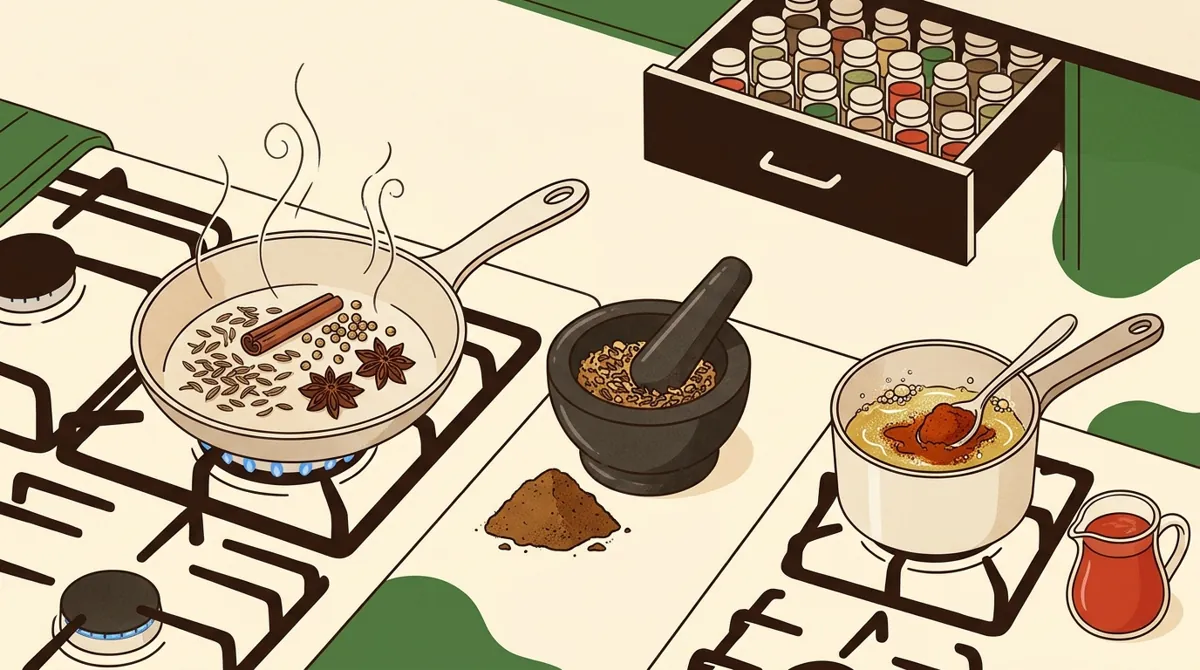
- Toast whole spices dry: medium heat, 2 to 3 minutes, until fragrant
- Tip into a bowl, then grind
- Bloom ground spices in hot fat: about 1 to 2 minutes
- Add liquid before they scorch
- Store dark, dry, cool, away from the stove
Why it matters
Spices straight from the jar into a pot of liquid give only part of their flavor. Most of their aroma compounds dissolve in fat, not water, and heat brings them out, so a minute in a dry pan or in hot oil changes the whole dish. The two things home cooks get wrong are skipping this step and leaving the spices on the heat until they burn.
Toasting: dry heat for whole spices
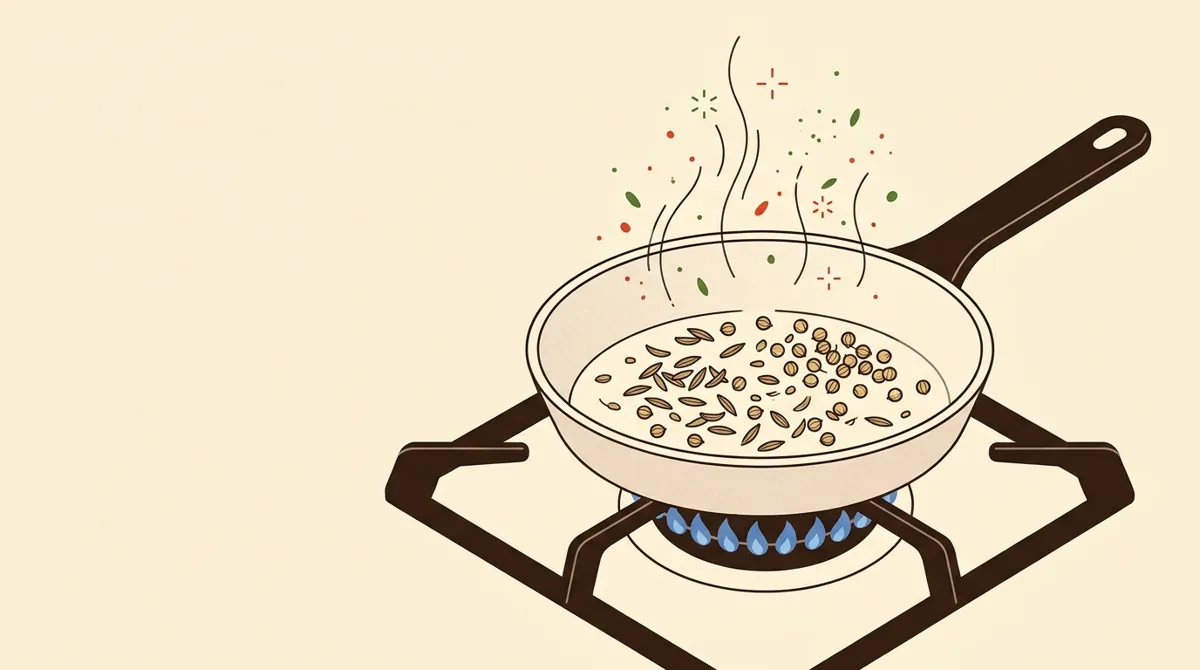
Toast whole seeds such as cumin and coriander in a dry skillet over medium heat, stirring, until fragrant, about 2 to 3 minutes. Direct heat brings the spice's oils to the surface and gives a stronger aroma. A skillet with a light-colored interior lets you watch the color so you can stop before they scorch.
Blooming: hot fat for ground spices and pastes
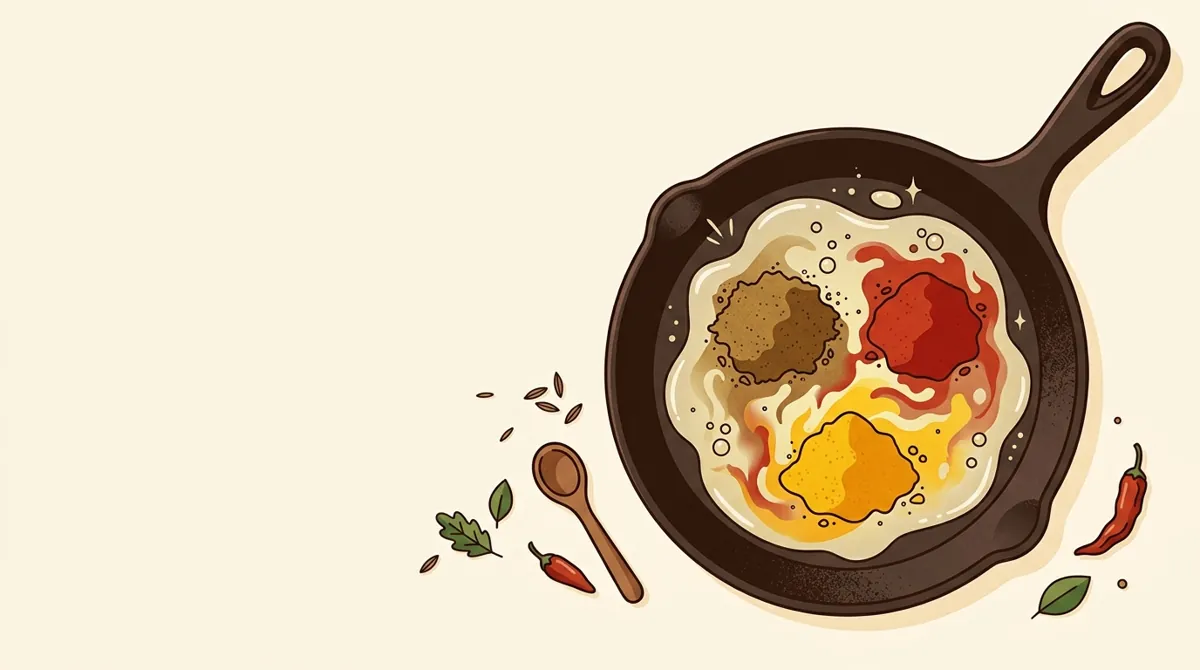
Blooming means stirring spices into hot oil or other fat before any liquid goes in. Many of their flavor compounds are fat-soluble, and the heat helps them spread through the dish. A dry ground blend usually needs only a minute or two, until fragrant; a spice paste takes several minutes, until fragrant and darker.
Watch closely: ground spices burn fast
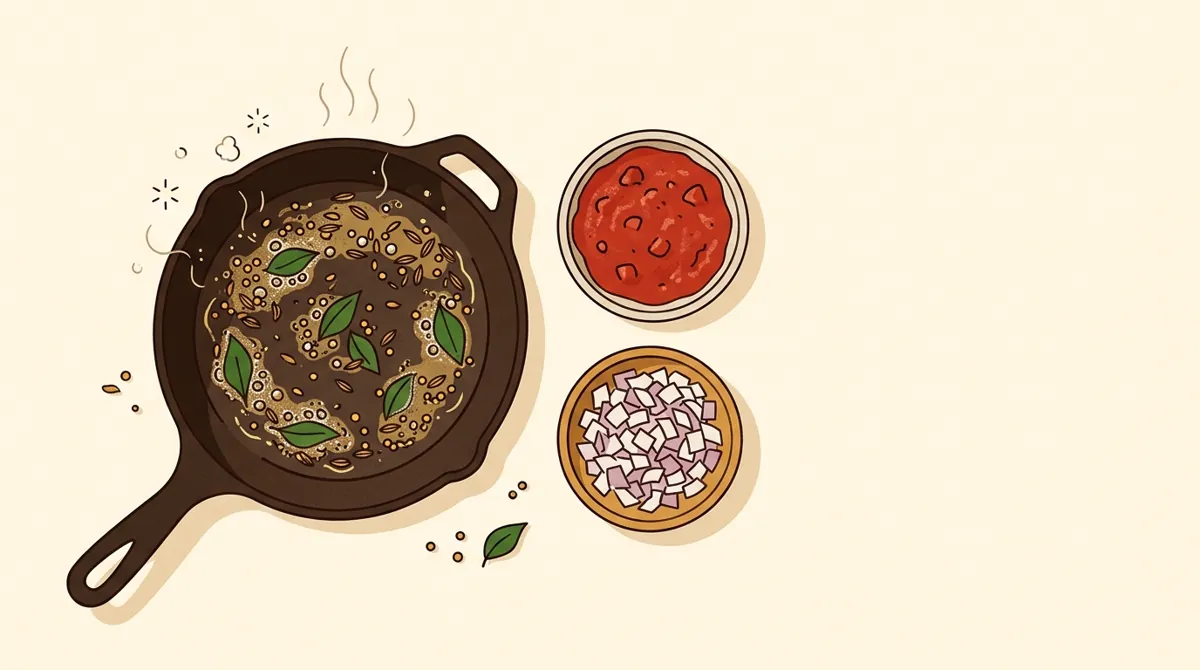
America's Test Kitchen warns that ground spices burn fairly quickly and leave a scorched flavor in the finished dish, so go easy on the heat. Have your liquid, onions or tomatoes ready to add the moment the spices smell fragrant. If they scorch, wipe out the pan and start again rather than carry that flavor into the pot.
Whole spices in hot fat: the tadka
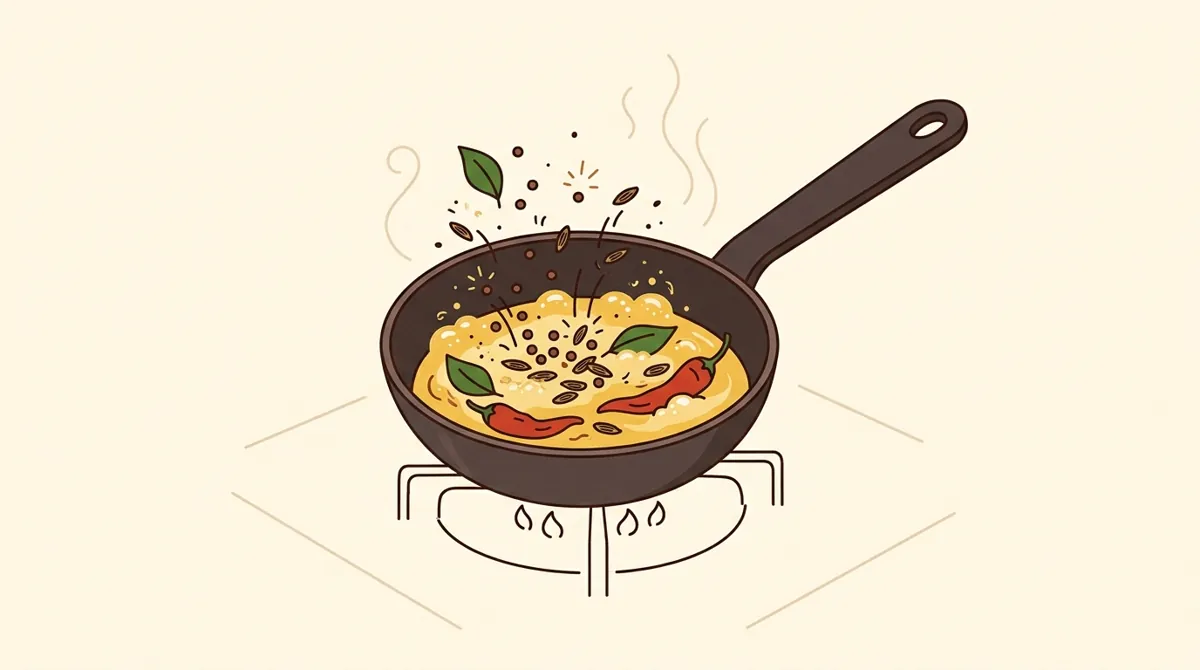
Indian cooks also bloom whole spices in oil or ghee, a technique called tadka. As the seeds hit the hot fat they may darken, unfurl, pop or puff, with crackling and sizzling. The tadka is either cooked into the dish or spooned over it at the end.
Buy whole, grind late, store dark
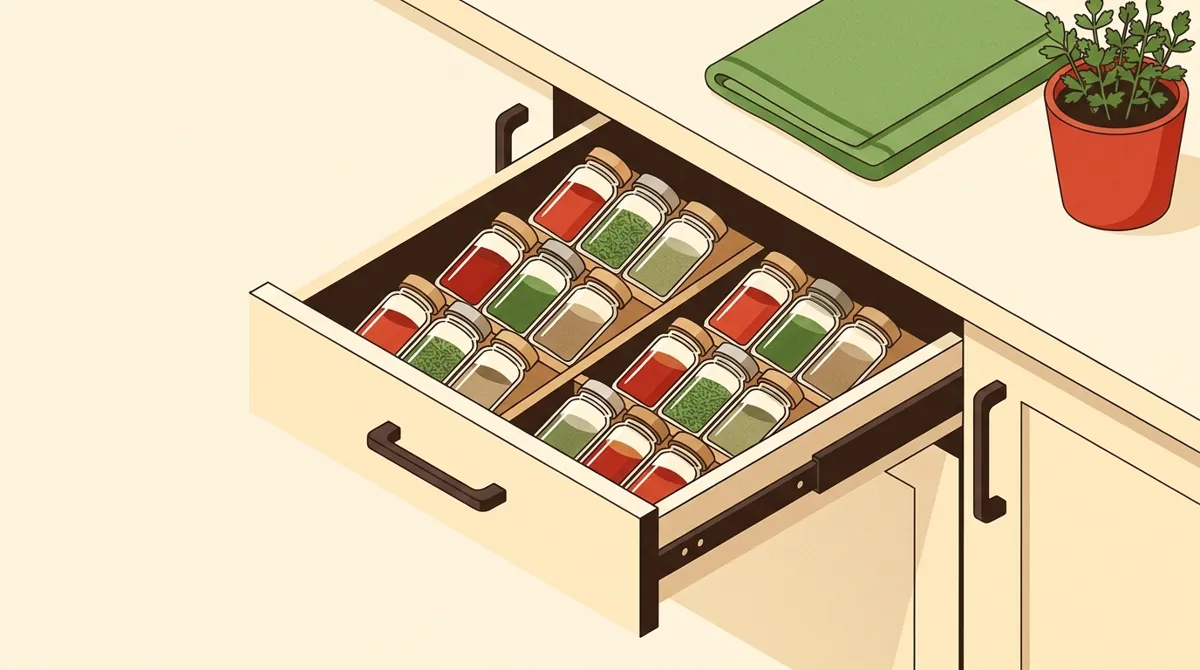
Grinding releases the volatile compounds that carry a spice's flavor, so grind right before use when you can. Store spices somewhere dark, dry and cool, never right next to the stove. America's Test Kitchen replaces whole spices every two years and ground spices every year; McCormick gives longer windows of 3 to 4 years for whole and 2 to 4 years for ground. Spices don't spoil, they fade, so rub a pinch between your fingers: a strong aroma means it is still good.
Step by step
Measure out all your spices before you turn on the heat, and have the next ingredient ready.
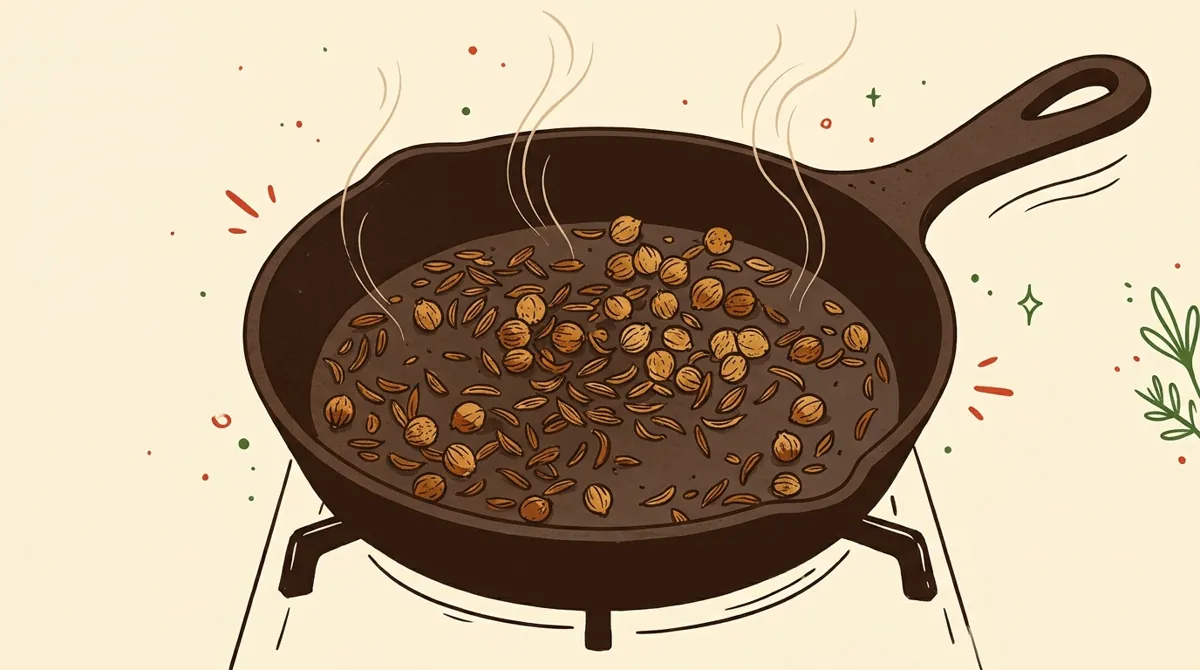
To toast whole spices, put them in a dry skillet over medium heat and stir or shake constantly for 2 to 3 minutes, until fragrant and a shade darker.
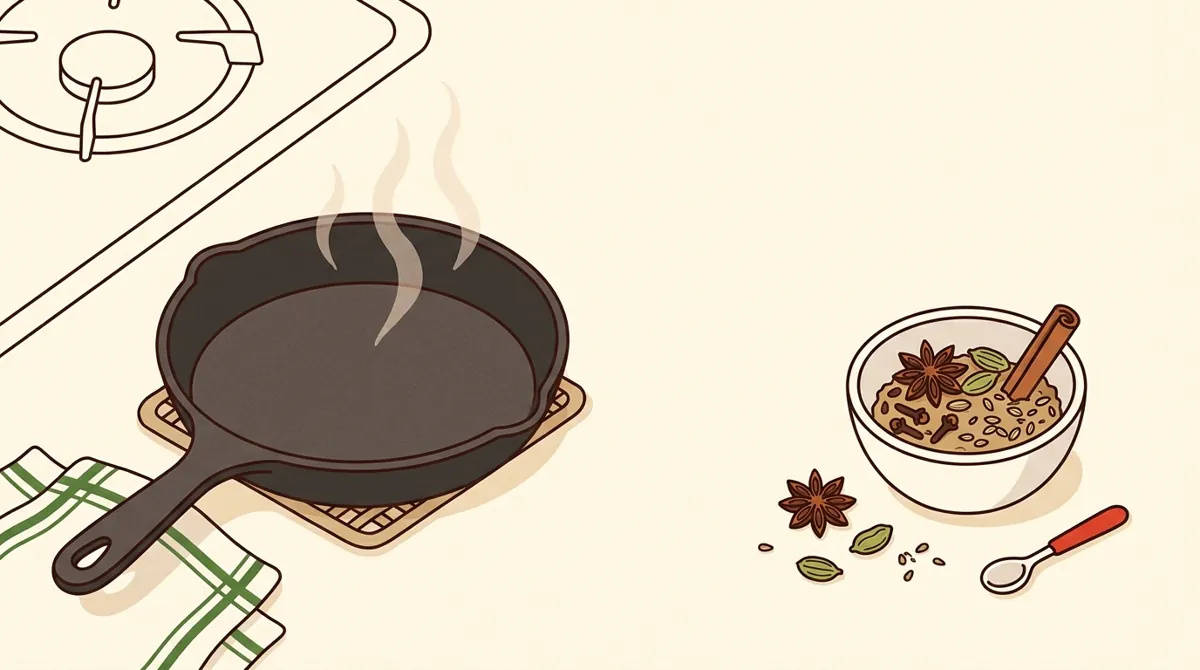
Tip them out of the hot pan into a bowl right away so they stop cooking.
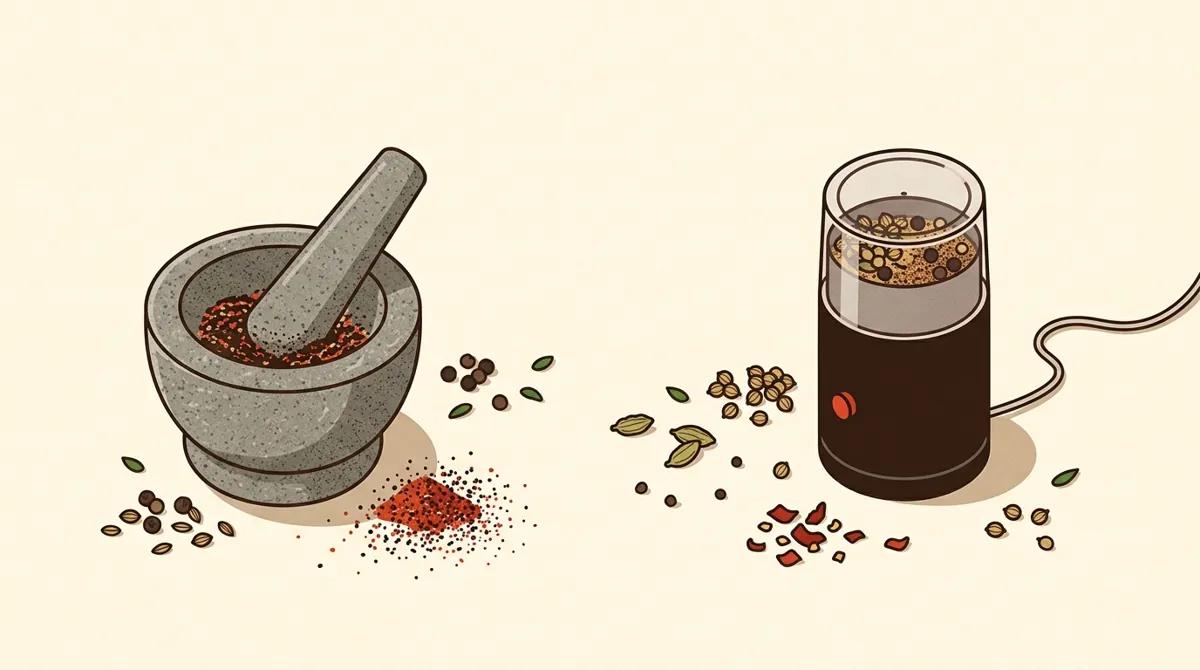
Grind the toasted spices in a spice grinder or mortar just before you use them.
To bloom ground spices, heat a little oil or other fat, stir in the spices and cook, stirring, until fragrant, usually a minute or two.
Add your liquid, tomatoes or vegetables as soon as the spices smell fragrant, before they darken too far.
Common mistakes
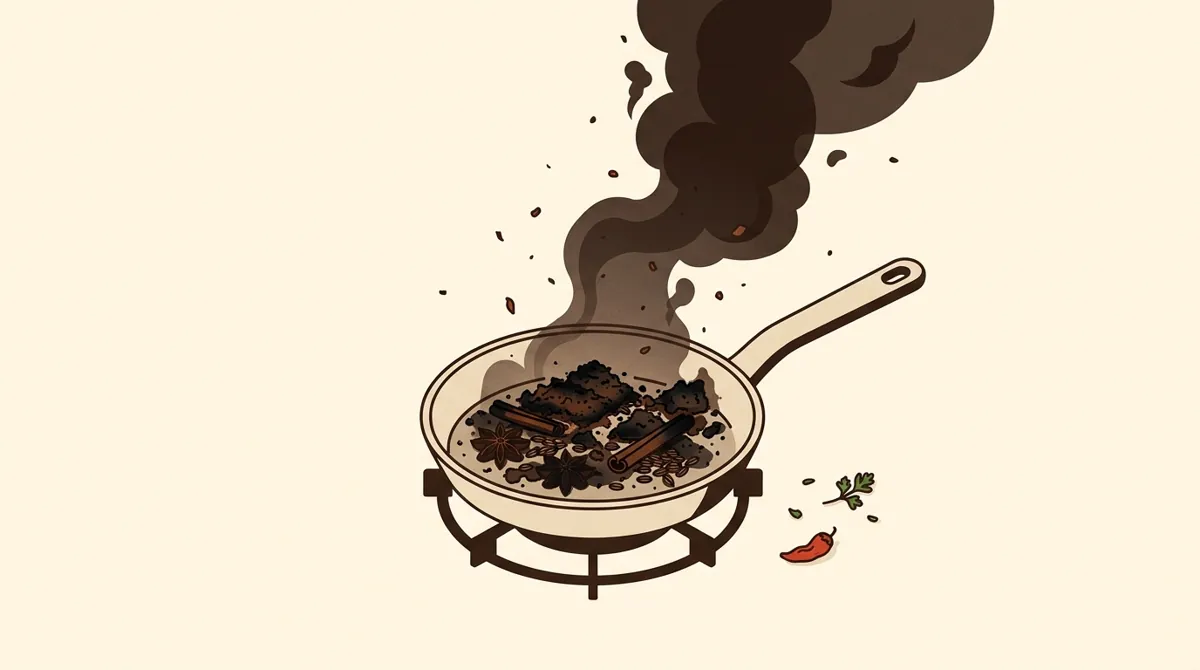
- Walking away from toasting spices: they go from fragrant to burnt in moments, so stay at the stove and keep them moving.
- Dumping ground spices straight into simmering liquid: bloom them in the fat first, because many of their flavor compounds dissolve in fat, not water.
- Using a spice that has lost its smell: rub a pinch between your fingers, and replace it if the aroma is faint.
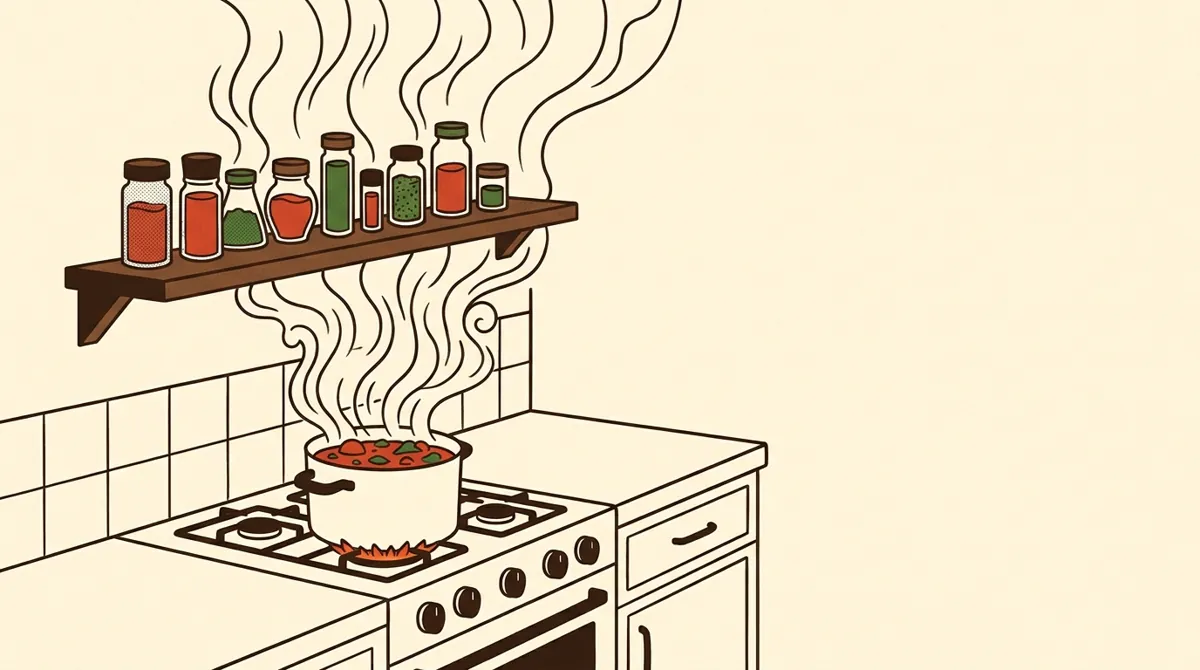
- Keeping spices on a shelf above the stove: heat and light fade them, so store them in a dark, cool drawer or cabinet.
- Buying big jars of ground spices you rarely use: ground spices fade faster than whole ones because more of the spice is exposed to air, so buy small jars or buy whole and grind as needed.
🏋️ Try it tonight
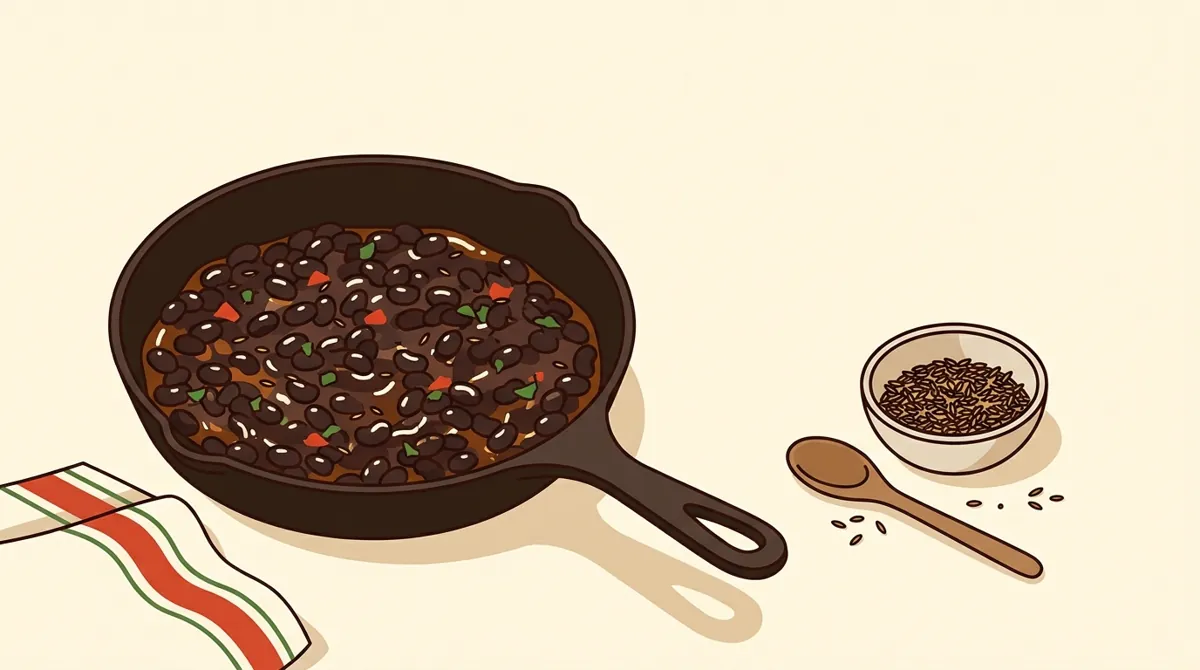
Put 1 teaspoon of whole cumin seeds in a dry skillet over medium heat and stir for 2 to 3 minutes, until fragrant. Tip them into a bowl and smell them next to a pinch of ground cumin from the jar. Then heat 1 tablespoon of oil, stir in 1/2 teaspoon of ground cumin for about 30 seconds, and add a drained can of black beans with a pinch of salt. Taste the beans, then taste a spoonful of plain beans with raw cumin sprinkled on.
💡 Did you know?
When America's Test Kitchen steeped red pepper flakes in oil and in water at the same temperature for 20 minutes, the oil pulled out more than twice as much capsaicin; with thyme, the oil held 10 times the thymol.
Use it tonight
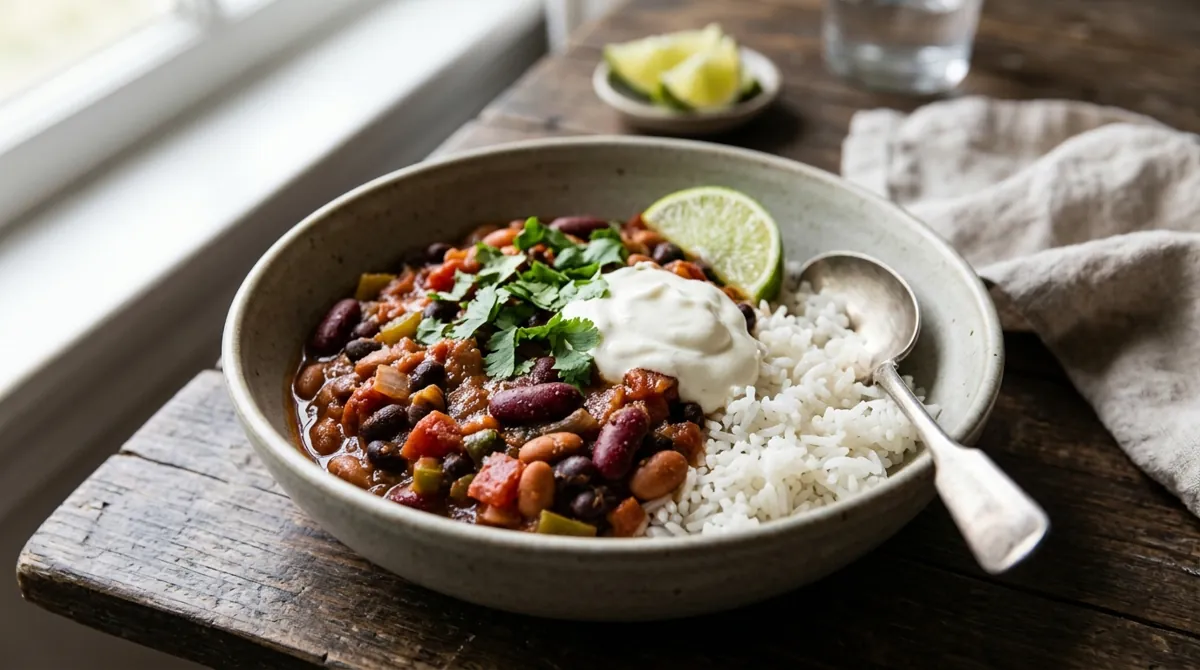
Three-Bean Vegetarian Chili
Pinto, black and kidney beans simmered with crushed tomatoes, toasted cumin seeds, red pepper and corn, finished with lime and cilantro.
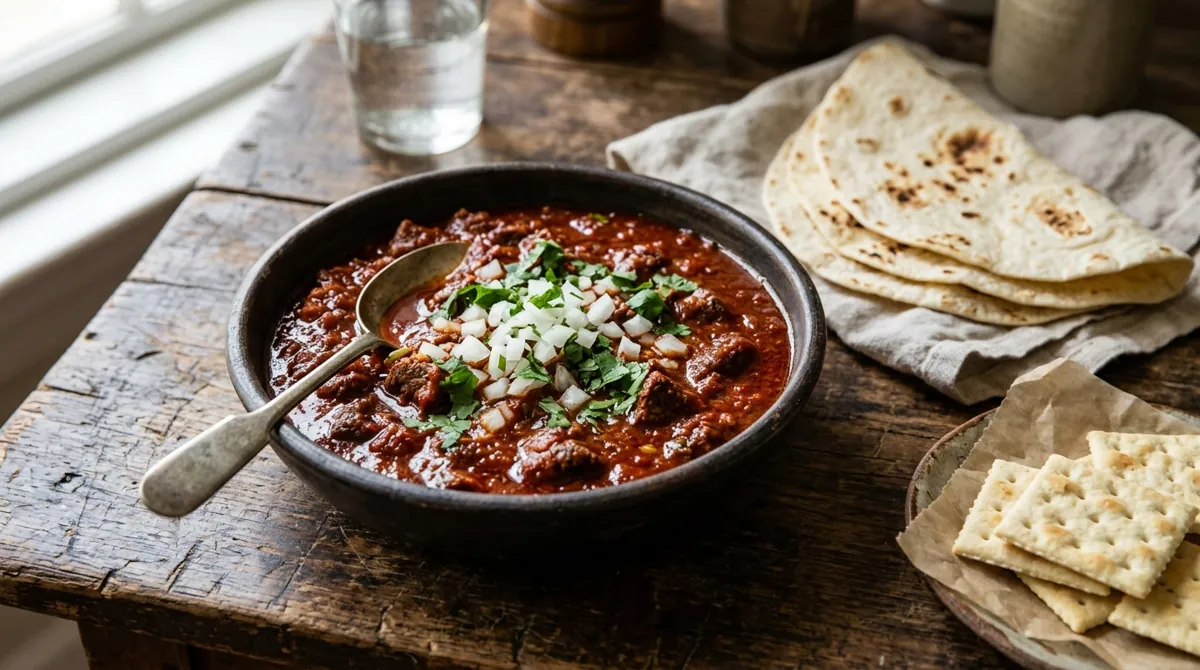
Texas Bowl of Red (San Antonio Chili con Carne)
Big cubes of beef chuck braised for three hours in a purée of toasted whole dried chiles, with no beans and no tomatoes.
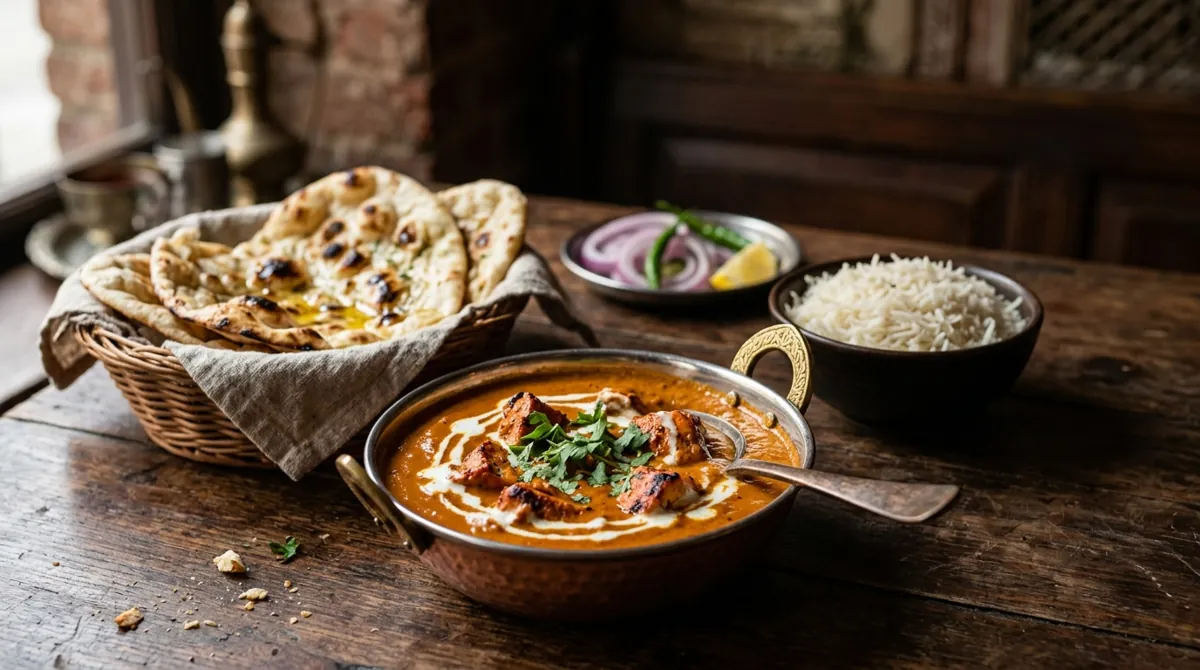
Indian Butter Chicken (Murgh Makhani)
Yogurt-coated chicken thighs broiled until charred at the edges, then folded into a smooth, gently spiced tomato sauce finished with cream and butter, the Delhi restaurant classic made with a home broiler instead of a tandoor.
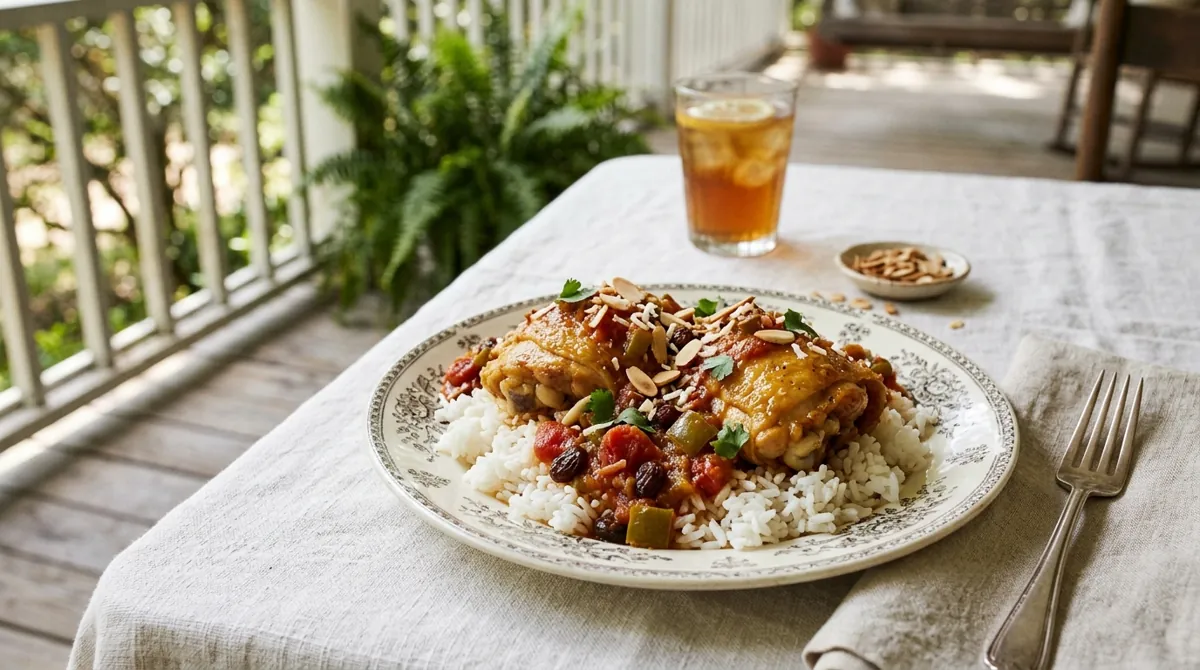
Country Captain Chicken
Curry-rubbed bone-in chicken thighs browned in bacon fat and baked in a sweet-sour curried tomato sauce with green peppers and raisins, then topped with almonds and coconut toasted with cumin and coriander seeds.
Sources
- How to Bloom Spices (America's Test Kitchen)
- Blooming in Oil for Flavor (Cook's Illustrated, America's Test Kitchen)
- What Is Tadka? (America's Test Kitchen)
- How to Get the Most from Your Spices (America's Test Kitchen)
- Moroccan-Spiced Vinaigrette, toasting step (America's Test Kitchen)
- How Long Do Spices Last? (McCormick)