
🧂 Seasoning and Flavor · Lesson 2 of 5
Kosher Salt vs. Table Salt vs. Sea Salt: Why a Teaspoon Isn't a Teaspoon
A tablespoon of table salt weighs more than twice a tablespoon of some kosher salts. Learn the salts and how to swap them safely.
- Table salt: 18 g
- Coarse pink rock salt: 18 g
- Fine sea salt: 15 g
- Dense kosher salt (pressed flat flakes): 14.4 g
- Flaky sea salt: 10 g
- Light kosher salt (hollow pyramid crystals): 8.4 g
- 1 tsp table = 1 1/2 tsp dense kosher = 2 tsp light kosher
Why it matters
Salt crystals come in very different shapes and sizes, so the same spoon holds very different amounts of salt. Swap one salt for another by volume and a recipe can come out bland or far too salty. Weighing salt, or converting it, fixes the problem for good.
Table salt: tiny, dense cubes

Table salt has tiny, uniform crystals and usually an anti-caking agent so it pours. It packs tightly, about 18 grams to the tablespoon, and dissolves easily, which is why America's Test Kitchen reaches for it in most sweet and savory cooking.
Kosher salt: two very different salts with one name
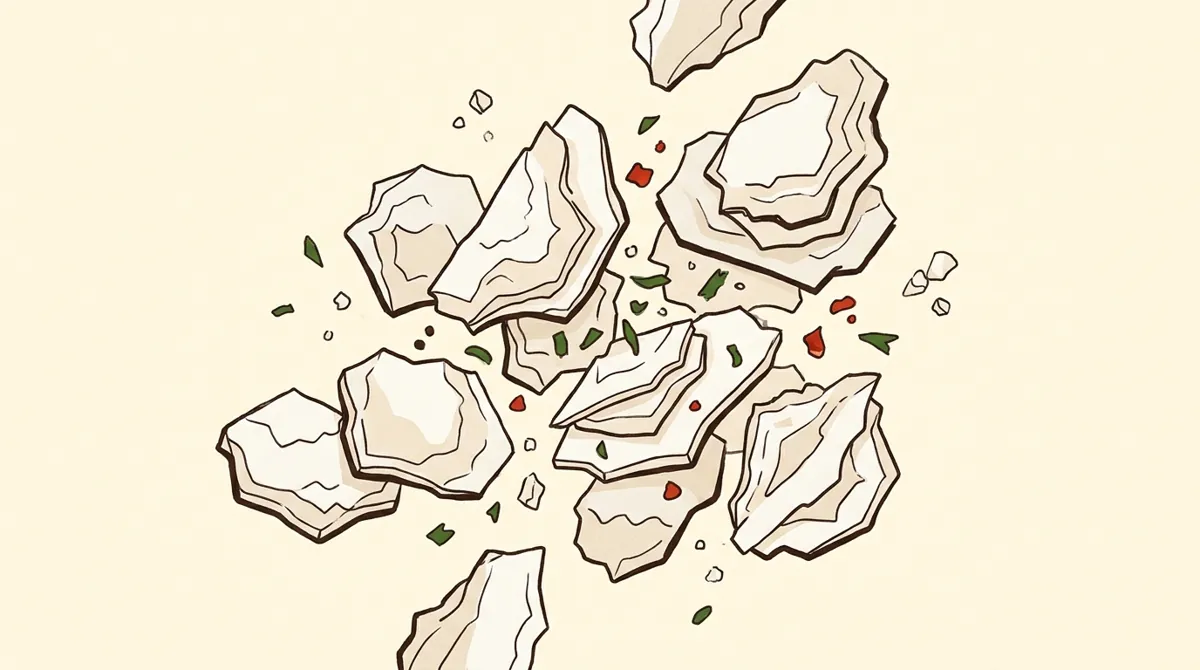
Kosher salt is named for its use in koshering, the Jewish practice of drawing moisture out of meat with salt, not because the salt itself is certified. The two common American brands are made differently: Morton is pressed into flat flakes and weighs about 14.4 grams per tablespoon, while Diamond Crystal grows hollow pyramid crystals by evaporation and weighs about 8.4 grams. America's Test Kitchen favors kosher salt for seasoning meat because the large grains are easy to pinch and spread.
Sea salt: mostly for finishing
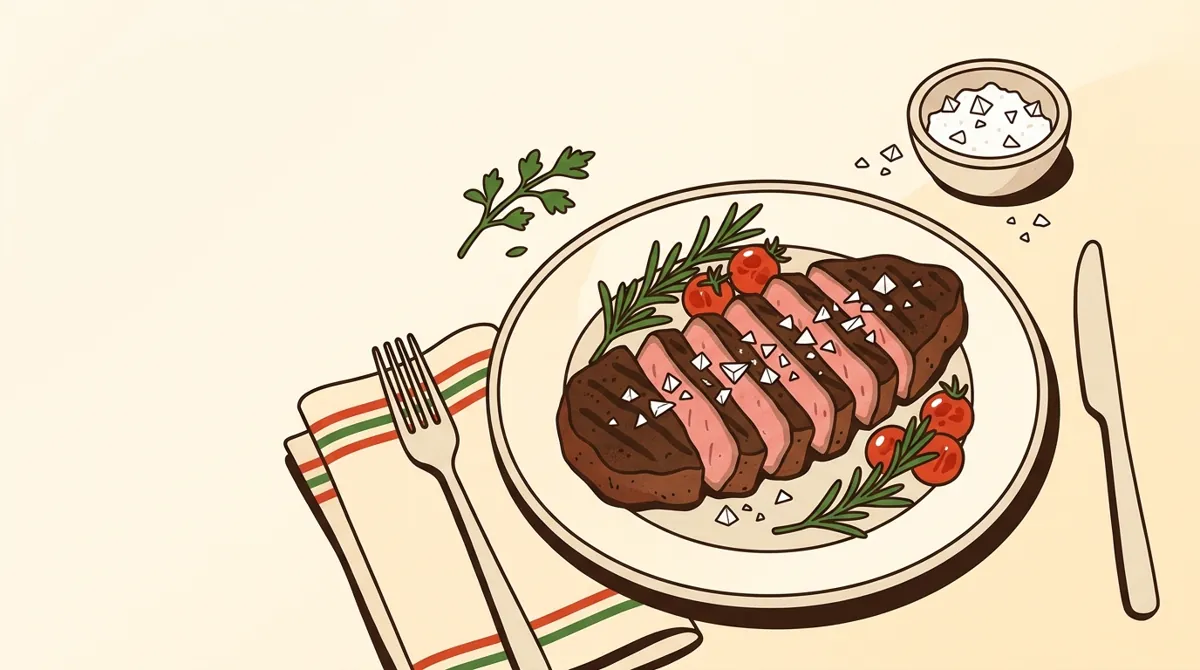
Sea salt comes in irregular flakes and crystals. America's Test Kitchen found that once it is mixed into food it tastes no different from table salt, so save flaky sea salt for sprinkling on at the end, where its crunch shows. Flaky sea salt is light, about 10 grams per tablespoon in Milk Street's weighing, while coarse rock salts can be as heavy as table salt.
Why recipes break
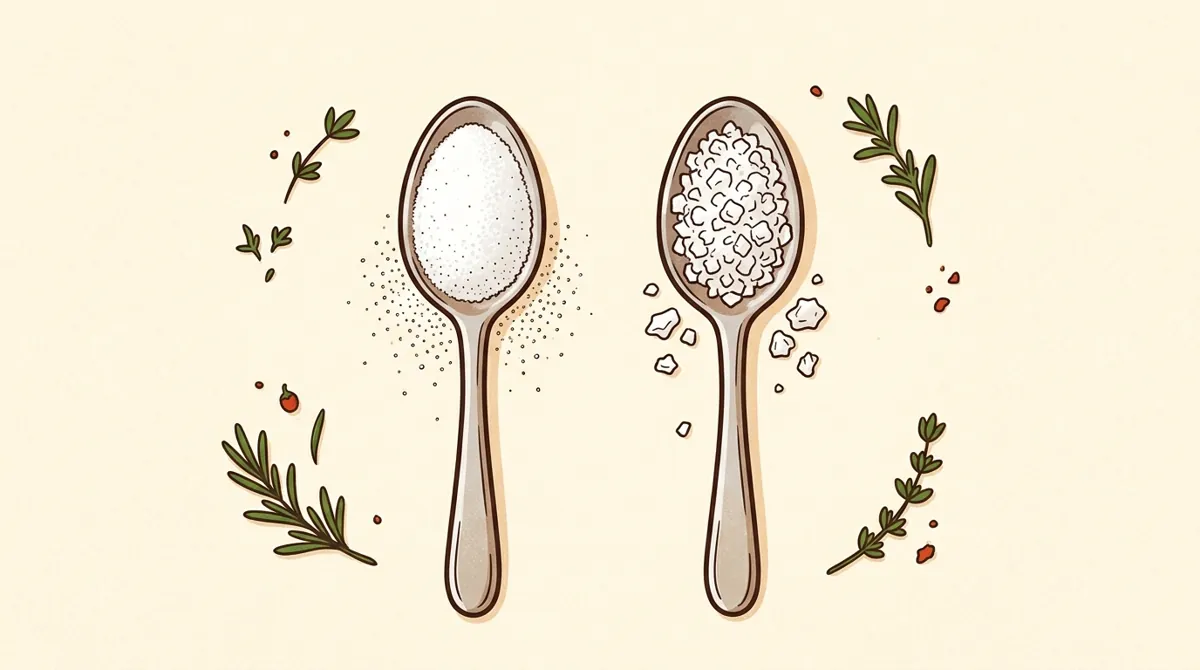
Most recipes don't say which salt they were tested with. America's Test Kitchen's conversion is 1 teaspoon table salt = 1 1/2 teaspoons Morton kosher = 2 teaspoons Diamond Crystal kosher. Use table salt in a recipe written for the lighter kosher salt and you add about twice the salt the cook intended.
Weigh it, or convert it
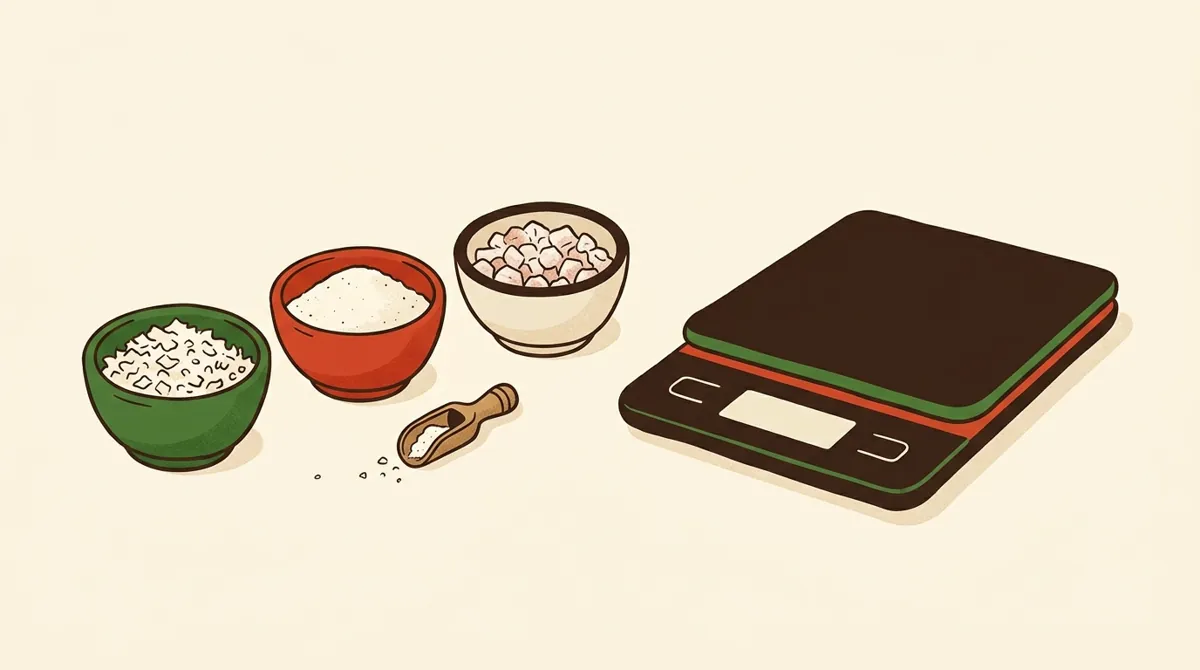
A gram of salt is a gram of salt, whatever the crystal. Weighing removes the guesswork, which is why recipes that list salt by weight come out more consistently. If you only have spoons, convert with the ratio above and still taste before serving.
Step by step
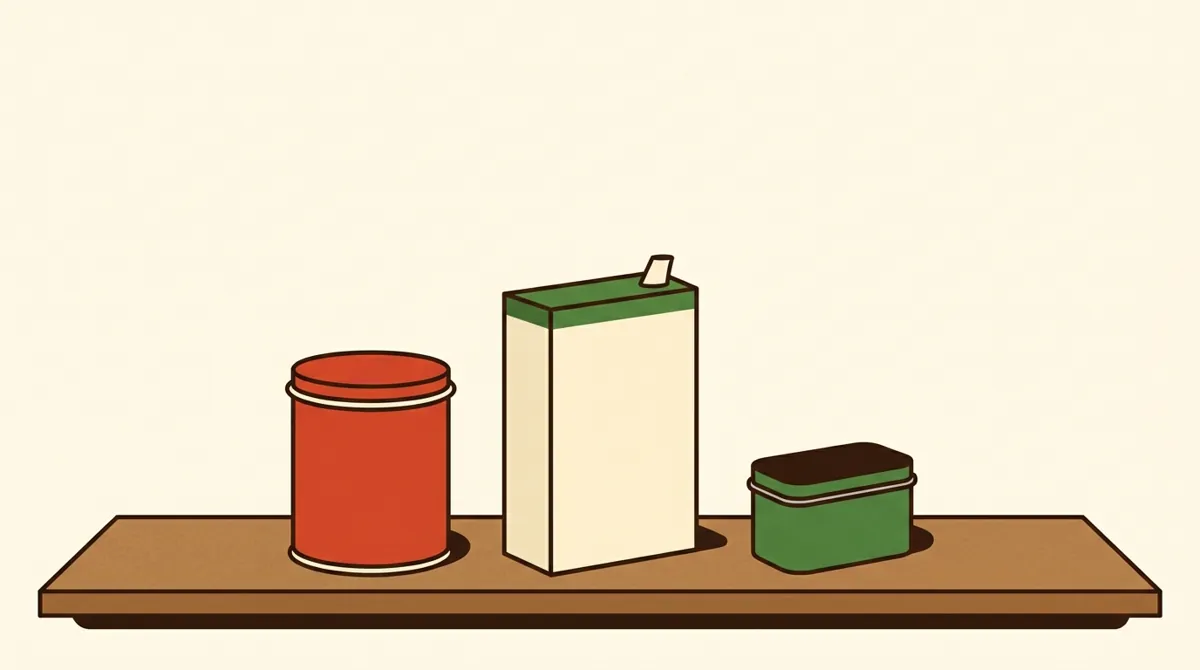
Check the recipe for the salt it was written with; if it names a brand or a weight, follow that.
If the recipe gives grams, weigh your salt on a kitchen scale and ignore crystal size.
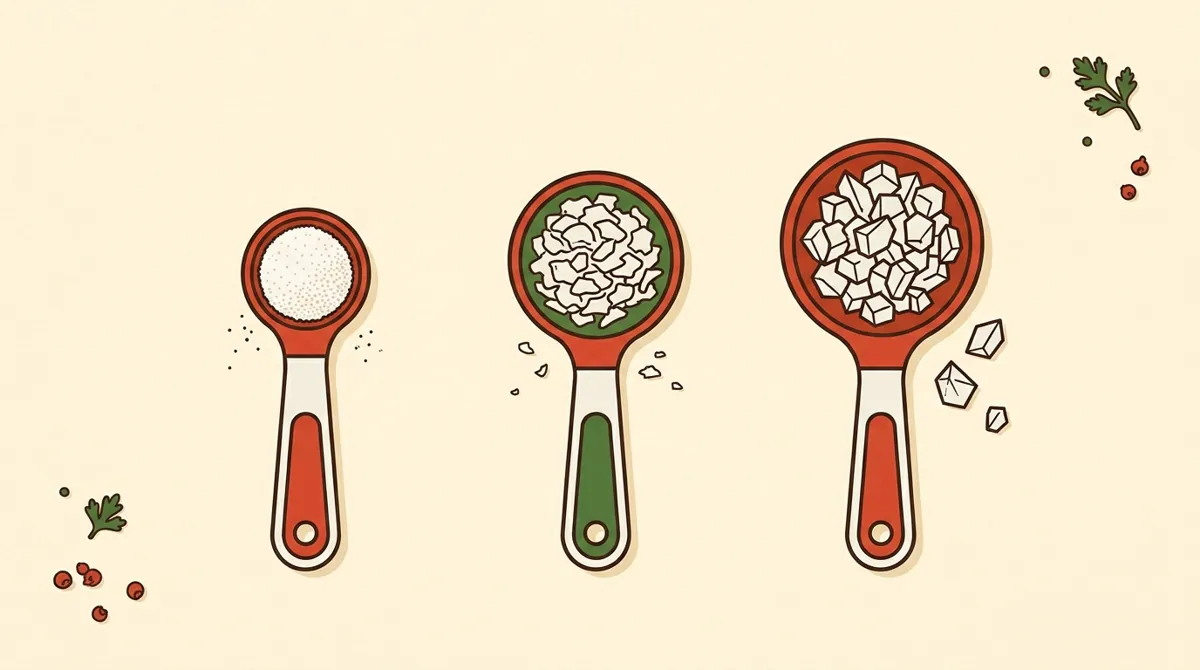
If you must use spoons, convert: 1 teaspoon table salt = 1 1/2 teaspoons denser kosher salt = 2 teaspoons lighter kosher salt.
When a recipe just says "kosher salt" with no brand, start with the smaller amount your salt would need and add more after tasting.
Keep one everyday cooking salt so your pinches become consistent, and use flaky sea salt only to finish.
Taste before serving and adjust, whatever salt you used.
Common mistakes
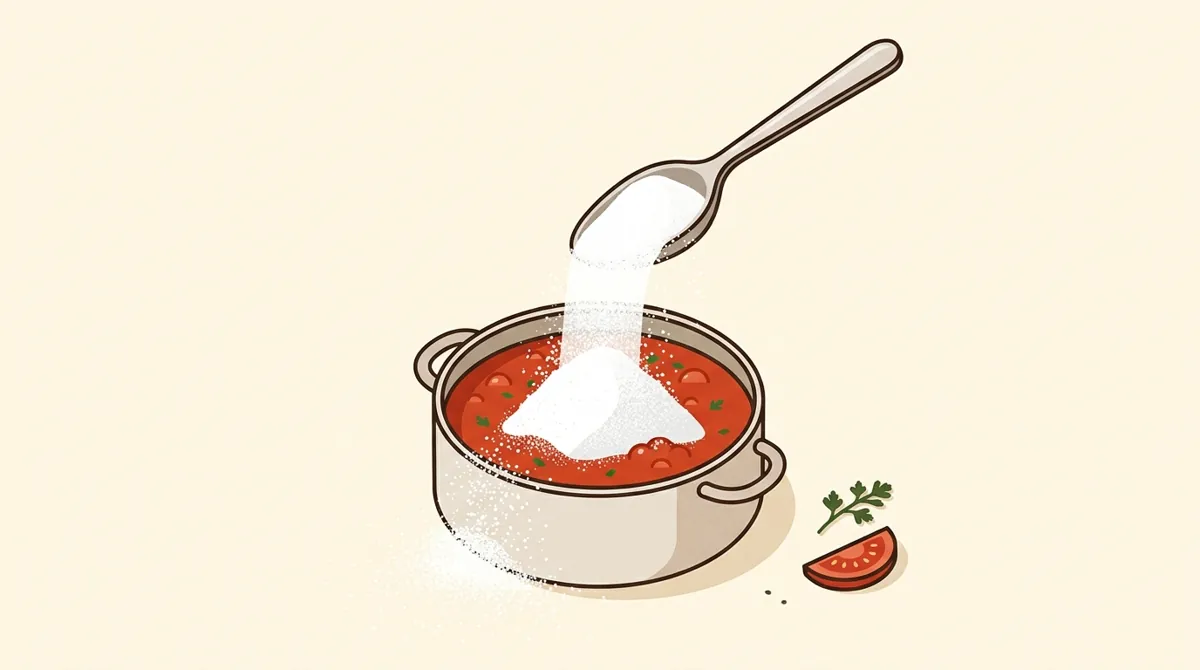
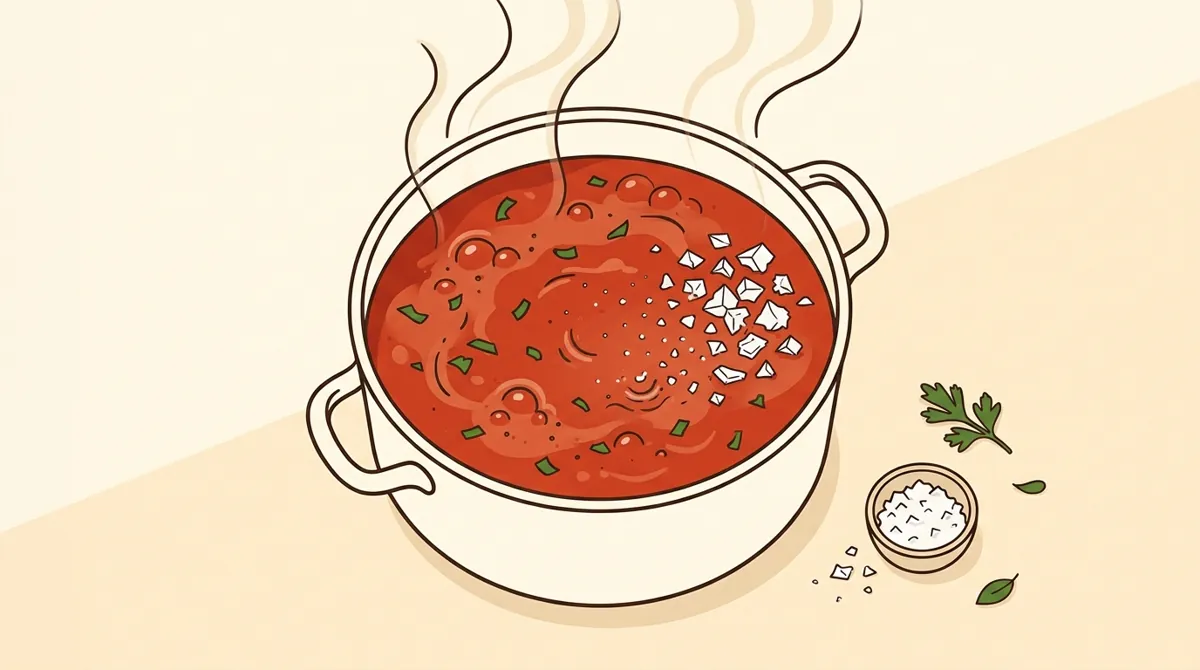
- Swapping table salt for kosher salt spoon for spoon: table salt is up to twice as heavy by volume, so cut it to about half for a recipe written for the lighter kosher salt.
- Treating both kosher salt brands as the same: a tablespoon of the denser one weighs about 70 percent more, so note which one a recipe means.
- Cooking with expensive flaky sea salt: once dissolved it tastes like any salt, so sprinkle it on at the table instead.
- Measuring salt for pickles or cures by spoon: University of California extension advises weighing salt for preserving, so use a scale.
🏋️ Try it tonight
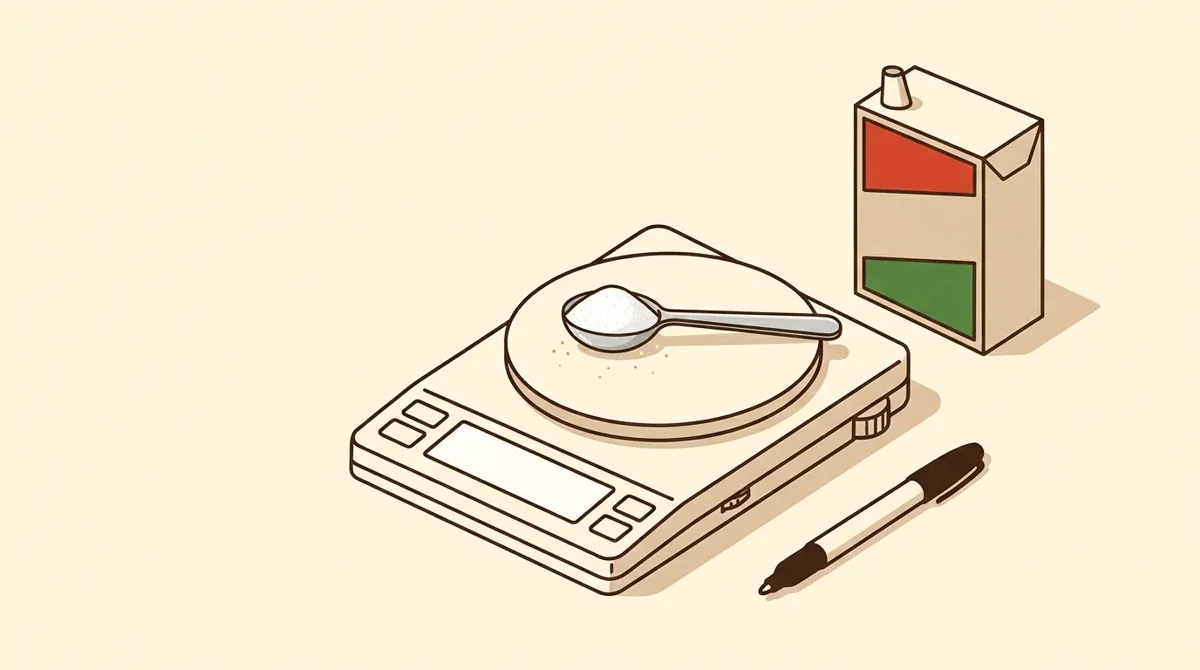
Take every salt in your kitchen and a cheap digital scale. Level off one tablespoon of each, weigh it, and write the grams on the box with a marker. Then pinch your usual amount from each salt into a small bowl and weigh those too. In 10 minutes you will know exactly how your salts compare.
💡 Did you know?
A level tablespoon of table salt weighs about 18 grams, while the same spoon of the lighter kosher salt weighs about 8.4 grams, less than half as much.
Use it tonight
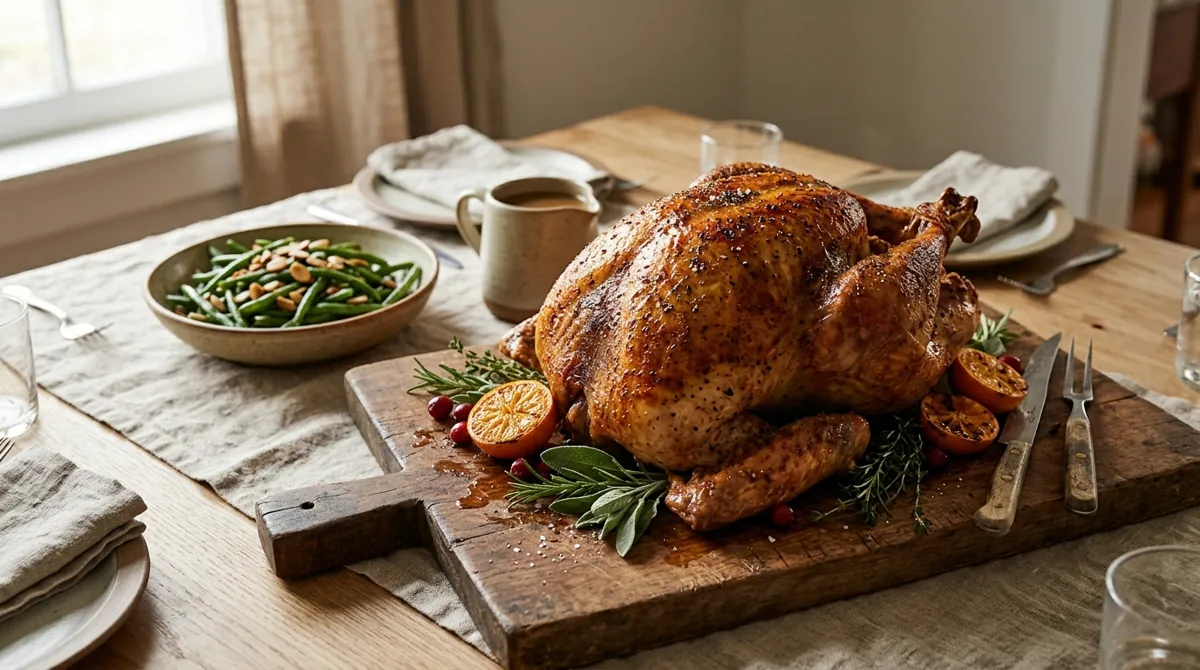
Dry-Brined Turkey (the Judy Bird)
The Los Angeles Times' famous no-bucket brine: a few tablespoons of salt rubbed on three days ahead, the bird kept in a bag in the refrigerator, then dried uncovered so the skin roasts crisp.
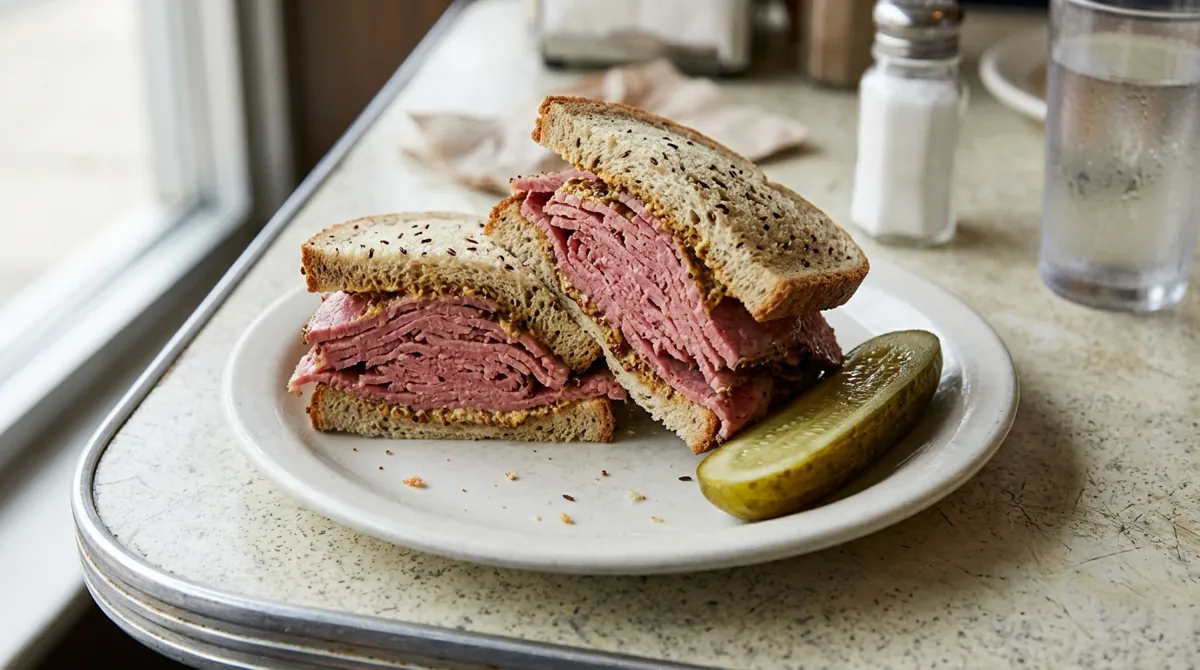
Homemade Deli Corned Beef on Rye
Cure your own brisket for six days in a salt, sugar and pink curing salt brine, simmer it in a low oven, then slice it thin, steam it and pile it on rye with deli mustard.
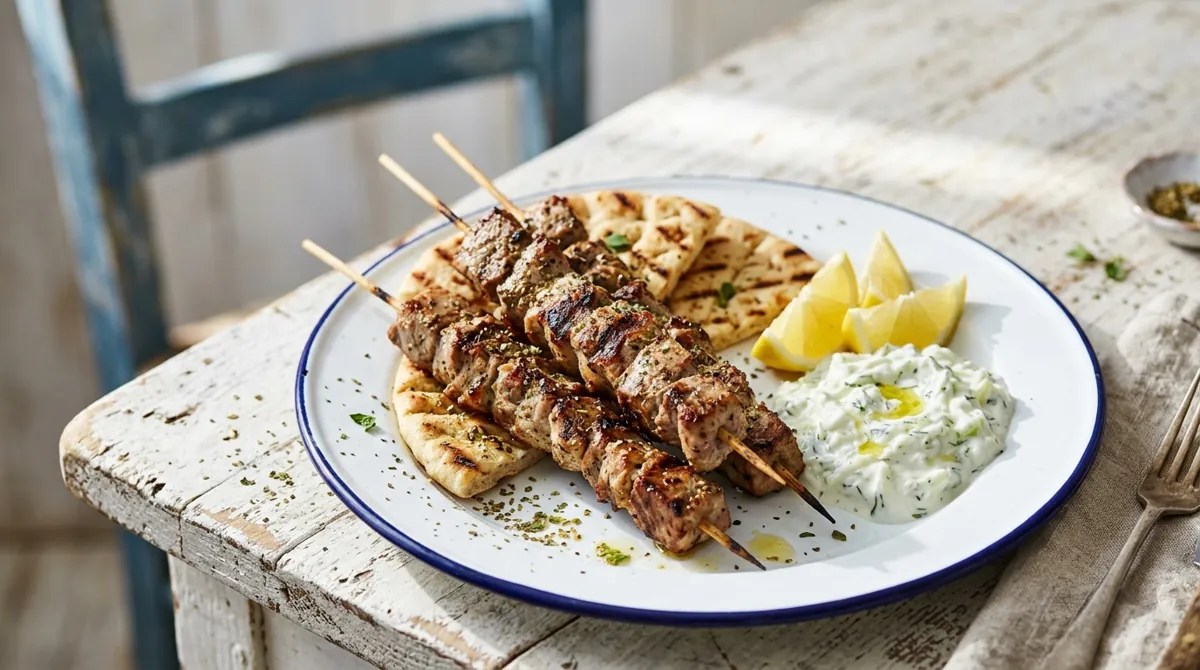
Pork Souvlaki (Greek Lemon-Oregano Pork Skewers with Tzatziki)
Cubes of pork loin marinated in olive oil, red onion, garlic, lemon, red wine vinegar and Greek oregano, grilled hot on skewers and served on grilled pita with a thick, garlicky cucumber tzatziki.