
🥣 Stocks and Sauces · Lesson 5 of 5
Emulsions: How to Make Vinaigrette and Mayonnaise, and Fix a Broken One
Why oil and vinegar separate, the 3 to 1 vinaigrette ratio, how mustard and egg yolk hold a sauce together and how to rescue broken mayo.
- Classic vinaigrette: 3 oil to 1 vinegar
- Some prefer 4 to 1
- Julia Child: 6 to 8 oil to 1 acid
- Emulsifiers: egg yolk lecithin, mustard
- One yolk holds 2 1/2 to 3 oz oil
- Fix: fresh yolk, whisk the broken sauce in slowly
Why it matters
Vinaigrette, mayonnaise and hollandaise are the same trick: forcing oil and a watery liquid, which do not mix, into tiny droplets that stay suspended. Most home cooks pour the oil too fast at the start and blame the recipe when the sauce breaks. Once you know why it breaks, a broken mayonnaise can be brought back in a couple of minutes.
What an emulsion is
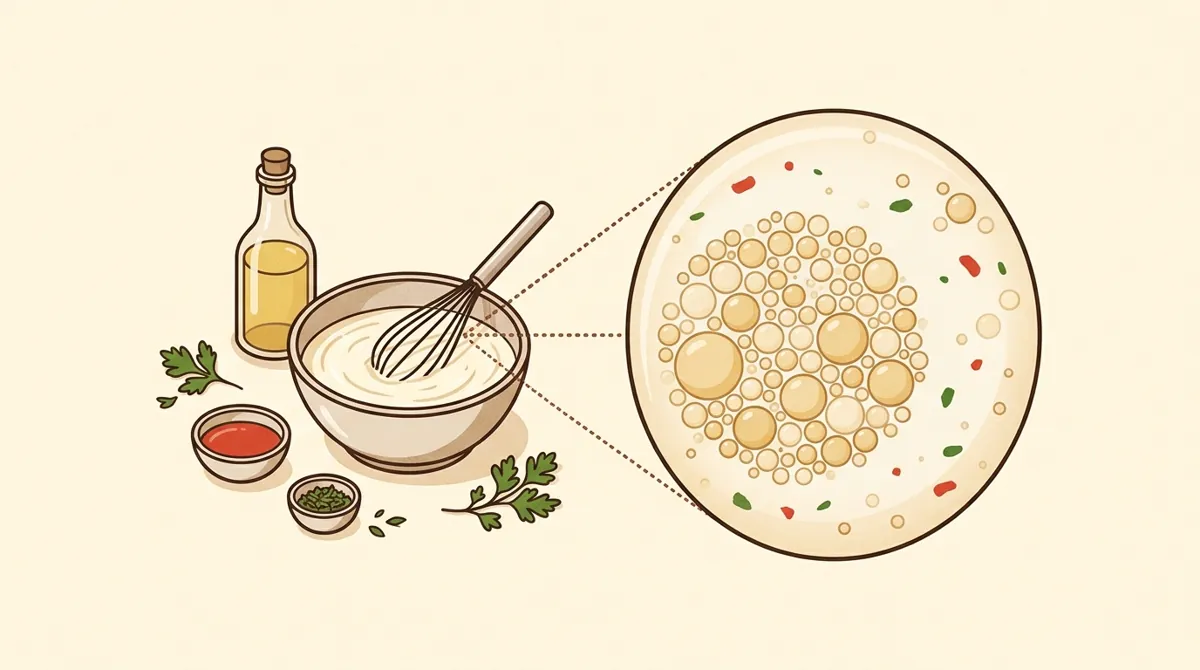
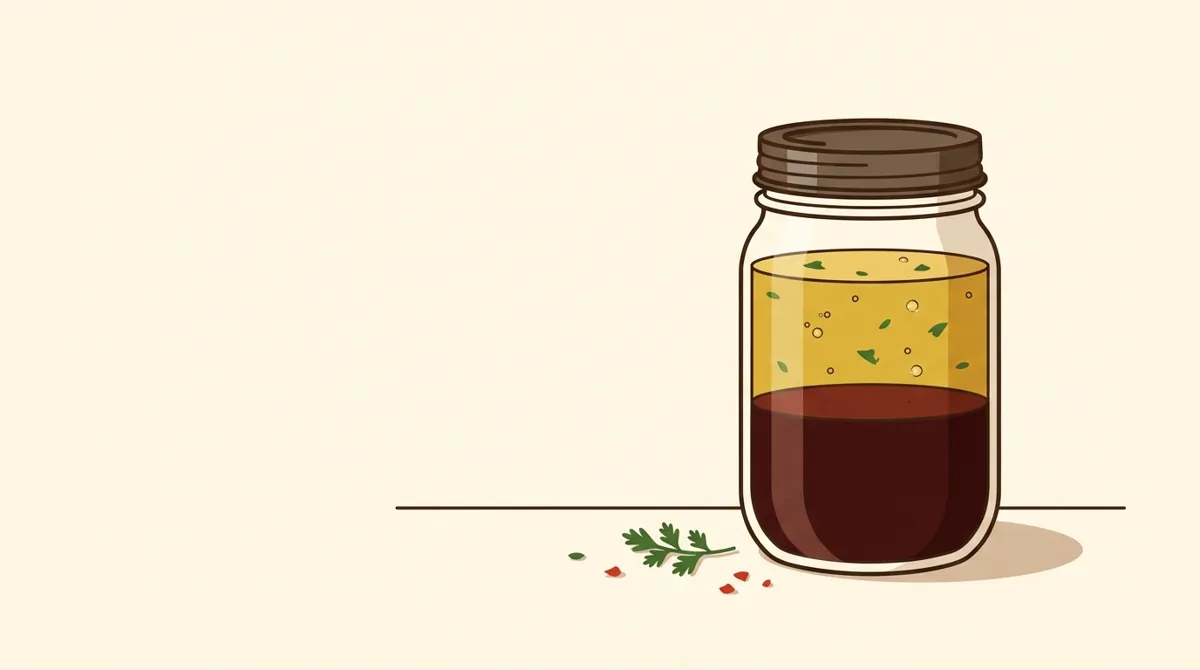
An emulsion is two liquids that normally do not mix, with one spread through the other as tiny droplets. Mayonnaise and hollandaise are droplets of fat held in a watery base by egg yolk; butter is the reverse, water held in fat. A plain oil and vinegar dressing is an unstable emulsion that starts separating into layers soon after you stop whisking.
The 3 to 1 ratio, and where sources differ
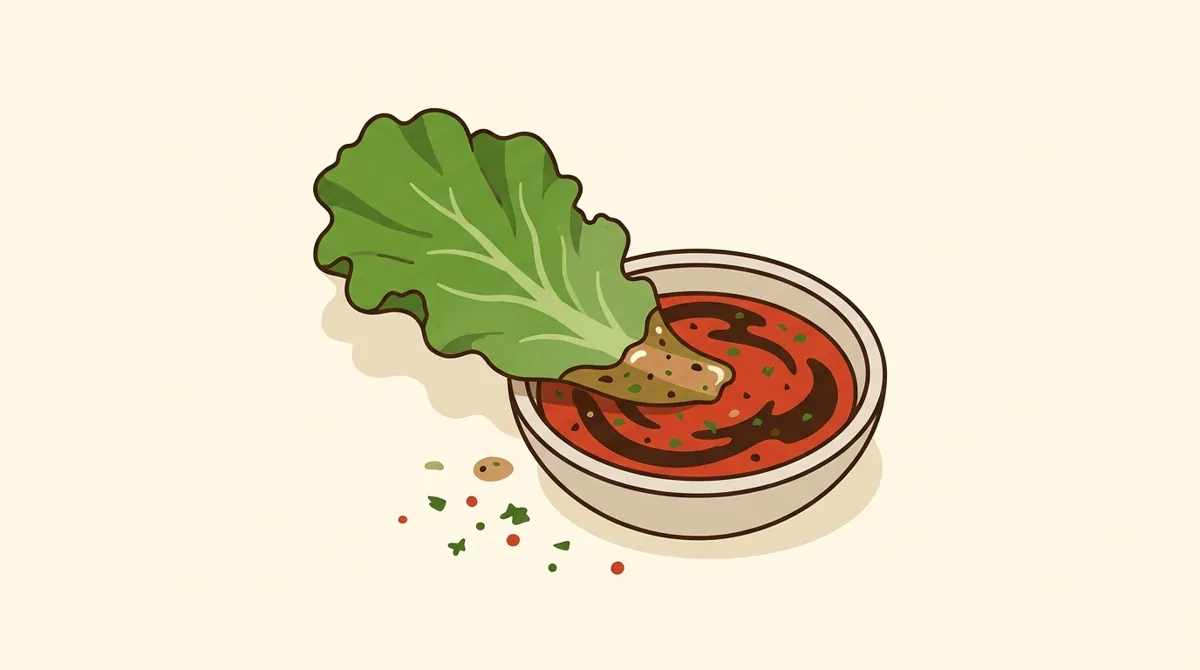
The classic vinaigrette is 3 parts oil to 1 part vinegar, and America's Test Kitchen starts its dressings there. The Oxford Companion to Food calls 3 to 1 the generally accepted proportion but notes some cooks prefer 4 to 1, and Julia Child used 6 to 8 parts oil to 1 part vinegar and lemon juice. Start at 3 to 1, taste on a leaf, and add oil if it is too sharp.
Emulsifiers hold it together
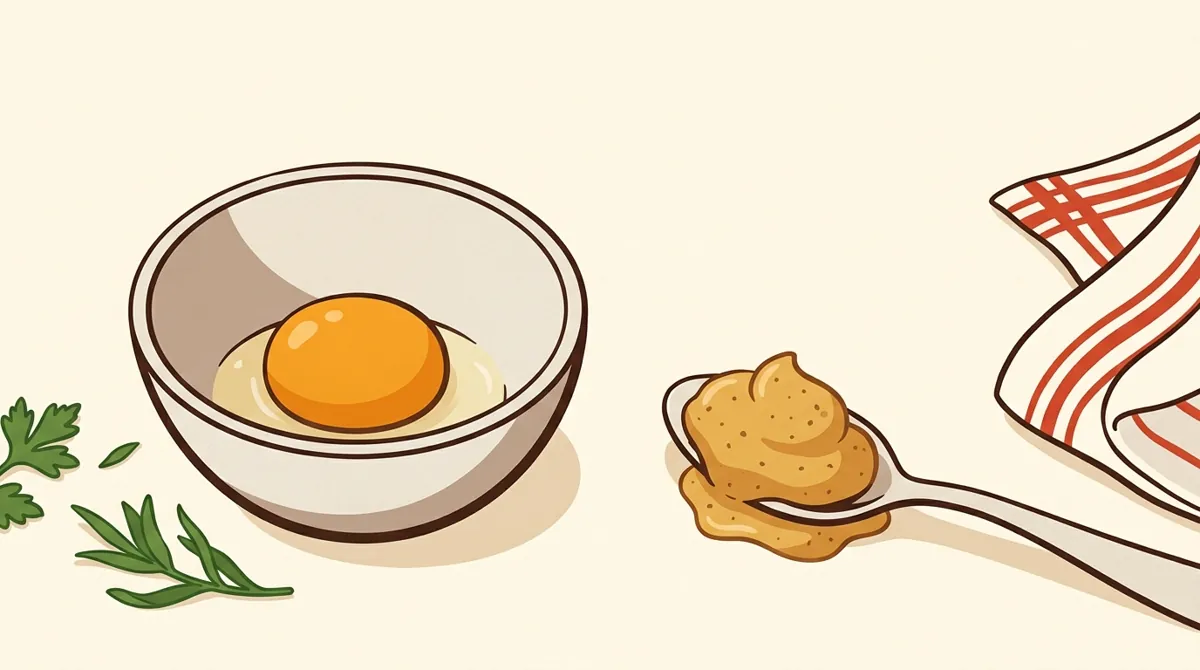
An emulsifier coats the droplets so they do not merge. Egg yolk works through its lecithin and proteins; mustard works through compounds in the coating around its seeds. America's Test Kitchen finds mustard alone has to be used in such quantity that it takes over, so its basic vinaigrette uses 1/2 teaspoon each of mayonnaise and Dijon to 3 tablespoons of oil and 1 tablespoon of vinegar. Without help, a homemade vinaigrette starts to separate within about an hour.
Why mayonnaise breaks
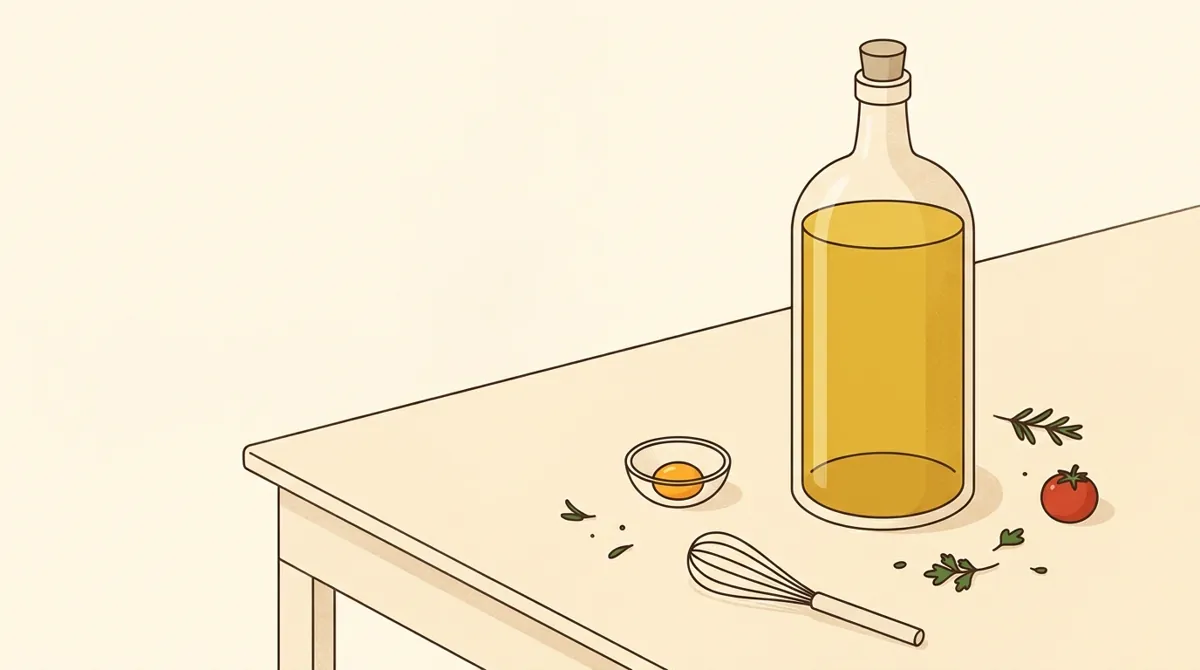
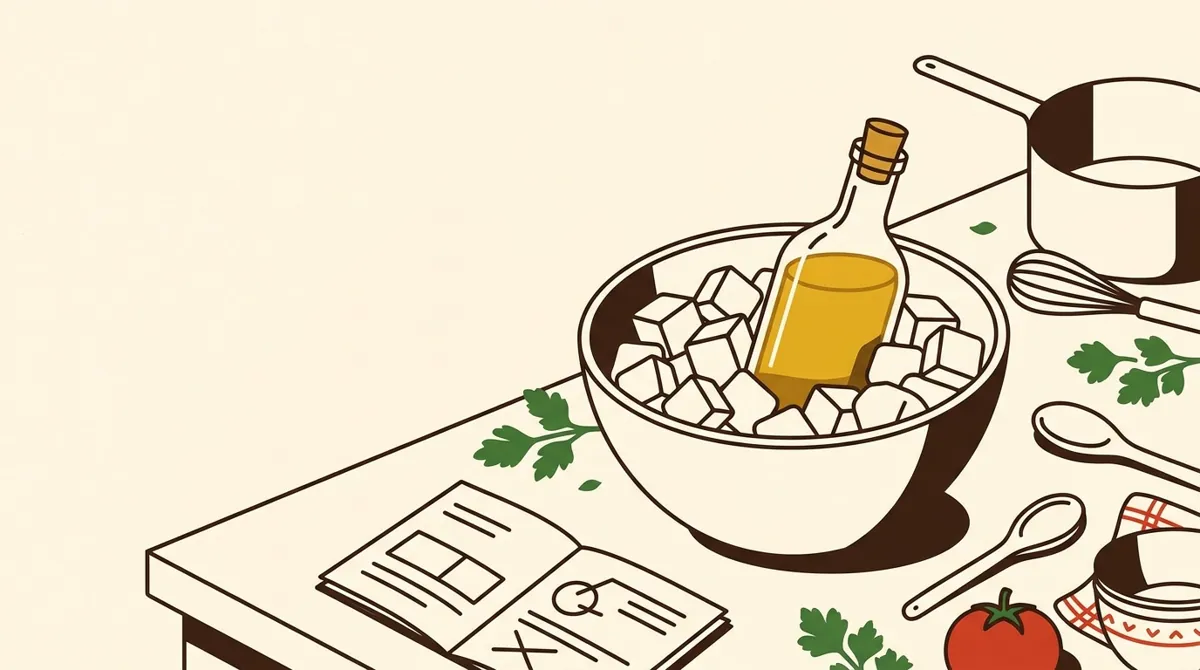
Escoffier listed three causes: adding the oil too fast at the start, using oil that is too cold, and adding more oil than the yolks can hold. By his count one yolk can take only about 2 1/2 ounces of oil if the mayonnaise is made ahead, or 3 ounces if it is used right away. He called working over ice a mistake, since cold is what makes mayonnaise turn in winter.
How to fix a broken one
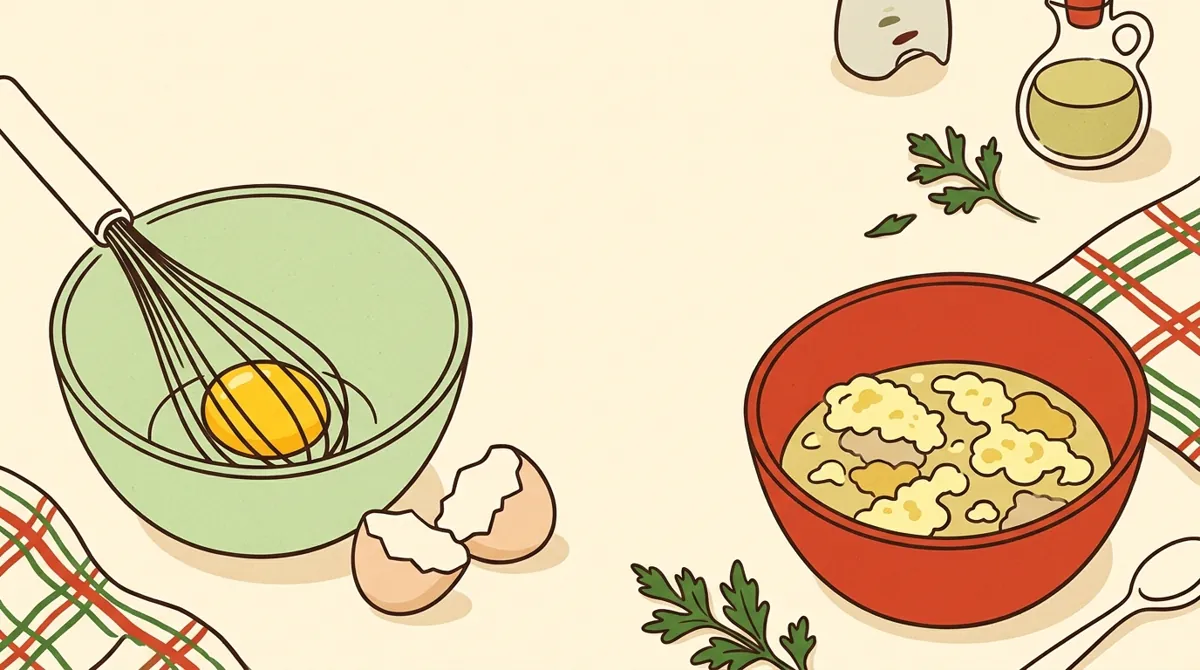
Escoffier's fix: put a fresh yolk in a clean bowl with a few drops of vinegar and whisk the broken sauce into it little by little; for a small batch, a half coffee spoon of mustard can stand in for the yolk. America's Test Kitchen uses water instead: whisk about 1/2 cup of the broken mixture very slowly into 4 teaspoons of water, then drizzle in the rest. Hollandaise breaks when it gets too hot or takes too much butter; whisk a fresh yolk with a tablespoon of water over barely simmering water and add the broken sauce gradually.
Step by step
Put 1 egg yolk in a bowl with a pinch of salt and a little vinegar or lemon juice, and whisk until smooth.
Use oil at room temperature, not straight from a cold pantry or the refrigerator.
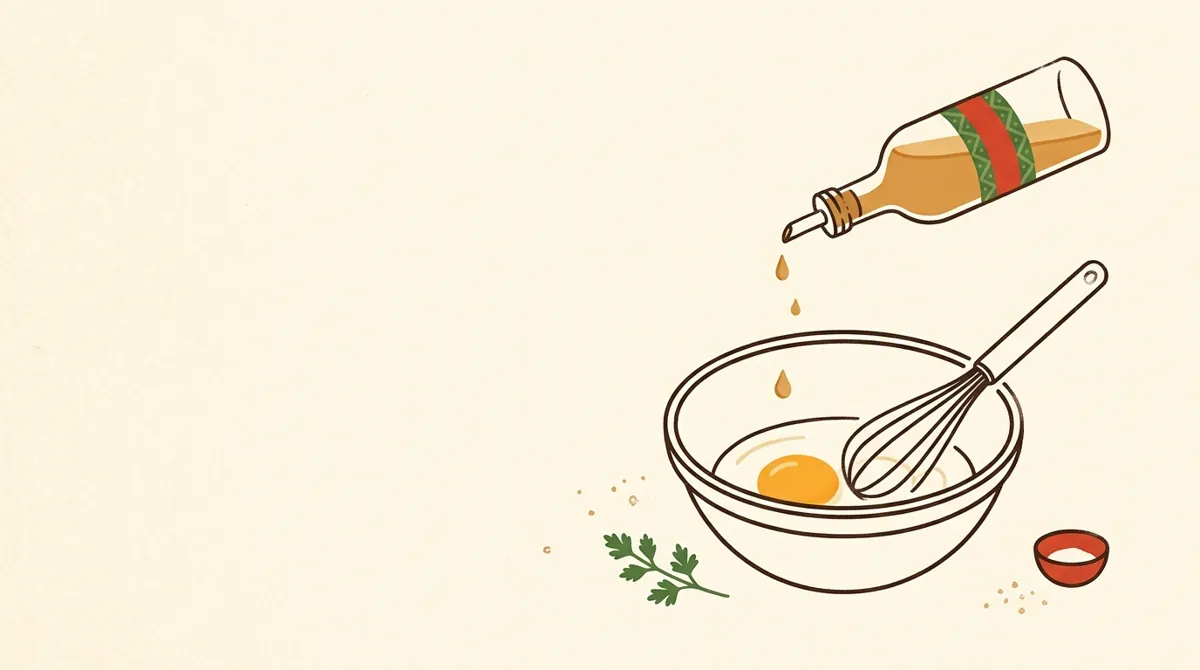
Add the first oil a few drops at a time, whisking constantly, until the mixture thickens and turns pale.
Once it has thickened, add the rest of the oil in a thin, steady thread, still whisking.
Stop at about 1/3 cup of oil per yolk, Escoffier's limit of 2 1/2 to 3 ounces.
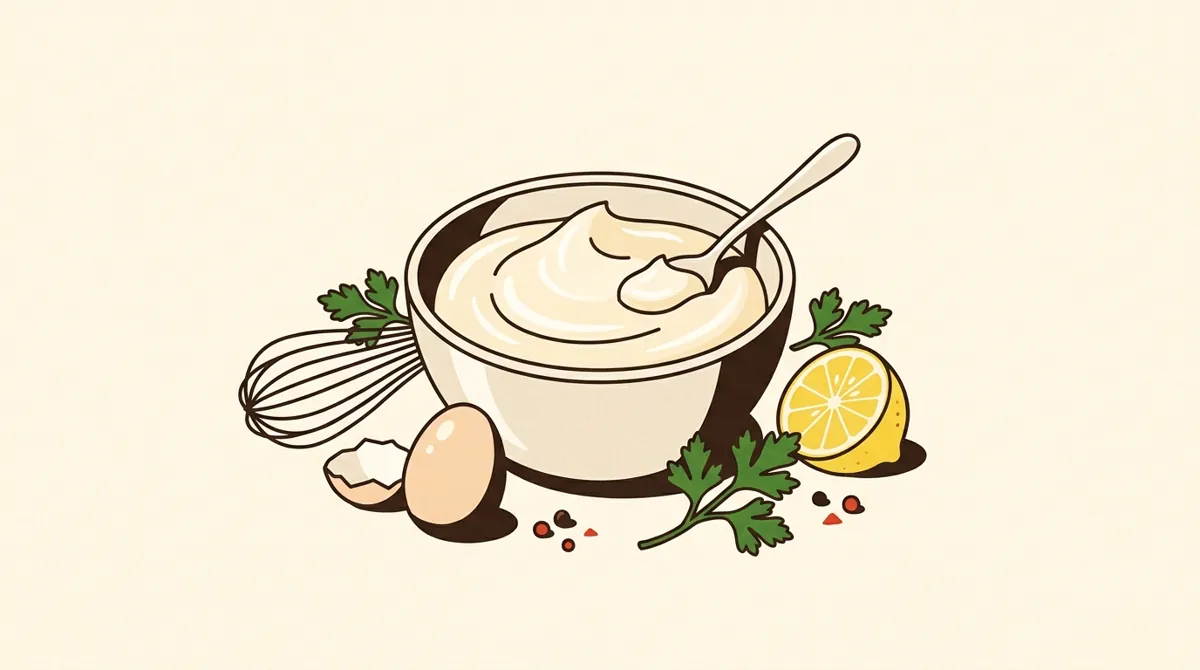
Finish with a squeeze of lemon and about 1 1/2 teaspoons of boiling water, which Escoffier added to keep the sauce from turning.
If it breaks, start a fresh yolk with a few drops of vinegar in a clean bowl and whisk the broken mixture into it a spoonful at a time.
Common mistakes
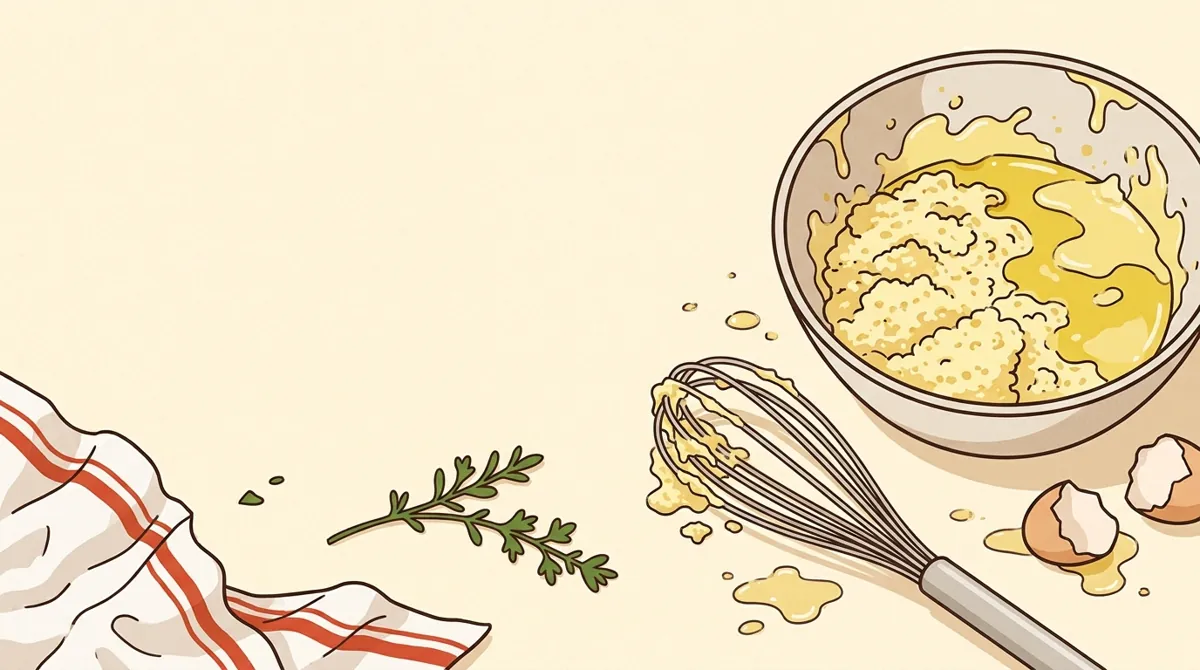
- Pouring the oil fast at the start: the yolk cannot take it in, so add the first few spoonfuls drop by drop.
- Using cold oil or working over ice: cold makes mayonnaise break, so keep the oil at kitchen temperature.
- Adding more oil than the yolks can hold: plan on about 1/3 cup of oil per yolk.
- Overheating hollandaise: it curdles, so cook it over barely simmering water and pull it off the heat as soon as it thickens.
- Dressing a salad with vinaigrette made hours ago without an emulsifier: it separates within about an hour, so add a little mustard and mayonnaise or shake it again right before serving.
🏋️ Try it tonight
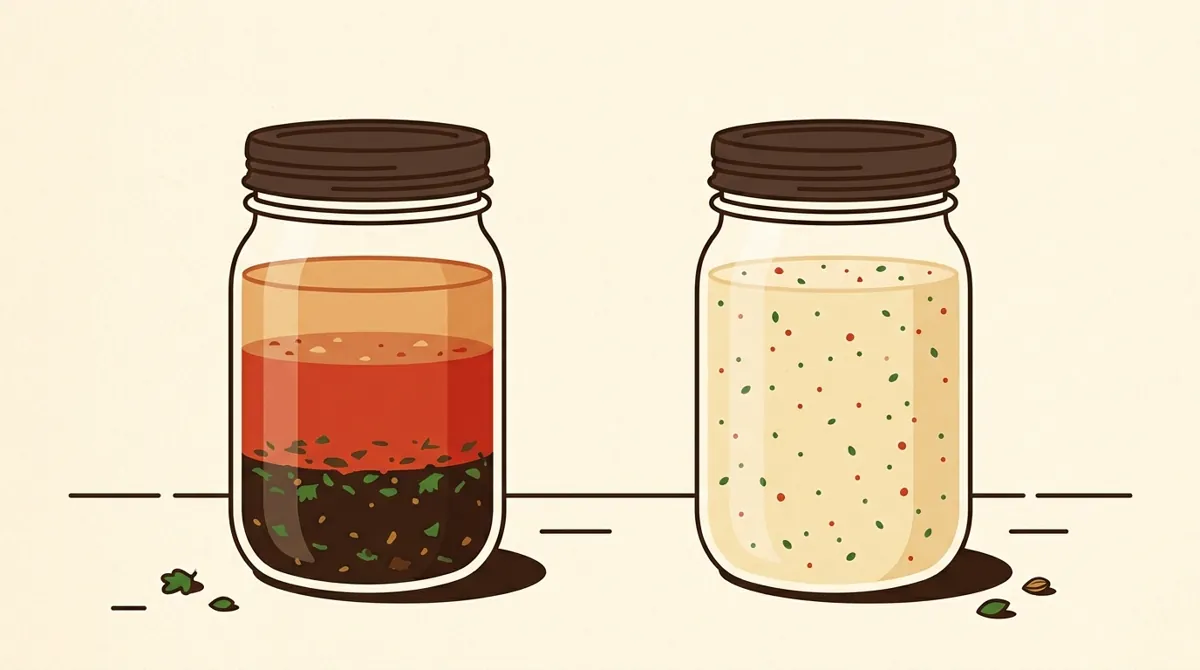
Make two small jars of dressing, each with 3 tablespoons of oil, 1 tablespoon of vinegar and a pinch of salt. Add 1/2 teaspoon of Dijon mustard and 1/2 teaspoon of mayonnaise to one jar only. Shake both hard for 30 seconds, set them side by side, and watch which one separates first while you wash a head of lettuce to dress with the winner.
💡 Did you know?
Escoffier wrote that one egg yolk can hold only about 2 1/2 ounces of oil in mayonnaise made ahead, and that cold, not warmth, is what makes mayonnaise break in winter.
Use it tonight
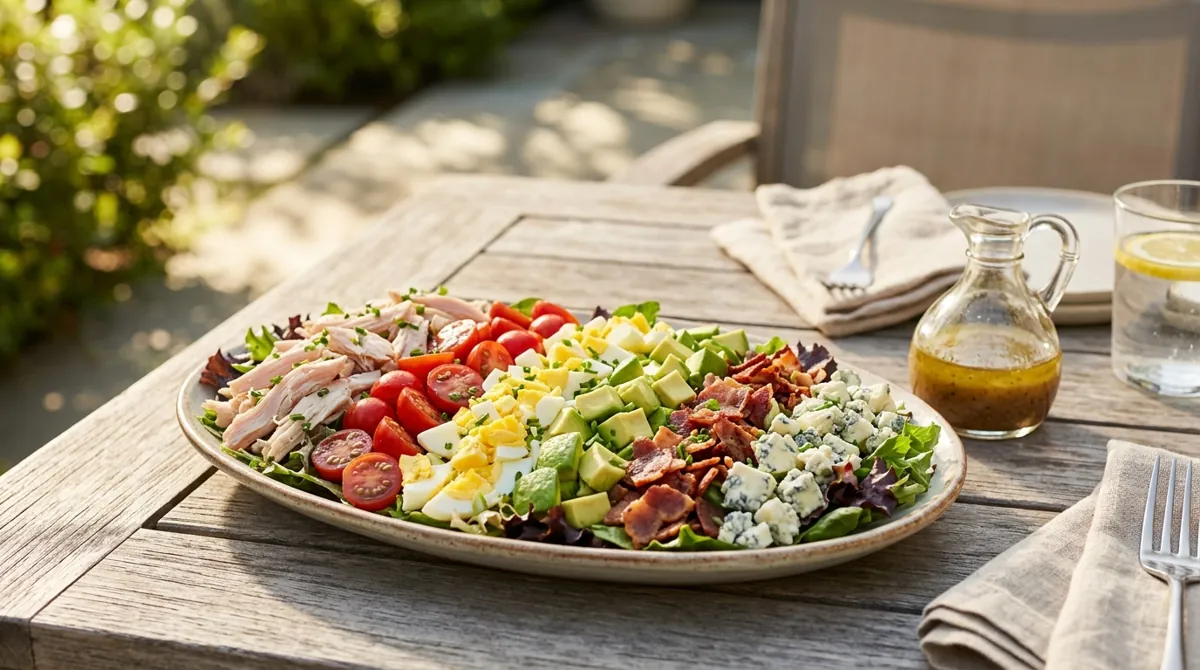
Turkey Cobb Salad
Cubed leftover turkey breast in neat rows with chopped egg, avocado, crisp bacon, grape tomatoes, blue cheese and chives on romaine and watercress, every part tossed in its own share of a mustardy red wine vinaigrette.
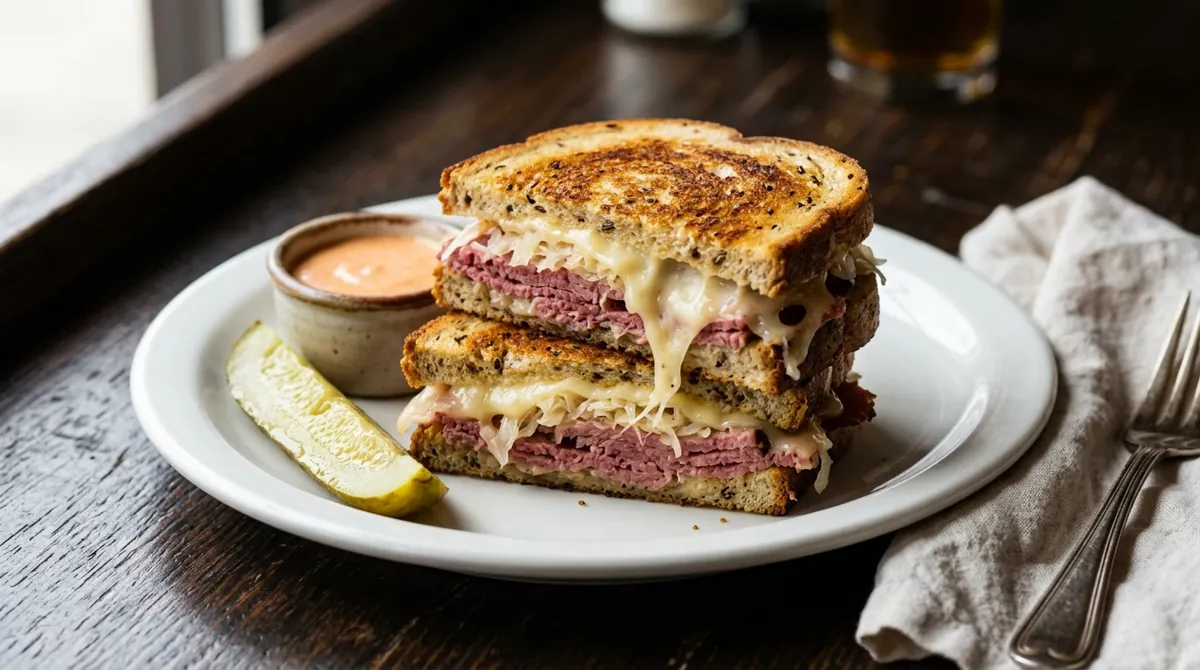
Reuben Sandwich
Corned beef, Swiss cheese and quick-cooked sauerkraut on rye with a Russian-style dressing, griddled in butter until the bread is golden and the cheese melts.
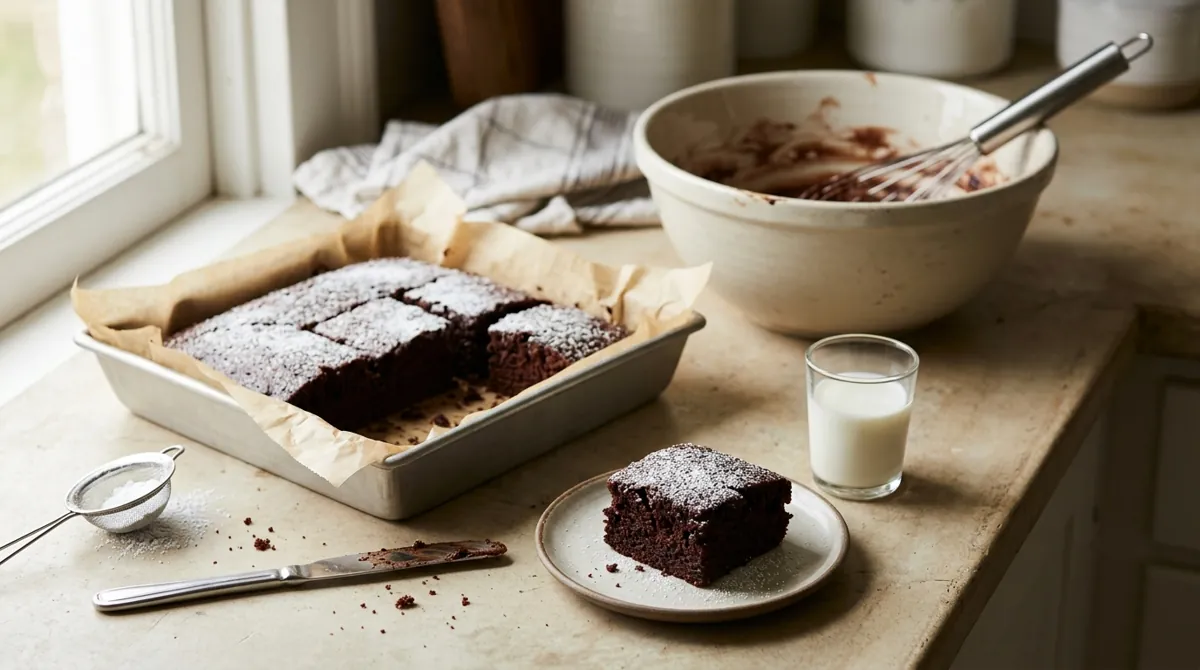
One-Bowl Chocolate Mayonnaise Cake (Weeknight)
A moist, tender chocolate snack cake mixed in one bowl in 10 minutes, with mayonnaise standing in for both the eggs and the oil, ready to eat in about 45 minutes with a dusting of powdered sugar.
Sources
- Emulsion (Wikipedia)
- Vinaigrette (Wikipedia)
- Dressing That Won't Separate or Solidify in the Fridge (America's Test Kitchen)
- The One Sauce Every Cook Should Master (America's Test Kitchen)
- Vinaigrette, The Oxford Companion to Food, Alan Davidson (ckbk)
- The Go-To Vinaigrette That Julia Child Swore By (Tasting Table)
- Mayonnaise (Wikipedia)
- A Guide to Modern Cookery, A. Escoffier, 1907 English edition (Project Gutenberg)
- How to Fix Failed Mayo (America's Test Kitchen)
- Hollandaise sauce (Wikipedia)
- Fix That Broken Hollandaise Sauce With Just One More Egg Yolk (The Daily Meal)
- How to Fix a Broken Sauce (America's Test Kitchen)