
🥣 Stocks and Sauces · Lesson 4 of 5
How to Make a Pan Sauce: Fond, Deglazing and Cold Butter
Turn the browned bits left after searing into a glossy sauce while the meat rests: deglaze, reduce, then whisk in cold butter.
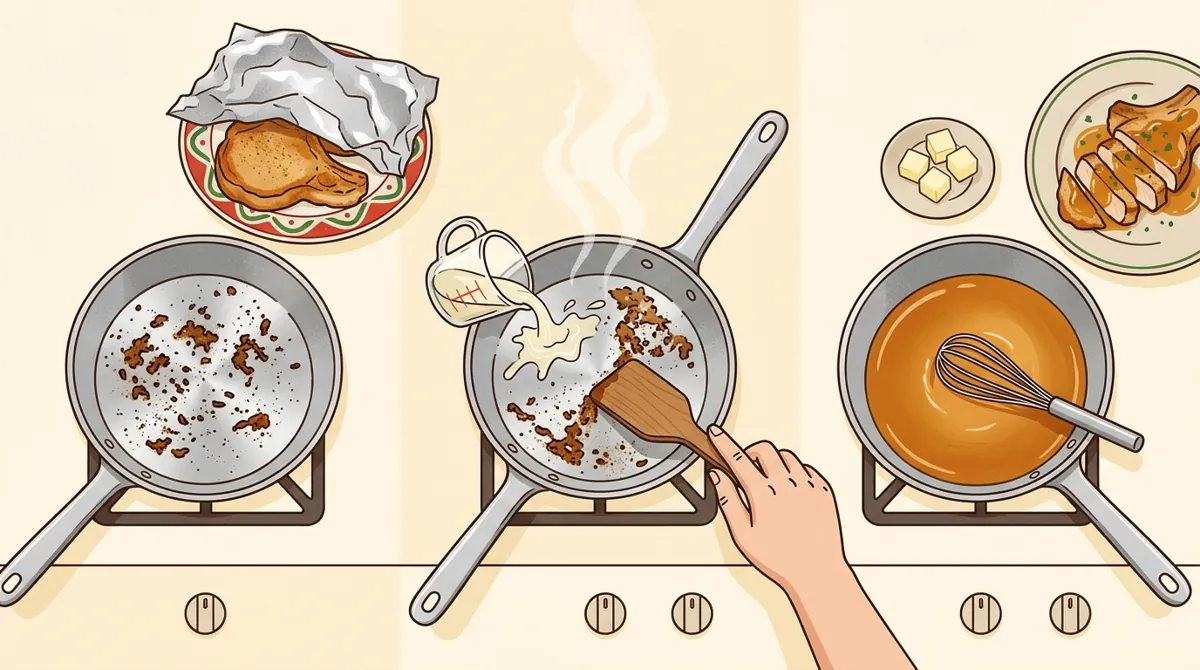
- Fond: the browned bits
- Pour off all but 2 tsp fat
- Deglaze with wine or stock, pan off the heat
- Reduce: 3/4 cup broth down to 1/3 cup
- Off the heat, whisk in cold butter
- Taste and season
Why it matters
Searing leaves browned bits stuck to the pan, called fond, and they are packed with flavor. Most home cooks scrub them away, or sear in a nonstick pan that barely makes them. A pan sauce turns those bits, a splash of wine or stock and a little butter into a sauce in the few minutes the meat needs to rest anyway.
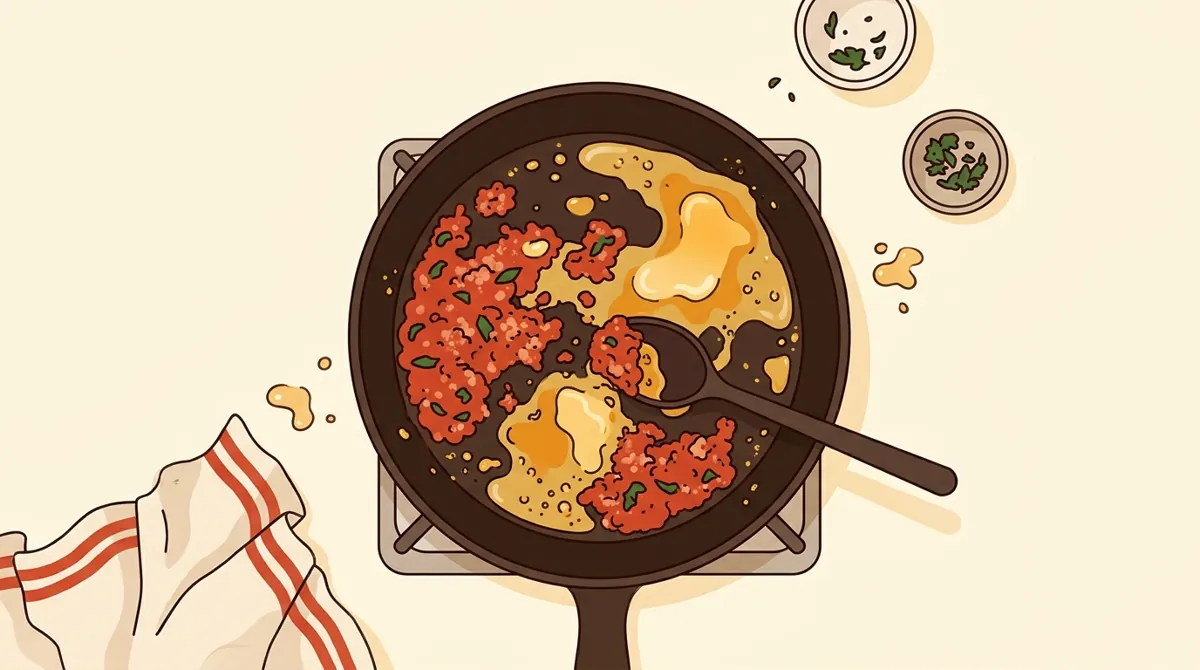
Fond is the flavor
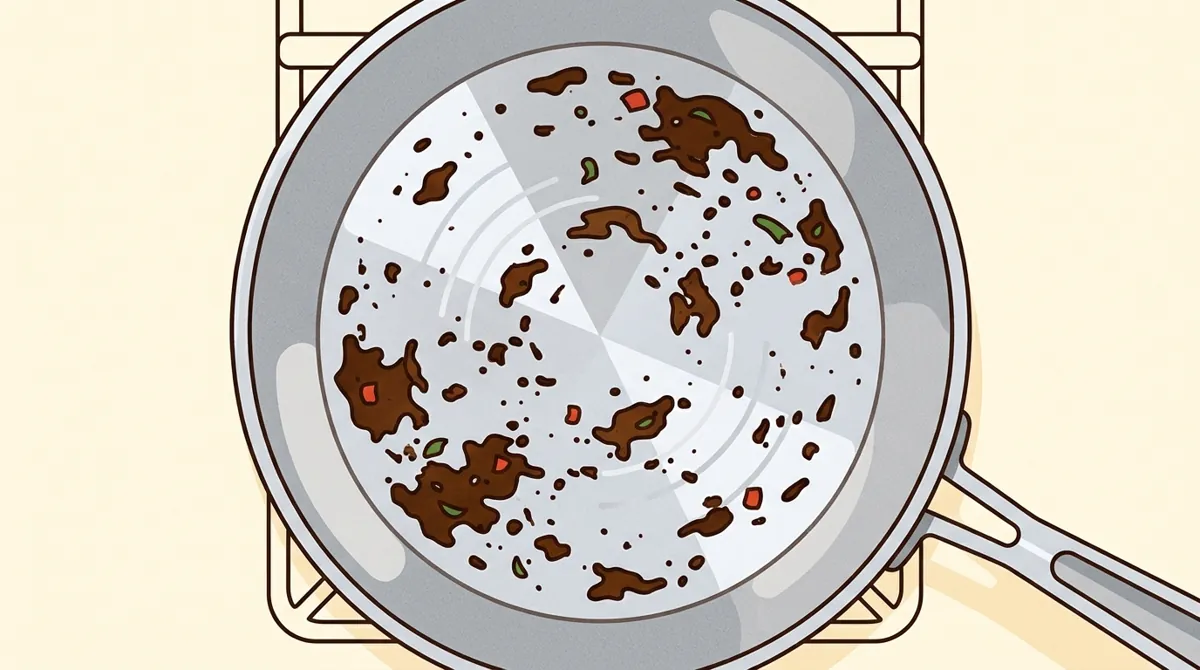
When you sear meat, browned sugars, carbohydrates and proteins stick to the bottom of the pan. America's Test Kitchen calls those browned bits fond and builds every pan sauce on them. It warns against nonstick skillets for pan sauces, because the slick surface does not develop fond to the same degree as a traditional stainless or cast iron skillet.
Deglaze with wine or stock
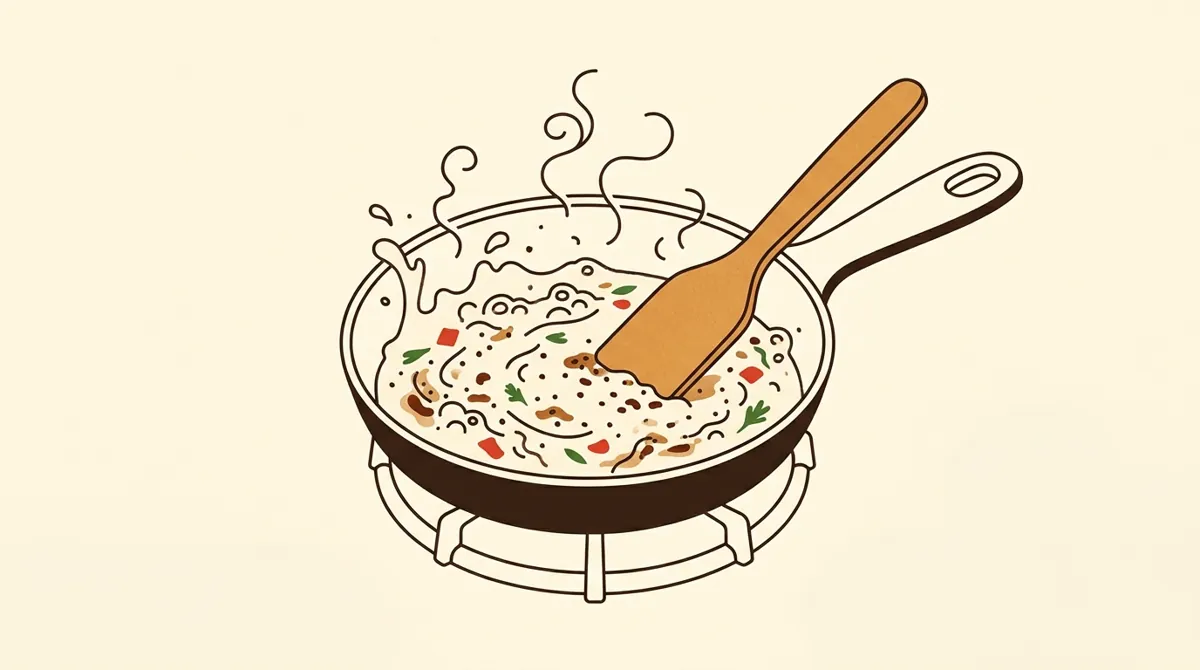
Deglazing means adding a liquid that dissolves the browned residue, usually wine, stock or broth. First pour off all but about 2 teaspoons of fat, soften a shallot, then add the liquid and scrape. A wooden spatula works better than a spoon because its flat edge picks up more fond. Skip milk and cream for deglazing; dairy can curdle over high heat.
Reduce to concentrate
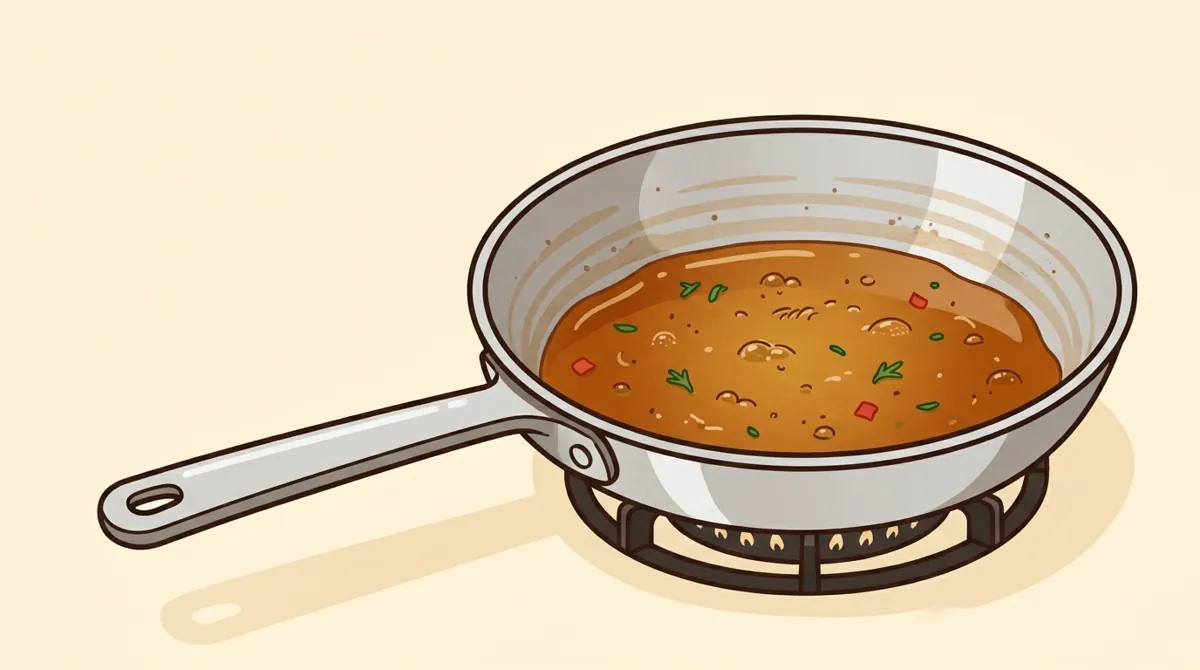
America's Test Kitchen boils the wine alone first, about 30 seconds until it is nearly a glaze, so more alcohol cooks off and the flavor concentrates. Then it adds broth and simmers it from 3/4 cup down to 1/3 cup, 4 to 6 minutes. Use low-sodium broth and skip salted cooking wine, because reduction concentrates salt.
Finish with cold butter, off the heat
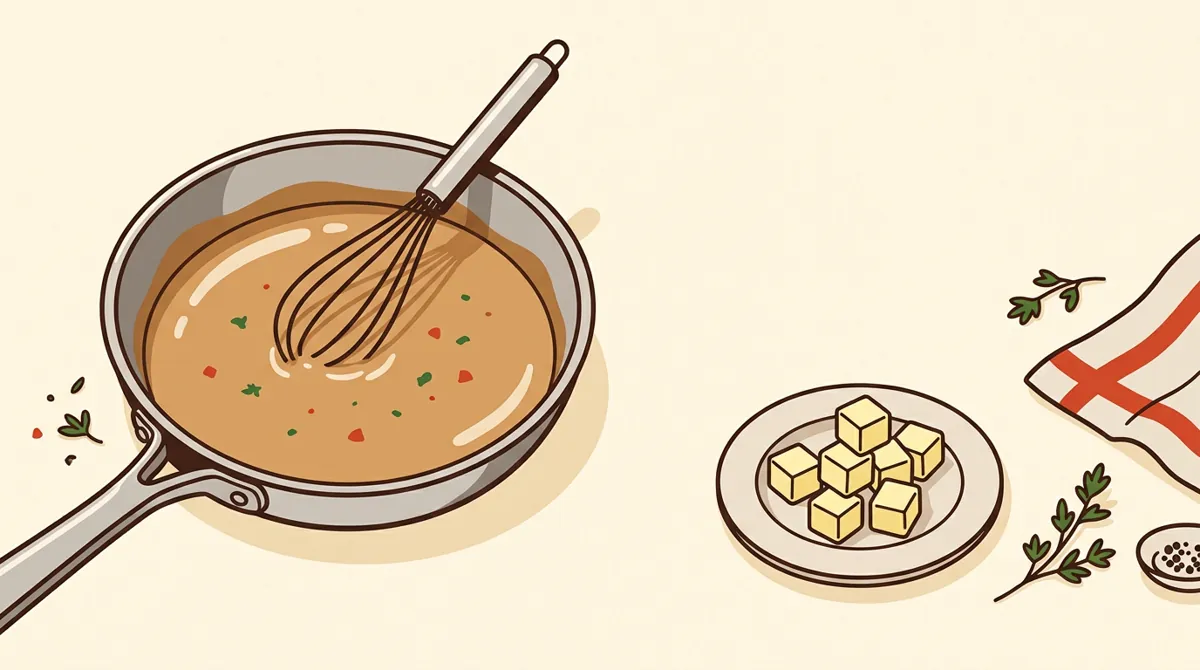
Whisking cold butter into a sauce at the end, off the heat, is called monter au beurre; it adds shine, richness and a little body. America's Test Kitchen cuts chilled butter into tablespoon pieces and whisks them in one at a time, because cold butter blends in more easily and makes a sturdier emulsion. If it then sits on the heat too long, water evaporates and the sauce can break; whisk in about 1/4 cup of water at a vigorous simmer to bring it back.
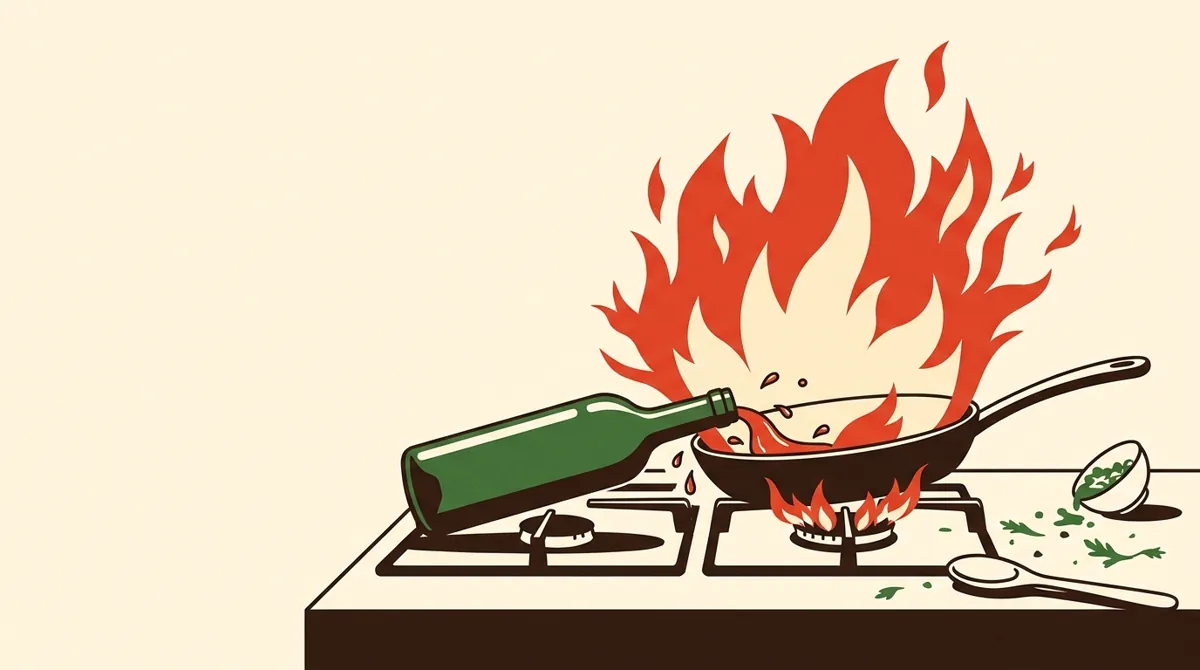
Be careful with alcohol near a flame
Spirits such as brandy can ignite over an open flame. Rouxbe's culinary school safety note says to add spirits away from the heat or with the flame off, never pour straight from the bottle (flame can travel into it), stand back, and keep a lid nearby. Taking the pan off the burner for a moment while you pour in wine costs you nothing.
Step by step
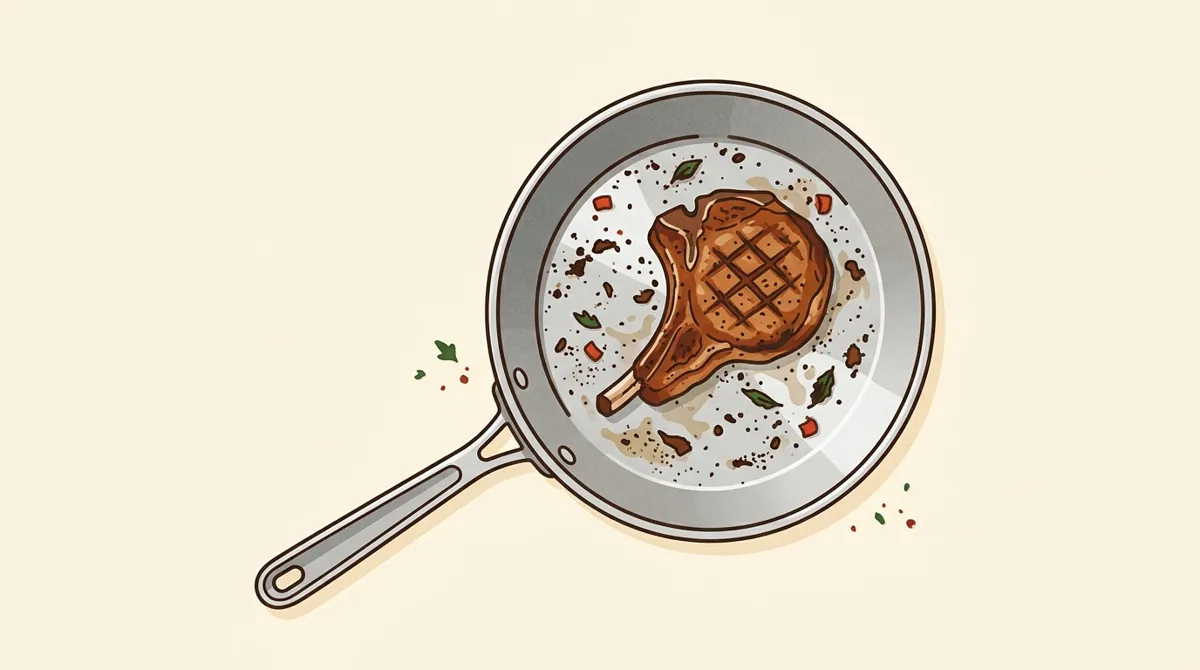
Sear the meat in a stainless or cast iron skillet, move it to a plate and tent it loosely with foil.
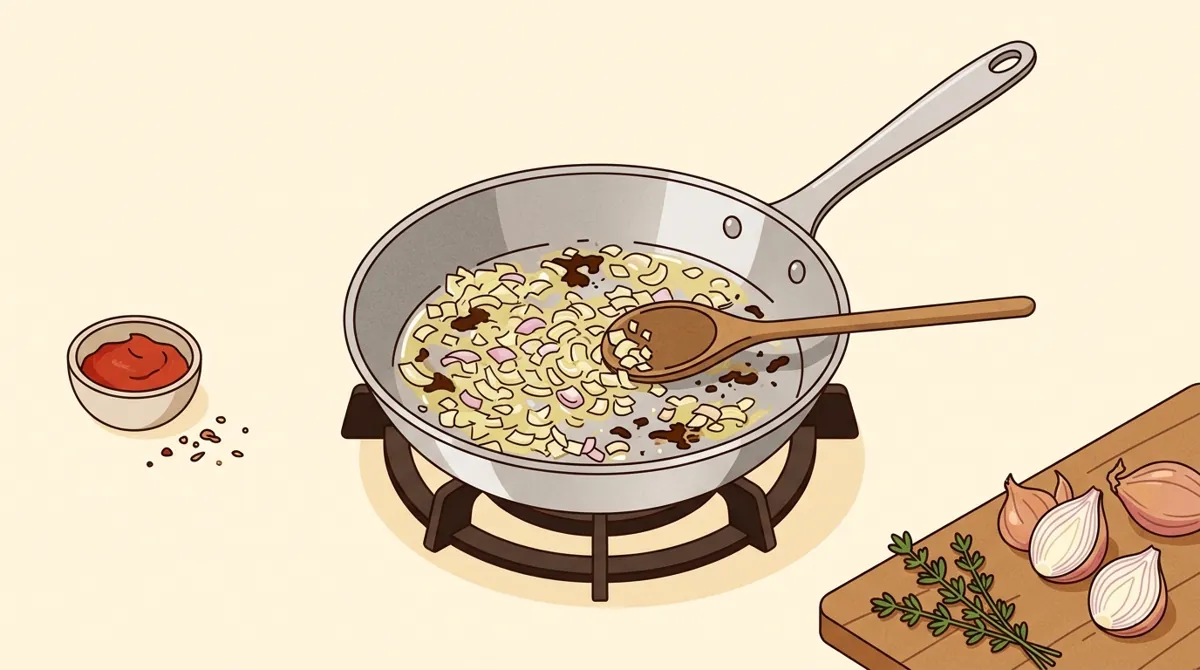
Pour off all but about 2 teaspoons of fat, then cook 1 finely chopped shallot over medium heat for 1 to 2 minutes.
Take the pan off the heat, pour in 1/2 cup of dry white wine, then return it to the heat and boil about 30 seconds, scraping up the fond, until it is nearly a glaze.
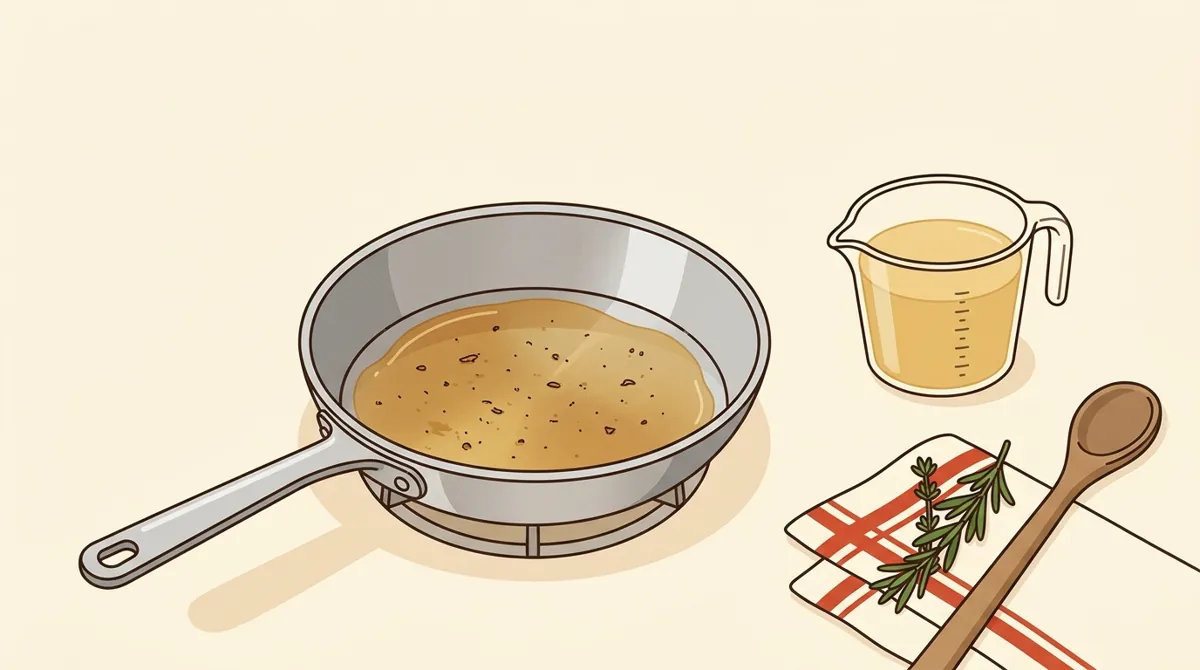
Add 3/4 cup of low-sodium chicken broth and simmer 4 to 6 minutes, until it is reduced to about 1/3 cup.
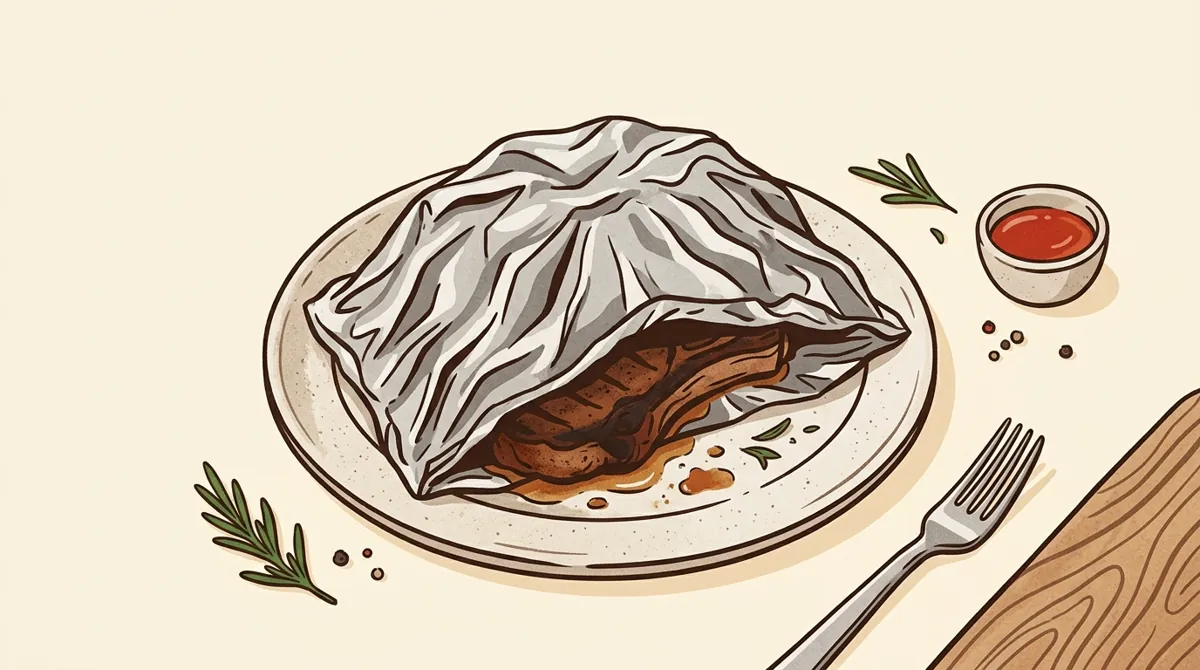
Stir in any juices that collected under the resting meat.
Take the pan off the heat and whisk in 3 tablespoons of chilled butter, one piece at a time, until the sauce is glossy.
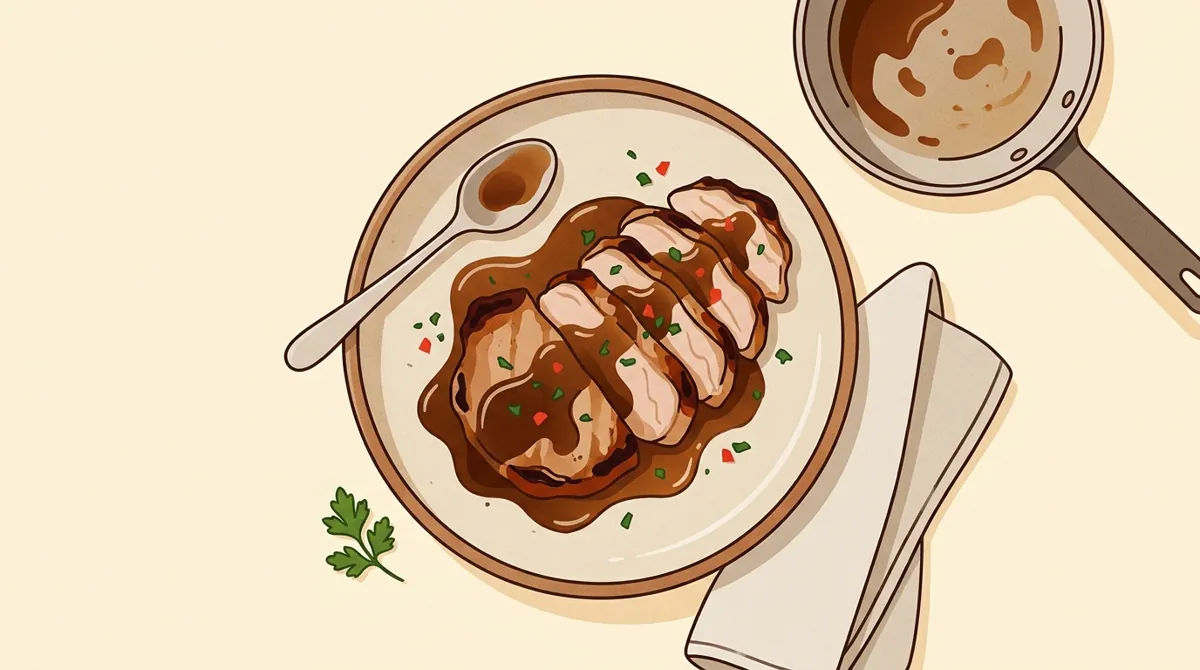
Taste, season with salt and pepper and a few drops of vinegar or lemon if it needs brightness, and spoon it over the meat.
Common mistakes
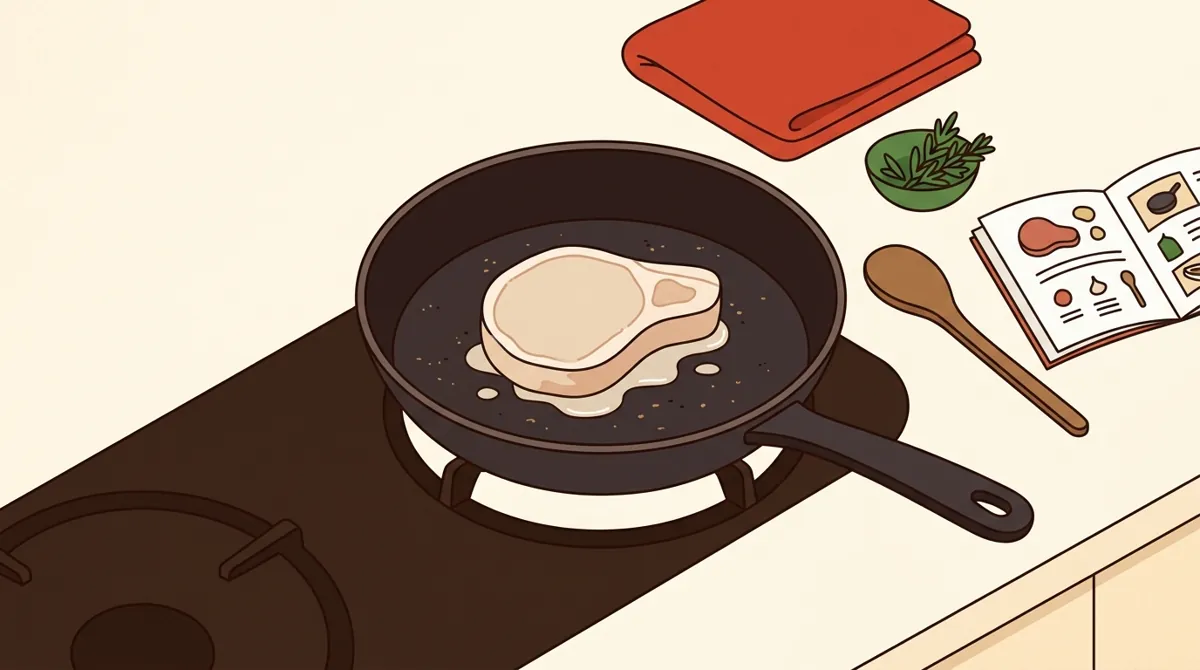
- Searing in a nonstick pan when you want a sauce: it barely makes fond, so use stainless steel or well-seasoned cast iron.
- Leaving all the fat in the pan: the sauce turns greasy, so pour off all but about 2 teaspoons first.
- Reducing full-sodium broth or salted cooking wine: the salt concentrates, so use low-sodium broth and a wine you would drink.
- Whisking butter into a boiling sauce: it breaks into a greasy puddle, so add cold butter off the heat, and rescue a broken sauce with about 1/4 cup of water whisked in at a simmer.
- Pouring alcohol from the bottle over a lit burner: measure it into a cup first and add it with the pan off the heat.
🏋️ Try it tonight
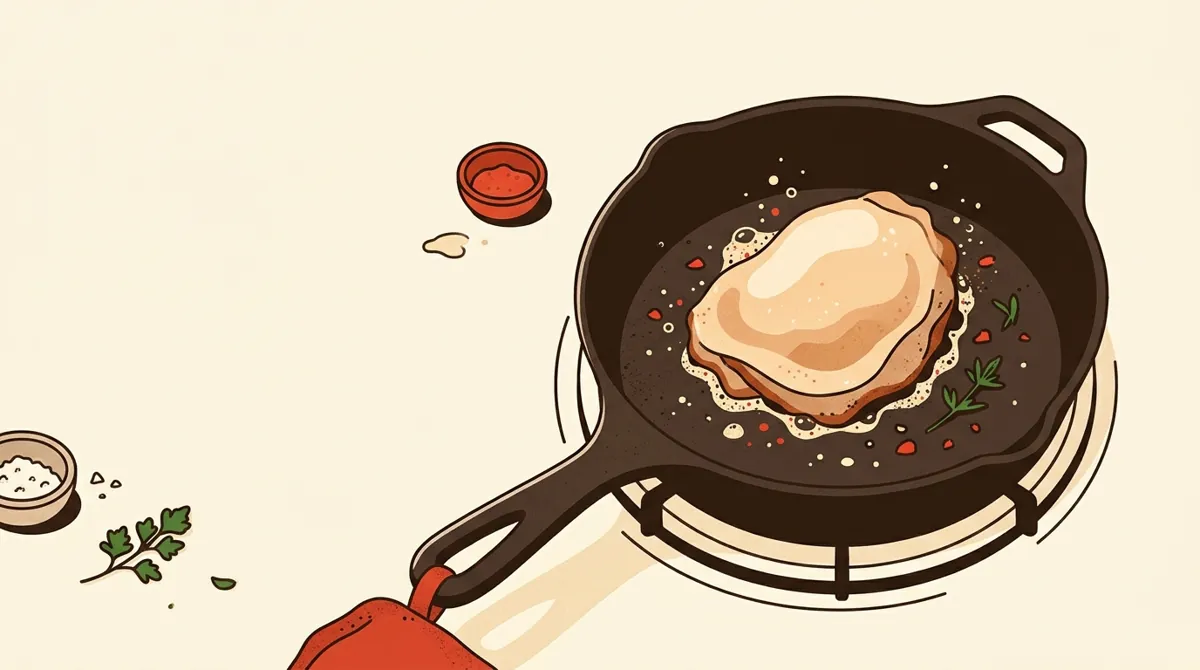
Sear one inexpensive boneless pork chop or chicken thigh in a stainless or cast iron skillet and set it on a plate. Make a half-size sauce: pour off the extra fat, add 1/4 cup of broth off the heat, scrape every browned bit loose, simmer it down by about half, then whisk in 1 1/2 tablespoons of cold butter off the heat. Taste the sauce, then taste the plain pan juice on a spoon to see what the butter added.
💡 Did you know?
Butter is about 80 percent fat and 18 percent water, and melted plain it breaks apart at around 158°F, but whisked bit by bit into a little hot liquid it can stay emulsified up to about 180 to 190°F.
Use it tonight
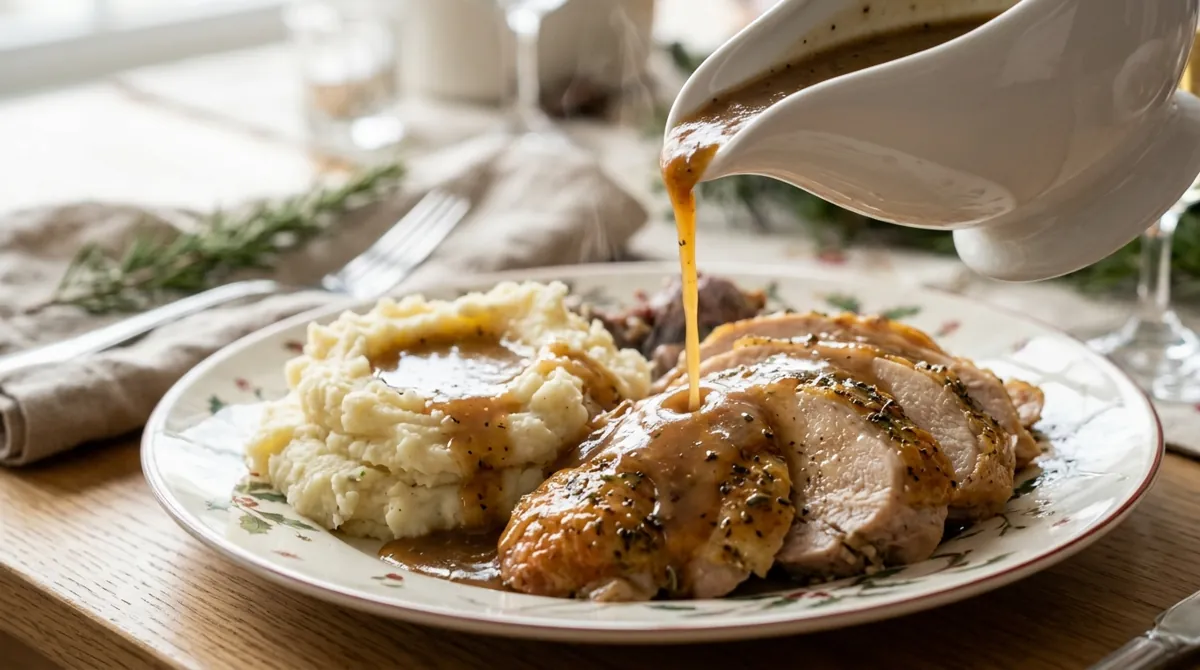
Turkey Giblet Pan Gravy
Real gravy from the bird: a giblet broth made while the turkey roasts, a nutty brown roux, and the roasting pan deglazed with white wine so every browned bit ends up in the sauce.
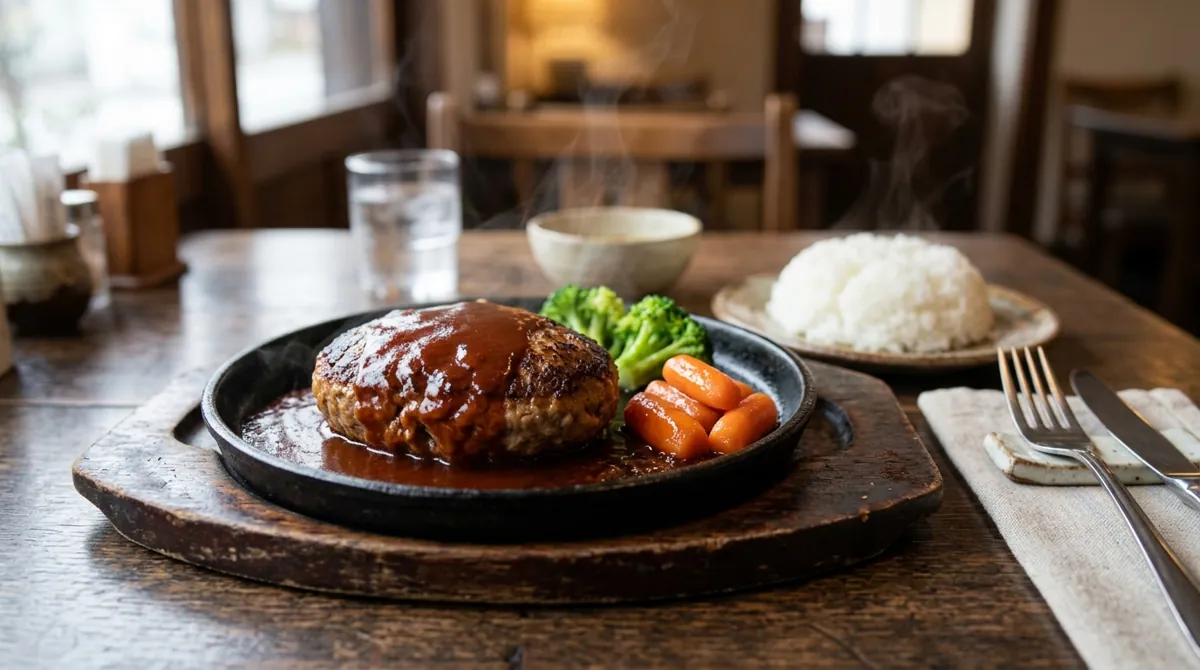
Japanese Hambagu (Hamburg Steak with Red Wine Sauce)
Tender oval patties of beef and pork bound with panko, milk and sautéed onion, steamed in red wine and finished with a glossy pan sauce of butter, ketchup and tonkatsu sauce.
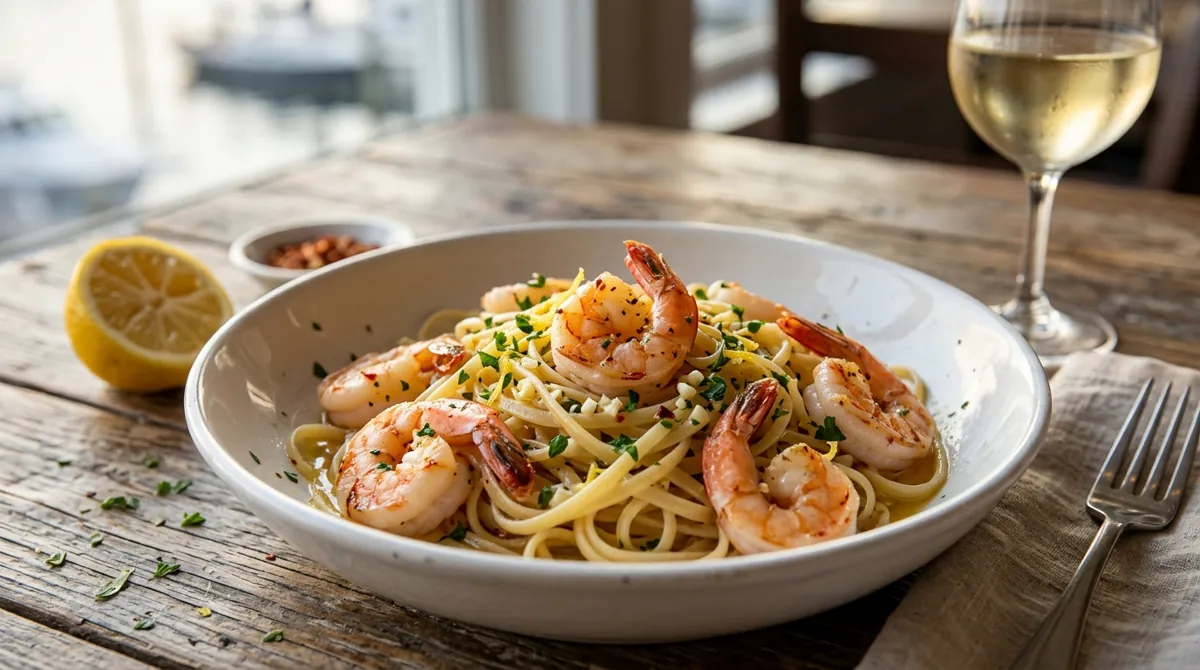
Shrimp Scampi with Linguine
Shrimp quickly brined and seared, then tossed back into linguine with a silky sauce of olive oil, a lot of garlic, chile, dry vermouth, butter and lemon, finished with parsley.
Sources
- Pan Sauces 101 (Cook's Illustrated, America's Test Kitchen)
- White Wine Pan Sauce (America's Test Kitchen)
- Pan Sauces lesson (America's Test Kitchen)
- Deglazing (cooking) (Wikipedia)
- What Is Beurre Monté? (Rouxbe Online Culinary School)
- How to Fix a Broken Sauce (America's Test Kitchen)
- Beurre monté (Wikipedia)
- Beurre Monté Is France's 5-Minute Magic Butter Sauce (America's Test Kitchen)
- Flambéing Safety Note (Rouxbe Online Culinary School)