
Calabaza en Tacha (Mexican Candied Pumpkin in Piloncillo)
Wedges of whole pumpkin, skin and all, simmered for two hours in a dark syrup of piloncillo, cinnamon and orange until they turn deep brown and glossy, the candied pumpkin of Mexico's Day of the Dead.
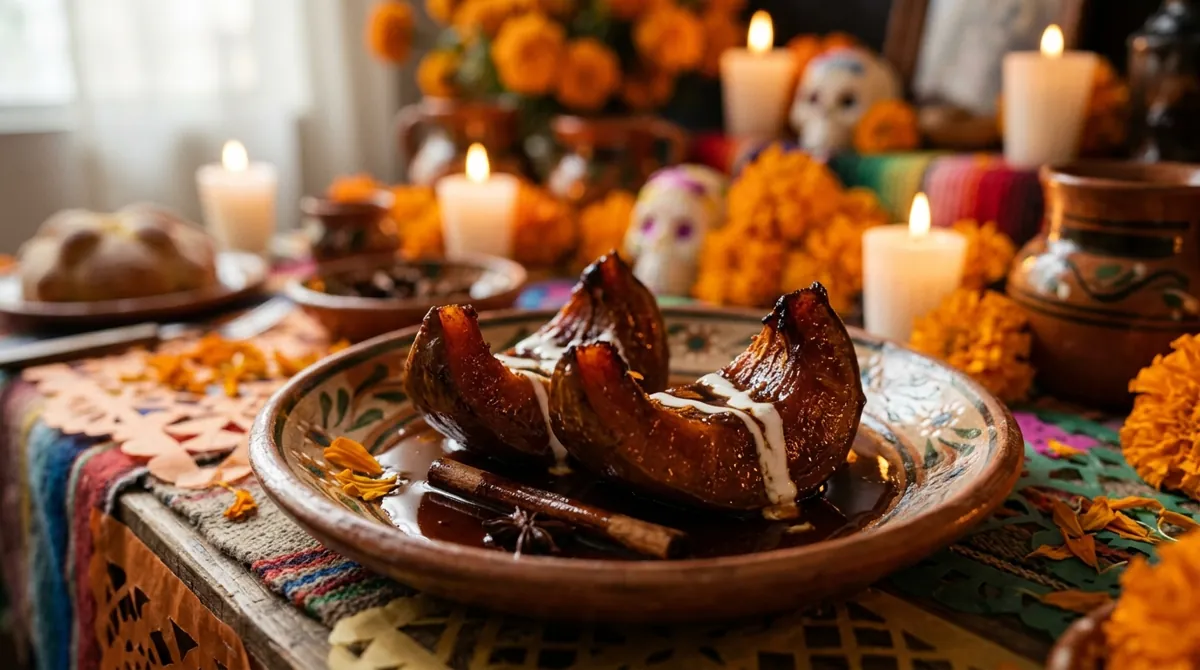
In Mexico, the pumpkin is not baked into a pie. It is candied whole. Piloncillo is unrefined cane sugar pressed into cones. The usual pumpkin is the calabaza de Castilla; Mexico City's Excélsior, citing the Government of Mexico, says it is planted between March and May and the first harvests come around mid-October, just in time for the November altars. The name is said to come from the tacha, the big copper cauldron of the old sugar mills where cane juice was boiled down, but that story comes from food writers rather than documents (see Rules).
Why it works the kitchen science
Skin side down, scored
The skin protects the tender flesh from the hot bottom of the pot while the cuts let the syrup soak in from the outside too.
Lid on, then lid off
The covered hour steams the pumpkin soft in the syrup; the uncovered hour boils off water so the syrup thickens and candies the surface.
Step by step
- Step 1
Put the piloncillo, water, cinnamon stick, orange juice and orange rind in a large, heavy pot wide enough to hold the pumpkin in one or two layers. Bring to a boil over medium-high heat, then lower to medium-low and simmer about 15 minutes, stirring now and then, until the piloncillo has dissolved.
- Step 2
While the syrup simmers, scrub the pumpkin, cut off the stem, and cut it from top to bottom into wedges 1 to 2 inches wide. You can leave the seeds and strings on; Jinich likes them. Score the skin of each wedge a few times with a paring knife so the syrup can get in.
- Step 3
Take the pot off the heat and set the wedges in the syrup skin side down. Bring back to a simmer, cover and cook over medium-low heat for 1 hour, spooning syrup over any pieces that stick out every 15 minutes.
- Step 4
Uncover and simmer 1 hour more, still spooning syrup over the top, until the pumpkin is deep brown, soaked through and very tender.
- Step 5
Turn off the heat and let the pumpkin cool in the pot; it keeps absorbing syrup and the syrup thickens as it cools.
- Step 6
Serve warm, at room temperature or cold, with plenty of syrup. Refrigerate in a covered container for up to about a month (Jinich).
Calabaza en Tacha (Mexican Candied Pumpkin in Piloncillo)
Serves 12 · about 4 quarts of pumpkin pieces in syrup · 2 hr 30 min total
Syrup
- 2 lb piloncillo, broken into chunks (or about 6 cups packed dark brown sugar)
- 3 cups water
- 1 cinnamon stick (Mexican canela), 3 to 4 inches long
- Juice of 1 large orange (1/3 to 1/2 cup), plus the rind
Pumpkin
- 1 small pumpkin, 5 to 6 lb (calabaza de Castilla, or a sugar pumpkin)
Method
- Put the piloncillo, water, cinnamon stick, orange juice and orange rind in a large, heavy pot wide enough to hold the pumpkin in one or two layers. Bring to a boil over medium-high heat, then lower to medium-low and simmer about 15 minutes, stirring now and then, until the piloncillo has dissolved.
- While the syrup simmers, scrub the pumpkin, cut off the stem, and cut it from top to bottom into wedges 1 to 2 inches wide. You can leave the seeds and strings on; Jinich likes them. Score the skin of each wedge a few times with a paring knife so the syrup can get in.
- Take the pot off the heat and set the wedges in the syrup skin side down. Bring back to a simmer, cover and cook over medium-low heat for 1 hour, spooning syrup over any pieces that stick out every 15 minutes.
- Uncover and simmer 1 hour more, still spooning syrup over the top, until the pumpkin is deep brown, soaked through and very tender.
- Turn off the heat and let the pumpkin cool in the pot; it keeps absorbing syrup and the syrup thickens as it cools.
- Serve warm, at room temperature or cold, with plenty of syrup. Refrigerate in a covered container for up to about a month (Jinich).
Adapted from Pati Jinich's "Calabaza en Tacha (Candied Pumpkin in Brown Sugar Syrup)", from "Treasures of the Mexican Table" (Mariner Books), as published by WNYC on November 1, 2021, as written. Her recipe says it makes about 4 cups; with a 5 to 6 lb pumpkin we found that hard to square, so the yield above is our estimate by volume and the serving count of 12 is ours. The orange, cinnamon and piloncillo amounts are hers. WNYC. Ingredient list follows the source; the method is in our own words.
All sources (3)
Tips
- Jinich serves it cold with crema or crème fraîche, with ricotta, over vanilla ice cream or with yogurt.
- The seeds and strings turn crunchy and sweet in the syrup; the candied orange rind is the cook's treat (Jinich).
- Piloncillo makes the flavor more intense; dark brown sugar works (Jinich).
- Many cooks add whole cloves or star anise to the syrup, and some add guavas or pieces of sugarcane (Excélsior's traditional version).
The rules people argue about
What the sources agree on, what they don't, and what is just a good story.
- The name comes from the tacha, a sugar-mill cauldron. Folklore: repeated by food writers (Tasting Table: recipe sites), but we found no historical document behind it.
- It goes back to pre-Hispanic offerings sweetened with maguey sap. Disputed: some food writers say so; others describe it as a colonial dish that needed cane sugar, which arrived with the Spanish.
- Calabaza de Castilla is named after Queen Isabella of Castile. Folklore: a popular story repeated in a UNAM recipe sheet as a common attribution, not documented.
- It is a Day of the Dead food. Documented (Pati Jinich via WNYC; Excélsior).
- Piloncillo beats brown sugar. Folklore: Jinich says piloncillo is more intense but brown sugar works.
Every other pumpkin dessert
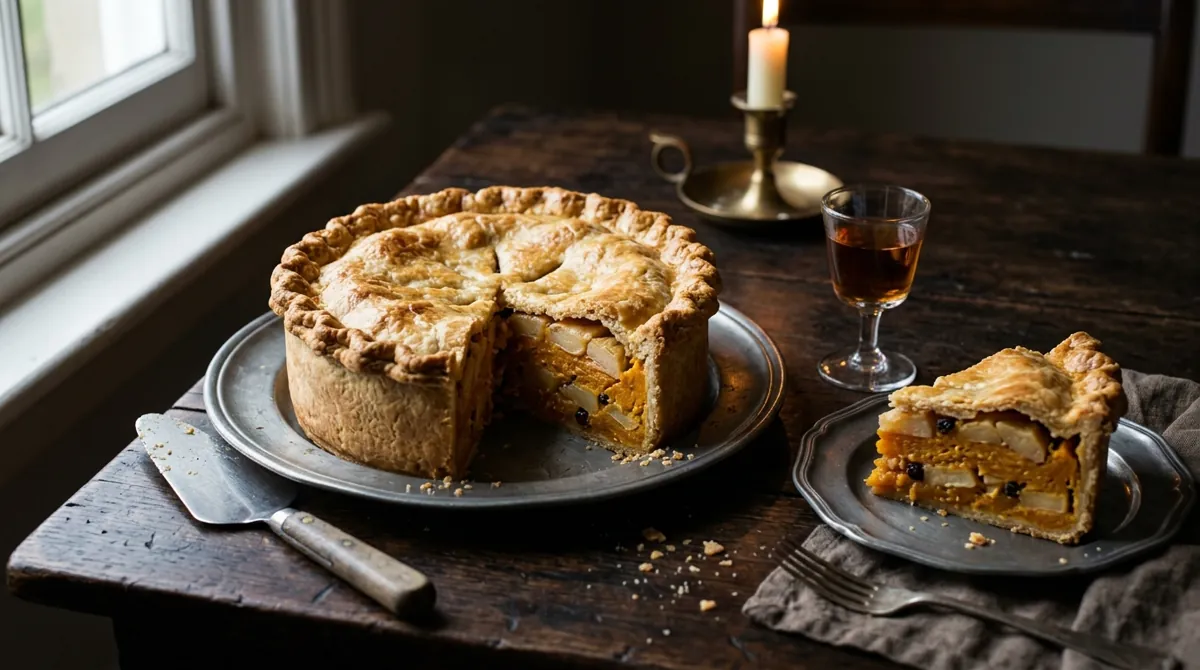
Pumpion Pie (Hannah Woolley's 17th-Century English Pumpkin Pie)
Before the custard there was this: slices of squash browned in butter and baked under a pastry lid with tart apples, raisins, currants, sugar, spice and a splash of sherry, adapted from a 1670s English recipe.
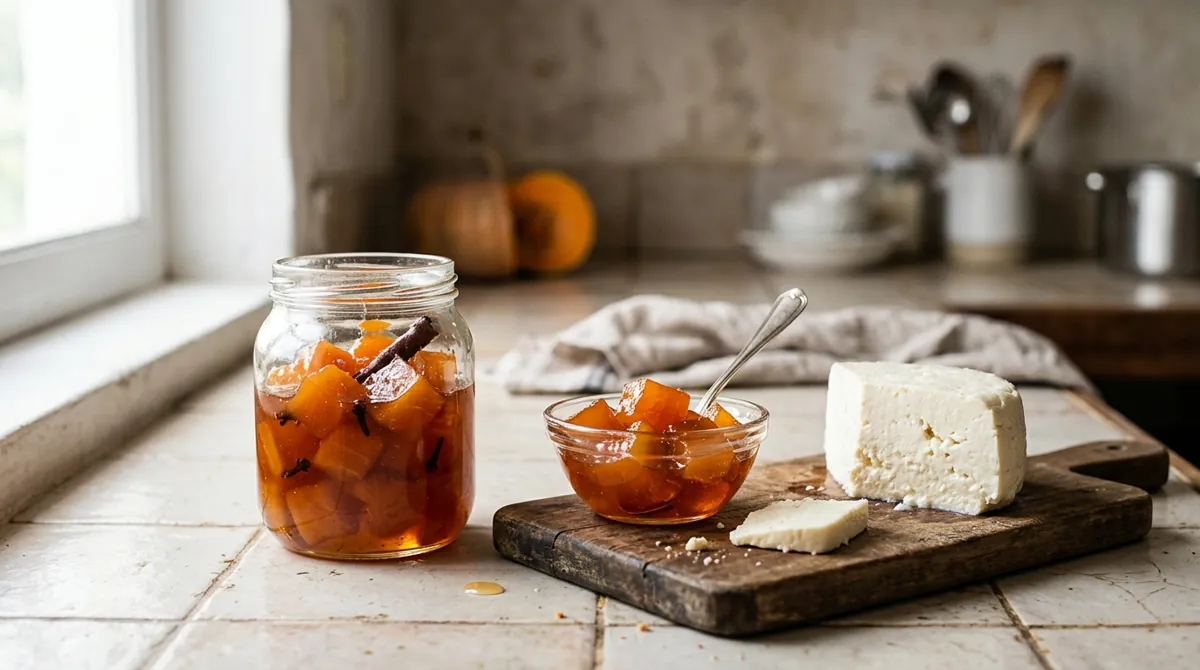
Doce de Abóbora em Calda (Brazilian Pumpkin Cubes in Syrup)
Neat cubes of pumpkin soaked briefly in limewater, then simmered for two hours in a light sugar syrup and left to steep overnight, so they turn glassy and sweet while staying firm, the Brazilian way.
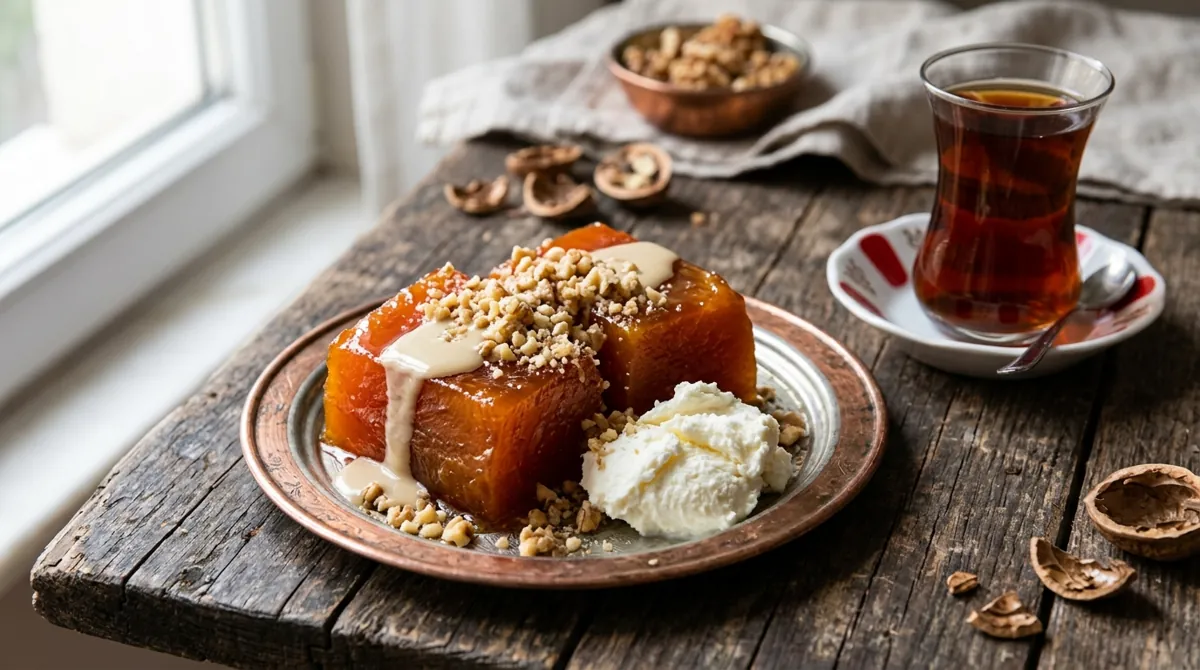
Kabak Tatlısı (Turkish Candied Pumpkin with Tahini and Walnuts)
Thick blocks of pumpkin layered with sugar and left overnight to make their own syrup, then baked until candied and served cool with crushed walnuts and a drizzle of tahini, no water added.
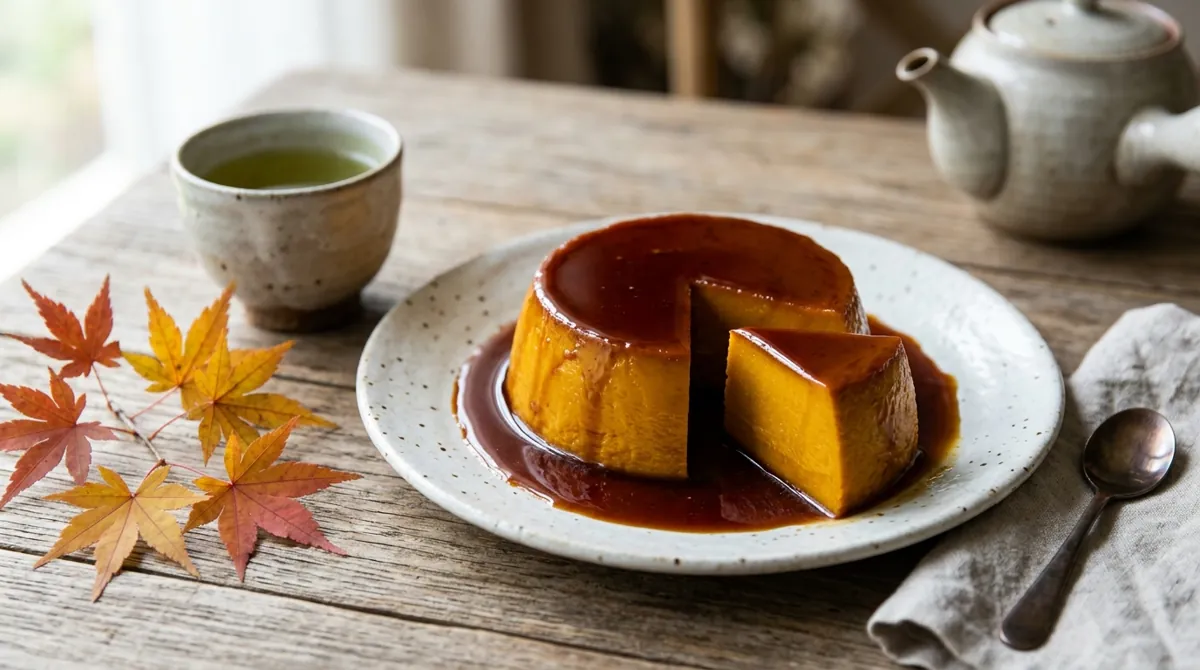
Kabocha Purin (Japanese Kabocha Pudding with Caramel)
Japan's custard pudding made with sieved kabocha squash, baked in a water bath over dark caramel, chilled and turned out so the caramel runs down the sides.
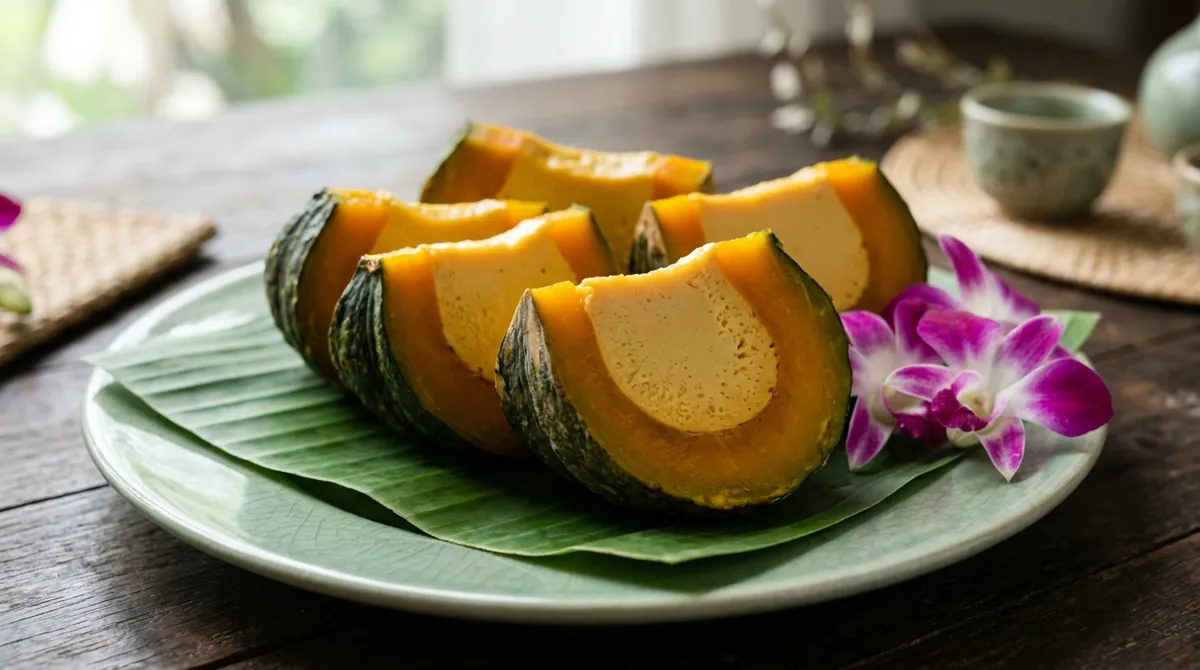
Sangkhaya Fak Thong (Thai Coconut Custard Steamed in a Whole Squash)
A small kabocha hollowed out, filled with coconut cream, palm sugar and egg custard scented with pandan, steamed until set, chilled and cut into wedges that show a yellow custard heart in an orange shell.
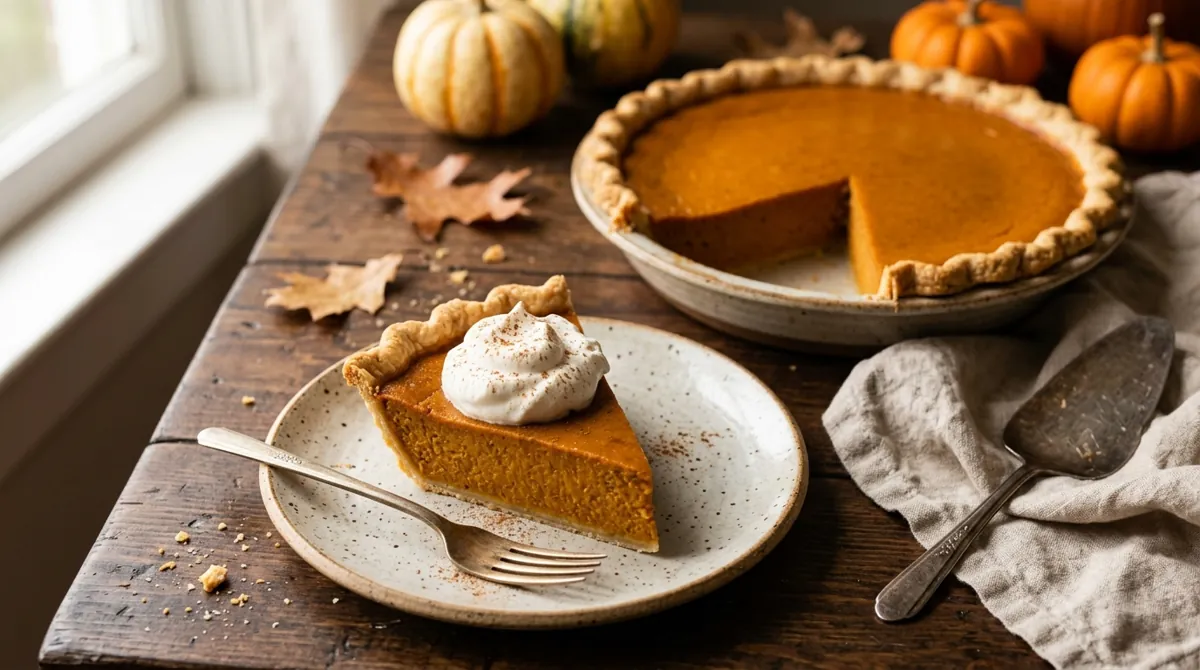
Classic American Pumpkin Pie
The Thanksgiving pie: a smooth custard of pumpkin puree, eggs, heavy cream, sugar, cinnamon, ginger and nutmeg in a par-baked all-butter crust, pulled from the oven while the center still wobbles.
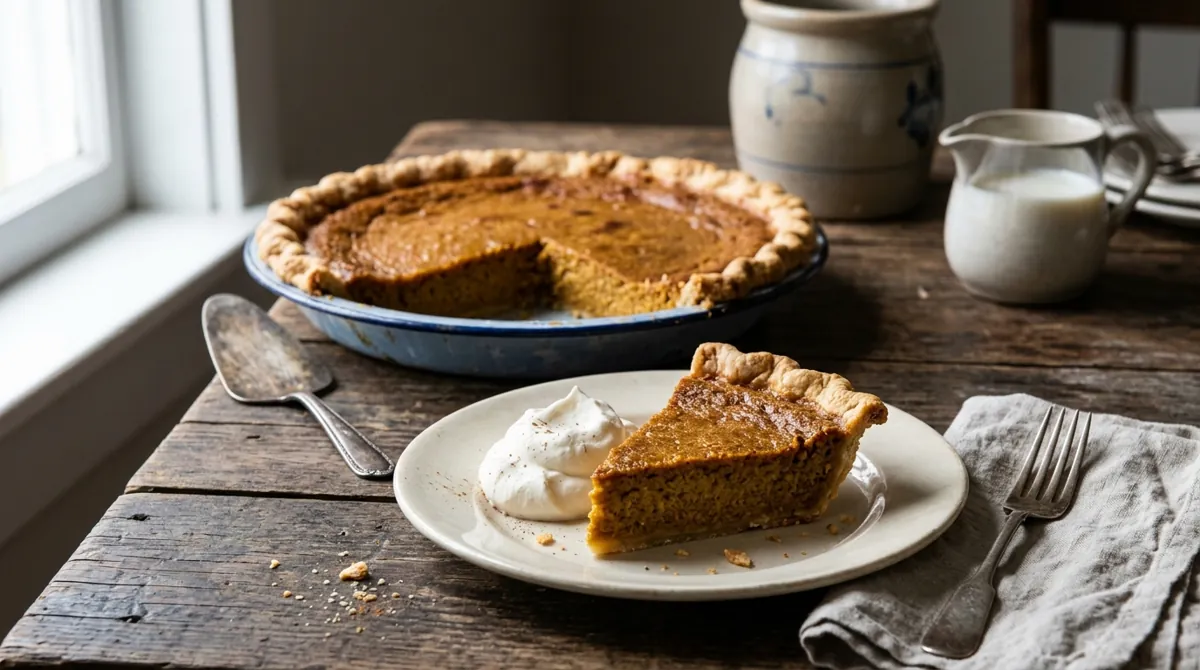
New England Squash Pie (Lydia Maria Child, 1832)
The old Yankee custard pie made with roasted winter squash instead of pumpkin, cooked with milk, sweetened with molasses and a little sugar, spiced with plenty of cinnamon and ginger, and baked in an open crust.
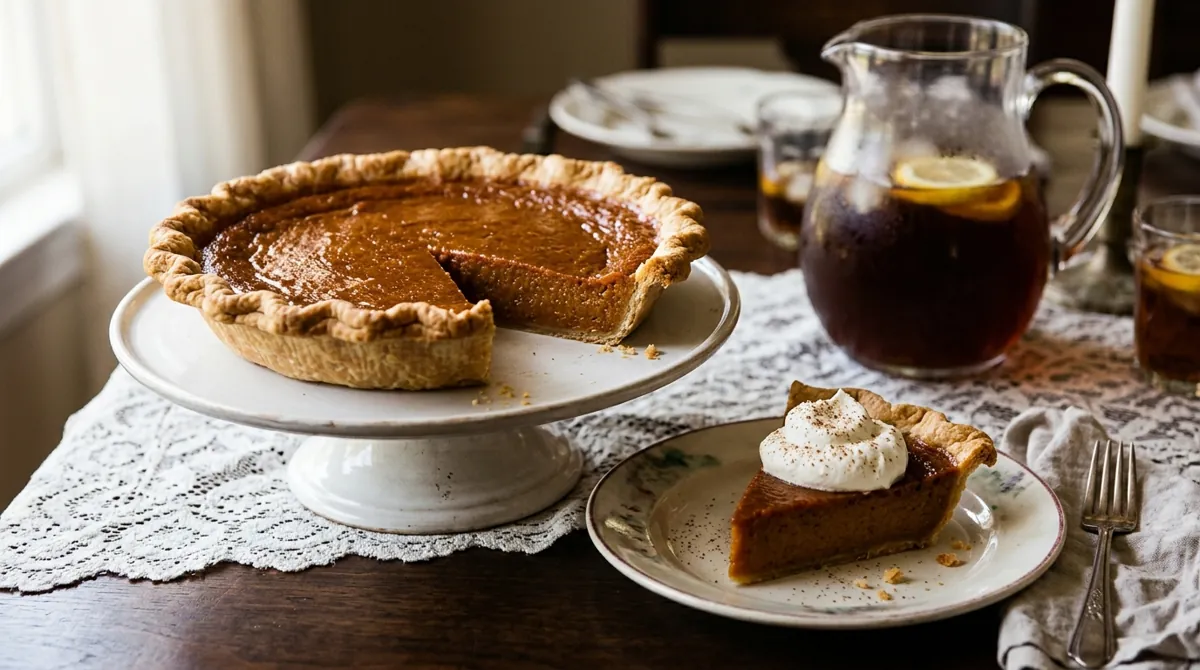
Southern Sweet Potato Pie
Silky sweet potato custard made with brown sugar, butter, sour cream, extra yolks, cinnamon, nutmeg and an optional splash of bourbon, baked in a crust lined with a thin layer of caramelized brown sugar.
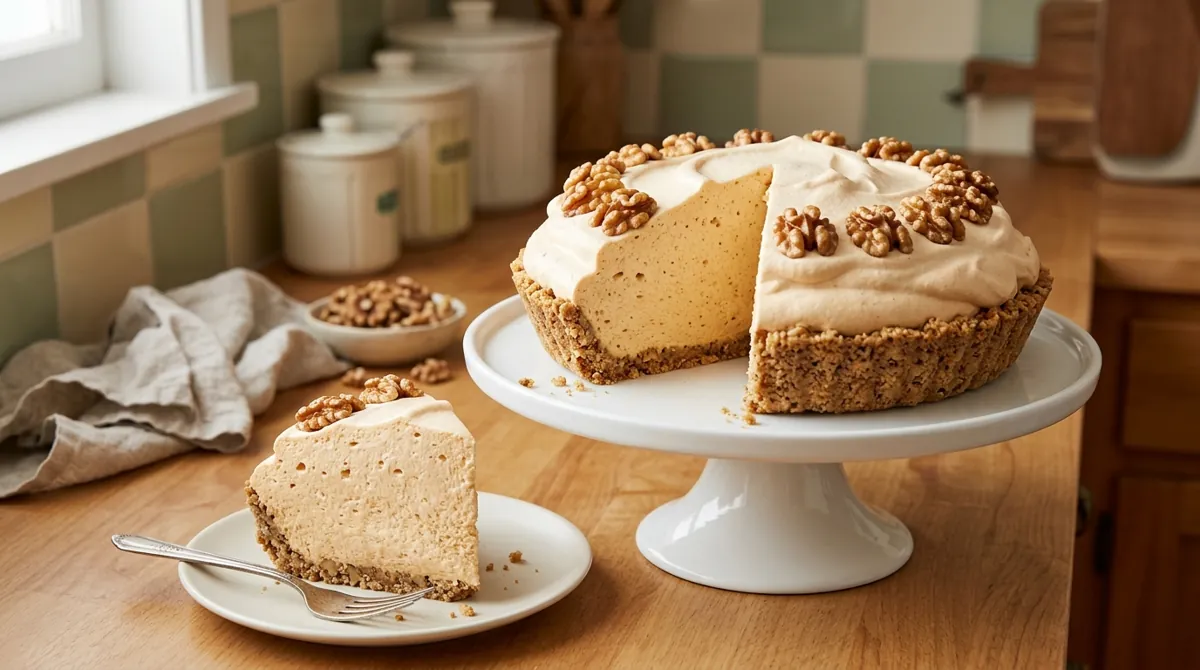
Pumpkin Chiffon Pie
All the spice of pumpkin pie in a light, mousse-like filling: a cooked pumpkin custard set with gelatin and folded with whipped cream, piled into a toasted walnut and graham cracker crust and chilled, no baking of the filling.
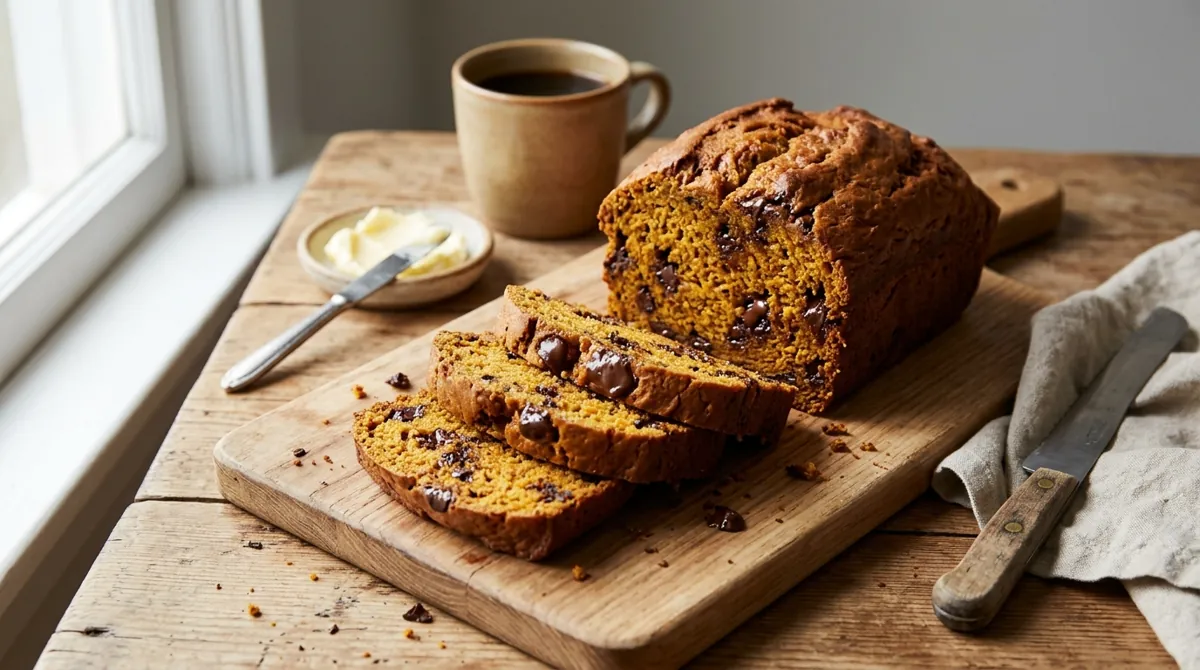
Pumpkin Bread (Chocolate Chip Quick Bread)
King Arthur's super-moist oil-based pumpkin quick bread, made with canned pumpkin, nutmeg and vanilla, studded with chocolate chips and baked in one loaf pan.
Crustless Pumpkin Pie Cups
Classic pumpkin pie filling baked without the crust in six ramekins in a water bath, so it is in the oven in 10 minutes and ready in about 45, with the silky texture of the pie and none of the rolling.
Spiced Pumpkin Loaf with Pepitas, Inspired by Starbucks
A tender, heavily spiced pumpkin loaf sweetened with sugar and honey, scented with cinnamon, nutmeg, cloves and ginger and topped with crunchy pepitas, in the style of the coffee-shop pumpkin loaf. Inspired by, not official.
Meatballs of the World

Italian-American Meatballs
Big, tender meatballs braised for an hour in red sauce over spaghetti. The one most Americans grew up with.

Pallottine (Abruzzo Meatballs)
Tiny meatballs, smaller than a marble, tossed right through square spaghetti alla chitarra. No bread at all.

Swedish Meatballs (Köttbullar)
Small, soft meatballs browned in butter, in a cream sauce made from the same pan, with lingonberry jam on the plate.

Danish Frikadeller
Pork meatballs shaped with a spoon and fried slowly in butter, crusty outside and soft in the middle.

Königsberger Klopse
German meatballs that are never fried: poached, then served in a creamy white sauce with capers.

Spanish Albóndigas in Almond Saffron Sauce
The tapas bar classic: small meatballs in a golden sauce thickened with fried almonds and bread.

Mexican Albóndigas with Chipotle and Mint
Soft meatballs with rice and fresh mint inside, simmered in a smoky tomato and chipotle broth.

Izgara Köfte (Turkish Grilled Meatballs)
Small, flat meatballs kneaded hard, rested cold, and charred on a hot grill pan.

Lion's Head Meatballs
Big, soft pork meatballs, stirred into a sticky paste, fried to set, then braised in a savory sauce.

Chicken Tsukune
Japan's chicken meatball: kneaded sticky, grilled on skewers, glazed with sweet soy tare, dipped in egg yolk.