
The Dutch Baby (Seattle Oven Pancake)
A blender batter of eggs, milk and flour poured into a skillet of sizzling butter and baked at 425°F until it puffs up high around the edges, served the original way with lemon and powdered sugar.
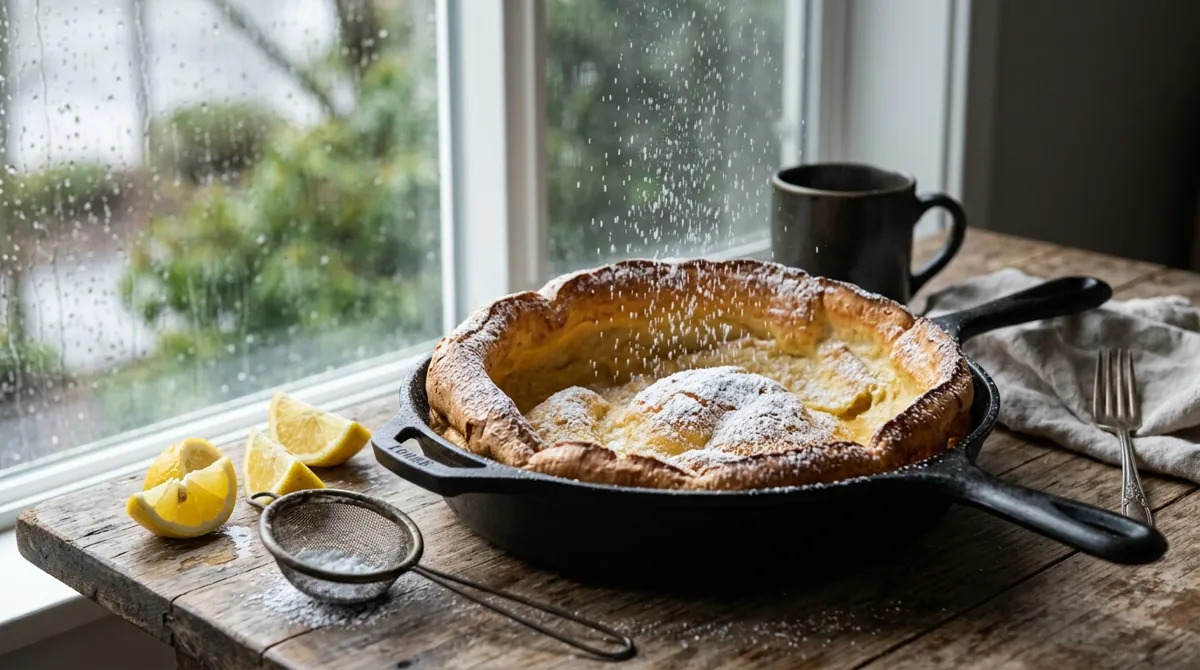
The Dutch baby is a Seattle invention with a German accent. In The Seattle Times, Larry Brown wrote that Dutch babies were created at Manca's cafe in downtown Seattle in 1905 by Victor Manca; the original was a small oven pancake about 6 inches across, served with lemon wedges and powdered sugar, and Sunset magazine printed a version in 1977 that he called "very close" to the family's secret recipe (October 27, 1993:). Jean Godden's 1998 column says the first Manca's opened "before the turn of the century" at First and Cherry and later moved to Second and Columbia; the downtown cafe closed about 30 years before four family members opened a Manca's in Madison Park in 1991, and that one closed in March 1998 when Starbucks bought the space.
Wikipedia, citing a 1960 Sunset article, says Dutch babies were introduced in the first half of the 1900s at Manca's, that the cafe claimed the trademark in 1942, and that, it is said, one of Victor Manca's daughters coined the name, with "Dutch" perhaps her version of "deutsch", German. The idea may come from the German Pfannkuchen, but the dish as we know it is American. Its name is not Dutch, and it is nothing like a Dutch pannenkoek (our Dutch Pannenkoeken with Bacon recipe).
Why it works the kitchen science
A hot pan and hot butter
The batter hits a 425°F skillet and starts setting at once around the edges, while steam from the eggs and milk lifts the middle into the dramatic puff.
Blended eggs
A full minute in the blender beats air into the eggs and makes a very smooth batter, so the pancake rises evenly with no lumps of flour.
Step by step
- Step 1
Put a 10-inch cast-iron or other ovenproof skillet in the oven and heat the oven to 425°F. When it reaches temperature, add the butter to the hot skillet and return it to the oven about 5 minutes, until melted and foaming but not browned.
- Step 2
While the butter melts, blend the eggs on high about 1 minute, until light and pale yellow.
- Step 3
With the motor running, pour in the milk, then add the flour, and blend 30 seconds more.
- Step 4
Pull out the skillet, swirl the butter to coat the sides, and pour the batter straight into the middle of the hot butter.
- Step 5
Bake 20 to 25 minutes, until puffed high around the edges and well browned. Keep the oven door closed for at least the first 15 minutes.
- Step 6
Bring it to the table right away (it starts to fall within a minute), squeeze lemon over it and shake on the powdered sugar. Cut into wedges.
The Dutch Baby (Seattle Oven Pancake)
Serves 2 · one 10-inch pancake · 40 min total
Pan
- 1/4 cup (4 tbsp) butter
Batter
- 3 large eggs, at room temperature
- 3/4 cup whole milk, at room temperature
- 3/4 cup all-purpose flour
To serve
- 2 tbsp powdered sugar
- 1 lemon, cut into wedges
Method
- Put a 10-inch cast-iron or other ovenproof skillet in the oven and heat the oven to 425°F. When it reaches temperature, add the butter to the hot skillet and return it to the oven about 5 minutes, until melted and foaming but not browned.
- While the butter melts, blend the eggs on high about 1 minute, until light and pale yellow.
- With the motor running, pour in the milk, then add the flour, and blend 30 seconds more.
- Pull out the skillet, swirl the butter to coat the sides, and pour the batter straight into the middle of the hot butter.
- Bake 20 to 25 minutes, until puffed high around the edges and well browned. Keep the oven door closed for at least the first 15 minutes.
- Bring it to the table right away (it starts to fall within a minute), squeeze lemon over it and shake on the powdered sugar. Cut into wedges.
Adapted from Larry Brown, "Tailor This Dish To Appetite Level", The Seattle Times (October 27, 1993). We use his chart's row for a 2- to 3-quart pan (1/4 cup butter, 3 eggs, 3/4 cup milk, 3/4 cup flour), his 425°F oven, his blender method and his 15 to 25 minute bake; a 10-inch skillet holds about that much. Lemon and powdered sugar are the original Manca's toppings he describes. The serving count and the 5-minute butter melt are ours. archive.seattletimes.com. Ingredient list follows the source; the method is in our own words.
Tips
- Scale it with Brown's chart: 1 egg, 1/4 cup milk, 1/4 cup flour and 1 tbsp butter in a 3-cup dish for one; 6 eggs, 1 1/2 cups milk, 1 1/2 cups flour and 1/2 cup butter in a 4 1/2- to 5-quart pan for a crowd.
- Room-temperature eggs and milk help it puff higher.
- Beyond lemon: sautéed apples, berries or maple syrup all work.
The rules people argue about
What the sources agree on, what they don't, and what is just a good story.
- The Dutch baby was invented in 1905. Disputed: The Seattle Times (1993) says 1905; The Seattle Times (1998) says the cafe opened before 1900; Wikipedia, citing Sunset (1960), says the first half of the 1900s.
- Victor Manca's daughter named it. Folklore: Wikipedia says "it is said"; no source we opened names her.
- It's a Dutch dish. Documented as not so: Wikipedia says the idea may come from the German Pfannkuchen and the current form began in the US.
- Manca's trademarked the name. Disputed: Wikipedia says the cafe claimed the trademark in 1942; an Everett Herald column quoted in search results says the family has a trademark dated January 11, 1956.
- Never open the oven door. Folklore: common advice for puffed dishes; Brown's article doesn't say it.
- Use a blender. Documented (Brown).
Every other pancake and French toast
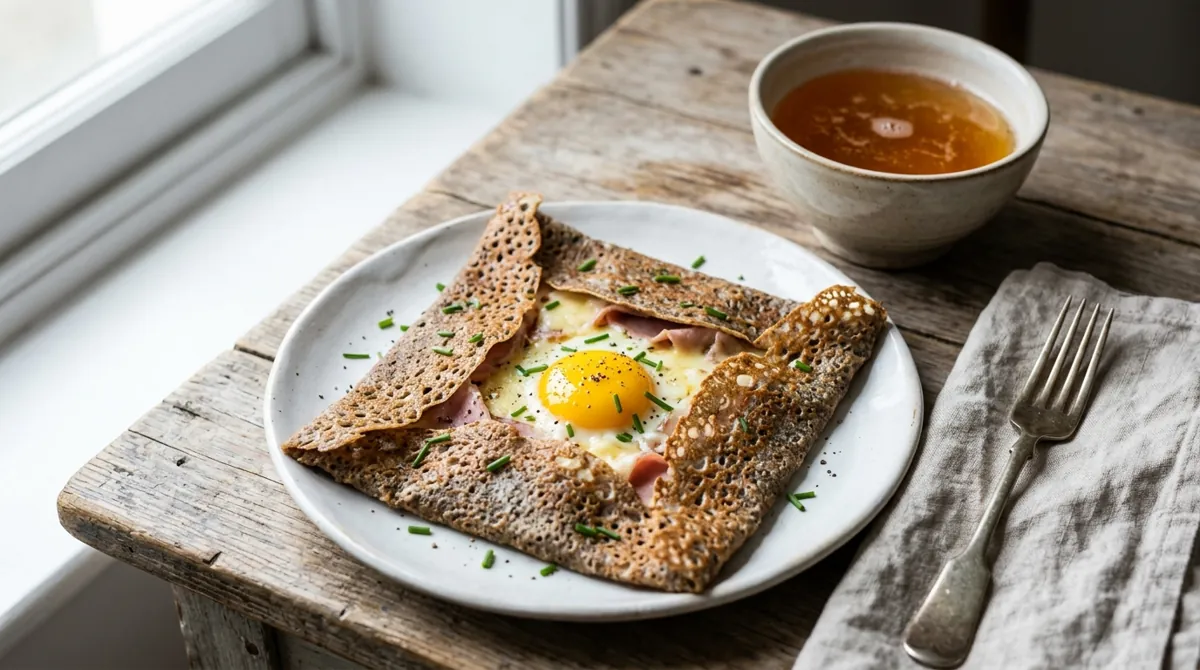
Breton Buckwheat Galette Complète
A thin, lacy buckwheat crêpe from Brittany, filled in the pan with Swiss cheese, ham and an egg, then folded into a square around the yolk.
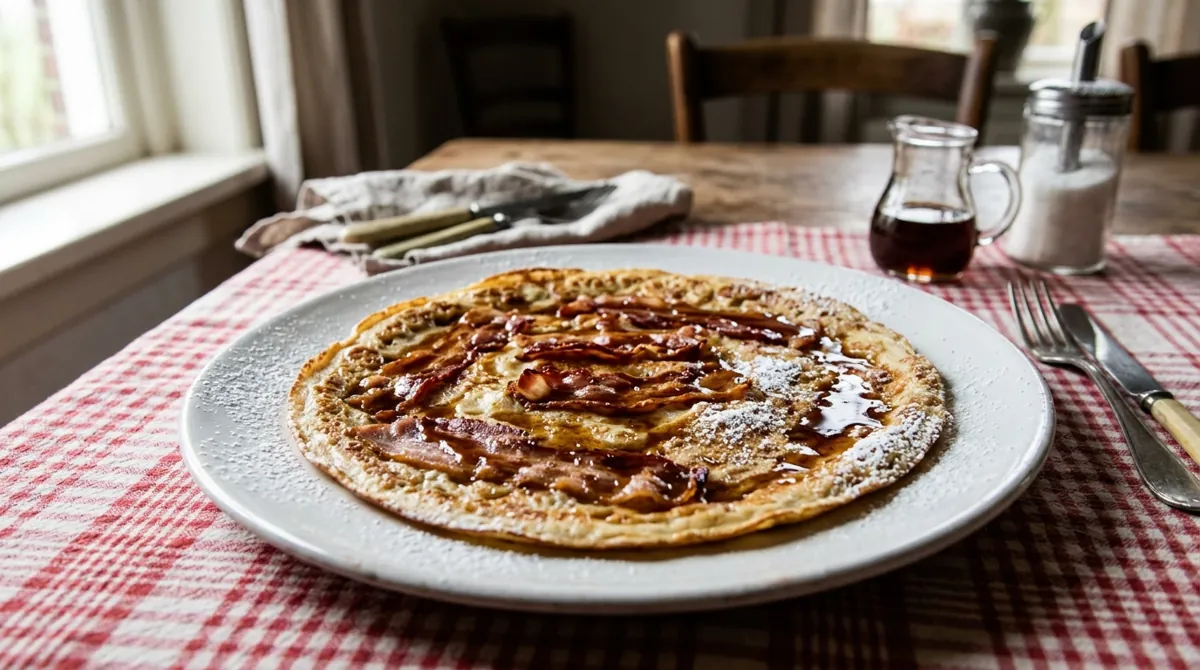
Dutch Pannenkoeken with Bacon (Spekpannenkoeken)
Plate-size Dutch pancakes, thinner than an American pancake and thicker than a crêpe, with strips of bacon baked right into the batter and dark syrup poured on top.
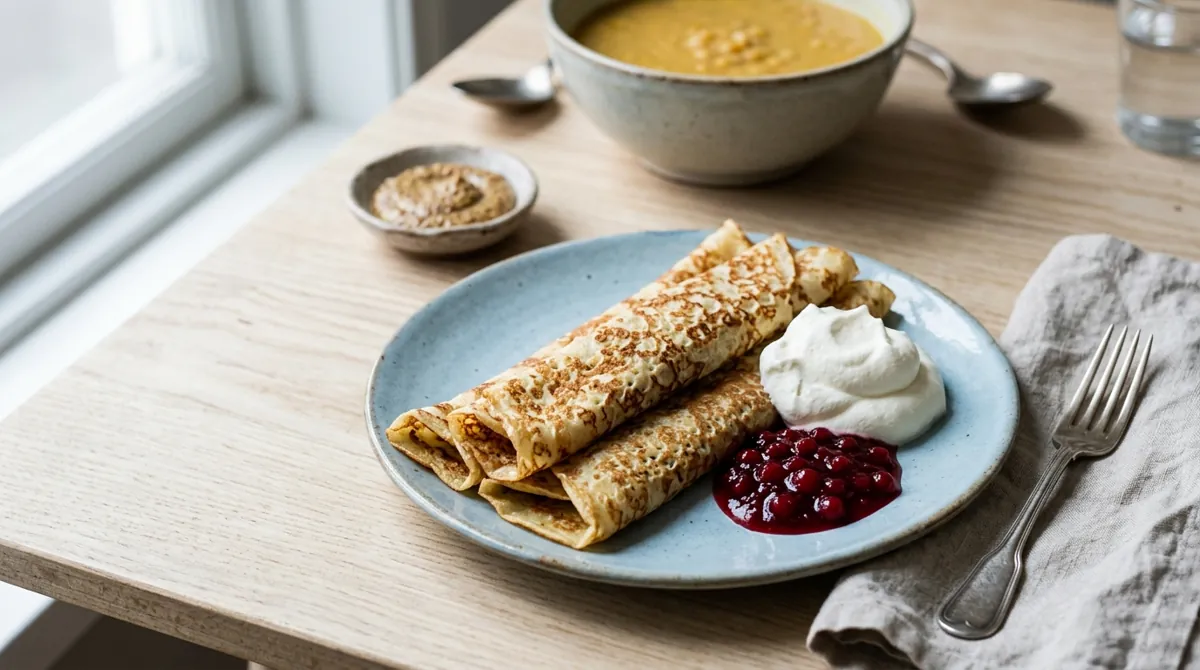
Swedish Pancakes (Pannkakor) with Lingonberry Jam and Cream
Thin, crisp-edged Swedish pancakes made from a simple milk, egg and flour batter, rolled or folded and served with lingonberry jam and whipped cream, Thursday-style.
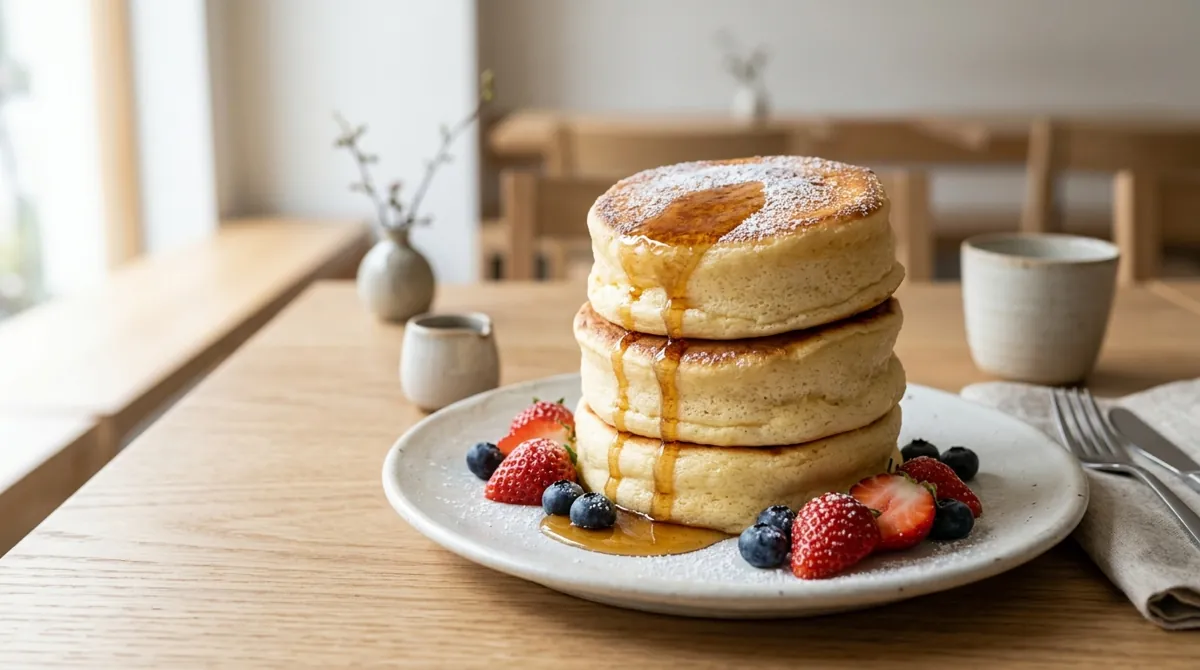
Japanese Soufflé Pancakes
Tall, wobbling pancakes made by folding a stiff meringue into a light yolk batter, then cooking them low and slow under a lid with a splash of water for steam.
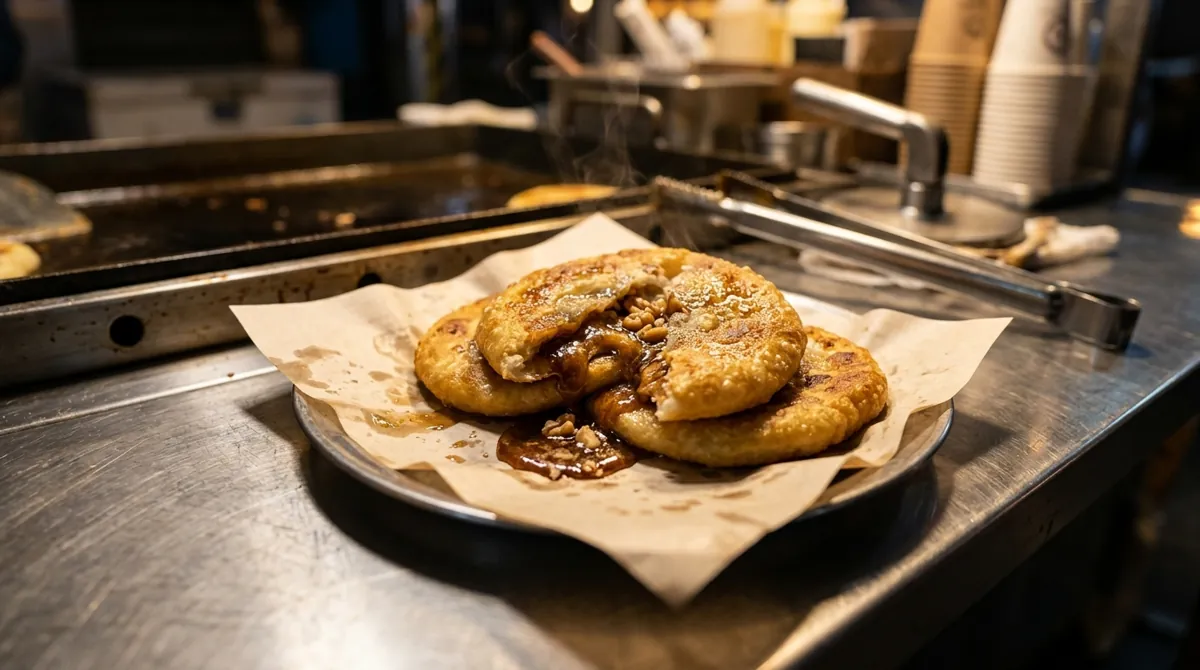
Korean Hotteok (Sweet Filled Pancakes)
A chewy yeasted dough made with sweet rice flour, wrapped around brown sugar, cinnamon and walnuts and pressed flat in an oiled pan until the filling melts into syrup.
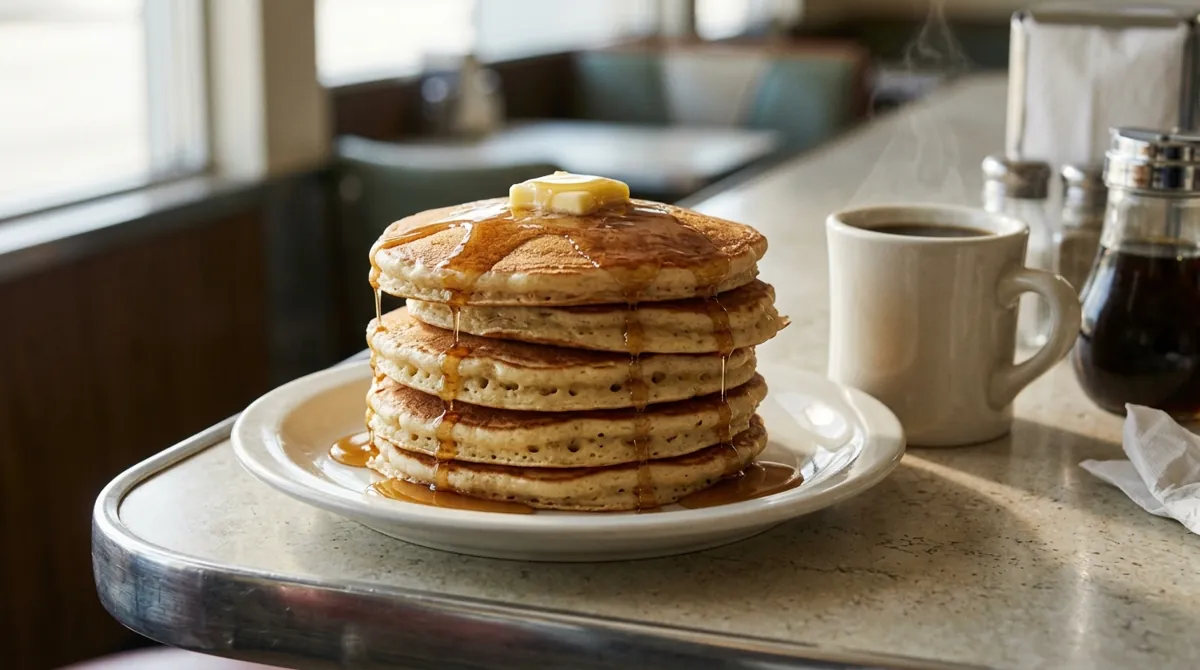
American Buttermilk Pancakes (The Diner Stack)
Fluffy, tangy buttermilk pancakes leavened with baking powder and baking soda, rested so the batter thickens, griddled at 350°F and stacked high with butter and maple syrup.
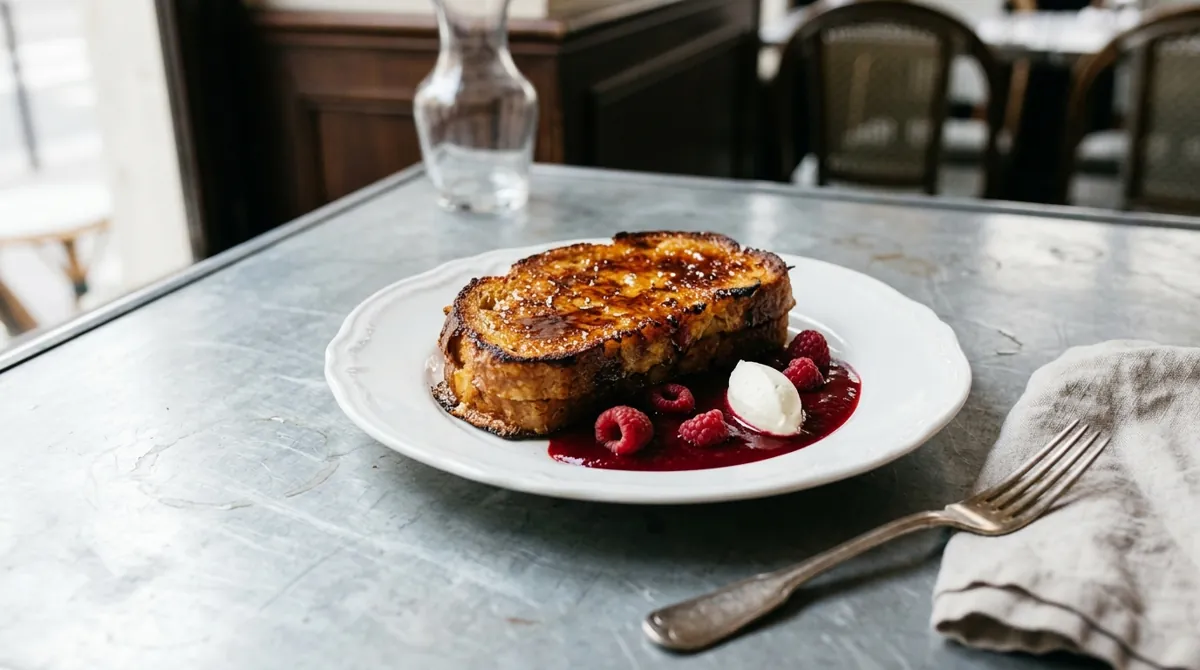
Pain Perdu (French "Lost Bread")
Thick slices of day-old brioche soaked in vanilla milk, eggs and sugar, browned in butter, then sugared and finished in a hot oven until the tops caramelize, served as a dessert the French way.
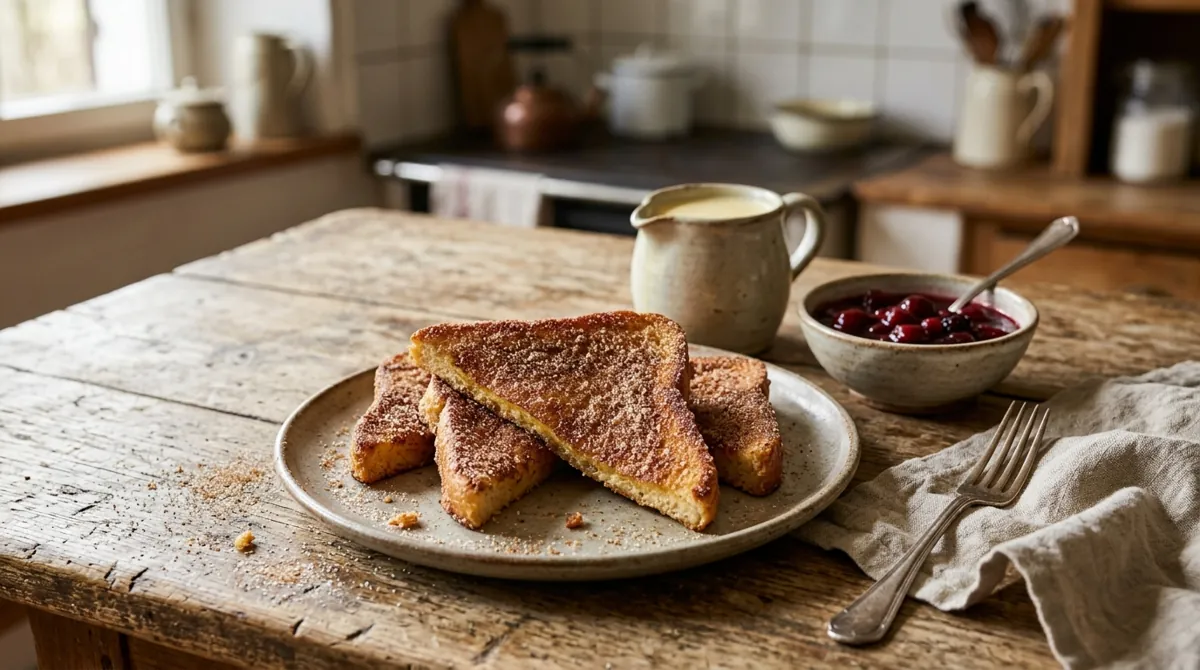
Arme Ritter (German "Poor Knights")
Day-old kaiser rolls halved, soaked in sweet egg milk, fried golden in clarified butter and rolled in cinnamon sugar, Germany's frugal French toast.
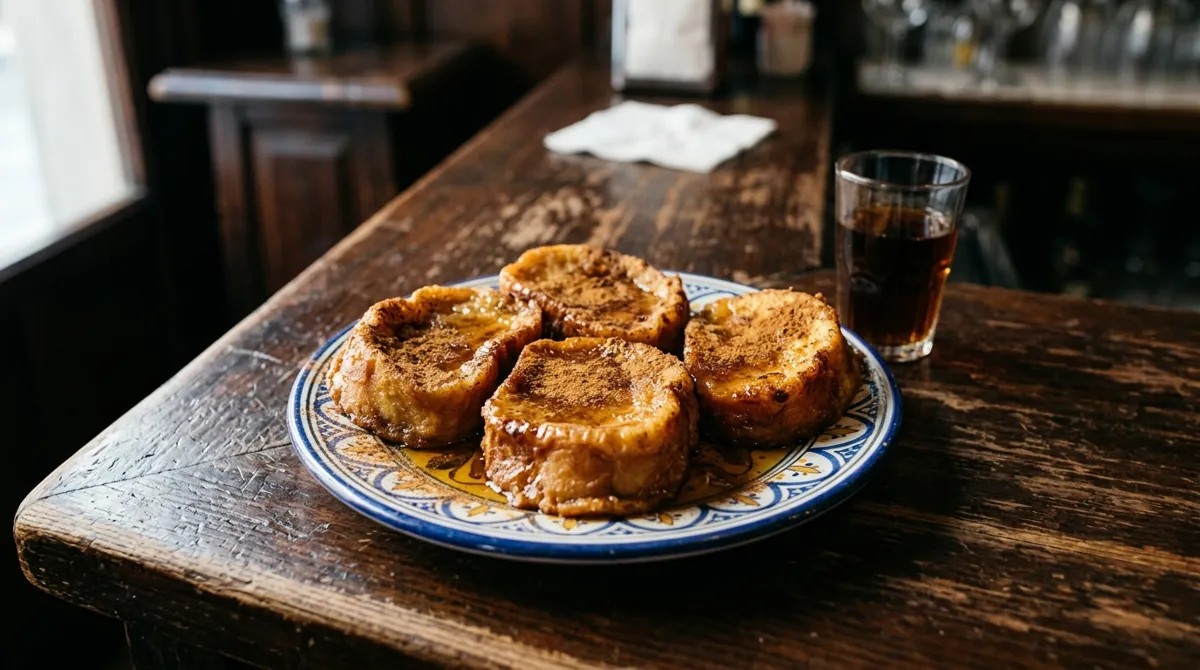
Torrijas (Madrid Holy Week French Toast)
Thick slices of day-old bread soaked in milk steeped with cinnamon and lemon peel, dipped in egg, fried in olive oil and drizzled with honey, the Lent and Holy Week sweet of Madrid.
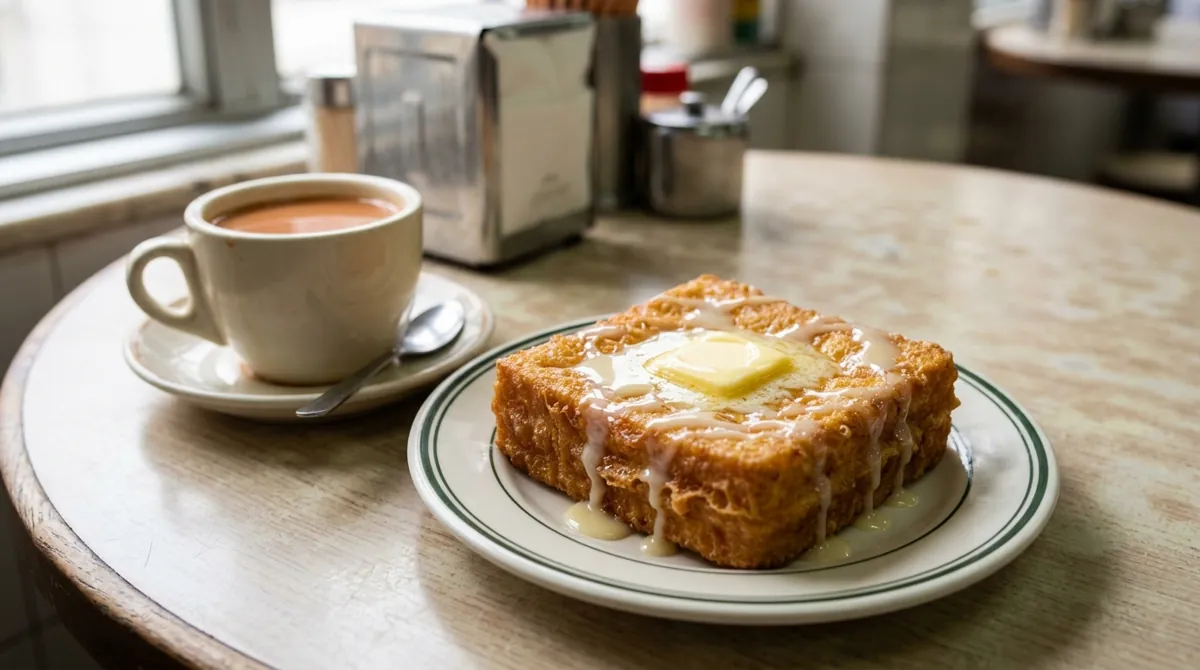
Hong Kong French Toast (Sai Do Si)
Thick white bread stuffed with peanut butter, dipped in egg and deep-fried until crunchy, then topped with a pat of butter and a drizzle of condensed milk, cha chaan teng style.
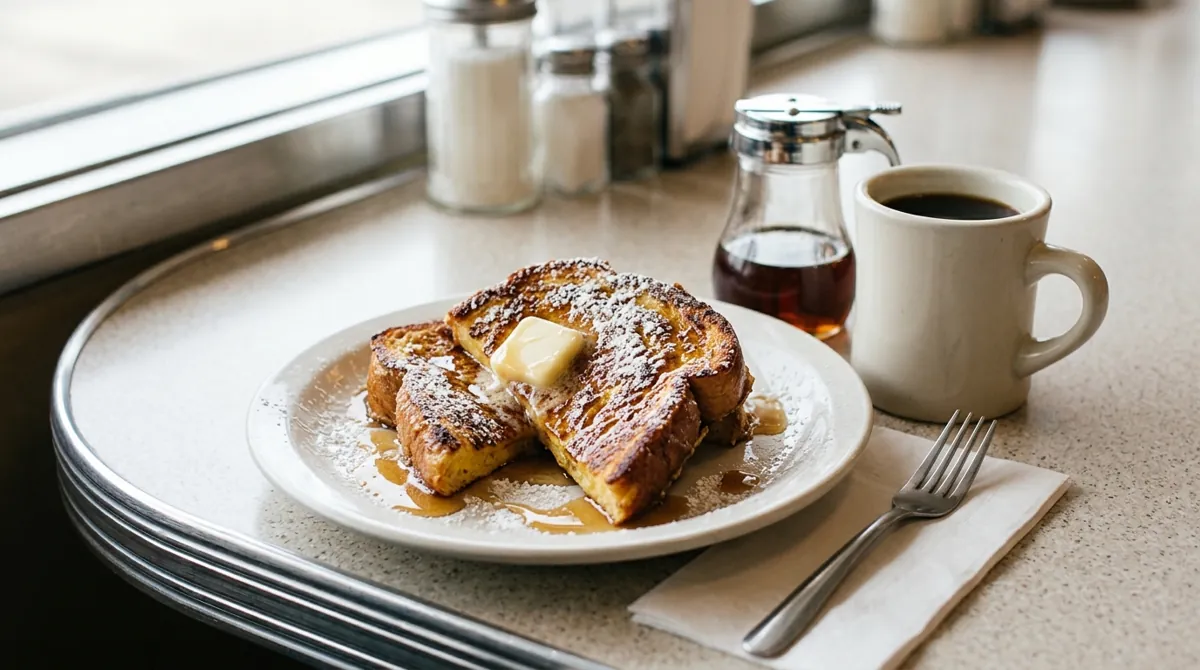
American Diner French Toast
Day-old challah dipped in a light vanilla batter with a little flour, browned in butter in a cast-iron skillet, and served the American way with butter, powdered sugar and maple syrup.
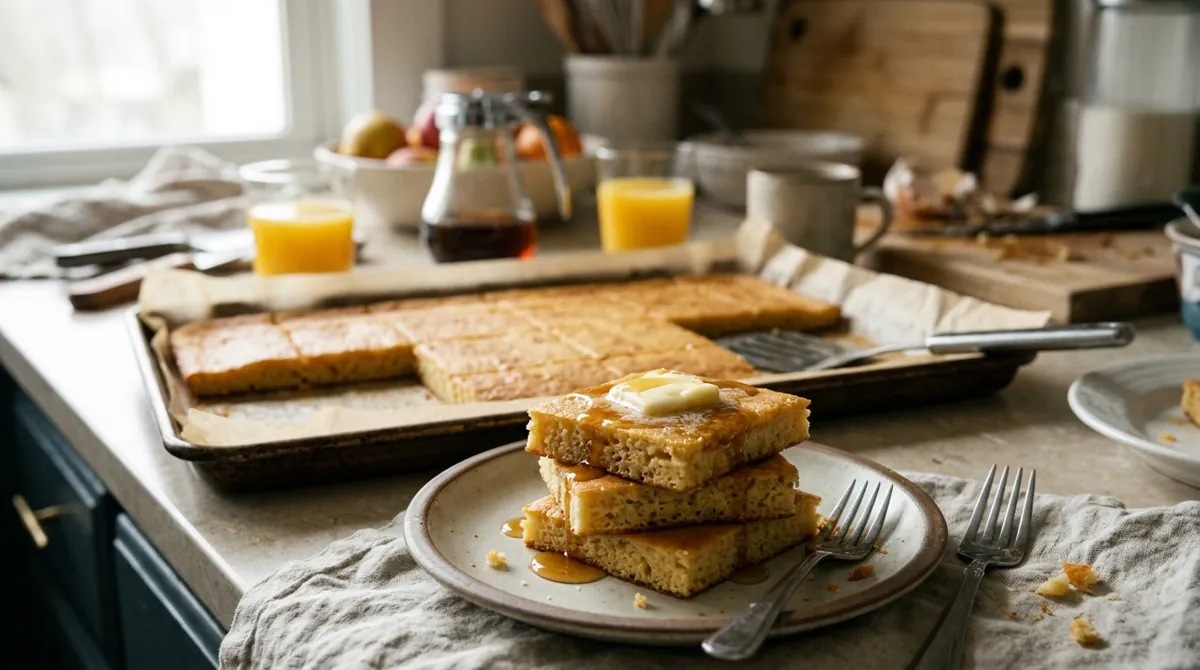
Sheet-Pan Pancakes
One big buttermilk-style pancake batter spread in a sheet pan and baked at 375°F for about 20 minutes, then cut into squares so everyone eats hot pancakes at the same time.
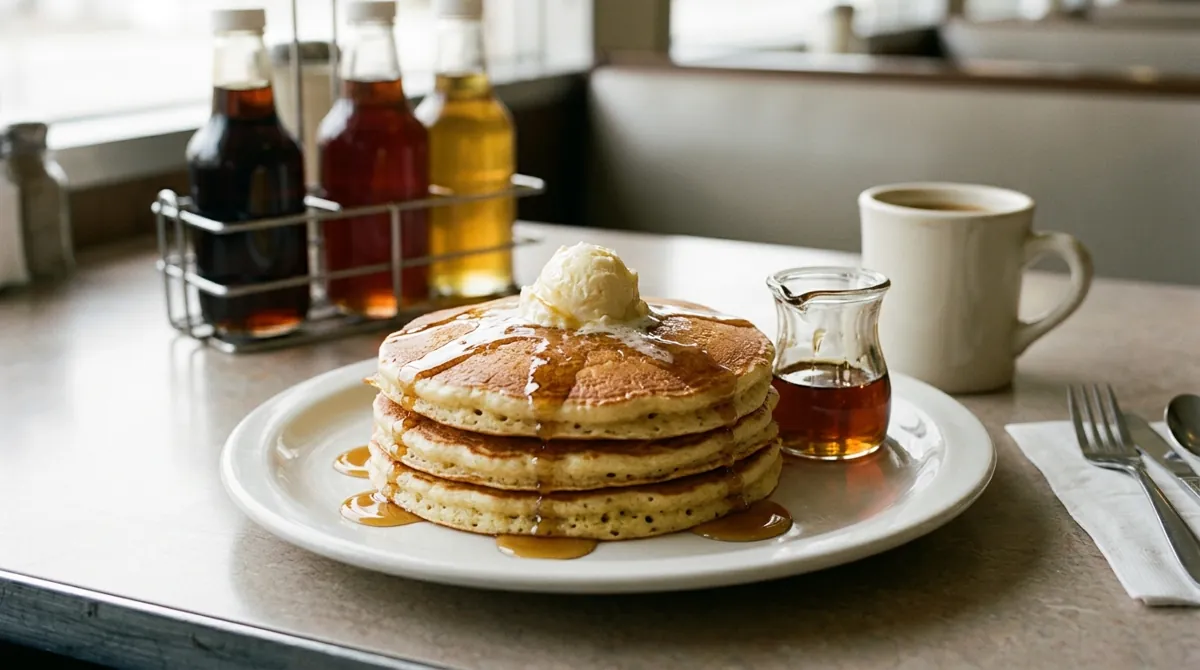
Diner-Style Buttermilk Pancakes, Inspired by IHOP
A blender batter of buttermilk, oil and a little sugar, raised with baking soda alone, griddled into tender 5-inch pancakes in the style of the all-day pancake house. Inspired by, not official.
Meatballs of the World

Italian-American Meatballs
Big, tender meatballs braised for an hour in red sauce over spaghetti. The one most Americans grew up with.

Pallottine (Abruzzo Meatballs)
Tiny meatballs, smaller than a marble, tossed right through square spaghetti alla chitarra. No bread at all.

Swedish Meatballs (Köttbullar)
Small, soft meatballs browned in butter, in a cream sauce made from the same pan, with lingonberry jam on the plate.

Danish Frikadeller
Pork meatballs shaped with a spoon and fried slowly in butter, crusty outside and soft in the middle.

Königsberger Klopse
German meatballs that are never fried: poached, then served in a creamy white sauce with capers.

Spanish Albóndigas in Almond Saffron Sauce
The tapas bar classic: small meatballs in a golden sauce thickened with fried almonds and bread.

Mexican Albóndigas with Chipotle and Mint
Soft meatballs with rice and fresh mint inside, simmered in a smoky tomato and chipotle broth.

Izgara Köfte (Turkish Grilled Meatballs)
Small, flat meatballs kneaded hard, rested cold, and charred on a hot grill pan.

Lion's Head Meatballs
Big, soft pork meatballs, stirred into a sticky paste, fried to set, then braised in a savory sauce.

Chicken Tsukune
Japan's chicken meatball: kneaded sticky, grilled on skewers, glazed with sweet soy tare, dipped in egg yolk.