
Korean Hotteok (Sweet Filled Pancakes)
A chewy yeasted dough made with sweet rice flour, wrapped around brown sugar, cinnamon and walnuts and pressed flat in an oiled pan until the filling melts into syrup.
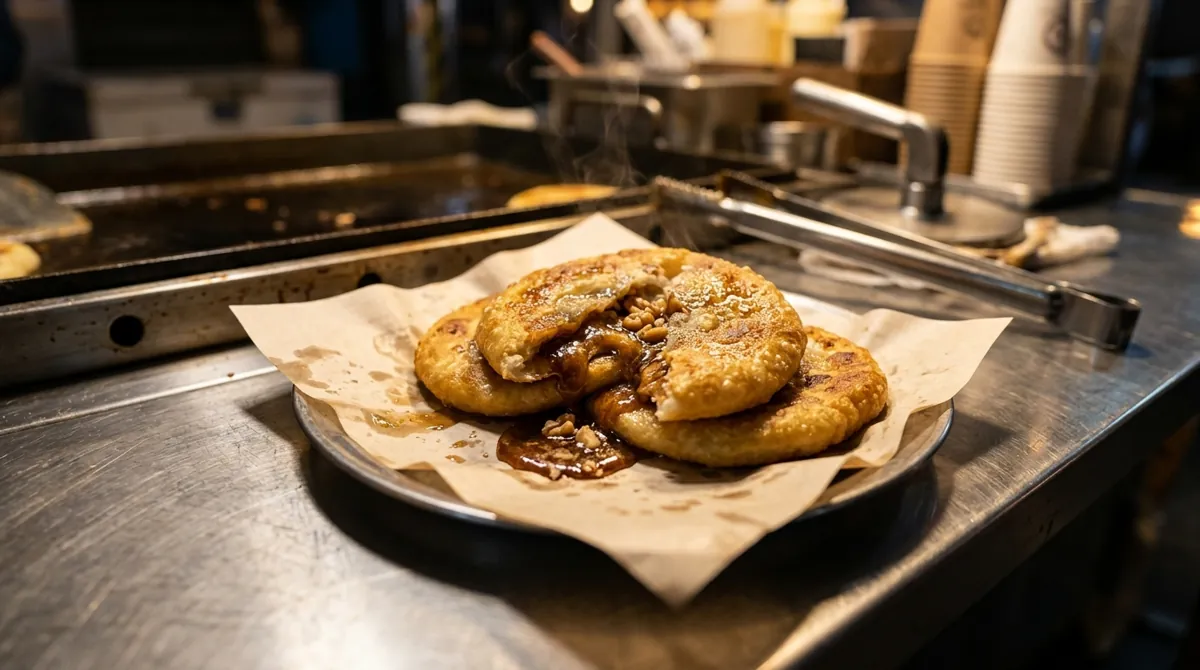
Hotteok are filled pancakes and a popular Korean street food (King Arthur's headnote). The Korean Culture and Information Service's Korea.net webzine (Kim Jane, "Flavor: How Sweet, Hotteok", November 2020) says Qing Chinese soldiers sent to Joseon during the Imo Incident, an 1882 uprising in Seoul, stayed afterward and made a living selling snacks such as mandu dumplings and hotteok, which gradually changed to suit Korean tastes. Wikipedia is more cautious: it is "generally believed" that Chinese merchants who settled in Korea around the late 19th century made and sold hotteok cheaply.
Korea.net gives two explanations for the name: the first syllable may imitate the sound of blowing on hot food, or come from a term for the Qing dynasty. It says the pan-fried version, now the most popular, debuted in 1970 when cooking oil reached the mass market, and that "seed hotteok", stuffed with seeds and nuts, began in the Nampo-dong neighborhood of Busan. The version below comes from King Arthur, an American flour company, which fills it with what amounts to cinnamon-roll filling.
Why it works the kitchen science
Sweet rice flour
King Arthur adds glutinous rice flour to the wheat dough for the stretchy, chewy bite hotteok are known for.
Sealed, then pressed
The sugar is sealed in a ball of dough first, so when the ball is flattened in hot oil the filling melts into syrup inside instead of burning in the pan.
Step by step
- Step 1
Stir the warm milk, yeast and sugar together in a large bowl. Add both flours and the salt and mix into a soft, sticky dough.
- Step 2
Cover and let rise in a warm spot about 1 hour, until doubled and puffy. Gently deflate it, cover and let it rise 20 minutes more.
- Step 3
Meanwhile, mix the brown sugar, sugar, cinnamon, salt and walnuts in a small bowl.
- Step 4
Divide the dough into 8 pieces (60 to 65 g each) and shape into balls. With oiled hands, flatten each into a 5-inch circle, put about 1 1/2 tbsp filling in the center, pull the edges up and pinch them tightly closed, then roll gently to smooth the seam.
- Step 5
Heat 2 tbsp oil in a large nonstick skillet over medium heat. Place 2 to 4 balls seam side down and press each flat with an oiled spatula to about 4 inches. Cook 2 to 3 minutes, until golden and crisp underneath.
- Step 6
Flip, press again and cook 2 to 3 minutes more, until the second side is golden. Move to a wire rack set over a baking sheet. Wipe out any leaked sugar, add oil and fry the rest.
- Step 7
Let them cool 2 minutes, because the melted sugar inside is very hot, then serve warm.
Korean Hotteok (Sweet Filled Pancakes)
Serves 4 (2 hotteok each) · 8 filled pancakes · 2 hr 5 min total
Dough
- 1 cup whole milk, warmed to about 100°F
- 2 1/4 tsp instant yeast
- 1 tbsp sugar
- 1 3/4 cups (210 g) all-purpose flour
- 1/2 cup (60 g) sweet glutinous rice flour, such as mochiko
- 1/2 tsp salt
Filling
- 1/3 cup (71 g) packed dark brown sugar
- 3 tbsp (37 g) sugar
- 3/4 tsp ground cinnamon
- 1/4 tsp salt
- 1/2 cup (57 g) walnuts, toasted and roughly chopped
For frying
- About 6 tbsp neutral oil (2 tbsp per batch)
Method
- Stir the warm milk, yeast and sugar together in a large bowl. Add both flours and the salt and mix into a soft, sticky dough.
- Cover and let rise in a warm spot about 1 hour, until doubled and puffy. Gently deflate it, cover and let it rise 20 minutes more.
- Meanwhile, mix the brown sugar, sugar, cinnamon, salt and walnuts in a small bowl.
- Divide the dough into 8 pieces (60 to 65 g each) and shape into balls. With oiled hands, flatten each into a 5-inch circle, put about 1 1/2 tbsp filling in the center, pull the edges up and pinch them tightly closed, then roll gently to smooth the seam.
- Heat 2 tbsp oil in a large nonstick skillet over medium heat. Place 2 to 4 balls seam side down and press each flat with an oiled spatula to about 4 inches. Cook 2 to 3 minutes, until golden and crisp underneath.
- Flip, press again and cook 2 to 3 minutes more, until the second side is golden. Move to a wire rack set over a baking sheet. Wipe out any leaked sugar, add oil and fry the rest.
- Let them cool 2 minutes, because the melted sugar inside is very hot, then serve warm.
Adapted from Stephanie Cho, "Hotteok (Korean Sweet Pancakes)", King Arthur Baking (updated March 19, 2026), as written for 8. We use King Arthur's own filling substitute from the recipe's tips (dark brown sugar, granulated sugar, cinnamon and salt) in place of its packaged cinnamon filling mix. Times, oil amounts and the medium heat are King Arthur's; the 2-minute cool-down is ours. Maangchi's well-known version refused our requests. King Arthur Baking. Ingredient list follows the source; the method is in our own words.
All sources (3)
Tips
- Oil your hands and spatula; the dough is sticky by design.
- Assembled, unfried hotteok keep covered in the fridge up to 2 hours (King Arthur).
- Freeze cooked hotteok up to 2 months and reheat in a 350°F oven about 10 minutes, or in a toaster (King Arthur).
- For a Busan-style seed hotteok, add a spoonful of mixed sunflower and pumpkin seeds to the filling.
The rules people argue about
What the sources agree on, what they don't, and what is just a good story.
- Qing soldiers brought hotteok in 1882. Disputed: Korea.net ties it to soldiers who stayed after the Imo Incident; Wikipedia credits Chinese merchants "around the late 19th century" and says only that this is generally believed.
- Where the name comes from. Disputed: Korea.net gives both the blowing-on-hot-food sound and a term for the Qing dynasty.
- Chinese snacks were savory until Koreans made them sweet. Folklore: a popular explanation (search summaries only), not documented.
- Hotteok has always been pan-fried. Documented as not so: Korea.net says the pan-fried version debuted in 1970.
- Seed hotteok is from Busan. Documented (Korea.net: Nampo-dong).
- Glutinous rice flour gives the chew. Documented (King Arthur).
Every other pancake and French toast
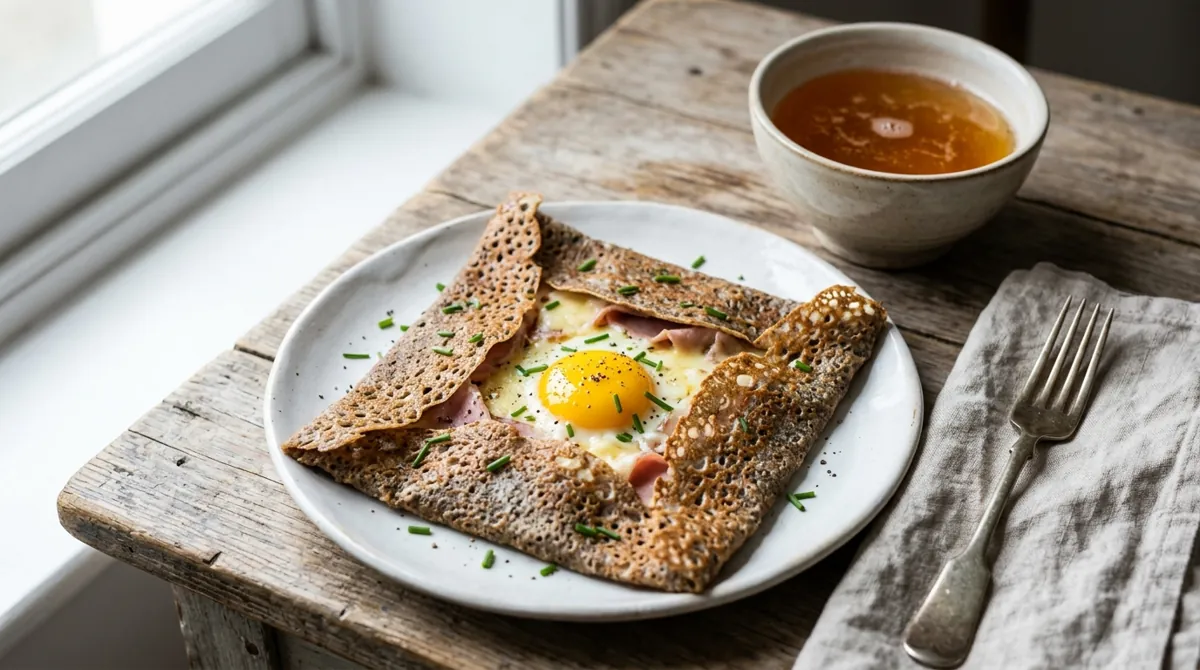
Breton Buckwheat Galette Complète
A thin, lacy buckwheat crêpe from Brittany, filled in the pan with Swiss cheese, ham and an egg, then folded into a square around the yolk.
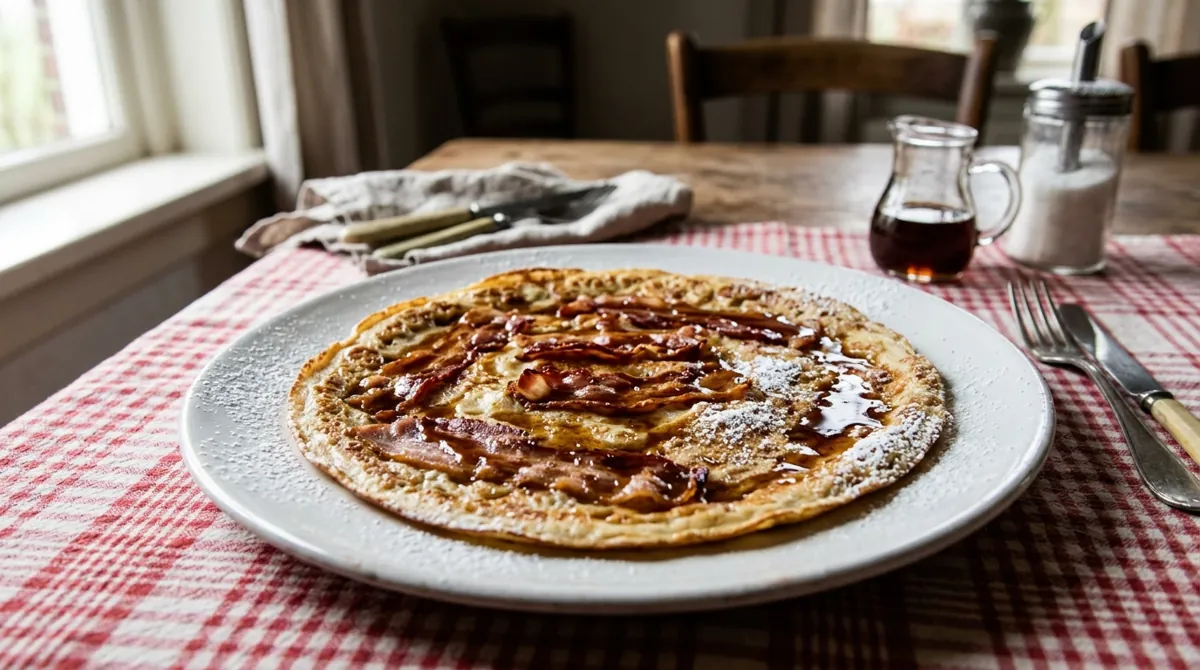
Dutch Pannenkoeken with Bacon (Spekpannenkoeken)
Plate-size Dutch pancakes, thinner than an American pancake and thicker than a crêpe, with strips of bacon baked right into the batter and dark syrup poured on top.
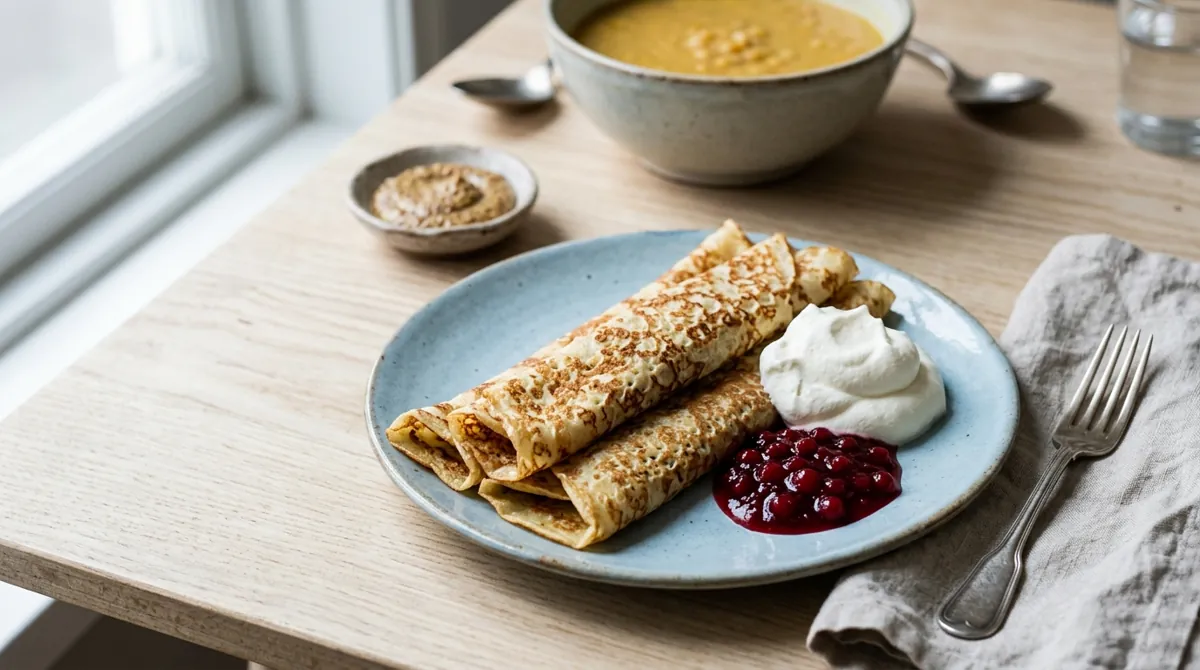
Swedish Pancakes (Pannkakor) with Lingonberry Jam and Cream
Thin, crisp-edged Swedish pancakes made from a simple milk, egg and flour batter, rolled or folded and served with lingonberry jam and whipped cream, Thursday-style.
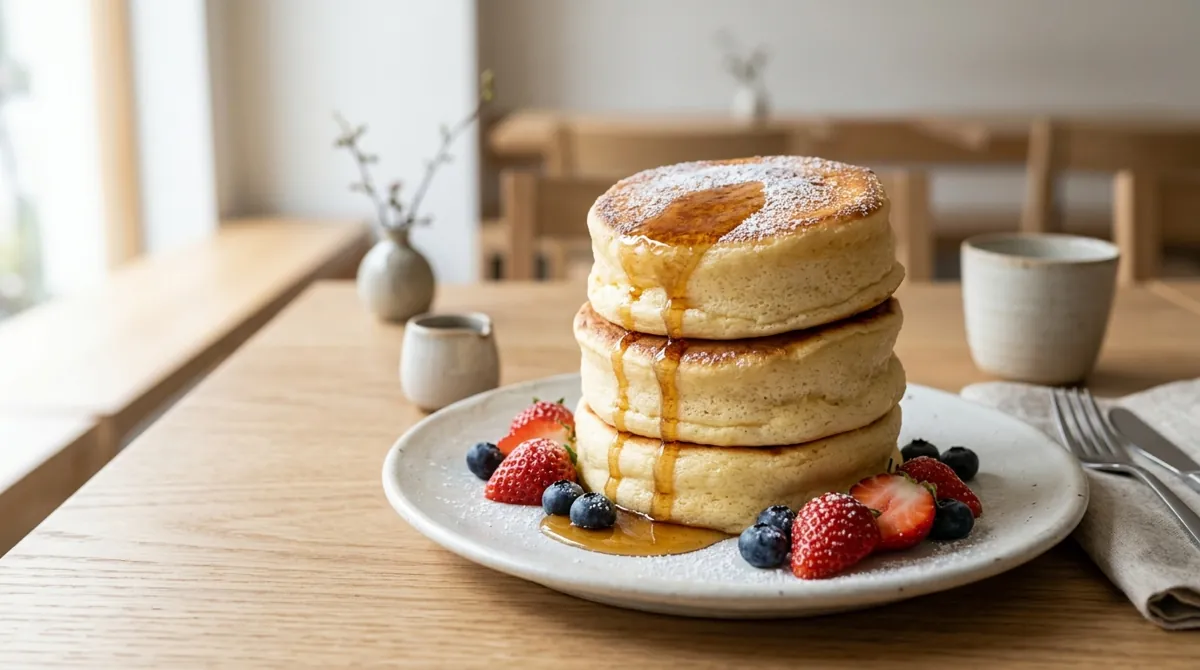
Japanese Soufflé Pancakes
Tall, wobbling pancakes made by folding a stiff meringue into a light yolk batter, then cooking them low and slow under a lid with a splash of water for steam.
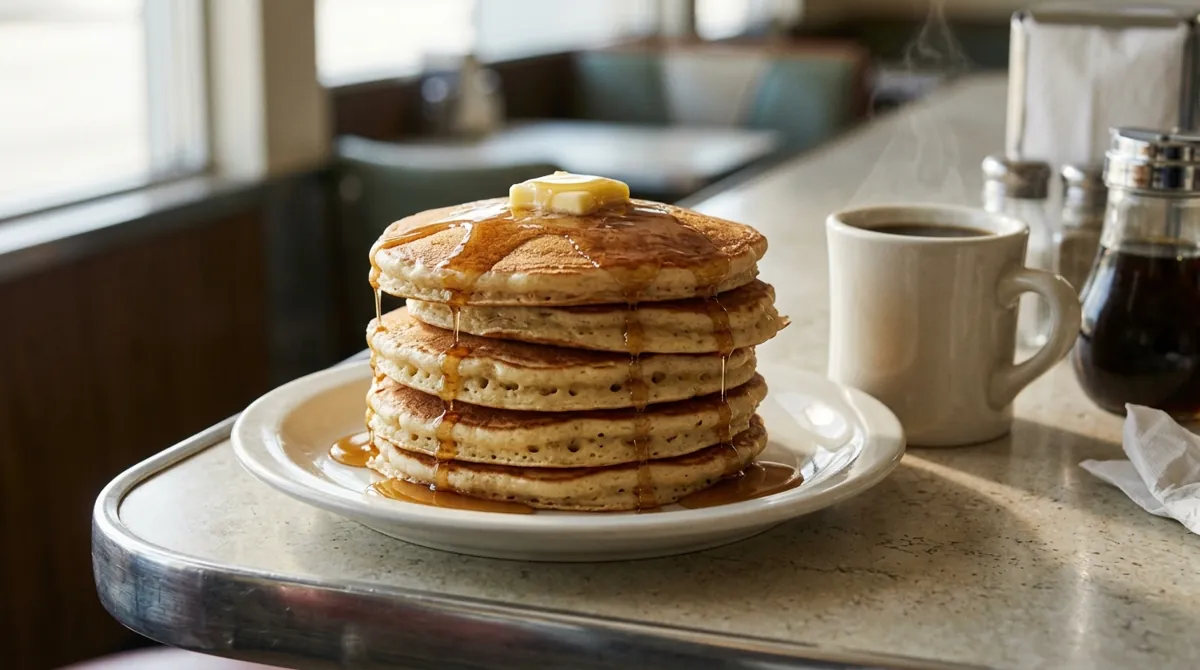
American Buttermilk Pancakes (The Diner Stack)
Fluffy, tangy buttermilk pancakes leavened with baking powder and baking soda, rested so the batter thickens, griddled at 350°F and stacked high with butter and maple syrup.
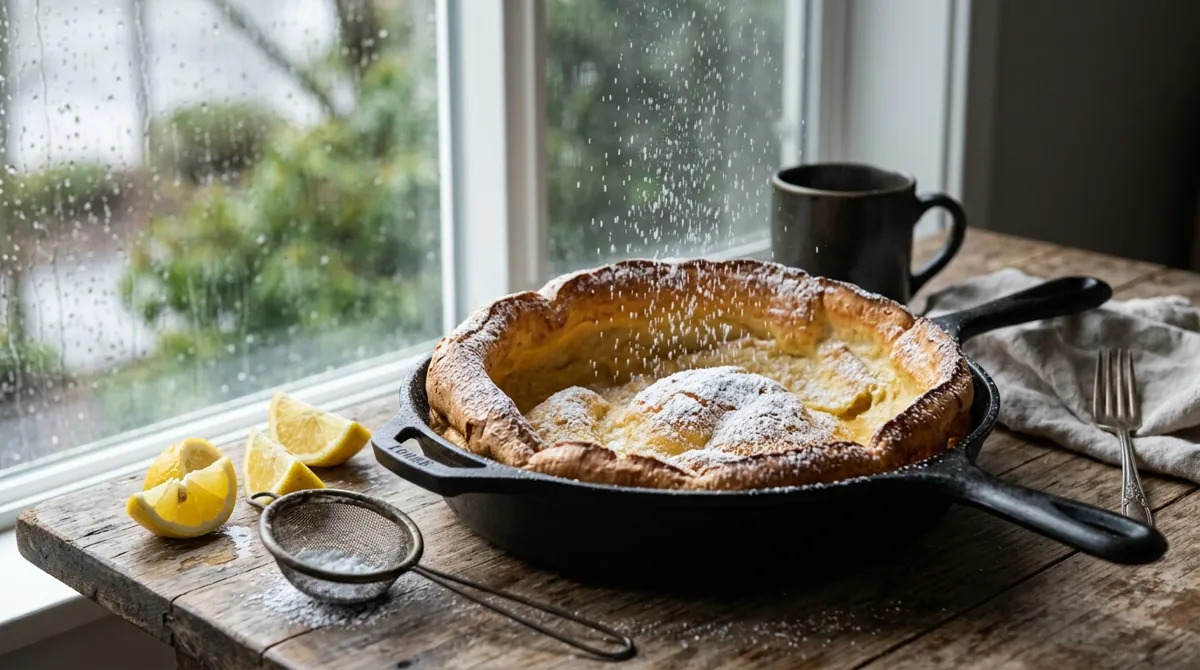
The Dutch Baby (Seattle Oven Pancake)
A blender batter of eggs, milk and flour poured into a skillet of sizzling butter and baked at 425°F until it puffs up high around the edges, served the original way with lemon and powdered sugar.
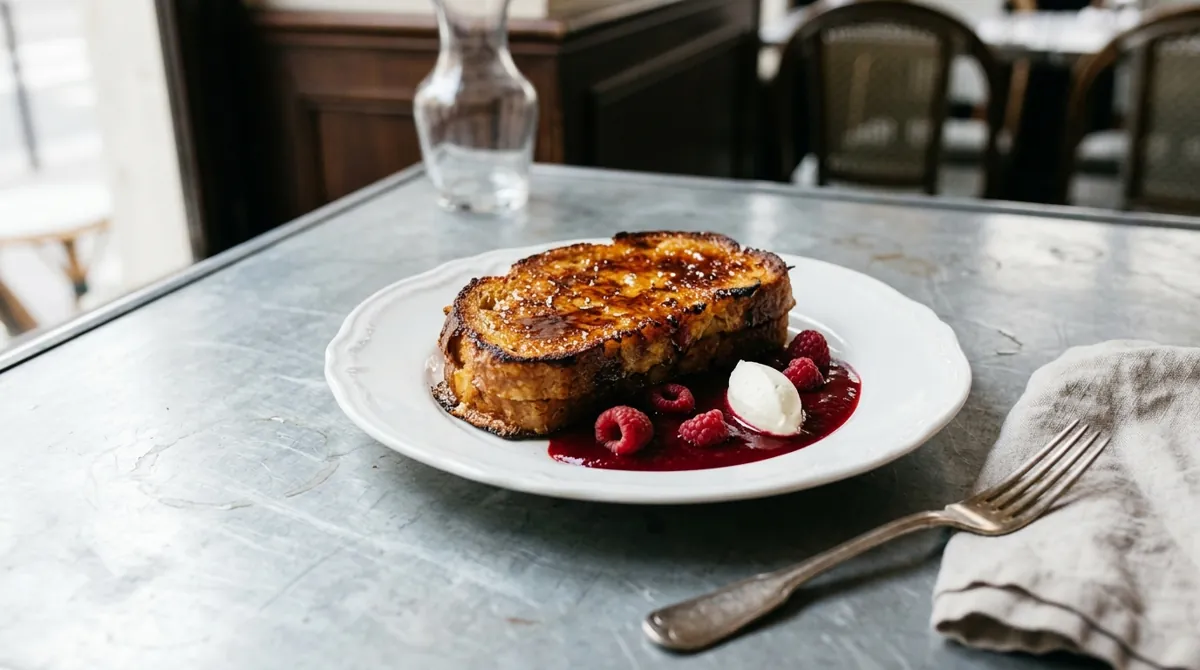
Pain Perdu (French "Lost Bread")
Thick slices of day-old brioche soaked in vanilla milk, eggs and sugar, browned in butter, then sugared and finished in a hot oven until the tops caramelize, served as a dessert the French way.
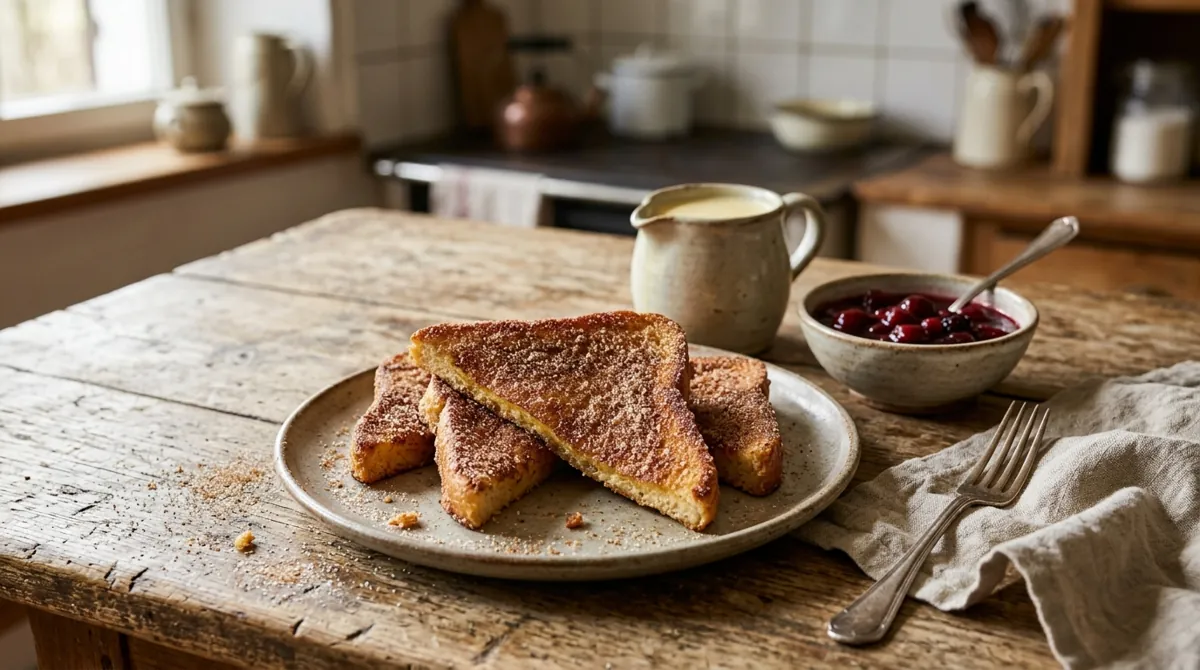
Arme Ritter (German "Poor Knights")
Day-old kaiser rolls halved, soaked in sweet egg milk, fried golden in clarified butter and rolled in cinnamon sugar, Germany's frugal French toast.
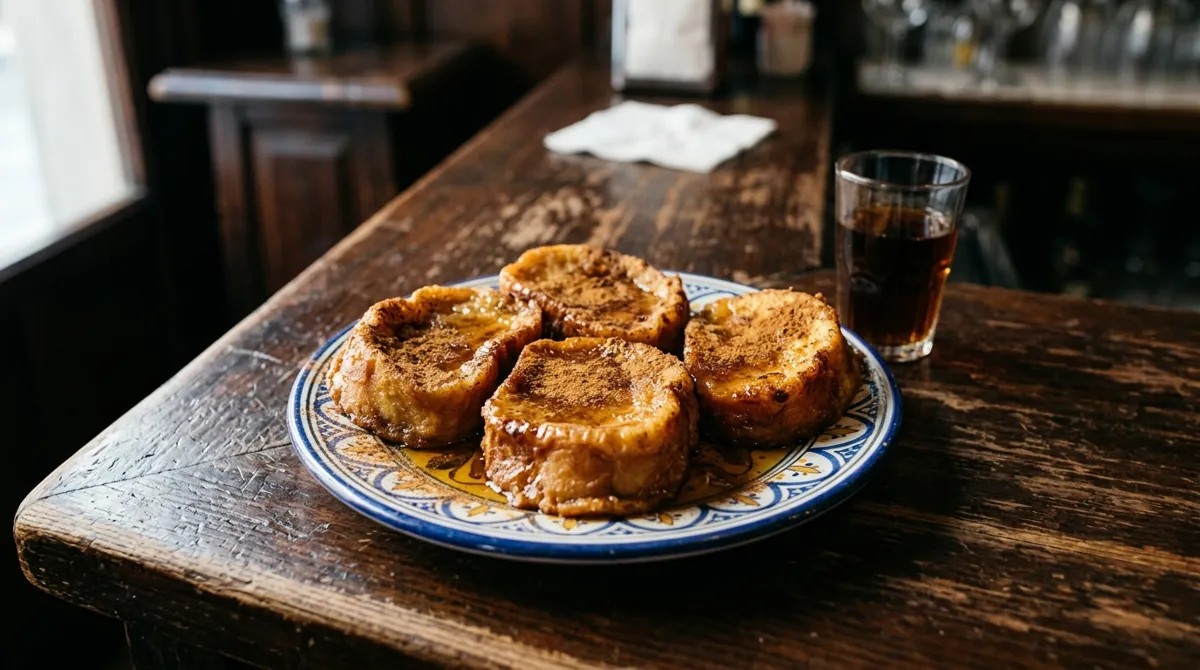
Torrijas (Madrid Holy Week French Toast)
Thick slices of day-old bread soaked in milk steeped with cinnamon and lemon peel, dipped in egg, fried in olive oil and drizzled with honey, the Lent and Holy Week sweet of Madrid.
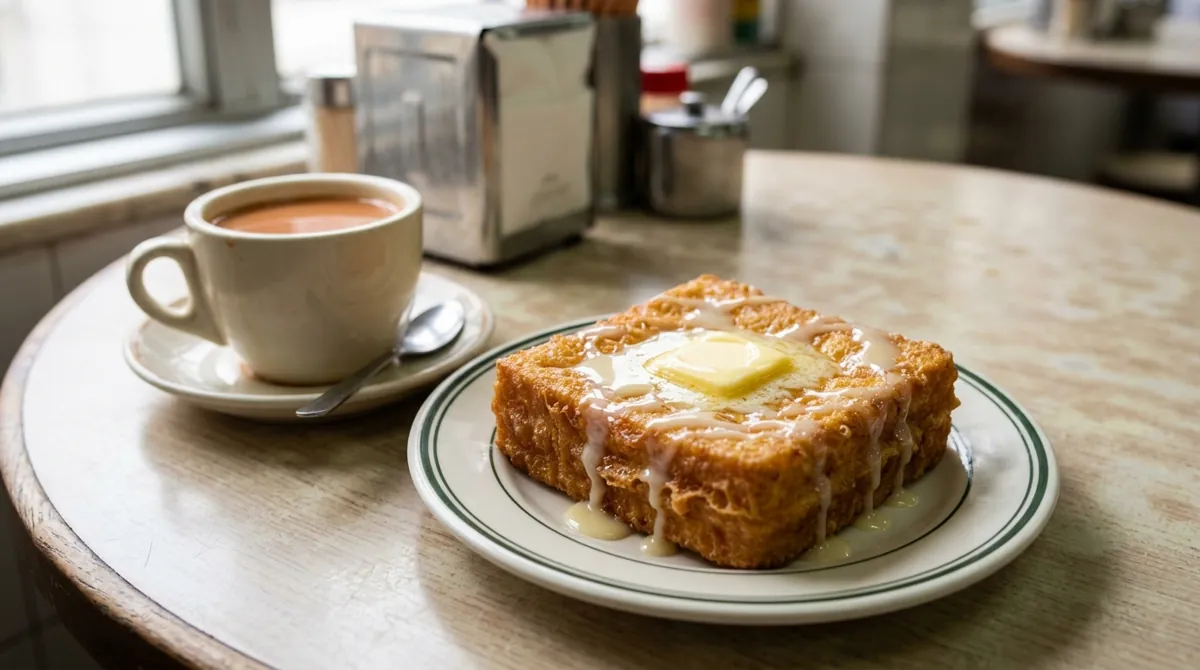
Hong Kong French Toast (Sai Do Si)
Thick white bread stuffed with peanut butter, dipped in egg and deep-fried until crunchy, then topped with a pat of butter and a drizzle of condensed milk, cha chaan teng style.
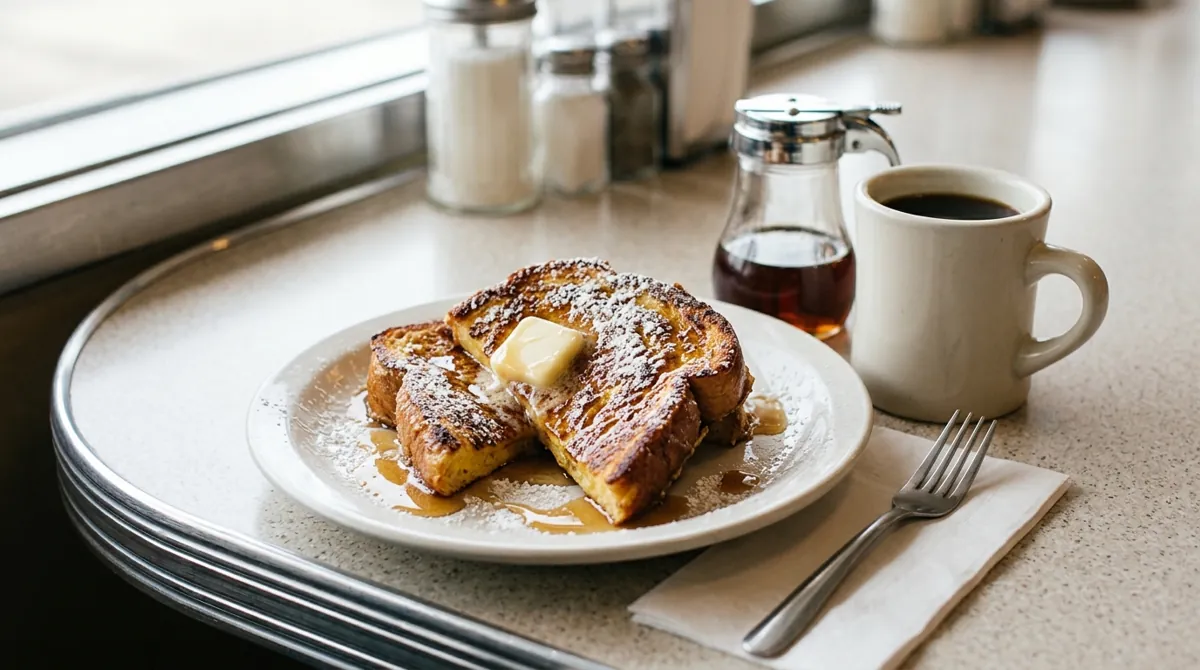
American Diner French Toast
Day-old challah dipped in a light vanilla batter with a little flour, browned in butter in a cast-iron skillet, and served the American way with butter, powdered sugar and maple syrup.
Sheet-Pan Pancakes
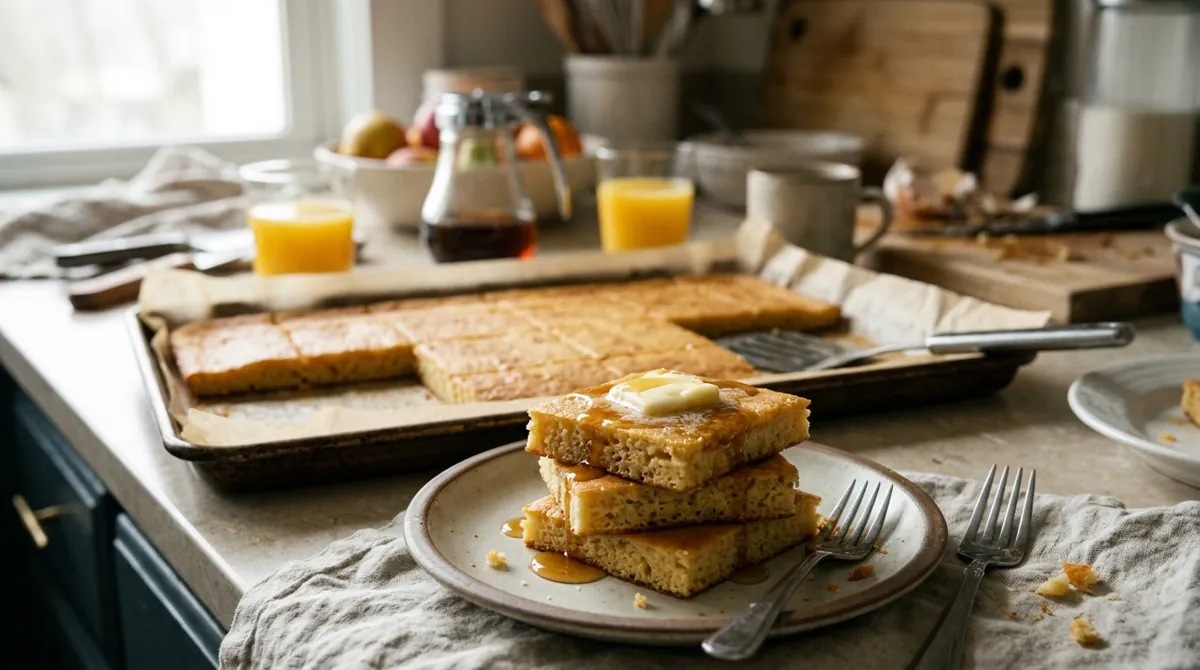
One big buttermilk-style pancake batter spread in a sheet pan and baked at 375°F for about 20 minutes, then cut into squares so everyone eats hot pancakes at the same time.
Diner-Style Buttermilk Pancakes, Inspired by IHOP
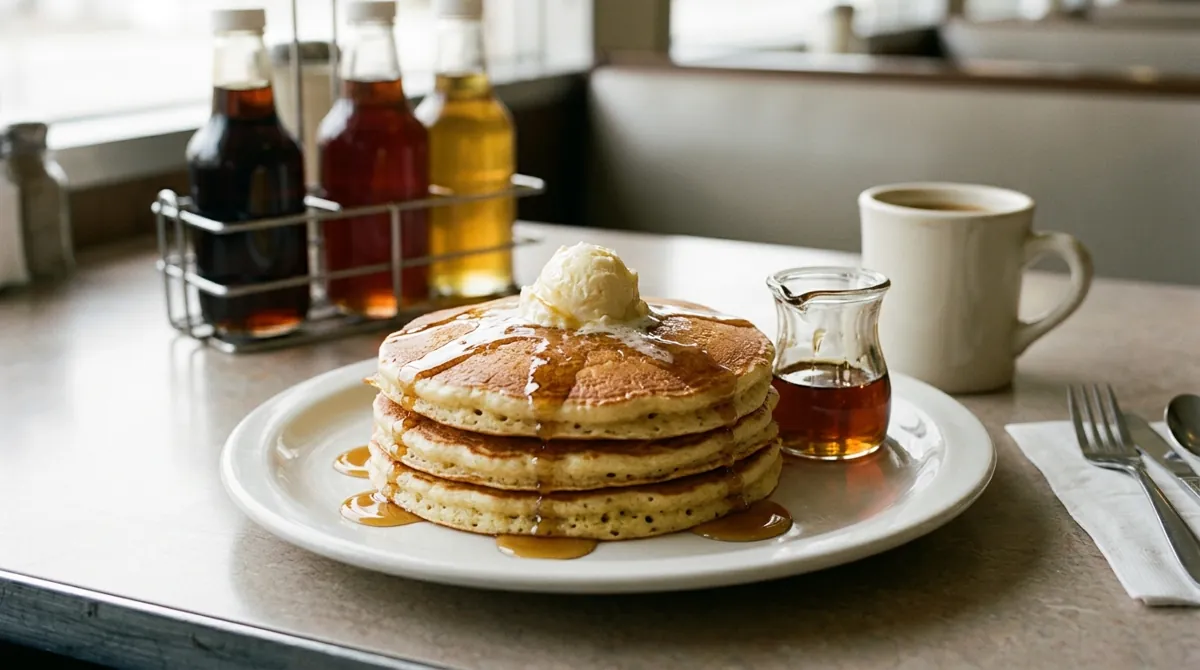
A blender batter of buttermilk, oil and a little sugar, raised with baking soda alone, griddled into tender 5-inch pancakes in the style of the all-day pancake house. Inspired by, not official.
Meatballs of the World

Italian-American Meatballs
Big, tender meatballs braised for an hour in red sauce over spaghetti. The one most Americans grew up with.

Pallottine (Abruzzo Meatballs)
Tiny meatballs, smaller than a marble, tossed right through square spaghetti alla chitarra. No bread at all.

Swedish Meatballs (Köttbullar)
Small, soft meatballs browned in butter, in a cream sauce made from the same pan, with lingonberry jam on the plate.

Danish Frikadeller
Pork meatballs shaped with a spoon and fried slowly in butter, crusty outside and soft in the middle.

Königsberger Klopse
German meatballs that are never fried: poached, then served in a creamy white sauce with capers.

Spanish Albóndigas in Almond Saffron Sauce
The tapas bar classic: small meatballs in a golden sauce thickened with fried almonds and bread.

Mexican Albóndigas with Chipotle and Mint
Soft meatballs with rice and fresh mint inside, simmered in a smoky tomato and chipotle broth.

Izgara Köfte (Turkish Grilled Meatballs)
Small, flat meatballs kneaded hard, rested cold, and charred on a hot grill pan.

Lion's Head Meatballs
Big, soft pork meatballs, stirred into a sticky paste, fried to set, then braised in a savory sauce.

Chicken Tsukune
Japan's chicken meatball: kneaded sticky, grilled on skewers, glazed with sweet soy tare, dipped in egg yolk.