
Dutch Pannenkoeken with Bacon (Spekpannenkoeken)
Plate-size Dutch pancakes, thinner than an American pancake and thicker than a crêpe, with strips of bacon baked right into the batter and dark syrup poured on top.
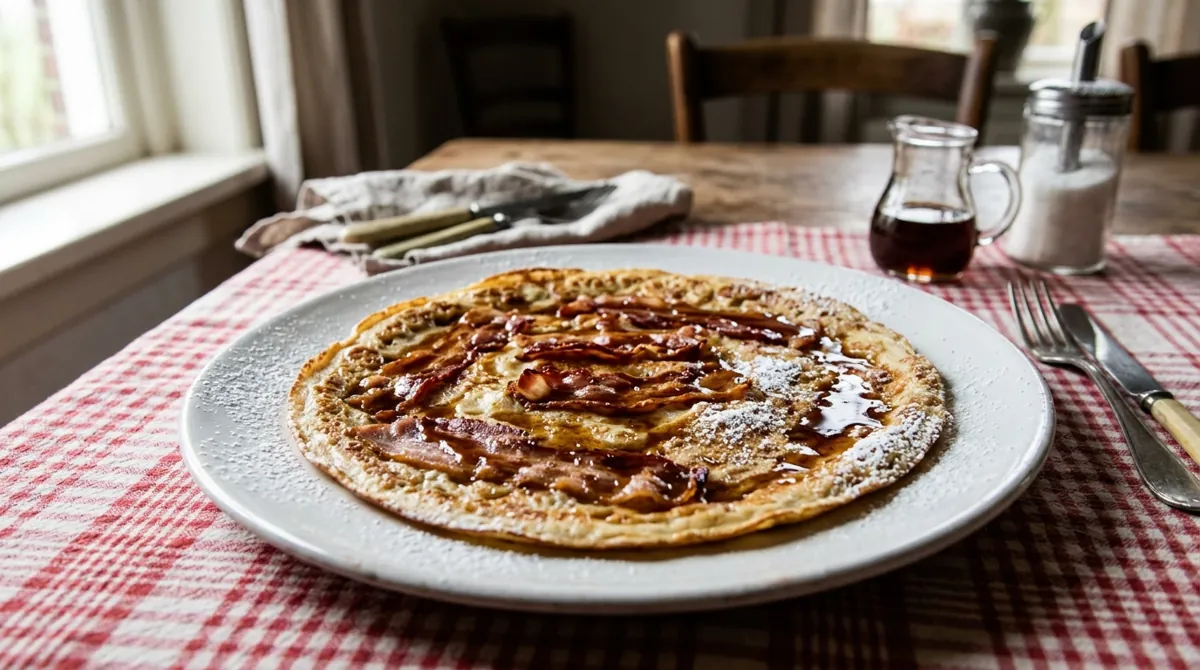
Pannenkoeken are large Dutch pancakes, usually up to a foot across, much thinner than American pancakes but not as thin as crêpes; up to half buckwheat flour was traditional, though it is much less common now, and slices of bacon or apple may be cooked in (Wikipedia:). Specialized pancake houses (pannenkoekenhuizen) are common in the Netherlands and Belgium. Wikipedia also notes the spelling fight: the official Groene Boekje (2005) lists "pannenkoek", while the Witte Boekje (2006) allows "pannekoek" too.
Nicole Holten, who writes about Dutch food at The Dutch Table, says "pancakes are not part of the breakfast tradition in Holland". She describes them as a treat for kids on the fall school break, at birthdays and on visits to grandparents, served in rustic pancake houses, and eaten by adults for dinner: savory first, then sweet, with appelstroop (apple syrup), jam, powdered sugar or chocolate sprinkles. That is the clearest Americanized line in the hub: in Holland a pancake is dinner. America's "Dutch baby" (our Dutch Baby recipe) is a different dish altogether.
Why it works the kitchen science
Bacon first
Browning the bacon in the pan renders enough fat to grease it, and the batter poured over the top bakes the bacon right into the pancake.
A thin, rested batter
Half an hour lets the flour absorb the milk, so the batter spreads into a wide, even disc that is thin enough to flip in one piece.
Step by step
- Step 1
Whisk the flour and salt in a large bowl. Add about 1 3/4 cups of the milk and the eggs and beat until smooth, then whisk in the rest of the milk to thin it. Stir in the melted butter; the batter should pour easily.
- Step 2
Cover and let the batter rest 30 minutes at room temperature.
- Step 3
Heat the oven to 200°F. Heat a 12-inch skillet over medium heat 2 minutes with a little butter. Add the pieces of one slice of bacon and cook about 3 minutes, turning, until browned. Pour off all but a thin film of fat and spread the bacon evenly over the pan.
- Step 4
Pour about 1/2 cup batter over and around the bacon and swirl the pan so it covers the bottom in a thin layer.
- Step 5
Cook about 2 minutes, until the top looks dry and the edges are golden. Flip and cook about 2 minutes more, until the bacon side is browned and crisp.
- Step 6
Slide onto an ovenproof plate, cover with a clean towel and keep warm in the oven. Repeat with the rest of the bacon and batter, adding a dab of butter when the pan looks dry; when the bacon runs out, make plain pancakes.
- Step 7
Serve flat on big plates, drizzled with stroop. Roll them up or cut them into wedges to eat.
Dutch Pannenkoeken with Bacon (Spekpannenkoeken)
Serves 4 (as a main meal, the Dutch way) · about 10 large pancakes · 1 hr 20 min total
Batter
- 2 cups (250 g) all-purpose flour
- 1/2 tsp kosher salt
- 2 cups plus 2 tbsp (500 ml) whole milk, divided
- 2 large eggs
- 2 tbsp butter, melted and cooled, plus 1 tbsp for the pan
Bacon
- 10 slices bacon, each cut into 3 or 4 pieces
To serve
- 1/2 cup Dutch stroop, appelstroop or pancake syrup
- Powdered sugar (optional)
Method
- Whisk the flour and salt in a large bowl. Add about 1 3/4 cups of the milk and the eggs and beat until smooth, then whisk in the rest of the milk to thin it. Stir in the melted butter; the batter should pour easily.
- Cover and let the batter rest 30 minutes at room temperature.
- Heat the oven to 200°F. Heat a 12-inch skillet over medium heat 2 minutes with a little butter. Add the pieces of one slice of bacon and cook about 3 minutes, turning, until browned. Pour off all but a thin film of fat and spread the bacon evenly over the pan.
- Pour about 1/2 cup batter over and around the bacon and swirl the pan so it covers the bottom in a thin layer.
- Cook about 2 minutes, until the top looks dry and the edges are golden. Flip and cook about 2 minutes more, until the bacon side is browned and crisp.
- Slide onto an ovenproof plate, cover with a clean towel and keep warm in the oven. Repeat with the rest of the bacon and batter, adding a dab of butter when the pan looks dry; when the bacon runs out, make plain pancakes.
- Serve flat on big plates, drizzled with stroop. Roll them up or cut them into wedges to eat.
Adapted from Nicole Holten, "Spekpannenkoek (Dutch Bacon Pancakes)", The Dutch Table (March 2012, by its URL): with the base batter from her "Pannenkoeken" post (October 2011, by its URL). Batter as written: 250 g flour, 2 eggs, 500 ml milk, 30 g melted butter, butter for the pan, 10 strips of bacon for about 10 pancakes. Her milk is listed as "2 1/2 cups (500 ml)", but 500 ml is about 2 cups plus 2 tablespoons; we follow the 500 ml and you can thin with a splash more. The serving count, medium heat and the 200°F warm oven are ours. Pancake syrup stands in for Dutch stroop, which she also allows. thedutchtable.com. Ingredient list follows the source; the method is in our own words.
All sources (3)
Tips
- Holten's variations: add grated aged Gouda, or use fried apple slices instead of bacon.
- Eat the Dutch way: one savory pancake, then one sweet one.
- Homemade appelstroop: The Dutch Table simmers 3 cups apple juice or cider with 1 cup sugar until reduced by half (225°F on a candy thermometer), then cools it.
The rules people argue about
What the sources agree on, what they don't, and what is just a good story.
- Pancakes are breakfast food. Documented as an American habit, not a Dutch one: Wikipedia says American pancakes are usually served at breakfast; The Dutch Table says pancakes are not part of breakfast in Holland.
- It's spelled pannekoek. Disputed: Wikipedia cites the Groene Boekje (2005) for "pannenkoek" and the Witte Boekje (2006), which allows both spellings.
- Buckwheat is traditional. Documented: Wikipedia says up to 50% buckwheat was traditional but is much less common today.
- Savory first, then sweet. Folklore: a family custom The Dutch Table describes, not a rule.
- Pannenkoeken are just big crêpes. Disputed: Wikipedia says they are thicker than crêpes but flags that line "citation needed"; The Dutch Table calls them thin.
Every other pancake and French toast
Breton Buckwheat Galette Complète
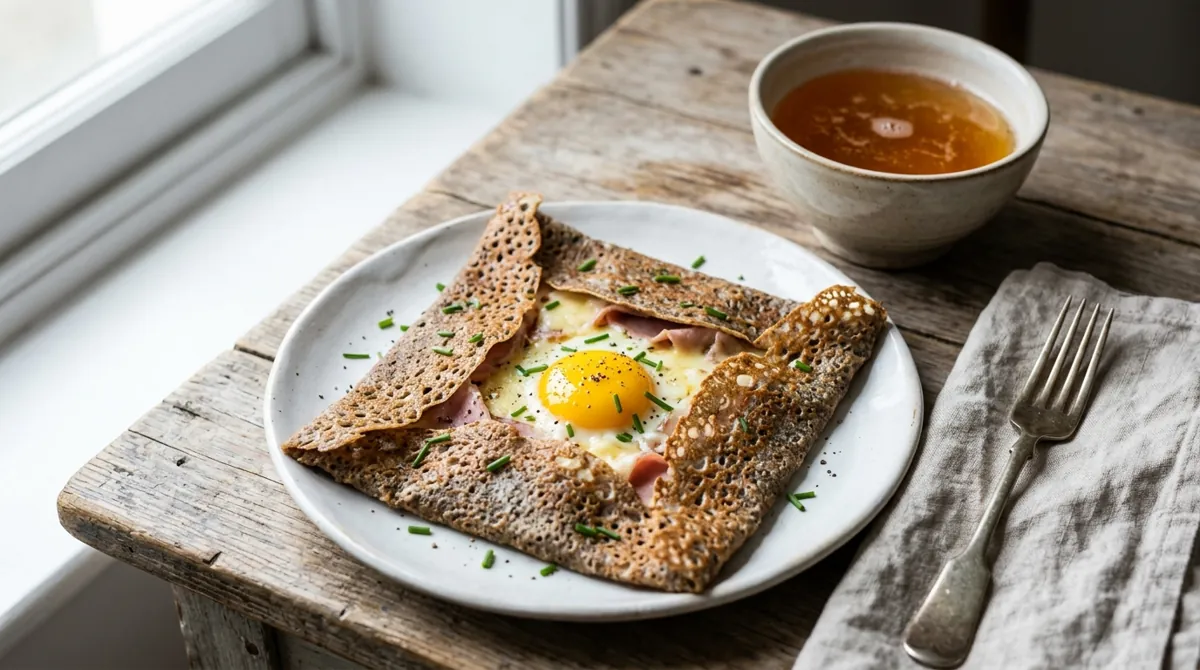
A thin, lacy buckwheat crêpe from Brittany, filled in the pan with Swiss cheese, ham and an egg, then folded into a square around the yolk.
Swedish Pancakes (Pannkakor) with Lingonberry Jam and Cream
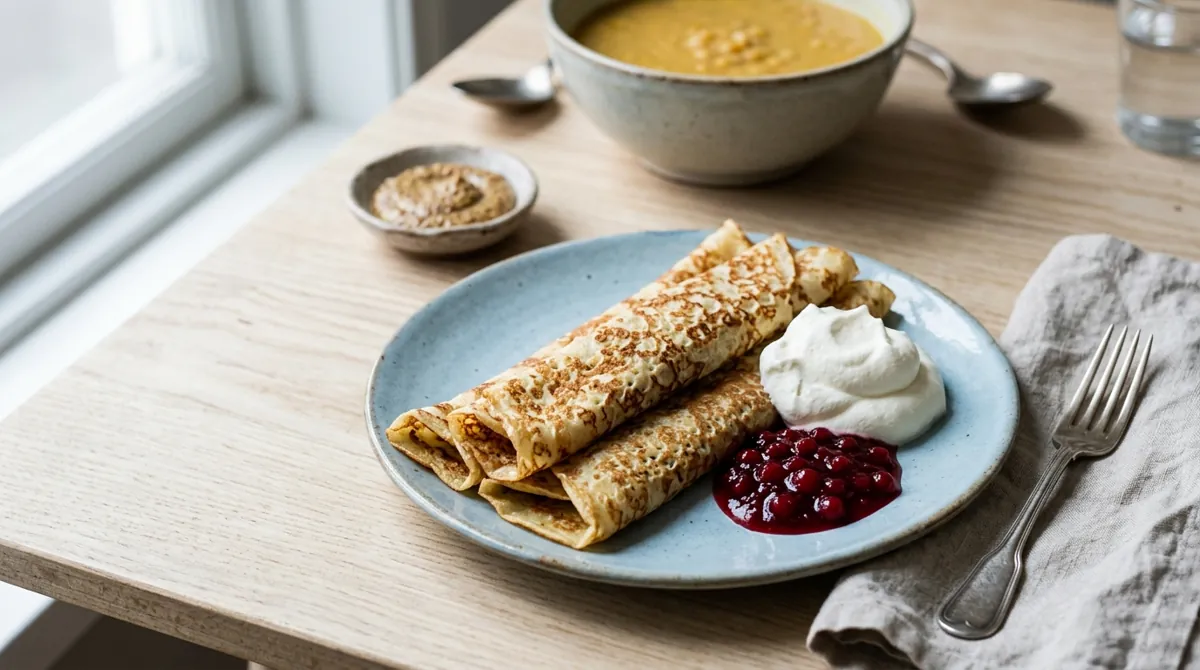
Thin, crisp-edged Swedish pancakes made from a simple milk, egg and flour batter, rolled or folded and served with lingonberry jam and whipped cream, Thursday-style.
Japanese Soufflé Pancakes
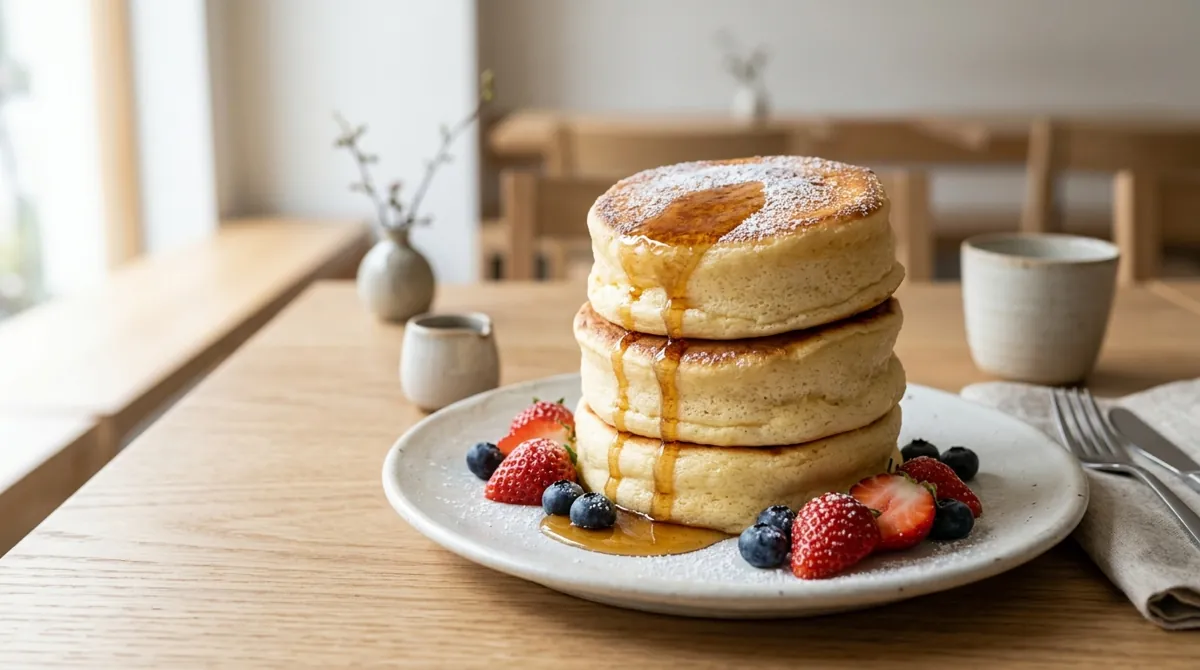
Tall, wobbling pancakes made by folding a stiff meringue into a light yolk batter, then cooking them low and slow under a lid with a splash of water for steam.
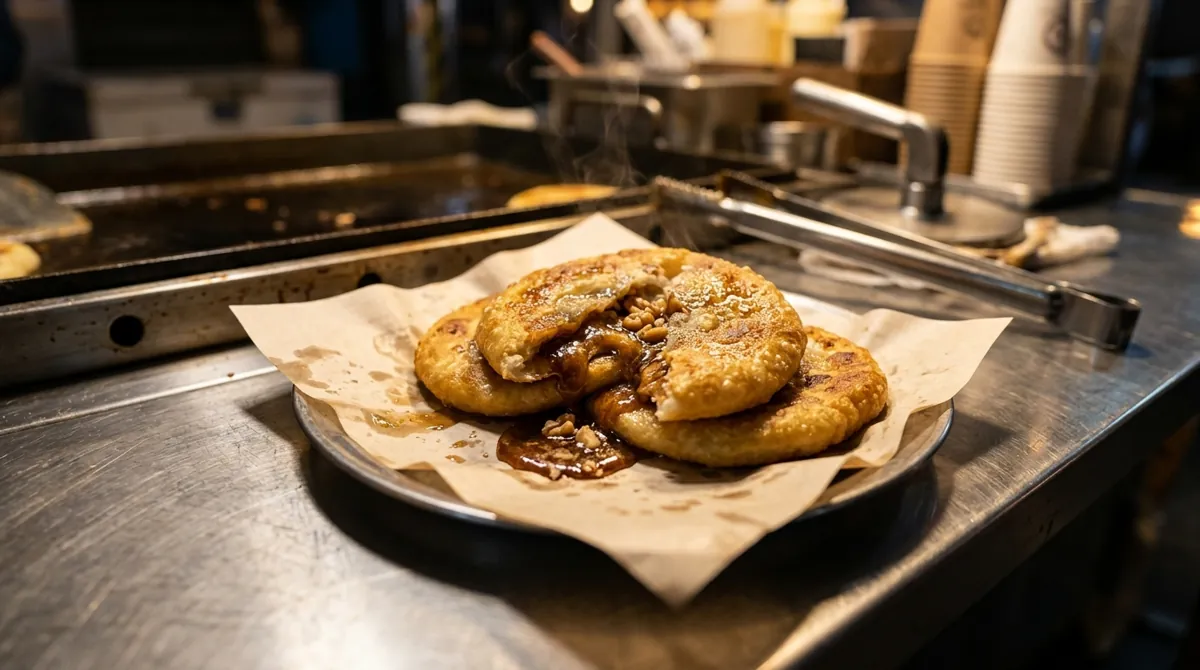
Korean Hotteok (Sweet Filled Pancakes)
A chewy yeasted dough made with sweet rice flour, wrapped around brown sugar, cinnamon and walnuts and pressed flat in an oiled pan until the filling melts into syrup.
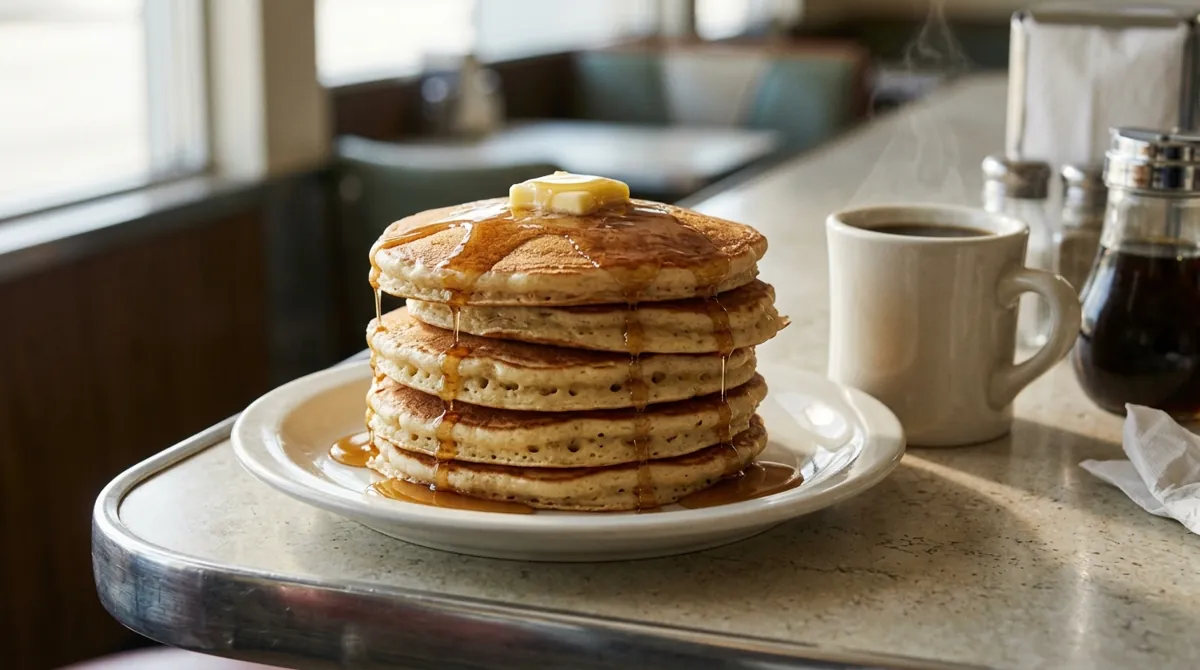
American Buttermilk Pancakes (The Diner Stack)
Fluffy, tangy buttermilk pancakes leavened with baking powder and baking soda, rested so the batter thickens, griddled at 350°F and stacked high with butter and maple syrup.
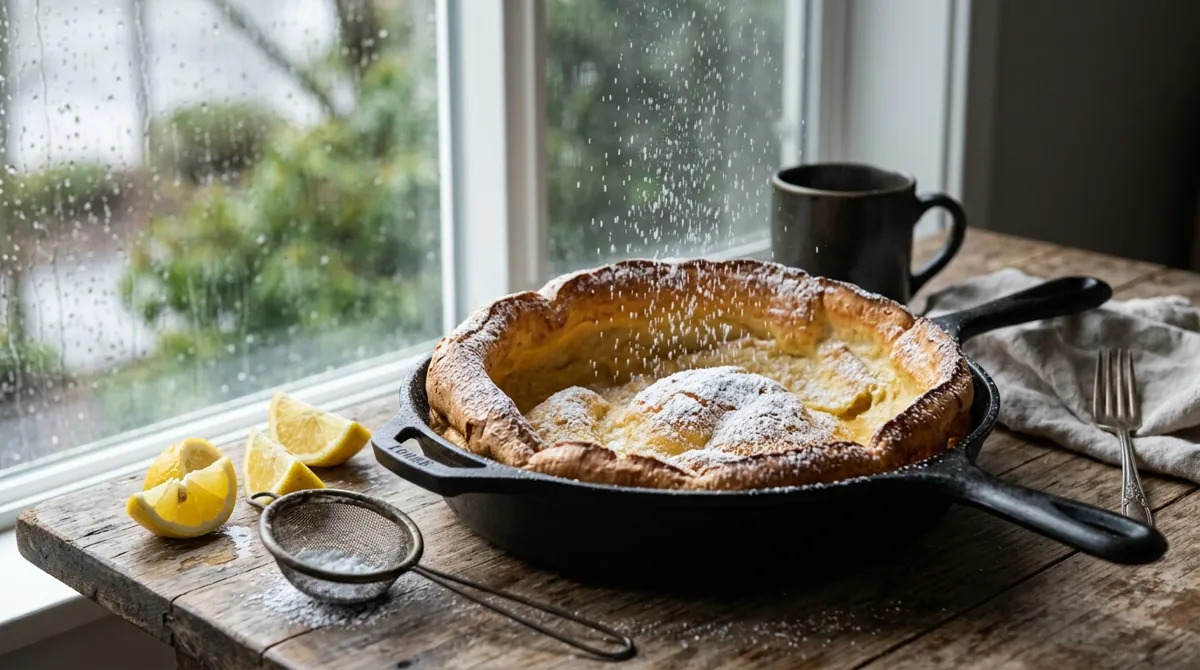
The Dutch Baby (Seattle Oven Pancake)
A blender batter of eggs, milk and flour poured into a skillet of sizzling butter and baked at 425°F until it puffs up high around the edges, served the original way with lemon and powdered sugar.
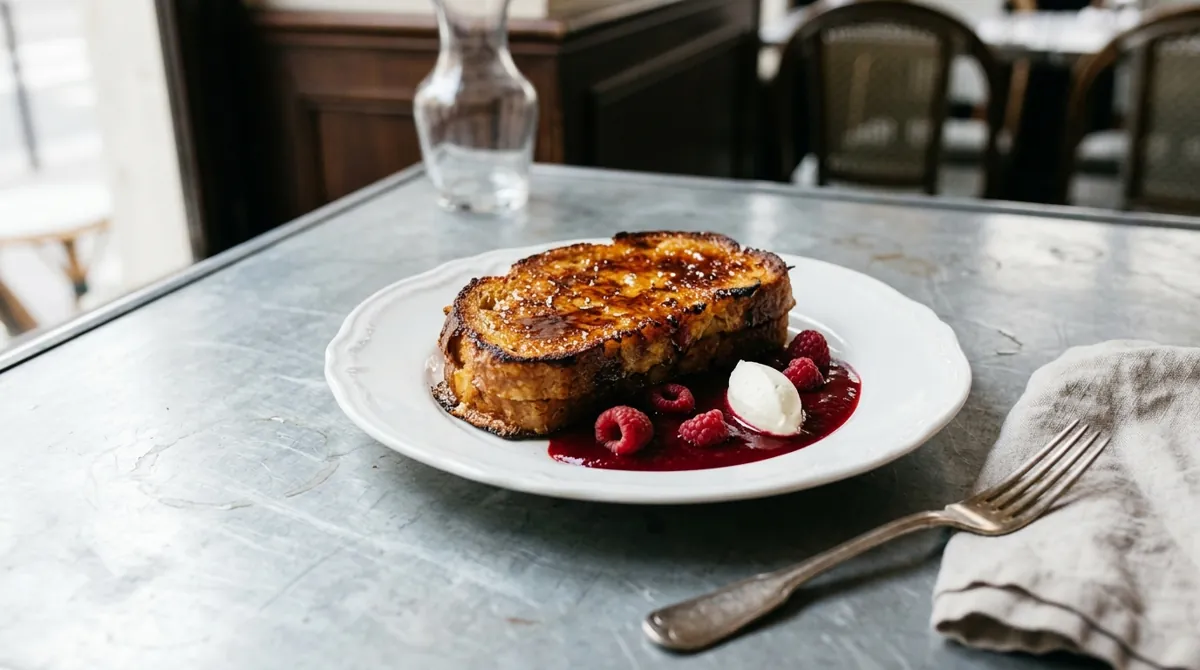
Pain Perdu (French "Lost Bread")
Thick slices of day-old brioche soaked in vanilla milk, eggs and sugar, browned in butter, then sugared and finished in a hot oven until the tops caramelize, served as a dessert the French way.
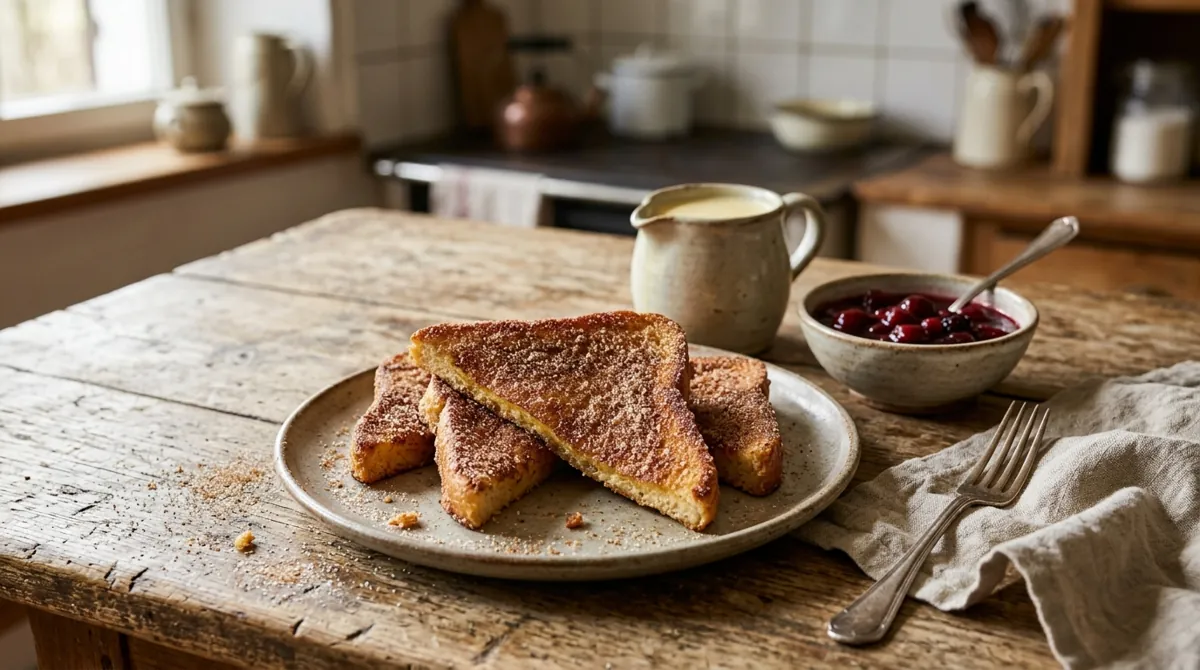
Arme Ritter (German "Poor Knights")
Day-old kaiser rolls halved, soaked in sweet egg milk, fried golden in clarified butter and rolled in cinnamon sugar, Germany's frugal French toast.
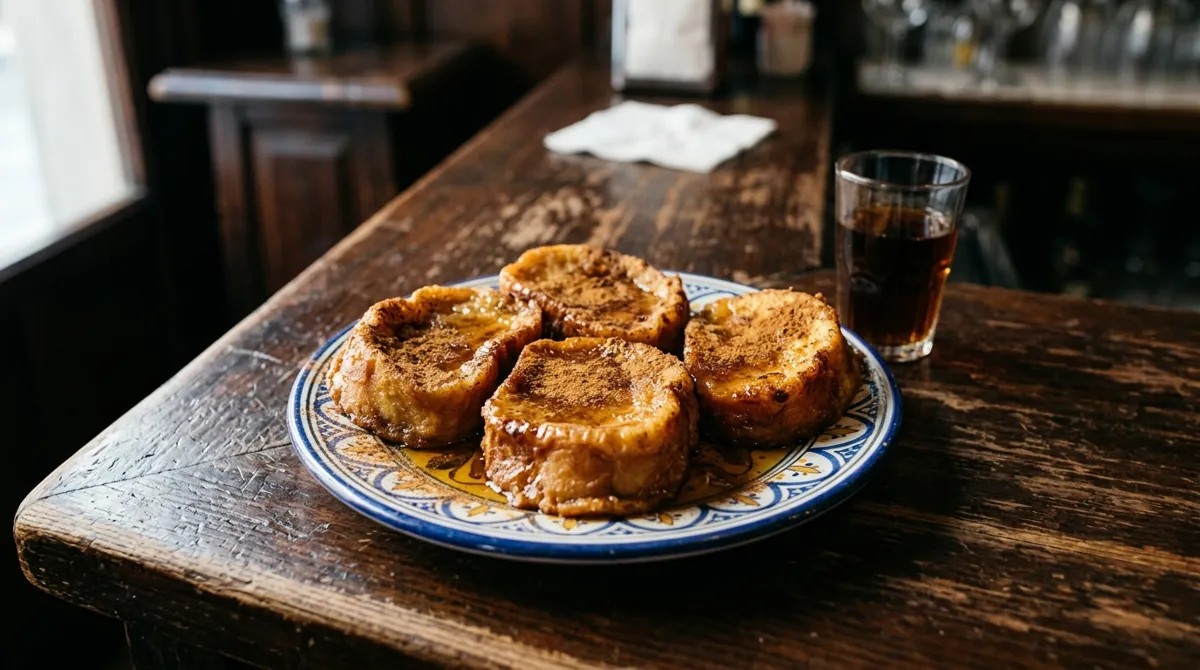
Torrijas (Madrid Holy Week French Toast)
Thick slices of day-old bread soaked in milk steeped with cinnamon and lemon peel, dipped in egg, fried in olive oil and drizzled with honey, the Lent and Holy Week sweet of Madrid.
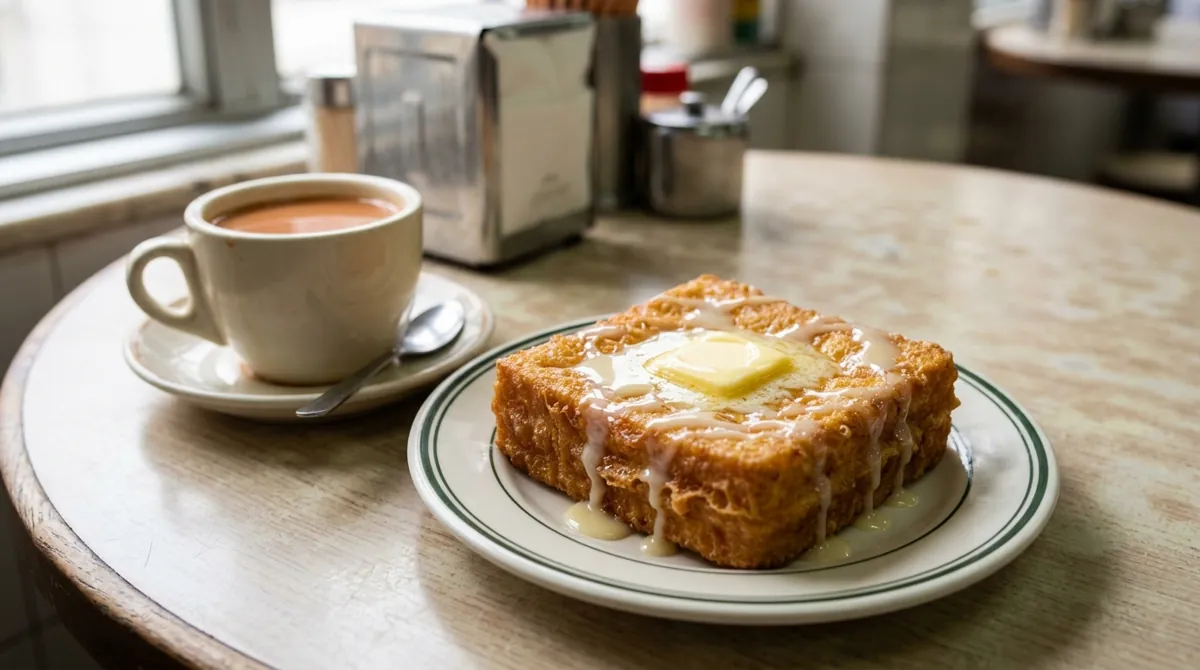
Hong Kong French Toast (Sai Do Si)
Thick white bread stuffed with peanut butter, dipped in egg and deep-fried until crunchy, then topped with a pat of butter and a drizzle of condensed milk, cha chaan teng style.
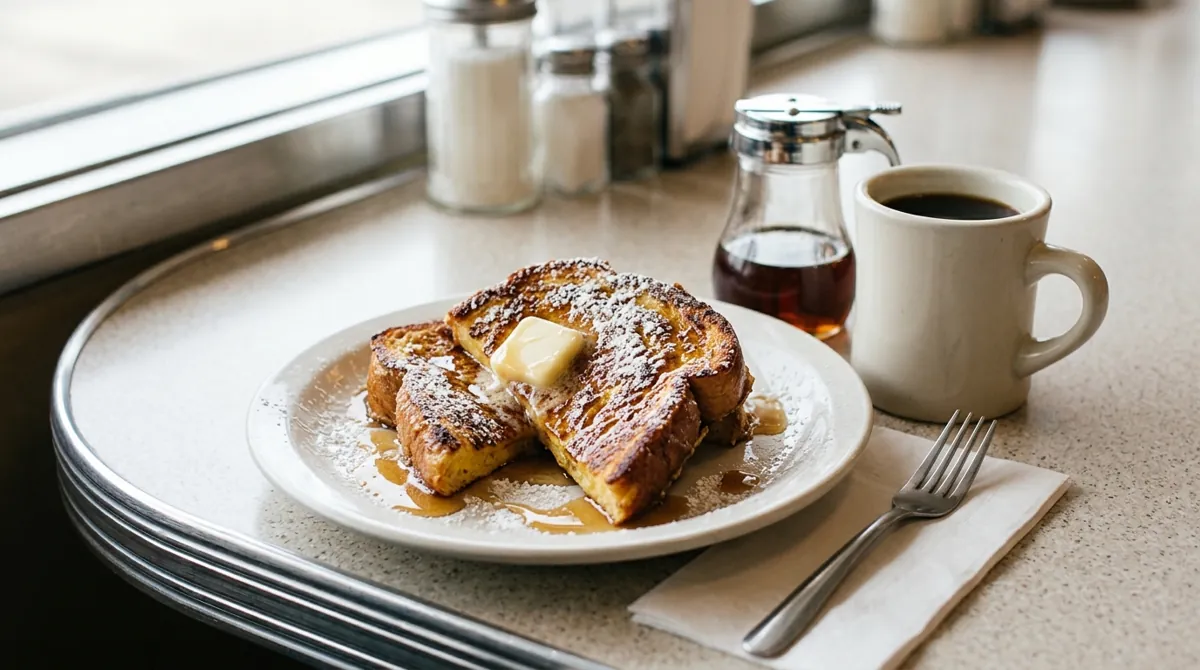
American Diner French Toast
Day-old challah dipped in a light vanilla batter with a little flour, browned in butter in a cast-iron skillet, and served the American way with butter, powdered sugar and maple syrup.
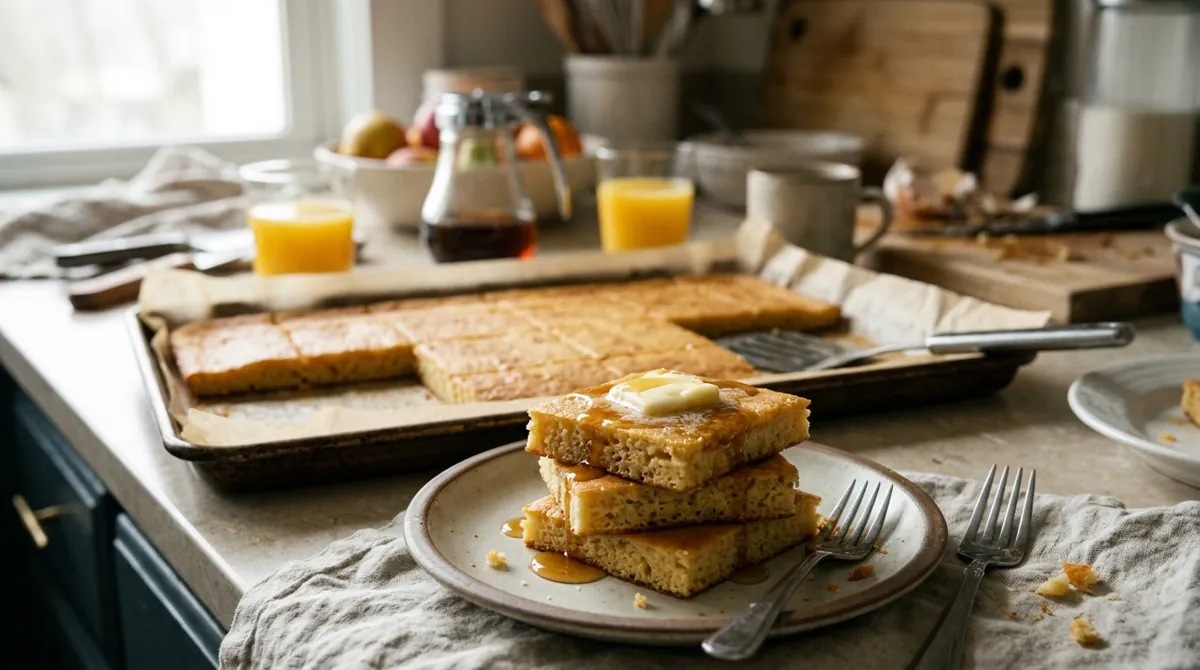
Sheet-Pan Pancakes
One big buttermilk-style pancake batter spread in a sheet pan and baked at 375°F for about 20 minutes, then cut into squares so everyone eats hot pancakes at the same time.
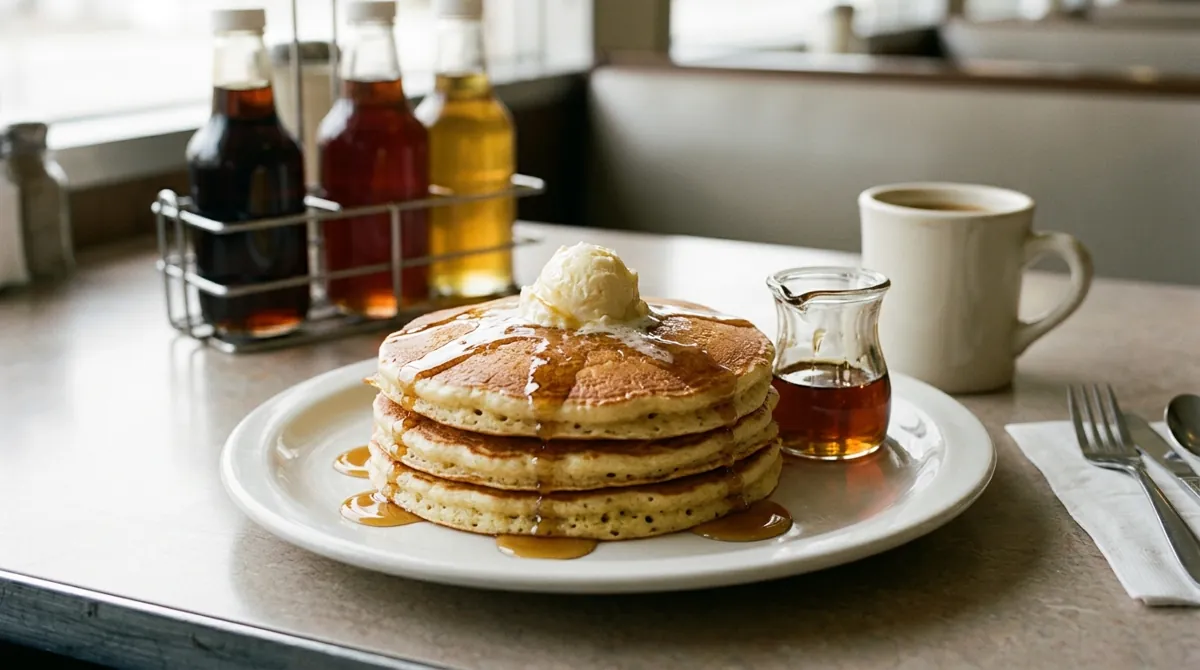
Diner-Style Buttermilk Pancakes, Inspired by IHOP
A blender batter of buttermilk, oil and a little sugar, raised with baking soda alone, griddled into tender 5-inch pancakes in the style of the all-day pancake house. Inspired by, not official.
Meatballs of the World

Italian-American Meatballs
Big, tender meatballs braised for an hour in red sauce over spaghetti. The one most Americans grew up with.

Pallottine (Abruzzo Meatballs)
Tiny meatballs, smaller than a marble, tossed right through square spaghetti alla chitarra. No bread at all.

Swedish Meatballs (Köttbullar)
Small, soft meatballs browned in butter, in a cream sauce made from the same pan, with lingonberry jam on the plate.

Danish Frikadeller
Pork meatballs shaped with a spoon and fried slowly in butter, crusty outside and soft in the middle.

Königsberger Klopse
German meatballs that are never fried: poached, then served in a creamy white sauce with capers.

Spanish Albóndigas in Almond Saffron Sauce
The tapas bar classic: small meatballs in a golden sauce thickened with fried almonds and bread.

Mexican Albóndigas with Chipotle and Mint
Soft meatballs with rice and fresh mint inside, simmered in a smoky tomato and chipotle broth.

Izgara Köfte (Turkish Grilled Meatballs)
Small, flat meatballs kneaded hard, rested cold, and charred on a hot grill pan.

Lion's Head Meatballs
Big, soft pork meatballs, stirred into a sticky paste, fried to set, then braised in a savory sauce.

Chicken Tsukune
Japan's chicken meatball: kneaded sticky, grilled on skewers, glazed with sweet soy tare, dipped in egg yolk.