
Japanese Curry Rice (Kare Raisu)
Chicken thighs, potatoes and carrots simmered in broth and thickened at the end with a homemade curry roux of butter, flour, warm spices and miso, served the Japanese way: rice on one side of the bowl, curry on the other.
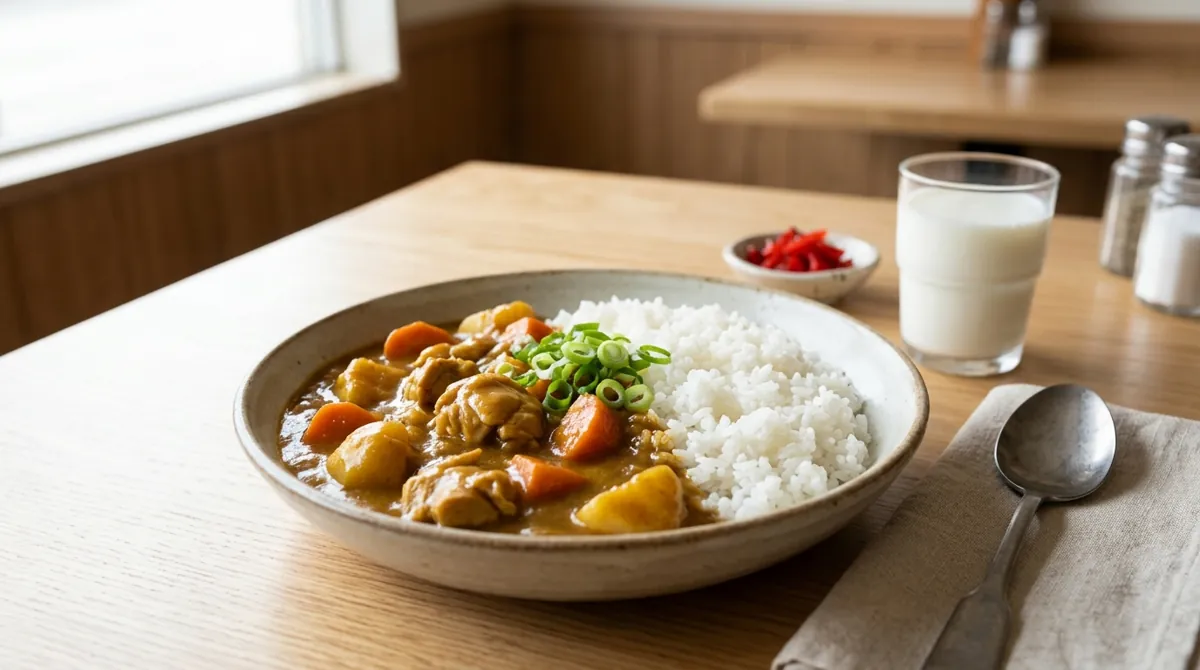
Curry rice is one of Japan's everyday comfort foods, but it is yoshoku, Western-style cooking, not something that came straight from India. Wikipedia says curry appeared in Japanese cookbooks in 1872, most likely introduced by the British Royal Navy, and was a luxury in Western-style restaurants through the Meiji period (1868 to 1912). The Government of Japan's Highlighting Japan magazine (April 2026) tells the navy story: in the 1880s the Imperial Japanese Navy was plagued by beriberi, a vitamin B1 deficiency common on a diet of white rice, and navy surgeon Takaki Kanehiro's diet reforms introduced a dish inspired by the British Navy, meat and vegetables simmered, thickened and served over rice; the navy's official cooking manual of 1908 printed curry rice recipes.
The same article says retired sailors are thought to have carried the taste home, that Yokosuka, a navy port, has promoted "Kaigun (Navy) Curry" since 1999, and that the Japan Maritime Self-Defense Force serves curry every Friday at sea to keep track of the days. Wikipedia adds the milestones that made it a home dish: domestic curry powder in 1905, school lunches in 1948, block-shaped instant roux in 1950 and House Foods' apple-and-honey Vermont Curry in 1963. How much the navy spread it to civilians is DISPUTED (see the rules below).
Why it works the kitchen science
A light roux
ATK stops the flour at pale golden because a darker roux thickens less; the result is the glossy, spoon-coating curry Japanese cooks get from a store-bought brick.
Sweet-savory seasoning
A little sugar and miso in the roux, plus soy and Worcestershire at the end, give the mild, rounded flavor Japanese curry is known for, with no chile heat required.
Step by step
- Step 1
Make the roux: stir the sugar, spices, garlic powder and pepper together in a small bowl. Melt the butter in an 8-inch skillet over low heat, take it off the heat and whisk in the flour until smooth. Return to medium heat and cook, whisking often, 3 to 4 minutes, until pale golden brown. Off the heat, whisk in the spice mix, then the miso. Scrape into a small container and refrigerate about 30 minutes, until set.
- Step 2
Toss the chicken with 1 tsp salt. Heat the oil in a medium saucepan over medium heat until shimmering. Add the onion and the remaining 1/4 tsp salt and cook, stirring often, about 8 minutes, until browned. Add the ginger and garlic and stir 30 seconds.
- Step 3
Add the chicken and cook, stirring often, about 3 minutes, until no longer pink on the outside. Stir in the potatoes and carrots, add the broth and bring to a simmer over high heat.
- Step 4
Lower the heat to a gentle simmer and cook about 20 minutes, until the potatoes are just tender (the chicken will be well past 165°F; check one piece).
- Step 5
Add the set roux, soy sauce and Worcestershire. Let the roux melt about 1 minute, then stir gently, scraping the bottom, and simmer about 3 minutes, until the curry thickens. Season with salt and pepper.
- Step 6
Spoon rice onto one half of each shallow bowl and ladle curry beside it. Top with scallion and serve with pickles, pickled ginger or lemon.
Japanese Curry Rice (Kare Raisu)
Serves 4 · about 6 cups curry plus 4 cups rice · 1 hr total
Curry roux (half of ATK's brick recipe)
- 3/4 tsp sugar
- 3/4 tsp ground turmeric
- 3/4 tsp ground coriander
- 3/4 tsp ground ginger
- 1/4 tsp each ground cardamom, ground cumin, ground cinnamon, ground fennel, ground fenugreek and garlic powder
- 1/8 tsp ground brown mustard
- 1/8 tsp black pepper
- 4 tbsp unsalted butter
- 1/3 cup all-purpose flour
- 1 1/2 tsp white miso
Curry
- 1 lb boneless, skinless chicken thighs, trimmed and cut into 1-inch pieces
- 1 1/4 tsp kosher salt, divided
- 1 tbsp vegetable oil
- 1 onion, chopped (about 1 1/4 cups)
- 2 1/2 tsp grated fresh ginger
- 1 garlic clove, minced
- 1 lb Yukon Gold potatoes, peeled and cut into 3/4-inch pieces
- 2 carrots, peeled and cut into 1/2-inch pieces (about 1 cup)
- 2 2/3 cups chicken broth
- 2 tsp soy sauce
- 1 tsp Worcestershire sauce
To serve
- 4 cups cooked Japanese short-grain rice
- 1 scallion, thinly sliced on the bias
- Fukujinzuke (Japanese curry pickles), pickled ginger or lemon wedges
Method
- Make the roux: stir the sugar, spices, garlic powder and pepper together in a small bowl. Melt the butter in an 8-inch skillet over low heat, take it off the heat and whisk in the flour until smooth. Return to medium heat and cook, whisking often, 3 to 4 minutes, until pale golden brown. Off the heat, whisk in the spice mix, then the miso. Scrape into a small container and refrigerate about 30 minutes, until set.
- Toss the chicken with 1 tsp salt. Heat the oil in a medium saucepan over medium heat until shimmering. Add the onion and the remaining 1/4 tsp salt and cook, stirring often, about 8 minutes, until browned. Add the ginger and garlic and stir 30 seconds.
- Add the chicken and cook, stirring often, about 3 minutes, until no longer pink on the outside. Stir in the potatoes and carrots, add the broth and bring to a simmer over high heat.
- Lower the heat to a gentle simmer and cook about 20 minutes, until the potatoes are just tender (the chicken will be well past 165°F; check one piece).
- Add the set roux, soy sauce and Worcestershire. Let the roux melt about 1 minute, then stir gently, scraping the bottom, and simmer about 3 minutes, until the curry thickens. Season with salt and pepper.
- Spoon rice onto one half of each shallow bowl and ladle curry beside it. Top with scallion and serve with pickles, pickled ginger or lemon.
Adapted from America's Test Kitchen, "Kare Raisu (Japanese Curry Rice with Chicken)" by Lan Lam (published October 2, 2023), serves 4: with half of her "Japanese Curry-Roux Bricks" (same date). The spice blend, the pale golden roux cooked 3 to 4 minutes, the miso, the 8-minute browned onion, the 20-minute simmer and the soy and Worcestershire finish are ATK's. We make a half batch of roux instead of a full brick to halve; ATK checks the chicken by color, and its 20-minute simmer takes 1-inch pieces well past 165°F. America's Test Kitchen. Ingredient list follows the source; the method is in our own words.
Tips
- The full brick recipe makes two 4-ounce bricks; ATK says they keep a week in the fridge or 3 months in the freezer.
- Store-bought curry roux blocks can replace the homemade roux; they are already salted, so taste before adding salt.
- Katsu curry, curry poured over a fried pork or chicken cutlet, is the classic restaurant upgrade; ATK has a version.
- Yokosuka's navy curry is served with a salad and a glass of milk on the side (Highlighting Japan).
The rules people argue about
What the sources agree on, what they don't, and what is just a good story.
- The British Navy brought curry to Japan. Disputed: Highlighting Japan says the navy dish was "inspired by the British Navy", and Wikipedia says the Royal Navy "most likely" introduced it; Wikipedia also says it may have spread through the Imperial Japanese Army's mess halls instead, and notes curry rice was on an Army academy menu in 1873.
- Sailors spread curry to the rest of Japan. Disputed: Highlighting Japan says retired servicemen "are thought to have" brought it home; naval researcher Naoshi Takamori, cited by Wikipedia, argues the military took curry from civilian cooking, not the other way around.
- Curry prevented beriberi. Documented as the purpose of the navy's diet reforms (Highlighting Japan); Wikipedia credits curry as a quick source of thiamine.
- The navy serves curry on Fridays. Documented (Highlighting Japan): the Maritime Self-Defense Force serves it every Friday at sea to mark the days of the week.
- William S. Clark coined "curry rice". Folklore: Wikipedia says the 1873 Army menu predates him.
Every other curry
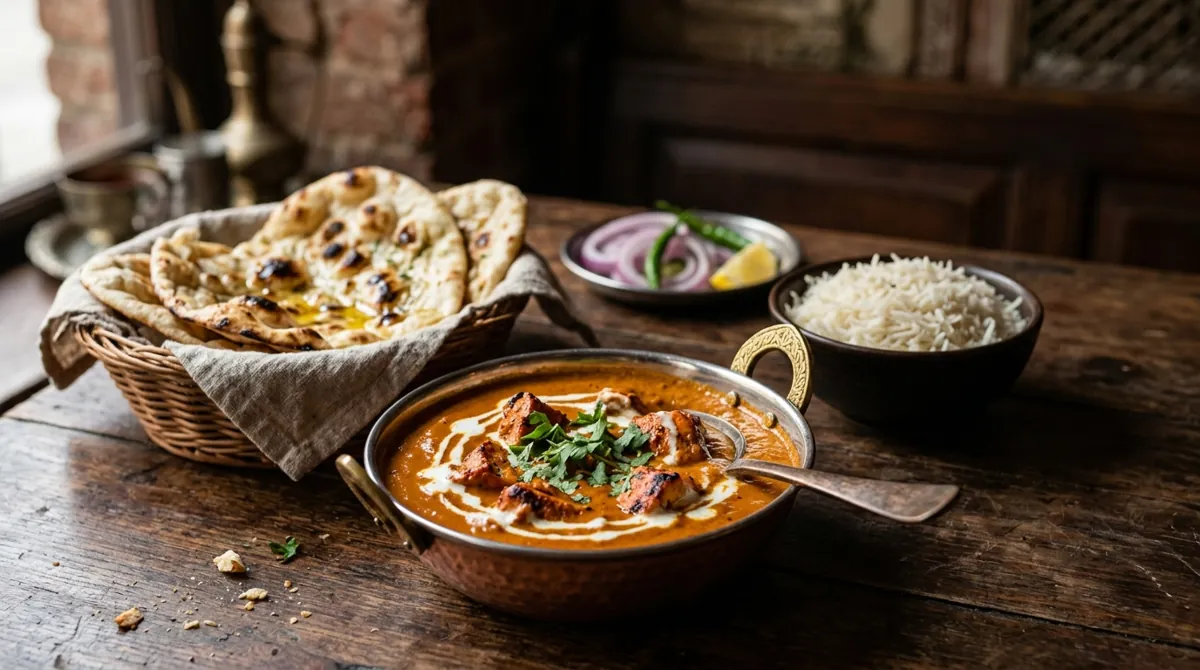
Indian Butter Chicken (Murgh Makhani)
Yogurt-coated chicken thighs broiled until charred at the edges, then folded into a smooth, gently spiced tomato sauce finished with cream and butter, the Delhi restaurant classic made with a home broiler instead of a tandoor.
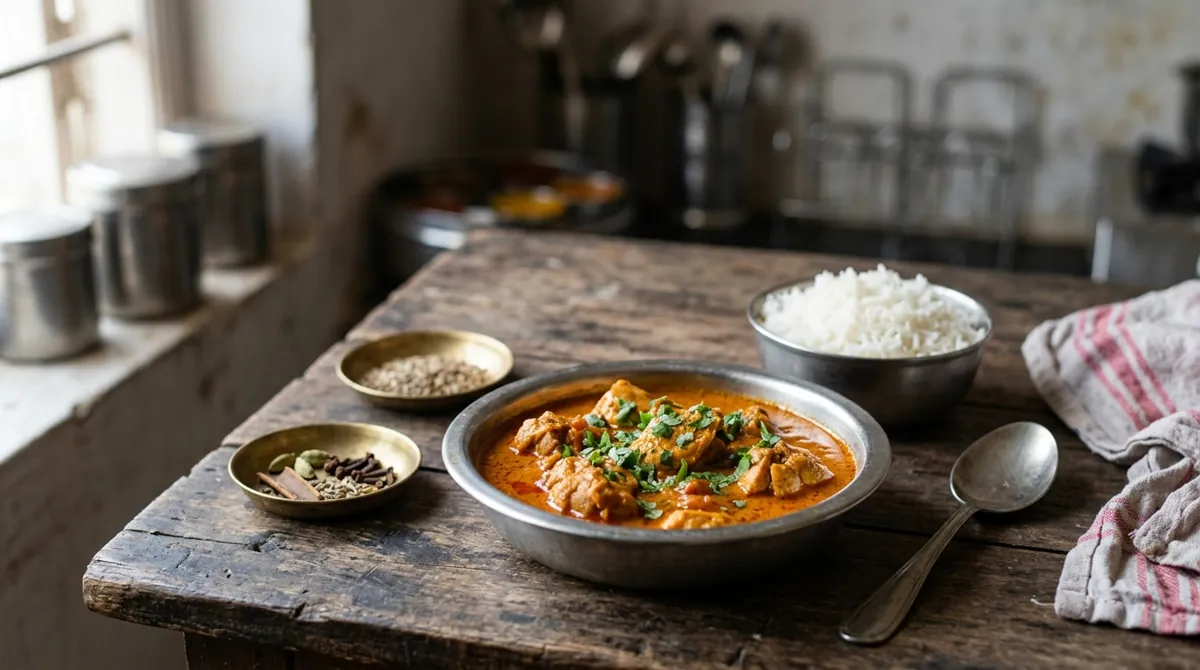
Home-Style Indian Chicken Curry (Tamatar Murghi)
Raghavan Iyer's everyday chicken curry: onion, garlic and ginger browned in a skillet, a spice blend you grind yourself, tomatoes and a splash of half-and-half blended into a velvety orange sauce, with chicken simmered in it until just done.
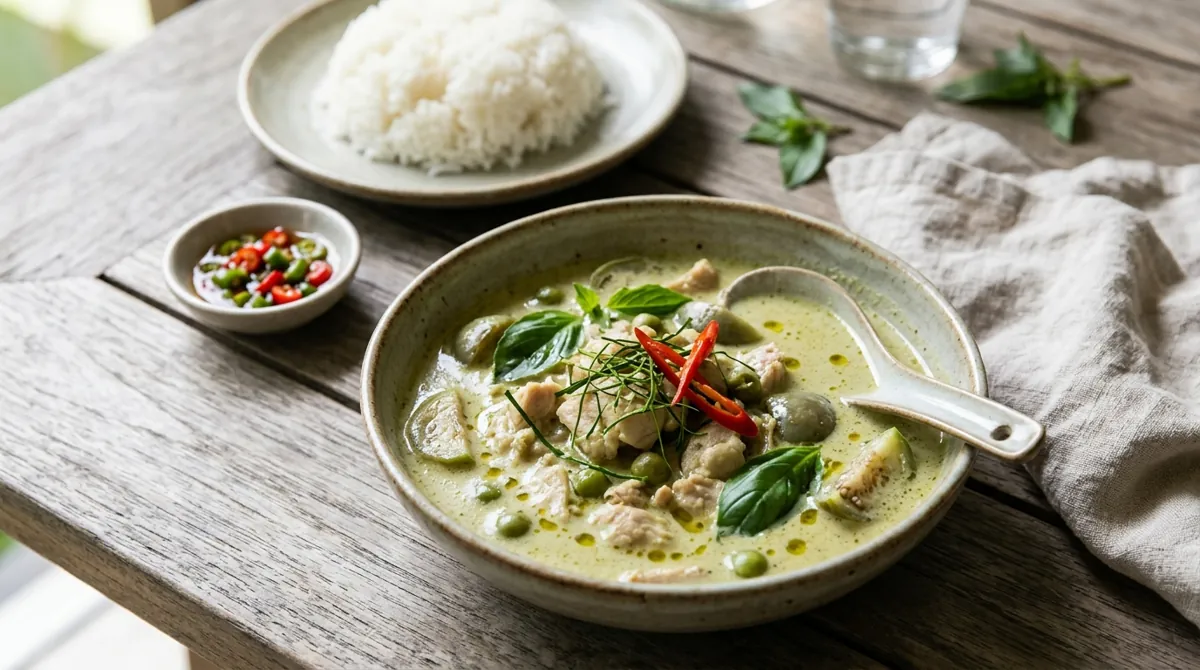
Thai Green Curry with Chicken (Gaeng Khiao Waan Gai)
Green curry paste fried in coconut cream until the oil breaks free, then simmered with chicken thighs, makrut lime leaves and crisp Thai eggplants and finished with a handful of Thai basil: savory and spicy first, only faintly sweet.
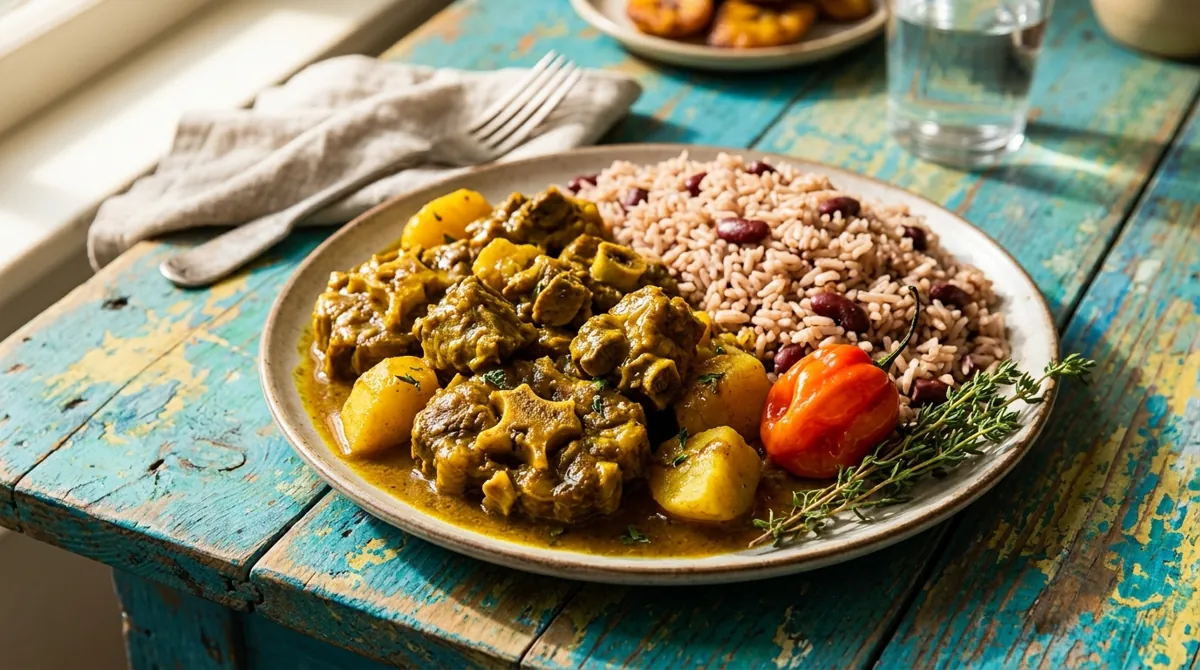
Jamaican Curry Goat
Bone-in goat marinated overnight in curry powder, allspice, thyme, garlic, ginger and scallions, browned and simmered for hours with a whole Scotch bonnet, then finished with potatoes until the meat falls from the bone.
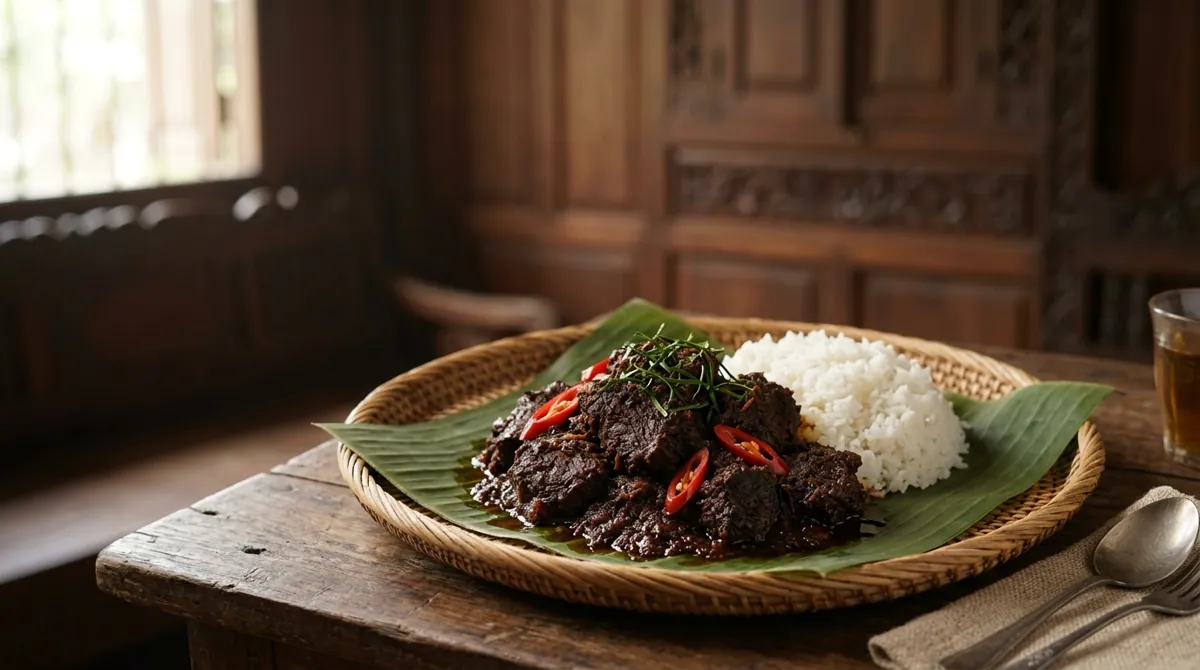
Beef Rendang
Chunks of beef chuck braised in coconut milk with a paste of shallots, ginger, galangal, lemongrass, chiles and lime leaves until every drop of liquid is gone and the meat fries, dark and caramelized, in the coconut fat.
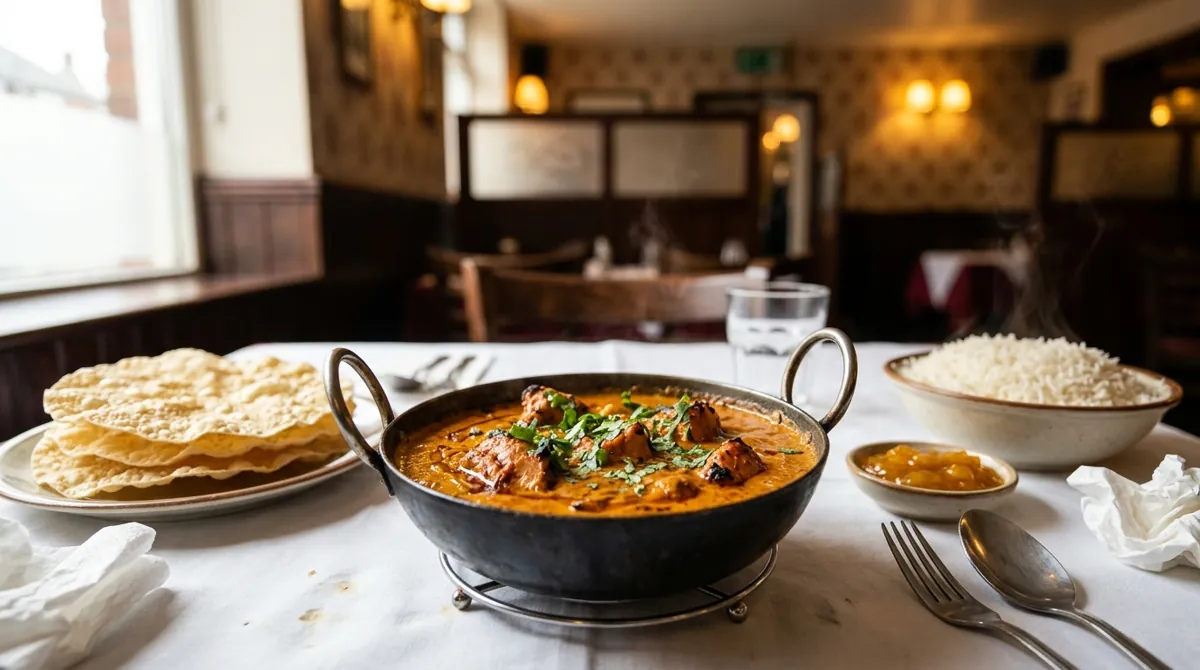
Chicken Tikka Masala
Spice-rubbed chicken breasts coated in garlicky yogurt and charred under the broiler, then cut up and stirred into a creamy, gently spiced tomato masala sauce: the British curry house favorite made at home.
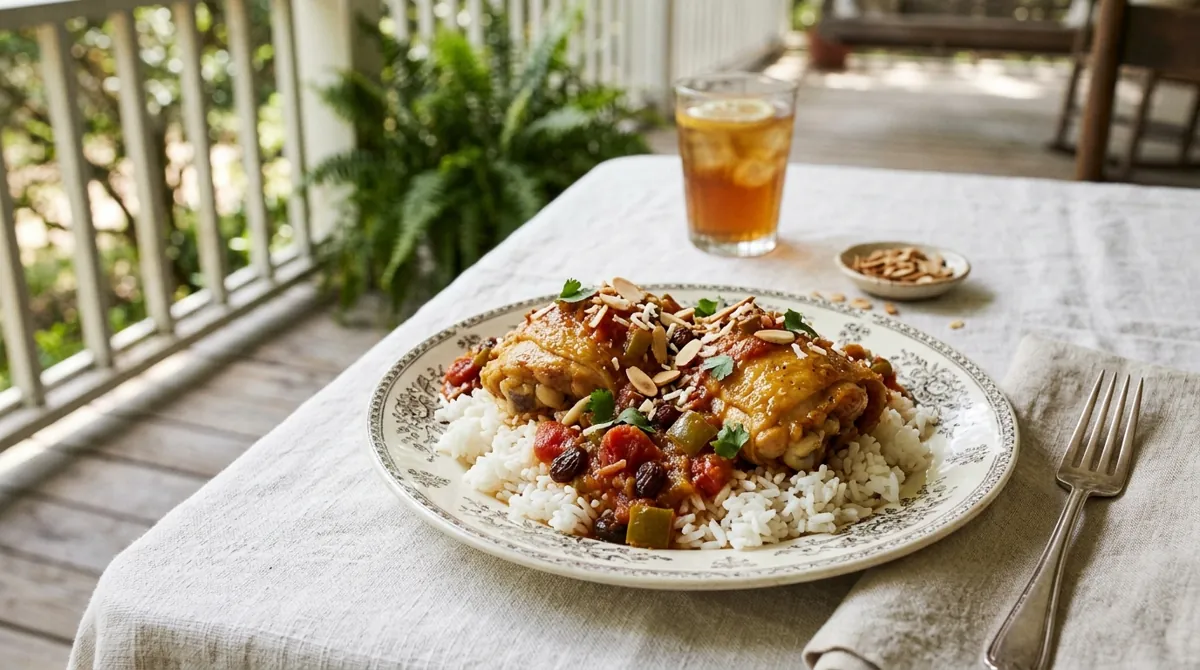
Country Captain Chicken
Curry-rubbed bone-in chicken thighs browned in bacon fat and baked in a sweet-sour curried tomato sauce with green peppers and raisins, then topped with almonds and coconut toasted with cumin and coriander seeds.
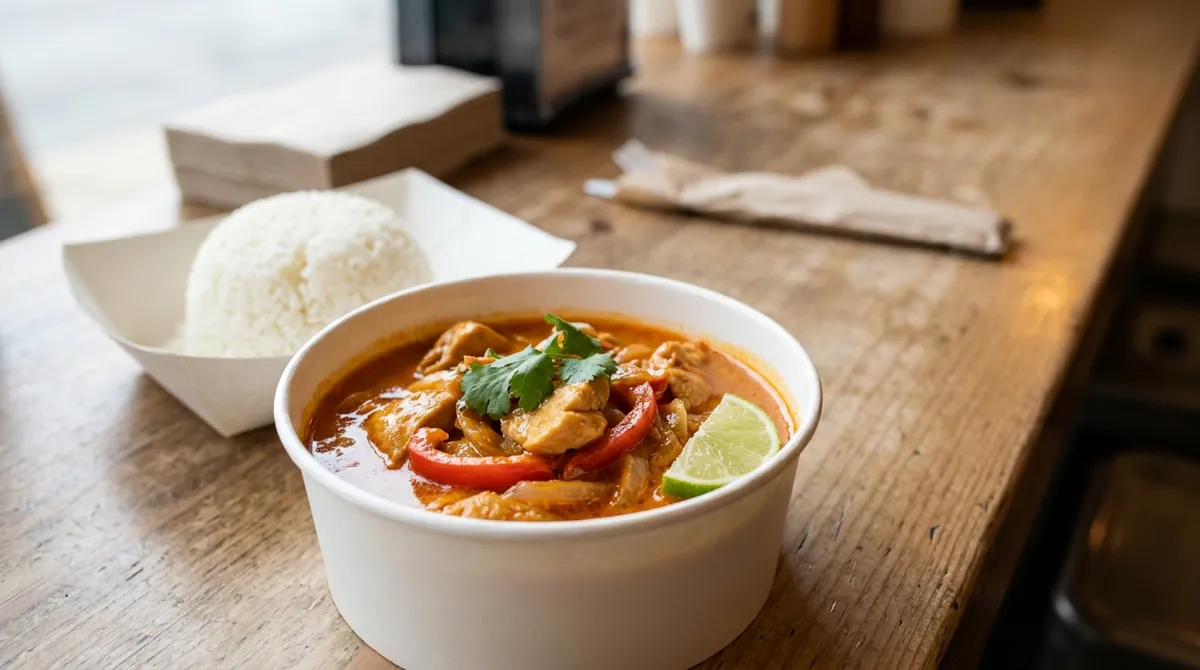
Takeout-Style Red Curry Chicken
Chicken thighs glazed with fish sauce and brown sugar and seared hard, red peppers and onion charred in the same skillet, then everything simmered briefly in red curry paste and a can of coconut milk with lime: the Thai restaurant order Americans know, in 30 minutes.
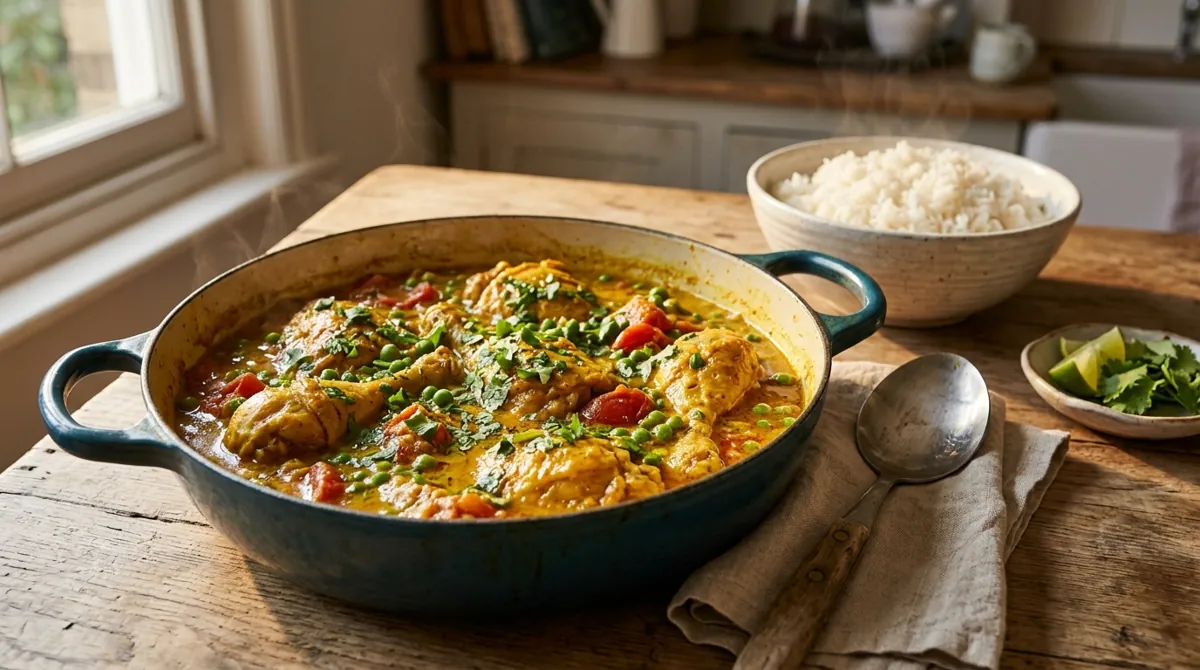
One-Pot Chicken Curry with Coconut Milk and Peas
Bone-in chicken browned in a Dutch oven, then braised in a curry-powder base of onion, garlic, jalapeño, ginger and tomato paste, and finished with coconut milk, butter, fresh tomatoes and peas: the American home cook's curry, all in one pot.
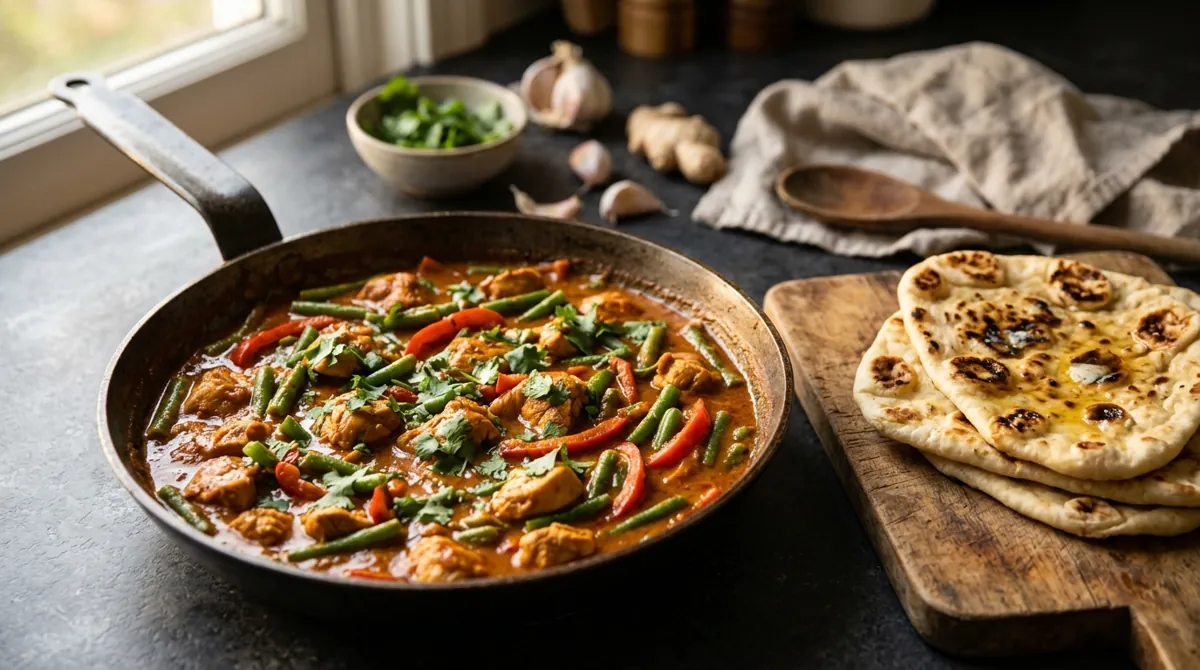
30-Minute Chicken Curry with Green Beans
Browned chunks of chicken thigh, green beans and red pepper simmered in a quick sauce of curry powder, garlic, canned tomato sauce and broth, one skillet and done in 30 minutes.
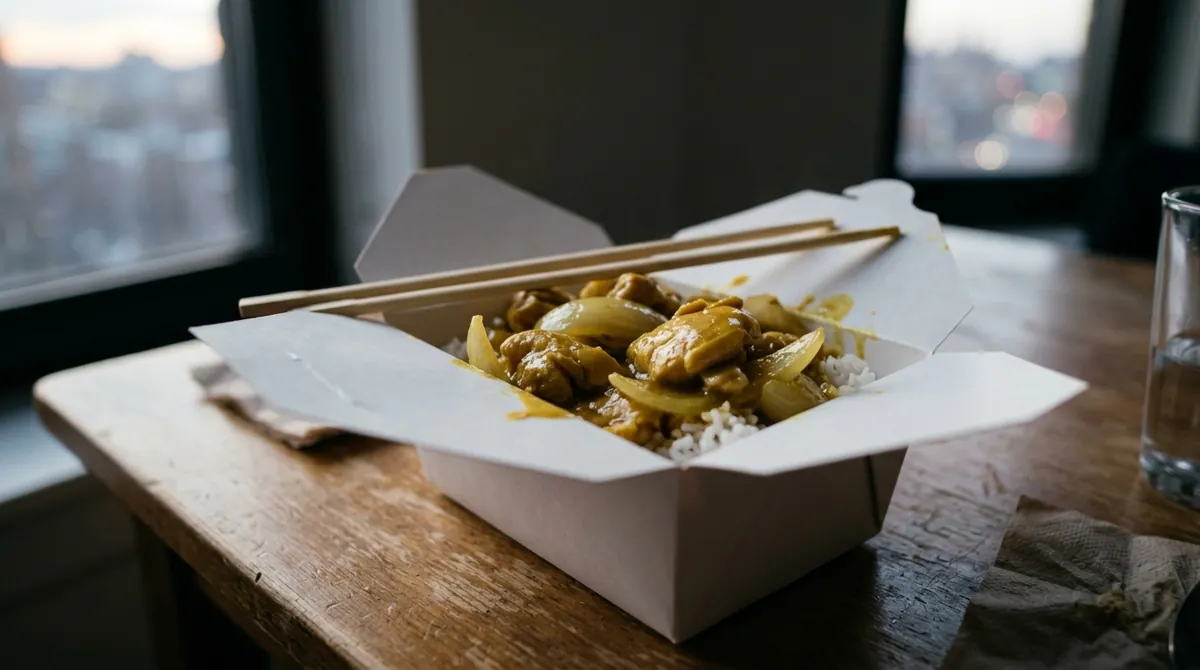
Takeout-Style Chinese Chicken Curry
A takeout-style copycat from no particular restaurant: velvety stir-fried chicken and soft onion wedges in a glossy, bright yellow curry sauce thickened with cornstarch, ready in 20 minutes to spoon over rice.
Meatballs of the World

Italian-American Meatballs
Big, tender meatballs braised for an hour in red sauce over spaghetti. The one most Americans grew up with.

Pallottine (Abruzzo Meatballs)
Tiny meatballs, smaller than a marble, tossed right through square spaghetti alla chitarra. No bread at all.

Swedish Meatballs (Köttbullar)
Small, soft meatballs browned in butter, in a cream sauce made from the same pan, with lingonberry jam on the plate.

Danish Frikadeller
Pork meatballs shaped with a spoon and fried slowly in butter, crusty outside and soft in the middle.

Königsberger Klopse
German meatballs that are never fried: poached, then served in a creamy white sauce with capers.

Spanish Albóndigas in Almond Saffron Sauce
The tapas bar classic: small meatballs in a golden sauce thickened with fried almonds and bread.

Mexican Albóndigas with Chipotle and Mint
Soft meatballs with rice and fresh mint inside, simmered in a smoky tomato and chipotle broth.

Izgara Köfte (Turkish Grilled Meatballs)
Small, flat meatballs kneaded hard, rested cold, and charred on a hot grill pan.

Lion's Head Meatballs
Big, soft pork meatballs, stirred into a sticky paste, fried to set, then braised in a savory sauce.

Chicken Tsukune
Japan's chicken meatball: kneaded sticky, grilled on skewers, glazed with sweet soy tare, dipped in egg yolk.