
Red Velvet Cake
The burgundy-red, mildly chocolate layer cake with buttermilk and a touch of vinegar, stacked four layers high with a fluffy white frosting the 1950s way.
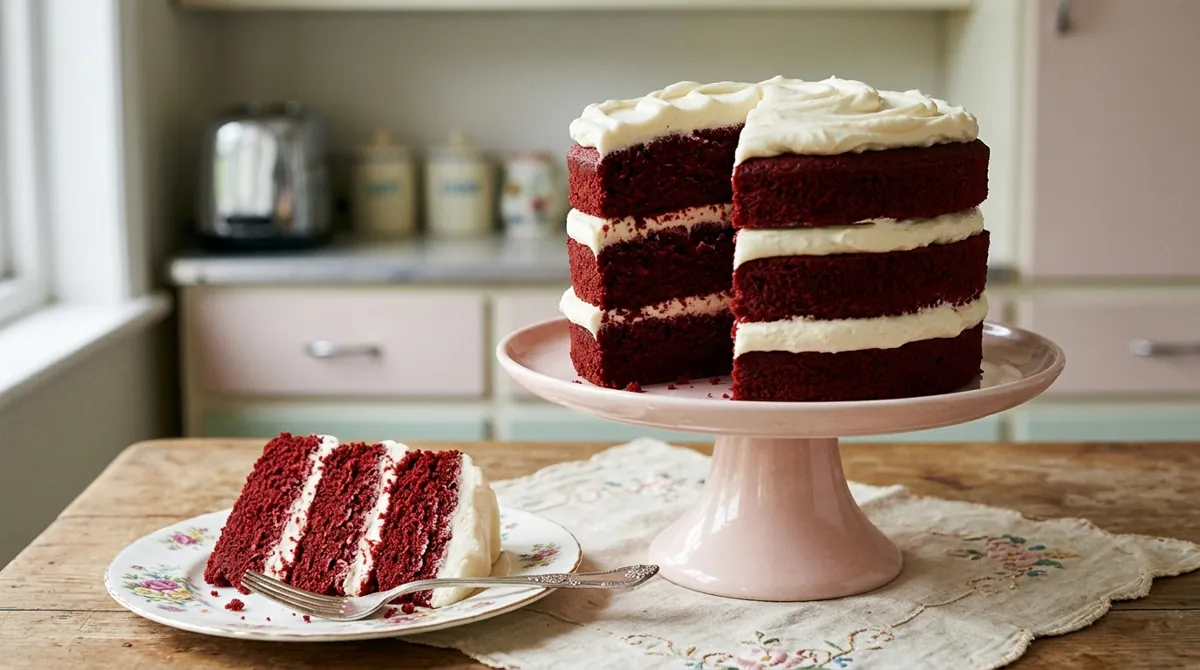
"Velvet" cakes go back to the 1800s, when the word meant a fine, soft crumb, Wikipedia says, and buttermilk with cocoa could give chocolate cakes a natural reddish tint. The bright red came later, with food coloring. Adams Extract, founded in 1888 and moved to Austin, Texas, in 1922, is credited with bringing red velvet cake to kitchens across America by selling red food color with point-of-sale posters and tear-off recipe cards; John G. Adams, Sr. created its four-color pack in 1947. Then there is the story everyone has heard: a woman asks the Waldorf-Astoria for the recipe, receives it with a bill for $100 and spreads it everywhere for revenge. That is an urban legend. Hoaxes.org traces it to a 1945 Time magazine column in which the bill came from no hotel at all; by 1949 the Waldorf was the villain and the recipe was a fudge cake, and only by the 1960s had it become red velvet. Snopes tells the same story through the Neiman Marcus cookie legend, and King Arthur Baking calls the Waldorf tale "likely untrue".
🇺🇸 This one is American
The burgundy-red, mildly chocolate layer cake with buttermilk and a touch of vinegar, stacked four layers high with a fluffy white frosting the 1950s way.
🇦🇹 The original
Vienna's original is a dense chocolate sponge spread with apricot jam under a hard, glossy chocolate glaze, served with unsweetened whipped cream. See the Sachertorte (Viennese Chocolate Apricot Torte) recipe.
🗳️ Red velvet or devil's food? Vote: Red velvet vs Devil's food →
📖 Myth check: Why Is Red Velvet Cake Red? Cocoa, Beets or Food Coloring →
Why it works the kitchen science
Buttermilk, vinegar and baking soda
The acids react with the soda for a tender rise and the fine "velvet" crumb the cake is named for.
Just a little cocoa
3 tbsp gives a mild chocolate flavor that lets the buttermilk tang come through, which is what makes red velvet taste different from chocolate cake.
Step by step
- Step 1
Heat the oven to 350°F. Grease two 8-inch round cake pans, line the bottoms with parchment and grease the parchment.
- Step 2
Cream the butter and sugar until combined, then beat in the eggs one at a time. Mix in the food coloring, cocoa, salt, baking soda and vinegar.
- Step 3
Add the flour and buttermilk alternately in portions, starting and ending with flour, until smooth. The batter will be stiff; spread it into the pans with wet fingers or a spatula.
- Step 4
Bake 25 to 30 minutes, until the tops feel set and a toothpick in the center comes out clean. Cool 10 minutes in the pans, turn out and cool completely, about 1 hour.
- Step 5
For the frosting, beat the butter and shortening until fluffy, then the salt, meringue powder and vanilla. Add the powdered sugar and milk and beat thoroughly, adding a little more milk or sugar until spreadable.
- Step 6
Split each layer in half horizontally to make four layers. Spread frosting on each and stack them, frosting the top but leaving the sides bare so the red layers show.
Red Velvet Cake
Serves 12 · one 8-inch four-layer cake · 1 hr 15 min total
Cake
- 8 tbsp (113 g) unsalted butter, at room temperature
- 1 1/3 cups (266 g) granulated sugar
- 2 large eggs, at room temperature
- 2 tbsp (28 g) liquid red food coloring
- 3 tbsp (14 g) Dutch-process cocoa
- 1 tsp table salt
- 1 tsp baking soda
- 1 tsp cider or white vinegar
- 2 1/4 cups (270 g) all-purpose flour
- 1 cup (227 g) buttermilk, at room temperature
Vanilla buttercream
- 8 tbsp (113 g) unsalted butter, softened
- 1/2 cup (92 g) vegetable shortening (or 8 tbsp more butter)
- Scant 1/4 tsp table salt
- 2 tbsp (14 g) meringue powder (optional, for a smoother frosting that holds its shape)
- 2 tsp vanilla extract
- 6 cups (681 g) powdered sugar
- 3 tbsp (43 g) milk, or as needed
Method
- Heat the oven to 350°F. Grease two 8-inch round cake pans, line the bottoms with parchment and grease the parchment.
- Cream the butter and sugar until combined, then beat in the eggs one at a time. Mix in the food coloring, cocoa, salt, baking soda and vinegar.
- Add the flour and buttermilk alternately in portions, starting and ending with flour, until smooth. The batter will be stiff; spread it into the pans with wet fingers or a spatula.
- Bake 25 to 30 minutes, until the tops feel set and a toothpick in the center comes out clean. Cool 10 minutes in the pans, turn out and cool completely, about 1 hour.
- For the frosting, beat the butter and shortening until fluffy, then the salt, meringue powder and vanilla. Add the powdered sugar and milk and beat thoroughly, adding a little more milk or sugar until spreadable.
- Split each layer in half horizontally to make four layers. Spread frosting on each and stack them, frosting the top but leaving the sides bare so the red layers show.
Adapted from King Arthur Baking's "Red Velvet Cake". Amounts, pans, oven, timing and the butter-and-shortening frosting are King Arthur's; King Arthur chose a classic buttercream to match the cake's 1950s character. Serving count is ours. A cream cheese frosting variation is in Tips and is not counted. King Arthur Baking. Ingredient list follows the source; the method is in our own words.
Tips
- Gel food coloring is stronger than liquid; start with about a quarter as much.
- Cream cheese variation (not counted): beat 8 oz cream cheese with 8 tbsp butter, 3 to 4 cups powdered sugar and 1 tsp vanilla. Many modern bakeries use it (Wikipedia).
- Keep the frosting covered at room temperature so it doesn't crust before you use it.
- Store at room temperature for a day or two, King Arthur says, or freeze.
The rules people argue about
What the sources agree on, what they don't, and what is just a good story.
- The Waldorf-Astoria charged a woman $100 for the recipe. Folklore: an urban legend that began in 1945 with no hotel and no red cake, per hoaxes.org; King Arthur calls it likely untrue. Never present it as history.
- The Waldorf-Astoria invented red velvet. Disputed: Wikipedia says the hotel claims to have created it, and that Eaton's department store in Canada also claimed the recipe; hoaxes.org notes reports that the hotel did not serve it when the legend began.
- Adams Extract popularized it. Documented by Wikipedia's Adams Extract article (red color sold with recipe cards); when the cards started is not settled.
- Real red velvet has cream cheese frosting. Disputed: Wikipedia says most modern recipes use cream cheese, while some use ermine (cooked flour) icing; King Arthur uses a buttercream on purpose.
- It was colored with beets. Folklore for the classic cake; Wikipedia mentions beet-red cakes in World War I and the Depression, but the bright red of the modern cake is food coloring.
Every other chocolate cake
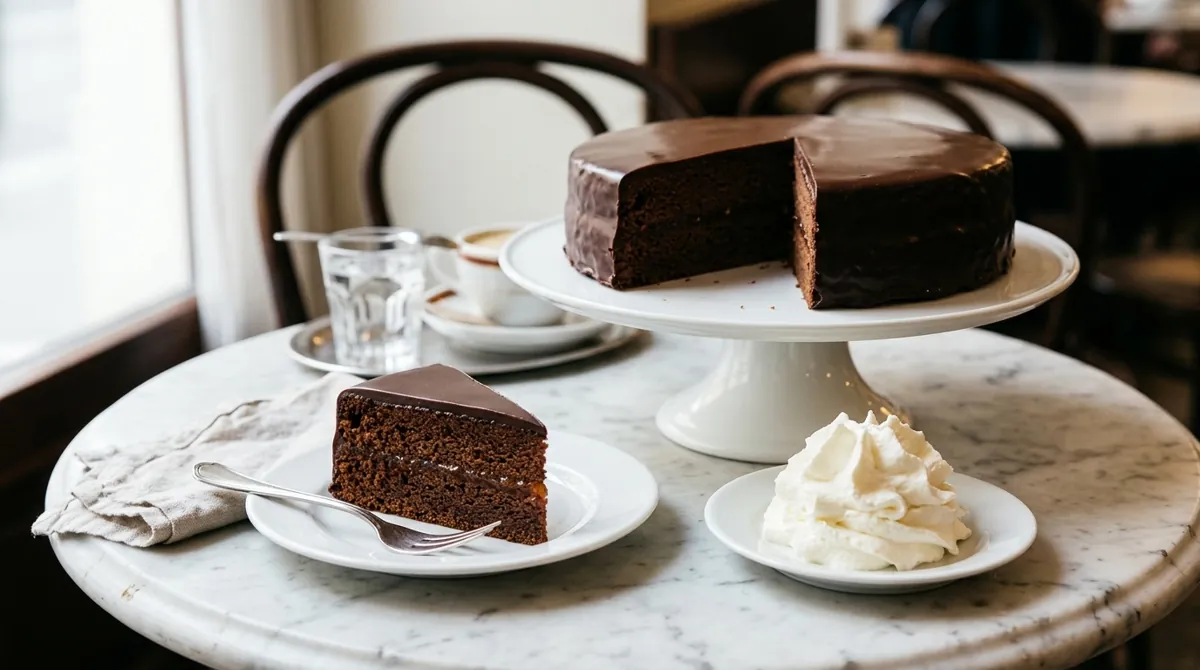
Sachertorte (Viennese Chocolate Apricot Torte)
Vienna's famous chocolate torte: a light, dark chocolate sponge split and filled with apricot jam, brushed with more jam and covered in a glossy poured chocolate glaze, served with unsweetened whipped cream.
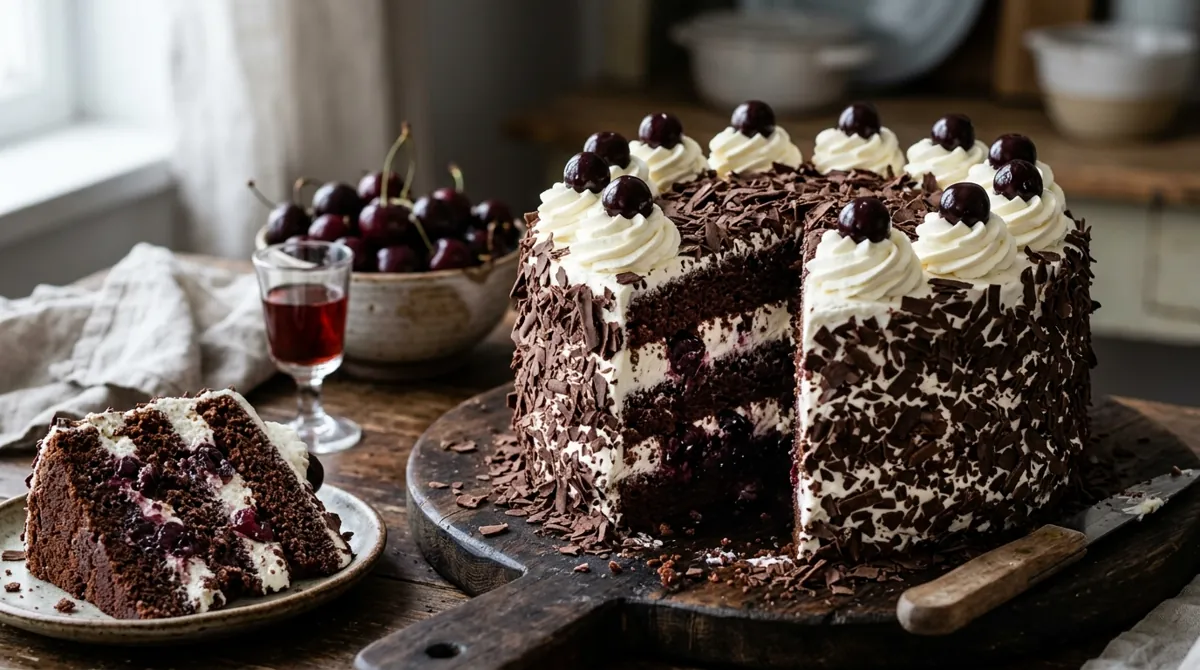
Schwarzwälder Kirschtorte (Black Forest Cake)
The real Black Forest cake: three layers of chocolate sponge brushed with kirsch, sour cherries and a light vanilla cream, covered in cream and dark chocolate shavings, the way the Black Forest's own tourism board makes it.
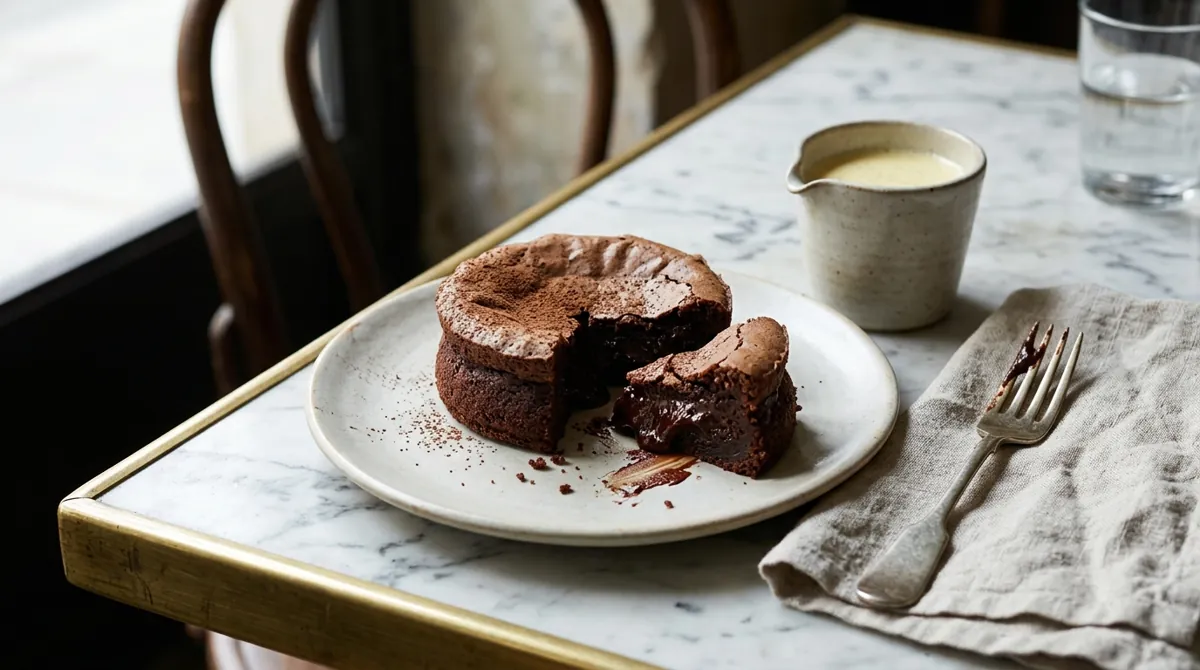
French Mi-Cuit Chocolate Cake (Pierre Hermé's Five-Ingredient Fondant)
France's soft-centered chocolate cake, the way pastry chef Pierre Hermé shared it in 2020: butter, sugar, eggs, a little flour and a lot of dark chocolate, baked until the edges set and the middle stays fudgy.
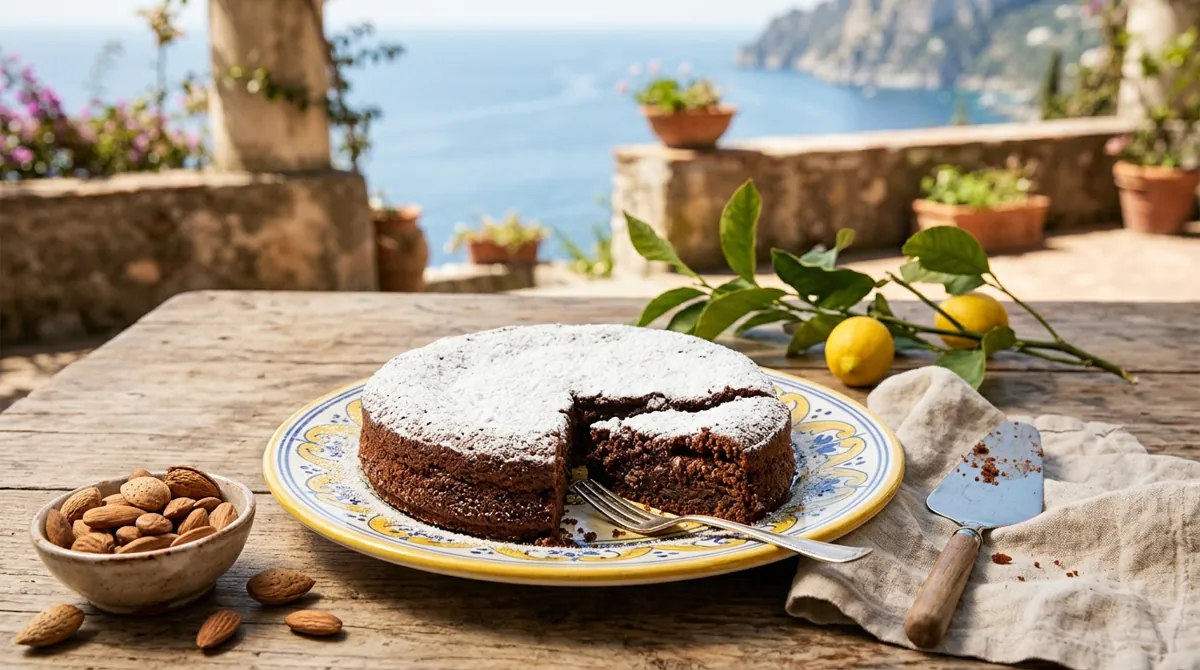
Torta Caprese (Italian Chocolate Almond Cake from Capri)
Capri's chocolate cake made with ground almonds instead of wheat flour: dark chocolate, butter and whipped egg whites baked into a cake with a crackly top and a dense, moist middle.
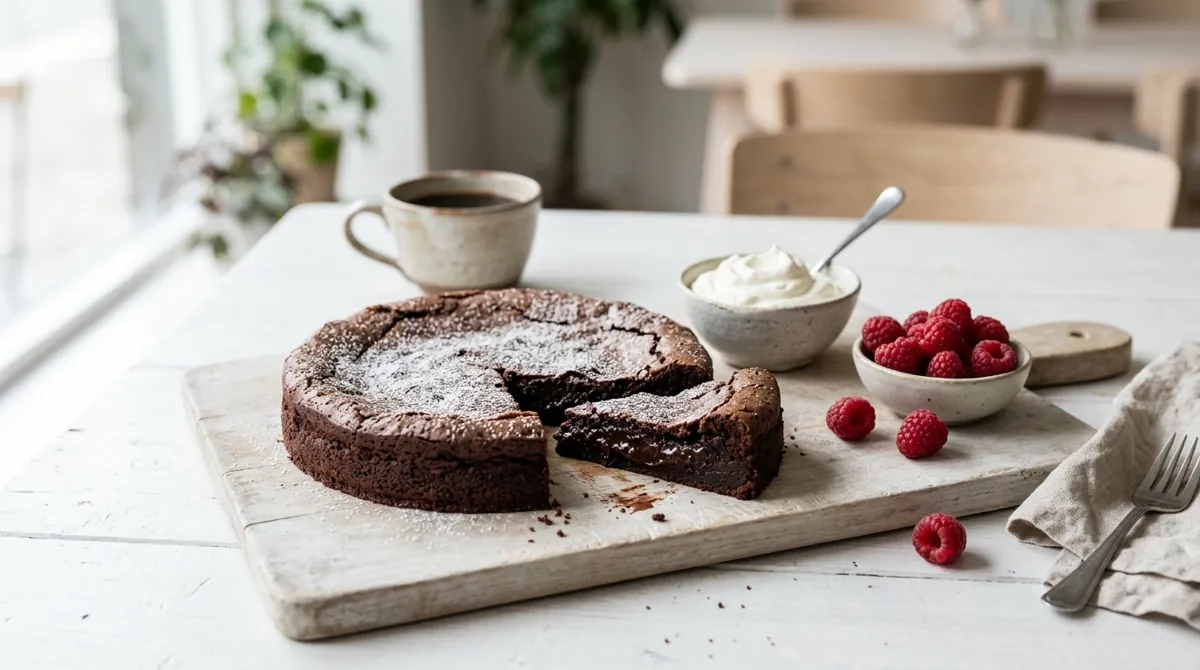
Kladdkaka (Swedish Sticky Chocolate Cake)
Sweden's café favorite: a quick chocolate cake with no rising agent, baked just long enough to set the crust while the center stays gooey and sticky, served with whipped cream and berries.
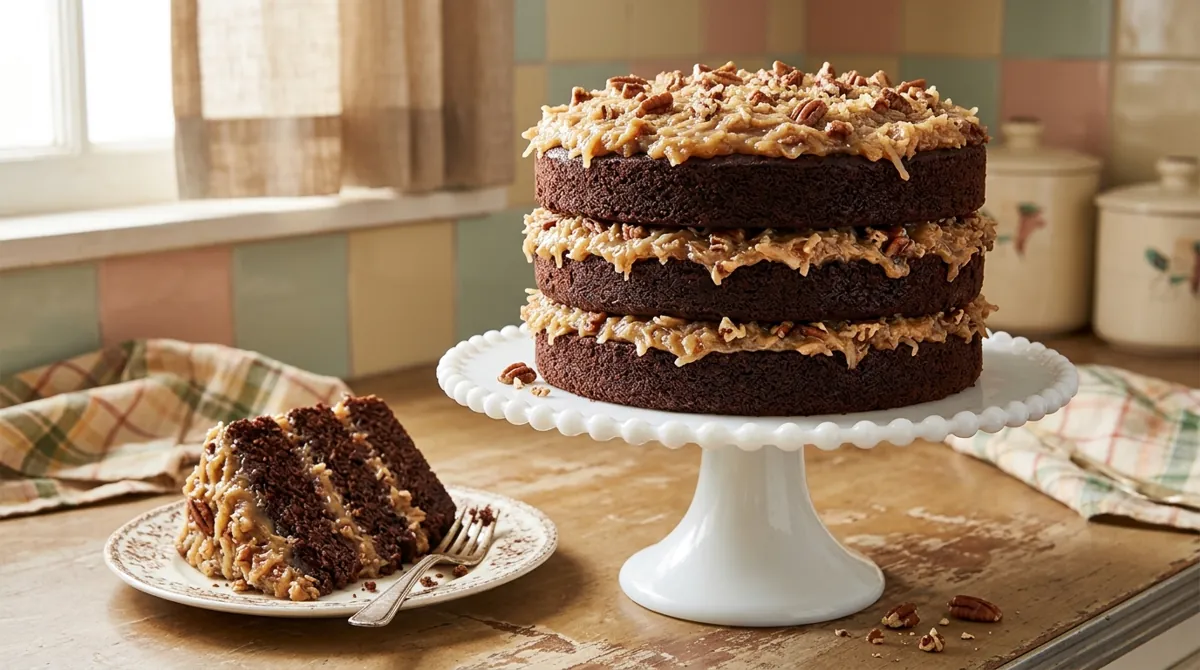
German Chocolate Cake (Coconut-Pecan Frosting)
Not from Germany at all: three light layers made with sweet baking chocolate and buttermilk, stacked with a cooked coconut-pecan custard frosting, the cake a 1957 Dallas newspaper recipe made famous.
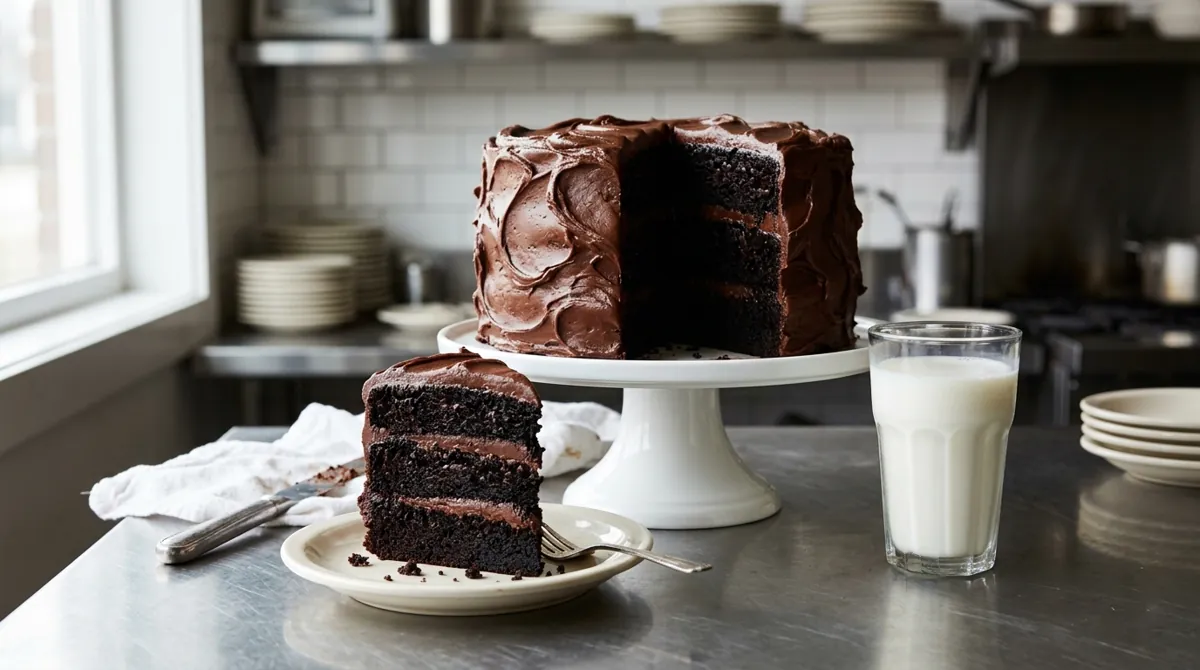
Devil's Food Cake
America's dark chocolate layer cake, the opposite of angel food: a dense, moist cocoa cake in two layers with a rich, fudgy chocolate frosting.
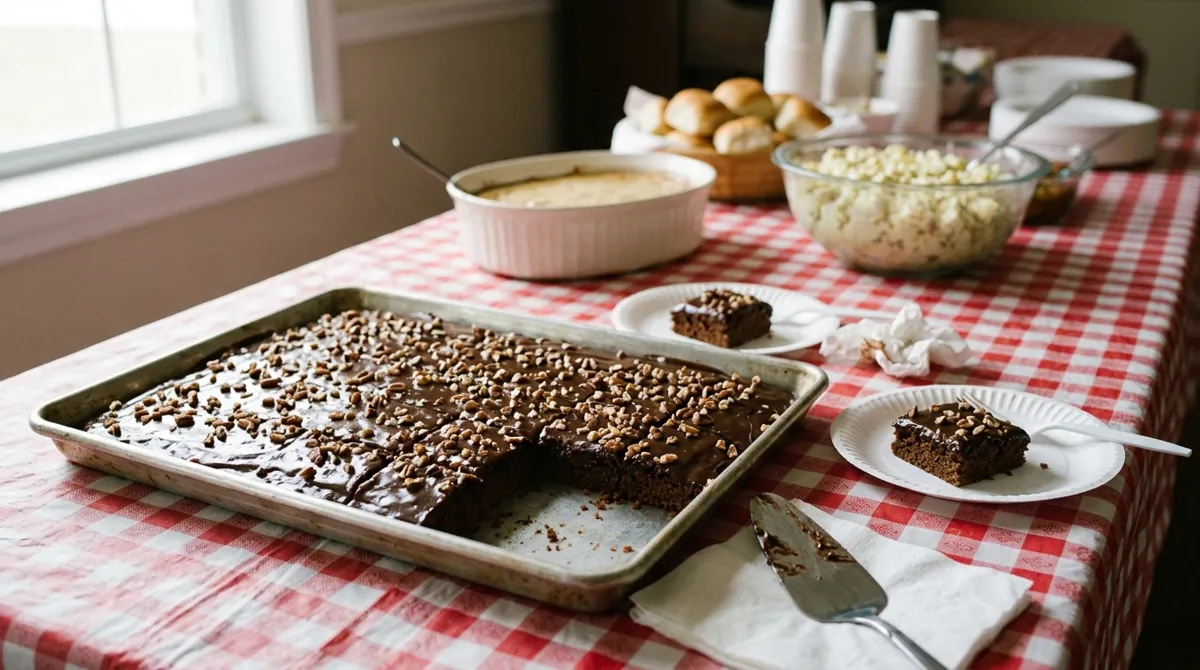
Texas Sheet Cake
A big, thin chocolate buttermilk cake baked in a half-sheet pan and covered with a fudgy chocolate icing, the cake for church suppers, funerals and crowds.
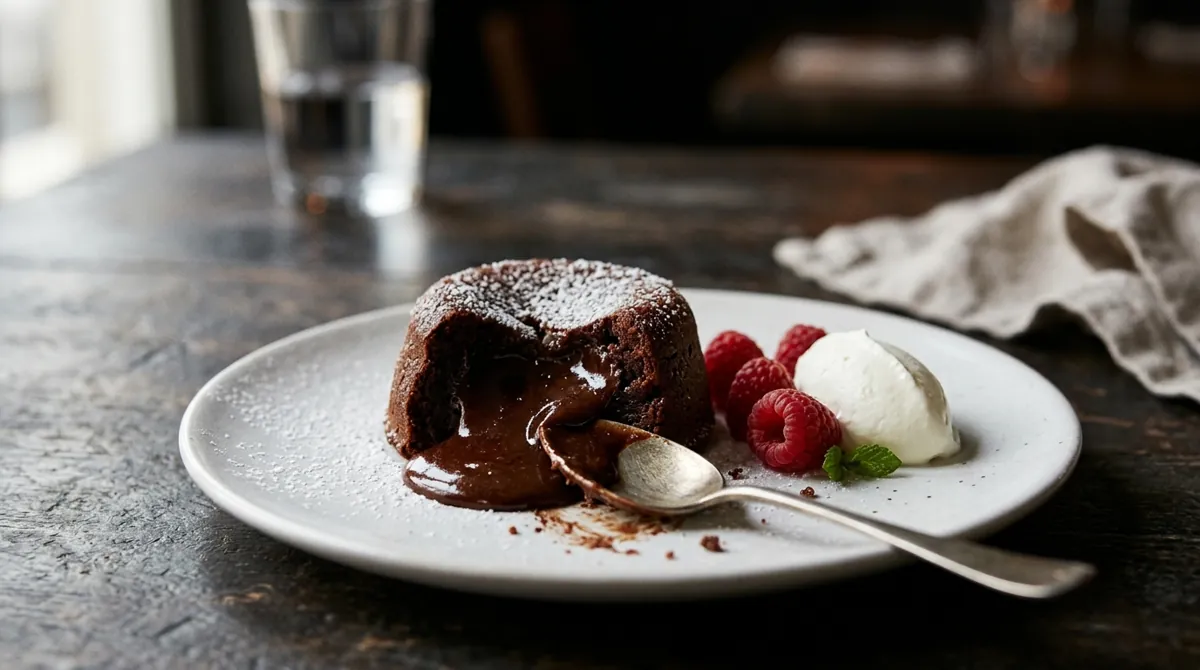
Molten Chocolate Lava Cakes
The 1990s restaurant dessert at home: individual chocolate cakes baked hot and fast so the outside sets and the center flows when you cut in, with a make-ahead option.
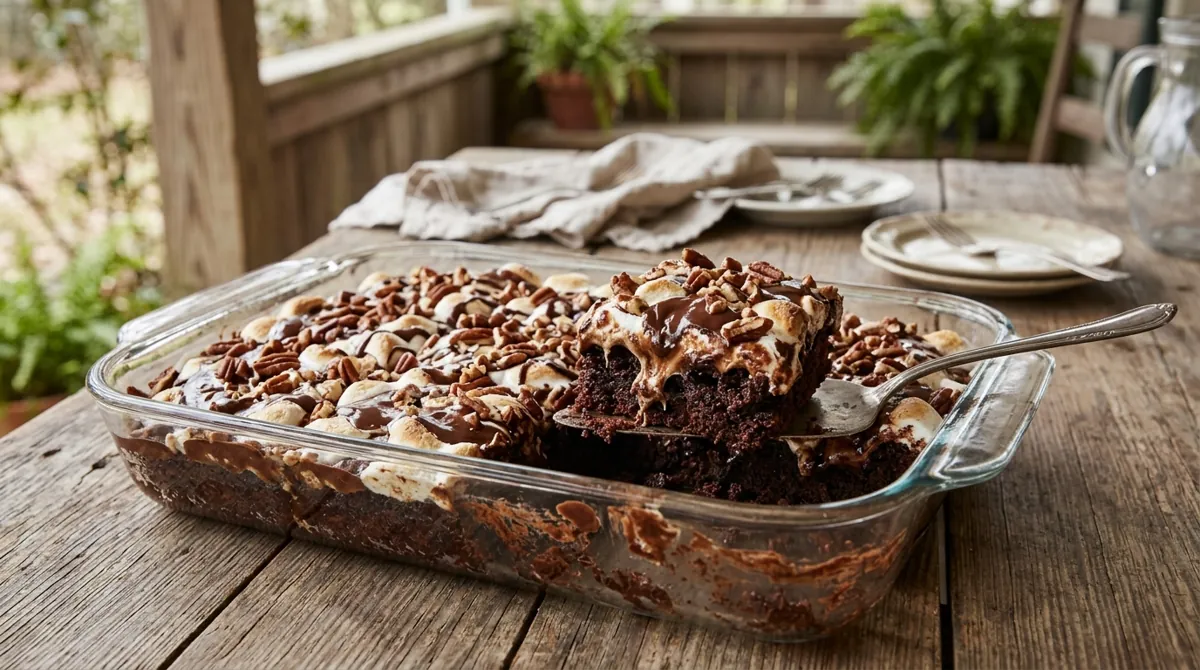
Mississippi Mud Cake
A dense, dark cocoa sheet cake spread hot with marshmallow, drizzled with chocolate ganache and covered with toasted pecans: messy, rich and built for a crowd.
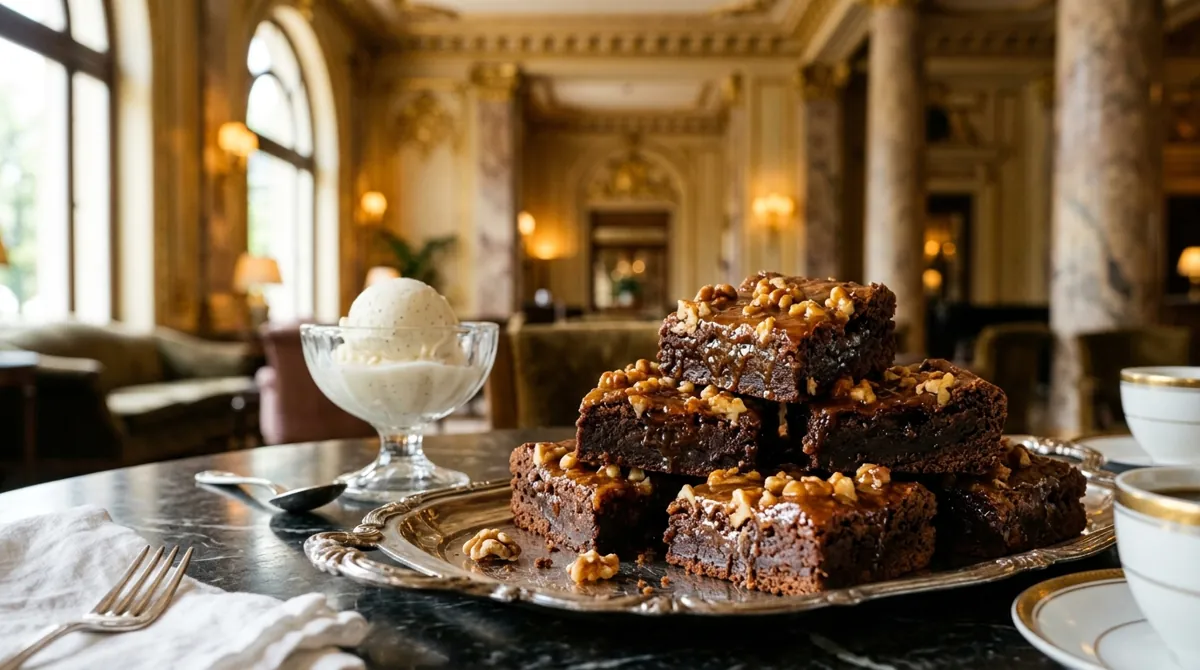
Palmer House Brownies (Walnut and Apricot Glaze)
The fudgy, walnut-topped chocolate bars Chicago's Palmer House hotel says it first made for the 1893 World's Fair, finished with a thin, shiny apricot glaze.
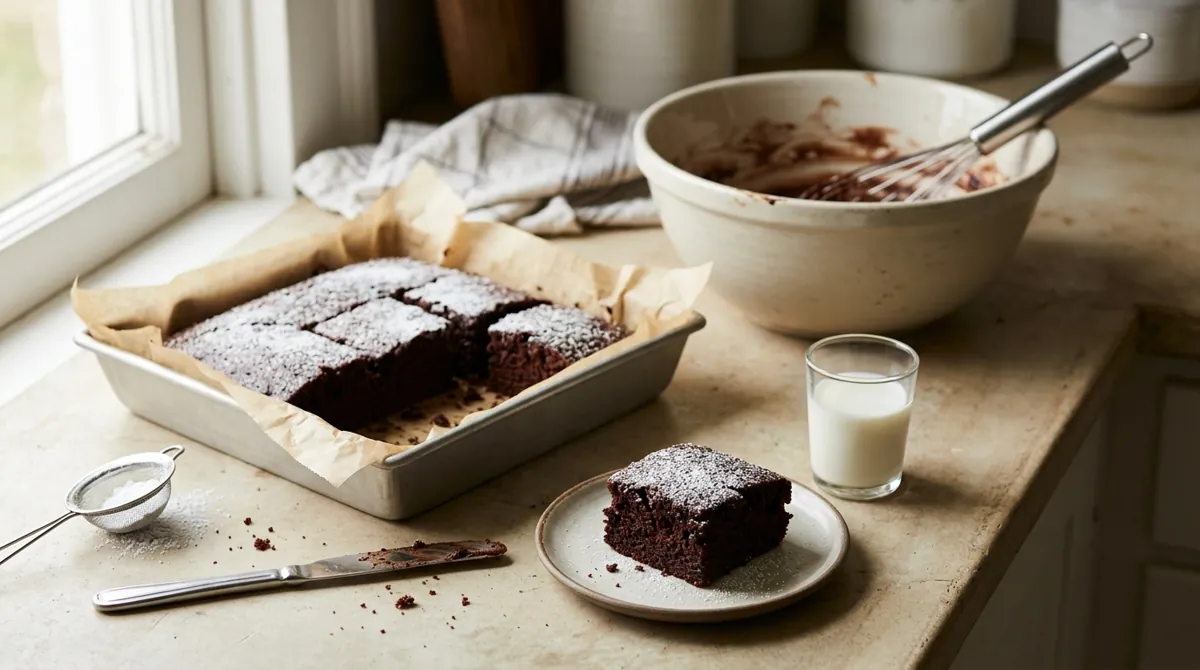
One-Bowl Chocolate Mayonnaise Cake (Weeknight)
A moist, tender chocolate snack cake mixed in one bowl in 10 minutes, with mayonnaise standing in for both the eggs and the oil, ready to eat in about 45 minutes with a dusting of powdered sugar.
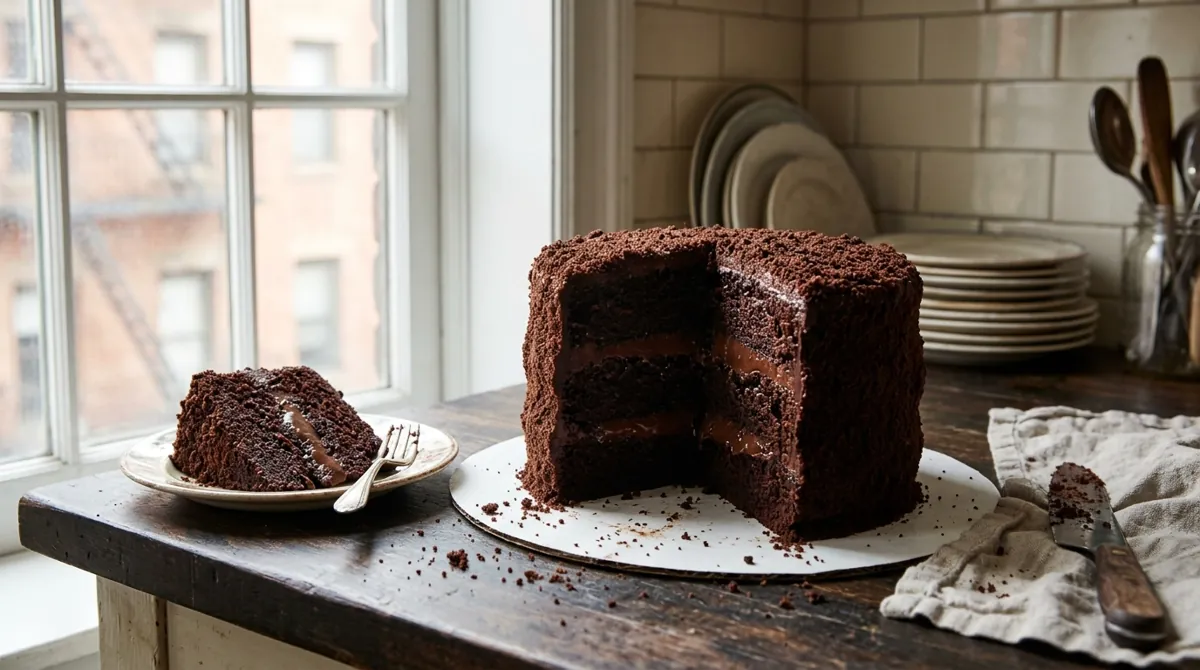
Brooklyn Blackout Cake (Inspired by Ebinger's, Not Official)
Inspired by, not official: a homage to the lost Ebinger's bakery's famous cake, with dark chocolate layers, a thick chocolate pudding filling, fudgy icing and a coat of chocolate cake crumbs.
Meatballs of the World

Italian-American Meatballs
Big, tender meatballs braised for an hour in red sauce over spaghetti. The one most Americans grew up with.

Pallottine (Abruzzo Meatballs)
Tiny meatballs, smaller than a marble, tossed right through square spaghetti alla chitarra. No bread at all.

Swedish Meatballs (Köttbullar)
Small, soft meatballs browned in butter, in a cream sauce made from the same pan, with lingonberry jam on the plate.

Danish Frikadeller
Pork meatballs shaped with a spoon and fried slowly in butter, crusty outside and soft in the middle.

Königsberger Klopse
German meatballs that are never fried: poached, then served in a creamy white sauce with capers.

Spanish Albóndigas in Almond Saffron Sauce
The tapas bar classic: small meatballs in a golden sauce thickened with fried almonds and bread.

Mexican Albóndigas with Chipotle and Mint
Soft meatballs with rice and fresh mint inside, simmered in a smoky tomato and chipotle broth.

Izgara Köfte (Turkish Grilled Meatballs)
Small, flat meatballs kneaded hard, rested cold, and charred on a hot grill pan.

Lion's Head Meatballs
Big, soft pork meatballs, stirred into a sticky paste, fried to set, then braised in a savory sauce.

Chicken Tsukune
Japan's chicken meatball: kneaded sticky, grilled on skewers, glazed with sweet soy tare, dipped in egg yolk.